70 Creative Writing Prompts Inspired by Annabel Lee: Plot Hooks, Opening Lines, Characters & Visual Ideas
Some stories don’t begin with love. They begin with longing — the kind that refuses to stay in the past, the kind that turns memory into something sacred and dangerous at the same time.
Edgar Allan Poe’s Annabel Lee endures not because of its simplicity, but because of its fixation. The poem blurs the boundary between devotion and obsession, memory and myth, love and possession. It presents a narrator who insists on eternal purity while quietly revealing a need to preserve love exactly as it was — untouched by time, change, or reality.
This collection of 70 creative writing prompts inspired by Annabel Lee draws on the poem’s emotional logic, imagery, and tone rather than its narrative. The prompts invite teen writers to explore idealised love, grief, fixation, memory, and unreliable storytelling through original fiction and poetry — focusing on atmosphere, voice, and inner tension rather than imitation.
Designed for classroom use, writing clubs, creative warm-ups, journaling, or longer YA projects, these prompts work across age groups and curricula. They can be used as short starters, extended writing tasks, or inspiration for emotionally driven stories that sit at the intersection of romance, gothic unease, and memory.
If you enjoy gothic-inspired story ideas, you can explore the Gothic Writing Hub for prompts focused on gothic tropes, the Romance Writing Hub for more characters, settings, and aesthetics, or browse the Creative Writing Archive to discover prompts inspired by different genres, themes, and classic literary works.
You can also explore our Literature-Inspired Creative Writing Prompts Hub to discover more creative prompts based on classic novels, poems and short stories.
If you’d like to explore the poem in more depth, you can read our full analysis of Annabel Lee or visit the Edgar Allan Poe Hub to discover more of Poe’s Gothic works, study guides, and teaching resources.
1. Plot Hooks
These plot hooks are inspired by the central ideas in Annabel Lee: strong love, deep memory, and the struggle to move on. Rather than retelling the poem, each prompt invites writers to imagine characters who hold tightly to the past and believe that love should last forever.
Write about a character who believes their love story was more important than anyone else’s.
Write about someone who keeps returning to the same place because it reminds them of a person they loved.
Write about a character who refuses to believe that time can change how they feel.
Write about a memory that feels more real than what is happening in the present.
Write about a character who believes that loving someone forever means never letting go.
Write about a person who tells the same story again and again, changing small details each time.
Write about someone who feels upset that the world keeps moving forward after their loss.
Write about a character who thinks remembering someone perfectly keeps them alive.
Write about a young person who feels their love is misunderstood by everyone else.
Write about a character who must choose between holding on to the past or opening themselves to the future.
2. Title Ideas
Titles inspired by Annabel Lee are often gentle, emotional, and reflective. They suggest love, memory, and distance without explaining everything directly.
The Love That Never Left
What the Sea Remembered
Still Beside You
A Memory That Wouldn’t Fade
Where We Used to Be
Forever Felt Like This
After the Last Goodbye
The Story I Keep Telling
What Time Couldn’t Take
The Place I Always Return To
3. Opening Lines
Strong opening lines inspired by Annabel Lee often introduce emotion straight away. They suggest that something important has already happened and that memory plays a powerful role in the story.
I still think about her every time I hear the sea.
Everyone tells me to move on, but they don’t understand.
Some people say it was just a childhood love — I know it wasn’t.
I remember her the way she was before everything changed.
Even now, I feel like part of me is still waiting.
The place where we used to meet hasn’t changed at all.
I never thought loving someone could last this long.
They say time heals, but mine seems to have stopped.
I don’t talk about her much, but I never stop thinking about her.
Some memories refuse to fade, no matter how hard you try.
4. Closing Lines
Closing lines inspired by Annabel Lee often focus on memory rather than resolution. They suggest that while life continues, some feelings remain.
I realised that remembering her would always be part of who I am.
Some loves don’t disappear — they simply change shape.
I understood that holding on had become my choice.
The sea carried the memory away, but not the feeling.
I wasn’t ready to let go yet — and that was okay.
What we had stayed with me, even as life moved forward.
I knew I would always remember, even if I learned to live again.
The past didn’t vanish — it settled quietly inside me.
I finally stopped waiting for things to return to how they were.
Loving her taught me how deeply people can feel.
5. Character Ideas
Characters inspired by Annabel Lee are often shaped by strong emotions and powerful memories. These ideas focus on feelings and relationships that students can explore through story and voice.
A young person who believes their first love will last forever.
Someone who keeps an object that reminds them of a person they loved.
A character who dislikes it when others remember the past differently.
A person who finds it hard to make new friends because they don’t want to forget old ones.
Someone who feels calm near the sea because it reminds them of someone important.
A character who tells stories about the past to avoid talking about the present.
A person who believes strong feelings should never fade.
Someone who thinks remembering is more important than moving on.
A narrator who feels protective of a memory they refuse to change.
A character who learns that remembering and living can exist together.
6. Setting Ideas
Settings inspired by Annabel Lee often feel quiet, timeless, or emotionally charged. These places reflect memory and feeling rather than action.
A coastal town where the sound of the sea is always present.
A bedroom kept exactly the same for years.
A place visited regularly because of a shared memory.
A shoreline at sunset, calm and empty.
A house filled with reminders of the past.
A peaceful place that feels frozen in time.
A location that feels different after someone important is gone.
A familiar path that brings back strong memories.
A place where silence feels meaningful.
A setting that feels comforting but also sad.
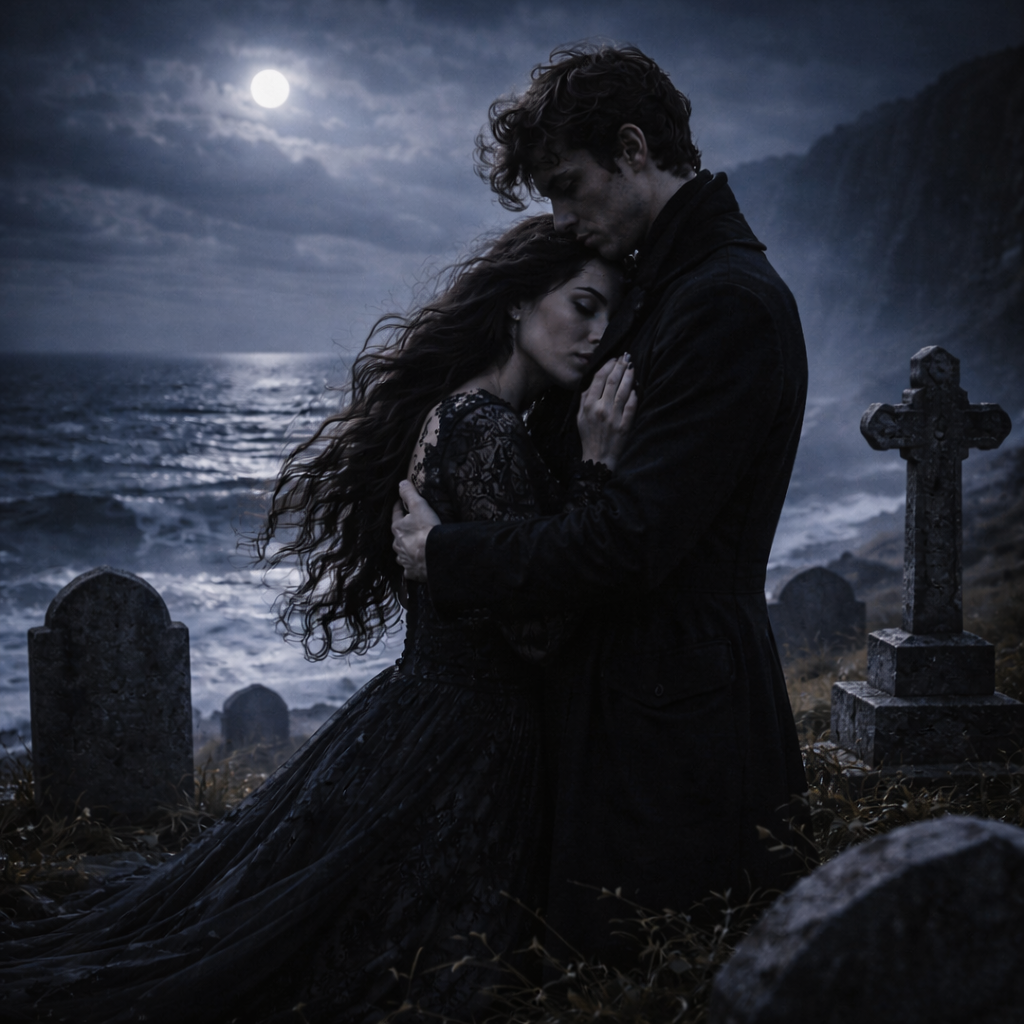
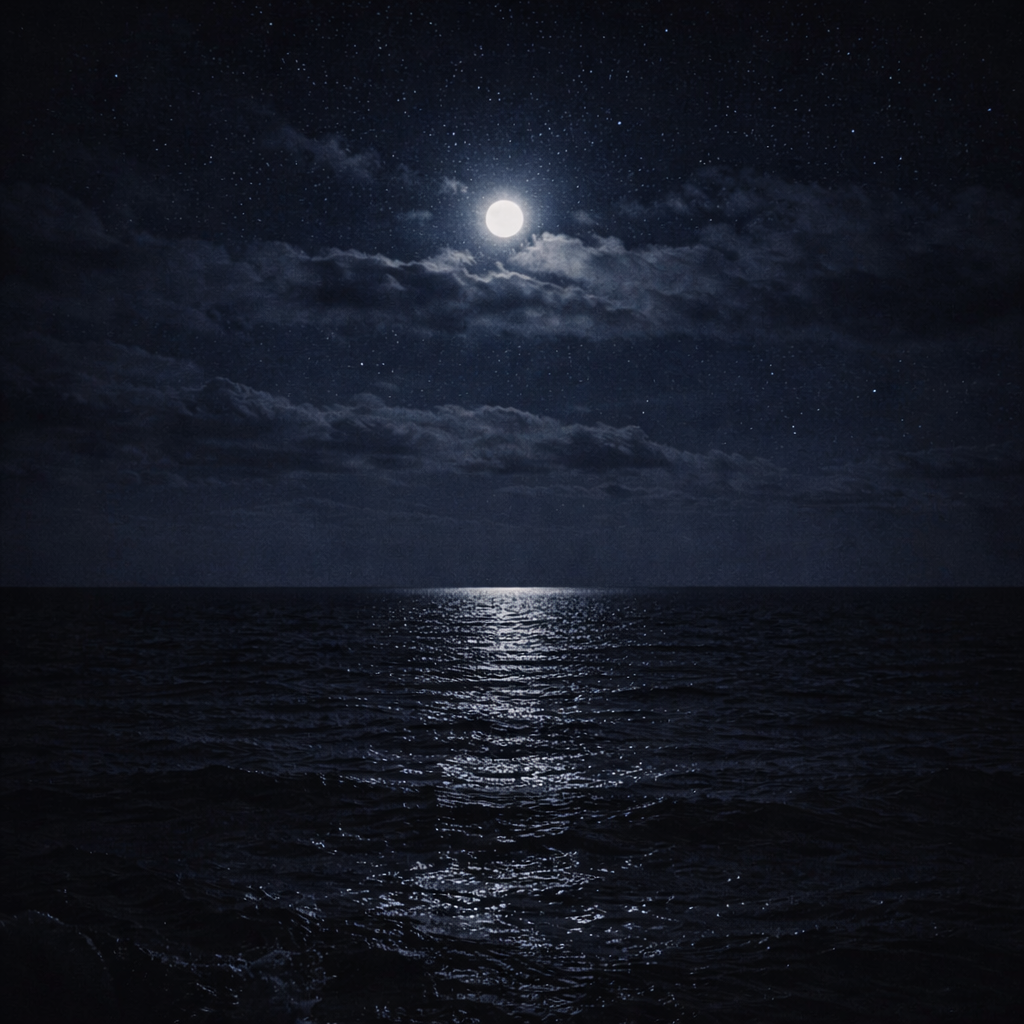
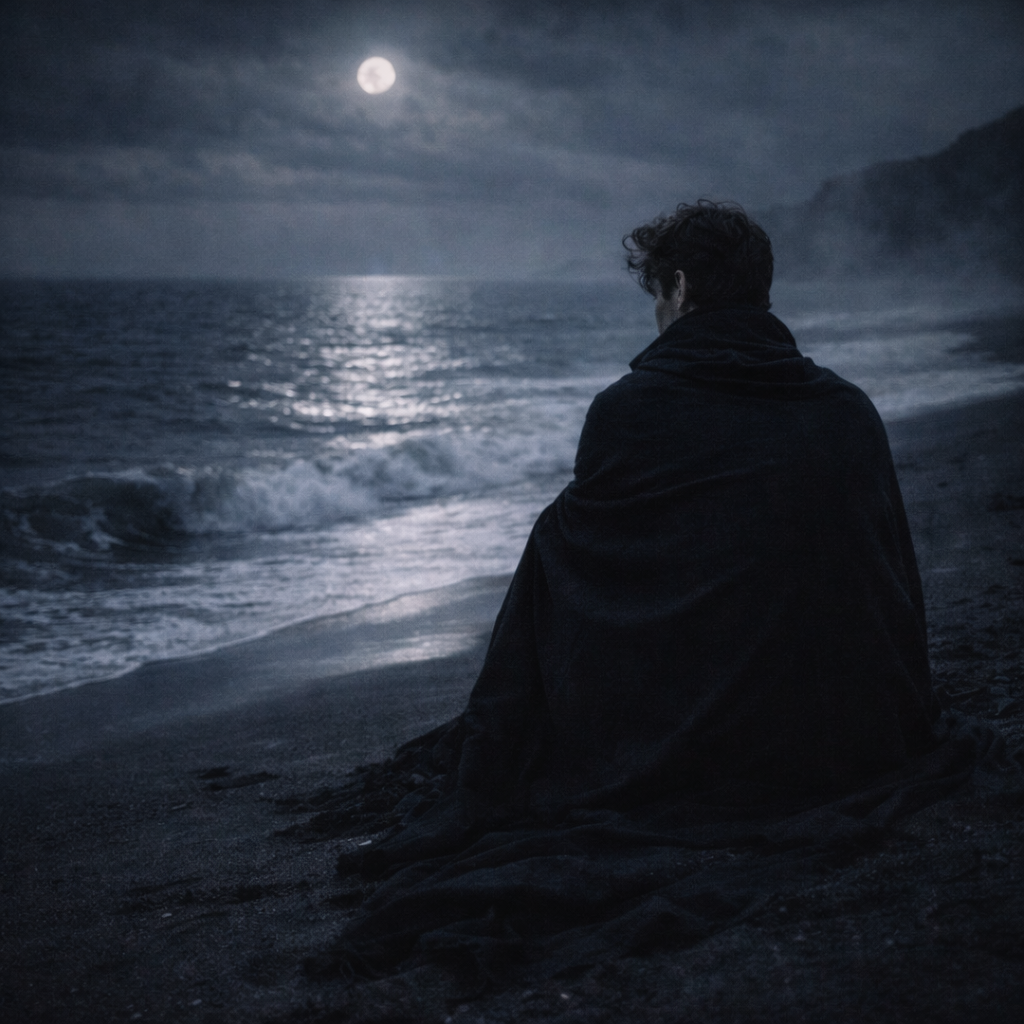
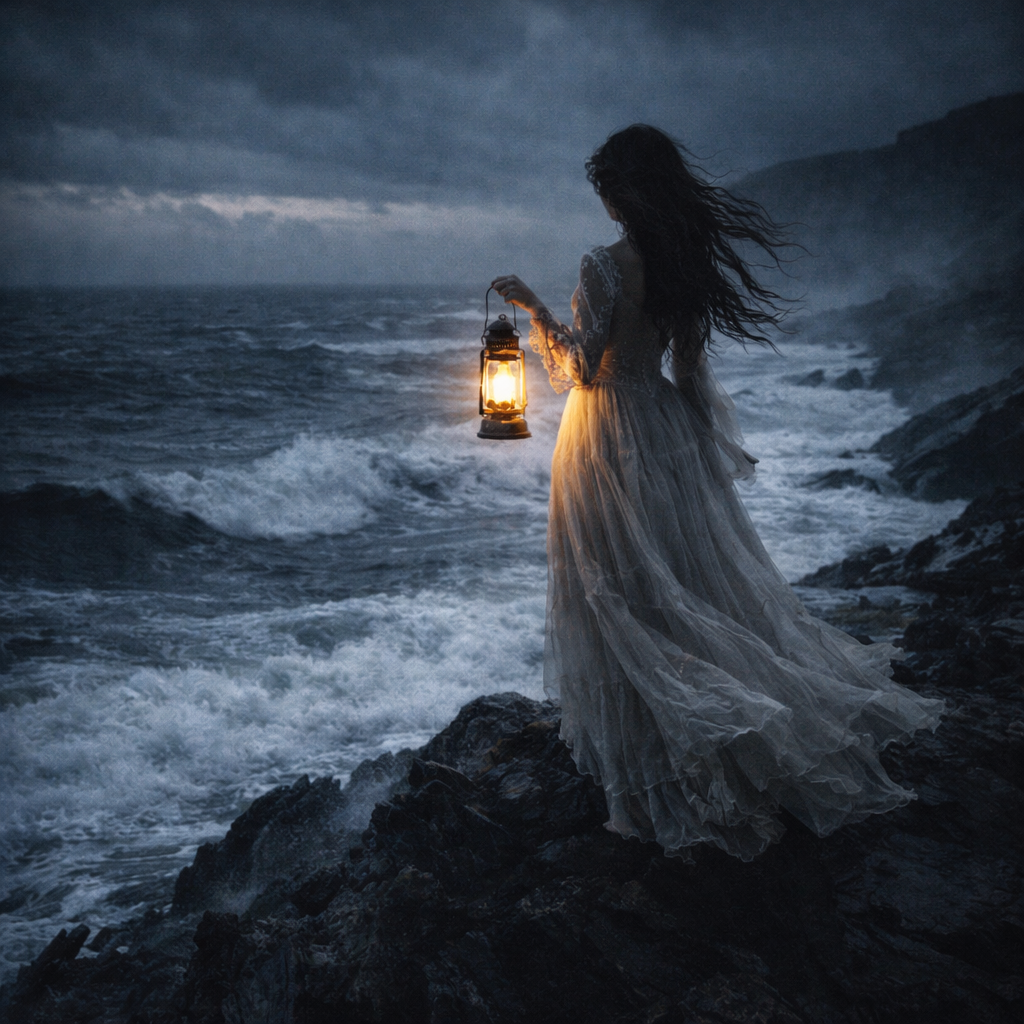
7. Picture Prompts
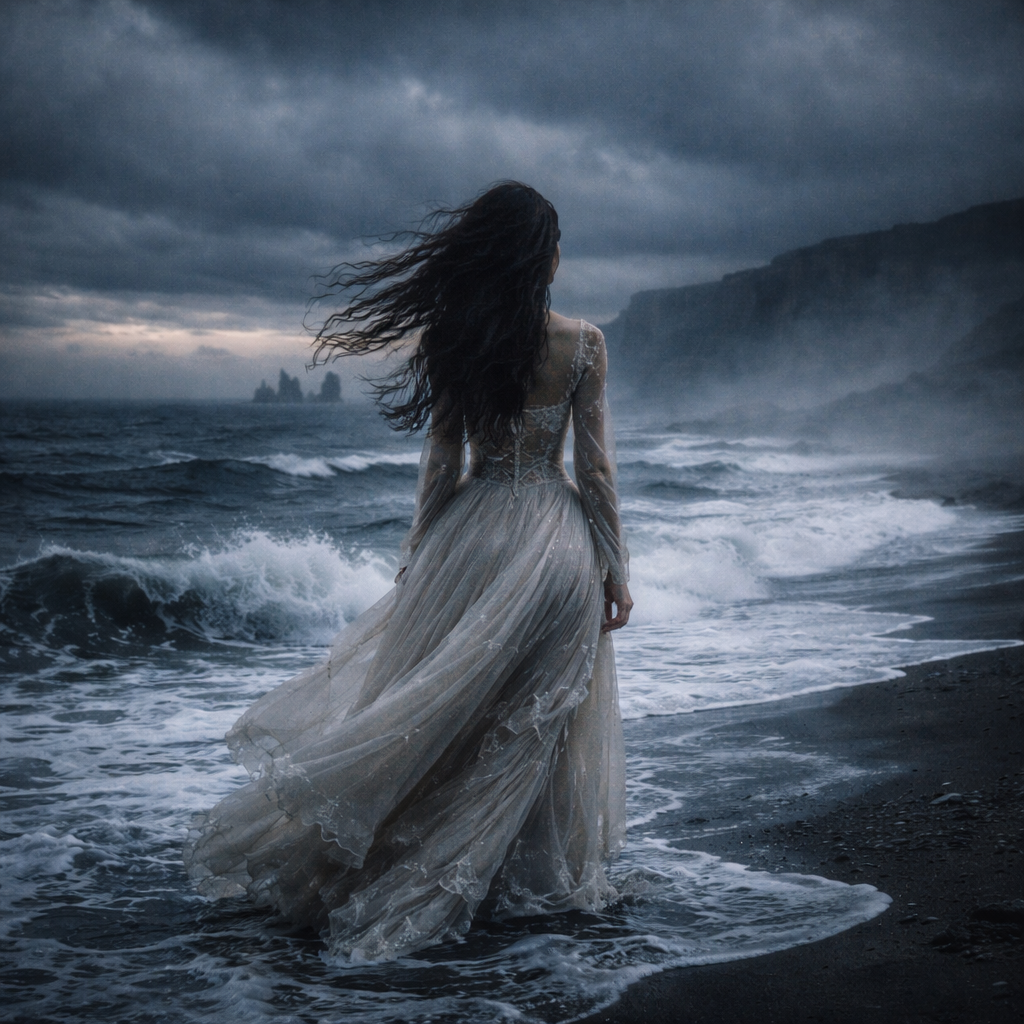
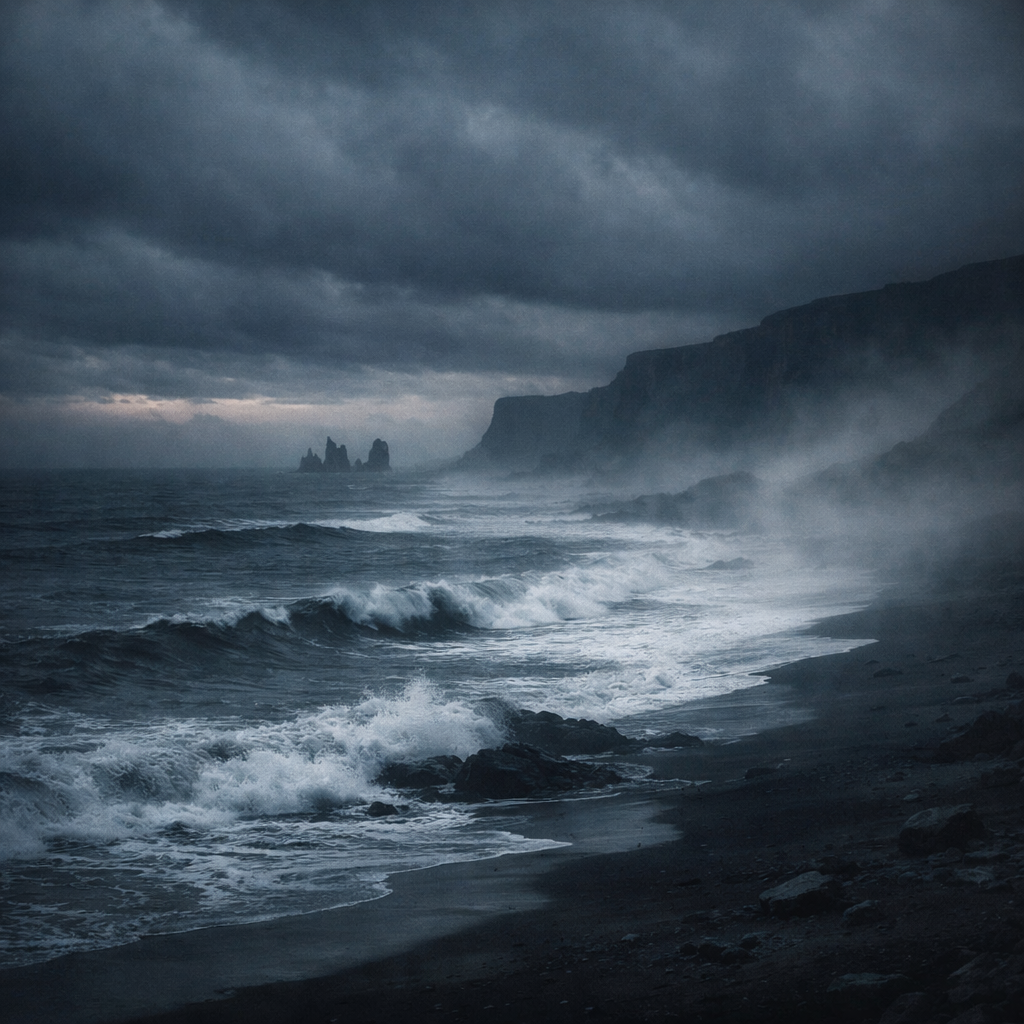
Visual prompts inspired by Annabel Lee focus on stillness, distance, and emotion rather than dramatic events. These images help writers explore mood, memory, and atmosphere.
Effective images for this section often include quiet seaside landscapes, empty rooms, soft light, personal objects, or peaceful outdoor spaces. Small details — such as waves, letters, beds, or windows — can suggest feeling without needing explanation.
Writers can use each image as a starting point for descriptive writing, reflective pieces, or short narratives, paying close attention to how setting reflects emotion.




Go Deeper into Annabel Lee–Inspired Writing
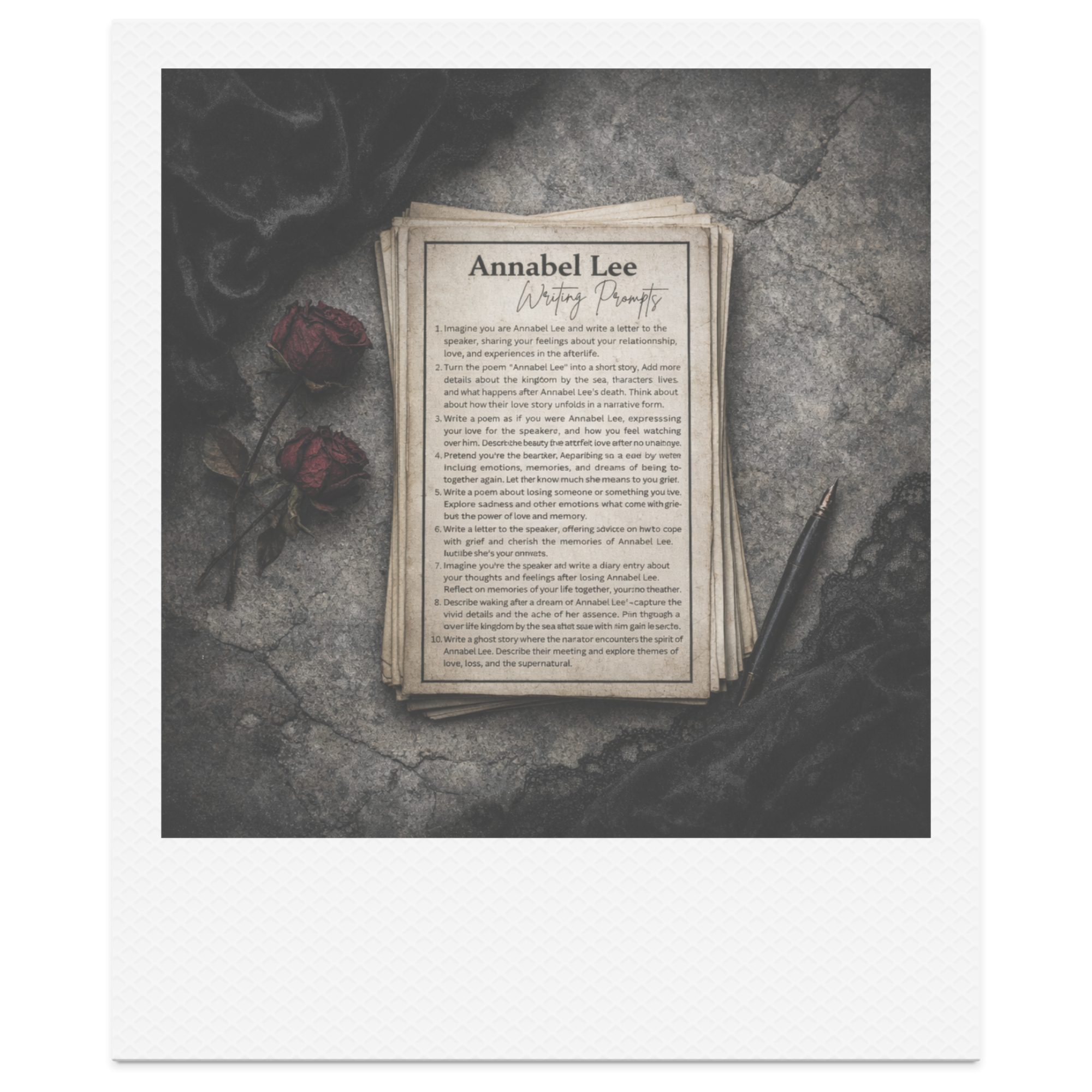
These prompts are designed to help students explore the mood, emotion, and atmosphere of Annabel Lee through original writing. Rather than retelling the poem, they encourage students to think about memory, love, and loss in a broader, more imaginative way.
For classroom teaching, creative writing can be even more effective when paired with text-rooted tasks that return students directly to Poe’s poem. Structured prompts linked closely to the speaker, setting, and ideas of Annabel Lee help students develop confidence with voice, perspective, and interpretation while deepening their understanding of the text itself.
If you’d like to extend this work, a dedicated set of Annabel Lee creative writing prompts offers more focused, text-based tasks, including:
◆ First-person writing from the perspective of Annabel Lee or the speaker
◆ Diary entries and letters that explore grief, devotion, and memory
◆ Narrative retellings that transform the poem into short stories
◆ Poetry responses that mirror the poem’s themes and emotional tone
◆ Setting-based description of the kingdom by the sea
◆ Supernatural interpretations, including ghostly encounters and imagined afterlives
These tasks keep students closely anchored to the poem while allowing space for creativity, empathy, and personal response.
Used together, atmosphere-led prompts and text-specific creative tasks create a balanced approach: one builds confidence and imagination, while the other strengthens understanding of character, theme, and voice.
Final Thoughts
Creative writing inspired by Annabel Lee gives young writers the opportunity to explore emotion, memory, and voice through original storytelling. By focusing on atmosphere, imagery, and feeling rather than retelling the poem, these prompts help students engage with Poe’s ideas in a way that feels creative, accessible, and personal.
Working with inspired prompts allows students to approach complex themes such as love, loss, and devotion without needing advanced literary knowledge. Instead, writers are encouraged to experiment with tone, perspective, and setting, developing confidence in expressive writing while still remaining connected to the emotional world of the poem.
Used alongside more text-based creative tasks, atmosphere-led prompts help students recognise how writers shape meaning through language, mood, and point of view. Together, these approaches support both creative confidence and deeper literary understanding, making them suitable for classrooms, writing clubs, and independent practice across a range of age groups.
To explore more story ideas shaped by gothic atmosphere and classic literature, visit the Gothic Writing Hub, or browse the full Creative Writing Archive for creative prompts inspired by genre, aesthetics, and well-known texts.
You can also explore our Literature-Inspired Creative Writing Prompts Hub to discover more creative prompts based on classic novels, poems and short stories.
Choose Your Next Adventure