Notes from the Inkpot
Writing, teaching, creating - one ink-stained idea at a time.

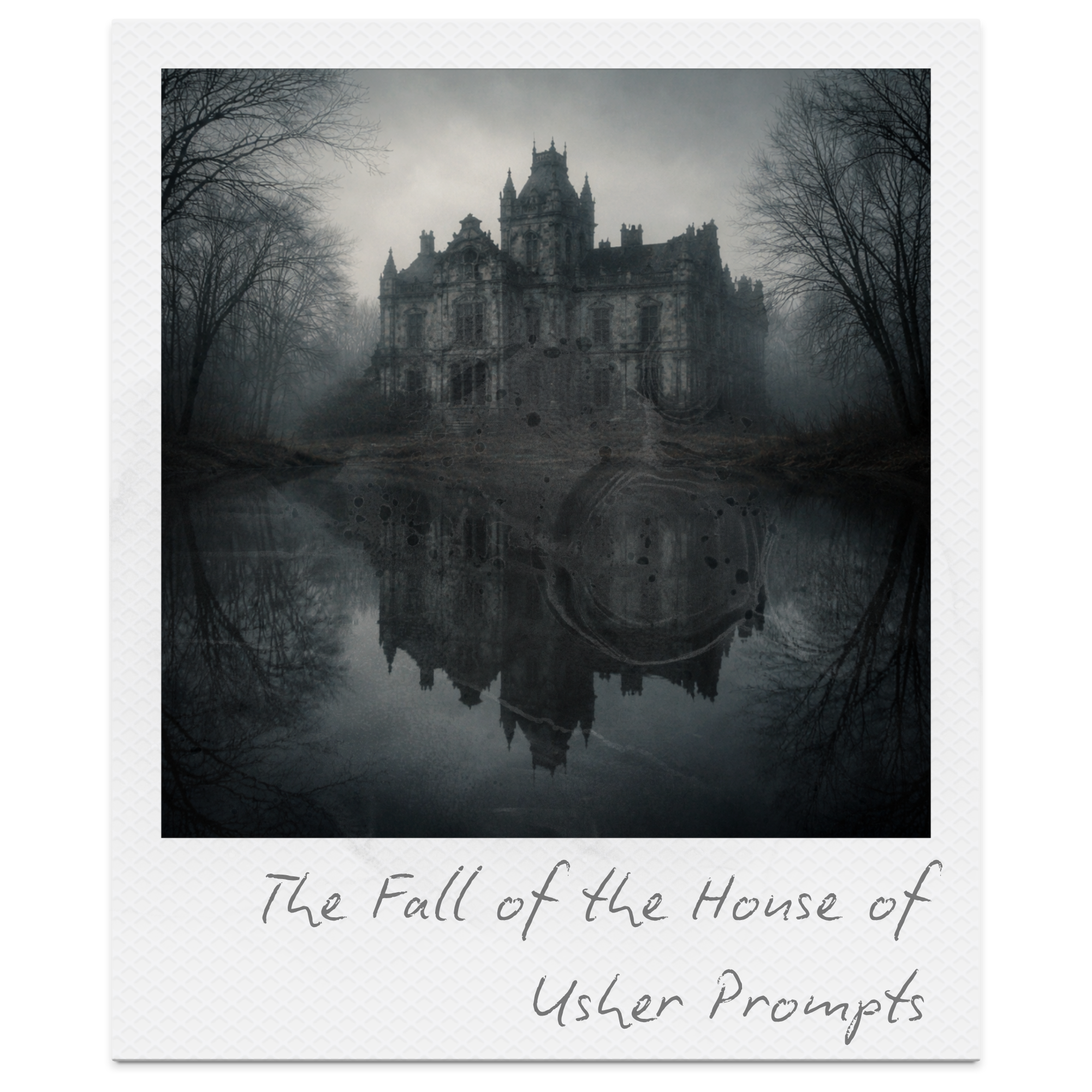
70 Creative Writing Prompts Inspired by The Fall of the House of Usher: Plot Hooks, Opening Lines, Characters & Visual Ideas
Explore 70 creative writing prompts inspired by The Fall of the House of Usher by Edgar Allan Poe. This collection draws on the story’s gothic atmosphere, psychological tension, and themes of madness, decay, and unreliable perception, helping students and writers craft original stories shaped by mood, setting, and symbolism rather than plot retelling. Ideal for classrooms, writing clubs, or independent practice, these prompts include plot hooks, opening lines, character ideas, and setting inspiration. They support both creative confidence and deeper understanding of Gothic fiction, making them a flexible tool for KS3–KS5 teaching, revision, and imaginative storytelling.
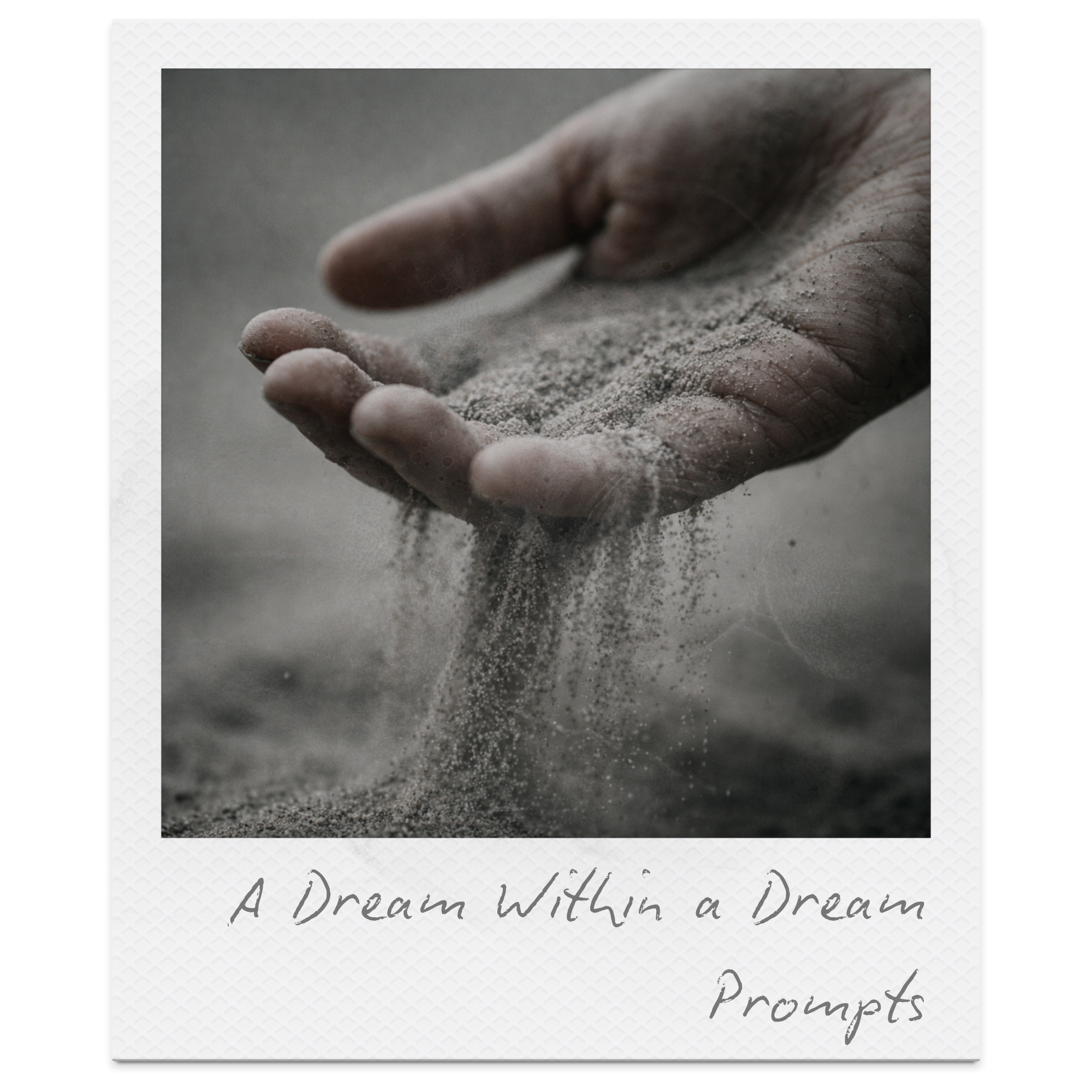
70 A Dream Within a Dream Writing Prompts: Reality, Time, Loss & Illusion
These A Dream Within a Dream writing prompts invite students to explore one of literature’s most unsettling questions: what if reality itself is uncertain? Inspired by A Dream Within a Dream, this collection focuses on illusion, time, memory, and the human desire to hold onto moments that are already slipping away. Rather than retelling the poem, these prompts encourage original storytelling shaped by atmosphere, symbolism, and emotional tension. Perfect for classrooms, writing clubs, or independent practice, these prompts help students experiment with reflective narration, dreamlike settings, and philosophical ideas about truth and perception. They can be used as quick starters or developed into longer pieces, making them a flexible tool for engaging with literature while building confidence in creative writing.
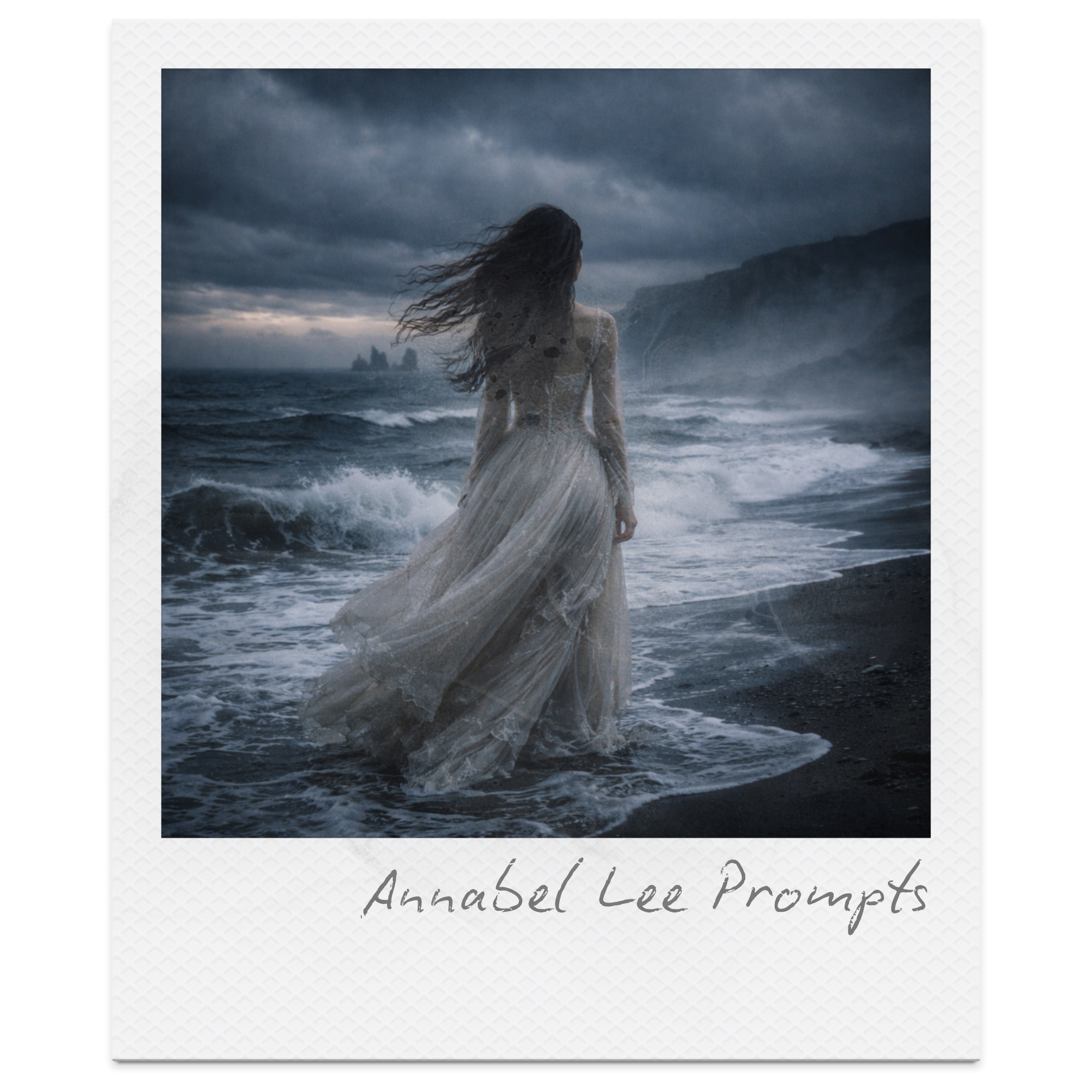
70 Creative Writing Prompts Inspired by Annabel Lee: Plot Hooks, Opening Lines, Characters & Visual Ideas
These 70 creative writing prompts inspired by Edgar Allan Poe’s Annabel Lee are designed to help young writers explore emotion, memory, and atmosphere through original storytelling. Rather than retelling the poem, the prompts draw on its mood, imagery, and central ideas, encouraging students to experiment with voice, setting, and feeling while developing confidence in expressive writing. Suitable for classroom use, writing clubs, and independent practice, this collection supports creative engagement with literature across a range of age groups. The prompts can be used as short writing starters, extended creative tasks, or inspiration for reflective pieces that connect literary study with imagination and personal response.