70 Creative Writing Prompts Inspired by The Fall of the House of Usher: Plot Hooks, Opening Lines, Characters & Visual Ideas
Some stories don’t begin with action. They begin with atmosphere — the kind that settles over a place so heavily that every sound feels wrong, every shadow feels watchful, and every room seems to be holding its breath.
Edgar Allan Poe’s The Fall of the House of Usher remains one of the most powerful examples of Gothic fiction because it turns setting into something more than backdrop. The story blurs the boundary between house and family, mind and environment, fear and reality, presenting a world in which decay is not only physical but psychological. The mansion itself seems alive with tension, and the characters move through it as though trapped inside a nightmare they can neither explain nor escape.
This collection of 70 creative writing prompts inspired by The Fall of the House of Usher draws on the story’s atmosphere, imagery, and emotional tension rather than its plot. The prompts invite teen writers to explore haunted spaces, family secrets, psychological unease, decay, and unreliable perception through original fiction and poetry — focusing on mood, symbolism, and inner conflict rather than imitation.
Designed for classroom use, writing clubs, creative warm-ups, journaling, or longer YA projects, these prompts work across age groups and curricula. They can be used as short starters, extended writing tasks, or inspiration for stories that sit at the intersection of gothic horror, psychological suspense, and dark atmosphere.
If you’re exploring more of Poe’s work, visit the Edgar Allan Poe Hub to browse connected texts and resources, or read our full The Fall of the House of Usher analysis to explore the story’s themes, symbolism, and Gothic techniques in greater depth.
For more dark and atmospheric story ideas, explore the Horror Writing Hub, or the Gothic Writing Hub, or browse the Literature-Inspired Creative Writing Prompts Hub to discover prompts inspired by classic novels, poems, and short stories.
1. Plot Hooks
These plot hooks are inspired by the central ideas in The Fall of the House of Usher: decay, fear, family decline, and the unsettling possibility that a place can shape the people who live within it. Rather than retelling Poe’s story, each prompt invites writers to imagine characters trapped by atmosphere, memory, or inherited darkness.
Write about a character who returns to their childhood home and feels that the building remembers them.
Write about a family house that seems to grow weaker whenever the people inside it argue.
Write about a narrator asked to visit an old friend whose letters have become increasingly strange and desperate.
Write about a character who begins to believe their home is affecting their thoughts.
Write about twins who share such a strong bond that one cannot rest while the other suffers.
Write about a person who notices a crack in a building widening each time something terrible happens.
Write about a character trapped in a decaying place where every room seems to reflect a different fear.
Write about someone who realises that the family’s decline has been mirrored in their house for years.
Write about a guest who cannot decide whether the threat in a house is supernatural or psychological.
Write about a character who tries to bury a family secret, only for it to return in a far more terrifying form.
2. Title Ideas
Titles inspired by The Fall of the House of Usher are often dark, atmospheric, and suggestive. They hint at collapse, inheritance, isolation, and unease without revealing everything directly.
The House That Knew
Beneath the Cracked Stone
What Lived in the Walls
The Last of the Family
A Silence in the Lake
Rooms That Remember
The Weight of the House
Before the Walls Gave Way
The Place Where Fear Lived
When the House Began to Split
3. Opening Lines
Strong opening lines inspired by The Fall of the House of Usher often establish atmosphere immediately. They suggest that the setting itself is important and that something is wrong before the plot fully begins.
By the time I saw the house, I already wished I had turned back.
The windows looked empty, but I could not shake the feeling that something inside was watching.
My friend’s letter had sounded desperate, but the house was worse than his words.
The path to the mansion felt as though it had not welcomed a visitor in years.
Nothing moved in the landscape, and somehow that made it more frightening.
The crack in the wall was the first thing I noticed, though I did not yet know what it meant.
Even before I crossed the threshold, the house had begun to change the way I thought.
The lake reflected the building so perfectly that it looked like a second house waiting below.
I had come to comfort an old friend, but the place itself seemed beyond comfort.
There are some houses that feel abandoned, and others that feel as though they are waiting.
4. Closing Lines
Closing lines inspired by The Fall of the House of Usher often focus on collapse, revelation, or the sense that something long buried has finally returned. They tend to end with unease rather than comfort.
By morning, nothing remained except the water and the silence.
I understood too late that the house had never been separate from the family at all.
The crack had been there from the beginning; I had only failed to see how deep it ran.
Some places do not survive the truths they contain.
I never returned, but the sound of the falling walls never left me.
In the end, the house kept its promise to come down with them.
What had been buried did not stay buried, and neither did the fear.
I watched the last light vanish and knew the family was finally finished.
The house was gone, but something of it still followed me.
Long after the stone had disappeared beneath the water, I still felt it watching.
5. Character Ideas
Characters inspired by The Fall of the House of Usher are often isolated, fragile, secretive, or psychologically strained. These ideas focus on inner tension, family pressure, and the blurred line between fear and perception.
A character whose anxiety becomes worse the longer they stay inside one house.
Someone who believes they have inherited more than money from their family home.
A narrator trying to remain rational while everything around them feels increasingly unnatural.
A character who is deeply sensitive to sound, light, and touch.
A person terrified that a family secret will be exposed.
A character who feels emotionally bound to a sibling in a way they cannot explain.
Someone who cannot tell whether their fear is instinct or imagination.
A person who is both fascinated and repelled by their ancestral home.
A character who seems physically fragile but emotionally dangerous.
A narrator who begins as an outsider and slowly becomes psychologically entangled in the place they are visiting.
6. Setting Ideas
Settings inspired by The Fall of the House of Usher often feel enclosed, decaying, and emotionally oppressive. These places reflect psychological instability and inherited decline rather than safety or comfort.
A crumbling mansion beside a dark, still lake.
A family estate where every room is kept as if no time has passed.
A house with long corridors, sealed doors, and almost no natural light.
A once-grand home slowly being reclaimed by damp, dust, and silence.
A remote building surrounded by dead trees and lifeless ground.
A vault, cellar, or underground chamber hidden beneath the house.
A bedroom filled with heavy curtains, old portraits, and stale air.
A house where small cracks have begun appearing in every wall.
A landscape so bleak and still that it feels cut off from the living world.
A setting where the atmosphere seems to press physically on the people inside it.
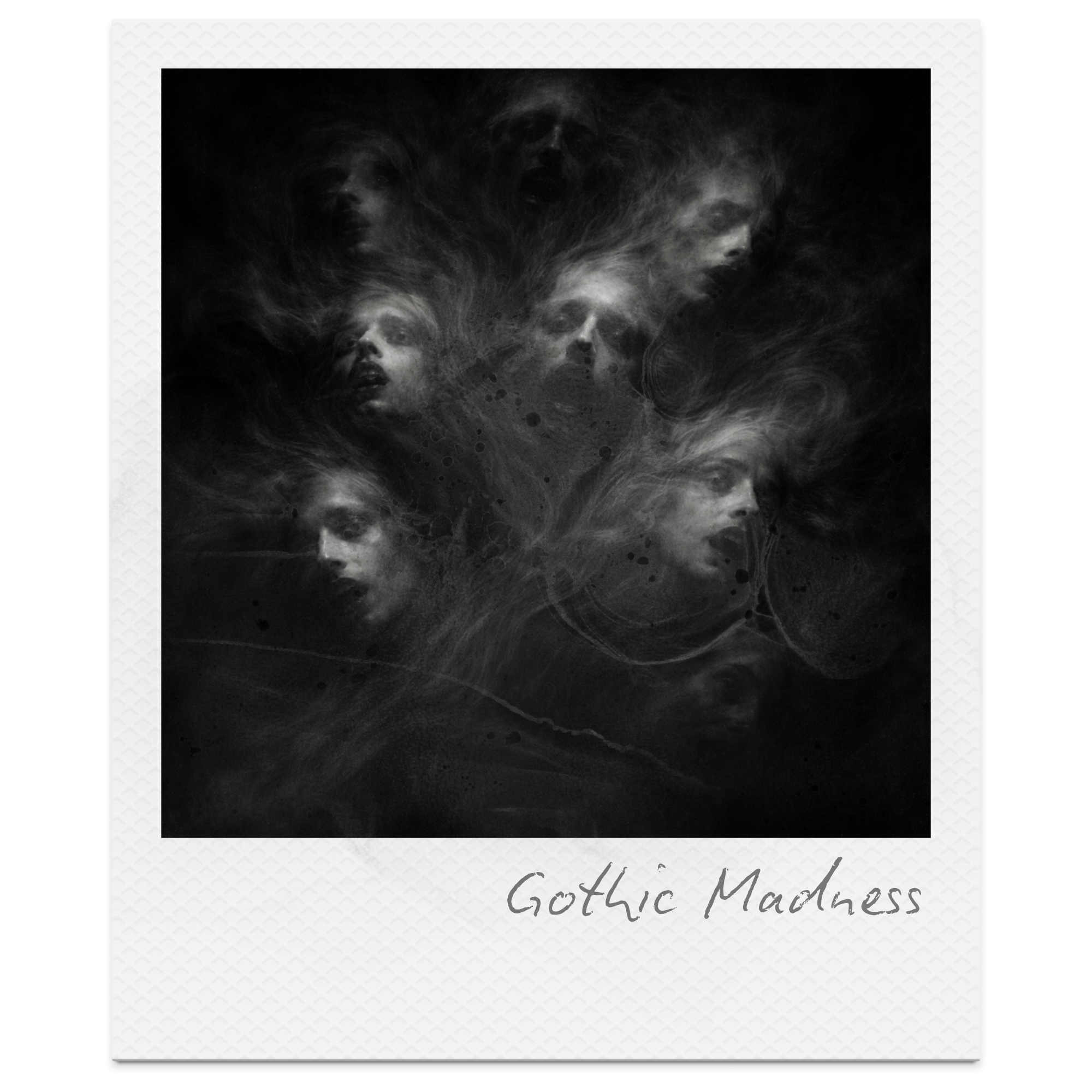
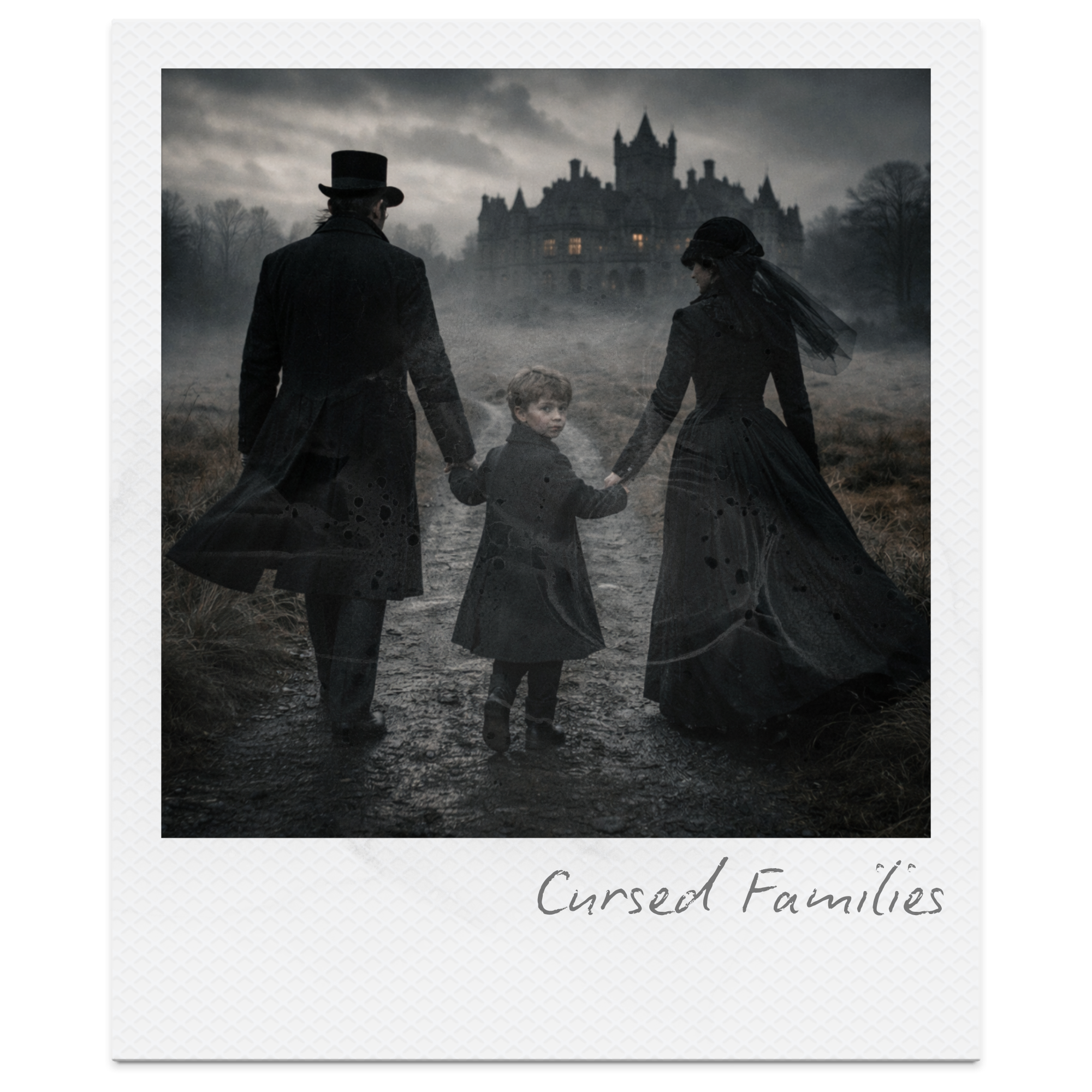
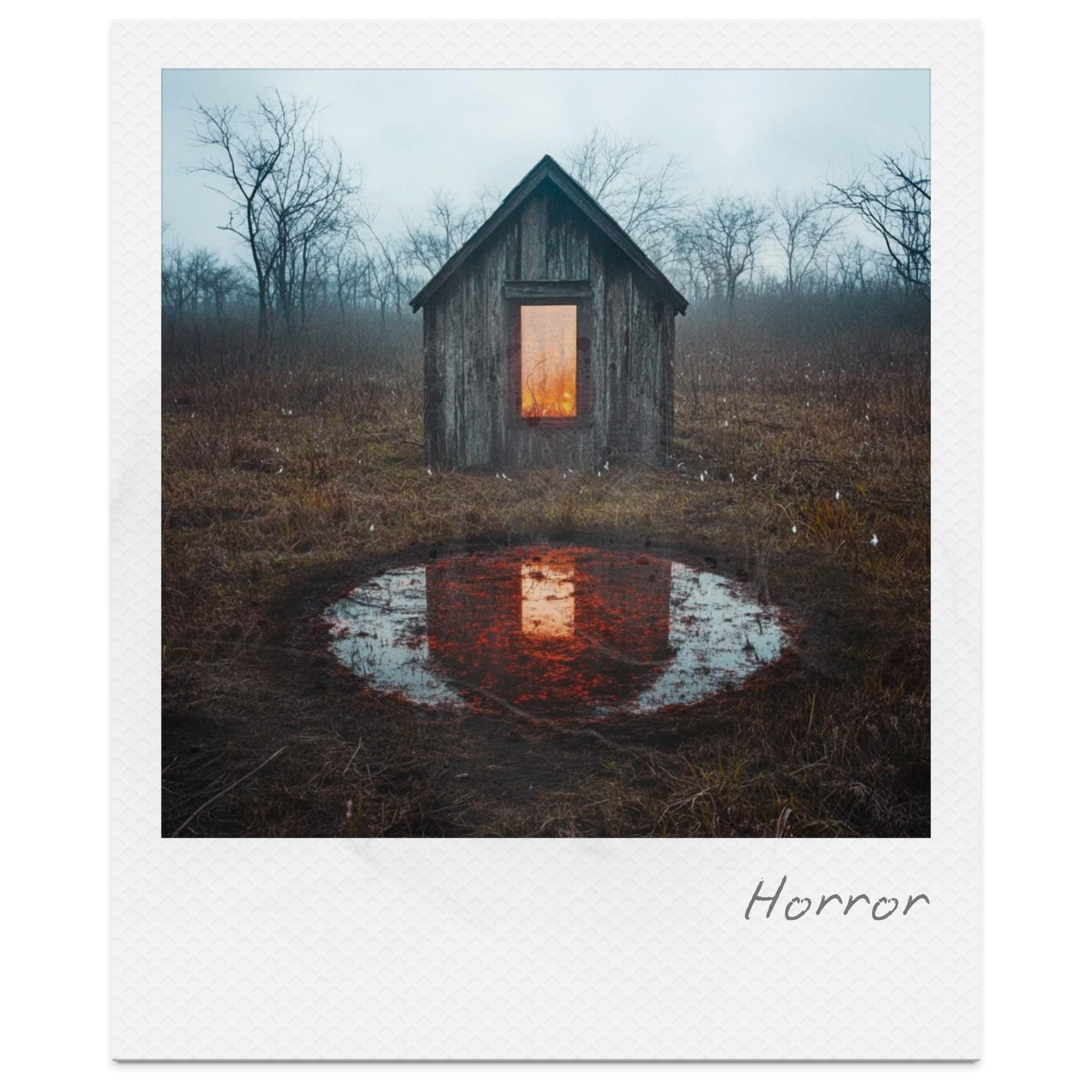
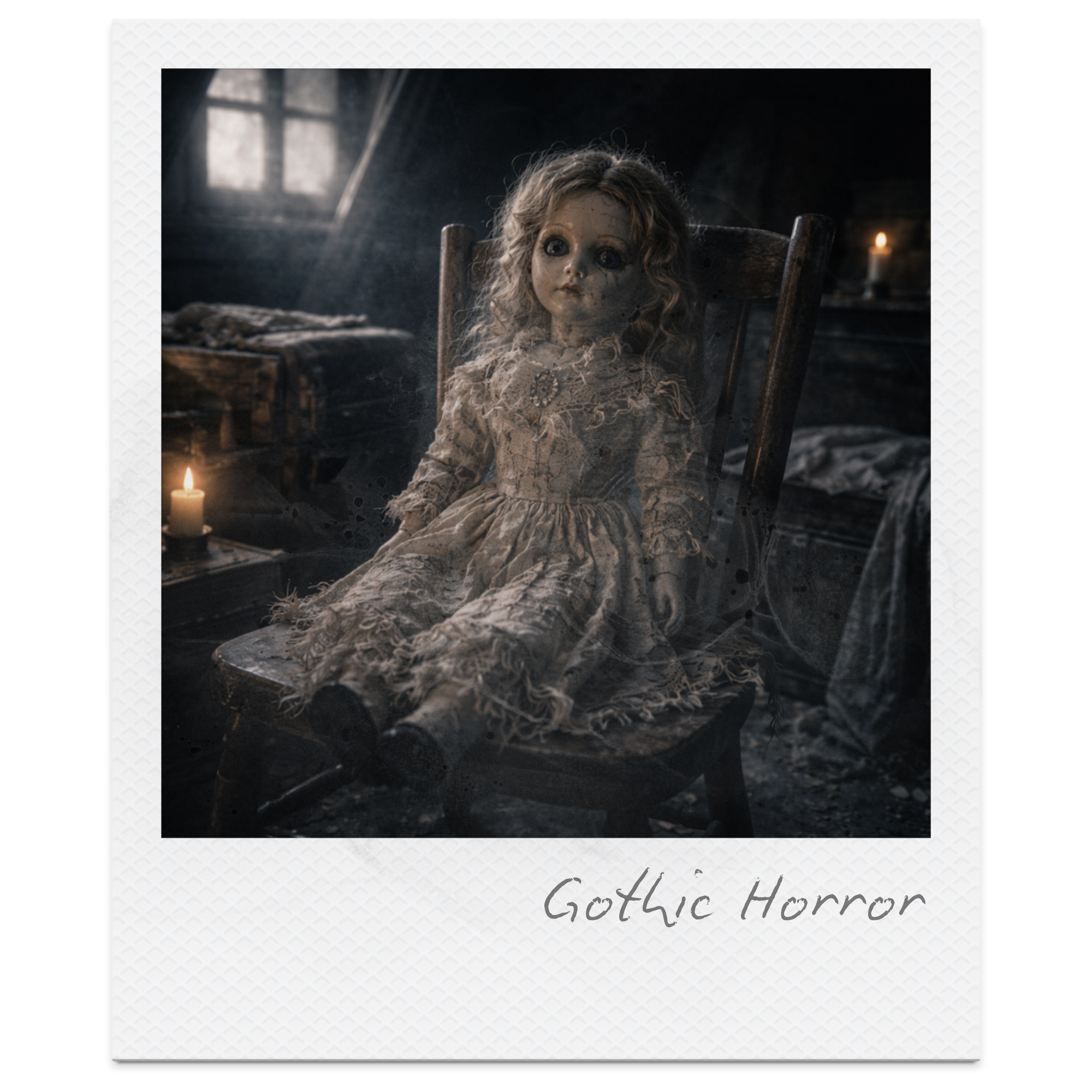
7. Picture Prompts
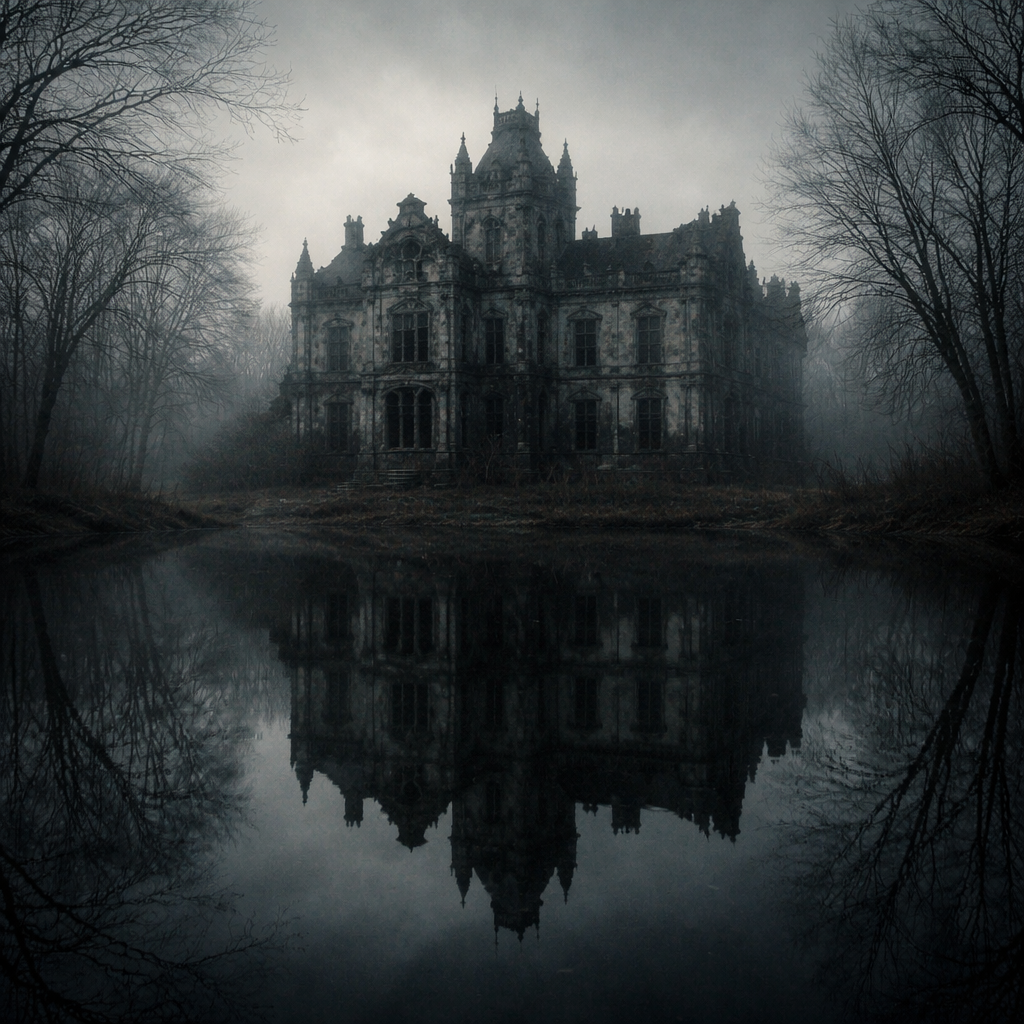
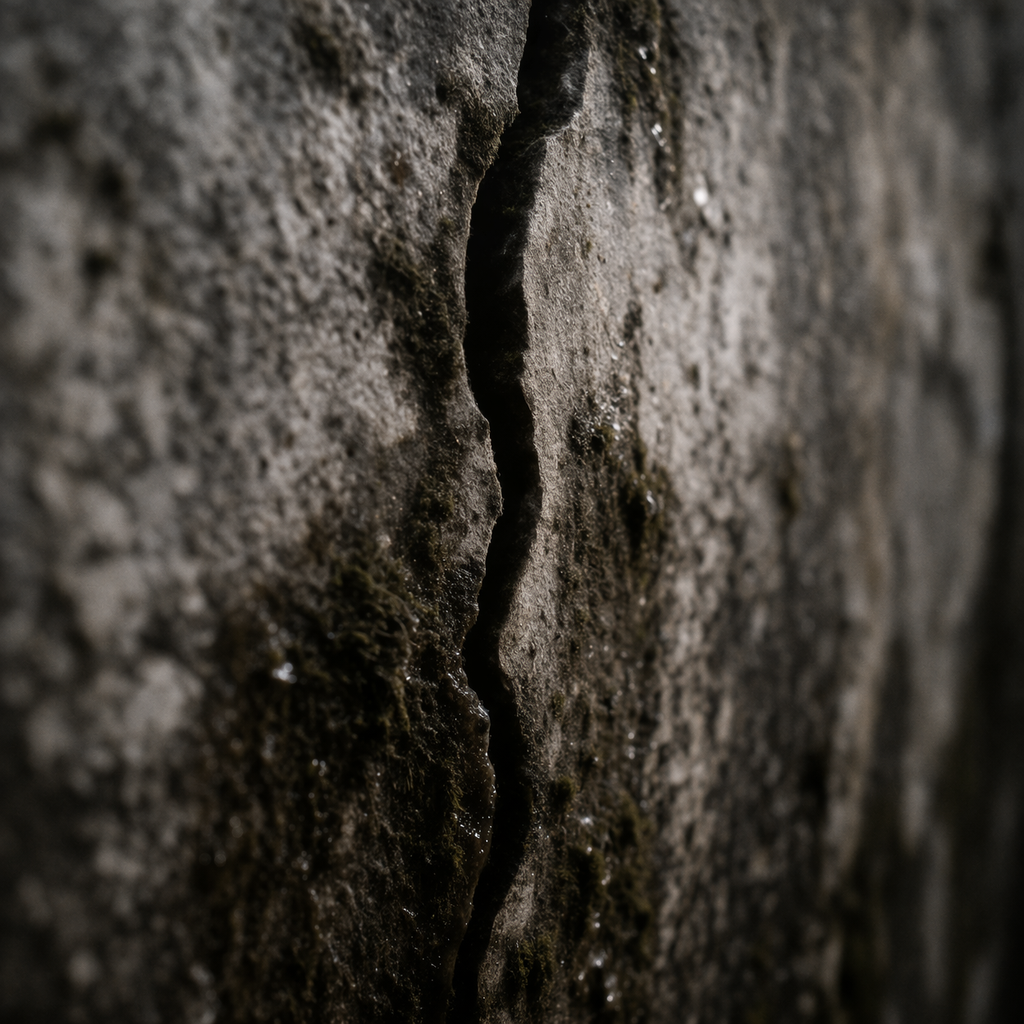
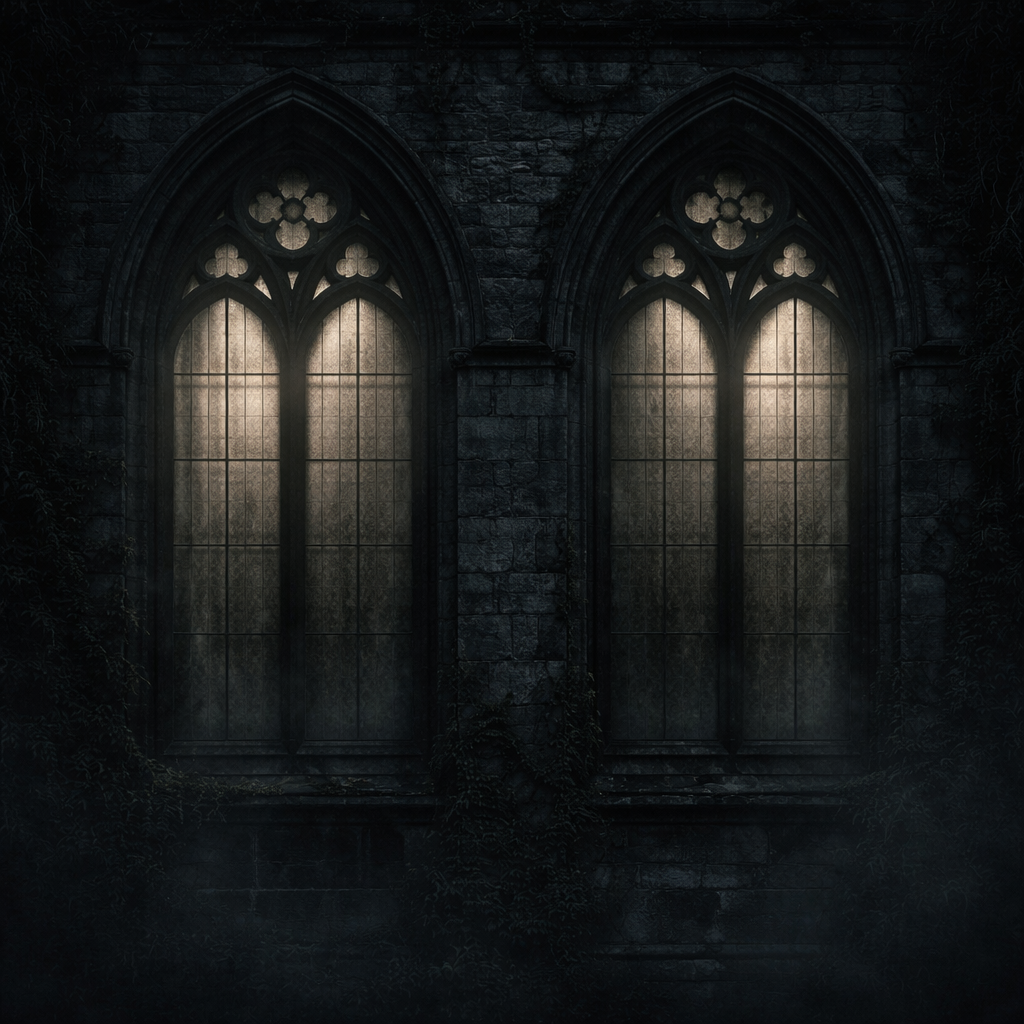
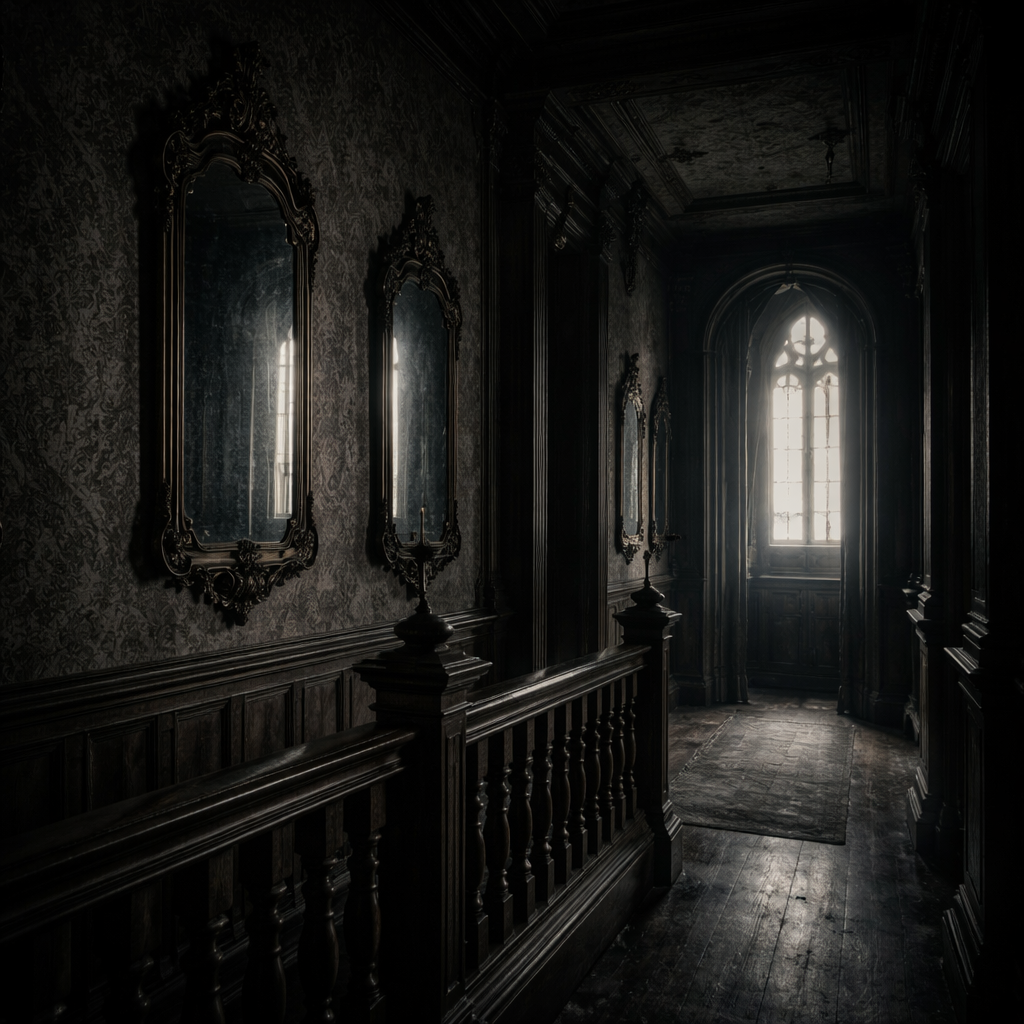
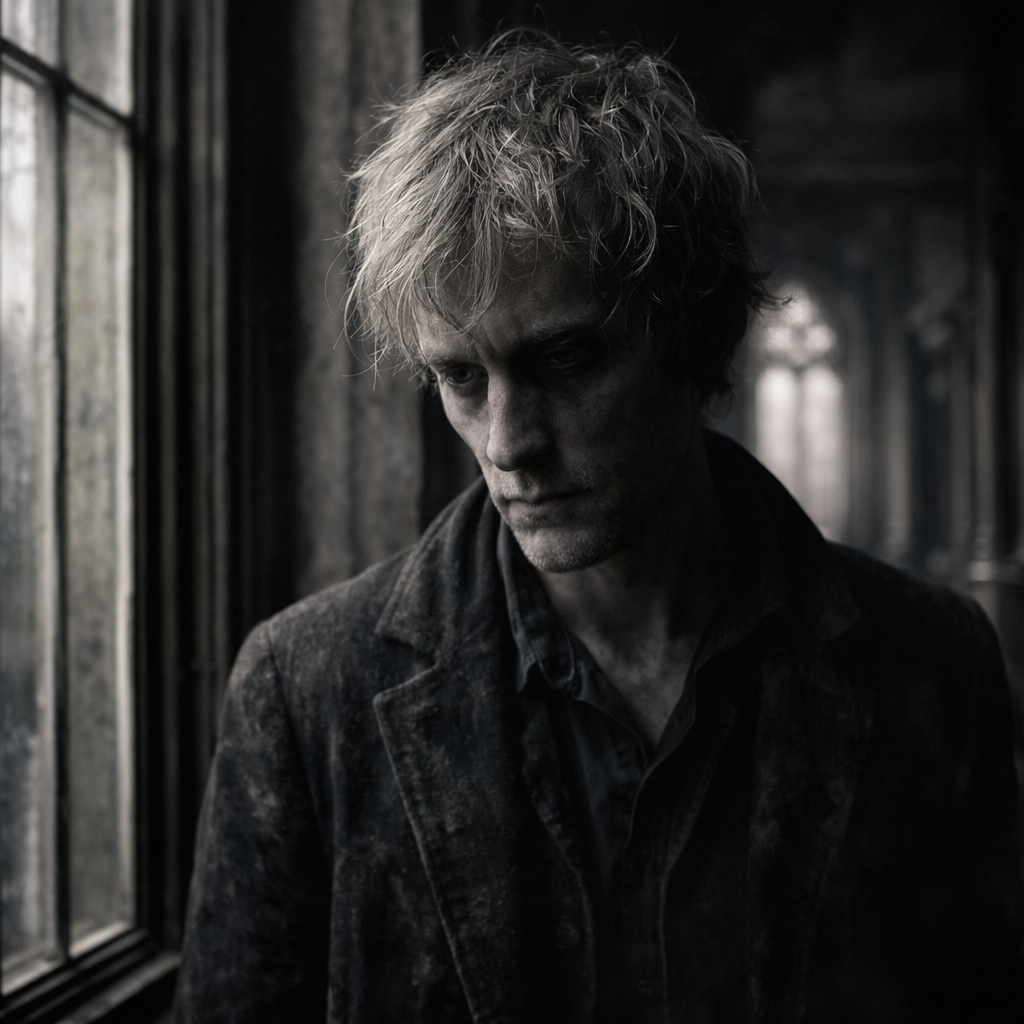
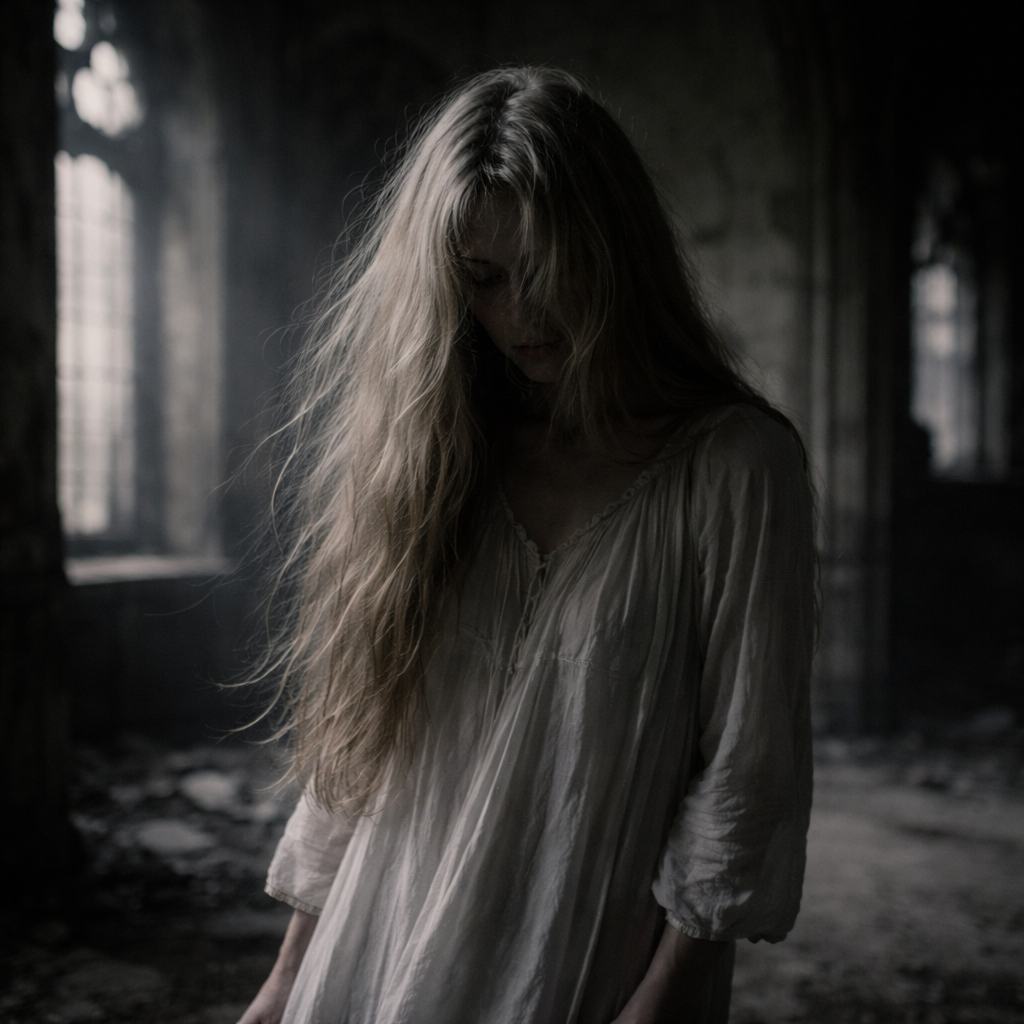
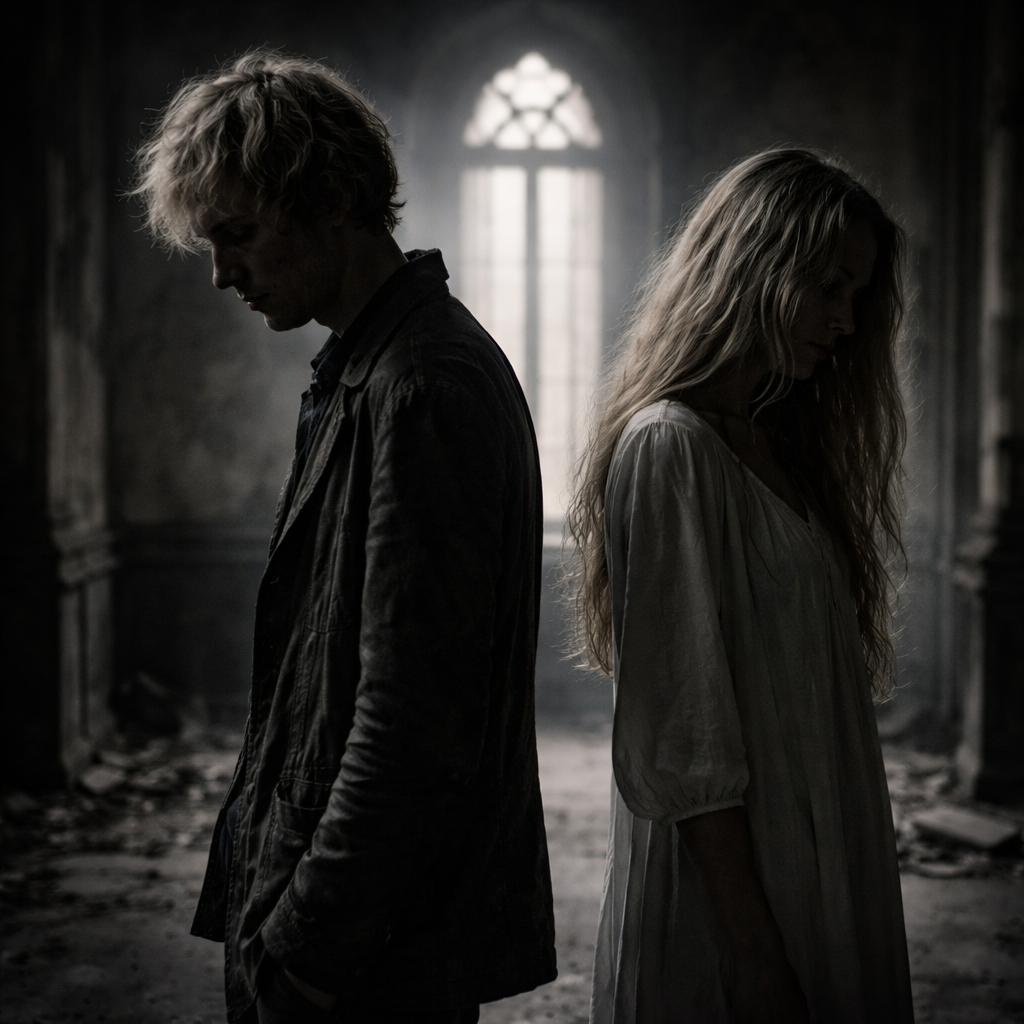
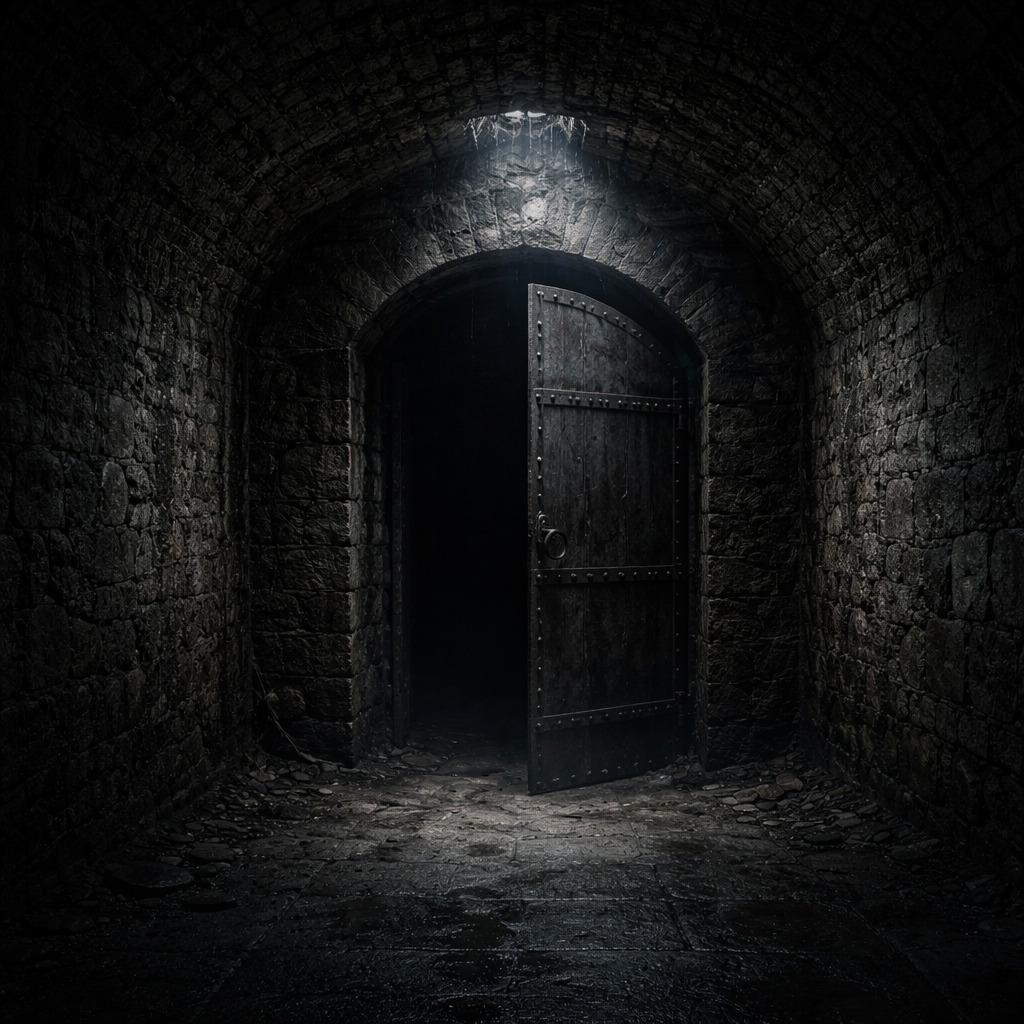
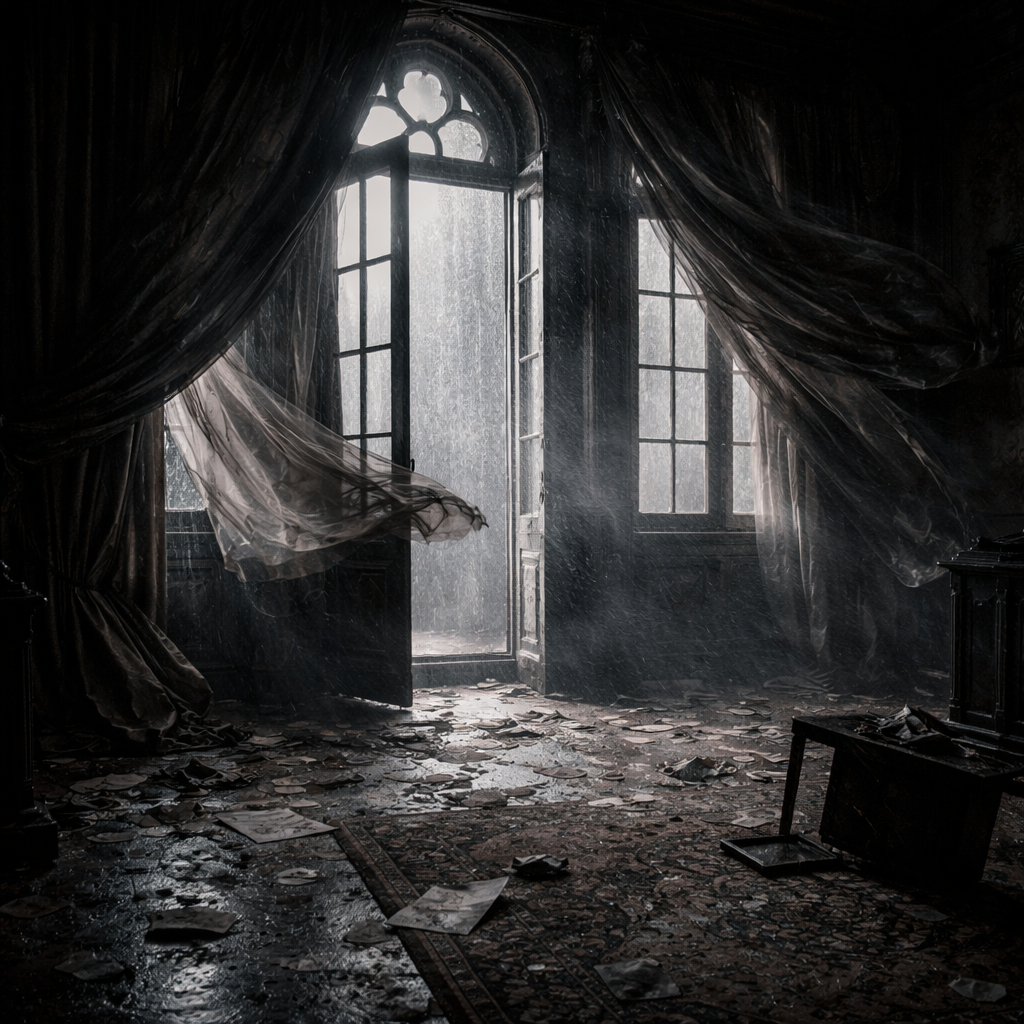
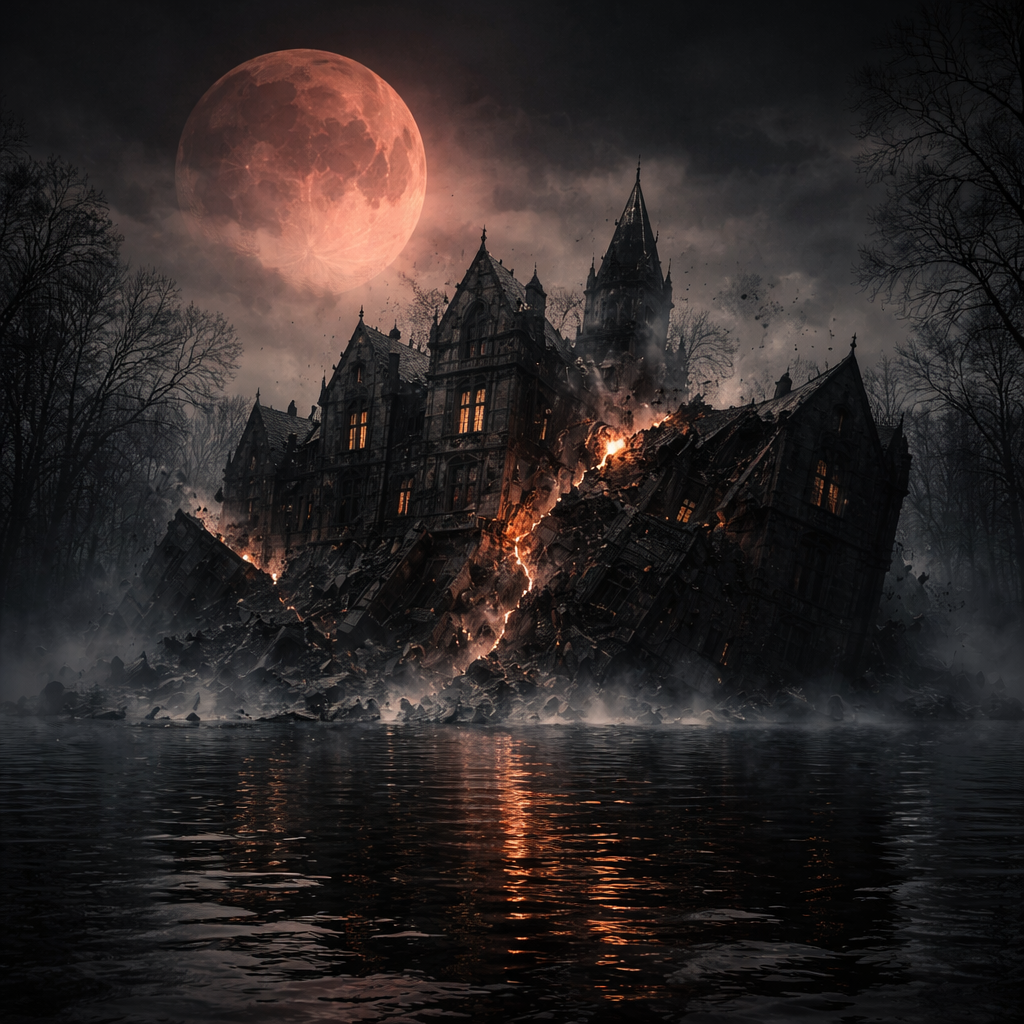
Visual prompts inspired by The Fall of the House of Usher focus on decay, architecture, shadow, and psychological unease rather than dramatic action. These images help writers explore how atmosphere and setting can shape an entire story.
Effective images for this section often include crumbling mansions, dark water, long corridors, candlelit rooms, cracked walls, dead trees, mirrors, staircases, or isolated figures in oppressive interiors. Small details — such as a half-open door, a reflected window, a broken portrait frame, or a faint light at the end of a corridor — can suggest tension without needing explanation.
Writers can use each image as a starting point for descriptive writing, short narratives, monologues, or Gothic opening scenes, paying close attention to how setting influences emotion, fear, and perception.
Go Deeper into The Fall of the House of Usher–Inspired Writing
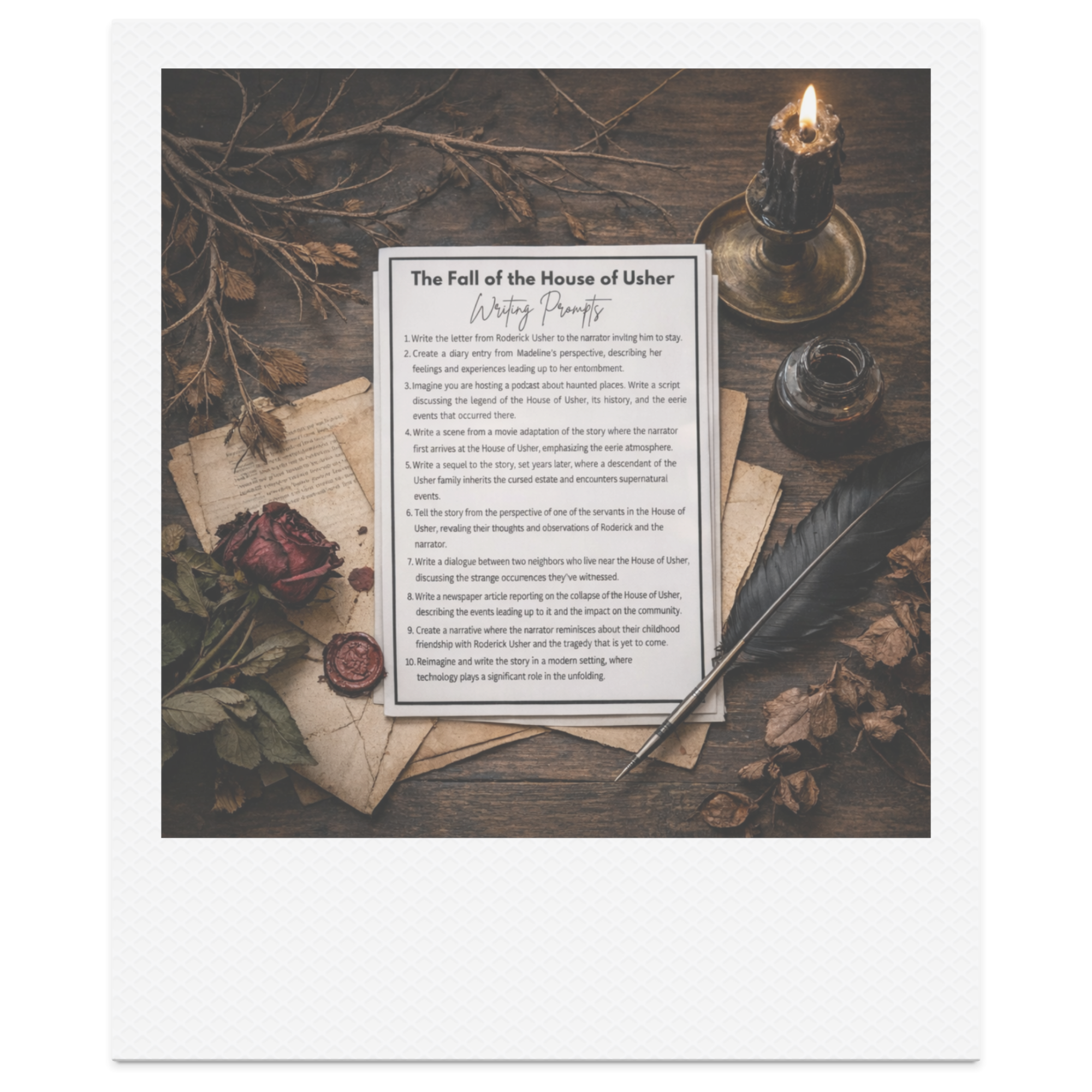
These prompts are designed to help students explore the mood, fear, and atmosphere of The Fall of the House of Usher through original writing. Rather than retelling Poe’s story, they encourage students to think more broadly and imaginatively about psychological tension, haunted spaces, family decline, and the relationship between setting and state of mind.
For classroom teaching, creative writing can be even more effective when paired with text-rooted tasks that return students directly to Poe’s story. Structured prompts linked closely to the narrator, Roderick Usher, the house, and the story’s symbolism help students develop confidence with voice, perspective, and interpretation while deepening their understanding of the text itself.
If you’d like to extend this work, a dedicated set of The Fall of the House of Usher creative writing prompts offers more focused, text-based tasks, including:
◆ First-person writing from the perspective of the narrator, Roderick, or Madeline
◆ Diary entries and letters that explore fear, illness, and family decline
◆ Narrative retellings that transform the story into original Gothic scenes
◆ Setting-based description focused on the mansion, lake, and underground vault
◆ Symbolism tasks exploring cracks, reflections, darkness, and decay
◆ Supernatural and psychological interpretations that deepen ambiguity
These tasks keep students closely anchored to the story while still allowing space for creativity, atmosphere, and personal interpretation.
Used together, atmosphere-led prompts and text-specific creative tasks create a balanced approach: one builds imagination and confidence, while the other strengthens understanding of character, theme, and Gothic technique.
Final Thoughts
Creative writing inspired by The Fall of the House of Usher gives young writers the opportunity to explore fear, setting, and psychological tension through original storytelling. By focusing on atmosphere, symbolism, and emotional unease rather than retelling Poe’s plot, these prompts help students engage with the story’s ideas in a way that feels creative, accessible, and memorable.
Working with inspired prompts allows students to approach complex themes such as madness, family decay, isolation, and unreliable perception without needing to reproduce the original text. Instead, writers are encouraged to experiment with tone, voice, and environment, developing confidence in expressive writing while still remaining connected to Poe’s Gothic world.
Used alongside more text-based creative tasks, atmosphere-led prompts help students recognise how writers shape meaning through setting, imagery, and narrative perspective. Together, these approaches support both creative confidence and deeper literary understanding, making them well suited to classrooms, writing clubs, and independent practice across a range of age groups.
To explore more connected texts and resources, visit the Edgar Allan Poe Hub, read our full The Fall of the House of Usher analysis. Or explore the Horror Writing Hub, or the Gothic Writing Hub, or browse the Literature-Inspired Creative Writing Prompts Hub for more prompts inspired by classic literature.
Choose Your Next Adventure