70 Gothic Madness Writing Prompts: Unreliable Minds, Haunted Thoughts & Story Starters
Madness has long been one of the most powerful forces in gothic fiction. From narrators who insist on their own sanity to characters slowly losing trust in their memories, gothic stories often explore the fragile boundary between reason and obsession, perception and reality. Rather than presenting madness as spectacle, many gothic narratives treat it as something quieter and more unsettling — a slow shift in perspective where certainty erodes and truth becomes impossible to pin down.
Gothic madness writing prompts invite teen writers to explore psychological horror storytelling that prioritises atmosphere, ambiguity, and emotional tension. Instead of relying solely on external monsters, these prompts draw on unreliable narrators, paranoia, inherited instability, and distorted perception to encourage stories where the greatest threat may come from the mind itself. Many of these ideas reflect classic psychological gothic aesthetics — shadowed corridors, isolated rooms, journals filled with doubts, and characters trying desperately to prove their own sanity.
This collection of 70 Gothic Madness Writing Prompts is designed as a complete creative toolkit, combining plot hooks, story titles, opening lines, closing lines, character ideas, setting prompts, and cinematic visual prompts inspired by psychological gothic fiction. The prompts work equally well for creative writing lessons, English classrooms, writing clubs, journaling, or longer YA gothic stories, giving young writers a structured way to explore unreliable perception and inner conflict.
If you’d like to explore more gothic writing prompts, trope-based storytelling ideas, or atmospheric fiction prompts, you can also visit the Gothic Writing Prompts Hub or browse the full Creative Writing Archive to discover new ways to shape your next story.
1. Plot Hooks
Madness in gothic fiction rarely appears suddenly. Instead, it develops gradually — through isolation, obsession, guilt, or encounters with something that may or may not be supernatural. These gothic plot hooks explore characters who begin to doubt their memories, perceptions, or even their own identities.
Write about a character who begins receiving letters written in their own handwriting that they have no memory of sending.
Write about a historian researching an abandoned asylum who slowly begins recognising the patients’ descriptions of madness as their own thoughts.
Write about a teenager who realises their reflection sometimes reacts a few seconds later than they do.
Write about a character who becomes convinced their house is rearranging itself while they sleep.
Write about a narrator determined to prove they are sane — even as their evidence begins to contradict itself.
Write about a village where people quietly disappear after claiming they can hear whispers no one else hears.
Write about a student who discovers their diary contains entries describing events that have not happened yet.
Write about a character who begins to doubt whether the people around them are real or carefully constructed illusions.
Write about someone who wakes each morning remembering a different version of their past.
Write about a narrator who insists nothing supernatural is happening — even as the evidence suggests otherwise.
2. Title Ideas
Gothic madness story titles often focus on perception, memory, and psychological tension rather than obvious action. These titles reflect the quiet unease typical of psychological gothic fiction.
The Mind That Would Not Rest
Echoes in the Empty Room
The House That Watched Me
Where the Silence Listens
A Memory That Was Not Mine
The Shape of Doubt
Voices Beneath the Floorboards
The Day Reality Shifted
A Study in Uncertainty
The Diary That Changed
3. Opening Lines
Strong gothic opening lines often create uncertainty before explanation. These openings model how to begin psychological horror stories with tension and atmosphere rather than immediate action.
Everyone said the house was empty, but I kept hearing footsteps above my room.
I realised something was wrong when my memories began changing.
They told me the voices were imaginary, but they knew things I didn’t.
The doctor said I was improving, though the shadows seemed to disagree.
I started writing everything down the day my reflection refused to move.
No one believed me when I said the walls were whispering.
The worst part was not the voices — it was how familiar they sounded.
My family insists I imagined the entire summer.
The diary was written in my handwriting, but the thoughts were not mine.
I knew I was losing my mind the moment everything finally began to make sense.
4. Closing Lines
Gothic madness stories rarely resolve with certainty. Instead, they often leave readers questioning what was real, imagined, or misunderstood.
Perhaps the doctors were right after all.
The voices stopped the moment I realised they were my own.
By morning the evidence was gone — except in my memory.
I never discovered the truth, only the version I could live with.
Maybe nothing supernatural happened at all.
I stopped asking whether it was real.
The house fell silent, but I knew it was still listening.
In the end, believing my own story was the only proof I had left.
Some truths are easier to call madness.
And that was the moment I realised they had been right to worry about me.
5. Character Ideas
Characters experiencing madness in gothic fiction are often isolated, conflicted, or uncertain about their own perceptions. These ideas focus on psychological complexity rather than simple villainy.
A narrator obsessed with proving a supernatural event happened exactly as they remember.
A researcher studying madness who slowly begins recognising the symptoms in themselves.
A student who hears voices that predict disasters before they occur.
A character convinced their family is hiding the truth about their past.
A writer whose fictional characters begin appearing in their everyday life.
A caretaker in an abandoned building who begins talking to someone no one else can see.
A teenager whose dreams are gradually replacing their waking memories.
A sceptic determined to explain away supernatural events logically.
A historian obsessed with proving an ancestor was falsely declared insane.
A character who cannot decide whether they are haunted or simply losing their mind.
6. Setting Ideas
Setting often amplifies psychological tension in gothic stories. These locations allow atmosphere to reinforce uncertainty, paranoia, and isolation.
An abandoned asylum slowly being converted into a museum.
A quiet library where certain books seem to rewrite themselves overnight.
A boarding school where students begin experiencing identical dreams.
A crumbling mansion whose corridors never seem arranged the same way twice.
A coastal town where fog causes strange distortions in sound and memory.
A hospital ward where patients insist the doctors are not who they appear to be.
A remote observatory where researchers begin seeing impossible patterns in the sky.
A historic house whose previous residents were all declared insane.
A village where mirrors have slowly begun disappearing.
A room sealed for decades that contains a journal still being written.
7. Picture Prompts
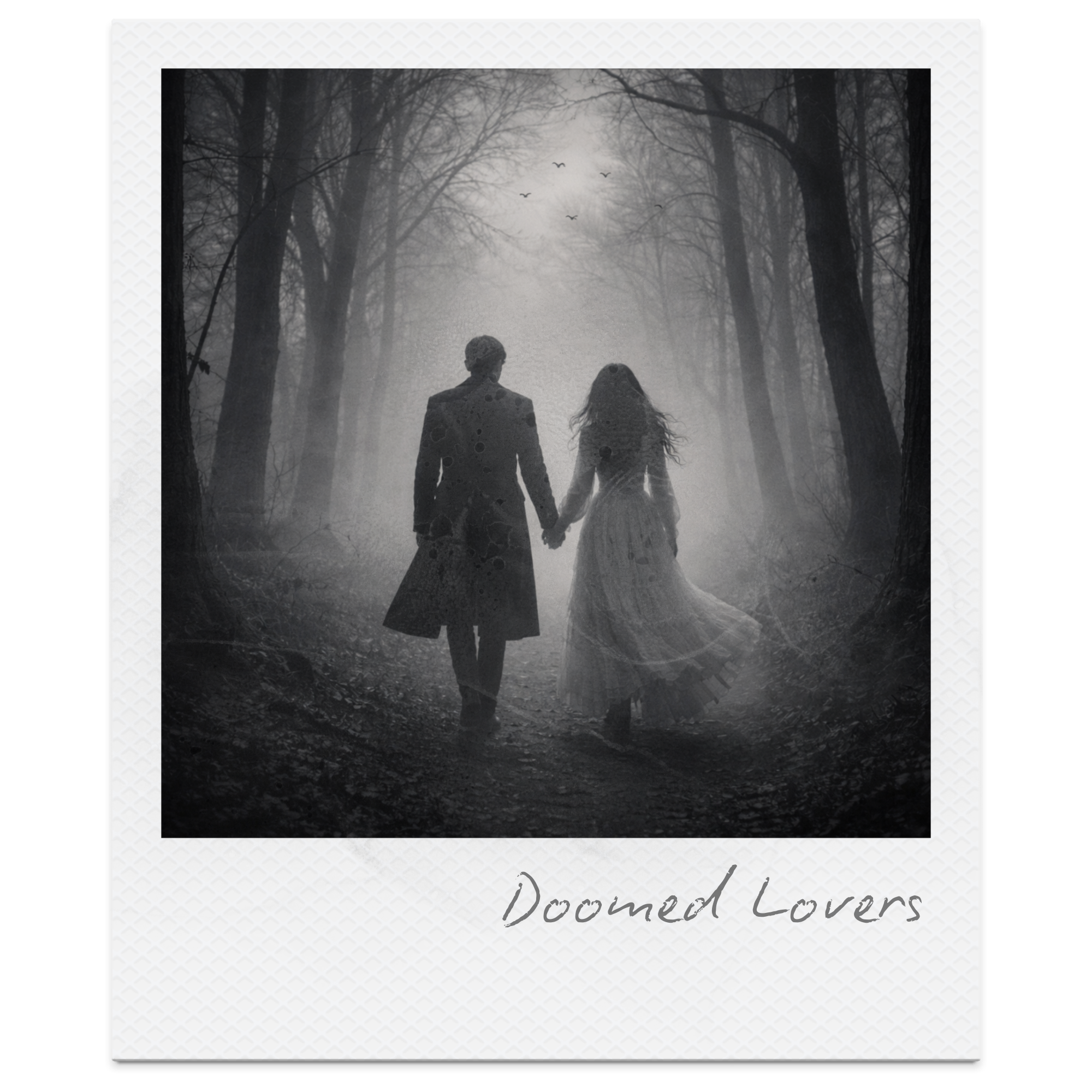
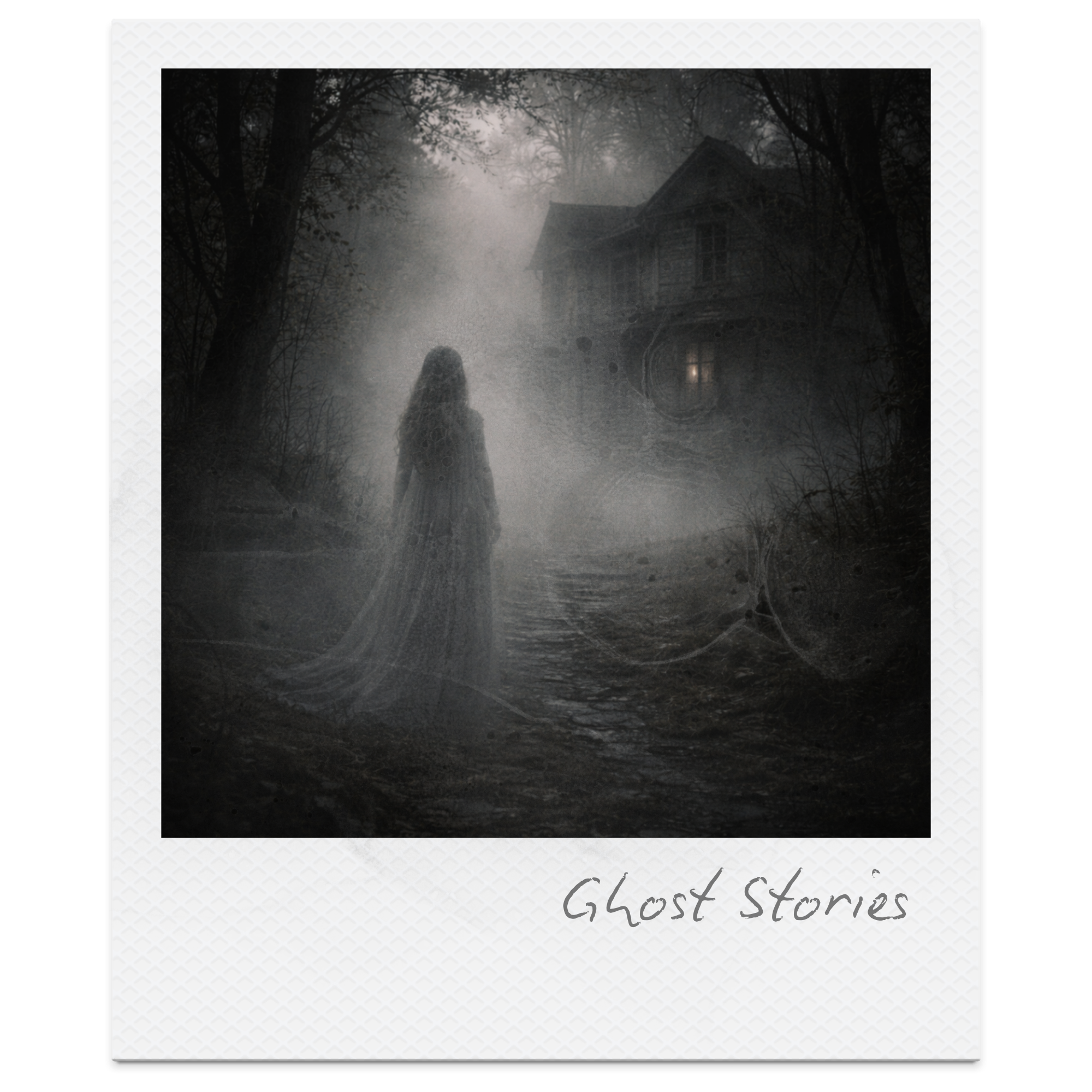
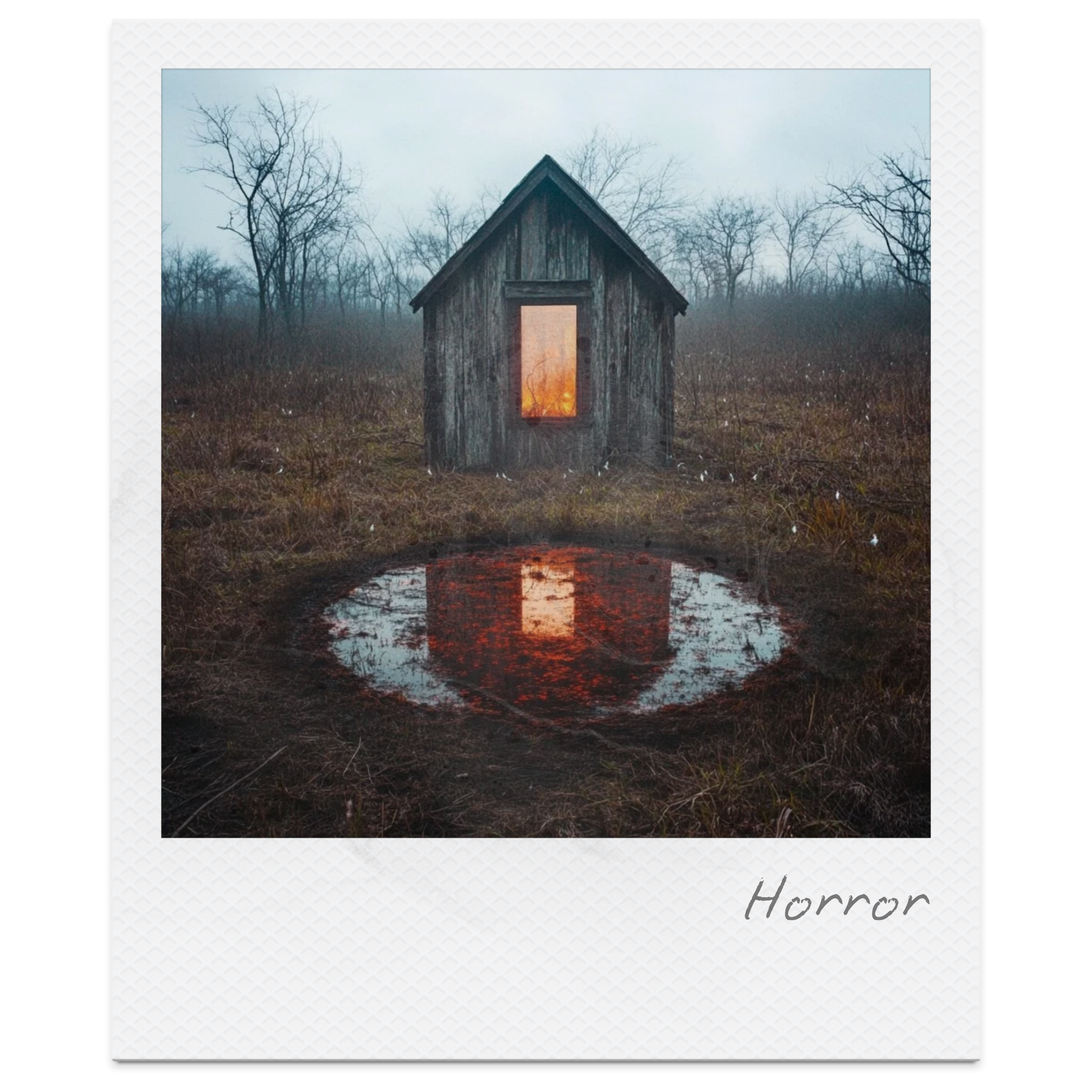
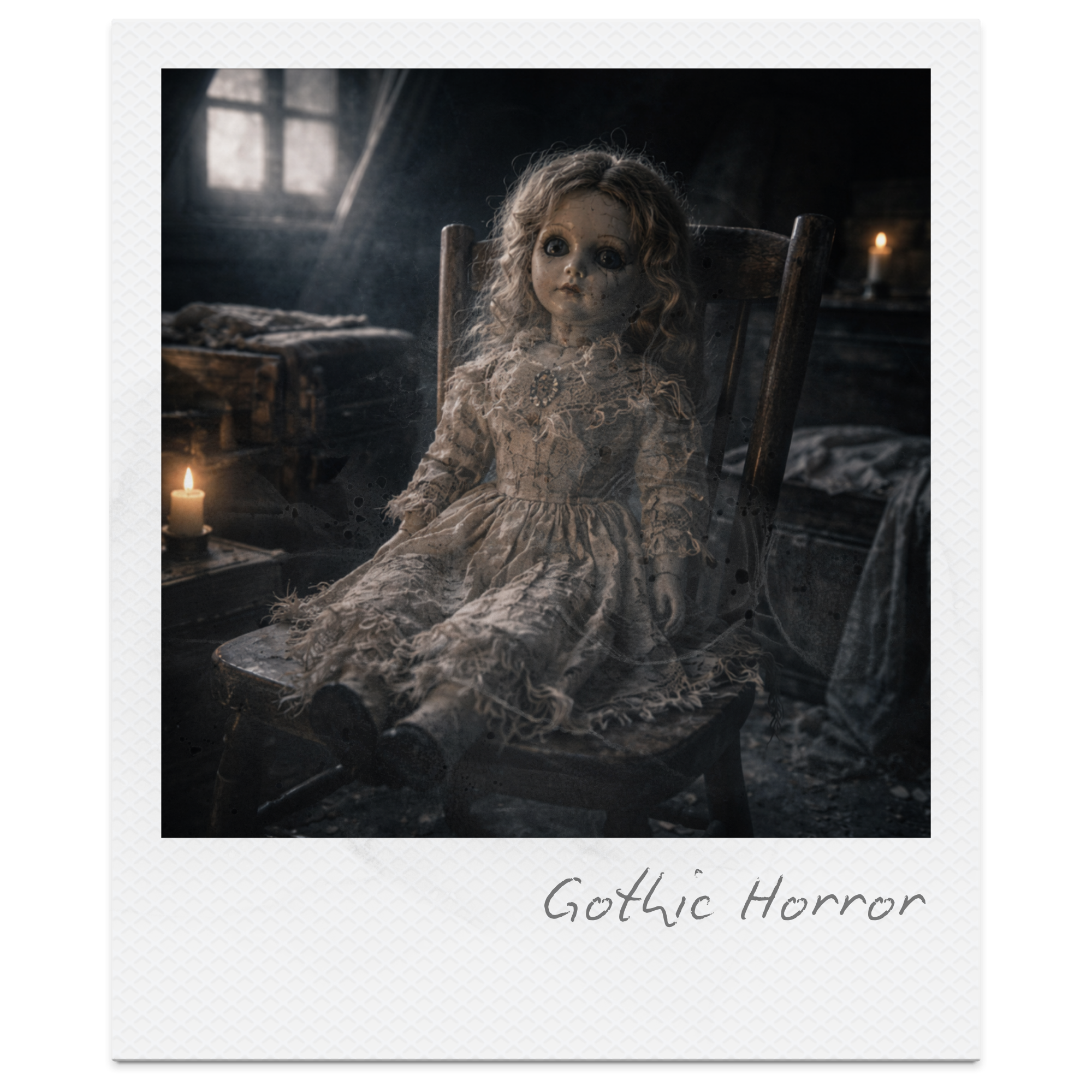
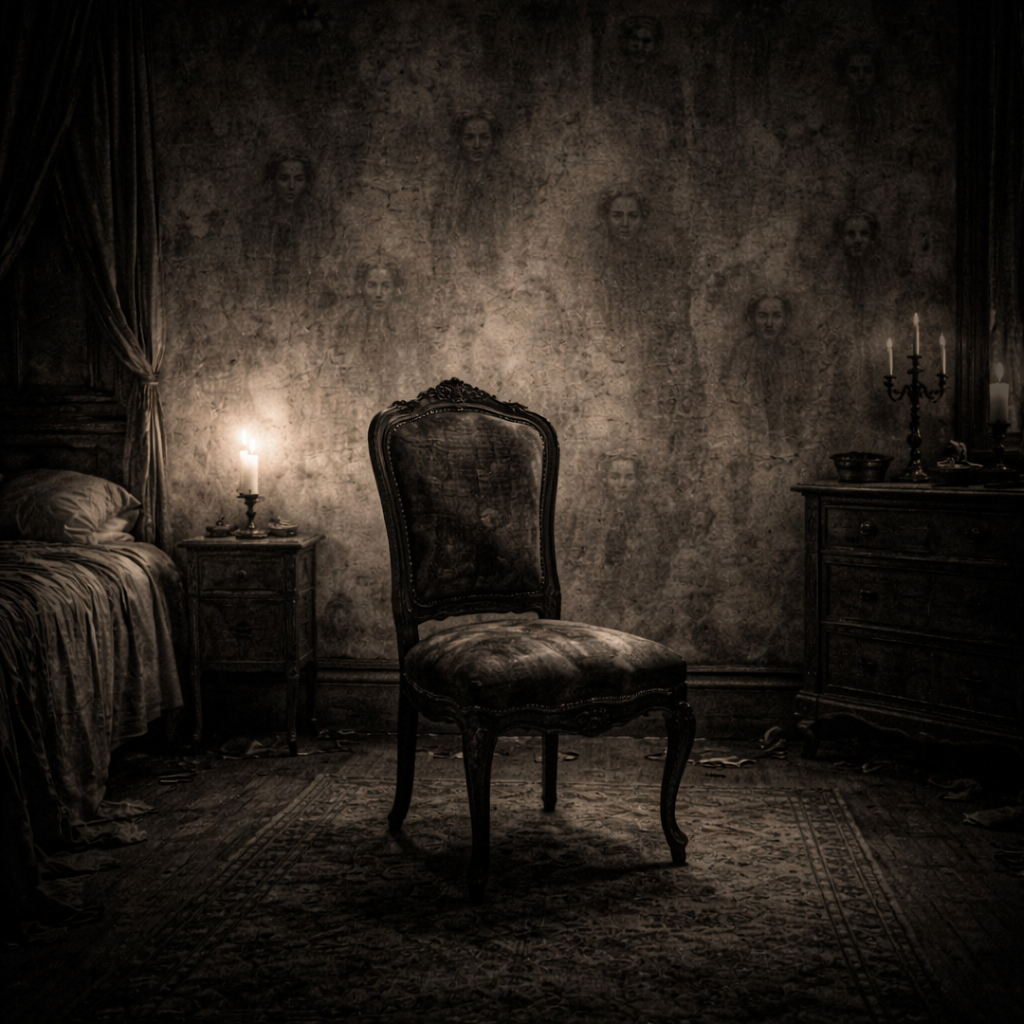
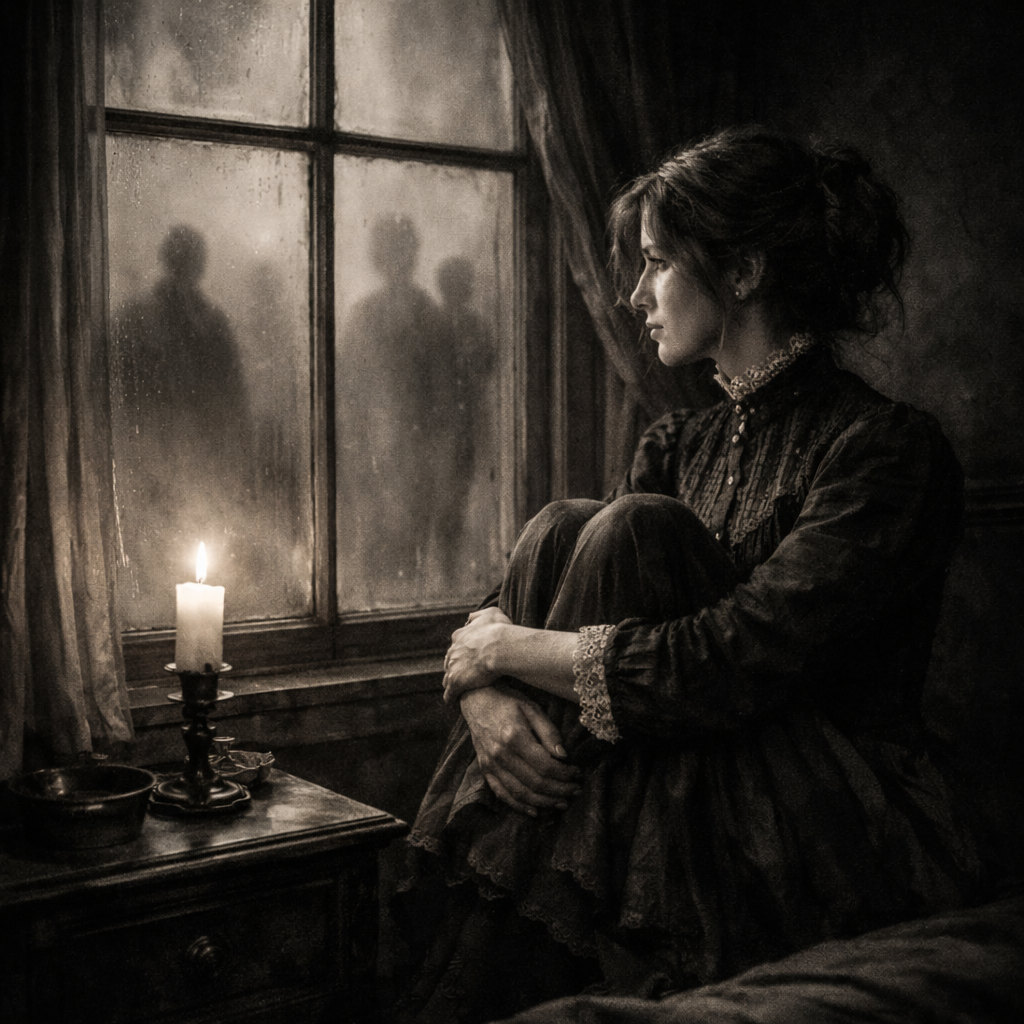
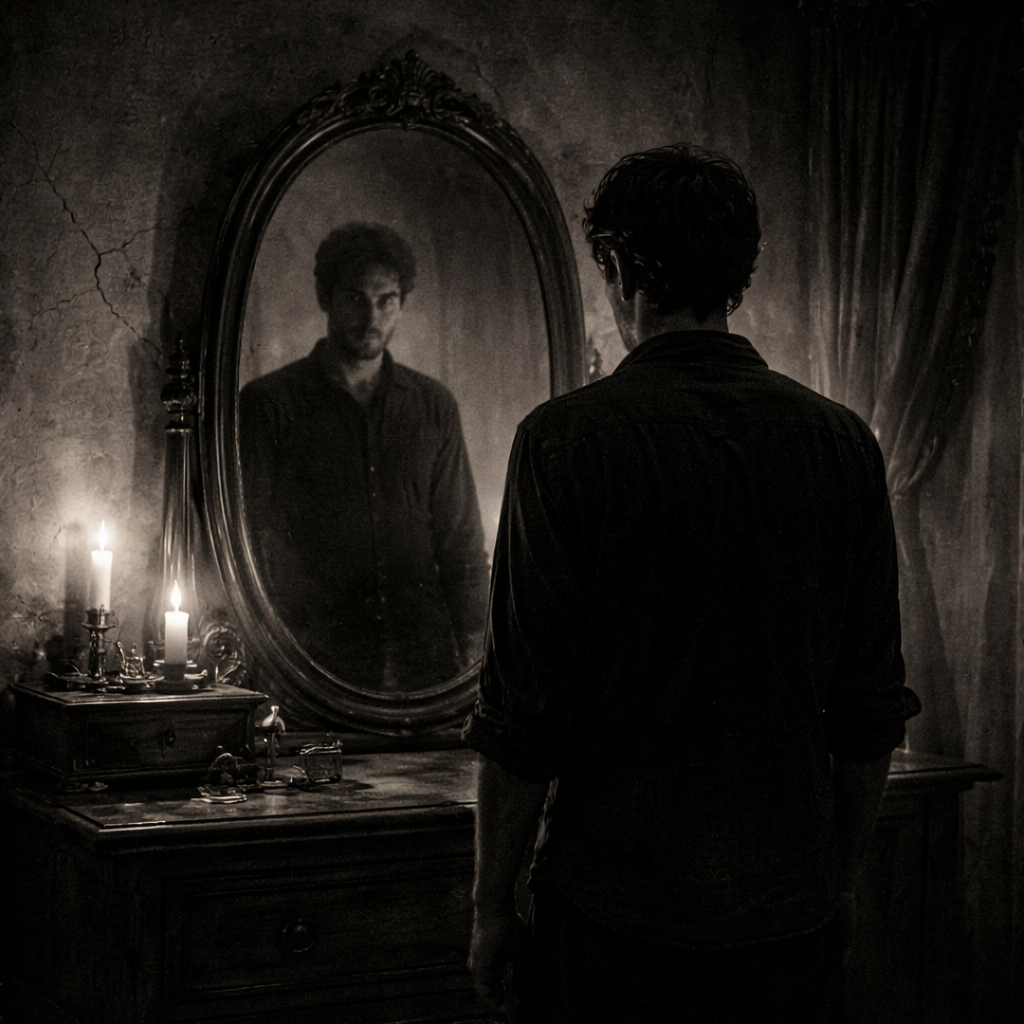
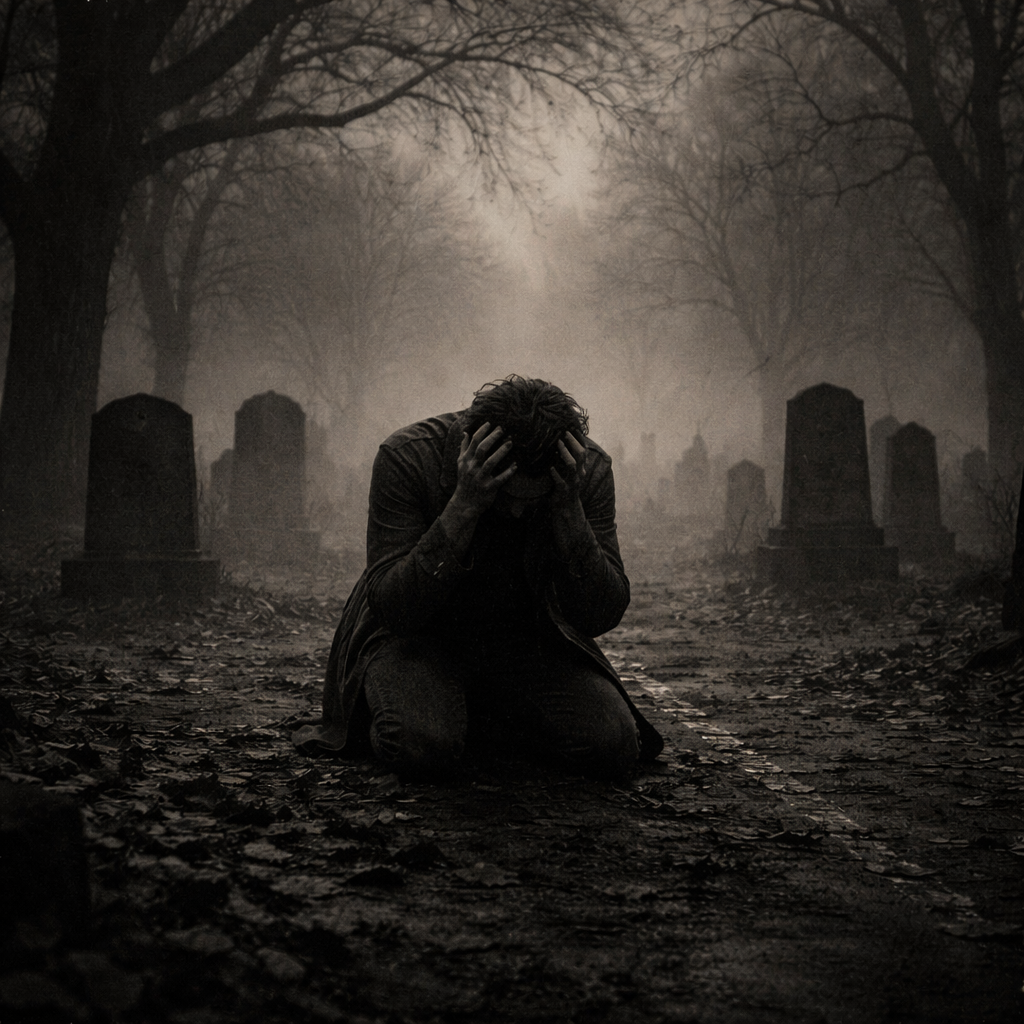
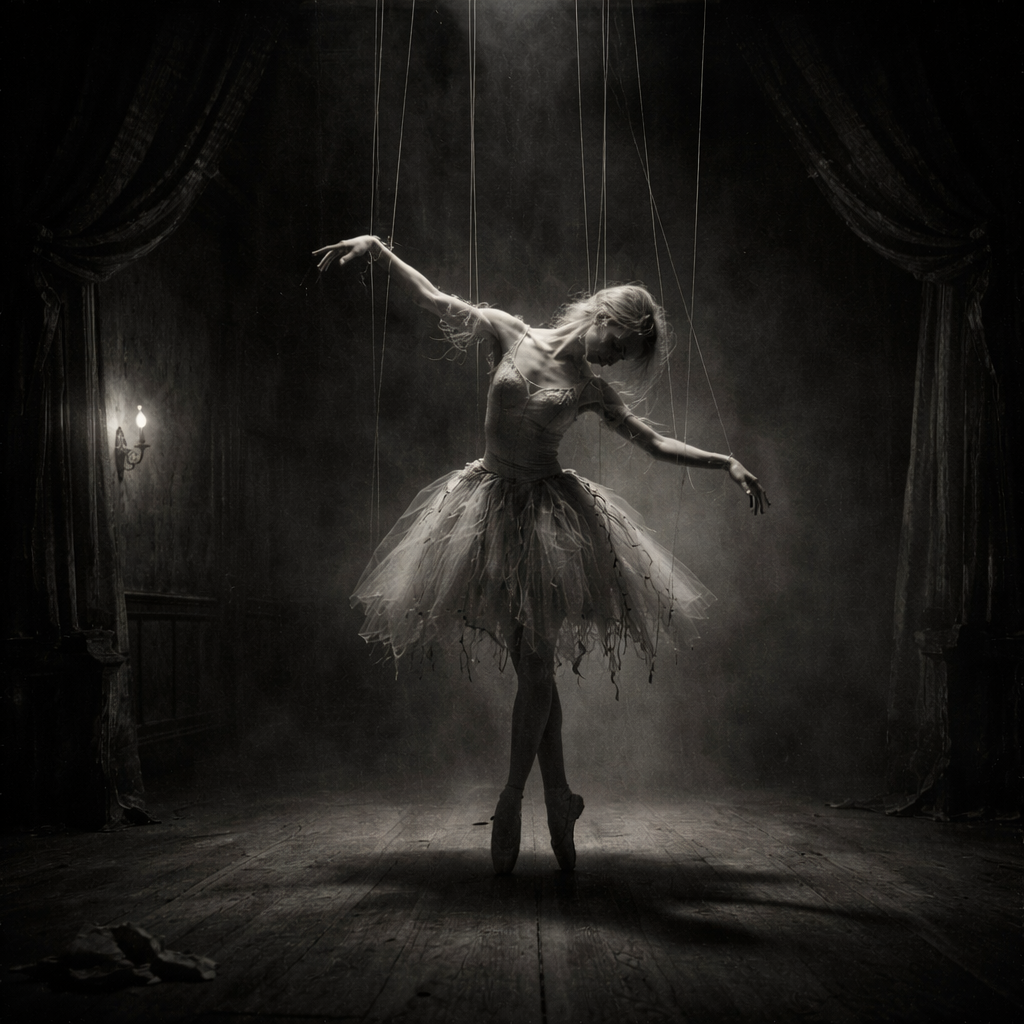
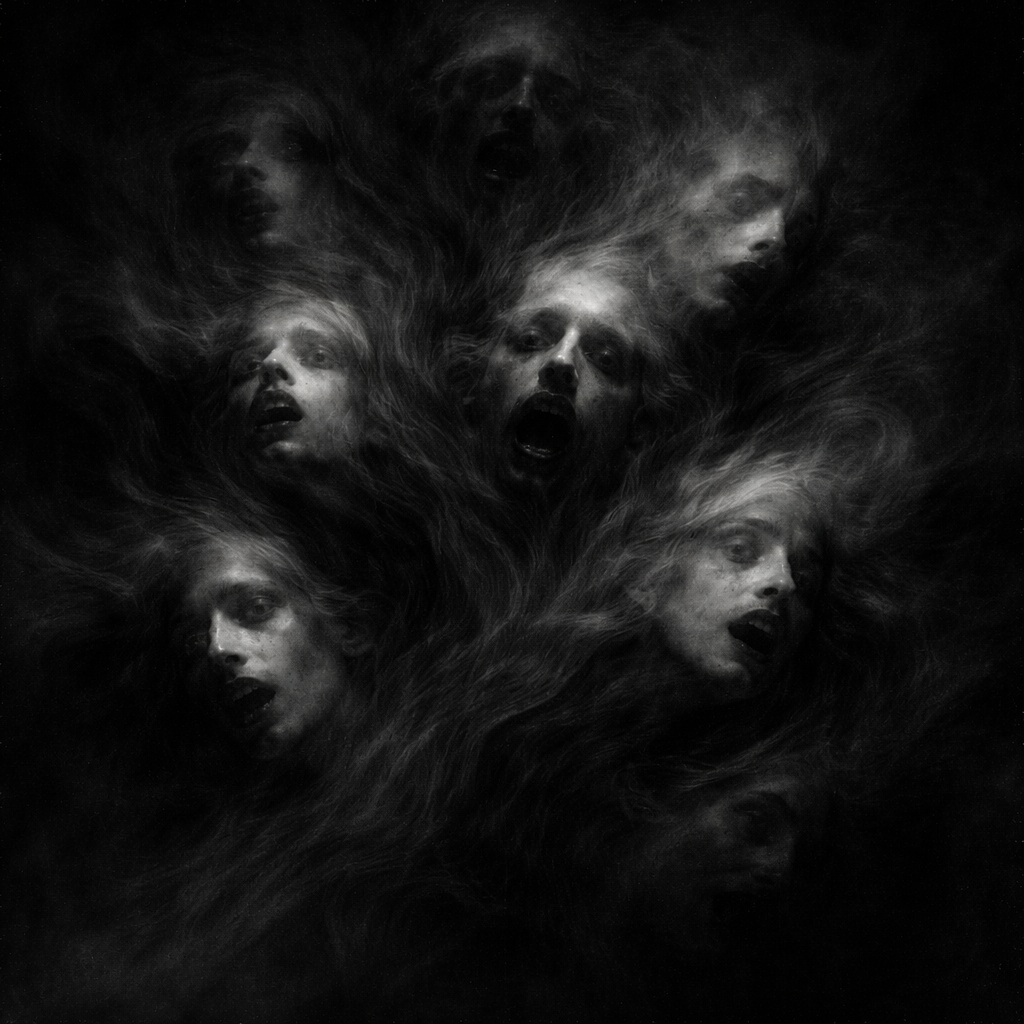
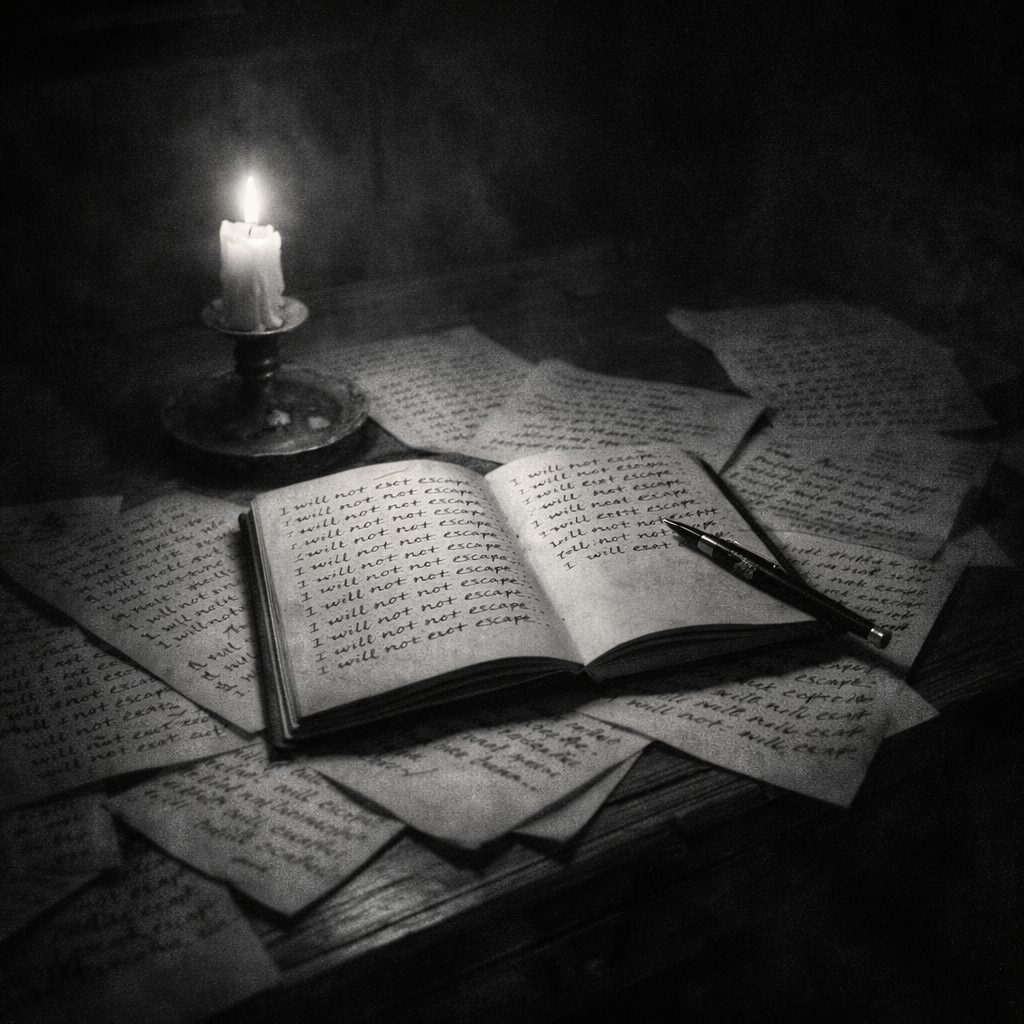
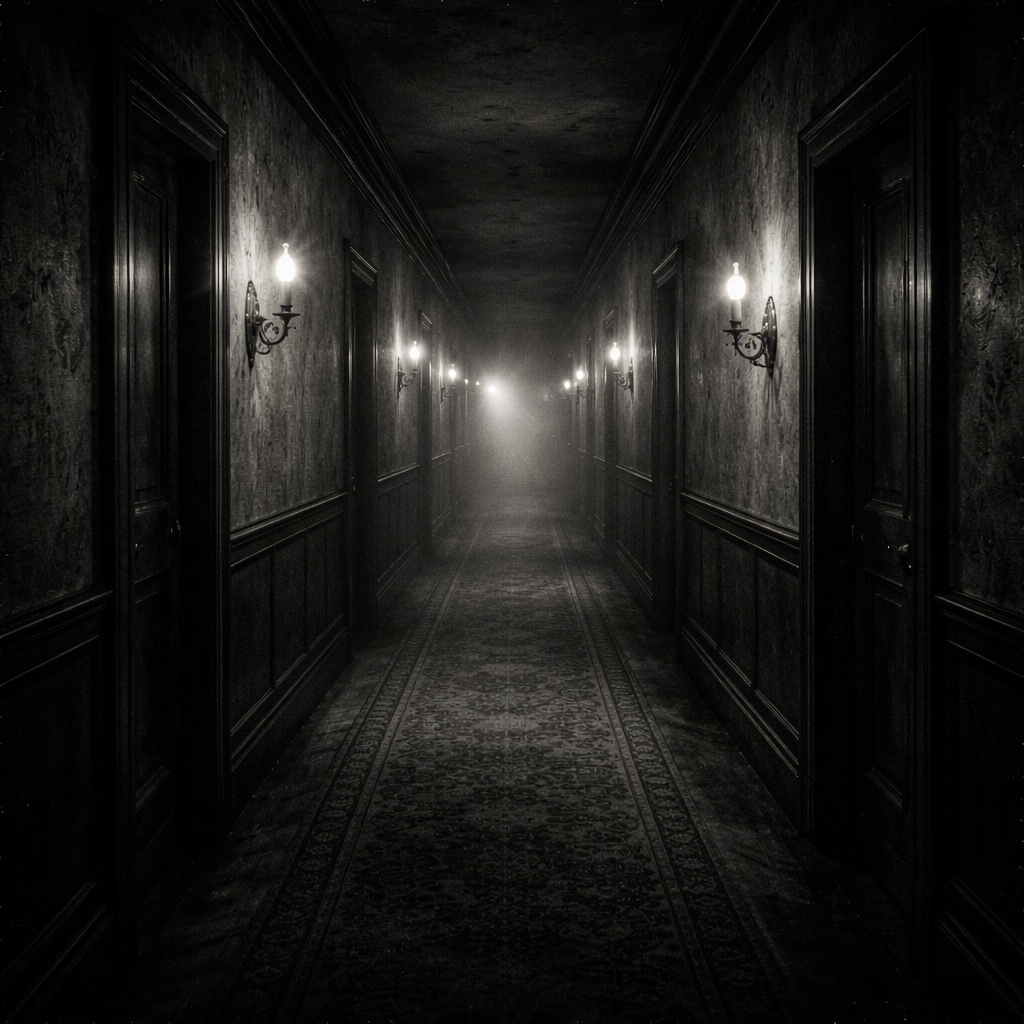
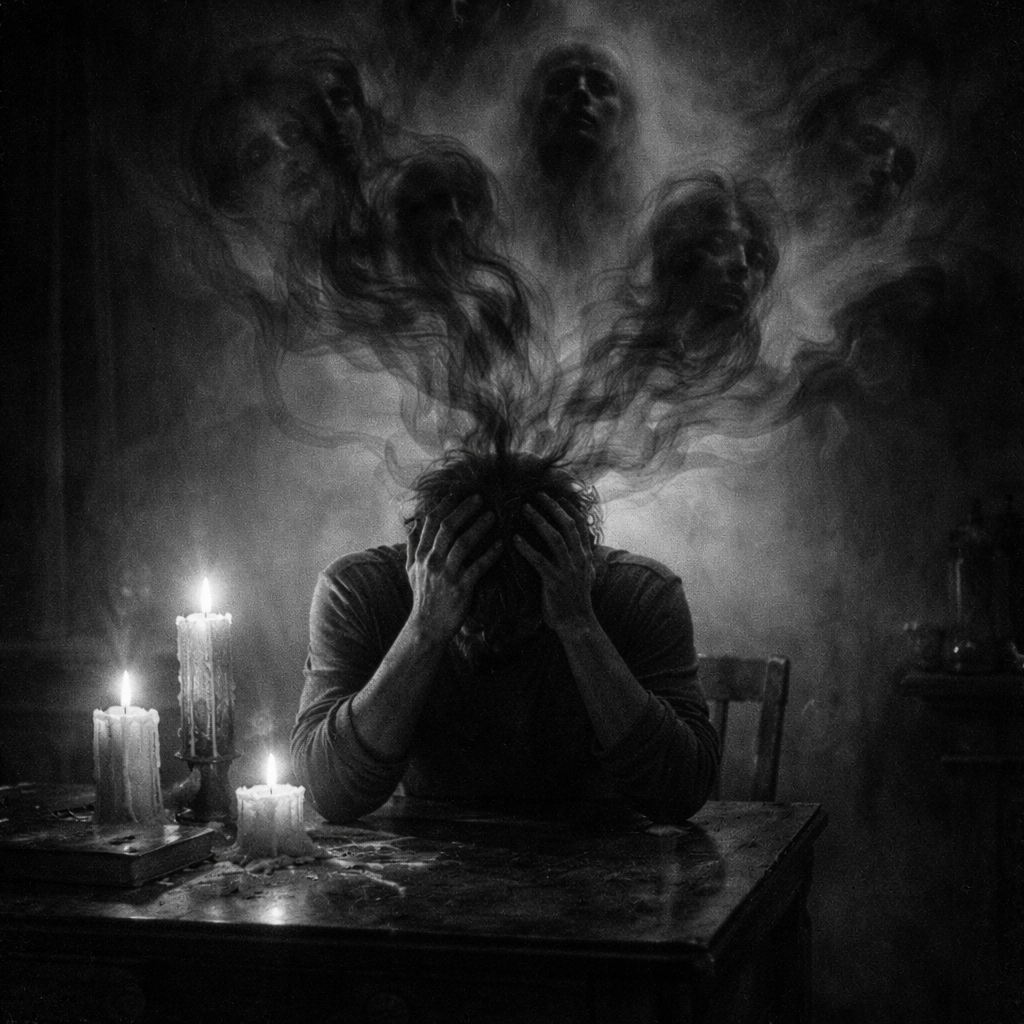
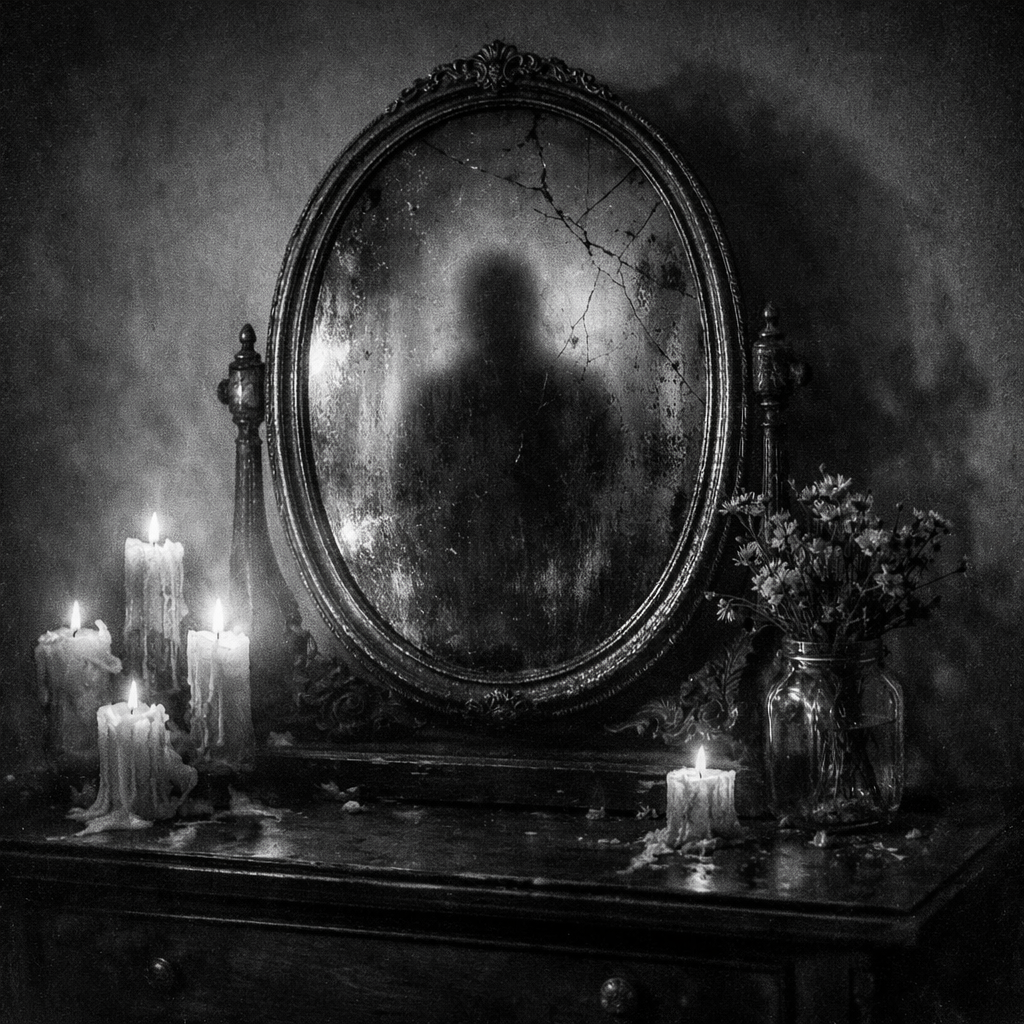
Visual prompts can be especially powerful for gothic madness stories, where atmosphere and perception often shape the narrative as much as plot. Inspired by psychological gothic imagery, these scenes encourage writers to ask what is real, what is imagined, and whose version of events can be trusted.
Writers can use the images as story starters, mood inspiration, or setting foundations, considering what might have happened before the moment captured and what truth might be hidden beneath the surface.
Go Deeper into Gothic Madness Writing
To develop gothic madness stories beyond simple “losing control” narratives, encourage writers to focus on ambiguity and perception rather than clear answers.
◆ Explore unreliable perception. Let readers question whether the narrator’s interpretation of events is trustworthy.
◆ Blur the line between psychological and supernatural explanations.
◆ Use setting to reinforce mental tension — confined spaces, echoes, shadows, and silence can all mirror a character’s internal state.
◆ Allow uncertainty to remain unresolved. In gothic fiction, ambiguity often creates the strongest emotional impact.
Final Thoughts
Madness remains one of the most compelling themes in gothic storytelling because it challenges certainty. By questioning memory, perception, and truth, these stories invite readers to explore how fragile the boundary between reality and imagination can be.
These 70 Gothic Madness Writing Prompts are designed to help young writers practise psychological storytelling, experiment with unreliable narrators, and develop atmospheric narratives shaped by tension and uncertainty. Whether used for classroom writing, creative warm-ups, or longer gothic fiction projects, the prompts encourage writers to embrace ambiguity and explore the darker edges of perception.
If you’d like to discover more gothic writing prompts, trope collections, or genre-inspired story starters, you can explore the Gothic Writing Prompts Hub or browse the full Creative Writing Archive for more inspiration.
Choose Your Next Adventure