Notes from the Inkpot
Writing, teaching, creating - one ink-stained idea at a time.


Showing the Flag by Jane Gardam: Summary, Themes & Analysis
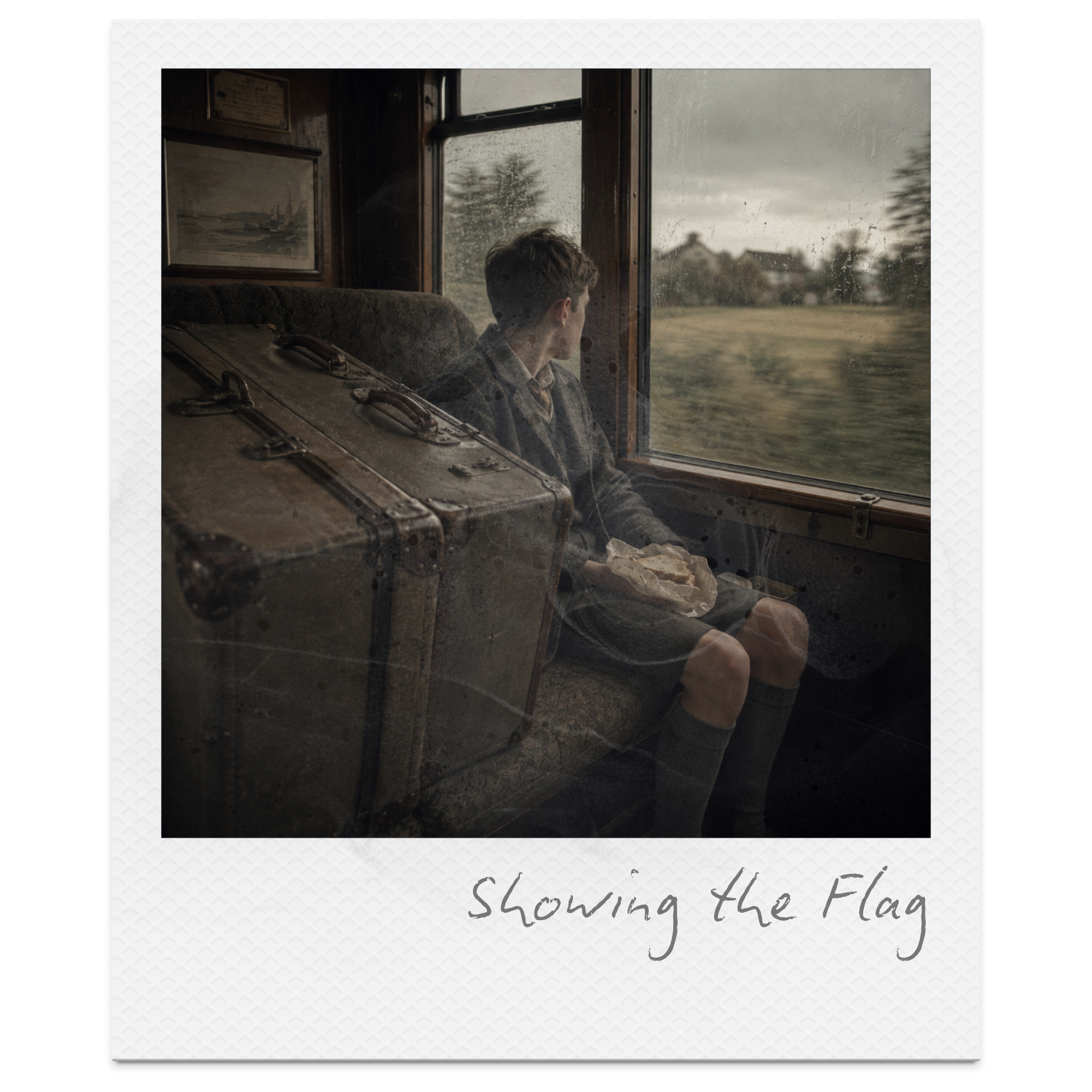
Jane Gardam’s Showing the Flag is a psychologically rich short story exploring childhood insecurity, grief, emotional repression, and the fragile relationship between parents and children. Through Philip’s lonely journey from England to France shortly after his father’s death, Gardam reveals how fear and emotional misunderstanding can distort a child’s perception of love and belonging. This detailed analysis explores the story’s symbolism, themes, structure, narrative voice, key quotes, alternative interpretations, and exam-focused insights for CIE IGCSE English Literature (0475 & 0922), while examining how the seemingly simple image of a lost Union Jack becomes a powerful symbol of identity, emotional security, and hidden parental care.

The Gold Watch by Mulk Raj Anand: Summary, Themes & Analysis
Mulk Raj Anand’s The Gold Watch is a quietly devastating short story exploring colonial power, workplace hierarchy, economic insecurity, and human dignity. Through the experiences of the ageing dispatch clerk Sharma, Anand exposes how institutional systems disguise emotional cruelty beneath politeness, routine, and formal gestures of appreciation. This analysis explores the story’s themes, symbolism, narrative voice, and psychological tension, examining how Anand uses irony, restraint, and symbolism to critique systems that value workers only while they remain useful. Ideal for students studying CIE IGCSE English Literature (0475 & 0922) and anyone exploring postcolonial short fiction.
The Purloined Letter by Edgar Allan Poe: Summary, Themes, Symbolism & Analysis
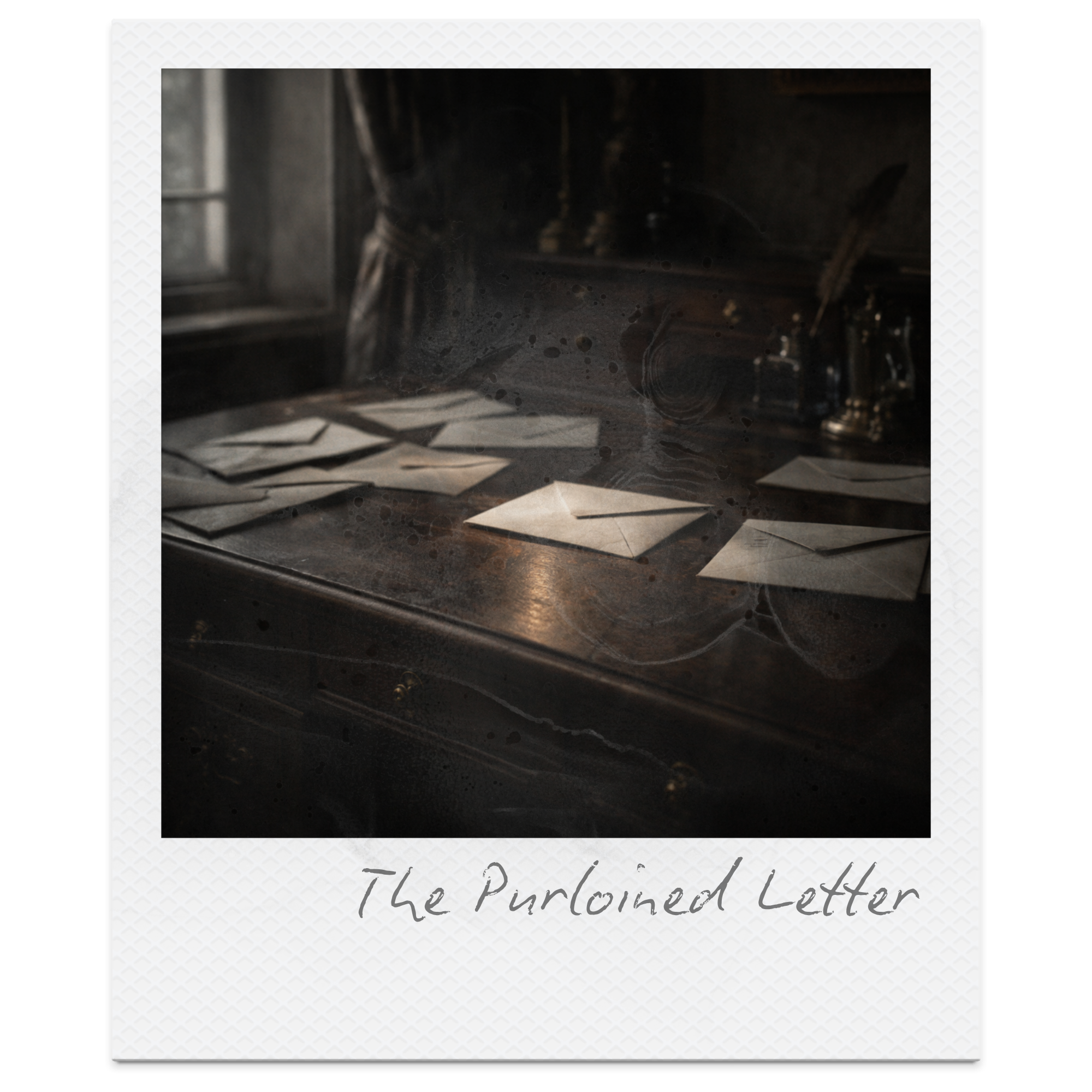
The Purloined Letter is a clever and thought-provoking detective story that challenges the idea that mysteries are always complex. Instead, Edgar Allan Poe presents a case where the solution is hidden in plain sight, revealing how assumptions and rigid thinking can prevent us from seeing the obvious. Through the character of Dupin, Poe explores how true intelligence lies in understanding how others think, rather than simply relying on method or procedure. As the investigation unfolds, the story shifts from a traditional search for hidden clues to a deeper exploration of perception, power, and psychological strategy. The stolen letter becomes more than just an object—it represents control, secrecy, and vulnerability, showing how knowledge can be used as a form of influence. Ultimately, the story leaves readers questioning not just the mystery itself, but the way human reasoning shapes what we see—and what we miss.
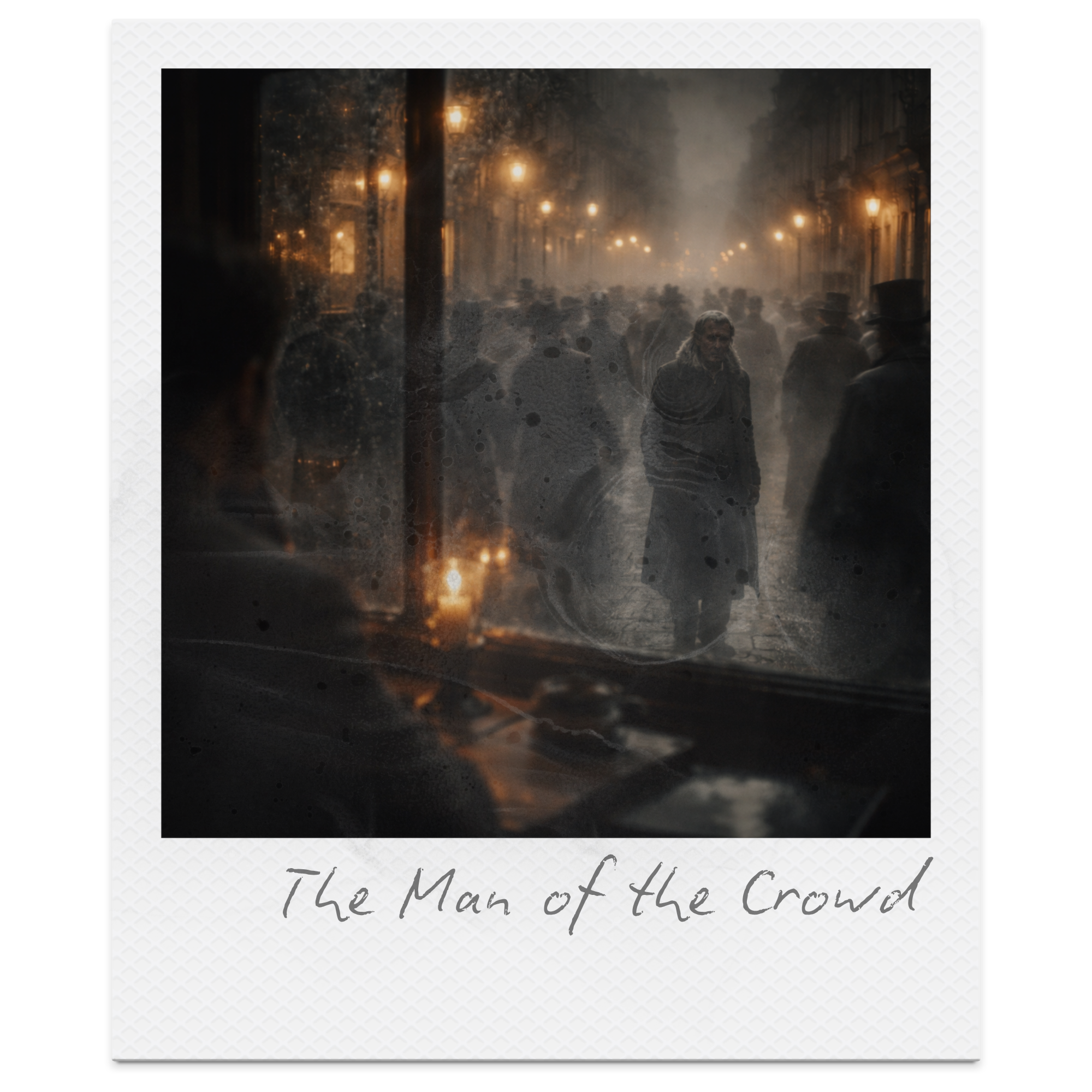
The Man of the Crowd by Edgar Allan Poe: Summary, Themes, Symbolism & Psychological Analysis
The Man of the Crowd by Edgar Allan Poe is a compelling exploration of urban anonymity, psychological obsession, and the limits of human understanding. Set against the restless backdrop of London, the story follows a narrator who becomes fixated on a mysterious old man whose expression defies interpretation. What begins as casual observation quickly develops into an intense pursuit, raising unsettling questions about whether people can ever truly be known. At its core, the story examines identity, surveillance, alienation, and unknowability, presenting the modern city as a space where individuals are both constantly visible and fundamentally hidden. Through its cyclical structure and ambiguous ending, Poe challenges the idea that observation leads to truth, instead suggesting that some lives — and some minds — remain permanently beyond comprehension.
70 Gothic Madness Writing Prompts: Unreliable Minds, Haunted Thoughts & Story Starters
Madness has long been one of the most compelling themes in gothic fiction, where the line between reason and obsession is often disturbingly fragile. Many gothic narratives explore characters who slowly lose trust in their memories, perceptions, or sense of self, creating stories where the greatest danger may come from the mind itself rather than any external monster. These gothic madness writing prompts explore psychological tension, unreliable narrators, and distorted reality through atmosphere-driven storytelling. Drawing on classic psychological gothic elements such as isolation, paranoia, and the slow erosion of certainty, the prompts encourage writers to experiment with ambiguity, perception, and the unsettling possibility that truth may never be fully understood.
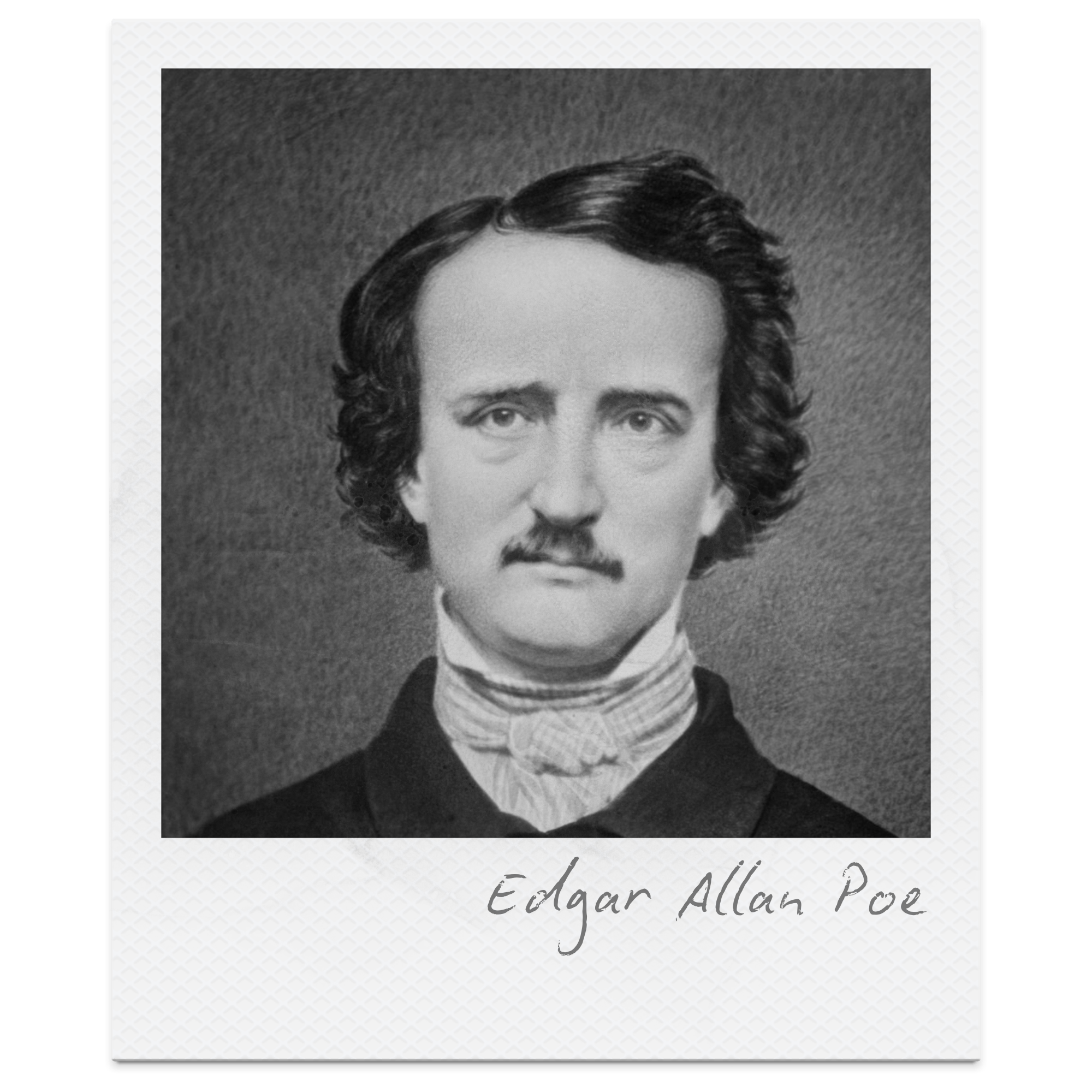
Edgar Allan Poe: Context, Themes, and Literary Significance
Edgar Allan Poe is one of the most widely taught American writers in the secondary English classroom, known for his Gothic fiction, psychological narratives, and influential detective stories. Writing in the early nineteenth century, Poe explored themes of unreliable narration, guilt, obsession, and moral ambiguity, using tightly controlled structure and atmosphere to shape reader interpretation. His work rewards close reading and discussion, making it particularly effective for developing analytical confidence. This guide explores Edgar Allan Poe’s historical context, recurring themes, and literary significance, offering a framework for understanding how his writing operates across poetry and short fiction. Rather than focusing on plot or biography, it examines how Poe uses voice, perspective, and implication to generate meaning, supporting discussion-led teaching and thematic study in the secondary English classroom.