Notes from the Inkpot
Writing, teaching, creating - one ink-stained idea at a time.


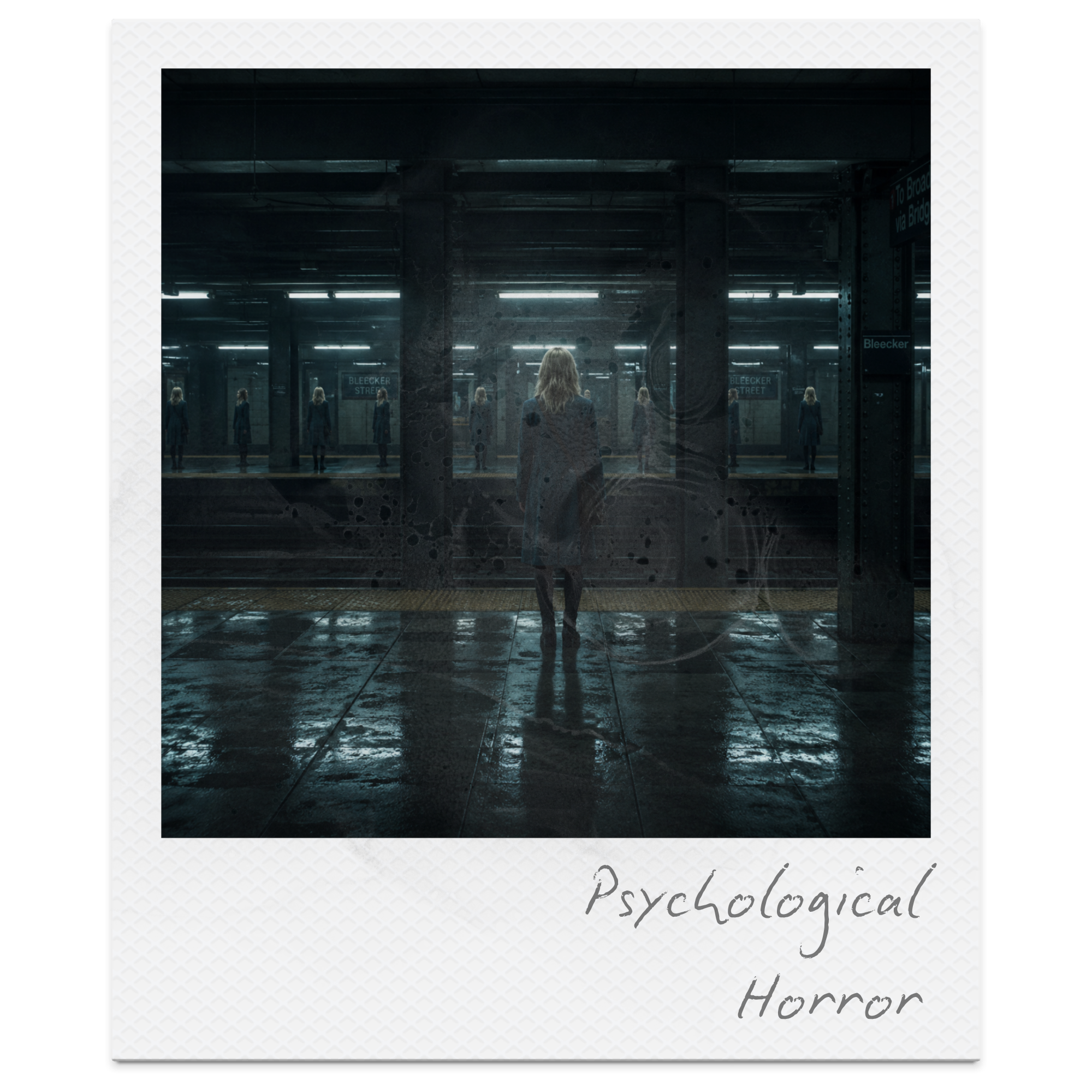
70 Psychological Horror Writing Prompts: Unreliable Minds, Emotional Dread & Quiet Terror
A dark and atmospheric collection of 70 psychological horror writing prompts exploring unreliable narrators, distorted memory, paranoia, emotional manipulation, fractured identity, uncanny repetition, hidden surveillance, and the terrifying instability of perception. This complete creative writing toolkit includes plot hooks, title ideas, opening lines, closing lines, character ideas, eerie settings, and cinematic visual prompts designed to inspire unsettling stories filled with emotional dread, quiet tension, ambiguity, and psychological unease.
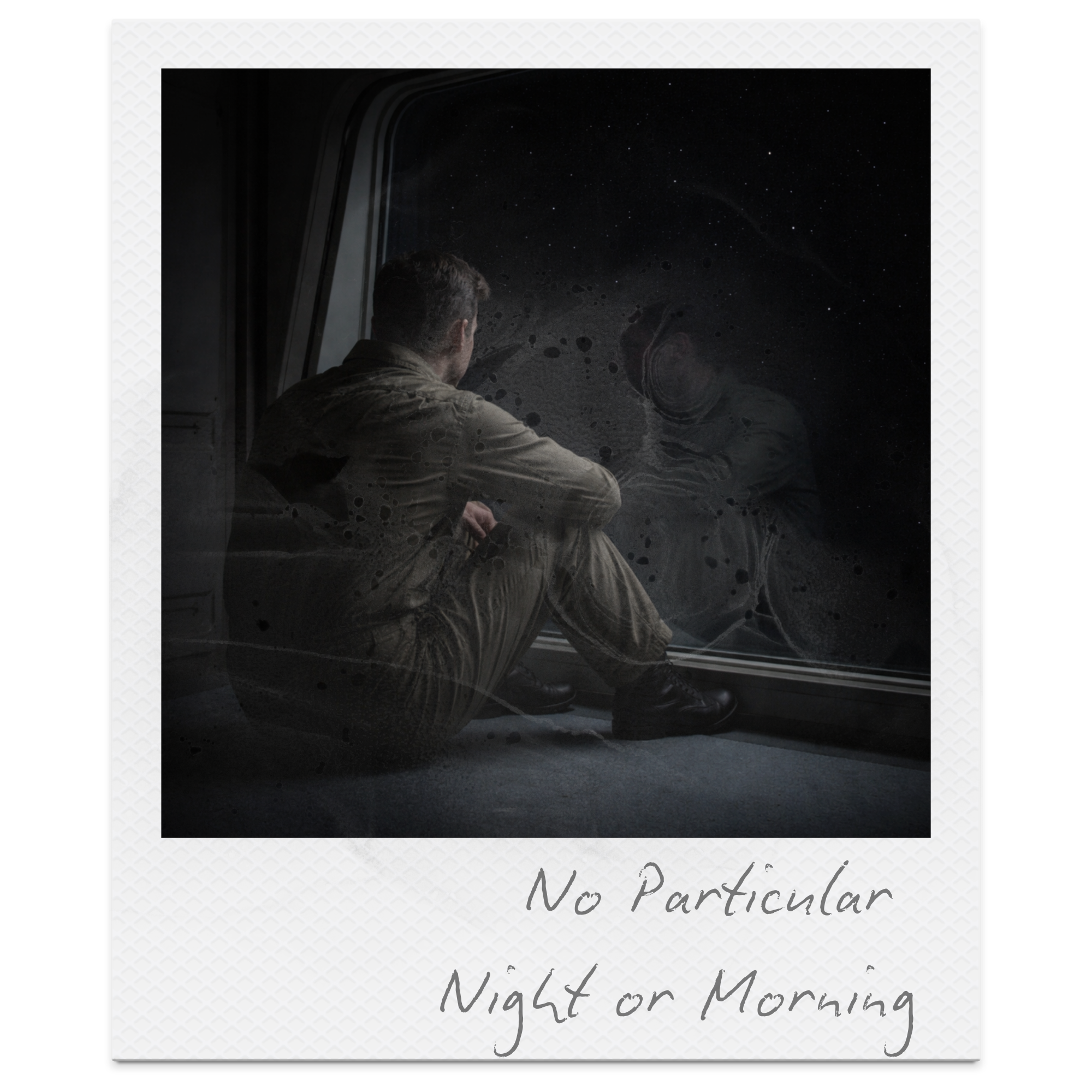
No Particular Night or Morning by Ray Bradbury: Summary, Themes, Symbolism & Analysis
No Particular Night or Morning explores existential uncertainty, isolation, and the limits of proof through the unsettling perspective of a man who can only believe in what he can immediately see, touch, or verify. As Hitchcock begins to reject the existence of Earth, memory, and even other people when they are not physically present, Bradbury builds a disturbing vision of reality reduced to isolated moments, stripped of continuity and meaning. As the story progresses, this rigid form of rationalism leads to the breakdown of identity and perception, revealing how dependent human life is on imagination, memory, and shared belief. Set against the vast emptiness of space, Hitchcock’s descent becomes both psychological and symbolic, culminating in a chilling rejection of everything—body, world, and self—leaving only “space” and “the gap.”
The Long Rain by Ray Bradbury: Summary, Themes, Symbolism & Analysis
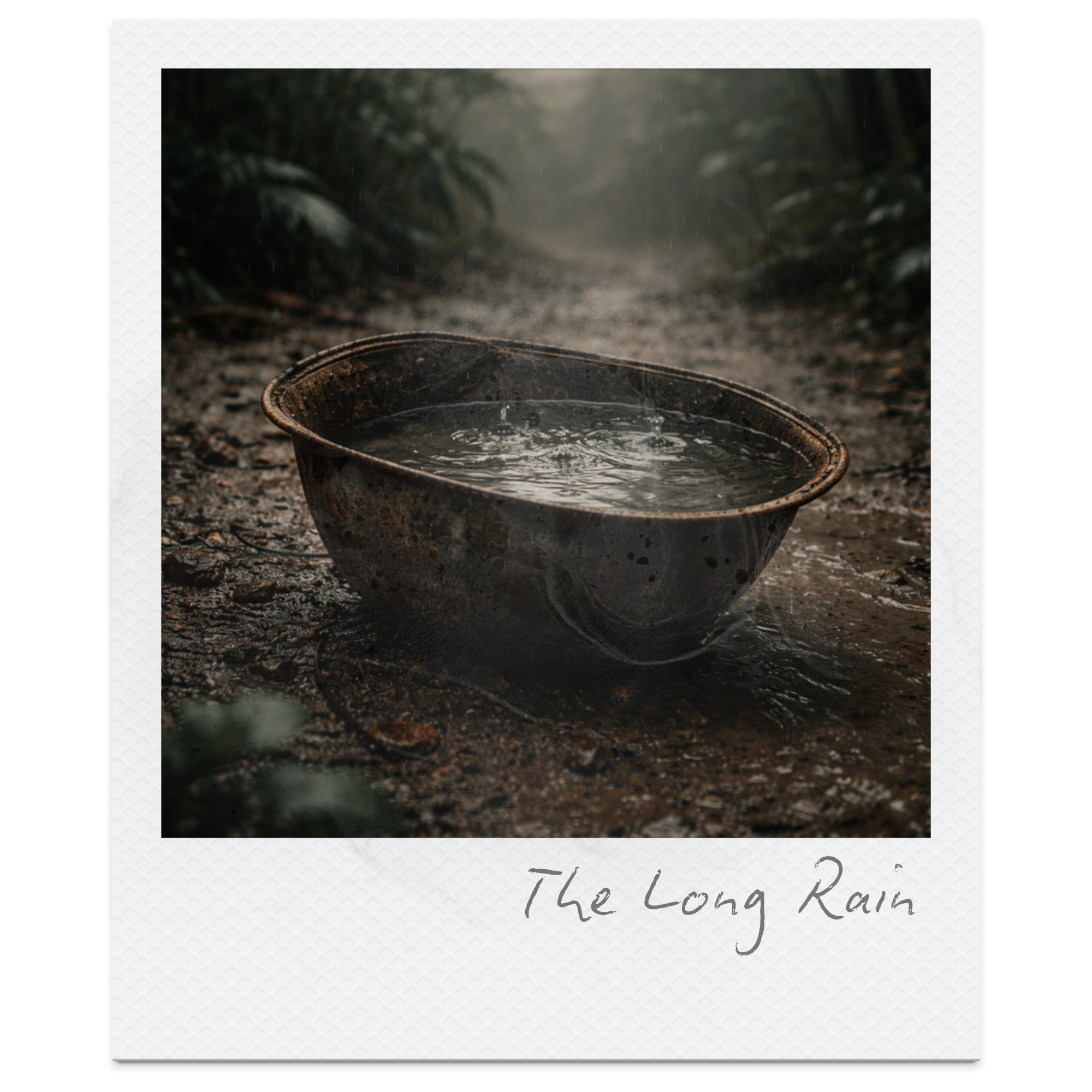
Ray Bradbury’s The Long Rain is a relentless exploration of survival, madness, and environmental hostility, set on a version of Venus where the rain never stops. As a group of men struggle through the jungle in search of a Sun Dome, the story shifts from a physical journey into a psychological one, where exhaustion, isolation, and constant sensory pressure begin to erode their sense of reality. Bradbury transforms the environment into a force that does not simply threaten the body, but steadily dismantles the mind. What makes the story so powerful is its focus on endurance rather than action. There is no single moment of catastrophe—only the slow, crushing weight of continuous exposure. Through this, Bradbury explores the fragile balance between hope and despair, showing how quickly control can slip away when relief is out of reach. The ambiguous ending leaves readers questioning whether survival has truly been achieved, or whether it exists only as a final illusion in a mind pushed beyond its limits.
The Bells by Edgar Allan Poe: Summary, Themes, Meaning & Analysis
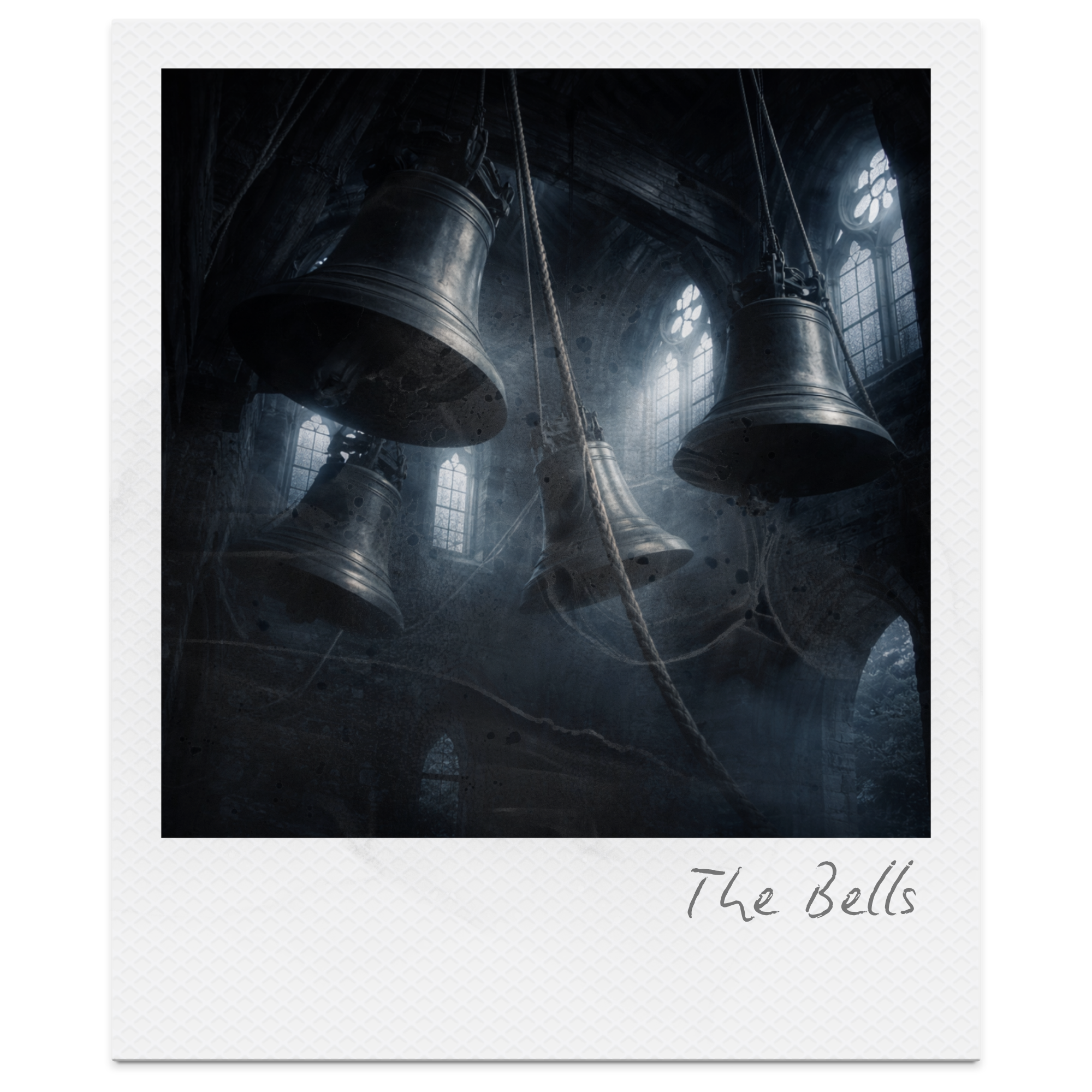
The Bells by Edgar Allan Poe explores how sound reflects the stages of human experience, moving from joy and harmony to chaos and death. Through its hypnotic rhythm and intense repetition, Poe transforms bells into symbols of time, emotional progression, and mortality, creating a poem that is as much heard as it is understood. Blurring the line between music and meaning, the poem builds from delicate “tinkling” to overwhelming “clanging,” mirroring a descent into psychological instability and loss of control. This progression invites multiple interpretations, from a life cycle narrative to a study of how sound shapes human perception.
The Pit and the Pendulum by Edgar Allan Poe: Summary, Themes, Symbolism & Analysis
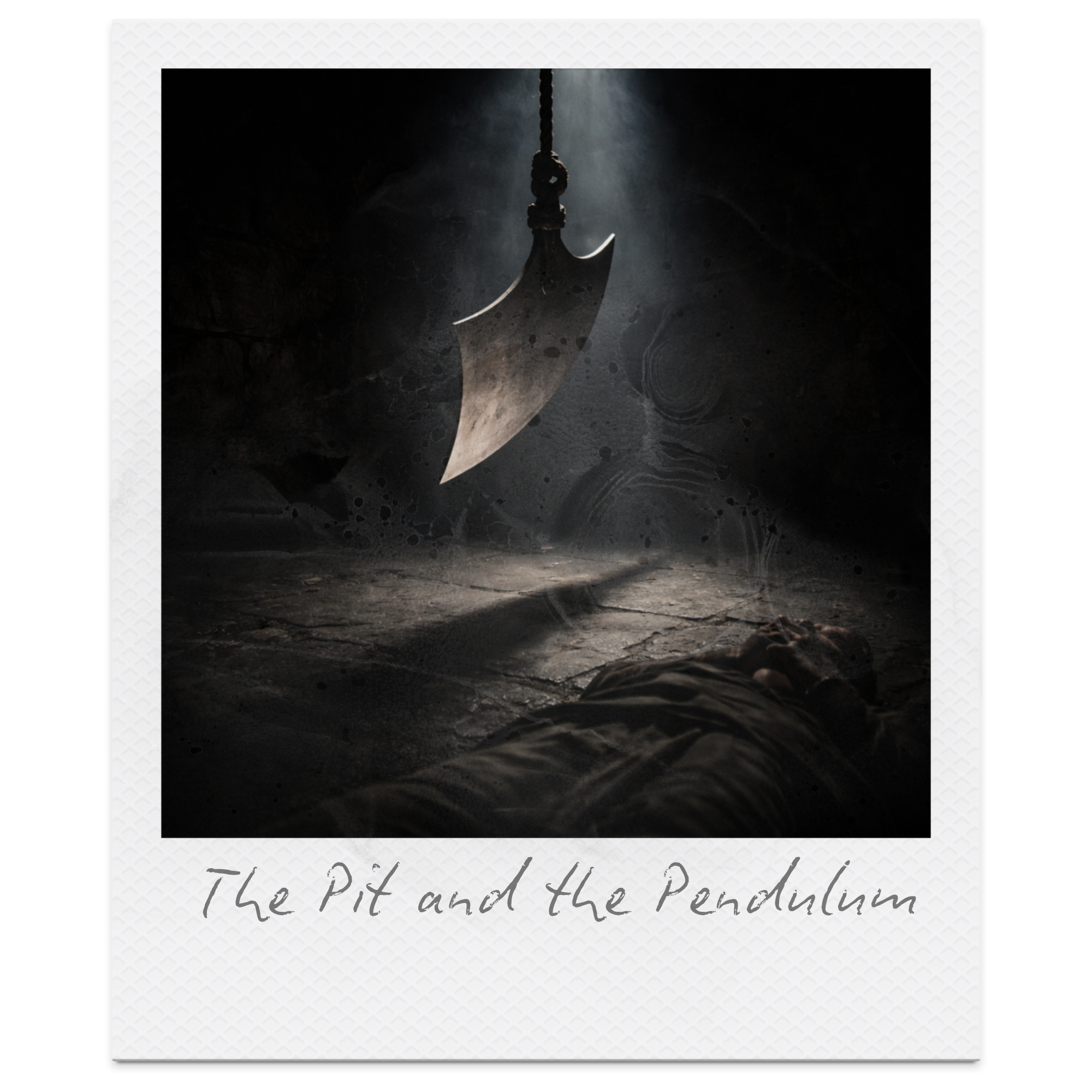
The Pit and the Pendulum by Edgar Allan Poe is a chilling exploration of psychological horror, fear, and survival under extreme control. Set within the terrifying world of the Inquisition, the story follows a condemned narrator trapped in a shifting dungeon where darkness, hidden dangers, and calculated torture push him to the brink of madness. Rather than relying on sudden shocks, Poe builds tension through anticipation, sensory deprivation, and the slow passage of time, creating a deeply unsettling reading experience. As the narrator faces the horrors of the pit, the descending pendulum, and the enclosing walls, the story explores powerful themes including power and control, perception and reality, death and mortality, and endurance. The setting itself becomes an instrument of torture, reflecting the narrator’s deteriorating mental state and forcing him into a desperate fight for survival. Through its intense focus on the mind under pressure, The Pit and the Pendulum remains one of Poe’s most compelling and psychologically complex short stories.
The Black Cat by Edgar Allan Poe: Summary, Themes, Symbolism, Madness & Analysis
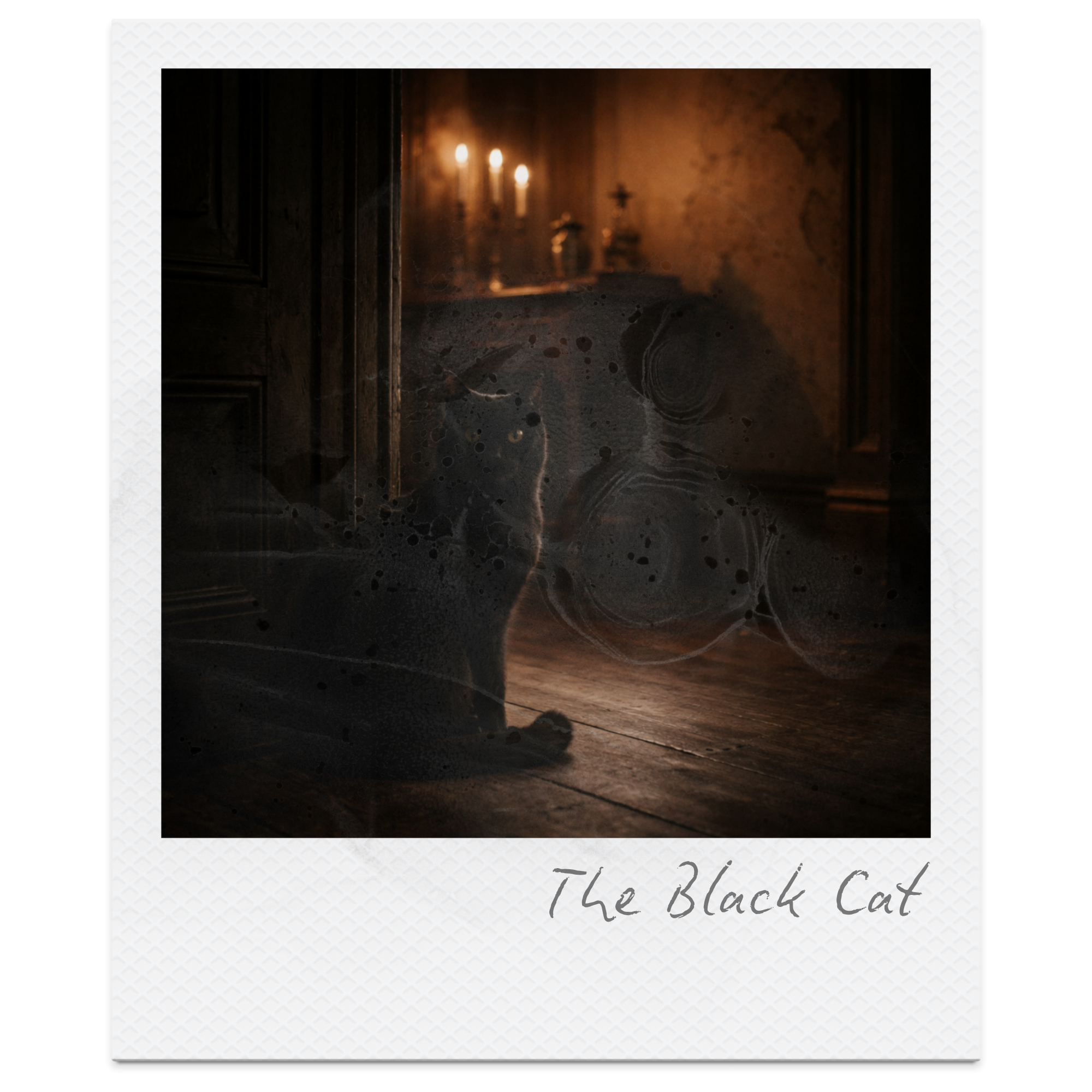
The Black Cat by Edgar Allan Poe is a chilling exploration of madness, guilt, and moral corruption, following a narrator who insists on his sanity while recounting his descent into violence, alcoholism, and psychological collapse. What begins as a domestic narrative of companionship and affection quickly deteriorates into something far darker, as acts of cruelty escalate into murder. Through its intense first-person voice and disturbing imagery, the story exposes the fragile boundary between reason and irrationality, forcing readers to question whether the true horror lies in supernatural forces or within the human mind itself. This post explores The Black Cat in depth, including a clear summary, detailed analysis of themes and symbolism, key quotes, and alternative interpretations to support both teaching and study. With a focus on narrative voice, psychological instability, and Gothic conventions, it provides everything needed to confidently approach the text in the classroom or for exam preparation, while encouraging deeper discussion around guilt, perverseness, and the nature of human behaviour.
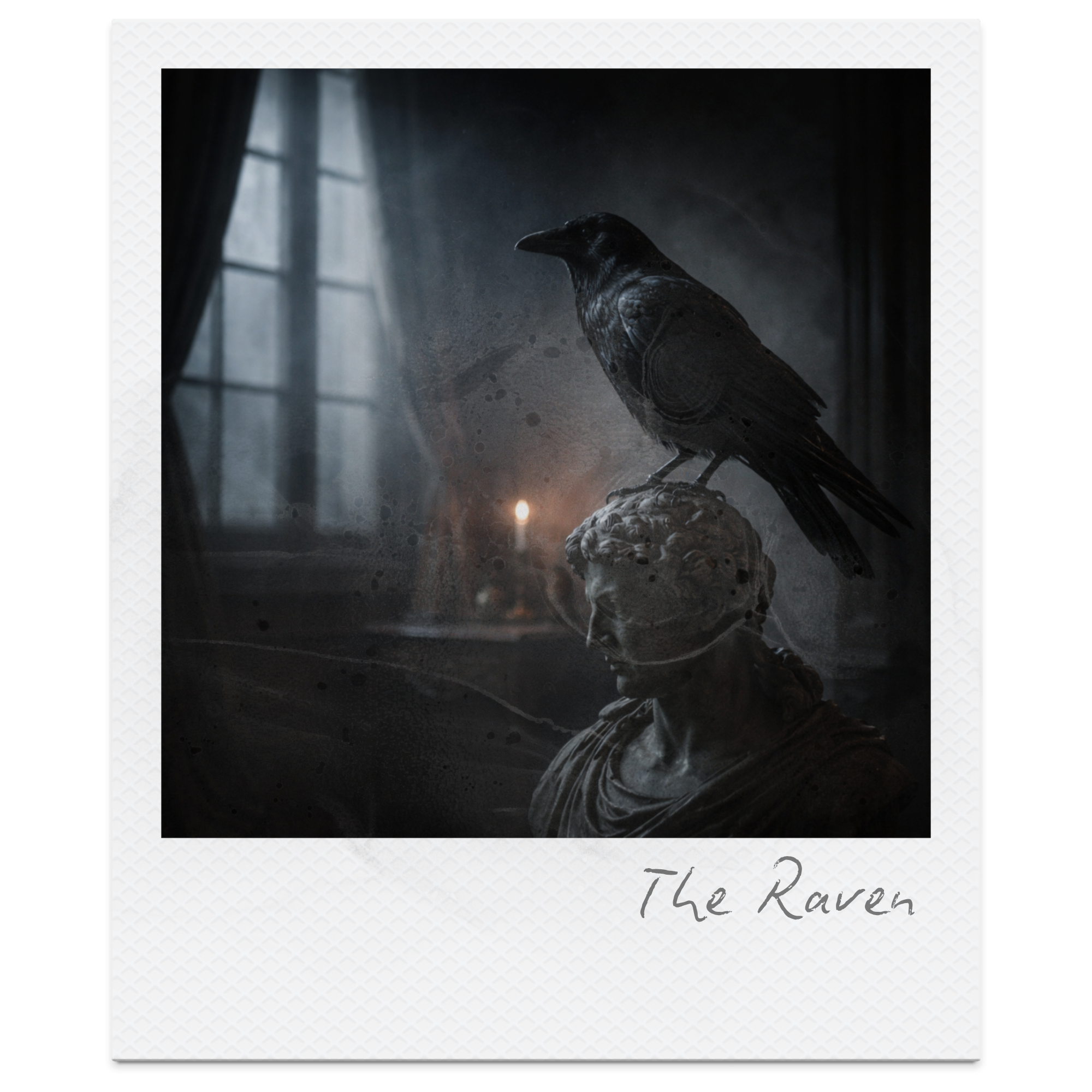
The Raven by Edgar Allan Poe: Summary, Themes, Meaning & Analysis
The Raven is one of the most famous and haunting poems in English literature, exploring grief, memory, and psychological decline through its hypnotic rhythm and Gothic atmosphere. Following a lone speaker on a bleak December night, Poe constructs a narrative where sound, repetition, and symbolism mirror the mind’s descent into obsession, as the mysterious raven becomes a voice for inescapable loss and unanswered questions. This analysis explores the poem’s structure, key themes, and layered meanings, from its intricate use of metre and refrain to its deeper exploration of death, the afterlife, and the limits of human understanding. Through close analysis and creative teaching ideas, it reveals how The Raven remains a powerful study of how the mind processes grief—and how it can become trapped within it.
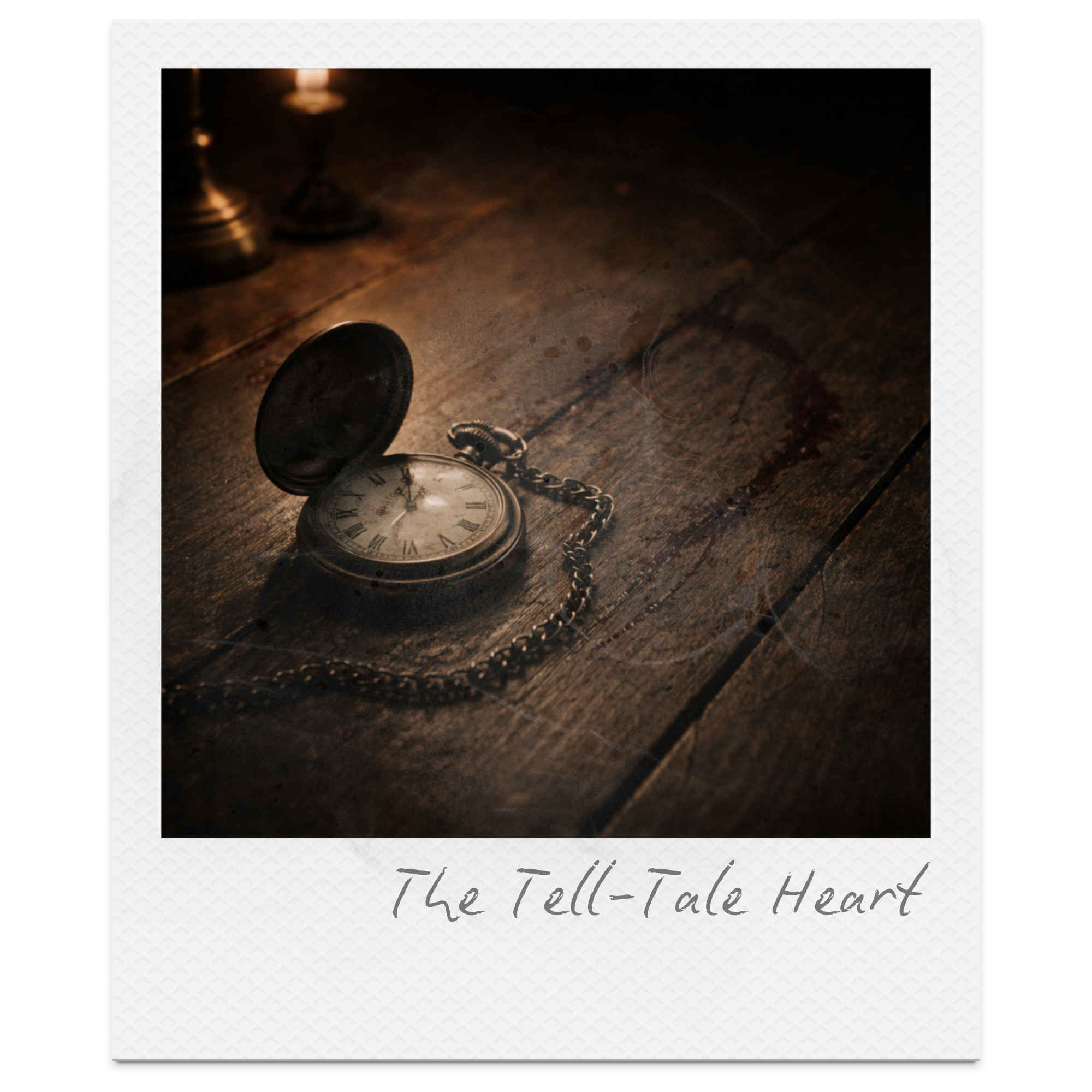
The Tell-Tale Heart by Edgar Allan Poe: Summary, Themes, Madness & Analysis
The Tell-Tale Heart by Edgar Allan Poe is a masterclass in psychological gothic fiction, exploring the fragile boundary between sanity and madness through an intensely unreliable narrator. As the speaker insists on their rationality while describing a calculated murder, Poe exposes how obsession, perception, and control can distort reality, creating a narrative where logic becomes inseparable from instability. This analysis breaks down the story’s themes of guilt, conscience, and psychological collapse, alongside its use of symbolism, narrative voice, and setting as meaning. With key quotes, detailed interpretation, and classroom-ready insights, this guide helps readers uncover how Poe transforms a simple premise into a powerful exploration of the human mind and its limits.
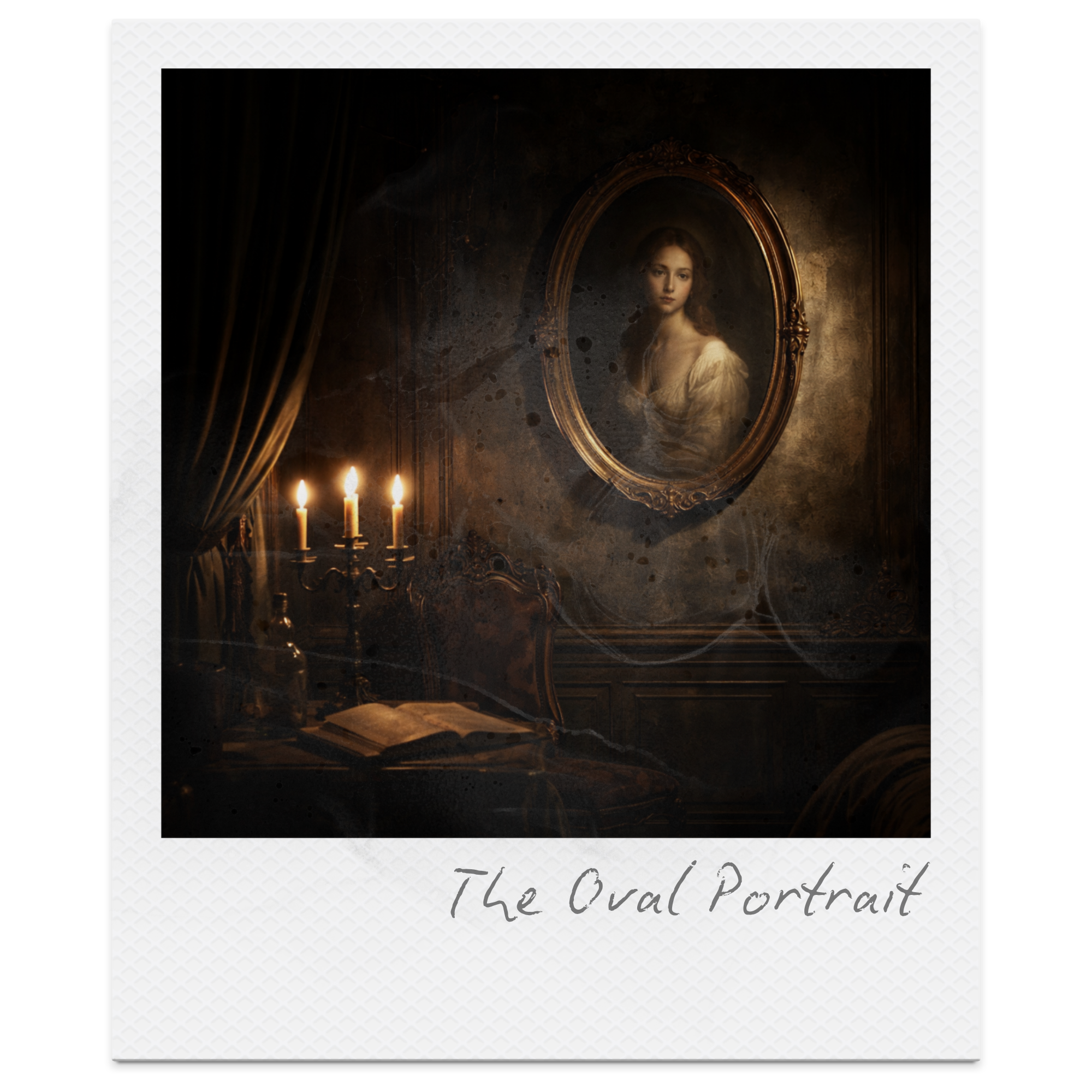
The Oval Portrait by Edgar Allan Poe: Summary, Themes, Symbolism & Analysis
The Oval Portrait by Edgar Allan Poe is a haunting Gothic short story that explores the dangerous relationship between art and life, revealing how obsession can transform creation into destruction. Set within a decaying château, the story follows a wounded narrator who becomes fixated on a strikingly lifelike portrait, uncovering a disturbing tale of artistic ambition and sacrifice. This analysis explores the story’s key themes, including obsession, control, beauty and mortality, and the blurred boundary between reality and illusion. Through close analysis of structure, setting, and character, The Oval Portrait reveals how the pursuit of perfection can consume life itself, raising unsettling questions about the true cost of art.
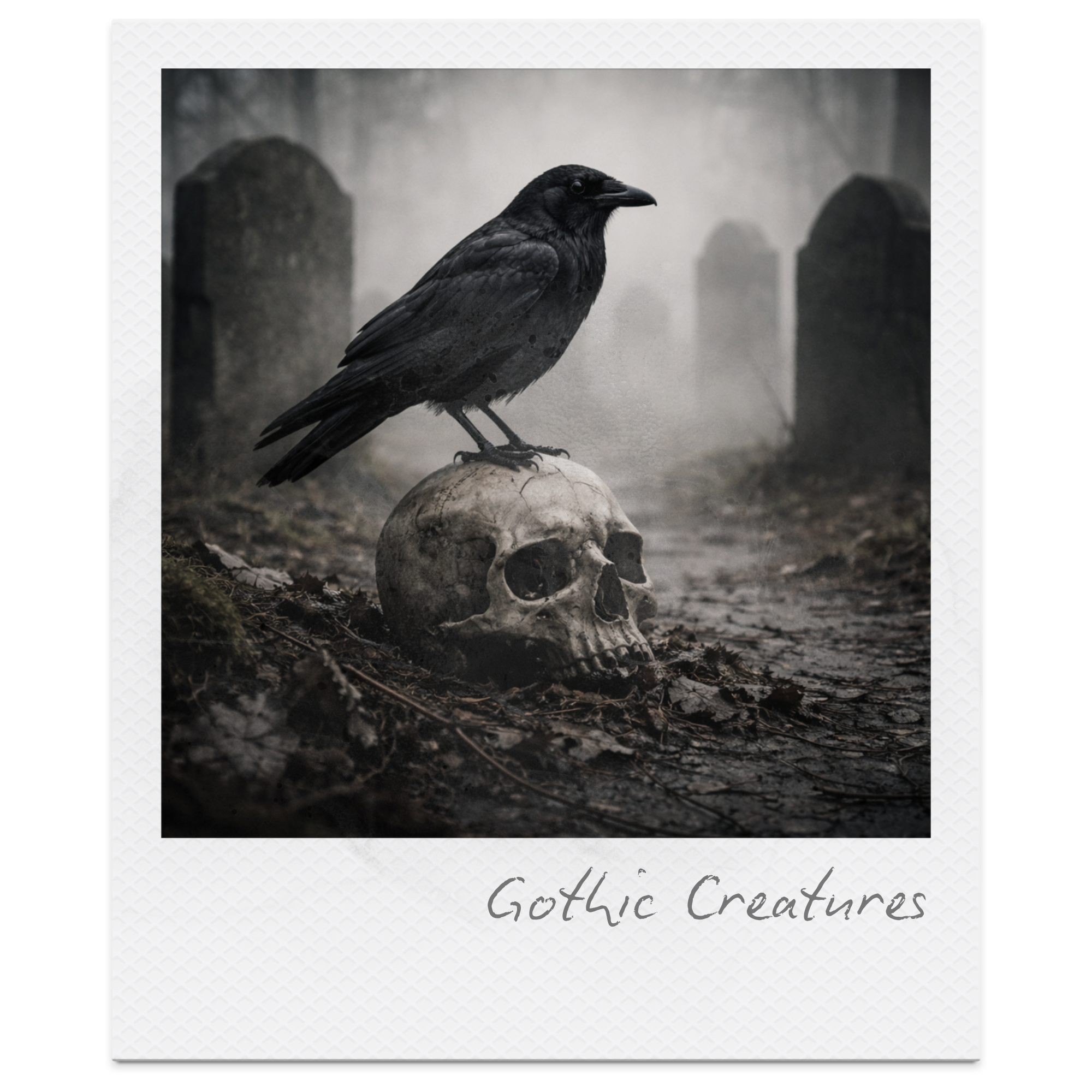
70 Gothic Creature Writing Prompts: Monsters, Myths & Unnatural Beings
Gothic creature writing prompts explore the darker edges of storytelling, where the line between human and inhuman begins to blur. Drawing on Gothic literature, supernatural folklore, and psychological horror, these prompts focus on creatures shaped by grief, obsession, decay, and memory rather than spectacle. From vampires and revenants to doppelgängers and unnamed presences, each idea invites writers to create stories where the unsettling feels intimate and the familiar becomes distorted. This collection of 70 Gothic Creature Writing Prompts offers a complete creative toolkit, including plot hooks, title ideas, opening and closing lines, character concepts, and setting prompts. Designed for atmosphere-driven storytelling, these prompts support short exercises, classroom writing, or longer Gothic and horror projects, helping writers build narratives rooted in tension, symbolism, and quiet unease.
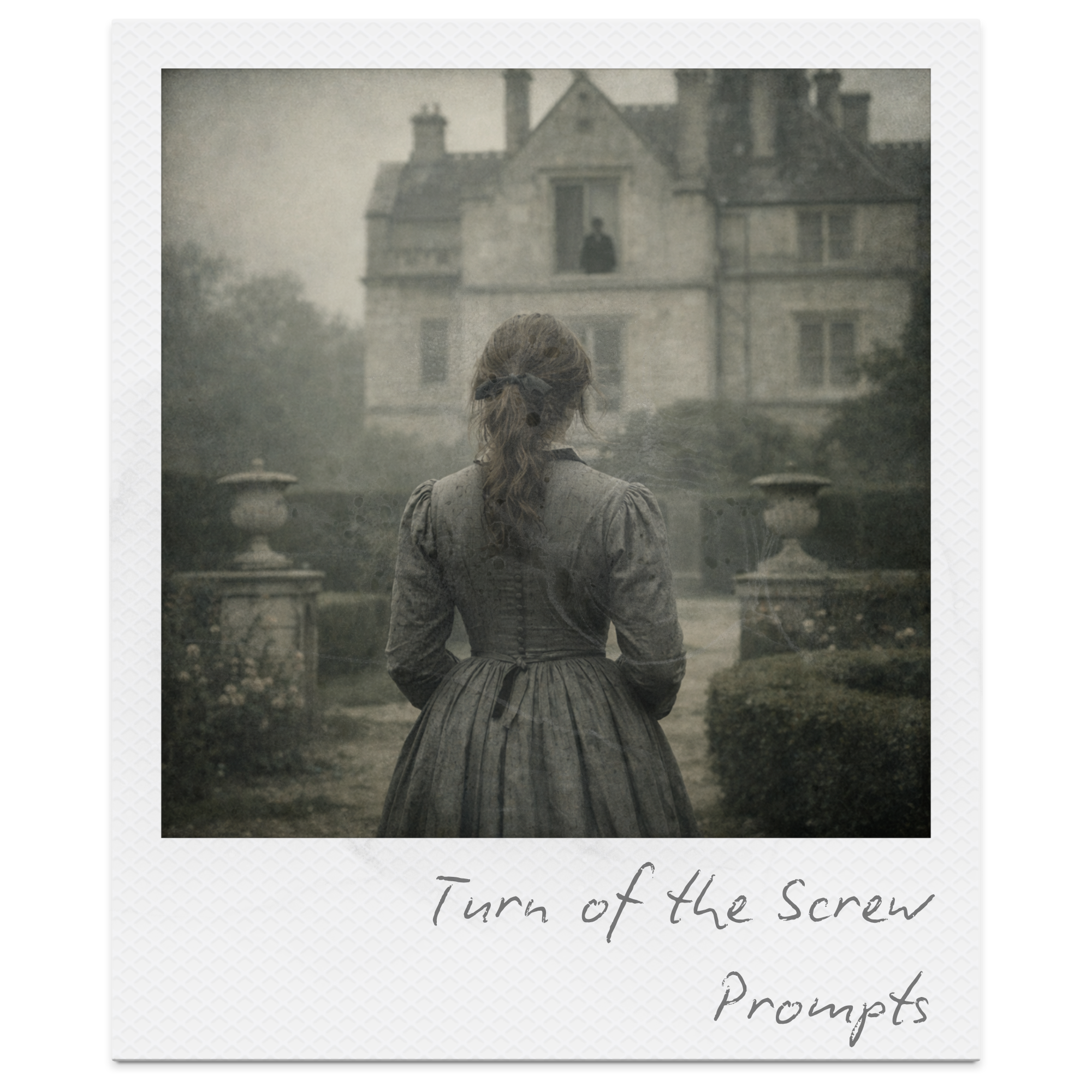
70 The Turn of the Screw Writing Prompts: Ghosts, Ambiguity & Psychological Gothic
Inspired by Henry James’s The Turn of the Screw, this collection of 70 gothic writing prompts explores the unsettling tension between ghostly presence and psychological uncertainty. Set against isolated estates, silent children, and watchful figures, these prompts invite writers to question what is real, what is imagined, and what lies dangerously in between. Blending plot hooks, opening lines, character ideas, and atmospheric settings, this prompt collection focuses on unreliable narrators, hidden corruption, and the eerie ambiguity that defines gothic fiction. Perfect for classrooms or creative writing, these ideas encourage stories where truth is never fully revealed and fear lingers long after the final line.
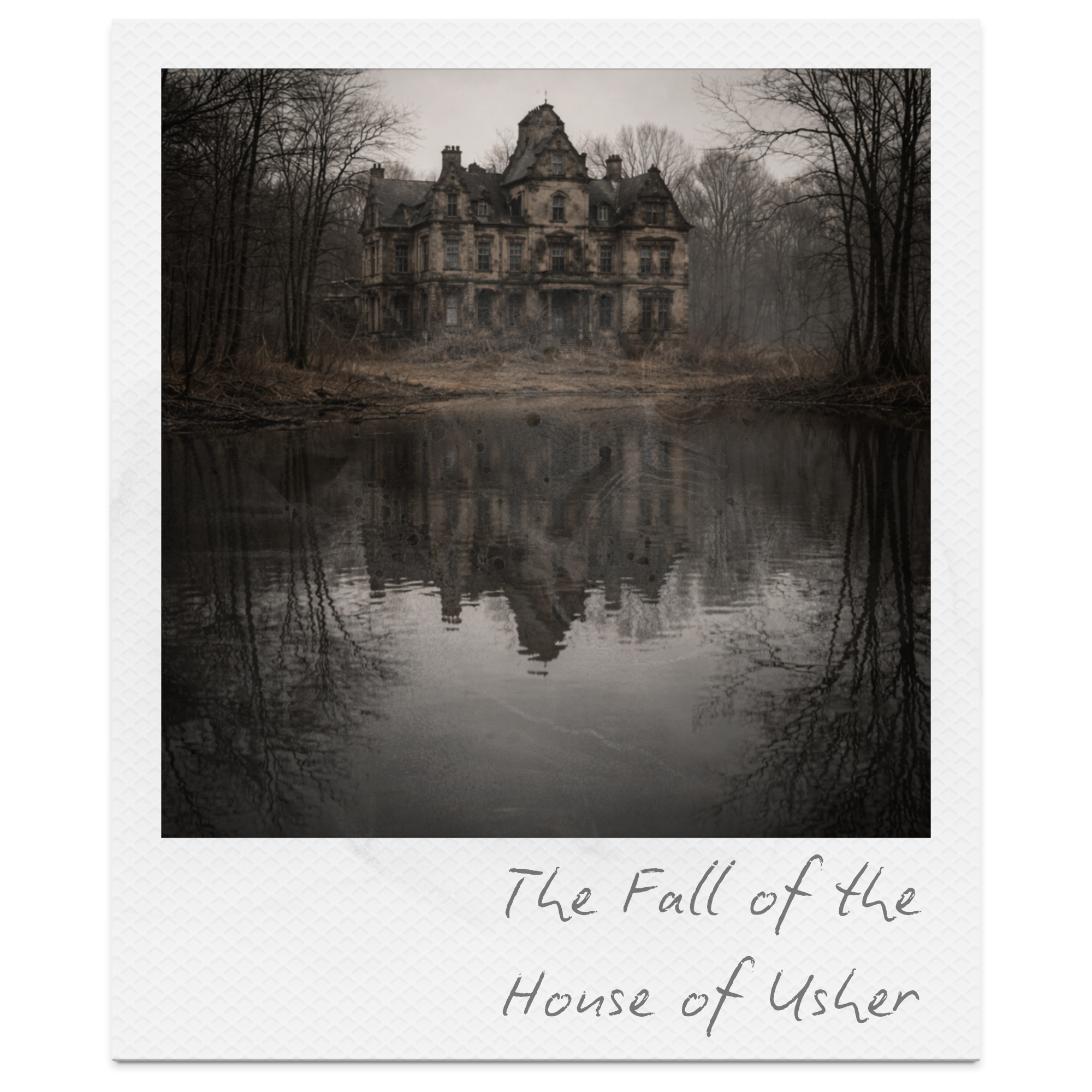
The Fall of the House of Usher by Edgar Allan Poe: Summary, Themes, Symbolism & Analysis
The Fall of the House of Usher is one of Edgar Allan Poe’s most famous Gothic short stories, exploring madness, isolation, fear, and the uneasy link between the human mind and its surroundings. This analysis examines the story’s plot, themes, symbolism, and literary techniques, showing how Poe transforms the decaying Usher mansion into a powerful reflection of psychological collapse and family decline. Ideal for students, teachers, and anyone revising Gothic fiction, this guide explores key ideas such as unreliable narration, family decay, premature burial, and the blurred boundary between reality and the supernatural. It also includes quotes, alternative interpretations, and teaching ideas to support deeper reading and classroom discussion.
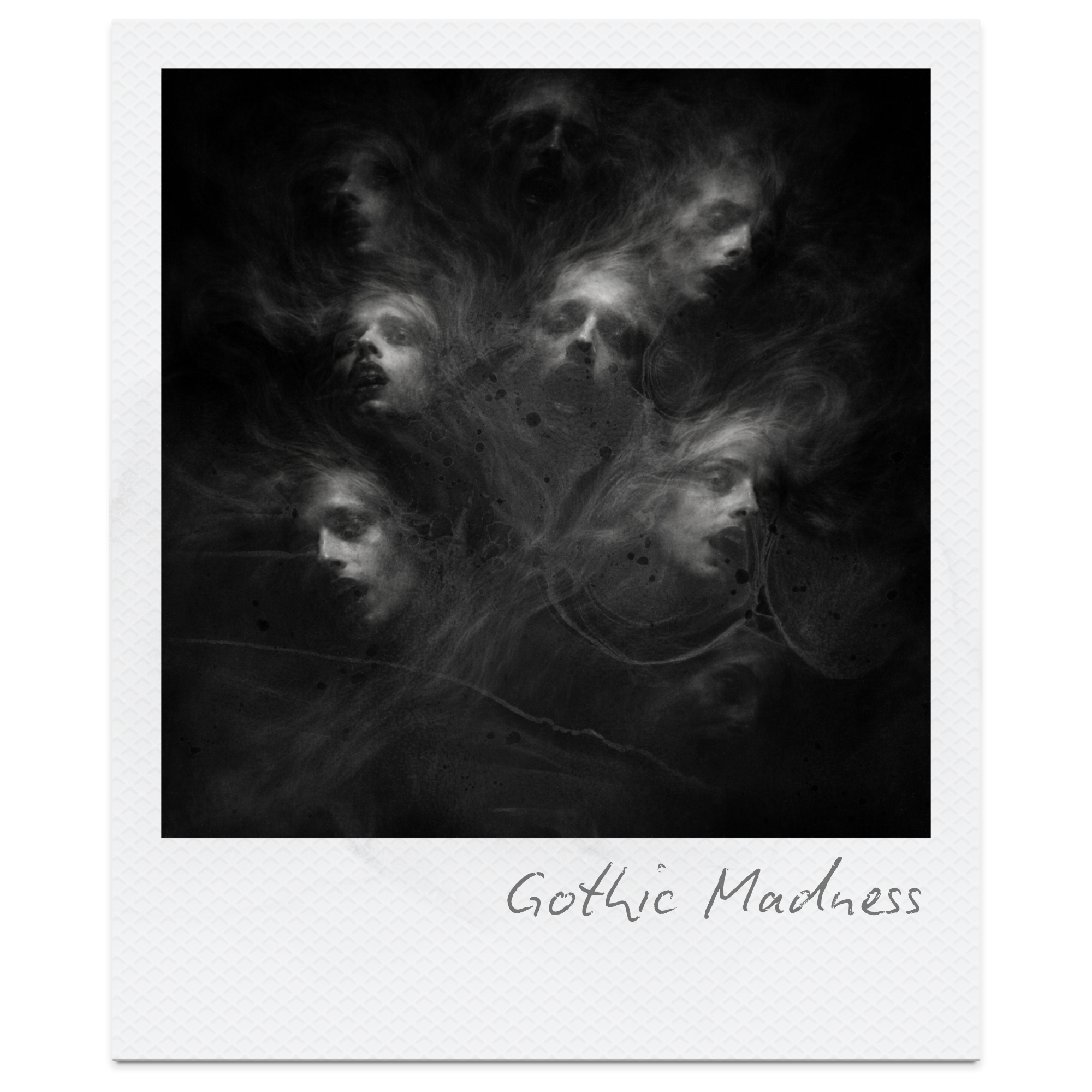
70 Gothic Madness Writing Prompts: Unreliable Minds, Haunted Thoughts & Story Starters
Madness has long been one of the most compelling themes in gothic fiction, where the line between reason and obsession is often disturbingly fragile. Many gothic narratives explore characters who slowly lose trust in their memories, perceptions, or sense of self, creating stories where the greatest danger may come from the mind itself rather than any external monster. These gothic madness writing prompts explore psychological tension, unreliable narrators, and distorted reality through atmosphere-driven storytelling. Drawing on classic psychological gothic elements such as isolation, paranoia, and the slow erosion of certainty, the prompts encourage writers to experiment with ambiguity, perception, and the unsettling possibility that truth may never be fully understood.