The Bells by Edgar Allan Poe: Summary, Themes, Meaning & Analysis
Edgar Allan Poe’s The Bells is a striking exploration of how sound reflects the stages of human experience, moving from joy and celebration to fear and existential dread. Through its hypnotic rhythm and escalating intensity, the poem captures the shifting emotional landscape of life, using the repeated image of bells to symbolise time, mortality, emotional states, and the inevitability of death within a distinctly gothic, musical, and sensory-driven poem.
At once playful and deeply unsettling, The Bells resists a single fixed interpretation. Its progression from light to darkness suggests a life cycle, yet its obsessive repetition and overwhelming soundscape hint at psychological instability and loss of control. Poe’s use of language blurs the boundary between music and meaning, inviting readers to experience rather than simply interpret the poem. For further exploration of Poe’s works, visit the Edgar Allan Poe Hub and the Literature Library.

Context of The Bells
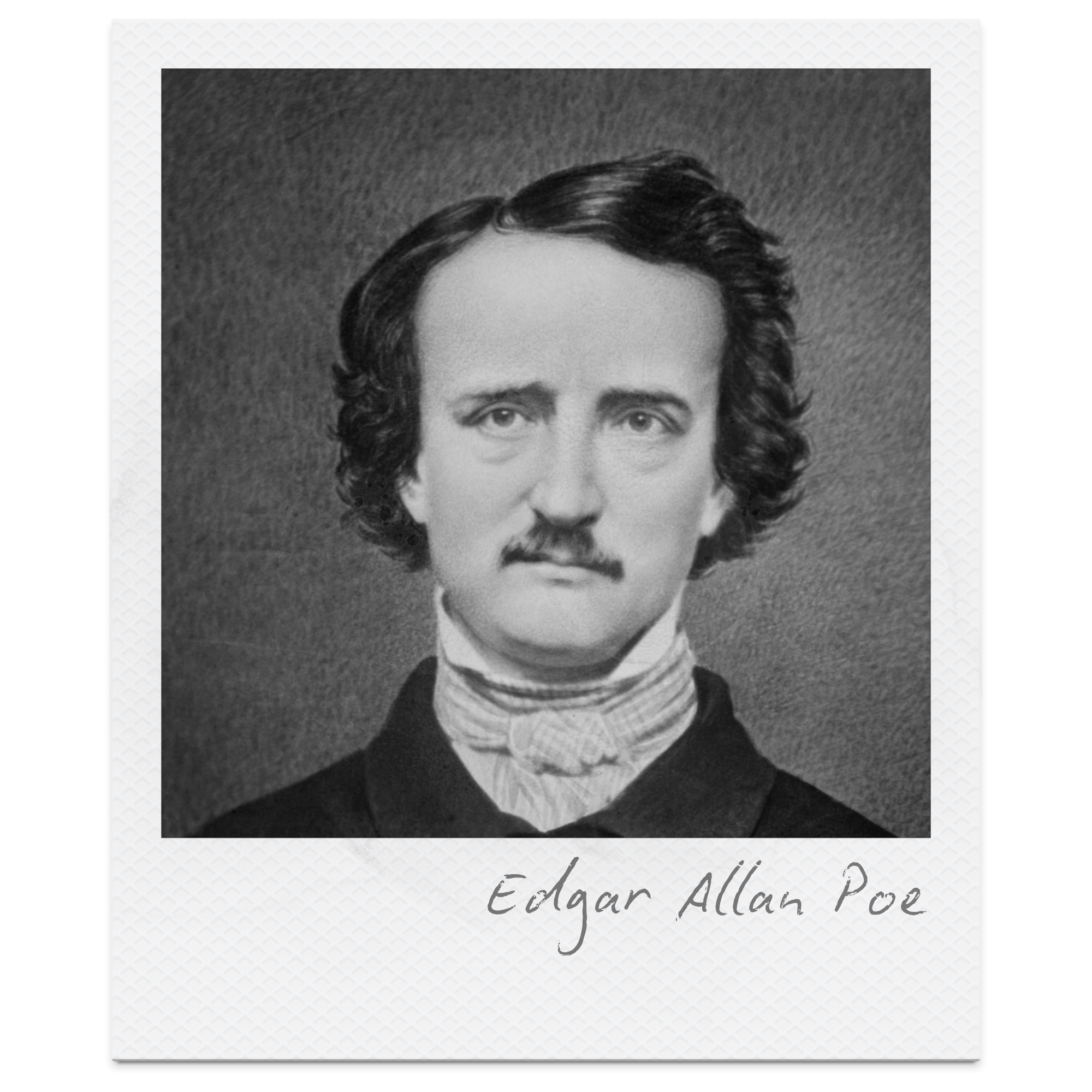
Edgar Allan Poe wrote The Bells toward the end of his life, and it reflects his fascination with sound, rhythm, and the musical possibilities of language. As a key figure in the American Gothic and Dark Romantic movements, Poe often explored the limits of human perception, particularly how emotion and psychology distort reality. In this poem, his experimental style is pushed to an extreme, with repetition, onomatopoeia, and rhythm working together to create an almost overwhelming sensory experience rather than a traditional narrative.
Thematically, The Bells draws on many of Poe’s recurring concerns, including death, time, emotional intensity, and psychological descent. The progression from silver to iron bells mirrors a movement from innocence to despair, aligning with broader gothic themes of mortality, inevitability, and loss of control. Rather than presenting a clear moral or message, the poem immerses the reader in shifting emotional states, suggesting that life itself is defined by these uncontrollable transitions. For a deeper understanding of these ideas, see the Edgar Allan Poe Context Post.
The Bells: At a Glance
Form: Lyric poem divided into four sections, each centred on a different type of bell
Mood: Joyful → romantic → frantic → ominous
Central tension: The movement from harmony and celebration to chaos, fear, and inevitability
Core themes: Time and mortality, emotional progression, sound and meaning, psychological instability, death and inevitability, loss of control
One-sentence meaning: The Bells uses the changing sounds of bells to mirror the stages of human life, ultimately revealing how joy gives way to fear and the inescapable reality of death.
Quick Summary of The Bells
The poem begins with the light, cheerful sound of silver sleigh bells, creating a sense of joy, innocence, and playful movement in the cold night air. Their delicate ringing reflects a carefree, almost magical moment filled with harmony.
It then shifts to the richer sound of golden wedding bells, symbolising love, celebration, and the promise of the future. The tone becomes warmer and more expansive, suggesting emotional fulfilment and shared happiness.
The mood darkens sharply with the harsh, chaotic ringing of brazen alarm bells, which signal fear, urgency, and panic. The sound becomes overwhelming and discordant, reflecting confusion, danger, and a loss of control.
Finally, the poem ends with the heavy tolling of iron bells, associated with death and mourning. The tone becomes sombre and oppressive, marking the inevitability of mortality and leaving a lingering sense of dread.
Title, Form, Structure, and Metre of The Bells
In The Bells, Edgar Allan Poe uses form, rhythm, and sound patterning as the primary drivers of meaning. The poem’s structure evolves alongside its emotional progression, with increasing intensity mirrored through irregular form, dense rhyme, and shifting metre.
Title
The title The Bells establishes the poem’s central motif and organising principle. Bells mark transitions in human experience—from celebration to warning to death—and Poe uses them to structure the poem into four distinct stages. This directly reinforces themes of time, mortality, and emotional progression, with each bell type representing a different phase of life.
Form and Structure
The poem is divided into four sections, each centred on a different type of bell, creating a clear conceptual progression. However, within these sections, the structure is deliberately unstable. The stanzas are uneven in length, ranging from relatively short passages to extended, sprawling sequences, which contributes to a sense of growing intensity and loss of control.
There is no fixed or consistent rhyme scheme, yet the poem is saturated with end rhyme, internal rhyme, and occasional half-rhyme, creating the impression of continuous musicality. Poe layers rhyme so heavily that the poem feels rhythmically controlled even when it resists formal regularity. For example, near rhyme appears in pairs such as “crystalline” and “time”, where the sounds echo without fully resolving.
As the poem progresses, the structure becomes increasingly dense and overwhelming. Early sections are more balanced and melodic, while later sections are fragmented and repetitive, reflecting themes of psychological escalation, chaos, and inevitability.
Metre
Much of the poem is written in trochaic tetrameter, a rhythmic pattern where a stressed syllable is followed by an unstressed syllable, repeated four times per line. This creates a falling rhythm that mirrors the chiming quality of bells. For example:
“Hear the sledges with the bells—”
/ ˘ / ˘ / ˘ / ˘
(HEAR the | SLEDG-es | WITH the | BELLS—)
This strong, regular beat reinforces the musicality of the poem, particularly in the earlier sections where harmony dominates.
However, Poe deliberately disrupts this pattern at key moments. In lines where repetition intensifies—especially with the word “bells”—the rhythm often shifts toward a more iambic pattern (unstressed followed by stressed), creating variation and instability:
“From the bells, bells, bells, bells,”
˘ / ˘ / ˘ / ˘ /
These shifts in metre contribute to the poem’s increasing sense of urgency and chaos. As the poem moves from joy to terror, the rhythm becomes less predictable, reflecting themes of emotional disintegration and loss of control.
The Speaker of The Bells
In The Bells, Edgar Allan Poe presents a speaker who functions less as a clearly defined individual and more as a responsive consciousness shaped by sound. Rather than offering a stable narrative perspective, the speaker immerses the reader in the experience of the bells, moving through shifting emotional states as each section unfolds.
The tone changes dramatically across the poem, beginning as light and playful, becoming warm and celebratory, then turning frantic and chaotic, before ending in a tone that is solemn, oppressive, and ritualistic. This progression suggests that the speaker is increasingly influenced—perhaps even controlled—by the sounds they describe.
As the poem develops, the speaker appears to lose stability. The growing intensity of repetition and rhythm creates a sense of overwhelm, as if the speaker is no longer interpreting the bells but reacting to them instinctively. This raises questions about reliability, as the voice becomes more fragmented and emotionally driven, reinforcing themes of psychological instability, loss of control, and the power of sound to shape human perception.
Stanza by Stanza Analysis of The Bells
In The Bells, Edgar Allan Poe structures the poem so that each section intensifies the last, using sound, repetition, and rhythm to mirror the progression from joy to terror. The movement between stanzas is not just thematic but structural, with patterns becoming more complex and overwhelming as the poem develops.
A stanza-by-stanza analysis reveals how Poe carefully builds this escalation, using increasing repetition, shifting rhythm, and expanding sound patterns to create a growing sense of emotional intensity and psychological instability.
Stanza One: Silver Bells and Musical Harmony
The opening stanza introduces silver sleigh bells, establishing a tone of joy, lightness, and rhythmic harmony. The sound of the bells is delicate and musical, reflected through the repeated onomatopoeic language such as “tinkle, tinkle, tinkle”, which mimics their high-pitched ringing. This creates an immediate sensory experience, drawing the reader into a world of movement and sound.
Poe reinforces this harmony through tightly controlled rhythm and repetition, particularly in phrases like “time, time, time”, which suggest both musical regularity and the passing of time. The reference to a “Runic rhyme” adds a sense of ancient, almost magical order, as if the sound of the bells is part of a larger, universal pattern.
The imagery in this stanza is bright and expansive. The bells are linked to the night sky, with stars that “twinkle” and create a “crystalline delight”, reinforcing a sense of clarity, purity, and wonder. The sound and imagery work together to create an atmosphere that feels both celebratory and serene.
Structurally, the stanza is relatively controlled despite its heavy repetition. The sounds are patterned and musical rather than overwhelming, reflecting a state of emotional balance. The extended repetition of “bells, bells, bells” builds intensity, but it remains harmonious rather than chaotic, suggesting a moment of innocence, joy, and equilibrium before the darker shifts that follow.
Stanza Two: Golden Bells and Romantic Harmony
The second stanza shifts to golden wedding bells, deepening the tone from playful joy to a richer sense of emotional fulfilment and celebration. The sound is no longer light and delicate but full, warm, and resonant, reflected in phrases such as “mellow” and “molten-golden notes”, which suggest richness and continuity rather than sharp, fleeting sound.
Poe expands the musical imagery through fluid, lyrical language, with phrases like “liquid ditty” and “gush of euphony” creating a sense of sound that flows smoothly and abundantly. This reinforces the idea of harmony not just as sound, but as an emotional and relational state, linked to love, unity, and shared experience. The presence of the “turtle-dove”—a traditional symbol of romantic love—further emphasises this theme.
Structurally, the stanza becomes more expansive and layered. Repetition intensifies, particularly in lines such as “How it swells! / How it dwells”, which mirror the building emotional intensity. The focus on “the Future” introduces a forward-looking perspective, suggesting hope, anticipation, and continuity.
However, there is a subtle shift beneath this harmony. The increasing repetition of “bells, bells, bells” begins to feel more insistent, hinting at a loss of control beneath the surface. While the stanza remains largely harmonious, this structural expansion suggests that the emotional intensity is growing, preparing for the more chaotic and unsettling sounds that follow.
Stanza Three: Brazen Bells and Chaos
The third stanza marks a dramatic shift into fear, urgency, and chaos, introduced through the harsh sound of brazen alarm bells. The tone becomes immediately jarring, with verbs such as “scream,” “shriek,” “clang,” and “roar” replacing the softer musical language of earlier stanzas. This creates a violent soundscape, reflecting a world no longer governed by harmony but by panic and disorder.
Poe intensifies this effect through discordant rhythm and overwhelming repetition. The phrase “shriek, shriek” breaks the musical flow, emphasising a loss of control, while the repeated “-ing” sounds in “twanging,” “clanging,” “jangling,” and “wrangling” create a relentless, grating auditory effect. Unlike earlier stanzas, where repetition felt rhythmic and controlled, here it becomes chaotic and oppressive.
The imagery is equally unstable. The bells are associated with fire, danger, and destruction, described as engaging in a “clamorous appealing” and a “mad expostulation” with the “deaf and frantic fire.” This personification suggests desperation and futility, as if the bells are attempting to communicate or resist an uncontrollable force. The repeated phrase “higher, higher, higher” reinforces a sense of escalating crisis.
Structurally, this stanza is far more fragmented and expansive than the previous ones. The lines lengthen and contract unpredictably, mirroring the erratic nature of the sound being described. The repeated “bells, bells, bells” now feels overwhelming rather than musical, reflecting a state of psychological overload and panic.
Stanza Four: Iron Bells and Death
The final stanza introduces iron bells, marking a shift into death, finality, and existential dread. Unlike the earlier sections, where sound is musical or even chaotic, here it becomes heavy and oppressive. The word “tolling” immediately signals mourning, while the phrase “monody” suggests a single, unrelenting note, reinforcing a sense of inevitability and permanence.
The imagery grows darker and more unsettling. The bells are no longer simply objects but are connected to groaning, decay, and the supernatural, with sound emerging from “rust within their throats”. This suggests age, corrosion, and the passage of time, linking the bells directly to mortality and physical decline. The atmosphere is no longer one of panic but of cold, sustained dread.
A disturbing shift occurs with the introduction of the figures in the steeple. These beings are described as “neither man nor woman… neither brute nor human”, instead identified as ghouls, suggesting something inhuman and detached from ordinary emotion. Their role in tolling the bells transforms the act into something ritualistic and sinister, as if death itself is being orchestrated rather than simply observed.
Structurally, repetition reaches its most extreme point. Phrases such as “rolls, rolls, rolls” and “bells, bells, bells” become obsessive, reflecting a relentless, inescapable rhythm. Unlike earlier stanzas, where repetition created harmony or chaos, here it conveys monotony and inevitability, as if the sound cannot be escaped.
The return of “Runic rhyme” echoes the first stanza, but its meaning has shifted. What once suggested order and harmony now feels mechanical and ritualistic, reinforcing the idea that death follows an unbreakable pattern. The final lines—“moaning and the groaning of the bells”—strip away any remaining musicality, leaving only raw, oppressive sound.
This stanza completes the poem’s progression from joy to despair, ending not in chaos but in a sustained, suffocating awareness of death as an unavoidable and governing force.
Key Quotes from The Bells
In The Bells, Edgar Allan Poe uses sound, repetition, and imagery to reflect shifting emotional states. The following quotes demonstrate how language creates meaning through both structure and effect.
Joy and Harmony
“How they tinkle, tinkle, tinkle,”
♦ Onomatopoeia
♦ The repeated “tinkle” mimics the light, high-pitched sound of sleigh bells
♦ Creates a playful, musical tone that reflects innocence and joy
“Keeping time, time, time,”
♦ Repetition
♦ Emphasises rhythm and regularity, linking sound to the passage of time
♦ Reinforces harmony while subtly introducing the theme of mortality
Love and Celebration
“From the molten-golden notes,”
♦ Imagery
♦ The phrase suggests warmth, richness, and fluidity
♦ Conveys emotional depth and the fullness of romantic experience
“What a gush of euphony voluminously wells!”
♦ Sound imagery
♦ “Euphony” highlights smooth, harmonious sound, while “gush” suggests abundance
♦ Creates a sense of overwhelming joy and emotional expansion
Fear and Chaos
“They can only shriek, shriek,”
♦ Repetition and onomatopoeia
♦ The harsh repetition reflects panic and loss of control
♦ Disrupts earlier harmony, signalling a shift into fear
“How they clang, and clash, and roar!”
♦ Triplet structure and harsh consonants
♦ The clustered verbs create a violent, discordant soundscape
♦ Emphasises chaos and the intensity of danger
Death and Finality
“For every sound that floats / From the rust within their throats / Is a groan.”
♦ Personification and imagery
♦ The bells are given decaying, human-like qualities
♦ Suggests age, deterioration, and the inevitability of death
“They are neither man nor woman—”
♦ Gothic imagery
♦ The description removes human identity from the figures in the steeple
♦ Creates an unsettling, supernatural presence linked to death
“To the moaning and the groaning of the bells.”
♦ Repetition and sound imagery
♦ The sounds are heavy and mournful rather than musical
♦ Reinforces the final tone of dread and inevitability
Key Techniques in The Bells
In The Bells, Edgar Allan Poe relies on sound-driven techniques to construct meaning, using language not just to describe the bells but to recreate their effect. These techniques intensify across the poem, mirroring its progression from harmony to chaos and ultimately to dread.
♦ Repetition – The most dominant technique in the poem, repetition shapes both rhythm and meaning. Phrases such as “Keeping time, time, time” and “As he knells, knells, knells” mimic the persistent ringing of bells, while the recurring refrain of “bells, bells, bells” at the end of each section creates structural unity. As the poem develops, this repetition becomes more overwhelming, reflecting emotional escalation and loss of control.
♦ Onomatopoeia – Words like “tinkle,” “clang,” “shriek,” and “groan” imitate the sounds of different bells. This creates a vivid auditory experience, allowing the reader to hear the tonal shifts from delicate harmony to harsh discord, reinforcing the poem’s emotional progression.
♦ Alliteration – Poe places words with the same initial sounds close together, such as “happiness” and “harmony” or “frantic fire”. Softer sounds enhance musicality and calm, while harsher consonants intensify tension, contributing to the poem’s shifting tone.
♦ Personification – The bells are increasingly given human qualities, particularly in the later sections where they express terror, engage in desperate appeals, or produce sounds resembling groans. This blurs the line between object and emotion, suggesting the bells embody human experiences of fear, suffering, and mortality.
♦ Sound Patterning (Rhyme and Internal Rhyme) – Although there is no fixed rhyme scheme, Poe saturates the poem with end rhyme, internal rhyme, and near rhyme, creating a continuous musical texture. This layering of sound gives the illusion of order even as the poem becomes more chaotic.
♦ Rhythm and Metre Variation – The poem is largely driven by trochaic rhythm, but Poe disrupts this at key moments, particularly during intense repetition. These shifts create instability, mirroring the movement from control to chaos.
♦ Anaphora – Repeated openings such as “Hear the…” structure each section and act as a recurring call to attention. This draws the reader into the sensory experience while also creating a ritualistic, almost incantatory tone that becomes more unsettling as the poem progresses.
♦ Crescendo Structure – The poem builds in intensity across its four sections, both in sound and emotional weight. It moves from light, delicate ringing to overwhelming, oppressive noise, mirroring a progression from joy to terror to death, reinforcing the poem’s life-cycle structure.
♦ Symbolism of Materials – The progression from silver to gold to brazen to iron bells reflects increasing weight and seriousness. Silver suggests lightness and innocence, gold implies richness and fulfilment, brazen signals alarm and conflict, and iron represents death and finality. This structural symbolism reinforces the poem’s exploration of time, mortality, and inevitability.
Together, these techniques make The Bells a poem that is experienced as much through sound as through meaning, using language to explore emotional progression, psychological intensity, and the inevitability of death.
Themes in The Bells
In The Bells, Edgar Allan Poe explores a range of interconnected themes through sound, structure, and progression. Rather than presenting ideas directly, the poem uses shifting tones and rhythms to immerse the reader in emotional and psychological states.
Time and Mortality
The bells function as markers of time, each type representing a different stage of life. From the lightness of silver bells to the final tolling of iron bells, the poem traces a clear movement toward death. This progression reinforces the idea that time is not neutral but inevitably leads to mortality and decline, with each stage carrying the reader closer to an unavoidable end.
Emotional Progression
The poem moves through distinct emotional states—joy, love, panic, and dread—mirroring the stages of human experience. This progression is not subtle; it is amplified through changes in sound and rhythm, allowing the reader to feel the transition rather than simply observe it. The structure itself becomes a reflection of emotional intensity.
Sound and Meaning
Sound is not decorative in this poem—it is central to meaning. Poe uses rhythm, repetition, and onomatopoeia to show that experience can be understood through sensation rather than logic. The bells do not just symbolise events; their sounds actively shape the emotional and psychological reality of the poem.
Psychological Instability
As the poem develops, the increasing repetition and chaotic sound patterns suggest a mind becoming overwhelmed. The shift from controlled musicality to frantic, disordered noise reflects a descent into psychological instability, where perception is distorted and emotion dominates.
Death and Inevitability
The final section, with its iron bells, reinforces the idea that death is not just an event but an inescapable force. The heavy, monotonous tolling suggests permanence and finality, stripping away the earlier musicality and leaving only a sense of inevitability.
Loss of Control
Across the poem, there is a gradual erosion of control. Early sections feel structured and harmonious, but later ones become fragmented and overwhelming. This reflects both external chaos and internal collapse, suggesting that neither emotion nor time can be fully controlled.
The Power of Sound
Beyond individual moments, the poem suggests that sound itself has power. It can create joy, inspire love, induce fear, and enforce dread. This reinforces the idea that human experience is shaped not just by events, but by how those events are perceived and felt.
Alternative Interpretations of The Bells
In The Bells, Edgar Allan Poe resists a single, fixed meaning. While the poem can be read as a progression through life stages, its emphasis on sound, repetition, and instability allows for multiple interpretations, each revealing different aspects of its meaning.
Psychoanalytical Interpretation: Descent into Obsession and Mental Fragmentation
From a psychoanalytical perspective, the poem can be read as a representation of a mind losing control. The increasing repetition, intensifying rhythm, and overwhelming sound patterns reflect a shift from ordered thought to obsessive fixation. What begins as controlled, musical repetition becomes compulsive and chaotic, suggesting intrusive thoughts or psychological breakdown. The bells are not just external sounds but internal experiences, symbolising the way the mind can become trapped in cycles of anxiety, fear, and fixation.
Gothic Interpretation: Sound as a Force of Terror and the Supernatural
Within a gothic framework, the bells take on a more sinister role. Rather than simply marking events, they become agents of fear, particularly in the later stanzas where they are associated with fire, ghouls, and death. The figures in the steeple and the grotesque imagery suggest a world where the boundary between the human and the supernatural has broken down. The bells function as a kind of inescapable gothic force, signalling doom and reinforcing themes of dread, decay, and the macabre.
Existential Interpretation: Life as a Series of Uncontrollable Stages
The poem can also be interpreted as an existential reflection on human life. Each type of bell represents a stage—joy, love, fear, and death—but these stages unfold without choice or control. The relentless repetition and inevitable progression suggest that life is governed by forces beyond individual agency. The final tolling of the iron bells reinforces the idea that death is unavoidable, and that meaning may not lie in resisting this progression, but in recognising its inevitability.
Structural Interpretation: Meaning Created Through Sound Rather Than Narrative
Another interpretation focuses on form rather than theme. The poem can be seen as an experiment in how sound creates meaning. Instead of telling a clear story, Poe constructs an experience where rhythm, repetition, and tone drive interpretation. This suggests that meaning is not fixed but emerges through sensory engagement, with the reader’s response shaped by the auditory intensity of the poem.
Teaching Ideas for The Bells
The Bells offers rich opportunities to explore sound, structure, and thematic progression, making it ideal for both analytical and creative classroom work. Its clear movement from harmony to chaos allows students to track meaning through language and form.
1. Sound Mapping Activity
Students annotate each stanza by identifying sound patterns (repetition, onomatopoeia, rhythm). They then create a visual “sound map” showing how the tone shifts across the poem. This helps students understand how sound creates meaning, rather than relying solely on narrative.
2. Structural Progression Task
Students divide the poem into its four sections and summarise the emotional tone, type of bell, and key language choices in each. They then explain how the poem moves from joy to dread, focusing on how structure reinforces this progression.
3. Character / Theme Debate
Debate question: Is The Bells more about the stages of life or the breakdown of the human mind?
Students take opposing positions and support their argument using evidence from the poem. This encourages them to engage with alternative interpretations and develop evaluative thinking.
4. Model Analytical Paragraph + Evaluation
Question: How does Poe use sound to reflect emotional change in The Bells?
Model Paragraph (intentionally strong but not perfect):
Poe uses sound to mirror the emotional progression of the poem, shifting from harmony to chaos as the bells change. In the opening stanza, the repetition of “tinkle, tinkle, tinkle” creates a light, musical effect that reflects joy and innocence. The use of onomatopoeia allows the reader to hear the delicate sound of the bells, reinforcing the sense of harmony. However, in the third stanza, this controlled musicality is replaced by harsher sounds such as “shriek, shriek” and “clang, and clash, and roar”. The repetition here becomes overwhelming rather than rhythmic, reflecting panic and loss of control. This shows how Poe uses sound to show emotion.
Student Tasks (Rewrite + Improve):
Rewrite the paragraph to make the argument more conceptual and precise
Replace the final sentence with a more developed idea linked to themes (e.g. psychological instability or loss of control)
Embed one additional quotation from the final stanza (iron bells) to extend the argument
Improve terminology (e.g. move beyond “shows” → analyse how and why)
Add one sentence that explicitly links structure + sound + meaning
Aim for a Grade 8/9 response with sharper analytical phrasing
5. Creative Writing Extension
Students write their own four-part poem using a repeated sound or object (e.g. clocks, waves, footsteps). Each section must reflect a different emotional state, mirroring Poe’s progression from harmony to chaos.
Tasks:
Choose a central sound or object
Use repetition and onomatopoeia
Structure the poem in four distinct stages
Shift tone clearly across sections
For further inspiration, students can explore the Gothic Writing Hub and the Creative Writing Archive to develop their ideas.
Go Deeper into The Bells
The Bells can be enriched through comparison with other works by Edgar Allan Poe and beyond, particularly those that explore sound, psychological intensity, and the inevitability of death. These connections help students move from basic understanding to more sophisticated, comparative analysis.
◆ The Raven – Like The Bells, this poem uses repetition and sound to reflect psychological decline. The refrain “Nevermore” mirrors the obsessive repetition of “bells, bells, bells”, showing how sound can trap both speaker and reader in a cycle of despair.
◆ The Tell-Tale Heart – Poe’s short story similarly uses sound as a manifestation of guilt and madness, with the beating heart echoing the overwhelming auditory experience of the bells. Both texts suggest that sound can become a symbol of internal psychological breakdown.
◆ Annabel Lee – This poem offers a contrast, presenting love and death through a more controlled, lyrical structure. Comparing it to The Bells highlights how Poe shifts from romantic idealisation to chaotic emotional intensity, particularly in his treatment of loss.
◆ Christina Rossetti’s “Remember” – Unlike Poe’s overwhelming soundscape, Rossetti presents death through quiet reflection and acceptance. This contrast allows students to explore different literary approaches to mortality and memory, with Poe emphasising intensity and Rossetti restraint.
◆ Macbeth by William Shakespeare – The use of sound to signal psychological and moral collapse (e.g. knocking, voices, hallucinations) mirrors Poe’s use of bells. Both texts explore how external sounds can reflect internal instability and guilt.
These comparisons allow students to deepen their understanding of The Bells by linking it to wider themes of Gothic literature, psychological tension, and the power of sound, while also supporting more advanced analytical writing.
Final Thoughts
The Bells stands as one of Edgar Allan Poe’s most experimental and immersive poems, demonstrating how sound, structure, and repetition can carry meaning as powerfully as narrative. Its progression from lightness to darkness captures not just stages of life, but the shifting emotional realities that define human experience.
At the same time, the poem resists a single, fixed interpretation. It can be read as a life cycle, a psychological descent, or even an exploration of how meaning is created through sound itself. This ambiguity is part of its power, allowing readers to engage with it on both an emotional and analytical level.
For further exploration of Poe’s works and related texts, visit the Edgar Allan Poe Hub and the Literature Library.
Choose Your Next Text