Notes from the Inkpot
Writing, teaching, creating - one ink-stained idea at a time.





from Our Casuarina Tree by Toru Dutt: Summary, Themes & Analysis
Explore Our Casuarina Tree by Toru Dutt with this comprehensive poetry analysis, including context, summary, line-by-line analysis, key quotes, literary techniques, themes, alternative interpretations, and exam-ready insights. Discover how Dutt transforms a magnificent tree from her childhood into a powerful symbol of memory, sibling love, grief, home, cultural identity, and the passage of time. Through vivid natural imagery, symbolism, personification, and an increasingly reflective voice, Dutt explores the connections between nature, memory, and human mortality, ultimately turning to poetry as a way of preserving the people, places, and experiences threatened by time and forgetting.

Frost and Fire by Ray Bradbury: Summary, Themes, Meaning & Analysis
Discover our comprehensive Frost and Fire analysis, featuring a clear summary, in-depth exploration of themes, characters, symbolism, structure, setting, important quotes, and literary techniques. Learn how Ray Bradbury transforms an imaginative science fiction premise into a powerful exploration of mortality, time, scientific progress, hope, and the resilience of the human spirit. Whether you're studying for an exam, teaching the story, or simply exploring Bradbury's work, this guide offers detailed insights, alternative interpretations, and practical classroom ideas to deepen your understanding of one of his most thought-provoking short stories.
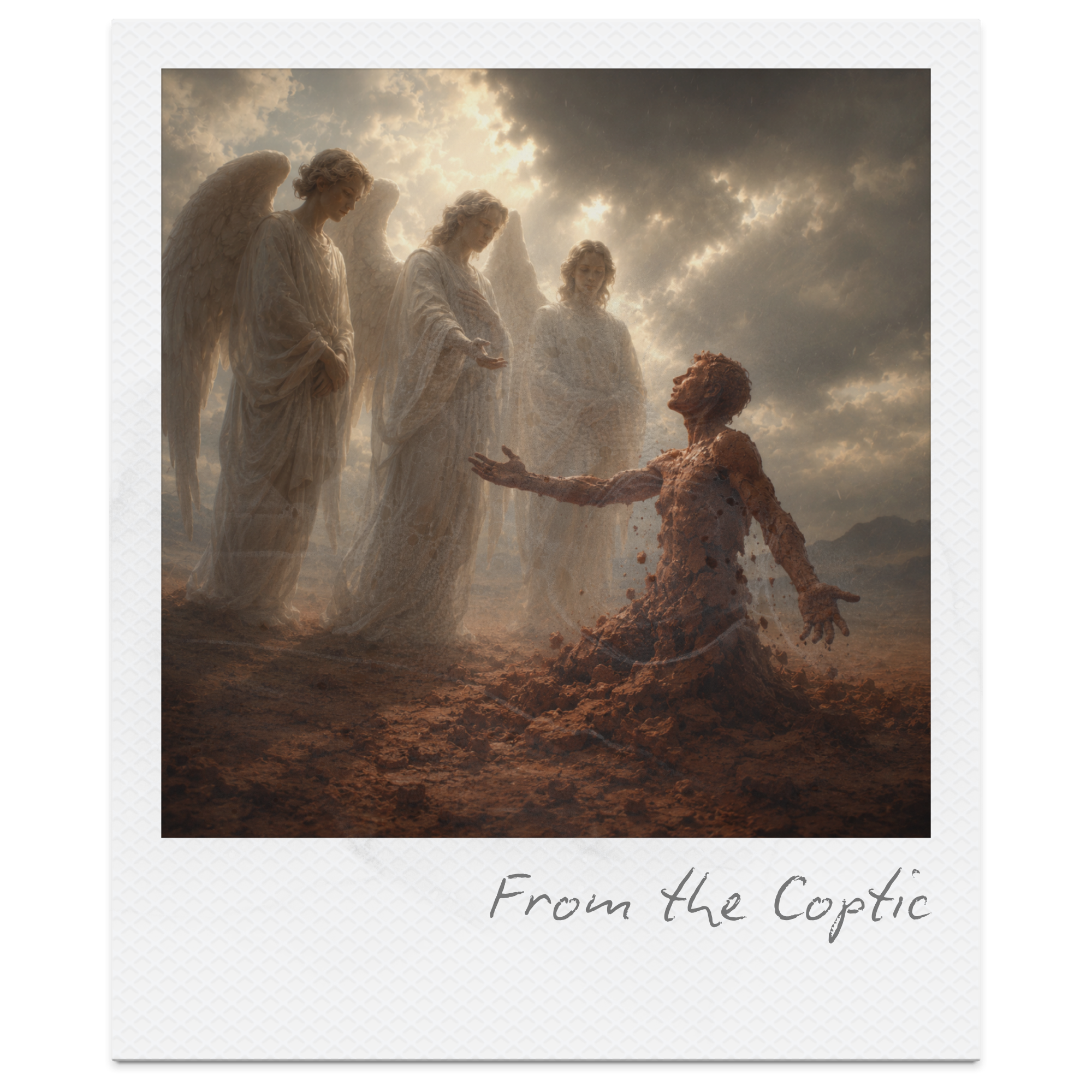
From the Coptic by Stevie Smith: Analysis of Mortality, Choice and the Human Condition
Stevie Smith's From the Coptic is a thought-provoking poem exploring mortality, free will, human existence, and the search for meaning. Framed as a creation myth, the poem imagines a reluctant heap of clay being invited to become human, only agreeing after learning that life has an ending. Through symbolism, dialogue, irony, and paradox, Smith challenges readers to reconsider the relationship between death and the value of existence. This analysis explores the poem's themes, structure, voice, symbolism, literary techniques, and key quotations while examining how Smith presents mortality not as a limitation of life, but as one of the qualities that gives life purpose and significance. Ideal for students studying CIE AS & A Level Literature (9695) Songs of Ourselves Volume 2.
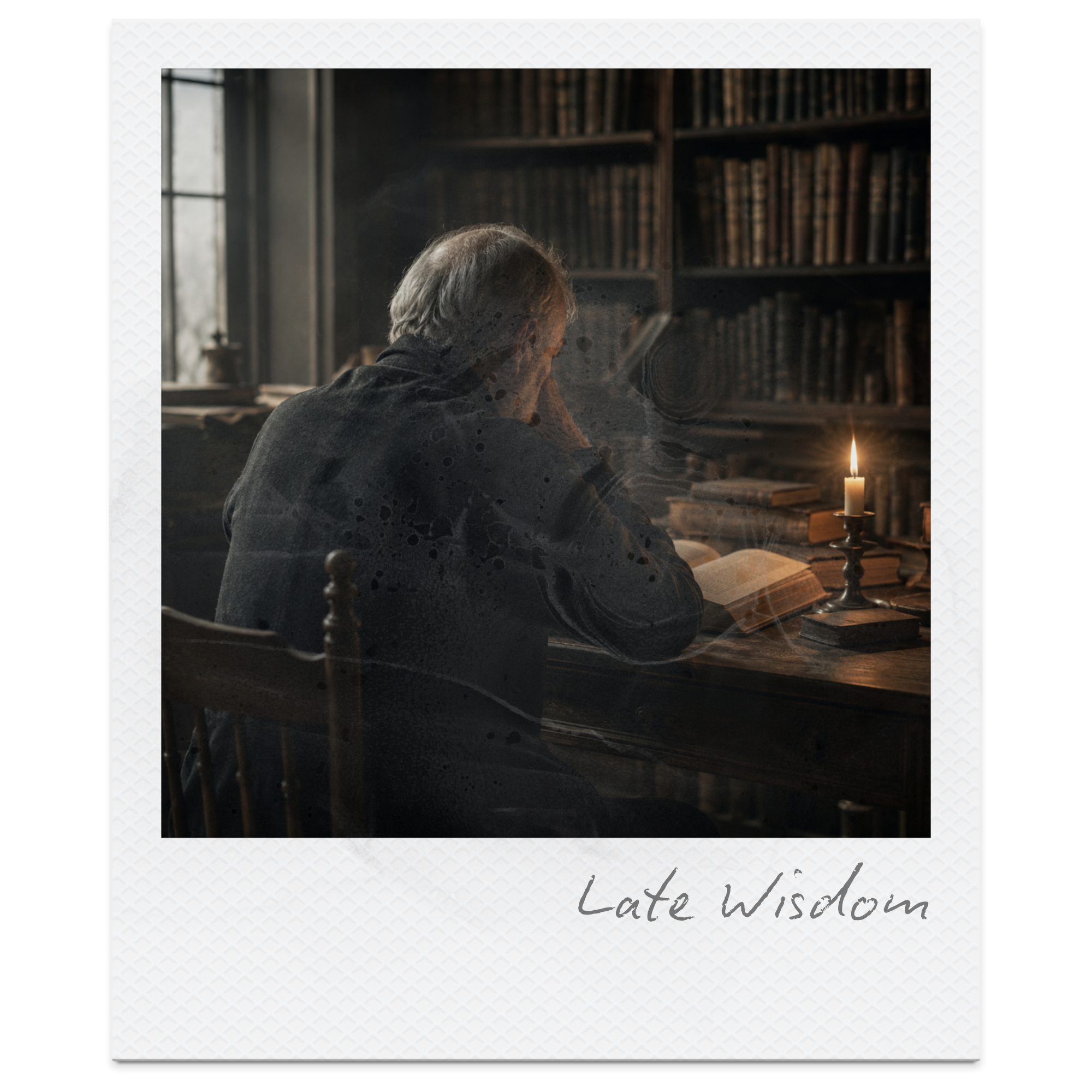
Late Wisdom by George Crabbe: Meaning, Mortality and the Limits of Experience
Late Wisdom by George Crabbe is a thoughtful exploration of ageing, experience, hindsight, and self-knowledge. Through the powerful symbolism of a "maze of error" and a "torch of truth," Crabbe examines the uncomfortable reality that wisdom often arrives only after life's most important mistakes and opportunities have passed. This analysis explores the poem's themes, symbolism, structure, literary techniques, key quotes, and exam-ready insights, revealing how Crabbe transforms a reflection on old age into a deeper meditation on human limitation and the true value of understanding.

Old Man and Very Old Man by Henry James: Summary, Themes & Analysis
Old Man and Very Old Man by Henry James explore ageing, mortality, memory, and the passage of time through two closely connected reflections on later life. Using powerful symbolism, cyclical structures, and philosophical imagery, James examines humanity's lifelong search for fulfilment and understanding. This analysis explores the poems' themes, symbolism, structure, key quotes, and literary methods, revealing how James challenges assumptions about ageing by suggesting that uncertainty and unanswered questions remain with us from childhood to old age.

The Migrant by A. L. Hendriks: Analysis of Belonging, Mortality and the Human Journey
A. L. Hendriks' The Migrant is a powerful allegorical poem that explores belonging, identity, transience, and the universal human journey. Through the story of a woman who gradually discovers that she is only "in transit," Hendriks transforms the experience of migration into a profound reflection on mortality, uncertainty, and humanity's search for a place to call home. This analysis explores the poem's symbolism, travel imagery, extended allegory, themes, key quotes, alternative interpretations, and structural development. Ideal for students and teachers studying Cambridge International AS & A Level Literature in English (9695), it includes stanza-by-stanza analysis, anthology comparisons, exam-focused insights, and classroom discussion ideas.

The Poplar-Field by William Cowper: Time, Mortality and Loss
William Cowper's The Poplar-Field explores mortality, time, memory, and the impermanence of human happiness through the destruction of a beloved grove of trees. What begins as a lament for a changed landscape gradually develops into a philosophical reflection on the fragility of both life and the pleasures that give it meaning. Through vivid natural imagery, symbolism, and an elegiac tone, Cowper transforms a local act of loss into a universal meditation on change, reminding readers that neither landscapes nor human lives can escape the passage of time.
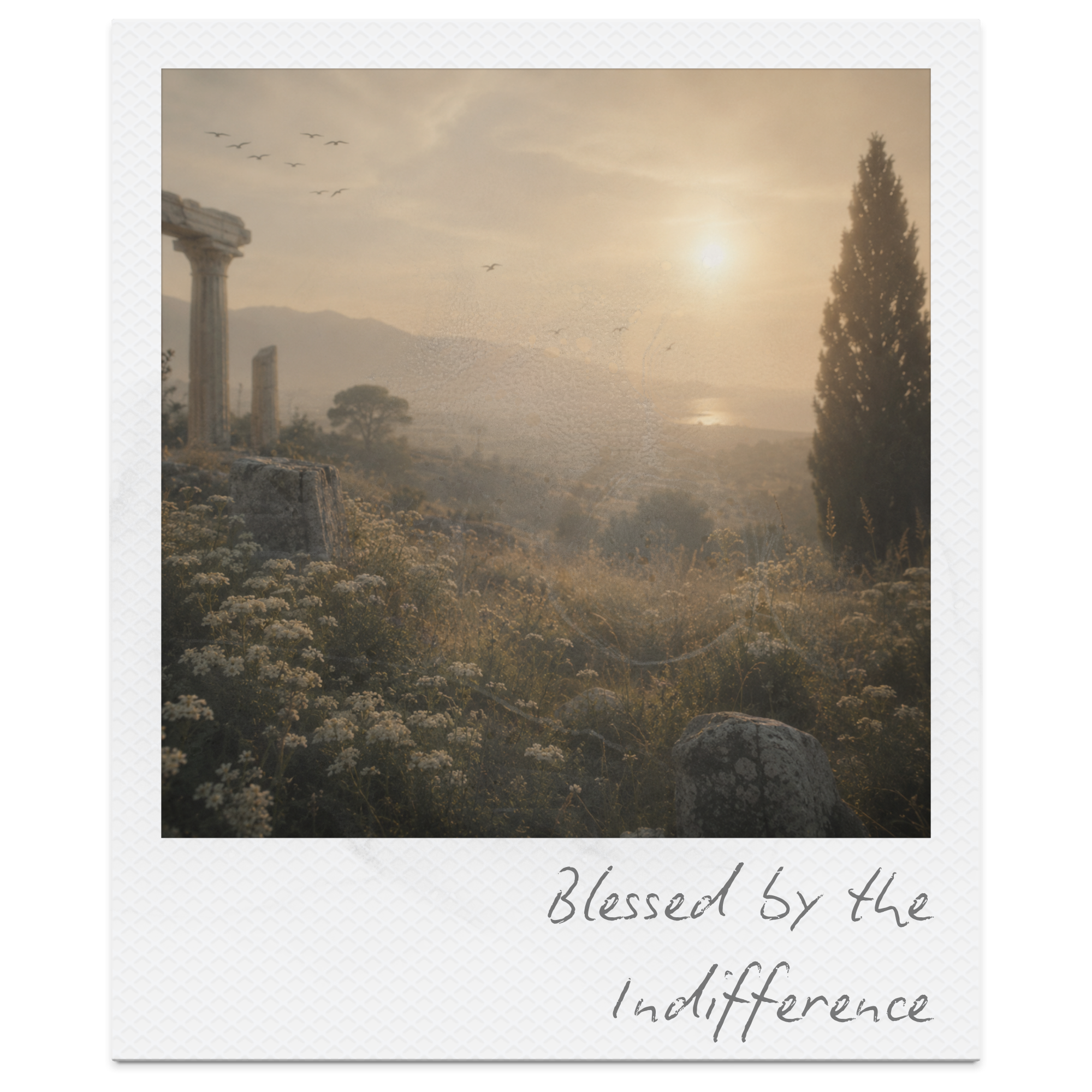
Blessed by the Indifference by Christopher Reid: Analysis of Nature, Time and Human Insignificance
Christopher Reid's Blessed by the Indifference is a thoughtful and quietly philosophical poem that explores human insignificance, nature's indifference, mortality, and the passage of time. Through vivid descriptions of insects, birds, sunlight, and landscape, Reid presents a natural world that exists independently of human concerns, encouraging readers to reconsider assumptions about importance, ownership, and permanence. The poem's central paradox suggests that there may be something unexpectedly liberating about recognising that the world does not revolve around humanity. This detailed analysis explores the poem's themes, symbolism, structure, key quotations, literary techniques, alternative interpretations, and anthology comparisons. Examining ideas such as perspective, environmental awareness, transience, and finding meaning within an indifferent universe, the article reveals how Reid transforms an ordinary breakfast scene into a profound reflection on humanity's place within the larger natural world.

Heart and Mind by Edith Sitwell: Analysis of Love, Mortality and the Conflict Between Heart and Mind
Edith Sitwell's Heart and Mind is a richly symbolic exploration of love, mortality, desire, and the enduring conflict between emotion and reason. Through a sequence of dramatic voices—including a Lion, a Skeleton, the Sun, and the Moon—Sitwell transforms an abstract philosophical debate into a vivid allegorical drama. Recurring images of fire, dust, gold, and celestial bodies create a poem that continually questions what gives human life meaning and whether passion or intellect ultimately holds greater power. This detailed analysis of Heart and Mind explores the poem's structure, symbolism, themes, literary techniques, and alternative interpretations. It includes stanza-by-stanza analysis, key quotations, anthology comparisons, and exam-focused insights, examining how Sitwell uses paradox, mythological imagery, and dramatic dialogue to present the heart and mind as powerful yet fundamentally irreconcilable forces.
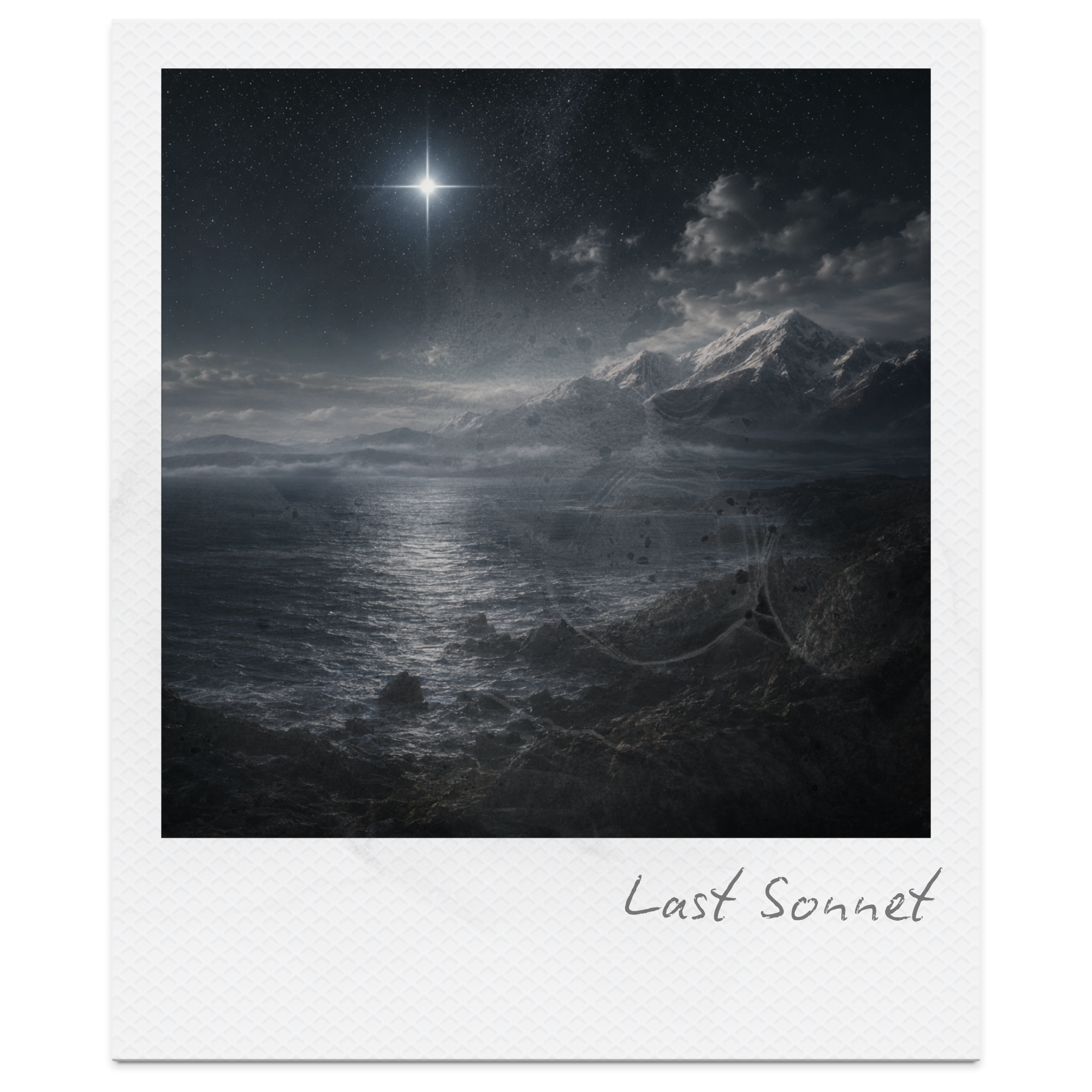
Last Sonnet by John Keats: Themes, Meaning and Analysis
Explore Last Sonnet by John Keats — widely known by its opening line, “Bright star, would I were stedfast as thou art” — through detailed analysis of love, mortality, permanence, and emotional vulnerability. This in-depth guide examines the poem’s imagery, symbolism, structure, sound, and shifting emotional tensions, while exploring how Keats contrasts eternal constancy with fragile human intimacy. Perfect for CIE AS Level Literature in English (9695), this analysis also includes close line-by-line commentary, key quotes and techniques, alternative interpretations, anthology comparisons, exam-ready insights, and teaching ideas designed to support advanced literary discussion and revision.
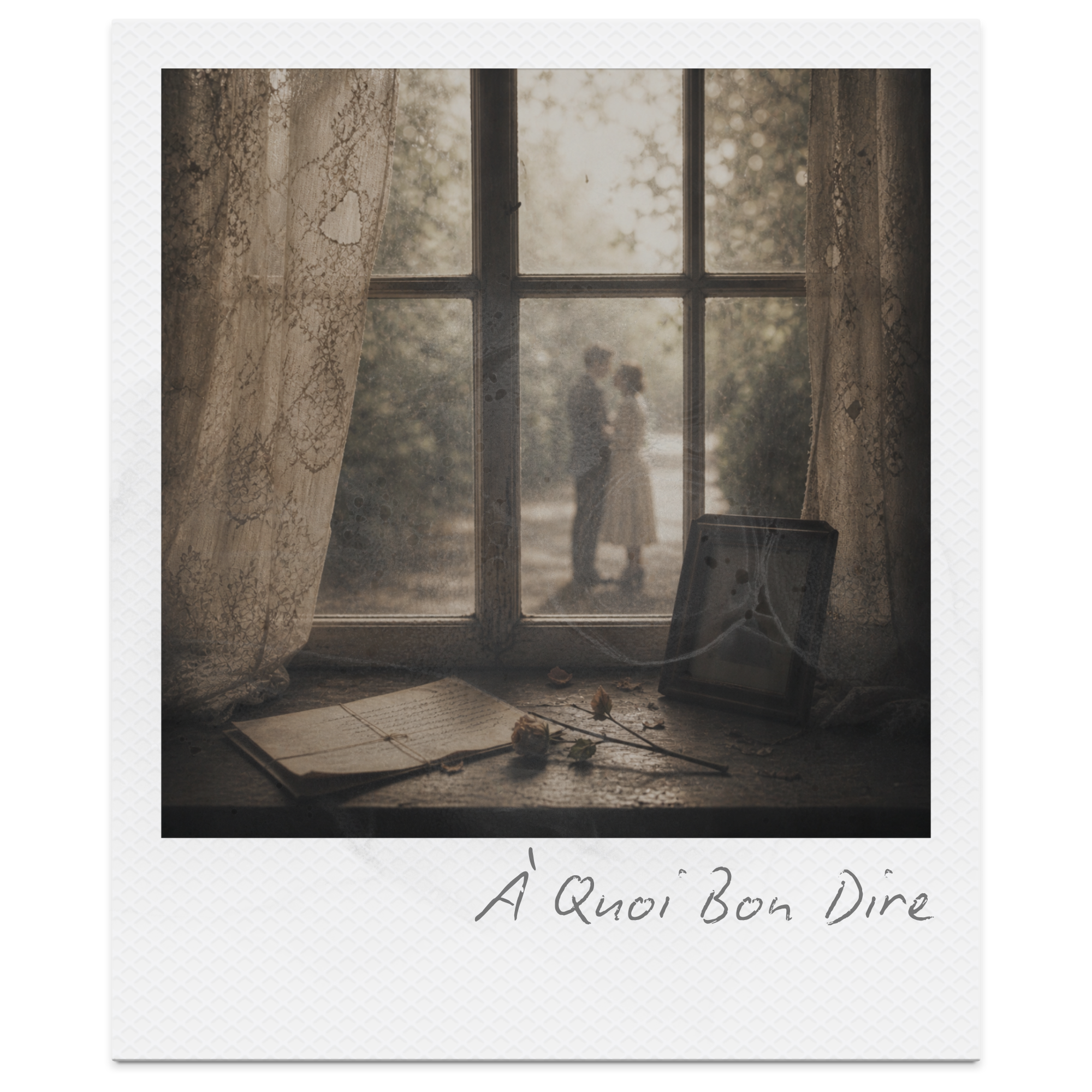
A Quoi Bon Dire by Charlotte Mew: Summary, Themes & Analysis
Charlotte Mew’s À Quoi Bon Dire explores enduring love, memory, and the tension between public perception and private truth, presenting a speaker who refuses to accept the finality of loss. Through parallel structure, structural contrast, and subtle shifts in voice, the poem reveals how emotional connection can persist beyond physical absence, challenging conventional ideas of death and separation. This analysis examines how Mew uses language, form, and temporal ambiguity to create meaning and impact, showing how the speaker’s quiet certainty resists social assumptions. With a focus on method → purpose → effect, this guide supports IGCSE World Literature (0408) students in developing strong, analytical responses.
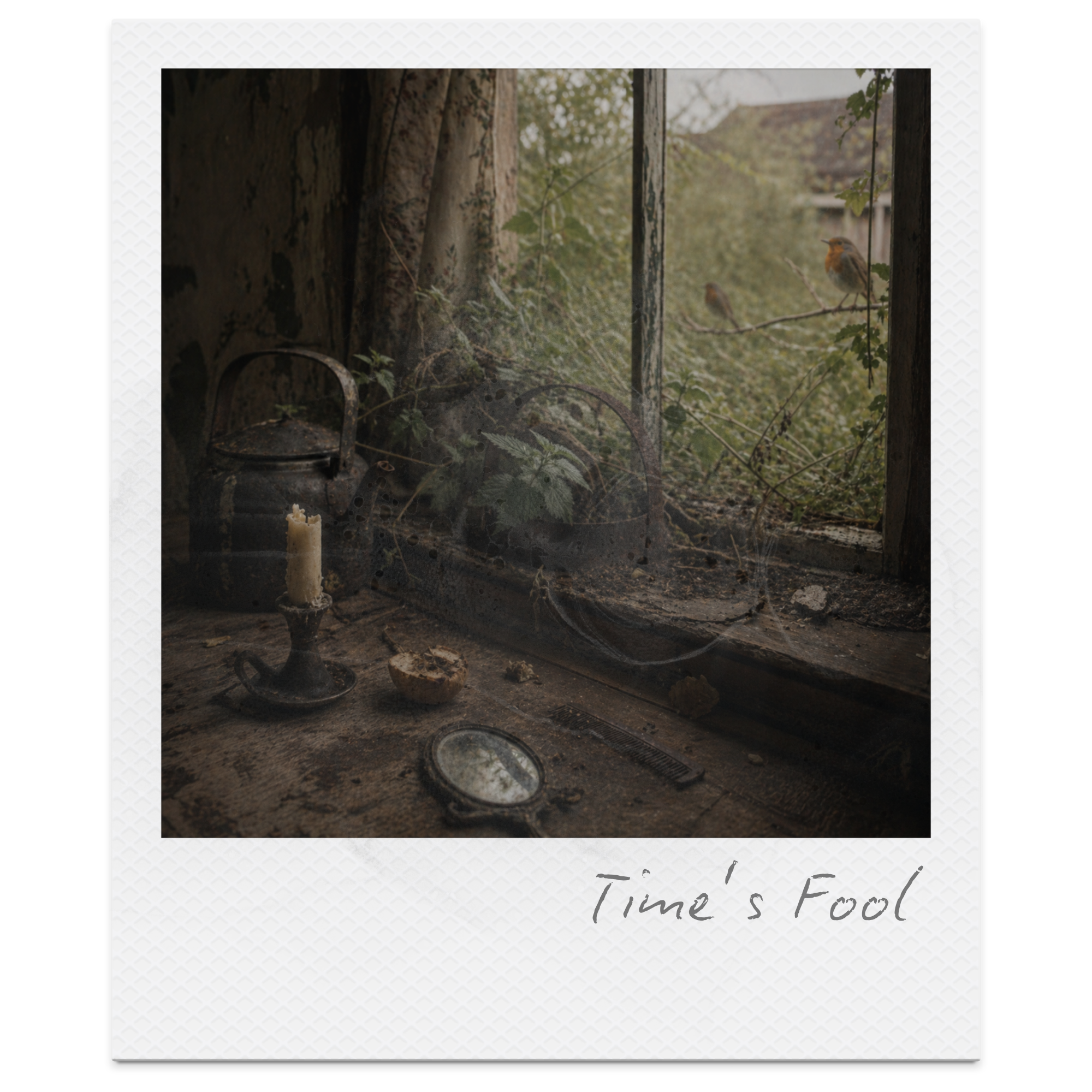
Time’s Fool by Ruth Pitter: Summary, Themes & Analysis
Ruth Pitter’s Time’s Fool reflects on how time reshapes our understanding of the past, transforming experiences that once seemed ordinary or insignificant into sources of deep emotional value. Through nostalgic imagery, paradox, and a reflective tone, the poem explores the contrast between material poverty and inner richness, revealing how memory redefines what truly matters. As the speaker revisits a life of simple comforts and natural surroundings, the poem shifts from a sense of loss to quiet acceptance, suggesting that fulfilment lies not in possessions but in experience, connection, and perspective. In doing so, Pitter presents a nuanced view of time—not just as a force of change, but as something that gives meaning to what has been left behind.
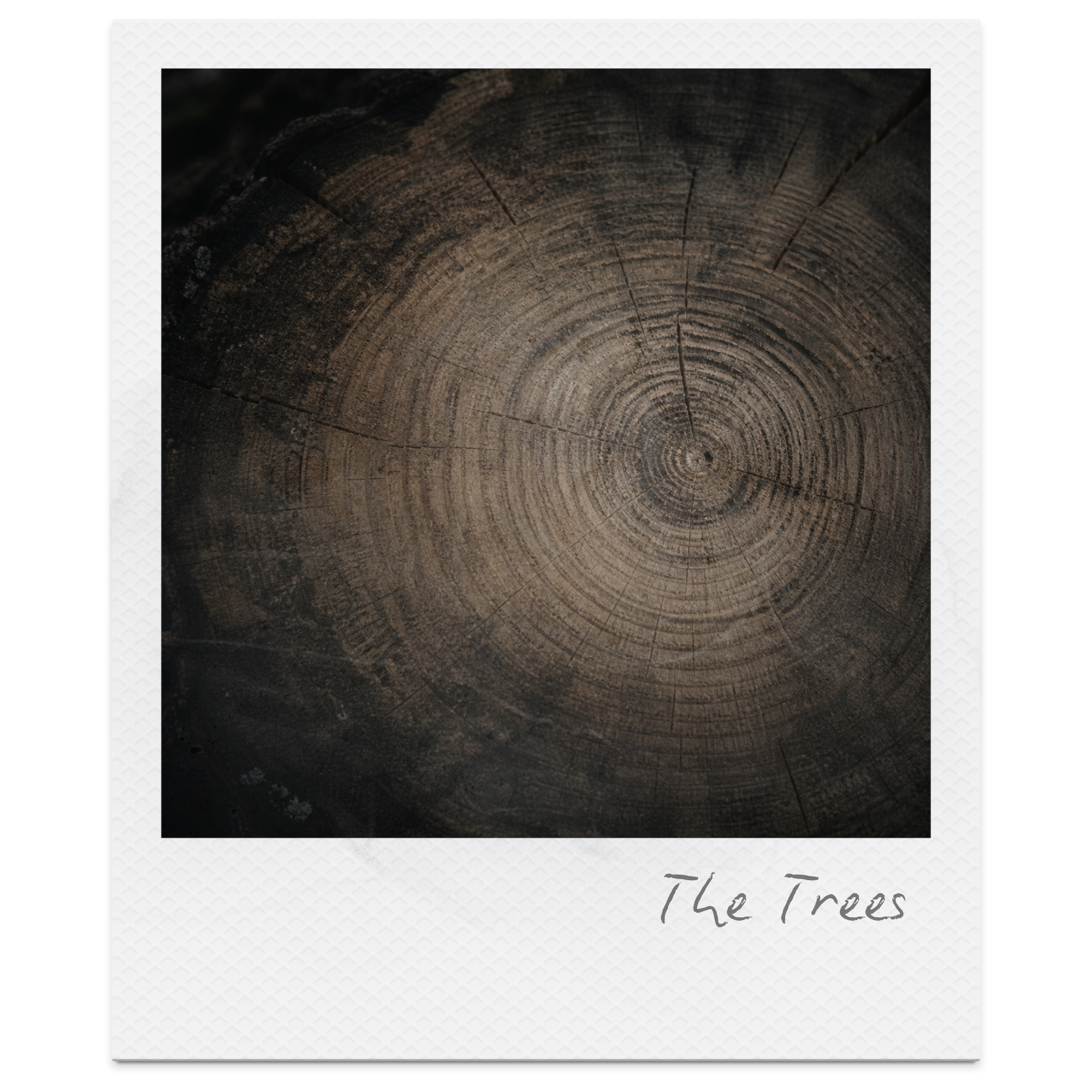
The Trees by Philip Larkin: Summary, Themes & Analysis
Philip Larkin’s The Trees explores the tension between renewal and mortality, using the natural cycle of spring to question whether fresh beginnings are ever truly possible. Through juxtaposition, controlled structure, and subtle tonal shifts, the poem presents the trees as symbols of apparent rebirth while revealing the underlying reality of ageing and continuity, challenging the reader’s assumptions about nature and time. As the poem develops, Larkin moves from quiet observation to a more unsettled recognition that the trees’ “yearly trick of looking new” conceals an ongoing process of change and decline. The repeated call to “begin afresh” feels both hopeful and fragile, leaving the reader with an unresolved tension between appearance and reality and reinforcing the idea that renewal may be more complex—and less reassuring—than it first appears.

One Art by Elizabeth Bishop: Summary, Themes & Analysis
Elizabeth Bishop’s One Art explores loss and emotional control through a tightly structured villanelle, presenting the idea that losing can be learned and mastered. Through repetition and an authoritative, instructional voice, the poem initially suggests that loss is manageable, using everyday examples to create a sense of calm and control. However, as the poem progresses, the scale of loss becomes more personal and emotionally significant, revealing cracks in this composure. Subtle shifts in tone and structure expose the tension between the speaker’s claims and her true feelings, ultimately suggesting that loss cannot be fully mastered, no matter how carefully it is framed.
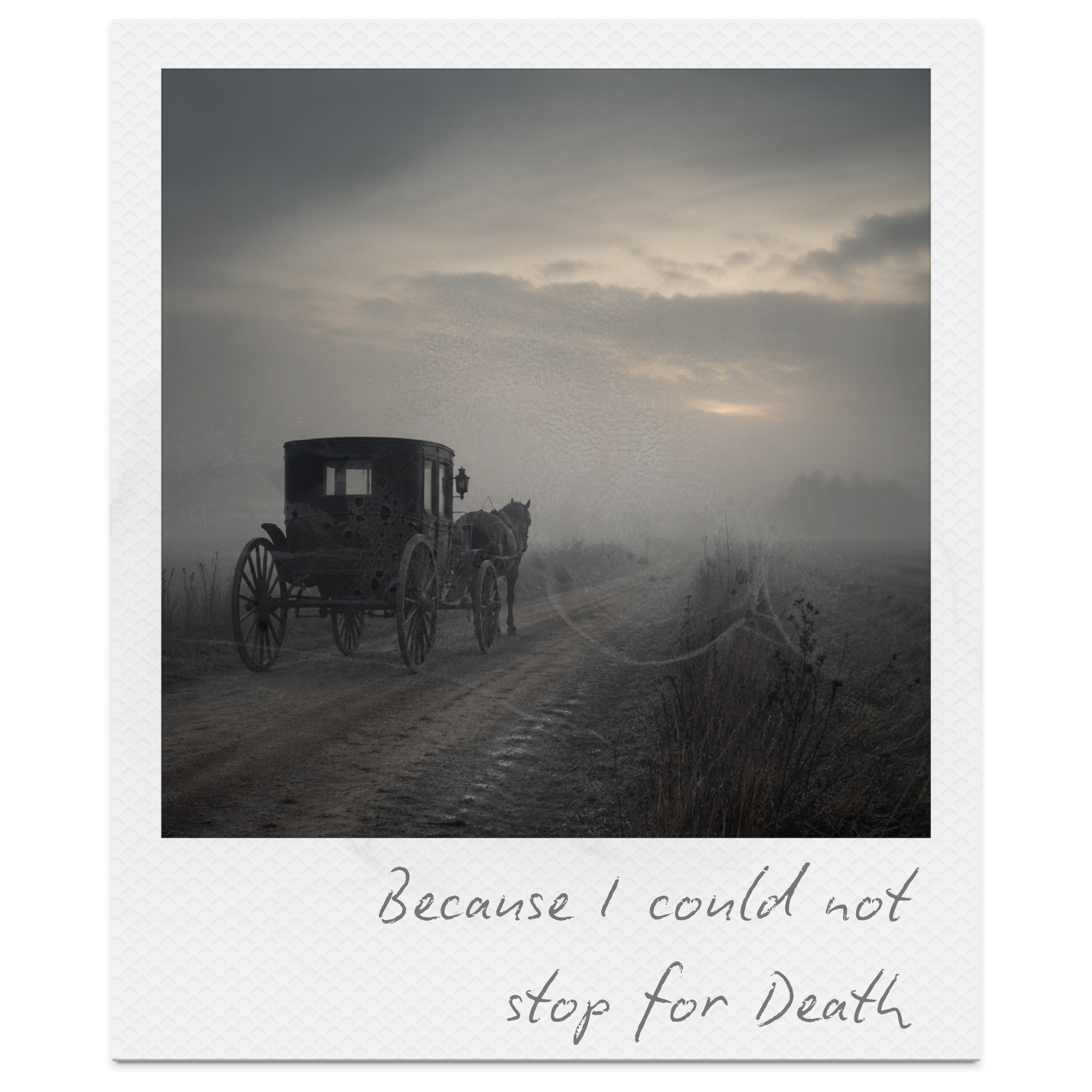
Because I could not stop for Death by Emily Dickinson: Summary, Themes & Analysis
Emily Dickinson’s Because I could not stop for Death presents death as a calm, deliberate journey, using personification and symbolism to transform a typically feared concept into something controlled and almost reassuring. Through the image of a carriage ride, the poem moves steadily through the stages of life, suggesting that death is not a sudden end but a process leading toward eternity. However, beneath this calm surface lies a deeper sense of uncertainty, as shifts in perspective and imagery reveal the limits of human understanding. The progression from familiar scenes to the final realisation of eternity highlights how time and control break down beyond life, leaving the reader with a quiet but unsettling reflection on what lies beyond death.
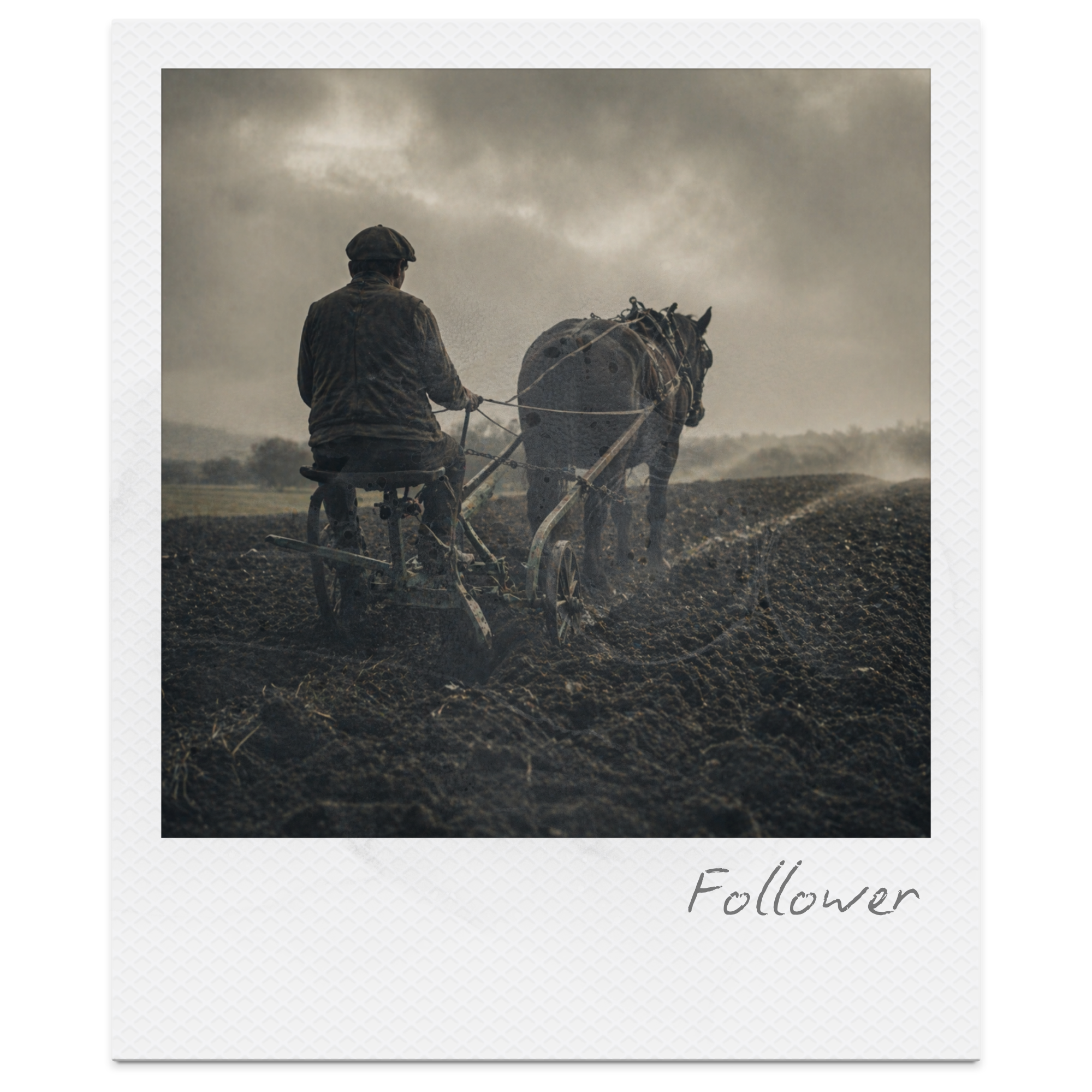
Follower by Seamus Heaney: Summary, Themes & Analysis
Seamus Heaney’s Follower explores admiration, identity, and the changing nature of family relationships through a reflective first-person voice. The poem presents the speaker’s father as a figure of strength, precision, and authority, using vivid imagery and controlled structure to elevate his skill as a ploughman. In contrast, the young speaker is portrayed as clumsy and dependent, creating a clear imbalance that reflects childhood hero-worship and the desire to imitate a parent. However, the poem’s meaning shifts in the final stanza, where Heaney introduces a subtle but powerful role reversal, revealing the father as the one who now “stumbles” behind the speaker. This transformation turns the poem into a reflection on time, ageing, and emotional complexity, as admiration gives way to a more unsettled awareness of changing roles. Through this contrast, Follower captures the tension between inheritance and independence, leaving the reader with a lasting sense of how relationships evolve over time.
Sonnet 18 by William Shakespeare: Summary, Themes & Analysis of “Shall I compare thee to a summer’s day?”
Sonnet 18 by William Shakespeare explores the contrast between temporary natural beauty and the lasting power of poetry. Through a structured argument and a clear shift in tone, the poem shows how beauty fades in nature but can be preserved through language. This analysis breaks down how Shakespeare uses imagery, structure, and sound to present ideas about time, permanence, and legacy, helping students understand how meaning is created and how to write strong, method-focused responses.
The Fog Horn by Ray Bradbury: Summary, Themes, Symbolism & Analysis
Ray Bradbury’s The Fog Horn is a haunting work of speculative fiction that explores isolation, longing, and the deep human need for connection. Set in a remote lighthouse surrounded by vast, empty seas, the story follows two keepers who encounter a mysterious creature drawn to the mournful sound of the fog horn—a sound that echoes across time like a call waiting to be answered. At its core, the story examines unfulfilled connection, illusion versus reality, and the fragility of belonging, revealing how even the hope of companionship can lead to devastation when it is misunderstood. Through powerful symbolism and atmosphere, Bradbury creates a deeply emotional narrative that lingers long after the final line.
The Bells by Edgar Allan Poe: Summary, Themes, Meaning & Analysis
The Bells by Edgar Allan Poe explores how sound reflects the stages of human experience, moving from joy and harmony to chaos and death. Through its hypnotic rhythm and intense repetition, Poe transforms bells into symbols of time, emotional progression, and mortality, creating a poem that is as much heard as it is understood. Blurring the line between music and meaning, the poem builds from delicate “tinkling” to overwhelming “clanging,” mirroring a descent into psychological instability and loss of control. This progression invites multiple interpretations, from a life cycle narrative to a study of how sound shapes human perception.
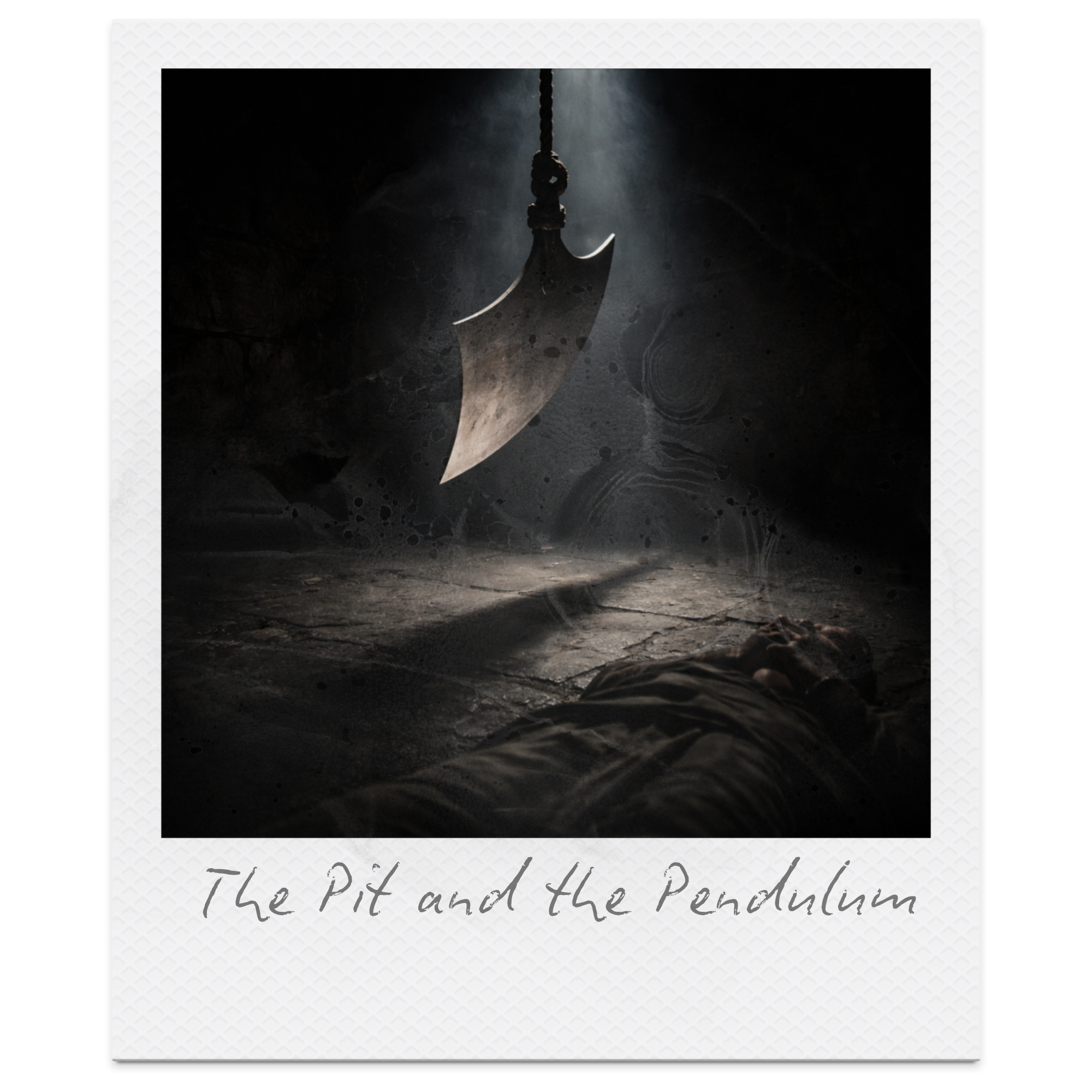
The Pit and the Pendulum by Edgar Allan Poe: Summary, Themes, Symbolism & Analysis
The Pit and the Pendulum by Edgar Allan Poe is a chilling exploration of psychological horror, fear, and survival under extreme control. Set within the terrifying world of the Inquisition, the story follows a condemned narrator trapped in a shifting dungeon where darkness, hidden dangers, and calculated torture push him to the brink of madness. Rather than relying on sudden shocks, Poe builds tension through anticipation, sensory deprivation, and the slow passage of time, creating a deeply unsettling reading experience. As the narrator faces the horrors of the pit, the descending pendulum, and the enclosing walls, the story explores powerful themes including power and control, perception and reality, death and mortality, and endurance. The setting itself becomes an instrument of torture, reflecting the narrator’s deteriorating mental state and forcing him into a desperate fight for survival. Through its intense focus on the mind under pressure, The Pit and the Pendulum remains one of Poe’s most compelling and psychologically complex short stories.