Because I could not stop for Death by Emily Dickinson: Summary, Themes & Analysis
Emily Dickinson’s Because I could not stop for Death explores mortality, immortality, and the quiet acceptance of death through an extended personification and a reflective first-person voice, presenting death not as something violent or feared, but as a calm, inevitable journey. Through symbolism, structure, and a gradual shift in perspective, the poem transforms death into a measured progression toward eternity, challenging conventional ideas of fear and finality. If you are studying or teaching Songs of Ourselves Volume 1 for CIE English World Literature (0408), explore all the poems in depth in our Songs of Ourselves Volume 1 Hub, or a wider range of texts in the Literature Library.
Context of Because I could not stop for Death
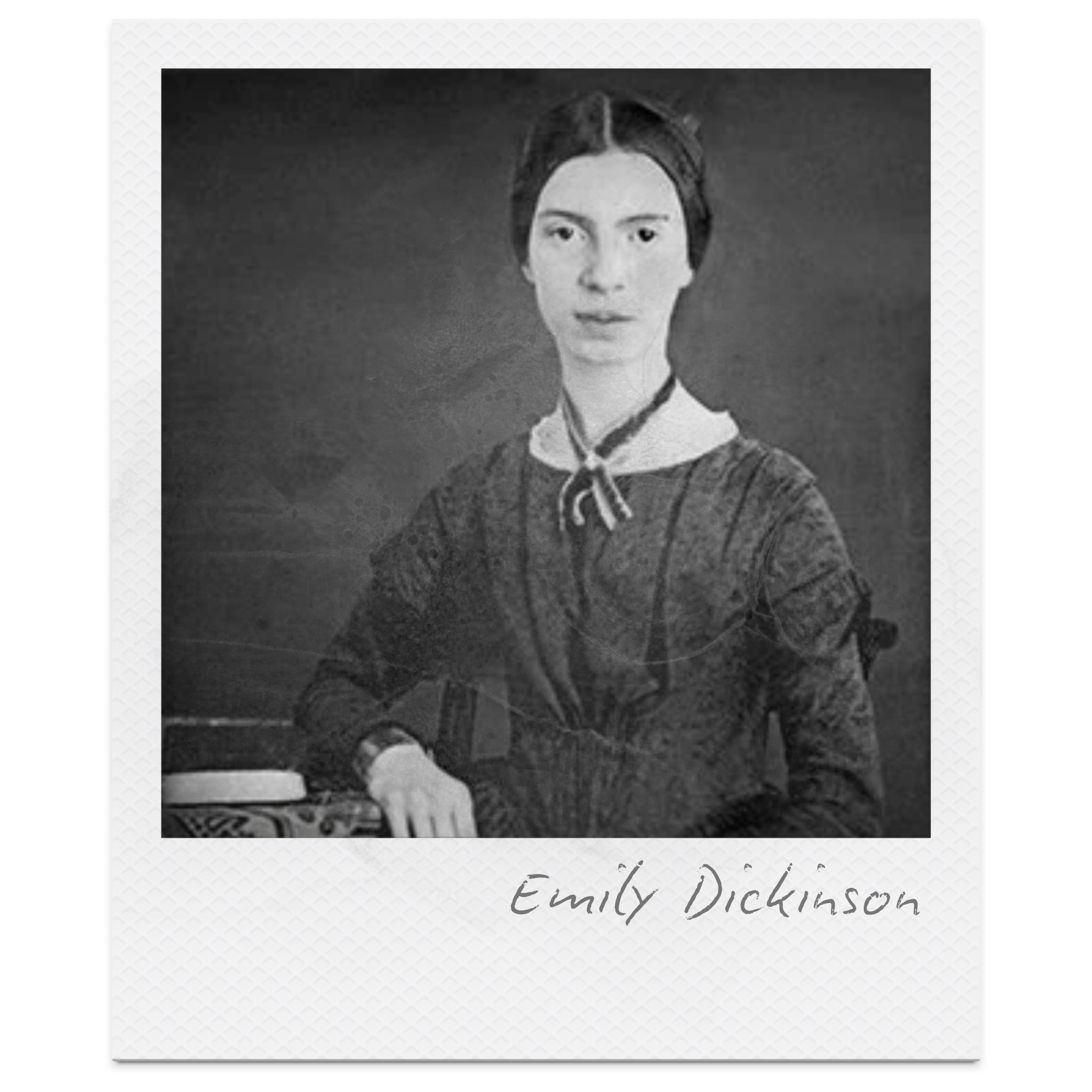
Emily Dickinson wrote during the nineteenth century, a period shaped by strong religious beliefs, particularly in Protestant America, where ideas about death, the afterlife, and immortality were central to everyday life. However, Dickinson’s work often challenges these conventional views, presenting death not through clear religious certainty but through ambiguity and personal reflection. Her famously reclusive lifestyle meant she spent much of her life in isolation, which contributed to her intense focus on inner experience, mortality, and the nature of existence.
In Because I could not stop for Death, Dickinson reimagines death as a calm, almost courteous figure, transforming a typically feared concept into a measured journey toward eternity. Rather than presenting death as an end, the poem reflects the uncertainty surrounding what follows, blending Christian ideas of immortality with a more questioning, introspective perspective. This context helps explain the poem’s unusual tone, where death is neither resisted nor fully understood, but quietly accepted.
Because I could not stop for Death: At a Glance
Form: Lyric poem (six quatrains)
Mood: Calm, reflective, subtly unsettling
Central tension: The contrast between the speaker’s acceptance of death and the uncertainty of what lies beyond
Core themes: Mortality, immortality, passage of time, acceptance of death, eternity
One-sentence meaning: The poem uses extended personification and a structured journey to present death as a calm transition, while subtly revealing the uncertainty and inevitability of eternity.
Quick Summary of Because I could not stop for Death
The poem begins with the speaker explaining that she was too occupied with life to stop for death, so Death “kindly” stops for her, initiating a calm and controlled journey. She enters a carriage accompanied by Death and Immortality, suggesting that this is not simply an ending but a transition. As they travel slowly, the speaker leaves behind her “labor” and “leisure,” indicating a complete separation from earthly life.
As the journey continues, the carriage passes key stages of life, including childhood, maturity, and the end of the day, before the atmosphere becomes colder and more uncertain. The speaker realises they have reached a grave, described as a “House”, marking her death. In the final stanza, she reflects from a distant perspective, revealing that centuries have passed, yet the moment still feels immediate, as she recognises that the journey was always leading toward eternity.
Title, Form, Structure, and Metre
Dickinson’s formal choices shape the poem as a measured journey, using controlled rhythm and subtle variation to mirror the speaker’s calm movement from life toward eternity, while maintaining an undercurrent of uncertainty.
Title
The title Because I could not stop for Death immediately establishes a sense of inevitability, suggesting that death is not something the speaker chooses or controls. The phrasing implies interruption, as life continues until death intervenes. As the poem develops, this idea shifts: death is not abrupt or violent, but deliberate and courteous, reframing the title as the beginning of a journey rather than a sudden ending.
Form and Structure
The poem is composed of six quatrains, creating a clear, ordered structure that reflects the steady progression of the speaker’s journey. Each stanza represents a distinct stage, moving from the moment of departure to a reflection beyond death. The progression is linear and controlled, reinforcing the idea that death unfolds as a process rather than an instant. The final stanza introduces a shift in perspective, as the speaker reflects from a point beyond time, creating a sense of temporal dislocation and reinforcing the poem’s exploration of eternity.
Rhyme Scheme and Poetic Pattern
The poem broadly follows an ABCB rhyme scheme, characteristic of ballad form, which contributes to its steady, almost familiar rhythm. For example, in the opening stanza, “me” loosely echoes with “Immortality,” creating a slant rhyme rather than a perfect match. This pattern continues throughout, with pairs such as “away / Civility” and “Ring / Sun” offering only partial or approximate rhyme. These imperfect rhymes create a subtle sense of unease, suggesting that while the journey appears ordered, its destination remains uncertain. In the penultimate stanza, the repetition of “Ground / Ground” reinforces the physical reality of the grave, anchoring the abstract journey in a tangible end point.
Metre and Rhythmic Movement
The poem is written in a form of common metre, alternating between iambic tetrameter (four stresses) and iambic trimeter (three stresses), creating a steady, hymn-like rhythm. For example:
beCAUSE / I COULD / not STOP / for DEATH
He KIND / ly STOPPED / for ME
This regular rhythm mirrors the slow, controlled pace of the carriage ride, reinforcing the calm tone. However, Dickinson introduces subtle variations to disrupt this stability. In the line:
The DEWS / drew QUIV / ering AND / CHILL
the additional syllables and shifting stress pattern create a slight irregularity, echoing the physical sensation of cold and discomfort. These moments of disruption prevent the rhythm from becoming too predictable, reflecting the underlying uncertainty of death despite its outward calmness.
The Speaker in Because I could not stop for Death
The speaker is a first-person, retrospective voice who recounts her encounter with Death from a point beyond her own lifetime, suggesting she is speaking from a state of posthumous awareness. Her tone is calm, composed, and reflective, which contrasts with the expected fear associated with death, presenting the experience as measured rather than alarming. The speaker appears aware of social conventions, responding to Death’s “civility” with her own politeness, which reinforces the controlled and almost ritualistic nature of the journey.
There is a subtle irony in the speaker’s perspective. Although she narrates the journey with apparent clarity, she does not fully question or resist what is happening, which creates a sense of detachment. Her descriptions often imply meaning rather than stating it directly—for example, referring to the grave as a “House”—suggesting a voice that understands the experience but presents it in softened or indirect terms. This restrained, reflective voice shapes the poem’s interpretation, as the calm acceptance of death contrasts with the underlying uncertainty of what lies beyond.
Stanza-by-Stanza Analysis of Because I could not stop for Death
This close reading explores how Dickinson uses personification, symbolism, and structural progression to present death as a calm, controlled journey while gradually introducing a deeper sense of uncertainty and eternity. Each stanza develops the speaker’s movement from life to afterlife, with shifts in tone, imagery, and perspective revealing how meaning is shaped through the poem’s carefully structured stages.
Stanza 1: A courteous beginning to death
The opening stanza introduces Death as a personified figure, immediately challenging expectations by describing him as “kindly,” which creates a calm and almost reassuring tone. This personification transforms death from something feared into something polite and deliberate, suggesting that the speaker is being guided rather than taken.
The idea that the speaker “could not stop” reinforces the inevitability of death, implying that it arrives regardless of human readiness. The carriage functions as a symbol of transition, with the presence of “Immortality” suggesting that this journey extends beyond physical death. By presenting death as a shared, controlled experience, Dickinson establishes a tone of quiet acceptance, while subtly introducing the idea that the speaker is entering something unknown.
Stanza 2: Surrender and the pace of death
The second stanza reinforces the controlled, deliberate nature of the journey through the phrase “We slowly drove,” where the adverb emphasises a lack of urgency. Death “knew no haste,” suggesting that time no longer operates in a human way, and that this transition is inevitable and unhurried, contrasting with the pace of life.
The speaker’s decision to put away her “labor” and “leisure” represents a complete separation from earthly concerns, as both work and pleasure are equally irrelevant in the face of death. This pairing highlights the totality of what is left behind. The phrase “For His Civility” introduces a subtle irony, as the speaker frames her surrender as a polite response to Death’s behaviour, reinforcing the poem’s calm tone while masking the deeper reality of loss of control.
Stanza 3: The stages of life in passing
This stanza uses symbolic imagery to represent the progression of human life, as the repeated phrase “We passed” creates a sense of steady movement and reinforces the journey’s inevitability. The School, where children are “striving” at “Recess – in the Ring –,” represents childhood, capturing energy, play, and early development.
The “Fields of Gazing Grain” suggest maturity, with the grain standing tall and “gazing,” implying fullness and productivity. Finally, the “Setting Sun” symbolises the approach of death, marking the end of the day as a metaphor for the end of life. This structured progression from childhood to adulthood to death reinforces the poem’s cyclical view of time, while the calm repetition maintains the measured tone of the journey.
Stanza 4: A shift in perspective and growing unease
This stanza introduces a crucial shift through the correction “Or rather – He passed Us –,” which reverses the earlier sense of control and suggests that it is time (or the sun) moving forward, not the carriage. This subtle change in perspective destabilises the journey, revealing that the speaker is no longer an active participant but subject to a larger, uncontrollable force.
The imagery becomes noticeably colder and more physical, as “The Dews drew quivering and Chill –” introduces a sensory awareness of discomfort. The verb “quivering” conveys both physical cold and emotional unease, marking a tonal shift from calm acceptance to something more unsettling. The reference to “Gossamer” and “Tulle”, both light and insubstantial fabrics, suggests the speaker is inadequately protected, symbolising vulnerability and the fading connection to the physical world. This stanza deepens the poem’s meaning by exposing the limits of the earlier calmness, revealing the underlying reality of exposure and uncertainty.
Stanza 5: Arrival at the grave
This stanza marks the destination of the journey, with the “House” functioning as a euphemism for the grave, softening the reality of death through familiar, domestic imagery. The phrase “seemed / A Swelling of the Ground” suggests that the structure is barely distinguishable from the earth, reinforcing the idea of burial and the return of the body to the ground.
The description that the “Roof was scarcely visible” and the “Cornice – in the Ground –” further emphasises how the house is submerged, creating a sense of finality and enclosure. This imagery contrasts with the earlier movement of the carriage, as the journey comes to a pause, signalling the transition from life into death. The understated presentation maintains the poem’s calm tone, while the imagery subtly reveals the physical reality of the grave beneath the speaker’s composed perspective.
Stanza 6: Timelessness and the realisation of eternity
The final stanza shifts fully into a posthumous perspective, as the speaker reflects on the passage of “Centuries”, yet describes it as feeling “shorter than the Day,” suggesting that time has lost its conventional meaning. This contrast highlights the concept of eternity, where human measures of time become irrelevant.
The verb “surmised” indicates that the speaker only gradually understood the true direction of the journey, implying a delayed realisation rather than immediate awareness. The image of the “Horses’ Heads” pointing toward “Eternity” symbolises the inevitability and permanence of death, revealing that the journey was always leading beyond life. This final moment deepens the poem’s sense of uncertainty, as eternity is presented not as a clearly defined destination, but as something vast, unknowable, and continuous.
Key Quotes and Methods in Because I could not stop for Death
These quotations show how Dickinson uses personification, symbolism, and structure to present death as a calm journey while revealing deeper uncertainty about eternity.
“Because I could not stop for Death – He kindly stopped for me –”
◆ Technique: Extended personification
◆ Meaning: Death is presented as a polite, almost gentlemanly figure
◆ Purpose: To challenge expectations of death as frightening or violent
◆ Impact: Creates a calm tone while subtly masking the loss of control
“The Carriage held but just Ourselves – And Immortality”
◆ Technique: Symbolism
◆ Meaning: The carriage represents a transition from life to afterlife
◆ Purpose: To suggest that death is not an end, but part of a larger journey
◆ Impact: Introduces the idea of eternity, adding ambiguity to the experience
“We slowly drove – He knew no haste”
◆ Technique: Pace and tone
◆ Meaning: The journey unfolds without urgency
◆ Purpose: To reflect the inevitability of death and its independence from human time
◆ Impact: Reinforces the calm, controlled nature of the experience
“I had put away / My labor and my leisure too”
◆ Technique: Juxtaposition
◆ Meaning: Both work and pleasure are left behind
◆ Purpose: To show the complete separation from earthly life
◆ Impact: Emphasises the totality of death’s impact
“We passed the School… We passed the Fields… We passed the Setting Sun”
◆ Technique: Repetition and symbolism
◆ Meaning: The journey moves through stages of life
◆ Purpose: To represent childhood, maturity, and the end of life
◆ Impact: Creates a structured progression, reinforcing the inevitability of death
“Or rather – He passed Us –”
◆ Technique: Structural shift / correction
◆ Meaning: The speaker revises her earlier statement
◆ Purpose: To reveal a change in perspective and understanding
◆ Impact: Introduces uncertainty, suggesting the speaker is no longer in control
“The Dews drew quivering and Chill –”
◆ Technique: Sensory imagery
◆ Meaning: The speaker experiences cold and discomfort
◆ Purpose: To signal a shift from calmness to unease
◆ Impact: Deepens the sense of vulnerability
“For only Gossamer, my Gown – / My Tippet – only Tulle –”
◆ Technique: Symbolism
◆ Meaning: The speaker is lightly dressed, inadequately protected
◆ Purpose: To reflect exposure and fragility
◆ Impact: Reinforces the loss of physical security
“We paused before a House that seemed / A Swelling of the Ground –”
◆ Technique: Euphemism and imagery
◆ Meaning: The grave is described as a house
◆ Purpose: To soften the reality of death
◆ Impact: Maintains the calm tone while revealing the final destination
“Since then – ’tis Centuries – and yet / Feels shorter than the Day”
◆ Technique: Paradox
◆ Meaning: Time is both vast and compressed
◆ Purpose: To show that eternity alters human perception of time
◆ Impact: Creates a sense of disorientation and timelessness
“I first surmised the Horses’ Heads / Were toward Eternity –”
◆ Technique: Symbolism
◆ Meaning: The journey leads beyond life
◆ Purpose: To reveal the speaker’s delayed understanding
◆ Impact: Leaves the poem with a sense of open-ended uncertainty
Key Techniques in Because I could not stop for Death
Dickinson uses a carefully controlled range of language, structure, and sound devices to present death as calm and inevitable, while subtly revealing the deeper uncertainty of eternity.
◆ Extended Personification – Death is presented as a courteous, gentleman-like figure who “kindly” stops for the speaker. This transforms death from something feared into something calm and civil, while masking the underlying reality that it is inescapable and uncontrollable.
◆ Symbolism (The Carriage Journey) – The carriage represents a transition from life to death, with its slow movement reinforcing the idea of death as a process rather than a moment. The presence of “Immortality” suggests continuation, but also introduces ambiguity about what lies beyond.
◆ Symbolism (Stages of Life) – The sequence of “School,” “Fields of Gazing Grain,” and “Setting Sun” symbolises childhood, maturity, and death, creating a structured progression through life. This reinforces the inevitability of the journey and frames life as something that is passed through rather than controlled.
◆ Alliteration – Repeated sounds emphasise key ideas and create subtle tonal effects. For example, “labor and my leisure” highlights the totality of what the speaker leaves behind, reinforcing the idea that death separates her from all aspects of life. In “Horses’ Heads,” the repetition creates a soft, breath-like sound, echoing the physical presence of the journey and drawing attention to its final direction toward eternity.
◆ Repetition (Anaphora) – The repeated phrase “We passed” structures the third stanza, creating a rhythmic progression that mirrors the movement of the carriage. This repetition reinforces the sense of inevitability, as each stage of life is calmly left behind.
◆ Caesura (Dashes) – Dickinson’s frequent use of dashes creates pauses within lines, slowing the rhythm and giving the poem a measured, reflective pace. These interruptions mirror the controlled movement of the journey while also introducing moments of hesitation and uncertainty.
◆ Enjambment – Lines often run into one another without full stops, creating a sense of continuity and flow. This reflects the uninterrupted nature of the journey toward death, while also allowing ideas to unfold gradually.
◆ Assonance and Consonance – Subtle repetition of vowel and consonant sounds contributes to the poem’s musical, hymn-like quality, reinforcing its calm tone while maintaining an undercurrent of unease.
◆ Juxtaposition – The pairing of “labor” and “leisure” highlights the full range of human experience, showing that death removes both duty and pleasure. This contrast emphasises the completeness of what is left behind.
◆ Paradox – The statement that “Centuries… feels shorter than the Day” creates a paradox that reflects the altered perception of time in eternity. This challenges human understanding of time, reinforcing the idea that death leads into something unknowable and infinite.
◆ Euphemism – The grave is described as a “House,” softening the reality of death and maintaining the poem’s calm tone. However, this also creates a subtle tension between comfort and reality, as the true meaning is implied rather than directly stated.
◆ Structural Shift – The correction “Or rather – He passed Us –” marks a key turning point, revealing a shift in perspective. This moment undermines the earlier sense of control and introduces a deeper awareness that the speaker is subject to forces beyond her understanding.
Together, these techniques allow Dickinson to present death as both gentle and inevitable, while gradually revealing its deeper mystery and uncertainty, leaving the reader with a sense of calm that is quietly unsettled.
How the Writer Creates Meaning and Impact in Because I could not stop for Death
Dickinson creates meaning through the interplay of personification, symbolic progression, and a carefully controlled structure, presenting death as calm and inevitable while gradually revealing the deeper uncertainty of eternity.
◆ Language (imagery and diction) – The poem uses deceptively simple, controlled language such as “kindly” and “civility” to describe Death, creating a tone of politeness that contrasts with the reality of death as unavoidable. This softened diction shapes the reader’s response, making the journey feel calm and measured, while subtly masking its seriousness. More physical imagery later, such as “quivering and Chill”, introduces discomfort, signalling a shift from acceptance to unease.
◆ Symbolism – The journey itself functions as an extended symbol of the transition from life to eternity, with key images marking stages of existence. The “School,” “Fields of Gazing Grain,” and “Setting Sun” create a symbolic progression through life, reinforcing its inevitability. The “House” represents the grave, grounding the abstract journey in physical reality, while “Eternity” remains undefined, maintaining ambiguity about what follows.
◆ Structure (progression and shift) – The poem follows a clear movement from departure to reflection, with each stanza representing a stage in the journey. This controlled progression mirrors the inevitability of death, while key shifts—such as “Or rather – He passed Us –”—disrupt the sense of stability, revealing that the speaker is no longer in control. The final stanza introduces a temporal shift, as the speaker reflects from beyond time, reinforcing the concept of eternity.
◆ Voice and tone – The first-person reflective voice creates a sense of calm acceptance, as the speaker narrates the journey without fear or resistance. However, this controlled tone introduces subtle irony, as the reader recognises the underlying reality of death beneath the speaker’s composure. The voice becomes increasingly detached, particularly in the final stanza, where time is no longer experienced in a human way.
◆ Sound and rhythm – The steady, hymn-like rhythm created by common metre reinforces the poem’s calm, measured pace, mirroring the slow movement of the carriage. However, slight variations and the use of caesura (dashes) interrupt this rhythm, creating pauses that introduce a sense of reflection and uncertainty. This balance between regularity and disruption reflects the poem’s central tension between control and the unknown.
Through this combination of method → purpose → impact, Dickinson transforms death from a feared event into a structured journey, while leaving its final meaning unresolved, creating a lasting sense of calm that is quietly unsettled.
Themes in Because I could not stop for Death
Dickinson explores how death, time, and perception shape human experience, using a controlled journey to reveal the tension between acceptance and the uncertainty of what lies beyond.
Mortality and the Inevitability of Death
The poem presents death as unavoidable, introduced through the idea that the speaker “could not stop” for it. Through personification, Death becomes a calm, deliberate figure who arrives regardless of human readiness, reinforcing the idea that mortality is beyond individual control. The steady structure of the journey reflects how death unfolds as a process, rather than a sudden event.
Immortality and Eternity
While death is central, the poem also explores the concept of immortality, particularly through the presence of “Immortality” in the carriage and the final reference to “Eternity.” However, rather than offering clear religious certainty, Dickinson presents eternity as something ambiguous and undefined, where time loses meaning. The paradox of “Centuries… shorter than the Day” suggests that immortality is not easily understood from a human perspective.
Passage of Time
Time is presented as both structured and unstable, moving logically through stages of life before breaking down in the final stanza. The symbolic progression from “School” to “Fields” to “Setting Sun” reflects the natural passage of life, while the shift to eternity disrupts this pattern. Through this contrast, Dickinson shows that time is meaningful within life, but becomes irrelevant beyond it.
Acceptance and Composure
The speaker’s calm tone suggests a form of acceptance, as she responds to Death with politeness and does not resist the journey. Through controlled diction and steady rhythm, the poem presents death as something that can be faced with composure. However, this acceptance is not entirely secure, as later imagery introduces subtle unease, suggesting that acceptance may mask deeper uncertainty.
Appearance vs Reality
The poem contrasts the appearance of calmness with the underlying reality of death. The polite behaviour of Death and the gentle pace of the journey create a reassuring surface, but moments such as “quivering and Chill” reveal discomfort beneath this calm exterior. This tension suggests that death may appear controlled and understandable, while remaining fundamentally mysterious.
Loss of Control
A key theme is the idea that death removes human agency, as the speaker passively participates in the journey. The shift in perspective in “Or rather – He passed Us –” highlights that the speaker is no longer in control of time or movement. This reinforces the idea that death is governed by forces beyond human understanding, linking to the broader theme of inevitability.
Alternative Interpretations of Because I could not stop for Death
Dickinson’s poem invites multiple interpretations, as its calm tone and symbolic journey allow readers to question whether death is being presented as reassuring, uncertain, or even deceptive.
Psychological Interpretation: Acceptance as a coping mechanism
From a psychological perspective, the speaker’s calm and polite tone can be seen as a form of emotional control in response to death. By describing Death as “kindly” and focusing on civility, the speaker reframes a potentially frightening experience in more manageable terms. This suggests that the narrative may be a way of coping with mortality, using order and structure to impose meaning on something inherently unknown. The gradual shift toward discomfort, particularly in the imagery of “quivering and Chill,” hints that this calmness may mask deeper anxiety or unease.
Social Interpretation: Death as ritual and politeness
The poem can also be read through a social lens, reflecting the importance of manners, ritual, and propriety in nineteenth-century society. Death behaves like a courteous suitor, and the speaker responds with equal politeness, putting away her “labor” and “leisure” as if fulfilling a social expectation. This interpretation suggests that death is framed through familiar social behaviours, making it more acceptable and less threatening. However, this politeness may also obscure the reality of powerlessness, as the speaker follows the expected pattern without resistance.
Philosophical / Existential Interpretation: The uncertainty of eternity
On a philosophical level, the poem explores the tension between human understanding and the concept of eternity. While the journey appears structured and purposeful, the final stanza introduces a sense of uncertainty, as time becomes distorted and the destination remains undefined. The speaker only “surmised” the direction of the journey, suggesting that even in retrospect, full understanding is not possible. This interpretation positions the poem as an exploration of existential uncertainty, where death leads not to clarity, but to an ongoing, unknowable state beyond human comprehension.
Exam-Ready Insight for Because I could not stop for Death
This section shows how to turn your understanding of Because I could not stop for Death into a strong, exam-focused response for IGCSE Literature (0408), with a clear focus on how meaning is created through methods.
What strong responses do
◆ focus closely on the question
◆ analyse methods (language, structure, and sound), not just ideas
◆ explain how effects are created, not just what happens
◆ track shifts in voice and tone across the poem
◆ use short, precise quotations to support points
Conceptual argument
A strong thesis for Because I could not stop for Death might be:
Dickinson presents death as a calm but controlled journey through extended personification and symbolic progression, using structure, contrast, and subtle shifts in perspective to suggest that while death appears gentle, it ultimately leads toward an uncertain and unknowable eternity.
Model analytical paragraph
Dickinson presents death as both calm and controlling through personification and symbolism. In the line “He kindly stopped for me,” Death is characterised as polite and considerate, which challenges the expectation of fear and creates a tone of composure. This is reinforced by the steady movement of the carriage in “We slowly drove – He knew no haste,” where the lack of urgency suggests inevitability rather than choice. However, this calmness is gradually undermined by symbolic imagery, particularly in “Or rather – He passed Us –,” which reveals a shift in perspective and suggests that the speaker is no longer in control. The final image of “the Horses’ Heads / Were toward Eternity” reinforces the idea that the journey leads beyond human understanding. Through these methods, Dickinson presents death as deceptively gentle, while ultimately emphasising its finality and uncertainty.
Teaching Ideas for Because I could not stop for Death
This poem is ideal for exploring how writers use language, structure, and voice to present ideas, while also building collaborative and discussion-based classroom approaches.
1. Collaborative Analytical Paragraph (Paired Writing)
Give students a focused question, for example:
How does Dickinson present death in Because I could not stop for Death?
Students work together to produce a single paragraph, combining their ideas and interpretations. They should:
◆ select and embed quotations
◆ identify methods (language, structure, sound)
◆ explain meaning → purpose → impact
Because both students contribute, they can challenge and refine each other’s ideas, leading to a stronger, more developed response. This approach helps students understand that effective analytical writing is built through discussion, comparison, and improvement, not just individual effort.
2. Structured Group Close Analysis (Role-Based)
Instead of traditional annotation, assign students specific roles in small groups for a stanza-by-stanza reading of the poem:
◆ Structure specialist – tracks shifts, voice, and progression
◆ Language analyst – explores word choices and imagery
◆ Methods expert – identifies poetic devices and techniques
◆ Tone tracker – comments on voice and emotional shifts
Each group analyses a stanza, then feeds back to the class. As responses are shared, build a full analysis together.
This approach makes close reading more active and collaborative, avoiding a “talk and chalk” lesson while still developing detailed analytical skills.
3. Silent Debate
Set up a silent debate around the question:
Is death presented as comforting or unsettling in Because I could not stop for Death?
Students respond to prompts in writing, building on and challenging each other’s ideas. They should:
◆ use quotations as evidence
◆ respond directly to others’ interpretations
◆ develop and refine arguments over time
This encourages deeper thinking, ensures all students participate, and allows ideas to develop more thoughtfully than in fast-paced verbal discussion. For guidance on structuring this activity, see this post on how to run an effective silent debate in your classroom.
4. Creative Writing: Reimagining the Journey
Ask students to write a short piece based on a symbolic journey.
Prompt:
Write about a journey that represents a transition (e.g. from childhood to adulthood, or from one stage of life to another).
Students should aim to:
◆ use symbolism to represent abstract ideas
◆ develop a clear narrative voice
◆ include imagery and contrast
◆ show how meaning is shaped through language choices
This activity helps students apply literary methods by using techniques such as symbolism, imagery, and voice in their own writing. Many of the texts they study in Literature are strong starting points for creative writing, giving them regular practice with the skills they need for their Language paper. For more ideas and structured prompts, explore the Creative Writing Archive.
Go Deeper into Because I Could Not Stop for Death
Exploring connections between texts helps strengthen comparison skills and supports more sophisticated, top-band responses.
◆ Childhood by Frances Cornford
A useful comparison for exploring ageing and human vulnerability, where both poems reveal how assumptions about life and death are challenged by experience.
◆ I heard a Fly buzz – when I died by Emily Dickinson
Presents death in a contrasting way, focusing on uncertainty and disruption rather than calm progression, allowing comparison of tone and perspective.
◆ Before the Sun by Charles Mungoshi
Explores ageing and the inevitability of decline, offering a broader comparison of how different writers present the end of life.
◆ Hide and Seek by Vernon Scannell
Focuses on childhood experience and emotional realisation, allowing comparison of how writers present moments of transition and awareness.
◆ Piano by D. H. Lawrence
Examines memory and the passage of time, offering contrast in how reflection shapes understanding of life and identity.
Final Thoughts
Because I could not stop for Death presents death as both calm and inevitable, using personification, symbolism, and a carefully controlled structure to transform a feared event into a measured journey. However, beneath this composure lies a deeper sense of uncertainty, as the poem gradually reveals that eternity cannot be fully understood or defined.
Through its steady progression and subtle shifts in perspective, Dickinson creates a powerful exploration of mortality, time, and the limits of human control, leaving the reader with a sense of quiet reflection rather than resolution. For further analysis and support, explore the Songs of Ourselves Volume 1 Hub, or browse a wider range of texts in the Literature Library.
Choose Your Next Text