70 Fantasy Town & Village Writing Prompts: Community, Secrets, and Living Worlds
Fantasy towns and villages offer a different kind of setting—smaller in scale, but rich with atmosphere, history, and hidden lives. Unlike sprawling kingdoms, these places feel intimate and lived-in, shaped by routine, relationships, and quiet tensions beneath the surface. Every street, market, and home carries a story, and every resident is part of something larger than themselves.
Across literature, fantasy towns often act as gateways into wider worlds. In The Hobbit, the Shire appears peaceful and ordinary, yet it sits on the edge of adventure and change. In Stardust, the village of Wall exists beside a magical boundary, where the familiar and the fantastical blur. Even darker portrayals, such as The Lottery, reveal how tight-knit communities can hide unsettling traditions beneath their calm surfaces. These stories show that towns and villages are not just settings—they are ecosystems of belief, memory, and control.
In fantasy storytelling, villages are shaped by more than architecture. They are defined by rituals, unspoken rules, shared histories, and the tension between belonging and escape. Some are warm and welcoming; others are isolating, secretive, or quietly dangerous. Whether nestled in mountains, built along canals, hidden in forests, or perched at the edge of the sea, these settings explore identity, tradition, and the cost of community.
This collection of 70 Fantasy Town & Village Writing Prompts is designed as a complete creative toolkit, combining plot hooks, title ideas, opening lines, closing lines, character ideas, setting prompts, and cinematic visual inspiration. These prompts explore towns as living systems—shaped by people, place, and the secrets they hold.
If you would like to explore more fantasy storytelling, you can browse the Fantasy Writing Hub or explore the Creative Writing Archive, where worlds of magic, power, and imagination continue to expand.
1. Plot Hooks
Fantasy town stories often begin with disruption—something shifts within the community, revealing what lies beneath the surface.
Write about a village where everyone disappears at sunset—except one person.
Write about a town that rebuilds itself overnight, changing its layout each morning.
Write about a marketplace where objects reveal memories of their previous owners.
Write about a village that forbids anyone from leaving—and no one questions why.
Write about a traveller who realises the town has been expecting them.
Write about a festival that hides a darker purpose beneath celebration.
Write about a town where outsiders are welcomed—but never seen again.
Write about a village that exists in two realities at once.
Write about a resident who begins to notice time repeating in small ways.
Write about a town where one house is always empty—but never stays that way.
2. Title Ideas
Titles should evoke atmosphere, community, and the hidden tensions within small places.
The Village That Waited
Lanterns in the Hollow
The Last Street Before the Forest
Where the River Turns Back
The Town of Quiet Doors
Beneath the Market Lights
The Houses That Remember
A Map of Empty Roads
The Festival of Returning
The Edge of Somewhere Else
3. Opening Lines
Openings should establish tone, place, and the sense that something is not quite right.
The town was smaller than I expected—but it felt like it was watching me.
No one in the village could remember when the first house was built.
The road into town only appeared when you weren’t looking for it.
Everyone smiled when I arrived—but no one asked my name.
The bells rang at the same time every day, though no one knew who rang them.
I knew I shouldn’t have stayed after the festival ended.
The map showed a village—but nothing prepared me for what I found there.
Every window in the town was lit, even though no one lived there anymore.
The first rule of the village was simple: don’t ask questions.
I realised something was wrong when I saw my own face in a stranger’s window.
4. Closing Lines
Endings often reflect change, revelation, and the lasting influence of place.
I left the town—but part of me is still there.
The village remains, waiting for someone else to arrive.
Some places are meant to be found—and never forgotten.
The road disappeared behind me, as if it had never existed.
I thought I understood the town—but it understood me first.
The festival ended, but the silence that followed was worse.
I escaped—but I still dream of its streets.
The houses stood empty again, as if nothing had happened.
Not everyone who enters a village is meant to leave it.
The town is gone—but I can still hear its bells.
5. Character Ideas
Characters are shaped by community expectations, hidden histories, and personal conflict.
A newcomer who doesn’t trust the town’s kindness.
A lifelong resident who begins to question everything they know.
A shopkeeper who knows every secret—but never speaks of them.
A traveller searching for a place they’ve only seen in dreams.
A child who sees things the adults ignore.
A leader who maintains order through quiet control.
A visitor who realises they’ve been here before.
A storyteller who shapes how the town remembers its past.
A resident who wants to leave—but cannot.
A stranger who seems to belong more than anyone else.
6. Setting Ideas
Settings should feel immersive, atmospheric, and shaped by the rhythms of daily life.
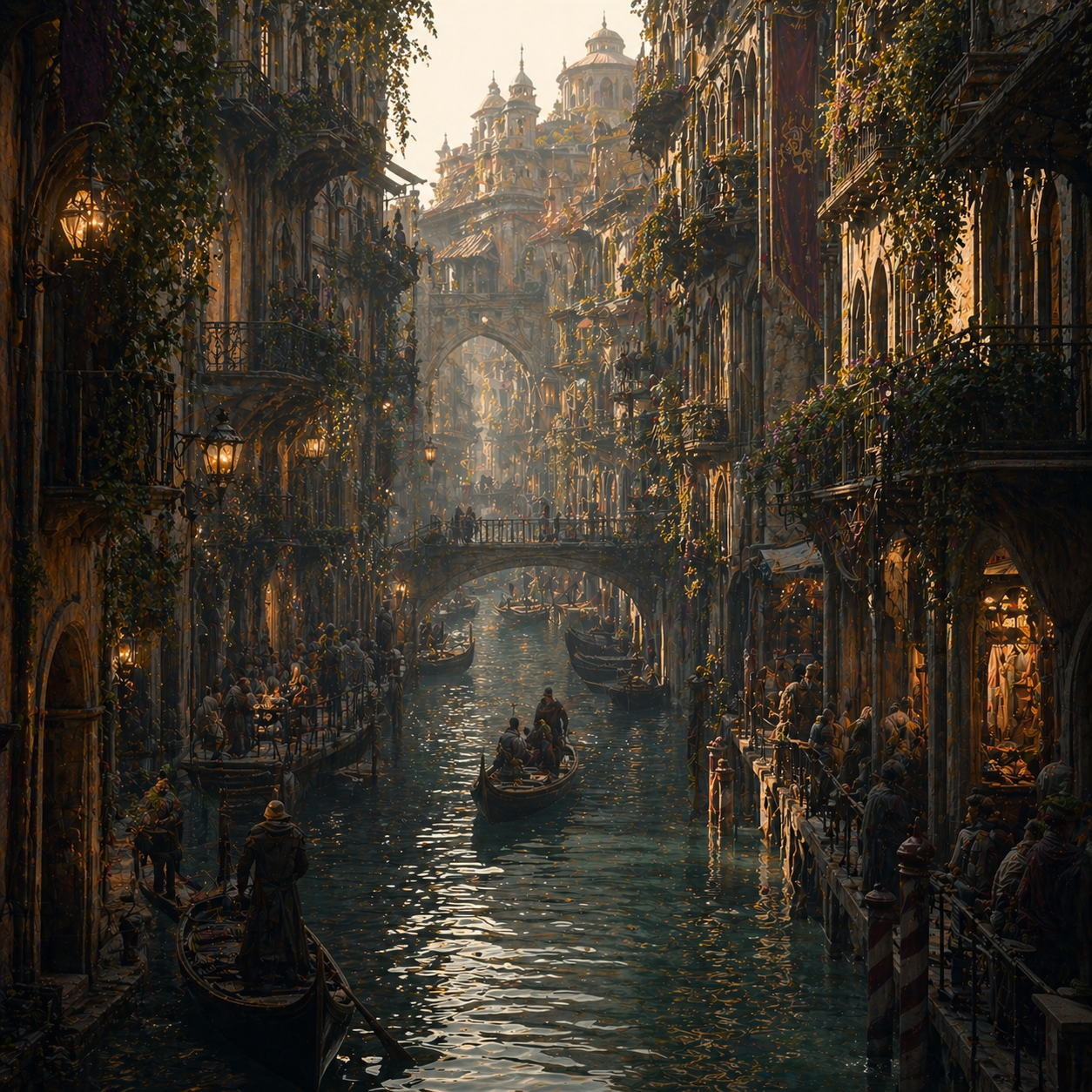
A canal town with narrow waterways and glowing lantern reflections.
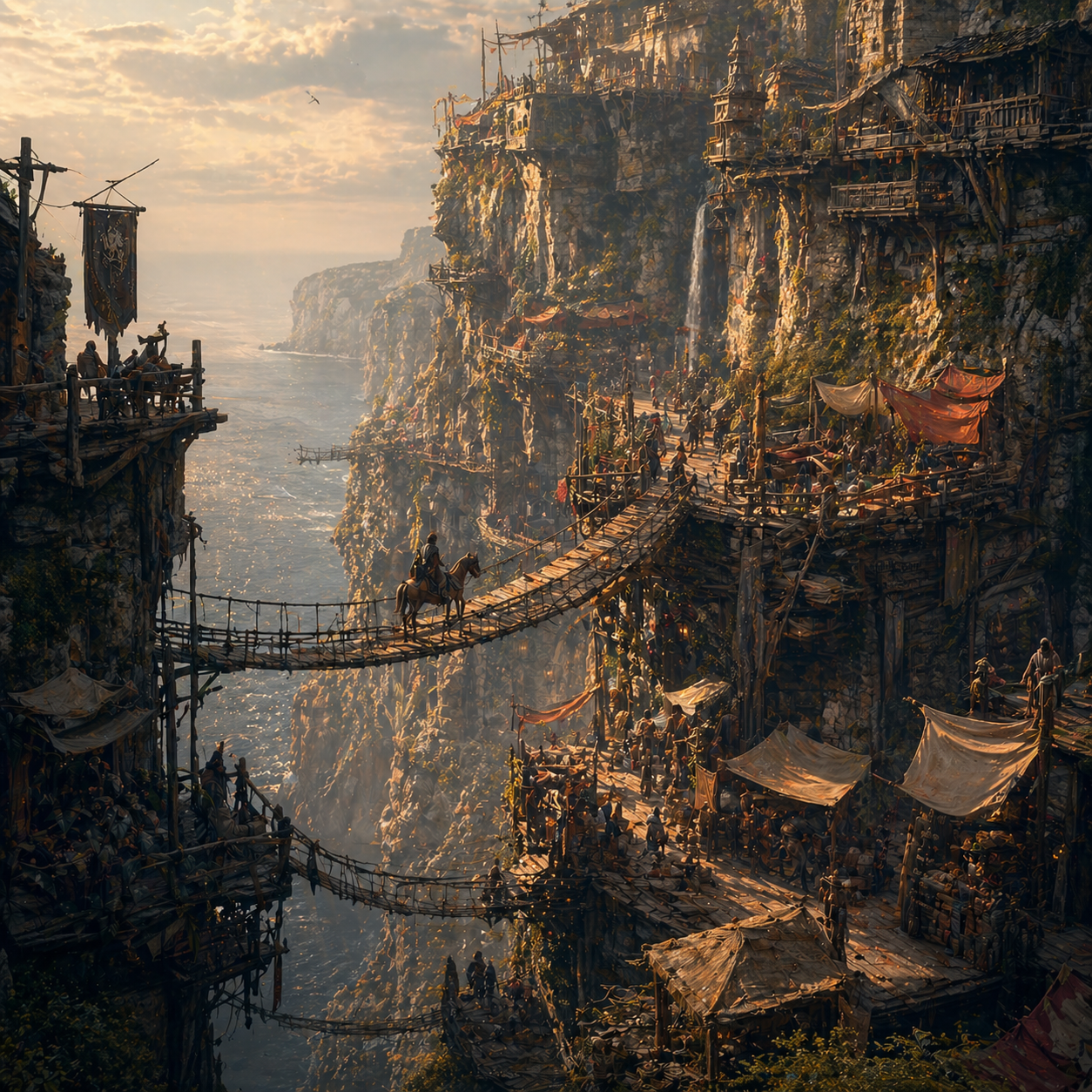
A mountain village carved into cliffs, connected by rope bridges.
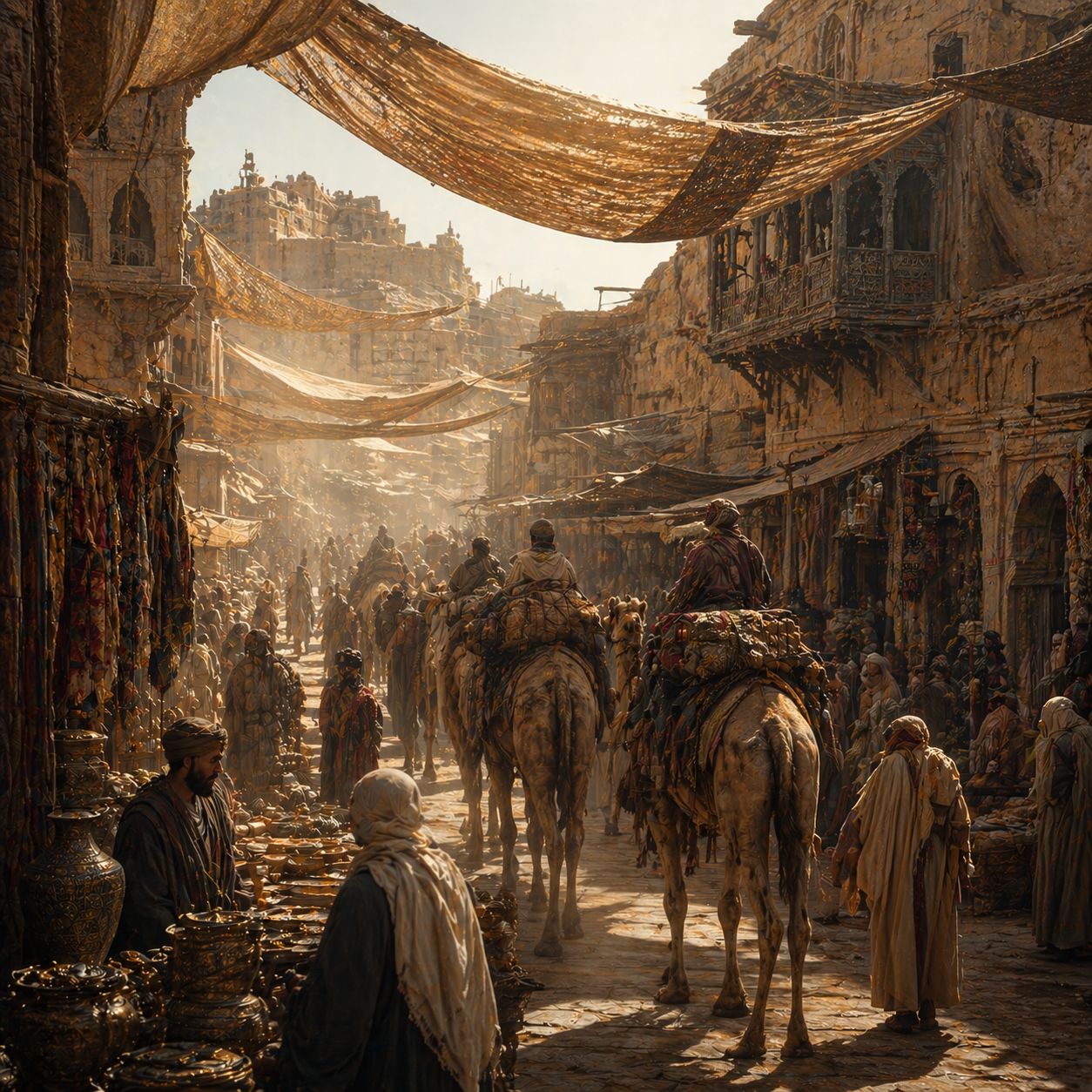
A desert settlement built around a hidden oasis.
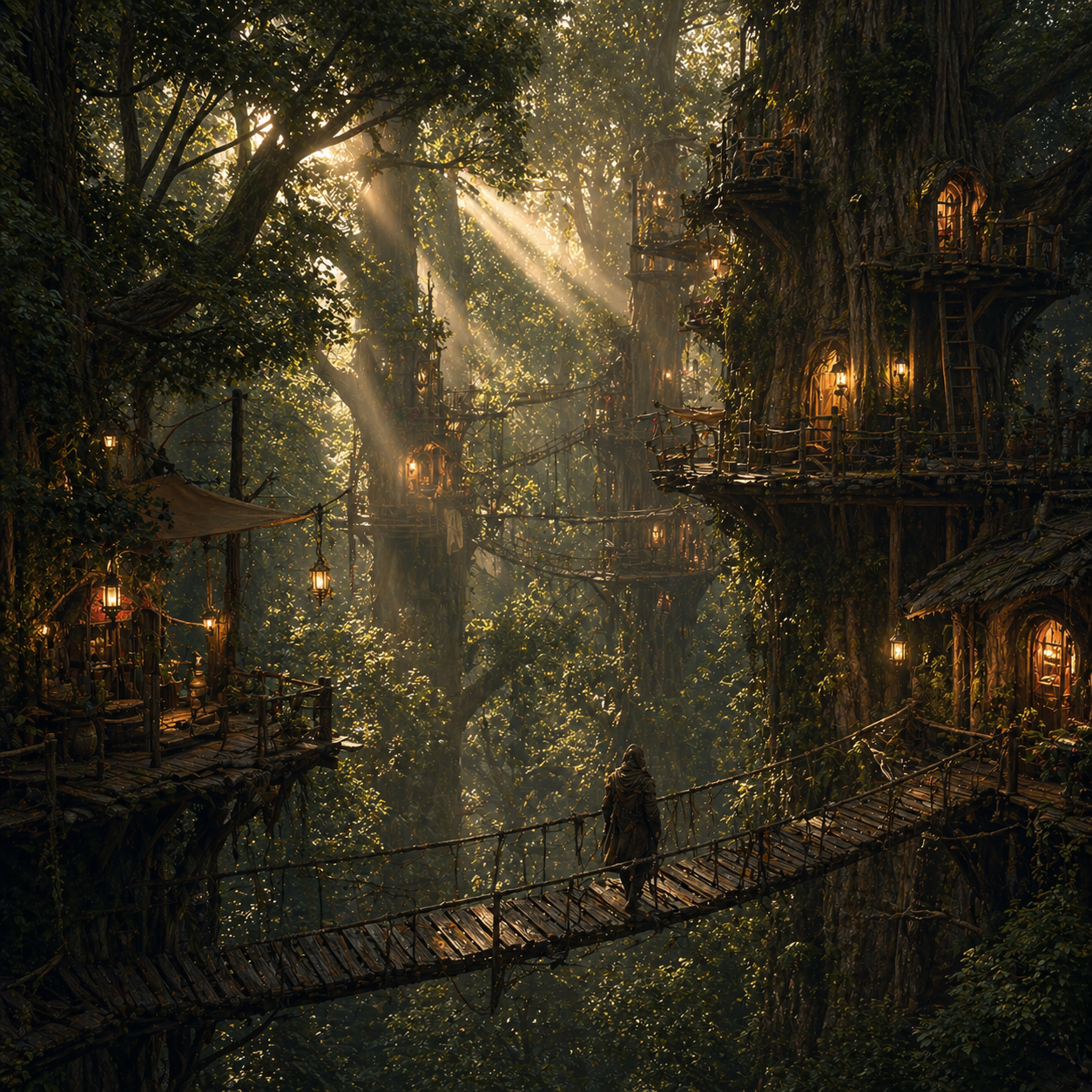
A forest village where houses grow from living trees.
A seaside town where the tide reveals something new each night.
A market town that exists only during certain seasons.
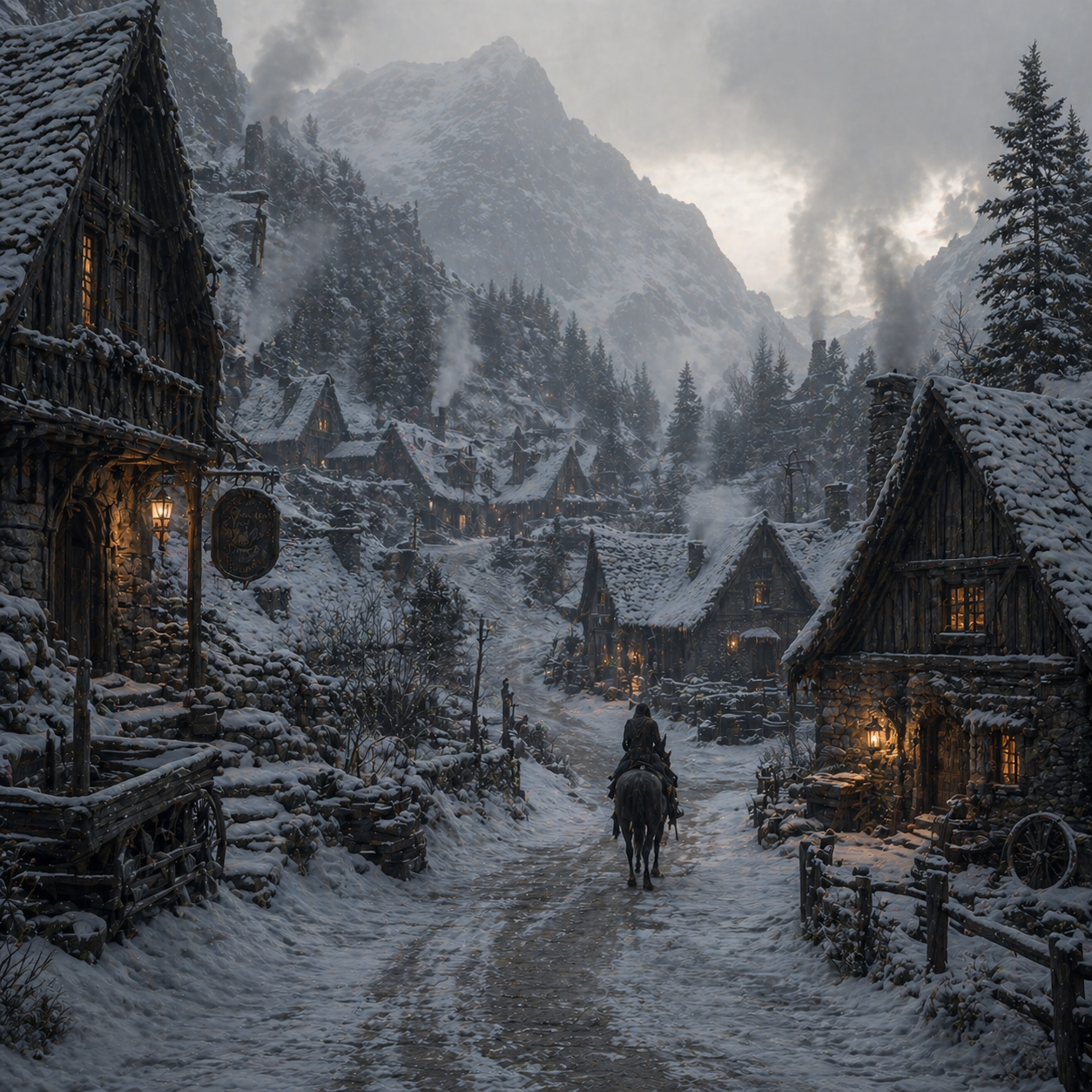
A frozen village locked in perpetual winter.
A hilltop town surrounded by endless mist.
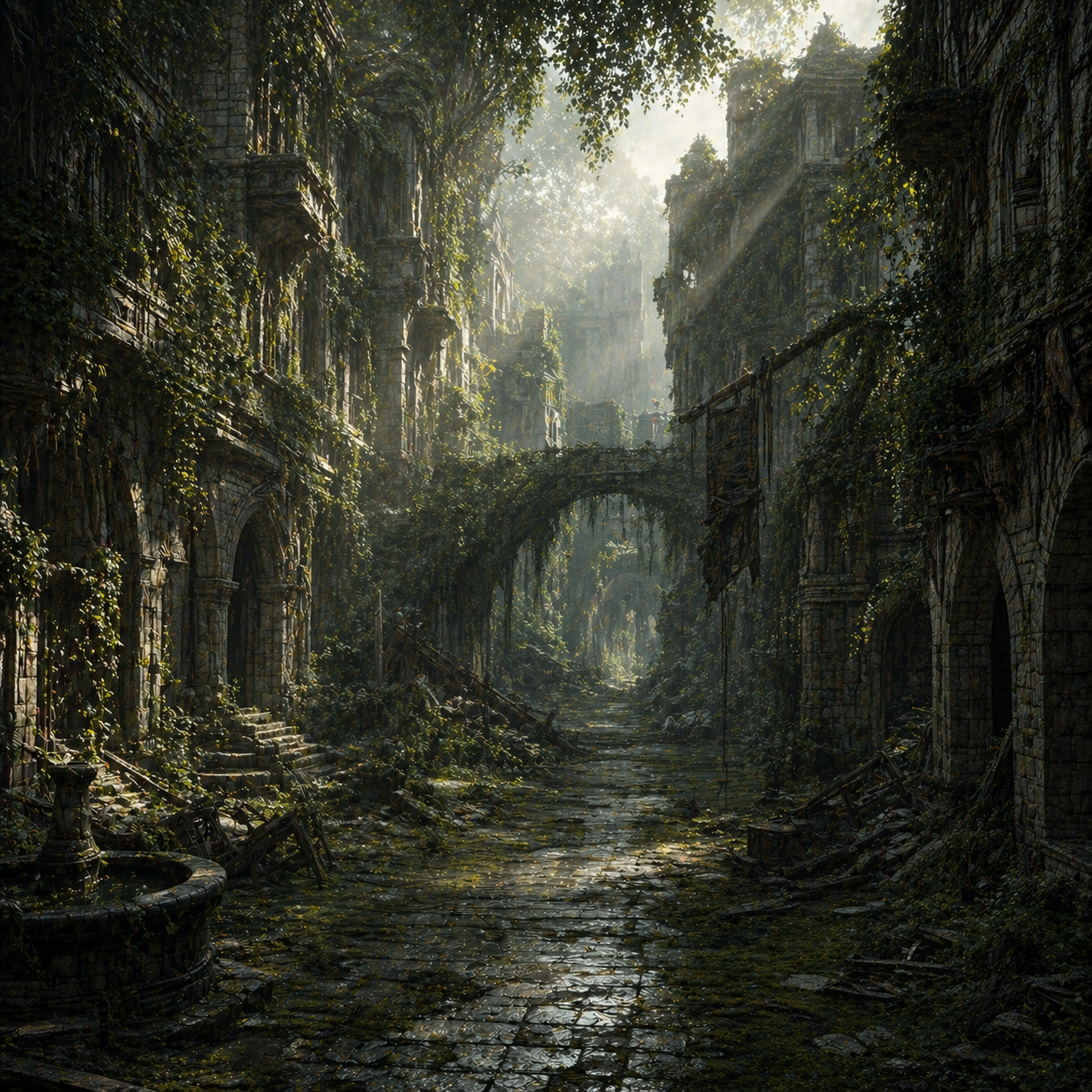
A ruined settlement slowly being reclaimed by nature.
A travelling village that moves from place to place.
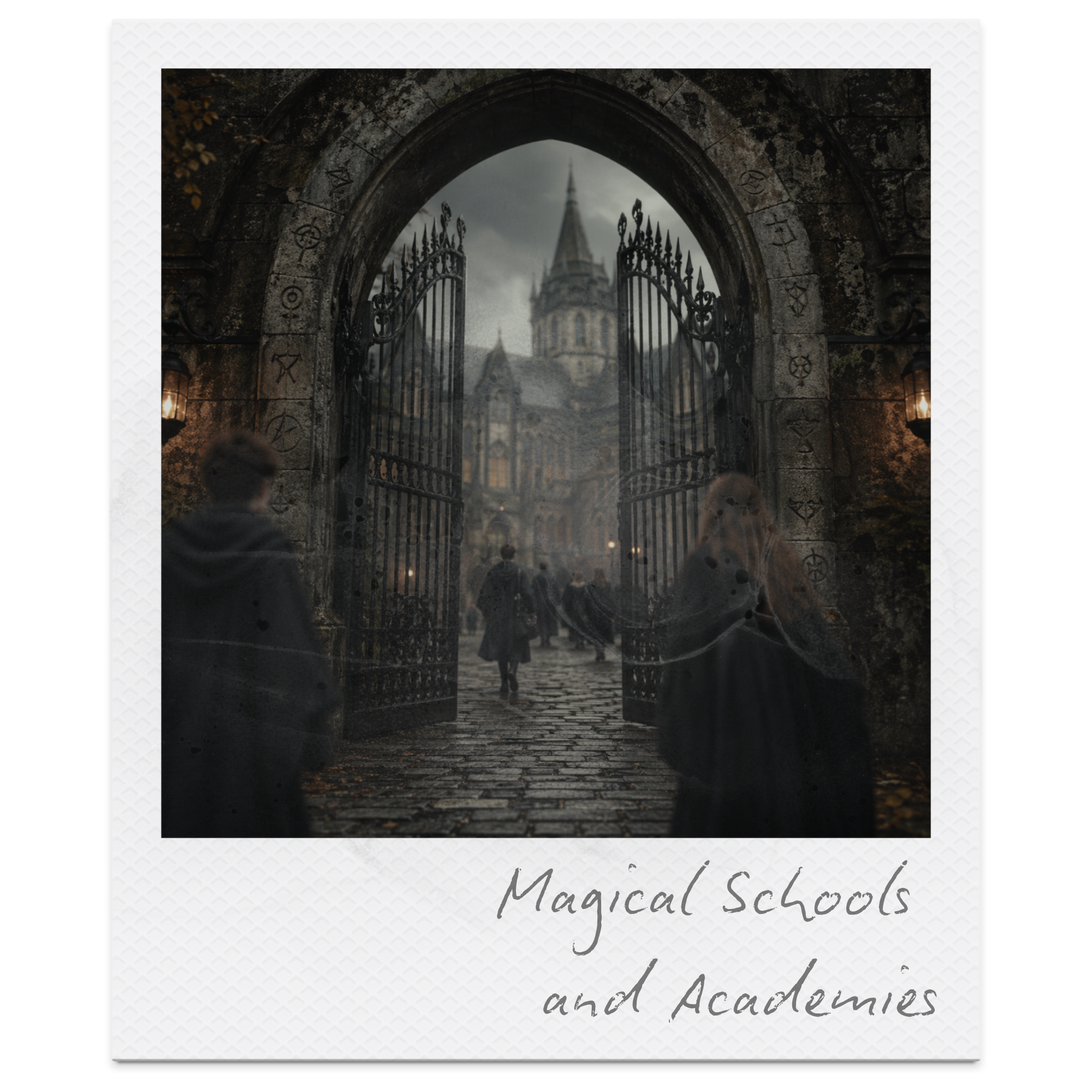
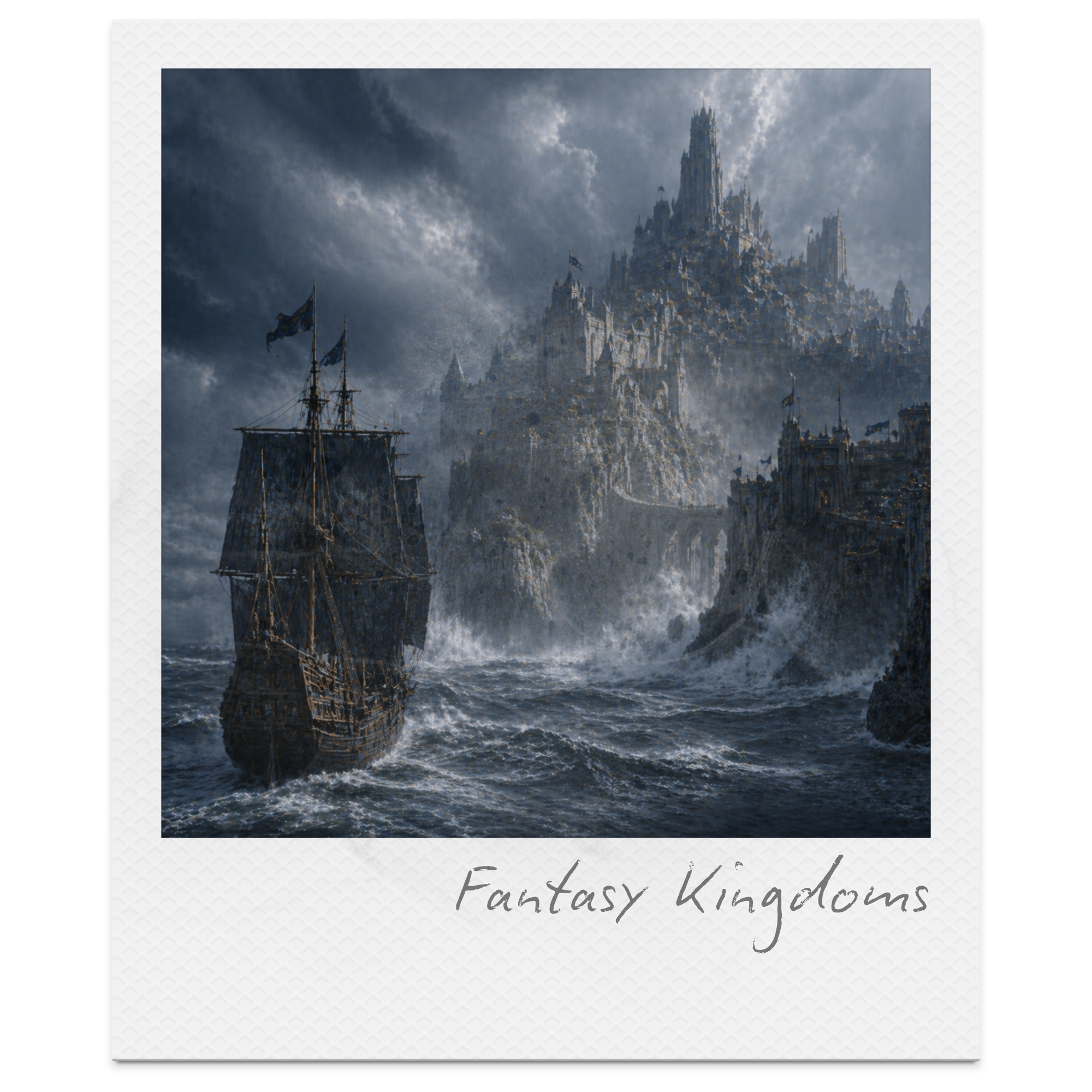
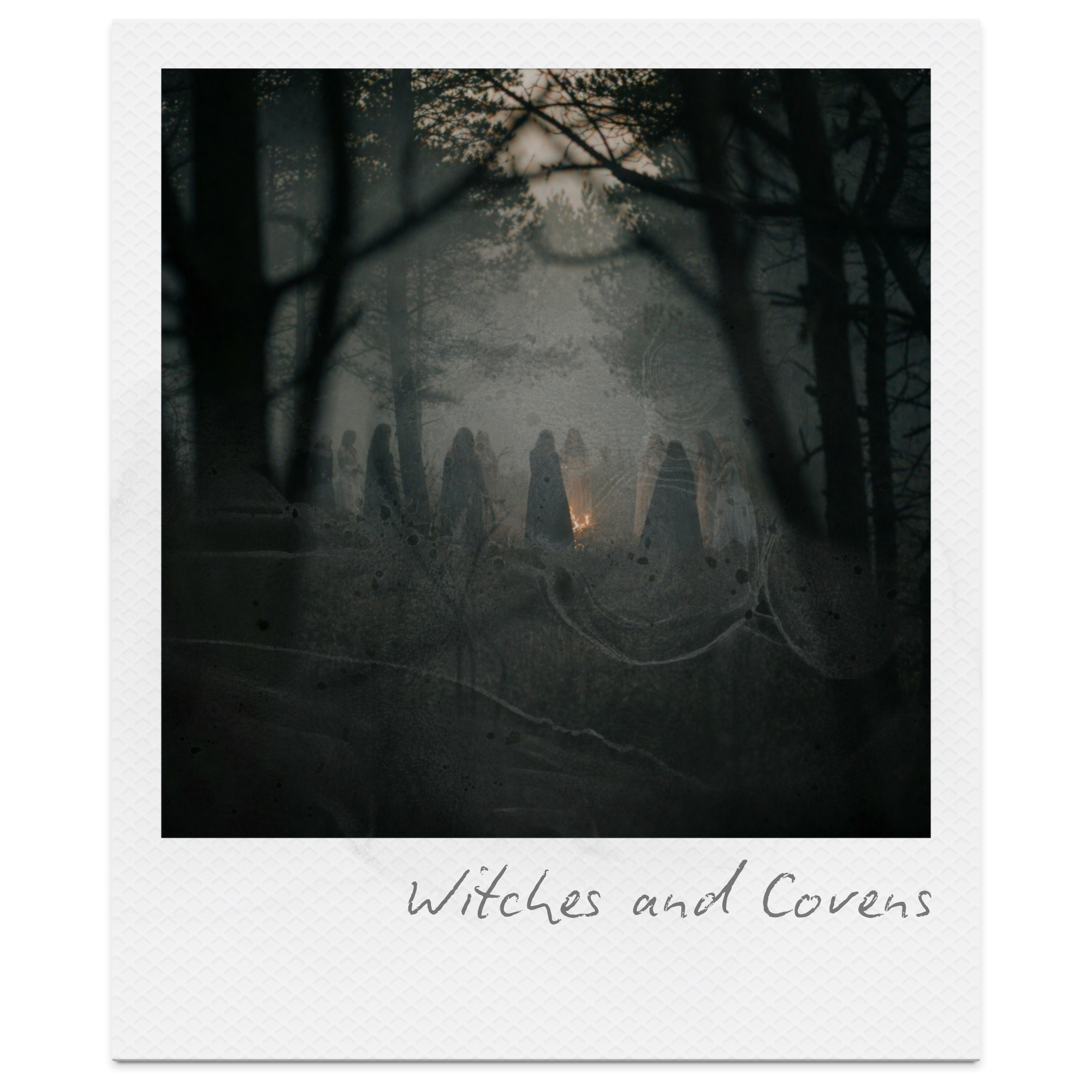
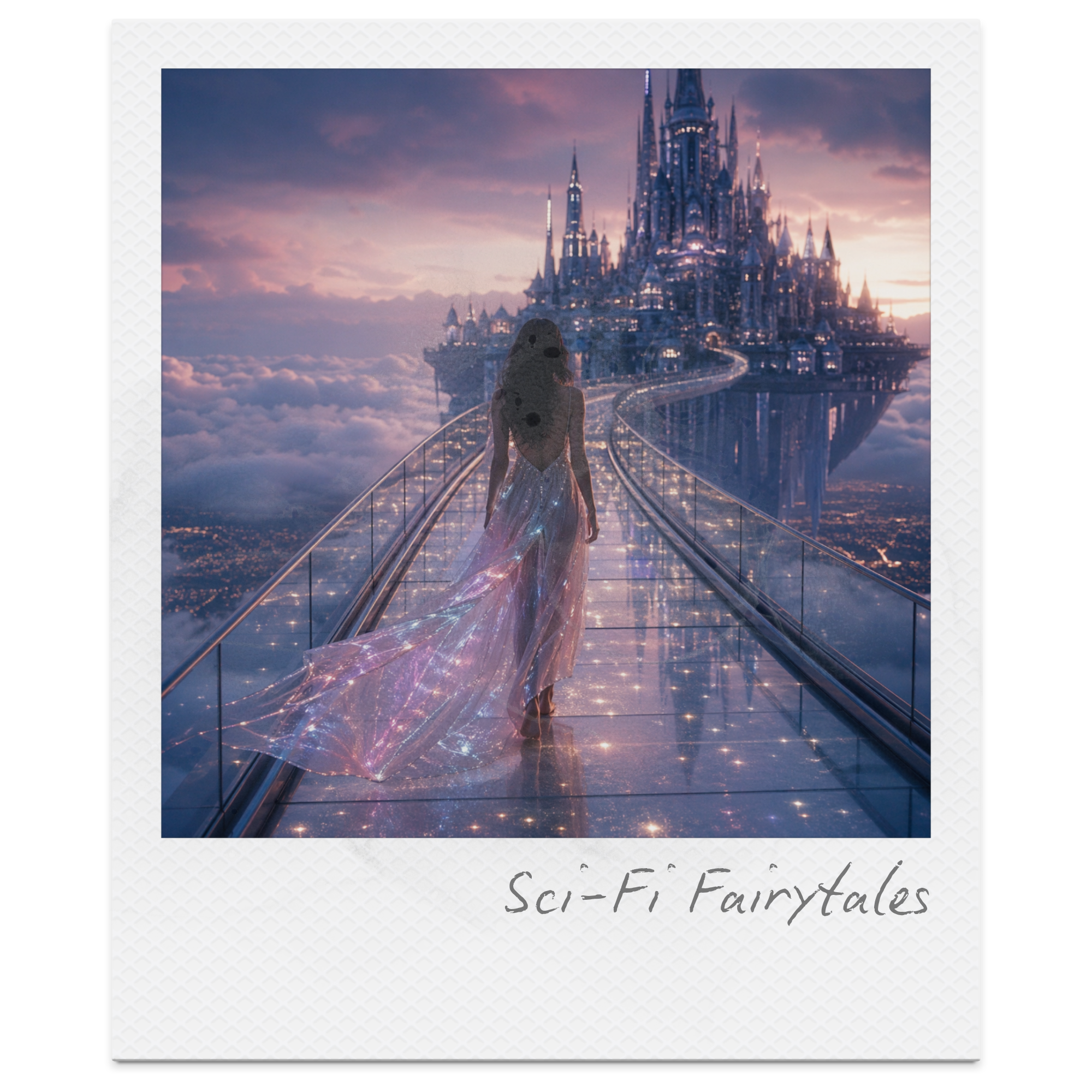
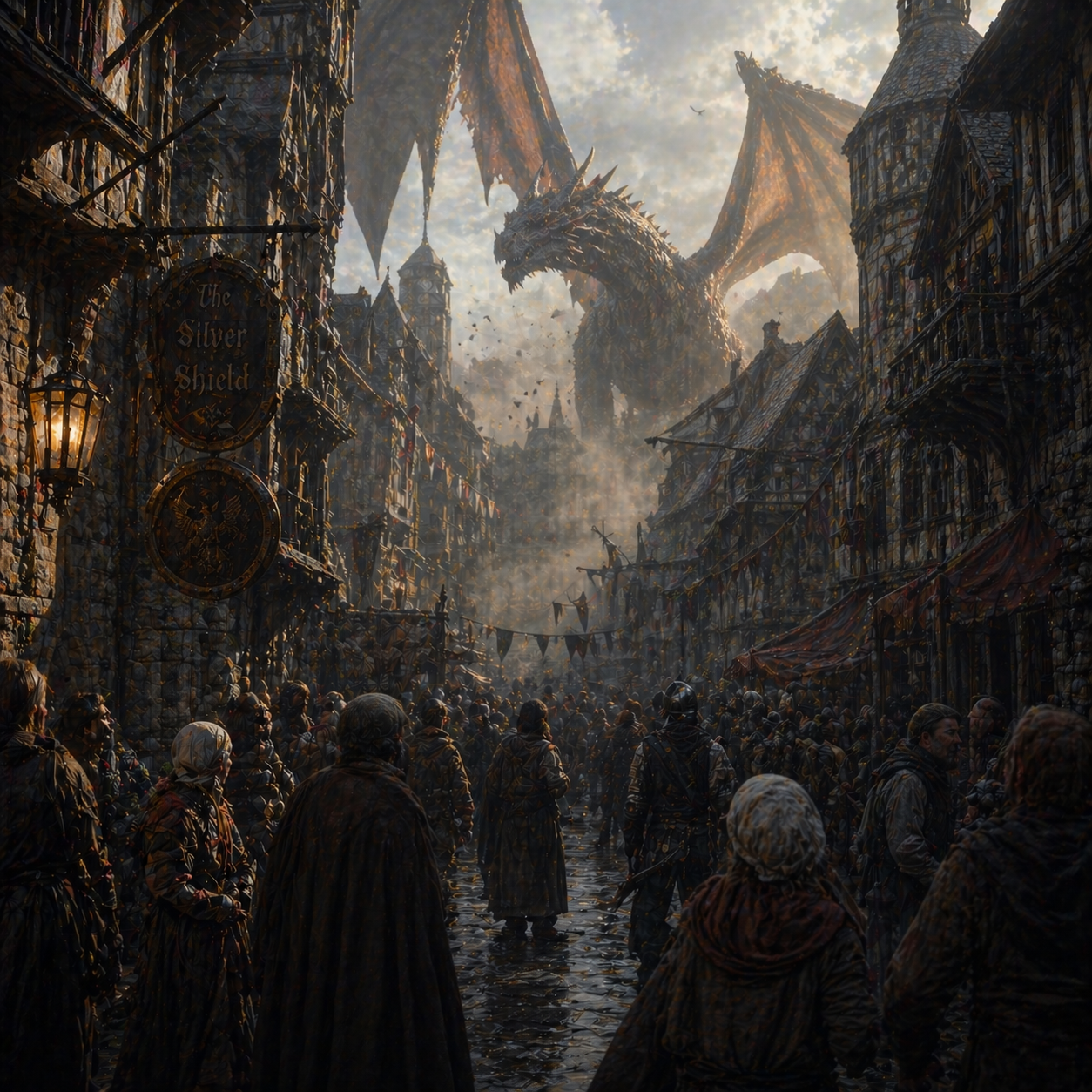
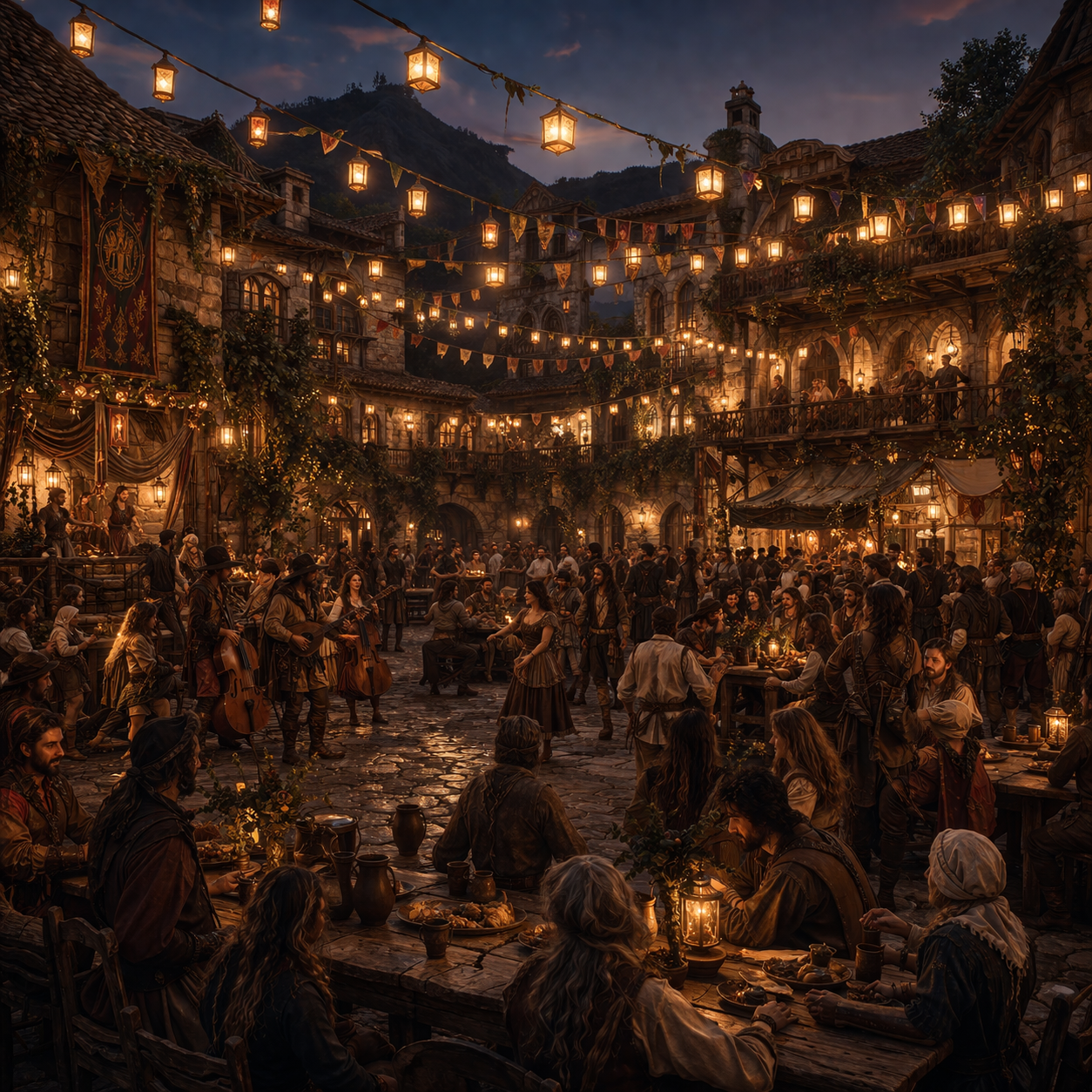
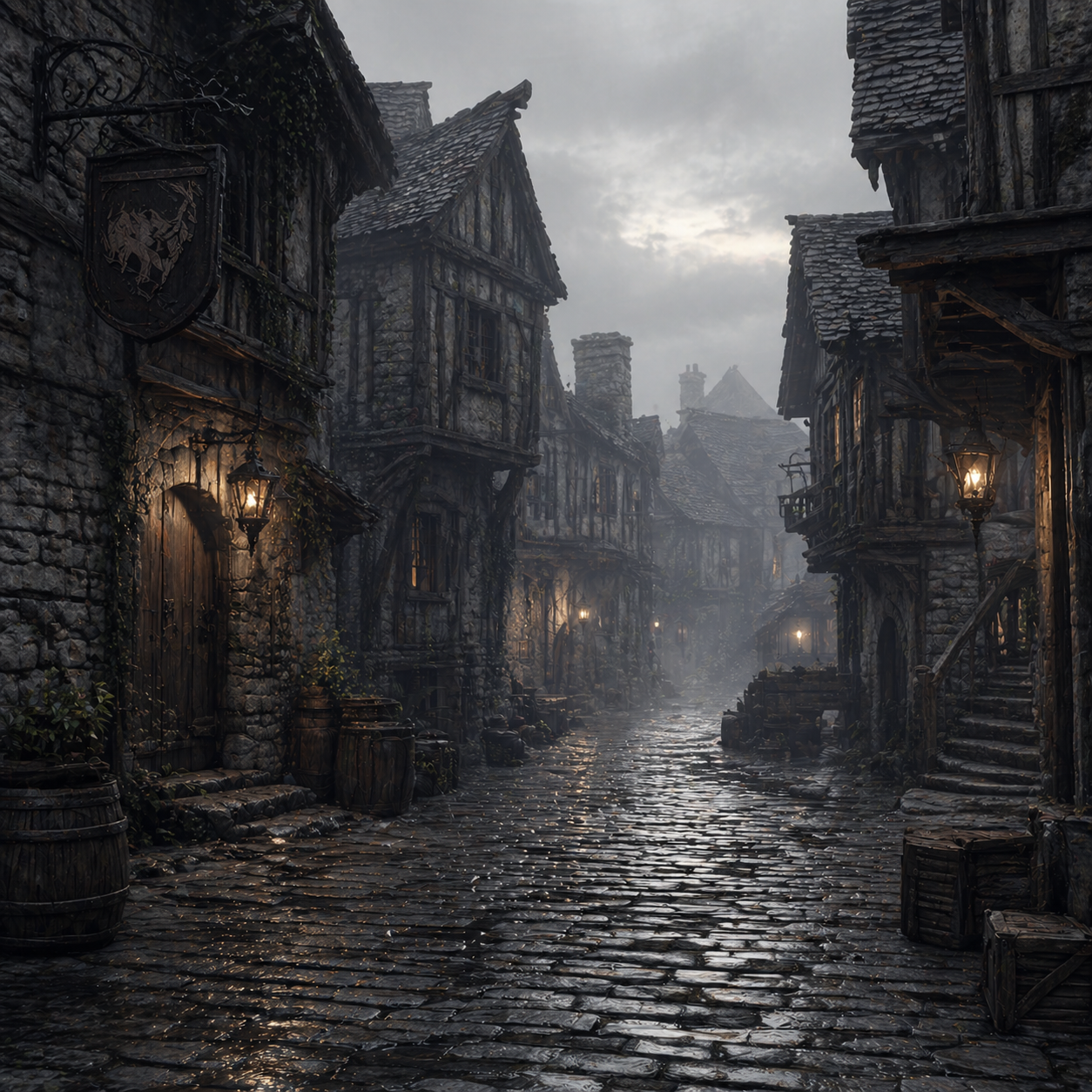
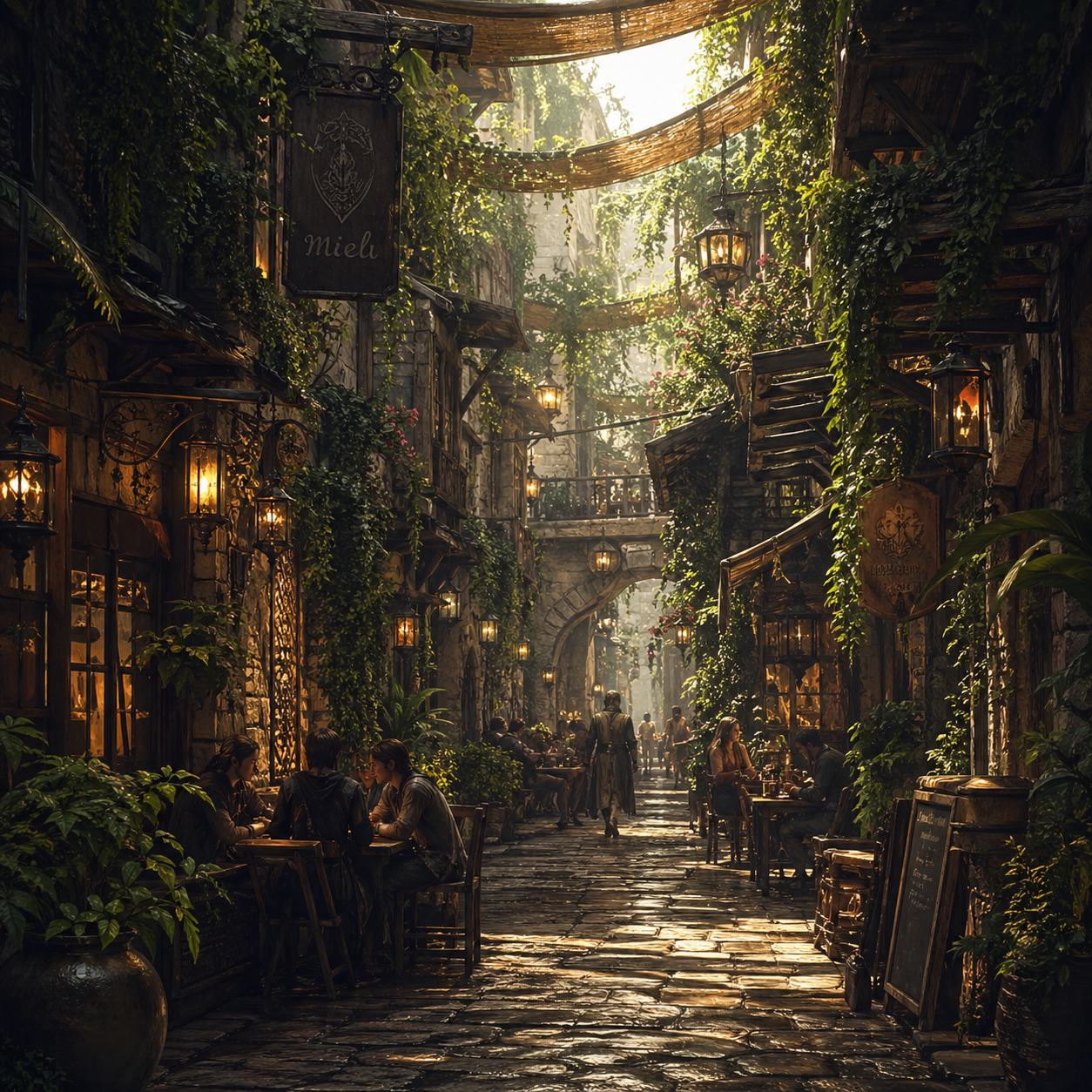
7. Picture Prompts
Visual prompts help build atmosphere, tone, and cinematic inspiration for fantasy towns and villages.
Go Deeper into Fantasy Town & Village Writing
To develop these ideas further, focus on community, tradition, and hidden tension.
◆ Write a scene where a newcomer realises the town is hiding something.
◆ Explore how traditions shape the behaviour of the community.
◆ Focus on the contrast between appearance and reality within the village.
◆ Consider what happens when someone tries to leave—or change—the system.
Final Thoughts
Fantasy towns and villages allow writers to explore storytelling on a more intimate scale—where every interaction matters, and every detail contributes to a larger sense of place. These settings reveal how communities function, how traditions are maintained, and how individuals navigate belonging, identity, and change.
These 70 Fantasy Town & Village Writing Prompts invite writers to create immersive worlds where small places hold big secrets, and where every street, home, and memory carries meaning.
For more fantasy storytelling, explore the Fantasy Writing Hub or browse the Creative Writing Archive, where imagination and world-building continue to expand.
Choose Your Next Adventure