One Art by Elizabeth Bishop: Summary, Themes & Analysis
Elizabeth Bishop’s One Art explores loss, control, and emotional self-discipline through a tightly structured villanelle that presents losing as something that can be learned and mastered. Through repetition, contrast, and a carefully controlled voice, the poem moves from casual, everyday losses to a deeply personal admission, revealing the tension between surface composure and underlying emotional truth. If you are studying or teaching Songs of Ourselves Volume 1 for CIE English World Literature (0408), explore all the poems in depth in our Songs of Ourselves Volume 1 Hub, or a wider range of texts in the Literature Library.
Context of One Art
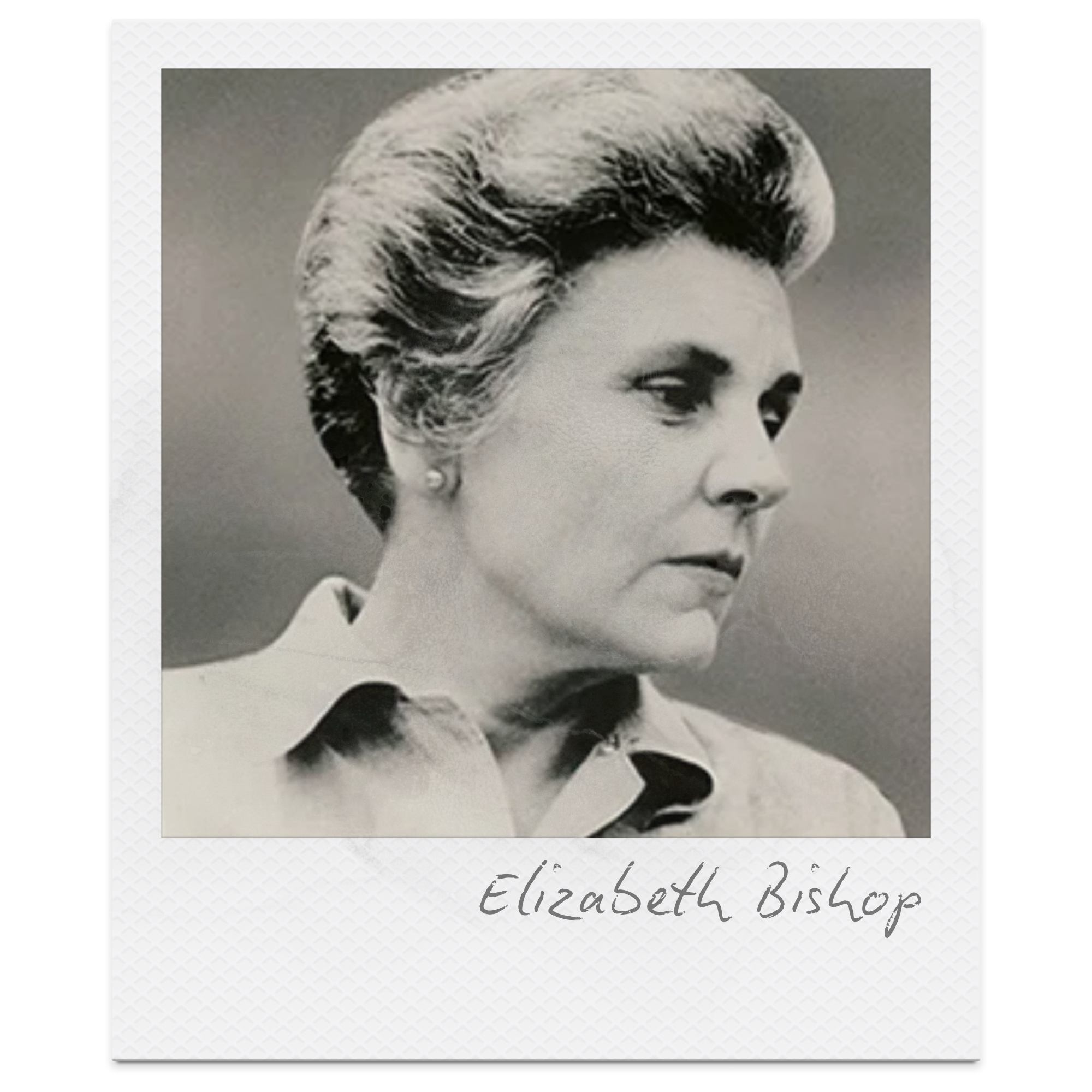
Elizabeth Bishop wrote in the twentieth century, a period where poetry increasingly explored personal experience, emotional restraint, and the tension between control and vulnerability. Bishop is known for her precise, observational style and her tendency to avoid overt emotional expression, instead revealing feeling through structure and careful language. Much of her work reflects experiences of loss, including the death of her parents and later personal relationships, which informs the emotional depth beneath her controlled voice.
One Art reflects this context through its use of the villanelle form, a highly structured poetic pattern that reinforces the idea of control. The poem presents loss as something that can be practised and mastered, but as it progresses, the increasingly personal examples reveal that this control is fragile and performative. The tension between the rigid form and the speaker’s emotional struggle reflects a broader twentieth-century interest in how individuals attempt to impose order on experiences that are inherently uncontrollable.
One Art: At a Glance
Form: Villanelle
Mood: Controlled, ironic, increasingly strained
Central tension: The speaker’s attempt to present loss as manageable versus the emotional reality that it is not
Core themes: Loss, control, emotional restraint, self-deception, acceptance
One-sentence meaning: The poem uses repetition and rigid form to present loss as something that can be mastered, while gradually revealing the emotional difficulty and instability beneath this claim.
Quick Summary of One Art
The poem begins with the speaker confidently claiming that losing is easy to master, encouraging the reader to practise with small, everyday losses such as misplaced keys or wasted time. As the poem develops, the speaker expands this idea, suggesting that even larger losses—such as places, names, and missed opportunities—can be accepted without emotional disruption, reinforcing the illusion that loss can be controlled through practice.
However, the tone begins to shift as the speaker introduces more personal losses, including a watch, houses, and eventually entire cities and landscapes, revealing that the scale of loss is increasing. In the final stanza, the speaker addresses the loss of a loved person, and the controlled voice becomes strained, particularly in the command “(Write it!)”, suggesting difficulty in maintaining composure. The poem ends with a forced assertion that loss is not a “disaster,” exposing the gap between the speaker’s attempt at control and the reality of emotional pain.
Title, Form, Structure, and Metre of One Art
The formal choices in One Art are central to its meaning. Bishop uses a tightly controlled structure to reflect the speaker’s attempt to master loss, while subtle variations reveal the limits of that control.
Title
The title One Art immediately presents loss as a skill that can be learned, suggesting discipline, practice, and control. This framing makes loss seem manageable and almost technical. However, as the poem develops, the idea of “art” becomes more complex, implying both emotional performance and the act of writing itself, especially in the final command “(Write it!)”. The title therefore shifts from confidence to irony, as the supposed “art” of losing proves difficult to sustain.
Form and Structure
The poem is written as a villanelle, consisting of five tercets followed by a final quatrain. This highly structured form relies on repetition and cyclical movement, reflecting the speaker’s attempt to impose order on loss. The repeated line “The art of losing isn’t hard to master” returns throughout the poem, reinforcing the idea of control, while the second refrain built around “disaster” appears in varying forms.
However, Bishop deliberately alters these refrains. For example, the final version becomes “the art of losing’s not too hard to master,” weakening the original certainty. Similarly, variations such as “None of these will bring disaster” and “I miss them, but it wasn’t a disaster” show increasing emotional pressure. These shifts reveal that the speaker’s control is fragile, and that each new loss requires renewed effort to contain.
Structurally, the poem progresses from minor, everyday losses to increasingly significant and personal ones, culminating in the implied loss of a loved person. This escalation creates tension between the repetitive form (suggesting control) and the growing emotional stakes (suggesting instability). The final stanza breaks the pattern most clearly, exposing the limits of the speaker’s composure.
Rhyme Scheme and Poetic Pattern
The poem follows the traditional villanelle rhyme pattern, built around two dominant sounds: “master/disaster” and a secondary rhyme such as “intent,” “spent,” “meant,” “went,” “continent,” and “evident.” This creates a predictable, almost mechanical rhythm that reinforces the idea of practice and repetition.
However, Bishop uses slant rhyme to disrupt this pattern. Words like “fluster” and “gesture” echo the main rhyme without fully matching it, creating slight dissonance. This suggests that while the speaker tries to maintain control, the emotional reality of loss resists perfect order. The final use of “gesture” is particularly significant, as it coincides with the most personal loss, showing the breakdown of the poem’s formal control.
Metre and Rhythmic Movement
The poem is written in loose iambic pentameter, meaning lines generally follow a pattern of unstressed and stressed syllables, but with variation. For example:
the ART | of LOS | ing ISN’T | HARD to | MAS-ter
This line follows the iambic rhythm overall, but ends with an extra unstressed syllable (“master”), creating a feminine ending. This slightly unsettles the rhythm, softening the assertion and hinting at underlying instability.
Similarly, a more regular line such as:
so MAN | y THINGS | seem FILLED | with THE | inTENT
demonstrates the expected alternating stress pattern, reinforcing the poem’s sense of control.
However, this rhythm is not consistent throughout. Lines such as:
some REALMS | I OWNED, | two RI | vers, A | CON-ti-nent
contain irregular stress patterns, disrupting the smooth flow. These variations make the voice feel more natural and conversational, but also reflect the speaker’s struggle to maintain composure as the emotional intensity increases.
Overall, the combination of controlled form and subtle disruption mirrors the poem’s central tension: the attempt to master loss through structure, and the gradual exposure of how difficult that mastery truly is.
The Speaker in One Art
The speaker presents herself as someone attempting to maintain control and emotional composure in the face of loss, using a confident, almost instructional tone to suggest that losing is something that can be learned and mastered. The repeated assertions and direct commands, such as “Lose something every day”, position the speaker as authoritative, as though she is teaching both herself and the reader how to respond to loss.
However, this voice becomes increasingly strained and self-conscious as the poem progresses. The shift from impersonal examples to deeply personal losses, and especially the interruption “(Write it!)”, reveal cracks in the speaker’s control, suggesting that the calm tone is partly performative. This creates a subtle sense of irony, as the reader recognises that while the speaker insists on mastery, her emotional struggle is still present beneath the surface.
Stanza-by-Stanza Analysis of One Art
This close reading explores how Bishop uses repetition, structure, and shifts in tone to develop the poem’s central idea. Each stanza builds on the previous one, moving from casual, everyday loss to something far more personal and emotionally complex, revealing the tension between control and the reality of loss.
Stanza 1: Establishing Control Through Assertion
The opening stanza introduces the central idea that loss can be controlled and mastered, immediately establishing a tone of confidence. The declarative statement “The art of losing isn’t hard to master” presents loss as something almost technical and learnable, while the phrase “filled with the intent / to be lost” suggests that loss is natural and inevitable.
The repetition of “loss” and the concluding phrase “no disaster” minimise its emotional impact, framing it as insignificant. This creates a sense of detachment, as the speaker attempts to reduce loss to something ordinary. However, the confident tone also introduces irony, as the reader may question whether such certainty can be sustained, setting up the tension that develops throughout the poem.
Stanza 2: Practising Loss as Discipline
The speaker shifts into an instructional tone, using imperatives such as “Lose something every day” and “Accept the fluster” to present loss as something that can be practised and controlled. The everyday examples of “lost door keys” and “the hour badly spent” keep the focus on minor, manageable losses, reinforcing the idea that loss is part of ordinary life.
However, the word “fluster” subtly acknowledges an emotional response, hinting that loss is not entirely effortless to accept. The return of the refrain “The art of losing isn’t hard to master” attempts to reassert control, but the need to repeat it suggests that this confidence must be continually reinforced, introducing a slight tension beneath the surface composure.
Stanza 3: Expanding Loss and Increasing Distance
The speaker intensifies the idea of loss through the comparative structure “farther, losing faster,” suggesting a deliberate escalation from small, everyday mistakes to more significant and abstract losses. The list “places, and names, and where it was you meant / to travel” broadens the scope, moving from physical objects to memory, identity, and intention, which are far harder to control or recover.
This widening of scale subtly undermines the earlier confidence, as these losses carry greater emotional weight. However, the concluding line “None of these will bring disaster” attempts to maintain the original assertion, reinforcing the speaker’s claim of control. The repetition of this idea, despite the increasing seriousness of the losses, highlights the tension between what the speaker insists and what the reader begins to recognise as emotionally unsustainable.
Stanza 4: Personal Loss and Emerging Strain
The tone shifts as the speaker moves from abstract examples to specific, personal losses, beginning with “my mother’s watch,” which carries emotional significance through its connection to family and memory. This marks a transition from controlled practice to genuine experience, suggesting that loss is no longer theoretical.
The phrase “And look!” introduces a slightly forced, performative tone, as if the speaker is trying to maintain composure while presenting increasingly meaningful losses. The mention of “three loved houses” expands this further, implying repeated disruption and instability, while the hesitant phrasing “last, or / next-to-last” reveals uncertainty and lack of control.
The return of the refrain “The art of losing isn’t hard to master” feels less convincing here, as it follows clearly significant losses. This repetition now reads as an attempt to reassert control, exposing the growing tension between the speaker’s claims and her emotional reality.
Stanza 5: Hyperbolic Loss and Emotional Leakage
The scale of loss expands dramatically, moving into hyperbole with “two cities… some realms… two rivers, a continent,” suggesting losses that are vast, symbolic, and emotionally significant. This exaggeration reflects how loss can feel overwhelming, even if the speaker continues to frame it as manageable.
For the first time, the speaker openly admits feeling with “I miss them,” breaking the earlier tone of detachment. This brief moment of honesty reveals that the losses do have emotional impact, undermining the repeated claim of control. The phrase “but it wasn’t a disaster” attempts to contain this admission, but now reads as defensive, suggesting that the speaker is struggling to maintain the idea that loss can be mastered.
Stanza 6: Breakdown of Control and Emotional Truth
The final stanza reveals the limits of the speaker’s control as the loss becomes explicitly personal and intimate. The interruption “—Even losing you” signals a shift from generalised examples to a specific, emotionally significant relationship, while the details “the joking voice, a gesture / I love” emphasise the depth of attachment and what is truly at stake.
The voice becomes visibly strained, particularly in the insistence “I shan’t have lied”, which suggests the speaker is trying to convince herself as much as the reader. The altered refrain “not too hard to master” weakens the earlier certainty, revealing a loss of confidence. Most strikingly, the command “(Write it!)” exposes the effort required to maintain composure, as if the speaker must force herself to articulate the truth.
The final line “like disaster” directly contradicts the repeated claim that loss is not a disaster, completing the poem’s movement from control to emotional exposure. This ending reveals the central irony of the poem: despite the speaker’s insistence, loss cannot be fully mastered, and the attempt to do so ultimately breaks down.
Key Quotes and Methods in One Art
These quotations show how Bishop uses repetition, form, and shifts in tone to present loss as something that appears controlled, while gradually revealing its emotional impact.
“The art of losing isn’t hard to master”
◆ Technique: Refrain / repetition
◆ Meaning: Loss is presented as something learnable and manageable
◆ Purpose: To create a tone of confidence and control
◆ Impact: Becomes increasingly ironic as the poem progresses and this claim weakens
“to be lost that their loss is no disaster”
◆ Technique: Diction / minimising language
◆ Meaning: Loss is framed as insignificant and expected
◆ Purpose: To reduce the emotional weight of losing
◆ Impact: Encourages the reader to question whether this detachment is genuine
“Lose something every day. Accept the fluster”
◆ Technique: Imperative / instructional tone
◆ Meaning: Loss is treated as something that can be practised
◆ Purpose: To position the speaker as authoritative and in control
◆ Impact: Suggests deliberate self-training, but also hints at underlying anxiety
“places, and names, and where it was you meant / to travel”
◆ Technique: Listing
◆ Meaning: Expands loss beyond objects to memory and identity
◆ Purpose: To show the increasing scale and significance of loss
◆ Impact: Undermines the earlier idea that all loss is trivial
“I lost my mother’s watch”
◆ Technique: Personal detail / symbolism
◆ Meaning: Introduces emotional and familial significance
◆ Purpose: To shift from abstract examples to lived experience
◆ Impact: Signals a turning point where loss becomes more meaningful
“my last, or / next-to-last, of three loved houses went”
◆ Technique: Hesitation / broken phrasing
◆ Meaning: Suggests uncertainty and instability
◆ Purpose: To reveal cracks in the speaker’s control
◆ Impact: Highlights the difficulty of maintaining composure
“I miss them, but it wasn’t a disaster”
◆ Technique: Contrast / qualification
◆ Meaning: Acknowledges emotional response while denying its significance
◆ Purpose: To maintain the central claim of control
◆ Impact: Sounds defensive, exposing the tension between feeling and assertion
“—Even losing you (the joking voice, a gesture / I love)”
◆ Technique: Direct address / personalisation
◆ Meaning: Introduces the most significant and intimate loss
◆ Purpose: To bring emotional truth to the surface
◆ Impact: Breaks the earlier detachment, making the loss undeniable
“I shan’t have lied. It’s evident”
◆ Technique: Assertion / self-justification
◆ Meaning: The speaker insists on the truth of her claim
◆ Purpose: To reinforce control
◆ Impact: Suggests insecurity, as the speaker appears to be convincing herself
“the art of losing’s not too hard to master”
◆ Technique: Variation of refrain
◆ Meaning: Weakens the original confident statement
◆ Purpose: To show a shift in certainty
◆ Impact: Reveals the erosion of control
“though it may look like (Write it!) like disaster”
◆ Technique: Parenthesis / meta-poetic command
◆ Meaning: The speaker forces herself to acknowledge the truth
◆ Purpose: To expose the act of writing as a way of coping
◆ Impact: Creates a moment of emotional rupture, revealing that loss does, in fact, feel like disaster
Key Techniques in One Art
Bishop uses a combination of form, repetition, and subtle shifts in language to create a tension between control and emotional reality, showing how the speaker attempts to manage loss while gradually revealing its true impact.
◆ Aphorism (Central Statement) – The repeated line “The art of losing isn’t hard to master” functions as a generalised statement about life, presenting loss as something simple and manageable. Its confident tone gives the speaker authority, but as the poem progresses, it becomes increasingly unconvincing, revealing that this “truth” is an oversimplification the speaker is trying to maintain.
◆ Refrain and Repetition – The villanelle structure relies on repeating key lines and phrases, particularly the refrain about mastering loss. This repetition reinforces the idea of practice and control, but also suggests that the speaker must continually reassure herself, highlighting underlying instability.
◆ Variation of Refrains – Small changes to repeated lines, such as “not too hard to master”, weaken the original certainty. These subtle shifts expose the speaker’s loss of control, showing that the attempt to master loss is breaking down.
◆ Irony – The central claim that loss is not a “disaster” becomes increasingly ironic as the poem moves from trivial losses to deeply personal and emotional ones. The contrast between what the speaker says and what the poem reveals creates tension, encouraging the reader to question the speaker’s reliability.
◆ Listing (Accumulation) – The speaker uses lists such as “places, and names, and where it was you meant / to travel” to build the scale of loss. This accumulation shows how loss expands from small objects to identity, memory, and relationships, undermining the idea that it can be easily controlled.
◆ Enjambment – Lines frequently run over into the next, creating a sense of continuity and forward movement. This reflects the ongoing nature of loss, suggesting it cannot be neatly contained despite the speaker’s attempts to control it.
◆ End-Stopping – Many lines end with punctuation, creating moments of assertion and control. This contrasts with enjambment, reinforcing the tension between order and emotional pressure.
◆ Asyndeton – The omission of conjunctions in lists creates a sense of speed and accumulation, particularly as losses increase. This makes the progression feel more overwhelming, reflecting how loss builds over time.
◆ Alliteration and Sound Patterns – Subtle sound repetition, such as “losing… learn… leisure” and “master… disaster”, creates cohesion and reinforces key ideas. The repeated sounds contribute to the poem’s controlled, almost musical quality, mirroring the structured form.
◆ Slant Rhyme – Words like “fluster” and “gesture” echo the main rhyme without fully matching it. This imperfect rhyme reflects the speaker’s imperfect control, suggesting that the attempt to impose order on loss is incomplete.
◆ Caesura (Pauses and Breaks) – Punctuation, particularly commas and interruptions like “—Even losing you”, creates pauses that disrupt the flow. These moments signal shifts in tone and reveal the speaker’s emotional hesitation.
◆ Parenthesis (Meta-poetic moment) – The command “(Write it!)” draws attention to the act of writing itself, exposing the effort required to articulate loss. This moment reveals that the poem is not just about loss, but about using language and form to cope with it.
◆ Juxtaposition – The contrast between minor losses (keys, time) and major losses (homes, cities, a loved person) highlights the increasing emotional stakes. This contrast undermines the idea that all loss can be treated equally.
Together, these techniques show how Bishop uses structure and language to create the illusion of control, while gradually revealing that loss is far more complex and emotionally resistant than the speaker claims.
How the Writer Creates Meaning and Impact in One Art
Bishop creates meaning through the interaction of form, repetition, and shifting tone, using a controlled poetic structure to present loss as manageable while gradually revealing its emotional difficulty and instability.
◆ Language (diction and imagery) – The poem uses deliberately simple, conversational language such as “lose something every day” and “no disaster”, which initially makes loss seem ordinary and controllable. However, as the poem progresses, more personal and emotionally charged details—such as “my mother’s watch” and “the joking voice, a gesture / I love”—introduce deeper significance. This shift in diction exposes the gap between the speaker’s calm tone and the reality of emotional attachment.
◆ Symbolism – Loss moves from physical objects to symbolic representations of identity, memory, and belonging, such as places, cities, and even a continent. This progression suggests that loss is not just about objects, but about the erosion of self and experience, making it increasingly difficult to control or dismiss.
◆ Structure (villanelle form and progression) – The rigid villanelle structure creates a sense of order and repetition, mirroring the speaker’s attempt to impose control over loss. However, the poem’s progression from minor to major losses disrupts this sense of control. By the final stanza, the structure can no longer fully contain the speaker’s emotional reality, revealing the tension between formal control and lived experience.
◆ Repetition and variation – The repeated refrain reinforces the idea that loss can be mastered, but its slight variations reveal the speaker’s wavering confidence. This shows how repetition functions not just as structure, but as a way of convincing oneself, highlighting the performative nature of the speaker’s composure.
◆ Voice and tone – The speaker adopts a confident, instructional voice, positioning herself as someone who understands and can manage loss. However, this tone becomes increasingly strained, particularly in moments of hesitation and interruption, such as “(Write it!)”, which reveal emotional pressure beneath the surface. This creates irony, as the reader recognises that the speaker’s control is fragile.
◆ Sound and rhythm – The regular rhyme and rhythm create a sense of predictability and control, reinforcing the idea of mastery. However, the use of slant rhyme and subtle rhythmic variations disrupts this pattern, suggesting that emotional experience cannot be perfectly ordered. This balance between control and disruption mirrors the poem’s central tension.
Through this combination of method → purpose → impact, Bishop shows that while loss may appear manageable when framed as a pattern or practice, it ultimately resists control, revealing the limits of emotional discipline and the persistence of grief.
Themes in One Art
Bishop explores how individuals respond to loss, using structure and voice to reveal the tension between control, emotional restraint, and the reality of grief.
Loss as Practice vs Emotional Reality
The poem presents loss as something that can be learned and mastered, reinforced through the repeated assertion that it is “not hard to master.” Early examples of minor losses support this idea, suggesting that loss can be controlled through repetition and acceptance. However, as the scale of loss increases, this claim becomes increasingly difficult to sustain, revealing that emotional experience cannot be reduced to a simple skill. The contrast between assertion and reality exposes the limitations of this idea.
Control and Self-Discipline
A central theme is the speaker’s attempt to impose control over loss. The structured villanelle form reflects discipline and order, mirroring the speaker’s effort to regulate emotional response. Commands such as “Lose something every day” reinforce this idea of deliberate practice. However, the gradual breakdown of certainty, particularly in the altered refrain, suggests that this control is fragile and constructed, rather than genuine.
Emotional Restraint and Suppression
The speaker consistently downplays loss through phrases like “no disaster”, maintaining a calm and composed tone. This restraint reflects an attempt to suppress emotional response, presenting loss as manageable. Yet moments such as “I miss them” and the final admission of loss reveal that emotion cannot be fully contained, suggesting that suppression only delays or disguises the impact of grief.
Escalation of Loss
The poem is structured around the gradual escalation from trivial losses to deeply personal and significant ones, including the loss of a loved person. This progression highlights how loss becomes more complex and difficult to control as its emotional stakes increase. The movement from objects to relationships emphasises that not all losses are equal, challenging the speaker’s initial claim.
Appearance vs Reality
The speaker presents loss as controlled and manageable, but the poem reveals a gap between appearance and emotional truth. The confident tone contrasts with moments of hesitation and contradiction, creating irony. This tension suggests that while individuals may attempt to present themselves as composed, their internal experience may be far more unstable and conflicted.
The Limits of Language and Control
The poem suggests that language itself is used as a tool to manage experience, particularly in the repeated refrains. However, the moment “(Write it!)” reveals the effort required to articulate loss, suggesting that language cannot fully contain or resolve emotional experience. This highlights the limits of both expression and control, reinforcing the idea that loss ultimately resists mastery.
Alternative Interpretations of One Art
Bishop’s poem allows for multiple readings, as its controlled form and shifting tone create tension between confidence and emotional vulnerability.
Psychological Interpretation: Self-persuasion and emotional defence
From a psychological perspective, the repeated claim that loss is easy to master can be read as a form of self-persuasion. The speaker’s confident, instructional tone suggests an attempt to manage anxiety by turning loss into something predictable and controllable. However, the increasing scale of loss and moments of hesitation—such as “I miss them” and “(Write it!)”—reveal that this composure is a form of emotional defence, masking deeper discomfort. The poem therefore becomes an exploration of how individuals cope with loss by trying to reframe it.
Social Interpretation: Composure and emotional restraint
The poem can also be read in terms of social expectations around emotional control, where individuals are encouraged to present themselves as composed and resilient. The speaker’s insistence that loss is “no disaster” reflects a cultural value placed on self-discipline and emotional restraint. However, the gradual breakdown of this composure suggests that such expectations may be unrealistic, exposing the tension between public control and private feeling.
Philosophical / Existential Interpretation: The inevitability and scale of loss
On a philosophical level, the poem explores the inevitability of loss as part of the human condition. The progression from minor to major losses suggests that loss is unavoidable and cumulative, affecting not only objects but also identity, memory, and relationships. While the speaker attempts to impose order through repetition and structure, the final admission that loss may be a “disaster” highlights the limits of human control. This interpretation positions the poem as an exploration of how individuals attempt to find meaning in experiences that are ultimately uncontrollable and unavoidable.
Exam-Ready Insight for One Art
This section shows how to turn your understanding of One Art into a strong, exam-focused response for IGCSE Literature (0408), with a clear focus on how meaning is created through methods.
What strong responses do
◆ focus closely on the question
◆ analyse methods (language, structure, and sound), not just ideas
◆ explain how effects are created, not just what happens
◆ track shifts in voice and tone across the poem
◆ use short, precise quotations to support points
Conceptual argument
A strong thesis for One Art might be:
Bishop presents loss as something that appears controlled through the rigid villanelle form and repeated refrains, but gradually undermines this idea through variation, escalation, and shifts in tone, revealing that emotional loss cannot be fully mastered.
Model analytical paragraph
Bishop presents loss as controlled on the surface, but increasingly unstable through repetition and structural variation. The repeated refrain “The art of losing isn’t hard to master” initially sounds confident and authoritative, reinforcing the idea that loss can be managed. However, as the poem progresses, this certainty weakens, particularly in the final variation “the art of losing’s not too hard to master,” where the qualifier “not too” suggests hesitation. This shift is further emphasised in the final stanza, where the speaker introduces the personal loss of “you,” and the interruption “(Write it!)” reveals emotional strain. Through these methods, Bishop exposes the tension between the desire for control and the reality that loss remains emotionally overwhelming.
Teaching Ideas for One Art
This poem is ideal for exploring how writers use language, structure, and voice to present ideas, while also building collaborative and discussion-based classroom approaches.
1. Collaborative Analytical Paragraph (Paired Writing)
Give students a focused question, for example:
How does Bishop present loss in One Art?
Students work together to produce a single paragraph, combining their ideas and interpretations. They should:
◆ select and embed quotations
◆ identify methods (language, structure, sound)
◆ explain meaning → purpose → impact
Because both students contribute, they can challenge and refine each other’s ideas, leading to a stronger, more developed response. This approach helps students understand that effective analytical writing is built through discussion, comparison, and improvement, not just individual effort.
2. Structured Group Close Analysis (Role-Based)
Instead of traditional annotation, assign students specific roles in small groups for a stanza-by-stanza reading of the poem:
◆ Structure specialist – tracks shifts, voice, and progression
◆ Language analyst – explores word choices and imagery
◆ Methods expert – identifies poetic devices and techniques
◆ Tone tracker – comments on voice and emotional shifts
Each group analyses a stanza, then feeds back to the class. As responses are shared, build a full analysis together.
This approach makes close reading more active and collaborative, avoiding a “talk and chalk” lesson while still developing detailed analytical skills.
3. Silent Debate
Set up a silent debate around the question:
Is loss presented as something that can truly be mastered in One Art?
Students respond to prompts in writing, building on and challenging each other’s ideas. They should:
◆ use quotations as evidence
◆ respond directly to others’ interpretations
◆ develop and refine arguments over time
This encourages deeper thinking, ensures all students participate, and allows ideas to develop more thoughtfully than in fast-paced verbal discussion. For guidance on structuring this activity, see this post on how to run an effective silent debate in your classroom.
4. Creative Writing: Controlled Voice vs Emotional Truth
Ask students to write a short piece where the narrator tries to maintain control while revealing underlying emotion.
Prompt:
Write a piece where the speaker insists something is not important, but gradually reveals that it is.
Students should aim to:
◆ use repetition to reinforce a central idea
◆ develop a clear, controlled voice
◆ introduce subtle shifts in tone
◆ show how meaning is shaped through language choices
This activity helps students apply literary methods by using techniques such as repetition, voice, and structure in their own writing. Many of the texts they study in Literature are strong starting points for creative writing, giving them regular practice with the skills they need for their Language paper. For more ideas and structured prompts, explore the Creative Writing Archive.
Go Deeper into One Art
Exploring connections between texts helps develop comparison skills and supports more analytical, top-band responses.
◆ Childhood by Frances Cornford
A useful comparison for exploring how individuals understand and respond to experience, where both poems reveal the gap between assumption and emotional reality, particularly in moments of realisation.
◆ Because I could not stop for Death by Emily Dickinson
Explores how control and composure shape responses to difficult experiences, allowing comparison of how both poets use structure and voice to present emotional restraint.
◆ The Cockroach by Kevin Halligan
Examines self-recognition and identity, offering a comparison in how a seemingly controlled observation reveals deeper, uncomfortable truths about the self.
◆ Remember by Christina Rossetti
Explores loss and emotional response, but presents a more openly emotional tone, allowing contrast with Bishop’s restrained, controlled voice.
Final Thoughts
One Art presents loss as something that can be controlled and mastered, using repetition, structure, and a carefully managed voice to create an impression of composure. However, as the poem progresses, this control begins to weaken, revealing the emotional reality beneath the surface.
Through its gradual escalation and subtle shifts, the poem exposes the tension between what we tell ourselves and what we actually feel, showing that loss cannot be fully contained or simplified. For further analysis and support, explore the Songs of Ourselves Volume 1 Hub, or browse a wider range of texts in the Literature Library.
Choose Your Next Text