Notes from the Inkpot
Writing, teaching, creating - one ink-stained idea at a time.

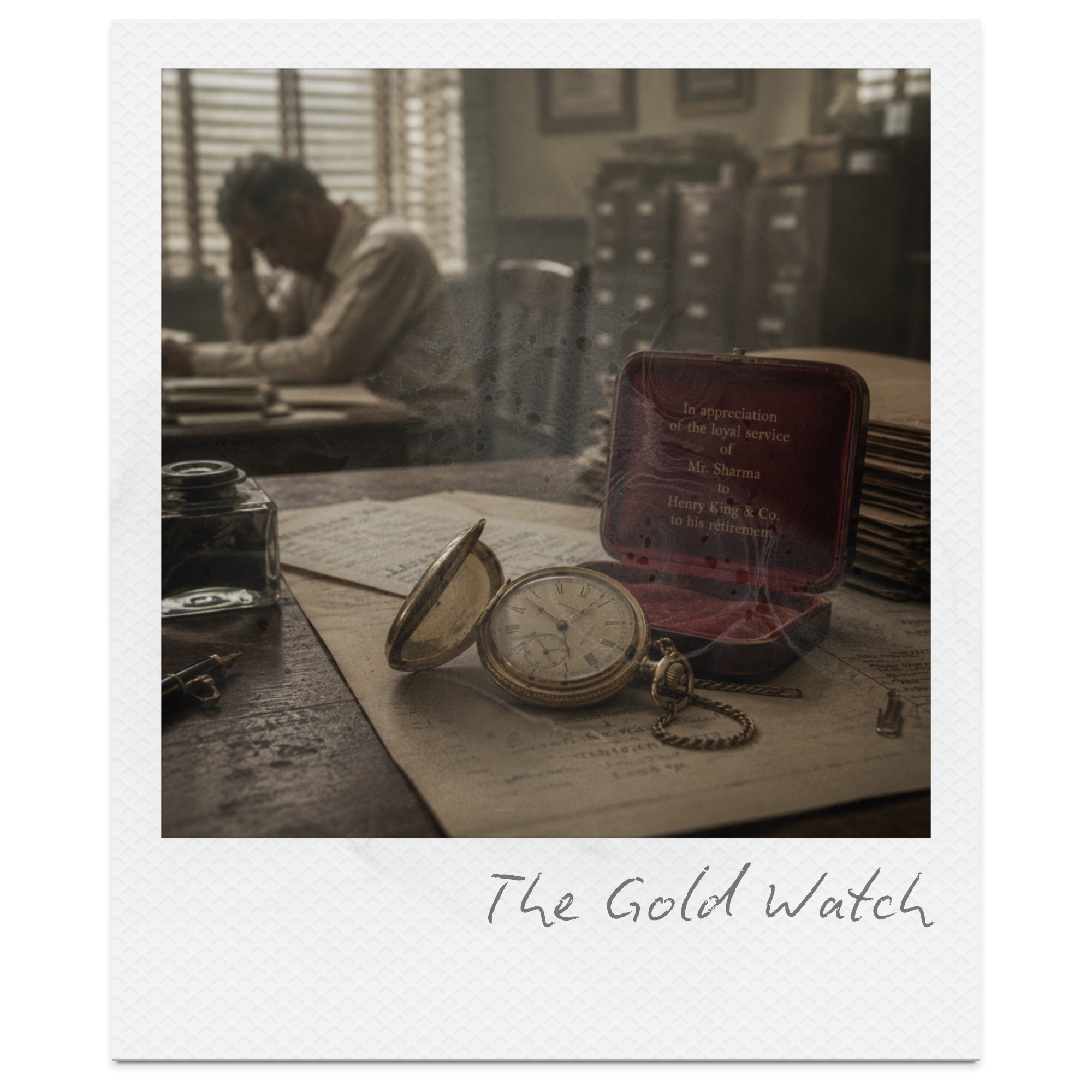
The Gold Watch by Mulk Raj Anand: Summary, Themes & Analysis
Mulk Raj Anand’s The Gold Watch is a quietly devastating short story exploring colonial power, workplace hierarchy, economic insecurity, and human dignity. Through the experiences of the ageing dispatch clerk Sharma, Anand exposes how institutional systems disguise emotional cruelty beneath politeness, routine, and formal gestures of appreciation. This analysis explores the story’s themes, symbolism, narrative voice, and psychological tension, examining how Anand uses irony, restraint, and symbolism to critique systems that value workers only while they remain useful. Ideal for students studying CIE IGCSE English Literature (0475 & 0922) and anyone exploring postcolonial short fiction.
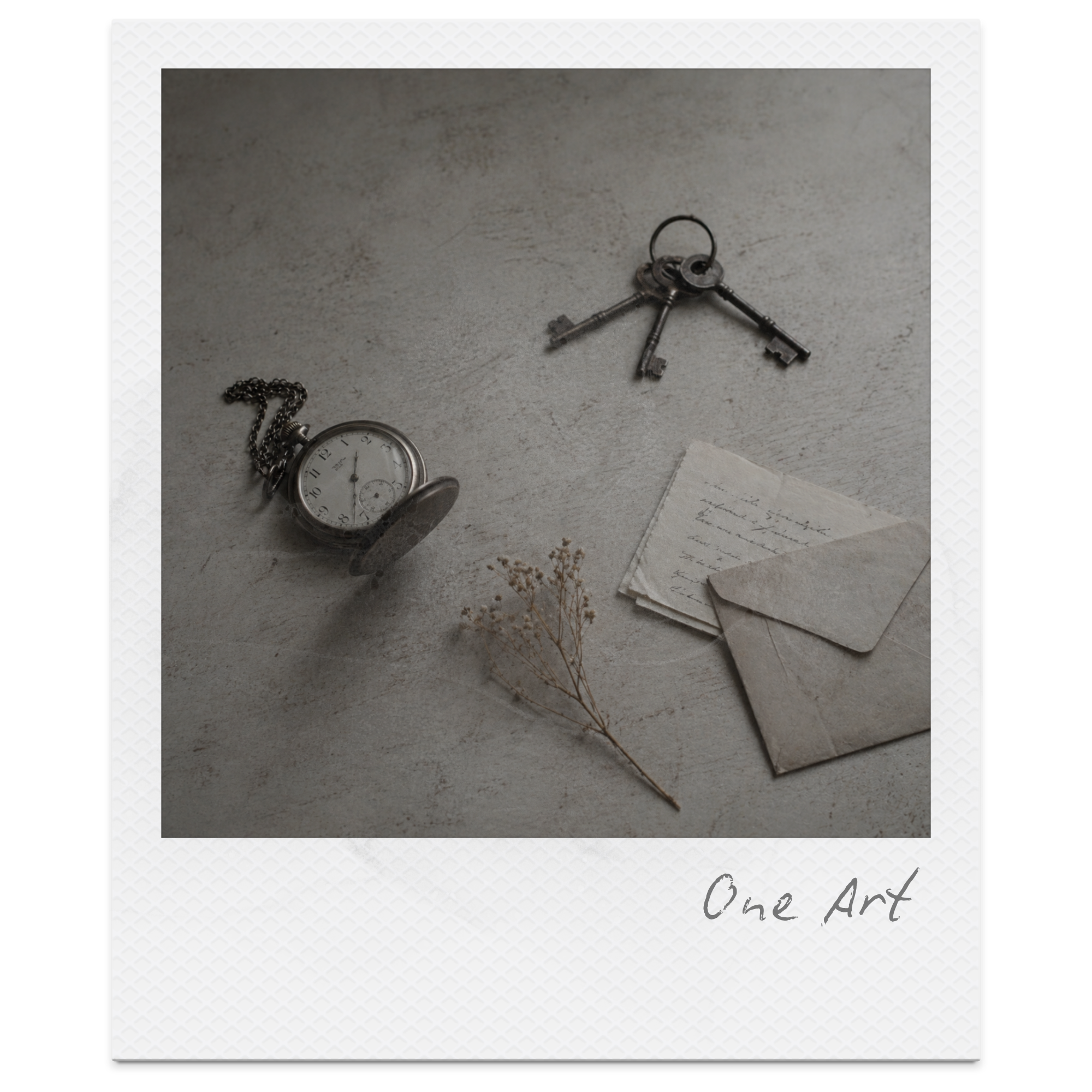
One Art by Elizabeth Bishop: Summary, Themes & Analysis
Elizabeth Bishop’s One Art explores loss and emotional control through a tightly structured villanelle, presenting the idea that losing can be learned and mastered. Through repetition and an authoritative, instructional voice, the poem initially suggests that loss is manageable, using everyday examples to create a sense of calm and control. However, as the poem progresses, the scale of loss becomes more personal and emotionally significant, revealing cracks in this composure. Subtle shifts in tone and structure expose the tension between the speaker’s claims and her true feelings, ultimately suggesting that loss cannot be fully mastered, no matter how carefully it is framed.

70 Artificial Intelligence Writing Prompts: Consciousness, Control & the Unknown
Artificial intelligence stories explore the unsettling boundary between human thought and machine consciousness, asking what happens when systems begin to learn, adapt, and make decisions beyond our control. From the logical precision of I, Robot to the quiet menace of 2001: A Space Odyssey, these narratives reveal that AI is never just about technology — it is about power, identity, and the consequences of creation. Whether AI appears as a helpful assistant, a silent observer, or an evolving intelligence, it challenges characters to question what it means to think, to feel, and to exist. This collection of 70 Artificial Intelligence Writing Prompts invites writers to explore stories shaped by control, autonomy, and the unknown. Blending plot hooks, character ideas, cinematic visuals, and evocative story fragments, these prompts are designed to support both classroom use and independent creative writing. From systems that quietly reshape reality to machines that begin to question their purpose, each idea offers a starting point for exploring the tension between human intention and artificial intelligence.

Zero Hour by Ray Bradbury: Summary, Themes, Meaning & Analysis
Ray Bradbury’s Zero Hour explores childhood innocence and hidden power, revealing how easily trust can be manipulated when adults underestimate what they do not understand. Through the children’s seemingly harmless game of “Invasion,” Bradbury presents a world where imagination becomes a vehicle for real danger, blurring the line between play and reality. As the story unfolds, this illusion collapses into something far more unsettling. The adults’ confidence in their own control gives way to panic as they realise too late that the threat has already taken hold. Bradbury exposes the dangers of complacency, misjudgement, and unseen influence, showing how quickly stability can be replaced by chaos when warning signs are ignored.
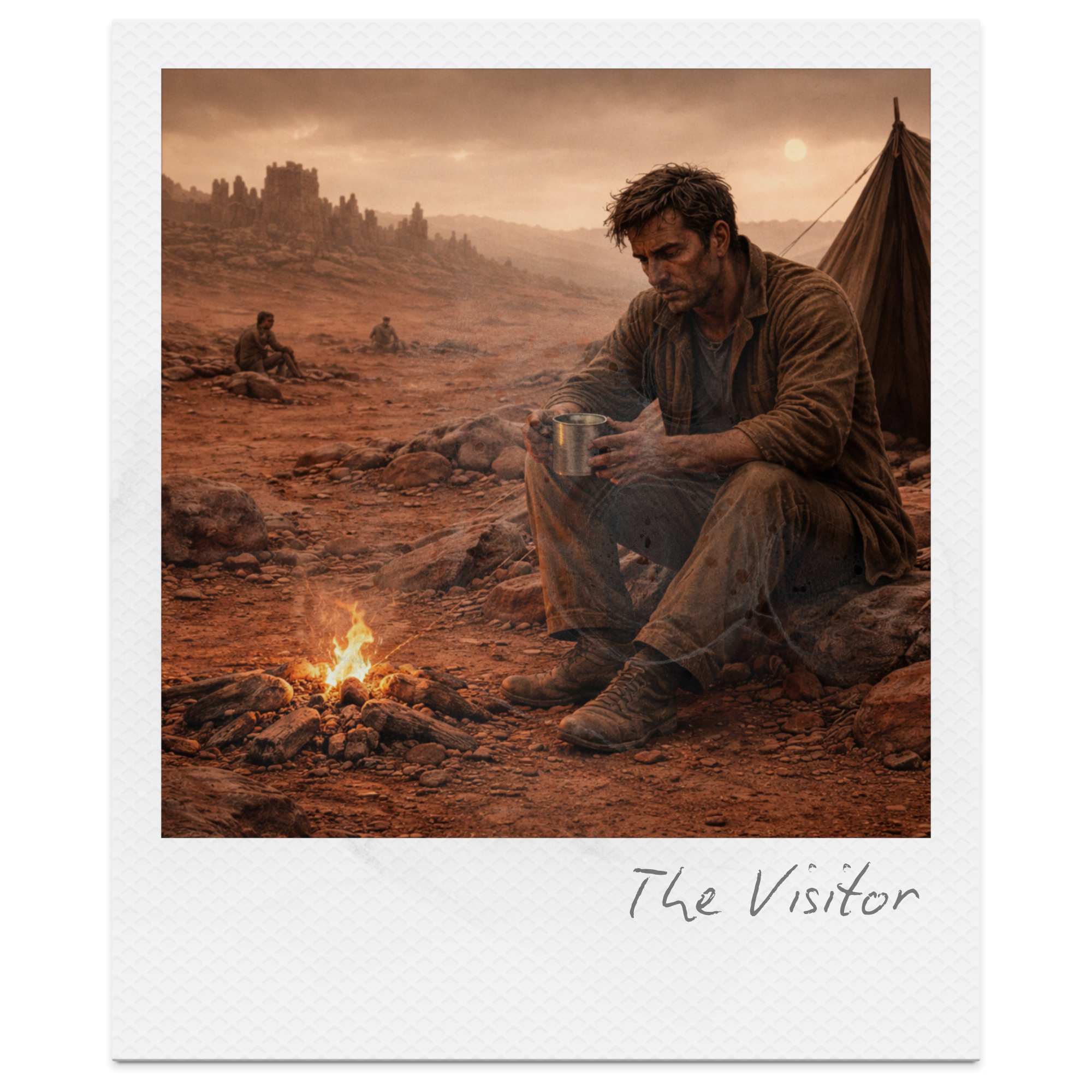
The Visitor by Ray Bradbury: Summary, Meaning, Themes & Full Analysis
Ray Bradbury’s The Visitor is a haunting science fiction story exploring isolation, loneliness, and the dangerous power of illusion. Set on a desolate Mars inhabited by dying exiles, the narrative follows Saul Williams as he struggles with the psychological weight of separation from Earth. When a mysterious newcomer arrives with the ability to project vivid, shared visions of Earth, hope briefly returns—bringing with it beauty, memory, and the possibility of connection. However, Bradbury quickly reveals the darker side of this gift, as desperation turns to possession and conflict. What begins as relief becomes something fought over, exposing the fragility of human morality under pressure. Through its exploration of illusion vs reality, control, and human fragility, The Visitor offers a powerful warning about what happens when hope exists without trust—and how easily it can be destroyed.