The Gold Watch by Mulk Raj Anand: Summary, Themes & Analysis
Mulk Raj Anand’s The Gold Watch is a deeply unsettling short story exploring colonial power, humiliation, workplace hierarchy, and the emotional violence hidden beneath supposed generosity. Set within a British-run company in colonial India, the story follows the ageing dispatch clerk Srijut Sharma as he slowly realises that a “gift” from his British employer is actually a symbolic dismissal. Through psychological tension, symbolism, and painful emotional restraint, Anand exposes the unequal power structures governing both professional and colonial life.
The story remains powerful because it transforms an ordinary workplace interaction into a devastating exploration of human dignity, economic insecurity, and institutional cruelty. Anand carefully reveals how systems of authority maintain control through politeness, ritual, and forced gratitude, leaving Sharma emotionally trapped between obedience and despair. If you are studying or teaching Stories of Ourselves Volume 2 for CIE IGCSE English Literature (0475 & 0922, 2027 syllabus), explore the full anthology in the Stories of Ourselves Volume 2 Hub, or discover more prose and poetry analysis in the Literature Library.

Context of The Gold Watch
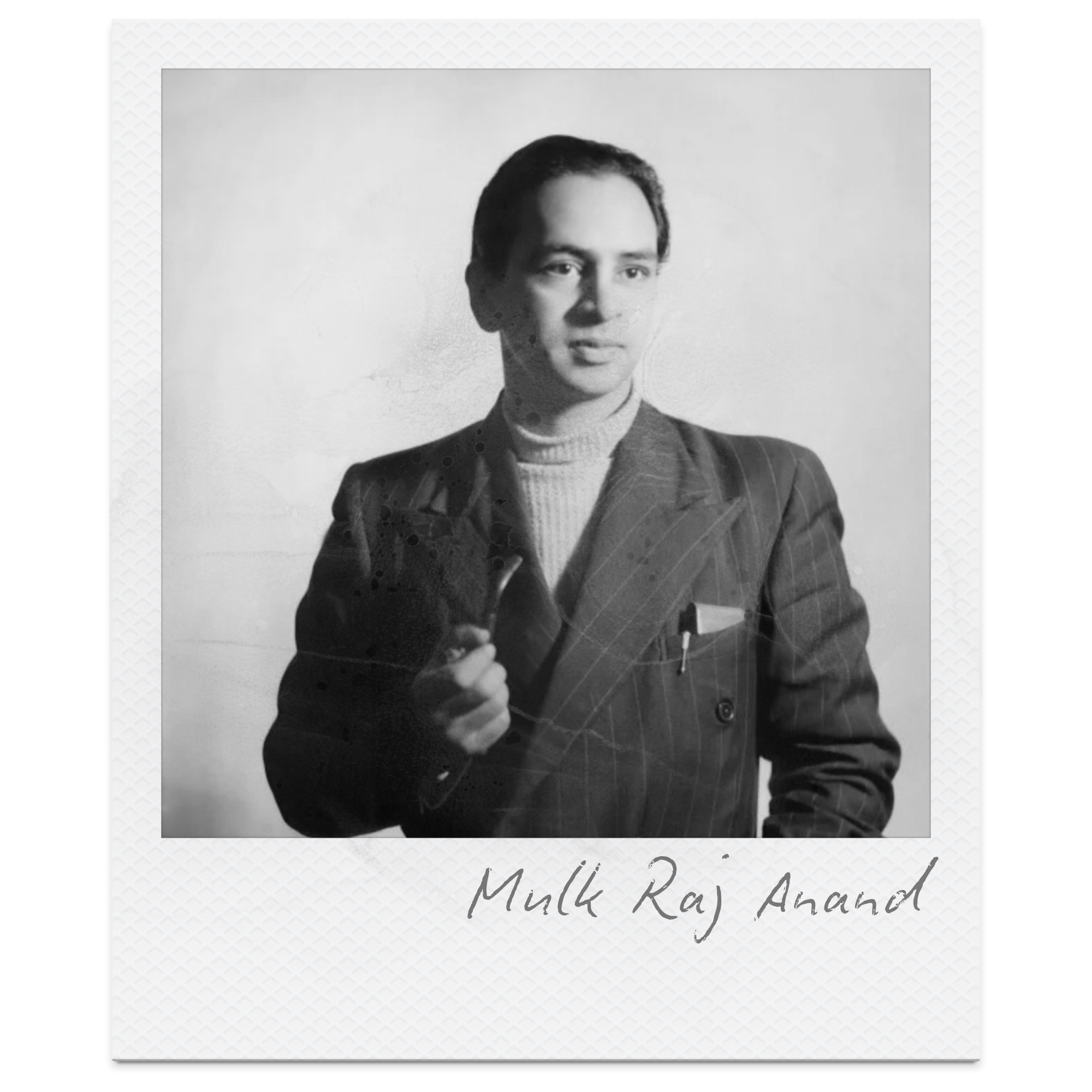
Mulk Raj Anand was a major Indian writer known for exploring social inequality, poverty, class hierarchy, and the lives of people made vulnerable by powerful institutions. Although The Gold Watch was published after India’s independence, the story looks back at a world still shaped by British colonial authority, especially through the language of “Sahibs,” office hierarchy, racial division, and Indian employees’ dependence on British-run companies.
The story reflects the lingering effects of colonial power within everyday life. Sharma’s office is not simply a workplace; it is a social system built on obedience, fear, status, and forced gratitude. Anand uses the gold watch to expose the cruelty hidden beneath polite gestures: what appears to be a reward for “loyal service” is actually a symbol of dismissal, humiliation, and economic insecurity. Through Sharma’s silence, anxiety, and inability to protest, Anand shows how colonial habits of deference and workplace exploitation continue to damage human dignity even after formal colonial rule has ended.
The Gold Watch at a Glance
Form: Short story with social realism and psychological focus
Mood: Tense, humiliating, anxious, and emotionally restrained
Central conflict: Sharma struggles between maintaining dignity and submitting to the power of a colonial-style corporate system that forces him into early retirement
Core themes: Colonial power, humiliation, workplace hierarchy, economic insecurity, loyalty, human dignity, and institutional cruelty
Narrative perspective: Third-person narration closely following Sharma’s thoughts and emotional reactions
One-sentence meaning: Anand exposes how systems of power disguise exploitation beneath politeness and “reward,” revealing the emotional and psychological damage caused by institutional authority.
Quick Summary of The Gold Watch
The story begins when the ageing dispatch clerk Srijut Sharma is unexpectedly approached by the company’s British General Manager, Mr. Acton, who tells him he has brought him a special gift from London. Sharma immediately becomes anxious, sensing that the Sahib’s unusual friendliness and forced smile conceal something troubling. Over the weekend, Sharma becomes increasingly convinced that the promised gold watch may actually signal his forced retirement from the company where he has worked loyally for many years.
As Sharma waits in fear and uncertainty, Anand reveals the emotional pressures of his life. Sharma worries about his family, his son’s future, and the financial insecurity that retirement would create. Although he tries to remain calm and preserve his dignity, his anxiety grows stronger as he realises how dependent he is on the company and how powerless he feels within the office hierarchy.
When Sharma finally meets Mr. Acton on Monday morning, his fears prove correct. The gold watch is presented as a reward for “loyal service,” but it is really a symbolic dismissal forcing him into early retirement. Humiliated and emotionally overwhelmed, Sharma struggles to control his tears while his colleagues watch. By the end of the story, the supposedly valuable gift becomes a painful symbol of institutional cruelty, power imbalance, and the emotional cost of forced obedience.
Title of The Gold Watch
The title immediately draws attention to the gold watch itself, presenting it as an object of apparent value, success, and honour. Traditionally, a gold watch might symbolise achievement, respect, long service, or professional recognition. This creates an initial expectation that the story may celebrate loyalty and reward.
However, Anand quickly transforms the title into something deeply ironic. The watch is not a genuine gesture of appreciation but a symbolic tool used to soften Sharma’s forced retirement and emotional humiliation. The object therefore becomes associated not with honour, but with dismissal, power imbalance, and economic insecurity. Its polished appearance disguises the cruelty hidden beneath the company’s formal politeness.
The title also gains emotional and symbolic weight by the ending of the story. The watch represents the entire system Sharma has served for decades — a system that values obedience and loyalty only while workers remain useful. The fact that the watch is damaged after Sharma drops it further reinforces its symbolic meaning. Like the gift itself, the supposed gesture of generosity is flawed and hollow beneath the surface. Anand therefore uses the title to expose the gap between appearance and reality, revealing how institutional power disguises exploitation as kindness.
Structure of The Gold Watch
Anand carefully structures the story to build psychological tension, emotional pressure, and growing dread. The narrative follows Sharma’s gradual movement from uncertainty to devastating realisation, allowing the reader to experience his fear and humiliation alongside him. The slow pacing, repeated delays, and focus on Sharma’s inner thoughts all intensify the emotional impact of the final retirement scene.
Opening / Exposition
The story opens immediately with unease and foreshadowing. Mr. Acton’s unusual smile “betokened disaster,” instantly signalling that something is wrong beneath the surface politeness. Anand establishes the rigid office hierarchy, the colonial atmosphere of the workplace, and Sharma’s vulnerable position within it. The exposition also reveals Sharma’s personality: he is loyal, anxious to please, deeply respectful of authority, and emotionally conditioned to obey the “Sahibs.”
At the same time, Anand carefully introduces the central tension without revealing it fully. The mysterious “gift” from London creates suspense while the reader watches Sharma desperately search for hidden meaning in Acton’s behaviour.
Rising Action
The rising action focuses on Sharma’s growing fear and emotional instability as he slowly realises the likely meaning of the gold watch. Anand stretches this section across the weekend, using delay and repetition to intensify suspense. Sharma’s obsessive thoughts, physical symptoms, and attempts to remain calm reveal the psychological pressure he is experiencing.
Small moments become emotionally significant:
◆ his conversation with Miss Violet Dixon
◆ his desperate attempt to stop Acton outside the office
◆ his anxiety about supporting his family
◆ his decision to give his son the silver watch
These scenes gradually deepen the sense of impending loss. Anand also contrasts the company’s outward politeness with Sharma’s inner panic, exposing the emotional cruelty hidden beneath professional formality.
Turning Point / Climax
The climax occurs during the meeting in Mr. Acton’s office on Monday morning. Here, the suspense finally resolves as Sharma’s fears are confirmed: the gold watch is a retirement gift forcing him out of the company five years early.
Anand makes the scene emotionally devastating through restraint rather than dramatic confrontation. Sharma cannot properly speak or defend himself, and his silence becomes more powerful than open protest. The moment where he drops the watch is especially significant because it symbolises his emotional collapse and loss of control. The damaged watch also foreshadows the emptiness of the supposed “reward.”
Ending / Resolution
The ending focuses on Sharma’s humiliation and emotional defeat after leaving the office. His colleagues briefly gather around him, but even their sympathy cannot restore his dignity. The public reading of the inscription intensifies the humiliation by making his forced retirement visible to everyone.
The final detail — that the watch “only went when it was shaken” — gives the ending symbolic and ironic force. The broken watch reflects the broken promise of loyalty and reward within the company itself. Anand closes the story quietly rather than dramatically, allowing Sharma’s exhaustion, sadness, and resignation to linger with the reader. The subdued ending reinforces the story’s wider criticism of systems that quietly destroy human dignity while pretending to honour it.
Setting of The Gold Watch
The setting of The Gold Watch is central to the story’s exploration of power, humiliation, and institutional control. Anand uses the office environment, the city of Bombay, and Sharma’s domestic life to expose the emotional pressures created by social hierarchy and economic insecurity. The contrast between public and private spaces also reflects Sharma’s growing psychological distress.
The Colonial Office Environment
Most of the story takes place inside the offices of “the great Marmalade Empire of Henry King & Co.,” a setting dominated by rigid hierarchy and colonial authority. The physical structure of the office reinforces divisions between the British “Sahibs” and the Indian workers below them. Mr. Acton rarely “condescend[ed] to move down the corridor where the Indian staff… worked,” emphasising both physical and social distance.
The office atmosphere feels deeply formal, controlled, and emotionally oppressive. Workers are expected to obey silently while constantly fearing reprimand or dismissal. Anand repeatedly highlights Sharma’s anxiety within this environment:
◆ the “polished marble steps”
◆ the intimidating “Goanese chauffeur”
◆ the “large table” separating Sharma from Mr. Acton
◆ the staring eyes of the office staff
These details create an atmosphere of surveillance, intimidation, and emotional vulnerability. Even simple actions — entering an office, speaking to a superior, receiving a gift — become psychologically threatening.
Bombay as a Space of Economic Pressure
The urban setting of Bombay reinforces the story’s themes of economic insecurity and survival. Sharma travels long distances each day, taking the train from “Thana, thirty miles out,” because living closer to the city is too expensive. This detail quietly reveals his financial vulnerability despite decades of loyal work.
The crowded business environment also reflects the impersonality of modern corporate systems. Workers compete for “grades and promotions and pay,” while individuals become trapped within repetitive routines and institutional dependence. Anand presents Bombay not as glamorous or exciting, but as a place where economic survival shapes every aspect of life.
Sharma’s Home
In contrast to the cold office environment, Sharma’s home initially appears warmer and more human. His wife and son create moments of ordinary domestic life, such as the family meal and the trip to the circus. However, Anand uses these scenes to deepen the emotional tension rather than relieve it.
The home becomes a space where Sharma’s hidden fear grows stronger because retirement threatens the family’s future. Simple domestic details gain emotional weight:
◆ the untouched “papadum and mango pickle”
◆ Hari asking for the silver watch
◆ Sharma’s forced attempts at cheerfulness
These details emphasise the painful gap between Sharma’s outward calm and inner despair. The home therefore reflects not safety, but the emotional burden of responsibility and the fear of failing one’s family.
Symbolic Spaces
Certain spaces within the story also take on symbolic meaning. Mr. Acton’s office represents institutional power and judgement, almost like a courtroom where Sharma’s fate is decided. The lift scene at the end is especially symbolic: Sharma leaves the office physically lowered and emotionally diminished after his humiliation.
Similarly, the watch itself moves between spaces — office, train journey, home — becoming a constant reminder of Sharma’s dismissal and loss of dignity. Anand therefore uses setting not simply as background, but as a way of revealing how systems of authority shape people’s emotions, behaviour, and sense of self.
Narrative Voice in The Gold Watch
Anand uses a third-person narrative voice that closely follows Sharma’s thoughts, fears, and emotional reactions. Although the narrator is not speaking in the first person, the narration stays deeply connected to Sharma’s perspective, allowing the reader to experience his growing anxiety and humiliation almost in real time. This close focus creates strong sympathy for Sharma while exposing the emotional cruelty of the system surrounding him.
The narrative voice frequently shifts into Sharma’s inner thoughts and interpretations, especially as he tries to understand the meaning behind Mr. Acton’s strange behaviour. The repeated focus on Sharma’s obsessive thinking — “His doom was sealed” — allows the reader to experience the slow growth of panic before the official retirement announcement even occurs. Anand therefore uses narrative perspective to build psychological tension rather than relying on dramatic action.
The tone of the narration is also carefully balanced between sympathy, irony, and social criticism. Sharma is often presented with warmth and emotional understanding, particularly through descriptions such as “the poor old dispatch clerk” and “the incarnation of clock-work efficiency.” However, Anand also exposes Sharma’s conditioned obedience and social deference, showing how deeply colonial systems have shaped his behaviour and sense of self.
Importantly, the narration often highlights the gap between outward politeness and inner emotional violence. Mr. Acton’s language appears calm and professional, yet the narrative voice reveals the hidden humiliation beneath phrases like “token of our appreciation.” This creates powerful irony because the reader understands the emotional damage being inflicted even while the workplace maintains an appearance of civility and order.
By closely aligning the narrative voice with Sharma’s emotional experience, Anand transforms a simple office retirement into a painful exploration of powerlessness, dignity, and institutional control.
Characters in The Gold Watch
The characters in The Gold Watch are used to explore power, humiliation, economic insecurity, and the emotional damage created by rigid social systems. Anand presents characters not simply as individuals, but as figures shaped by workplace hierarchy, colonial attitudes, and social expectation.
Srijut Sharma
Sharma is the emotional centre of the story and represents the vulnerable individual trapped within an uncaring institutional system. Anand presents him as deeply loyal, gentle, and eager to maintain dignity, yet also emotionally conditioned to obey authority. He has worked for the company for decades and is described as “the incarnation of clock-work efficiency,” emphasising his reliability and dedication.
At the same time, Sharma is painfully insecure about his position. The moment Mr. Acton smiles at him, he immediately senses “disaster,” revealing how fear already shapes his relationship with authority. Anand repeatedly shows Sharma attempting to remain calm through ritual and self-control, muttering “Shanti! Shanti! Shanti!” in an effort to suppress panic. This highlights both his emotional fragility and his desperation to maintain composure.
Sharma’s treatment of others also reveals his humanity. He worries about his family’s future, gives his son the silver watch despite his own fears, and tries to remain polite even while facing humiliation. However, Anand also presents him as psychologically trapped by systems of obedience. His inability to protest openly during the retirement meeting reflects how deeply institutional power has shaped him. The final image of Sharma leaving “with bent head” reinforces his emotional defeat and loss of dignity.
Mr. Acton
Mr. Acton represents the cold authority of the corporate and colonial system. Anand introduces him through Sharma’s fearful observations, describing him as “morose,” “hard working,” and a “slave driver.” Although he appears outwardly polite and professional, his behaviour carries an underlying harshness and emotional detachment.
The repeated descriptions of his smile are especially important. Sharma notices “the slight awkward curl of the upper lip” and “a snarl suppressed,” suggesting that even Acton’s friendliness feels threatening. Anand uses these details to show how institutional power hides itself beneath formal politeness.
Acton does not appear openly cruel in the traditional sense. Instead, his emotional distance makes him more unsettling. He presents Sharma’s forced retirement as a logical business decision, speaking about “increasing the efficiency of the business.” This language reduces Sharma’s life and loyalty to a matter of productivity and usefulness. Even the gold watch becomes part of this controlled performance of false generosity.
Importantly, Acton seems more concerned about the safety of the watch than Sharma’s emotional collapse. After Sharma drops it, Acton immediately checks whether it is still ticking. This moment symbolically reveals the priorities of the institution itself: objects, efficiency, and reputation matter more than human dignity.
Hari
Hari, Sharma’s son, represents innocence and the future Sharma fears he may no longer be able to support. His excitement over the silver watch — “Can I have it, really, Papaji?” — contrasts painfully with Sharma’s hidden despair. Hari does not understand the emotional significance of the gold watch or the threat of retirement, which makes the scene more tragic.
At the same time, Hari symbolises Sharma’s responsibilities and anxieties about social mobility. Sharma worries because his son “had still not passed his matric,” meaning his future employment prospects remain uncertain. Anand therefore uses Hari to reinforce the themes of economic insecurity and generational pressure.
Sharma’s Wife
Although she appears briefly, Sharma’s wife plays an important emotional role within the story. Anand presents her as perceptive and emotionally intelligent, noticing immediately that “there was something on his mind.” Unlike Sharma, who tries to suppress emotion, she instinctively recognises his distress.
Her criticism of Hari — “you are so selfish!” — also reflects her awareness of Sharma’s emotional state. Through her quiet observations, Anand shows the emotional strain carried within ordinary family life. She becomes a figure of domestic understanding, contrasting with the cold impersonality of the office environment.
The Office Staff
The office workers help reinforce the atmosphere of surveillance, gossip, and insecurity within the company. Characters such as Miss Violet Dixon, Mr. Banaji, and the typists briefly interrupt the narrative, but they mainly function as part of the wider institutional world surrounding Sharma.
Their reactions to the gold watch scene reveal the emotional complexity of workplace culture. Some pity Sharma, while others react with cynicism or dark humour. The typist’s comment — “Damn fine gold watch, but it does not go!” — becomes deeply symbolic, exposing the hollowness of the company’s supposed reward. Through these secondary characters, Anand reveals how ordinary workers survive through gossip, performance, resignation, and suppressed fear within systems they cannot control.
Key Themes in The Gold Watch
Mulk Raj Anand uses The Gold Watch to explore how institutional systems shape people’s emotions, behaviour, and sense of self. The story combines psychological realism, symbolism, and social criticism to expose the emotional violence hidden beneath formal politeness and workplace routine.
Colonial Power
Anand presents a workplace still deeply shaped by the structures and attitudes of British colonial rule. The British “Sahibs” hold authority, while the Indian workers remain socially and economically dependent upon them. Mr. Acton’s behaviour reflects this imbalance of power throughout the story.
Sharma instinctively fears and obeys his employer, even outside office hours, because the colonial hierarchy has conditioned him to see the Sahib as untouchable. Anand emphasises this through descriptions of Sharma rushing after the car and standing “hat in left hand” in an almost military salute. These gestures reveal how colonial authority extends beyond formal employment into emotional and psychological control.
The office itself becomes symbolic of colonial social order. British managers occupy positions of decision-making and privilege, while Indian employees remain vulnerable and replaceable. Anand therefore uses the workplace to expose how systems of colonial power continue to shape human relationships even after formal independence.
Humiliation
Humiliation is one of the story’s most powerful themes. Anand presents Sharma’s suffering not through dramatic confrontation, but through emotional restraint and quiet degradation. The greatest cruelty lies in the fact that Sharma is expected to feel grateful while being dismissed.
The gold watch presentation becomes deeply humiliating because the company disguises rejection as honour. Phrases such as “token of our appreciation” force Sharma into a position where he cannot openly protest without appearing disloyal or ungrateful. Anand intensifies this humiliation through physical details:
◆ Sharma’s sweating hands
◆ his inability to speak
◆ the tears rolling down his face
◆ his “bent head” as he leaves the office
The public reading of the inscription further deepens the humiliation because Sharma’s dismissal becomes a spectacle observed by his colleagues. Anand therefore shows how institutional systems often preserve power by humiliating individuals quietly and publicly at the same time.
Workplace Hierarchy
The story presents the office as a rigid system built on status, obedience, and fear. Every interaction is shaped by hierarchy, from the separation between British and Indian staff to Sharma’s terror when speaking to Mr. Acton outside the office.
Anand repeatedly highlights rituals of power:
◆ Sharma waiting nervously outside offices
◆ peons carrying slips of paper
◆ workers fearing reprimands
◆ employees competing for promotion
These routines create an atmosphere where workers constantly monitor their behaviour and suppress emotion. The hierarchy also strips individuals of identity, reducing them to positions and functions within the company machine.
Importantly, Anand shows that even “kindness” within this system reinforces power imbalance. Mr. Acton’s politeness does not challenge hierarchy; it strengthens it by forcing Sharma to accept humiliation respectfully.
Economic Insecurity
Economic fear drives much of Sharma’s emotional collapse. His anxiety does not come only from losing status, but from the practical consequences of unemployment and ageing. Anand repeatedly reminds the reader of Sharma’s fragile financial situation:
◆ he lives far from Bombay “for cheapness”
◆ his son has not passed his matric exams
◆ prices are rising
◆ the provident fund “would not amount to very much”
These details create constant tension beneath the narrative. Sharma cannot afford to resist the company because his family depends on his income. Anand therefore presents economic insecurity as a form of control that traps individuals within exploitative systems.
The story also highlights how ageing workers become disposable once their labour is no longer considered useful. Sharma’s decades of service provide no real protection against dismissal, exposing the instability beneath the idea of “loyal employment.”
Loyalty
Loyalty appears throughout the story, but Anand questions whether institutions truly value it. Sharma has devoted twenty years to the company and is repeatedly described as dependable and efficient. Mr. Acton even praises his “loyal service.”
However, the story ultimately reveals that loyalty is rewarded only symbolically, not materially or emotionally. The gold watch functions as a hollow substitute for genuine care or security. Anand exposes the painful imbalance between Sharma’s lifelong loyalty and the company’s lack of loyalty towards him.
This theme becomes especially tragic because Sharma himself still struggles to resent the firm openly. Even during his humiliation, he worries about seeming “disloyal.” Anand therefore shows how institutions can shape people so deeply that they continue defending systems that harm them.
Human Dignity
The story constantly explores Sharma’s attempt to preserve his human dignity within a system designed to diminish it. Anand presents dignity through small gestures:
◆ Sharma trying to remain calm
◆ controlling his emotions
◆ maintaining politeness
◆ continuing to think about his family
These moments make his humiliation more painful because the reader recognises his humanity and vulnerability.
The final office scene is especially powerful because Sharma’s emotional breakdown occurs publicly despite all his efforts at self-control. His inability to speak reveals the collapse of the dignity he has tried to maintain throughout the narrative. Anand uses this moment to criticise systems that force individuals to suppress emotion and accept injustice silently.
Institutional Cruelty
One of Anand’s central arguments is that cruelty often hides behind routine, politeness, and professionalism. No character openly attacks Sharma, yet the entire system treats him as disposable.
The company frames forced retirement as appreciation, masking emotional violence beneath formal language and ceremony. Anand repeatedly contrasts surface politeness with hidden brutality:
◆ the “gift” that is really dismissal
◆ the congratulatory language surrounding unemployment
◆ the expensive watch that is already broken
◆ the office’s calm professionalism during Sharma’s emotional collapse
This makes the story especially unsettling because the cruelty feels ordinary and socially accepted. Anand suggests that institutions can damage people most effectively when exploitation is disguised as efficiency, respectability, and reward.
Symbolism in The Gold Watch
Anand uses symbolism throughout the story to expose the emotional and psychological effects of colonial authority, workplace systems, and economic dependence. Objects and physical details often carry meanings far beyond their literal function, helping reveal the gap between outward appearance and inner reality.
The Gold Watch
The gold watch is the story’s central symbol and represents the false generosity of institutional power. At first, it appears to symbolise honour, success, and appreciation for long service. Traditionally, a gold watch would suggest achievement and dignity, encouraging both Sharma and the reader to expect recognition or reward.
However, Anand gradually transforms the watch into a symbol of humiliation and dismissal. The watch is not given to celebrate Sharma’s value, but to disguise the cruelty of forcing him into early retirement. The polished object therefore represents the company’s attempt to make exploitation appear respectable and civilised.
The inscription inside the watch is especially symbolic because it publicly defines Sharma’s identity through the company’s perspective:
“In appreciation of the loyal service of Mr. Sharma…”
The language sounds formal and appreciative, yet it simultaneously erases Sharma’s individuality by reducing his entire life to institutional usefulness and retirement.
The fact that the watch breaks after Sharma drops it deepens its symbolic meaning. It “only went when it was shaken,” reflecting the emptiness and instability beneath the company’s supposed reward. The broken mechanism mirrors the broken relationship between loyalty and justice within the institution itself.
Time
The idea of time appears repeatedly throughout the story and becomes closely connected to ageing, control, and economic usefulness. Sharma has spent twenty years following routines, schedules, and office discipline, becoming “the incarnation of clock-work efficiency.” His entire life has been organised around institutional time.
The watch therefore symbolises not only retirement, but the company’s control over Sharma’s working life and future. Once the company decides his time is over, his value disappears. Anand suggests that workers within such systems are measured according to productivity rather than humanity.
By the ending, time also becomes associated with emptiness and stagnation. Sharma reflects that in Jullunder “time just stood still,” revealing his uncertainty about life beyond work and institutional structure.
Mr. Acton’s Smile
Mr. Acton’s smile becomes an important symbol of concealed cruelty and emotional dishonesty. Anand repeatedly focuses on the unnatural quality of the smile:
◆ “betokened disaster”
◆ “a snarl suppressed”
◆ “awkward curl of the upper lip”
The smile symbolises the false politeness used by systems of authority to hide emotional violence. Although Acton speaks kindly and formally, the smile reveals the underlying harshness beneath the performance of civility.
Anand uses this detail to expose how institutional power often operates through controlled appearances rather than open aggression.
The Office
The office itself functions symbolically as a system of hierarchy and control. Its corridors, lifts, cubicles, and formal procedures reflect the rigid structure of colonial corporate life. Workers move through carefully organised spaces where status determines behaviour and emotional expression.
The “large table” between Sharma and Mr. Acton symbolically reinforces the emotional and social distance between employer and employee. Similarly, the office staff watching Sharma after the meeting turns the workplace into a public stage of humiliation and judgement.
The office therefore represents more than employment; it symbolises an institutional system where individuals lose autonomy, dignity, and emotional freedom.
Sharma’s Silver Watch
The silver watch Sharma gives to Hari symbolises sacrifice, family responsibility, and the passing of generations. Before receiving the gold watch, Sharma already possesses something practical and meaningful. Giving it away reflects both generosity and emotional vulnerability.
The exchange also contrasts sharply with the company’s hollow gift. Sharma’s silver watch carries personal and familial value, while the gold watch represents institutional manipulation and emotional pain. Anand therefore uses the two watches to contrast genuine human connection with performative corporate “appreciation.”
Sweat and Physical Weakness
Throughout the story, Anand repeatedly describes Sharma sweating, trembling, reeling, and struggling physically. These details symbolise the overwhelming psychological pressure placed upon him by fear and uncertainty.
His body begins reacting before the retirement announcement is even confirmed, showing how deeply the institutional hierarchy controls his emotions. The physical symptoms make visible the hidden emotional violence operating beneath the office’s calm and professional surface.
By connecting emotional distress to bodily weakness, Anand reinforces the devastating human cost of humiliation and economic insecurity.
Key Quotes and Methods in The Gold Watch
Important quotations in The Gold Watch reveal the story’s exploration of colonial authority, humiliation, institutional cruelty, and the emotional cost of obedience. Anand uses symbolism, irony, physical description, and psychological narration to expose the hidden violence beneath workplace politeness.
“there was something about the smile of Mr. Acton… which betokened disaster”
◆ Method — Foreshadowing, ominous tone, symbolic facial imagery
◆ Meaning — Mr. Acton’s smile immediately creates unease, suggesting that the apparent kindness hides something threatening beneath the surface
◆ Purpose — Anand establishes tension from the opening lines while exposing the emotional fear surrounding authority figures
◆ Impact — The reader immediately senses Sharma’s vulnerability and begins anticipating emotional harm
◆ Link to theme, conflict, or symbolism — Links to colonial power, institutional cruelty, and the gap between appearance and reality
“the incarnation of clock-work efficiency”
◆ Method — Metaphor
◆ Meaning — Sharma is compared to a machine, suggesting years of repetitive labour and disciplined routine
◆ Purpose — Anand highlights how institutional systems reduce workers to functions rather than treating them as human beings
◆ Impact — The phrase creates sympathy for Sharma while emphasising his lack of individuality within the company
◆ Link to theme, conflict, or symbolism — Links to workplace hierarchy, human dignity, and dehumanisation
“His doom was sealed”
◆ Method — Dramatic internal narration, fatalistic language
◆ Meaning — Sharma becomes psychologically overwhelmed long before the retirement is officially confirmed
◆ Purpose — Anand builds psychological tension by showing how fear and insecurity dominate Sharma’s thoughts
◆ Impact — The reader experiences Sharma’s emotional collapse gradually rather than suddenly
◆ Link to theme, conflict, or symbolism — Links to economic insecurity, fear, and psychological pressure
“token of our appreciation for your loyalty”
◆ Method — Irony, formal corporate language
◆ Meaning — The company disguises forced retirement as gratitude and reward
◆ Purpose — Anand exposes the emotional dishonesty of institutional language and workplace politeness
◆ Impact — The phrase feels deeply cruel because the reader recognises the humiliation hidden beneath the “appreciation”
◆ Link to theme, conflict, or symbolism — Links to loyalty, institutional cruelty, and exploitation
“he could not go on”
◆ Method — Emotional restraint, fragmented expression
◆ Meaning — Sharma becomes unable to speak because of humiliation and emotional shock
◆ Purpose — Anand shows how systems of authority silence vulnerable individuals psychologically as well as socially
◆ Impact — The silence becomes more emotionally powerful than open protest would have been
◆ Link to theme, conflict, or symbolism — Links to human dignity, emotional repression, and powerlessness
“in the manner in which a beggar receives alms”
◆ Method — Demeaning imagery, degrading comparison, symbolic gesture
◆ Meaning — Sharma’s acceptance of the watch resembles an act of dependency and submission rather than genuine recognition or honour
◆ Purpose — Anand exposes the unequal power dynamic between employer and employee, showing how the company strips Sharma of dignity even while pretending to reward him
◆ Impact — The image creates discomfort and pity because Sharma appears powerless and emotionally diminished
◆ Link to theme, conflict, or symbolism — Links to humiliation, colonial power, institutional cruelty, and loss of human dignity
“the gold watch only went when it was shaken”
◆ Method — Symbolism, irony
◆ Meaning — The broken watch reflects the hollowness and instability beneath the company’s supposed generosity
◆ Purpose — Anand symbolically reveals that the “reward” itself is flawed, just like the institution presenting it
◆ Impact — The ending leaves the reader with a lingering sense of bitterness and emotional emptiness
◆ Link to theme, conflict, or symbolism — Links to institutional cruelty, broken loyalty, and appearance versus reality
Key Techniques in The Gold Watch
Anand combines psychological realism, symbolism, irony, and detailed physical description to expose the emotional cruelty hidden within workplace systems and colonial-style hierarchy. The story’s techniques constantly reinforce the gap between outward politeness and inner suffering.
◆ Foreshadowing — Mr. Acton’s smile “betokened disaster,” immediately creating tension and preparing the reader for Sharma’s emotional collapse
◆ Irony — The gold watch appears to be a reward for loyalty, but actually symbolises forced retirement, humiliation, and disposability
◆ Symbolism — The broken watch reflects the emptiness and instability beneath the company’s supposed generosity and respect
◆ Psychological narration — The close focus on Sharma’s thoughts and fears allows the reader to experience his anxiety, dread, and humiliation directly
◆ Physical imagery — Repeated references to sweat, trembling, dizziness, and weakness reveal the intense emotional pressure Sharma experiences
◆ Contrast — Anand contrasts formal politeness with emotional cruelty, exposing how institutions disguise exploitation beneath professional language
◆ Repetition — Sharma’s repeated use of “Shanti! Shanti! Shanti!” highlights his desperate attempts to maintain calm and emotional control
◆ Dialogue — The restrained, formal conversations reveal hierarchy and emotional repression, especially during the retirement scene with Mr. Acton
◆ Symbolic gestures — Actions such as Sharma removing his hat, bowing his head, and receiving the watch with open palms reinforce themes of submission and power imbalance
◆ Detailed description — Anand’s careful descriptions of offices, corridors, desks, and routines create an atmosphere of institutional rigidity and surveillance
◆ Tonal shifts — The story moves gradually from uncertainty and tension towards humiliation and emotional devastation, increasing the impact of the ending
◆ Understatement — Sharma’s inability to openly protest makes the emotional pain more powerful because the suffering remains restrained rather than dramatic
◆ Third-person limited narration — The narrative stays closely aligned with Sharma’s perspective, encouraging sympathy and revealing his psychological vulnerability
◆ Public spectacle — The office staff gathering around Sharma after the presentation intensifies his humiliation by turning private suffering into public observation
◆ Object symbolism — The gold watch and silver watch represent contrasting forms of value: institutional “reward” versus genuine family connection and sacrifice
How the Writer Creates Meaning and Impact in The Gold Watch
Anand creates meaning and emotional impact by combining psychological narration, symbolism, irony, and carefully controlled emotional restraint. Rather than relying on dramatic conflict, he focuses on Sharma’s inner fear and humiliation, allowing the reader to experience the emotional violence hidden beneath ordinary workplace interactions. This makes the story feel painfully realistic and emotionally unsettling.
One of Anand’s most important methods is his use of psychological perspective. The narrative remains closely connected to Sharma’s thoughts and emotional reactions, allowing the reader to experience the slow growth of panic alongside him. Long before the retirement is officially confirmed, Sharma becomes consumed by dread, convincing himself that “His doom was sealed.” Anand deliberately stretches this anxiety across the weekend so that suspense builds gradually. This slow pacing mirrors Sharma’s emotional suffering and highlights how fear itself becomes psychologically destructive.
Anand also creates meaning through strong irony. The company presents the gold watch as a “token of appreciation,” yet the reader understands that the gift is actually a symbolic dismissal. This contrast between surface politeness and hidden cruelty exposes the emotional dishonesty of institutional systems. Mr. Acton never behaves openly violently, but the calm professional language makes the humiliation even more disturbing because Sharma is expected to feel grateful while losing his livelihood and dignity.
The story’s use of symbolism deepens this criticism further. The gold watch initially appears valuable and prestigious, but gradually becomes associated with humiliation, dependency, and emotional defeat. When the watch breaks after Sharma drops it, Anand symbolically reveals the emptiness beneath the company’s supposed generosity. The fact that the watch “only went when it was shaken” reflects the instability and hollowness of the institution’s loyalty itself.
Anand also creates emotional impact through repeated physical imagery. Sharma’s sweating, trembling, dizziness, and weakness reveal the overwhelming psychological pressure placed upon him. These bodily reactions make invisible emotional suffering visible to the reader. Importantly, Sharma rarely expresses anger openly; instead, Anand uses physical symptoms and silence to communicate emotional collapse. This restraint makes the story more powerful because the reader senses all the feelings Sharma cannot safely express.
The contrast between public and private spaces also helps shape meaning. The office environment feels rigid, formal, and emotionally oppressive, while Sharma’s home scenes reveal the personal consequences of economic insecurity. Simple domestic details — such as his son asking for the silver watch or his wife noticing he has not eaten — become emotionally painful because the reader understands what Sharma is trying to hide from them.
Finally, Anand creates impact through the story’s quiet ending. There is no dramatic rebellion or emotional release. Instead, Sharma leaves the office defeated, humiliated, and exhausted while the broken watch remains as a symbol of institutional cruelty. This subdued ending reflects the reality of systems where ordinary people often cannot challenge authority openly. Anand therefore leaves the reader not with resolution, but with lingering discomfort about the emotional cost of power, obedience, and economic dependence.
Alternative Interpretations of The Gold Watch
Strong literary analysis recognises that the story supports multiple valid interpretations. While Anand clearly critiques workplace cruelty and hierarchy, the story also allows for psychological, social, and moral readings that deepen its meaning.
Psychological Interpretation: Fear and Emotional Collapse
A psychological reading focuses on Sharma’s growing anxiety and emotional breakdown. Much of the tension comes not from external action, but from Sharma’s obsessive fear and anticipation. Before anything is officially confirmed, he becomes psychologically overwhelmed, convincing himself that “His doom was sealed.”
Anand’s close focus on Sharma’s sweating, trembling, dizziness, and inability to speak suggests that the real conflict takes place internally. The office becomes a space of emotional pressure where Sharma feels trapped between fear, obedience, and the desperate need to preserve dignity. From this perspective, the story explores the psychological damage caused by economic insecurity and powerlessness over many years.
Social Interpretation: Colonial Hierarchy and Institutional Power
A social reading emphasises how the story critiques systems of hierarchy shaped by colonial attitudes and corporate authority. Although the story was published after Indian independence, the workplace still operates through clear divisions between British “Sahibs” and Indian employees.
Sharma’s behaviour reveals how deeply these structures influence human relationships. He removes his hat, bows his head, and fears approaching Mr. Acton outside official office settings because authority has become psychologically internalised. The gold watch itself symbolises the way institutions disguise exploitation beneath ritual politeness and formal respectability.
From this interpretation, Anand is criticising not simply one cruel employer, but wider systems that reduce human beings to economic usefulness while demanding gratitude and obedience in return.
Moral Interpretation: Loyalty, Dignity, and Human Worth
A moral interpretation explores the conflict between institutional values and human dignity. Sharma spends decades serving the company loyally, believing that hard work and obedience will eventually provide security and stability. However, the story reveals that the institution values efficiency and profit more than genuine loyalty or compassion.
The gold watch becomes morally ironic because it attempts to replace human care with symbolic reward. Anand suggests that systems built entirely around usefulness and productivity ultimately fail to recognise human worth. The story therefore asks important moral questions:
◆ What does society owe loyal workers?
◆ Can politeness disguise cruelty?
◆ Is dignity possible within systems built on inequality and dependence?
From this perspective, the story becomes a broader criticism of societies that value people only while they remain useful.
Why The Gold Watch Still Matters
Although the story was written in the mid-twentieth century, its exploration of workplace power, economic insecurity, and human dignity still feels highly relevant today. Many readers continue to recognise the fear of becoming replaceable within large institutions that value efficiency and profit over personal loyalty or emotional wellbeing.
The story also remains powerful because Anand exposes how systems of authority often hide cruelty beneath polite language and professional behaviour. Mr. Acton never openly insults Sharma, yet the retirement process feels deeply humiliating because Sharma is expected to remain grateful throughout it. Modern readers can still recognise similar tensions in workplaces where employees are treated as valuable only while they remain useful.
The emotional realism of Sharma’s experience also continues to resonate strongly. His anxiety about money, family responsibility, ageing, and job security reflects fears that many people still experience today. Anand’s portrayal of silent emotional suffering feels especially powerful because Sharma cannot safely express his anger or desperation openly.
The story also encourages discussion about colonial hierarchy, social inequality, and the lasting psychological effects of systems built on obedience and dependence. Even after Indian independence, the office environment continues to reflect colonial attitudes and divisions between British authority figures and Indian workers. This allows the story to remain relevant in conversations about institutional power and inherited social structures.
Finally, the story still matters because it asks important moral questions about how societies value people. Anand challenges readers to consider whether loyalty, hard work, and dignity are truly respected within systems driven primarily by productivity and control. The broken gold watch becomes a lasting symbol of how institutions can attempt to replace genuine humanity with empty gestures of appreciation.
Exam-Ready Insight for The Gold Watch
This section shows how to turn your understanding of The Gold Watch into a strong, exam-focused response for CIE IGCSE English Literature (0475 & 0922), with a clear focus on how Anand creates meaning through narrative methods, symbolism, irony, and psychological tension.
What strong responses do
◆ stay closely focused on the question
◆ analyse methods rather than retelling events
◆ explore how language, structure, and symbolism create meaning
◆ track shifts in tone, emotion, and power
◆ use short, embedded quotations effectively
◆ explain how the reader is positioned emotionally
◆ develop a conceptual interpretation rather than listing techniques
Conceptual argument
A strong thesis for The Gold Watch might be:
Anand presents institutional power as emotionally destructive, using irony, psychological narration, and symbolism to show how systems built on hierarchy and obedience strip individuals of dignity while disguising cruelty beneath formal politeness.
Model analytical paragraph
Anand presents Sharma’s retirement as emotionally humiliating through the use of irony and symbolic imagery. The gold watch initially appears to represent honour and appreciation, yet the reader gradually realises that it functions as a disguised dismissal rather than a genuine reward. Mr. Acton’s formal language, describing the watch as a “token of our appreciation for your loyalty,” creates strong irony because the company is simultaneously removing Sharma from his livelihood. Anand deepens this humiliation through Sharma’s physical reactions, as he sweats, trembles, and becomes unable to speak clearly, revealing the psychological pressure created by the situation. The symbolic detail that the watch “only went when it was shaken” further reflects the hollowness beneath the company’s supposed generosity, suggesting that the institution itself is morally broken. Through these methods, Anand encourages the reader to sympathise with Sharma while criticising systems that value workers only for their usefulness.
Teaching Ideas for The Gold Watch
This story works particularly well for exploring power, humiliation, psychological tension, and institutional control, while also encouraging close analysis of symbolism, narrative perspective, and irony.
1. Structured Close Analysis
Ask students to track how Anand gradually builds emotional tension across the story.
Students could focus on:
◆ changes in Sharma’s emotional state
◆ physical descriptions of anxiety and fear
◆ the symbolism of the gold watch
◆ shifts in tone during conversations with Mr. Acton
◆ moments of silence and emotional restraint
◆ how the ending reinforces the story’s criticism of institutional power
This helps students move beyond plot summary and towards method-focused analysis.
2. Silent Debate
Set up a silent debate around the statement:
“The company values Sharma only while he remains useful.”
Students should:
◆ respond using embedded quotations
◆ challenge and build upon each other’s ideas
◆ explore different interpretations of Mr. Acton’s behaviour
◆ consider whether the company’s actions are cruel, practical, or both
◆ discuss how hierarchy shapes behaviour in the office
For guidance on structuring this activity, explore this silent debate post
3. Model Paragraph Development
Provide students with a strong analytical paragraph exploring the symbolism of the gold watch or the use of irony in the retirement scene.
Students then:
◆ identify effective embedded evidence
◆ track method → meaning → impact
◆ rewrite the paragraph using a different interpretation
◆ strengthen conceptual analysis
◆ improve connections between quotations and themes
This helps students practise building more developed and analytical exam responses.
4. Comparative and Contextual Thinking
Ask students to explore how the story reflects lingering colonial hierarchy in post-independence India.
Students could examine:
◆ the relationship between British “Sahibs” and Indian workers
◆ how authority is reinforced through language and behaviour
◆ Sharma’s psychological submission to institutional power
◆ how colonial attitudes continue shaping workplace structures even after independence
◆ the contrast between politeness and emotional cruelty
This encourages students to connect context, power, and writer’s methods in a meaningful way.
5. Creative Writing Extension
Ask students to write a short scene or monologue exploring hidden emotional pressure within a workplace or institutional setting.
Students might write:
◆ an internal monologue from Sharma after leaving the office
◆ a modern retelling set in a contemporary workplace
◆ a scene from Hari’s perspective
◆ a symbolic description centred around an object representing fear or insecurity
◆ an alternative ending where Sharma openly protests his retirement
Encourage students to:
◆ use restrained emotional language
◆ build tension gradually
◆ include symbolic details
◆ explore power imbalance through dialogue and behaviour
If you’re looking for creative writing prompts and classroom-ready activities across a wide range of genres, tropes, and themes, explore the Creative Writing Archive.
Go Deeper into The Gold Watch
Comparing stories helps students develop more flexible and conceptual interpretations of power, humiliation, identity, and institutional control across the anthology and wider literature.
◆ The Necklace by Guy de Maupassant — both stories explore how material objects become symbols of social pressure, insecurity, and emotional suffering
◆ The Fly by Katherine Mansfield — both stories examine emotional repression, workplace power, and the psychological effects of systems that value control over compassion
◆ The Pedestrian by Ray Bradbury — both stories critique rigid systems that quietly remove individuality and human dignity
◆ 1984 by George Orwell — both texts explore how institutional structures create psychological submission and internalised obedience
These comparisons help students recognise how writers use symbolism, power structures, and psychological tension to criticise social systems and explore human vulnerability.
Final Thoughts
The Gold Watch remains a deeply powerful story because Anand transforms an ordinary workplace event into a painful exploration of humiliation, economic insecurity, and human dignity. Through restrained emotional narration, symbolism, and irony, the story reveals how systems of authority can quietly destroy confidence and self-worth while pretending to act with politeness and generosity.
What makes the story especially memorable is its emotional realism. Sharma’s fear, silence, and inability to protest openly feel painfully human, while the broken gold watch becomes a lasting symbol of hollow institutional “appreciation.” Anand leaves readers with an uncomfortable awareness of how easily loyalty and humanity can be overlooked within systems built on hierarchy and usefulness.
If you are studying or teaching The Gold Watch for CIE IGCSE English Literature (0475 & 0922, 2027 syllabus), explore more prose analysis in the Stories of Ourselves Volume 2 Hub and the Literature Library.
Choose Your Next Text