The Woman’s Rose by Olive Schreiner: Summary, Themes & Analysis
Olive Schreiner’s The Woman’s Rose is a reflective and emotionally complex short story exploring female solidarity, jealousy, identity, and the ways women are shaped by male attention and social expectation. Set within an isolated South African colonial town, the story follows the narrator’s memories of a silent emotional connection with another young woman who becomes both her rival and, ultimately, a symbol of compassion and understanding. Through its intimate narrative voice and symbolic imagery, the story examines the tension between competition and female connection in a deeply patriarchal environment.
Beneath its quiet and nostalgic surface, The Woman’s Rose explores larger questions about womanhood, power, beauty, emotional maturity, and the possibility of solidarity between women in a world dominated by male judgement and desire. Schreiner uses symbolism, memory, and reflective narration to transform a seemingly simple encounter into a meditation on hope, generosity, and the future of women. If you are studying or teaching Stories of Ourselves Volume 2 for CIE IGCSE English Literature (0475 & 0922, 2027 syllabus), explore the full anthology in the Stories of Ourselves Volume 2 Hub, or discover more prose and poetry analysis in the Literature Library.

Context of The Woman’s Rose
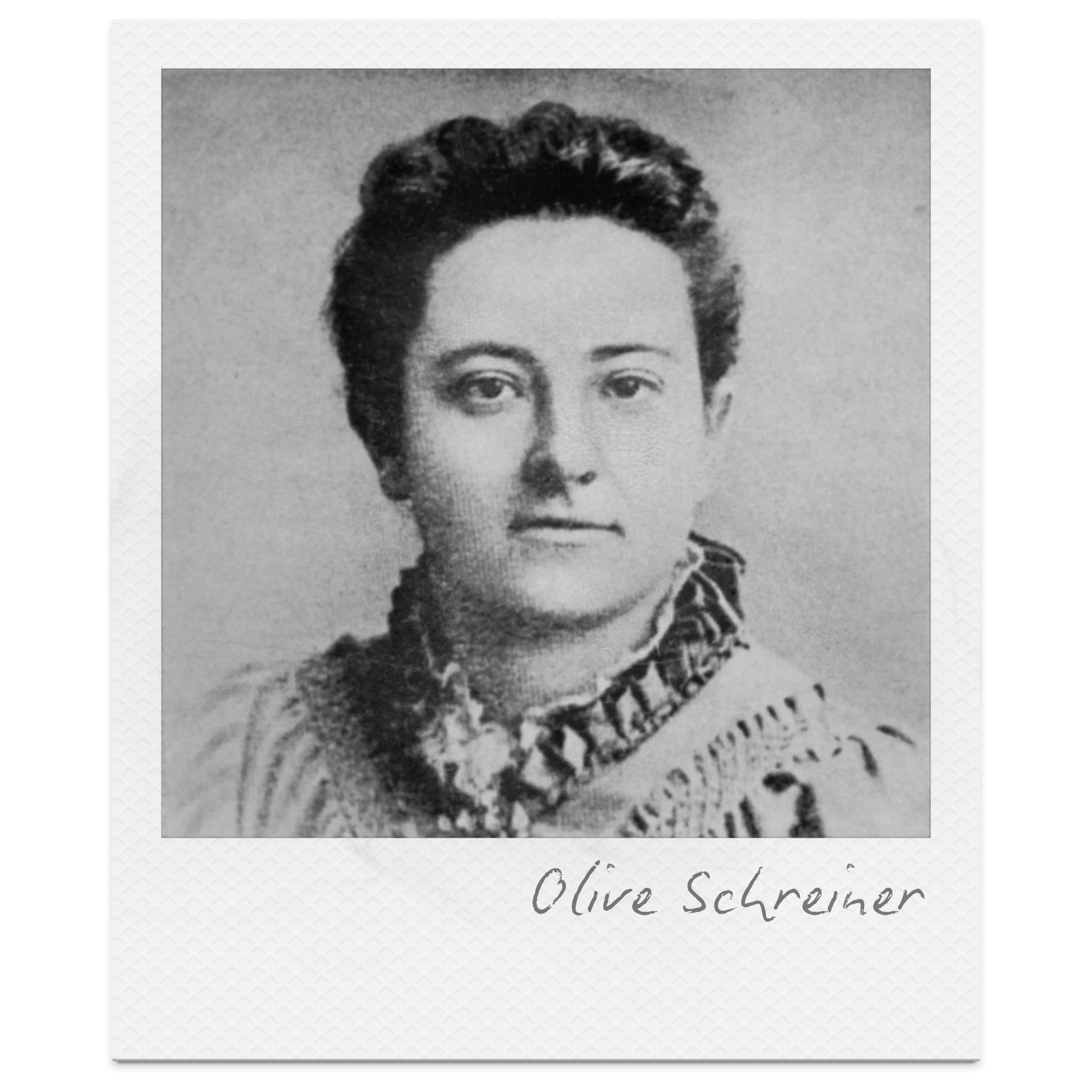
Olive Schreiner was a South African writer, feminist thinker, and social critic whose work often explored gender inequality, colonial society, identity, and the emotional lives of women. Writing during the late nineteenth century, Schreiner challenged many traditional Victorian assumptions about femininity, marriage, and women’s roles within society. Much of her work focuses on women struggling against social limitation while searching for emotional independence, dignity, and meaningful human connection.
The Woman’s Rose reflects both its Victorian context and its South African colonial setting. The isolated “up-country town” is dominated by men, and the women within it become objects of admiration, competition, and social attention. Schreiner uses this setting to explore how patriarchal environments encourage rivalry between women while also limiting their freedom and individuality. At the same time, the story quietly challenges these social expectations through the symbolic act of the rose, which represents female generosity, emotional maturity, and solidarity rather than jealousy or competition.
The story’s reflective tone and emphasis on memory also connect it to late nineteenth-century literary interest in psychological realism and emotional interiority. Rather than focusing on dramatic external events, Schreiner explores subtle emotional shifts, unspoken tension, and symbolic gestures, allowing small moments to carry deep emotional and philosophical meaning.
The Woman’s Rose at a Glance
Form: Reflective short story with symbolic and autobiographical elements
Mood: Nostalgic, reflective, emotionally restrained, and quietly hopeful
Central conflict: The narrator struggles between enjoying male admiration and feeling sympathy, admiration, and emotional connection towards the other young woman|
Core themes: Female solidarity, jealousy, identity, womanhood, memory, patriarchal power, generosity, and emotional maturity
Narrative perspective: First-person retrospective narration shaped by memory, reflection, and emotional self-awareness
One-sentence meaning: Schreiner uses the symbolic gift of the rose to suggest that compassion and solidarity between women can survive rivalry, social pressure, and male-driven competition.
Quick Summary of The Woman’s Rose
The narrator begins by describing a small carved box filled with personal objects connected to memory and emotion, including a single preserved white rose. She explains that the rose reminds her of a moment that restored her faith in women, compassion, and emotional generosity.
The story then moves into the narrator’s memories of visiting an isolated South African town as a teenager. Before her arrival, another young woman with “dreamy blue eyes” and fair hair had been admired and pursued by all the men in the town. However, when the narrator arrives, the men quickly abandon the other woman and begin directing all their admiration and attention towards her instead. Although the narrator partly enjoys this new power and attention, she also feels guilty and increasingly aware of the emotional cruelty behind the men’s behaviour and rivalry.
On the narrator’s final evening before leaving the town, both young women attend a party where the other woman wears the only white rose available in the district. In a quiet but deeply meaningful gesture, she removes the rose from her own dress and places it in the narrator’s hair, telling her that it “looks much better there.” The narrator is deeply moved by this act of kindness and emotional generosity. Years later, the preserved rose still reminds her that solidarity, compassion, and hope between women can survive jealousy, competition, and social division.
Title of The Woman’s Rose
The title The Woman’s Rose immediately draws attention to the story’s central symbol while also creating an atmosphere of emotional significance and mystery. By focusing on the rose rather than either woman individually, Schreiner suggests from the beginning that the story is less about romantic attraction or rivalry and more about a deeper emotional and symbolic connection between women.
On a literal level, the title refers to the single white rose worn by the fair-haired girl at the party before she gives it to the narrator. However, the rose quickly becomes far more than a decorative object. It symbolises generosity, forgiveness, emotional maturity, and female solidarity within a social environment shaped by competition and male judgement. The fact that the rose survives long after the events of the story gives it emotional permanence and symbolic power.
The wording of the title is also important. Schreiner does not call it The Girl’s Rose or The Rose. Instead, the phrase “The Woman’s Rose” suggests a movement towards emotional maturity and a wider understanding of womanhood itself. By the ending, the rose no longer belongs only to one individual woman; it becomes symbolic of the narrator’s faith in women collectively and in the possibility of compassion between them.
The title also gains greater emotional resonance through the story’s reflective structure. At first, the rose appears small and insignificant, but through memory and narration it becomes a lasting symbol of hope and emotional transformation. In this way, Schreiner uses the title to foreground the story’s central concern with how seemingly small acts of kindness can carry profound emotional and philosophical meaning.
Structure of The Woman’s Rose
Schreiner uses the structure of The Woman’s Rose to gradually build emotional meaning around memory, silence, and symbolic gesture. Rather than relying on dramatic action or confrontation, the story develops through reflection, emotional tension, and delayed revelation. The movement between present reflection and past experience allows Schreiner to show how a seemingly small moment can gain deep symbolic significance over time.
Opening/Exposition
The story opens with the narrator describing her old carved box filled with personal objects connected to memory and emotion. This framing device immediately creates an atmosphere of nostalgia, intimacy, and reflection. The preserved rose is introduced before readers understand its significance, creating early curiosity and foreshadowing its later symbolic importance.
Schreiner also establishes one of the story’s key ideas very early: the narrator’s faith in women has sometimes “grown dim,” but the memory of the rose restores hope. This immediately positions the story as more than a simple memory, suggesting that it will explore wider ideas about womanhood, emotional generosity, and solidarity.
Rising Action
The rising action begins when the narrator recalls arriving in the isolated colonial town as a teenager. Schreiner slowly develops tension through the men’s behaviour and the shifting balance of attention between the two women. The narrator quickly becomes the new focus of admiration, while the fair-haired girl is gradually ignored and displaced.
Importantly, the tension remains largely emotional and unspoken. The two women rarely speak and never openly argue, yet the narrator constantly imagines the other woman’s hurt and humiliation. This creates psychological tension rooted in silence, observation, and emotional restraint rather than physical conflict.
Schreiner also builds tension through repeated contrasts:
◆ the old favourite versus the new arrival
◆ admiration versus isolation
◆ power versus guilt
◆ competition versus sympathy
The narrator partly enjoys the attention and power she receives, but increasingly feels disturbed by the cruelty and shallowness of the men’s behaviour.
Climax
The climax occurs during the party scene on the narrator’s final evening in the town. Structurally, Schreiner places the emotional turning point in a quiet, intimate moment rather than a dramatic confrontation.
The fair-haired girl removes the only white rose in the district from her own dress and places it in the narrator’s hair, telling her that it “looks much better there.” This simple gesture resolves the silent emotional tension that has existed throughout the story.
The exchange:
“You are so beautiful to me,” I said.
“Y-e-s,” she said, with her slow Colonial drawl; “I'm so glad.”
becomes emotionally powerful because of the restraint surrounding it. After pages of silence and distance, this moment reveals mutual understanding, generosity, and emotional maturity.
Falling Action
After the party, the narrator leaves the town the next morning, and the emotional intensity of the story quietens again. Schreiner briefly explains that she never sees the woman again and later hears uncertain rumours about her life in America.
This section reinforces the temporary nature of the encounter while also emphasising its lasting emotional importance. The women’s relationship remains incomplete and unresolved in ordinary social terms, yet emotionally transformative for the narrator.
Resolution
The story returns to the present and the preserved rose in the carved box, creating a circular structure that links the ending back to the opening paragraphs. The rose now carries full symbolic meaning as a reminder of female solidarity, generosity, and emotional hope.
The final line — “spring cannot fail us” — gives the story a hopeful and symbolic conclusion. The repeated image of spring suggests renewal, growth, and the possibility that women can rise above rivalry and division despite the pressures of patriarchal society.
Overall, Schreiner’s structure relies on memory, emotional restraint, symbolism, and gradual emotional revelation to create a story whose deepest impact comes from subtle psychological and emotional shifts rather than dramatic external events.
Setting of The Woman’s Rose
Schreiner uses the setting of The Woman’s Rose to explore isolation, patriarchal power, emotional tension, and the social pressures placed upon women. The remote colonial town shapes the behaviour of both the men and the women within it, creating an environment where female identity becomes heavily influenced by male attention and competition. At the same time, Schreiner contrasts this emotionally restrictive setting with moments of warmth, beauty, and symbolic hope.
The story is set in a “small up-country town” in colonial South Africa that was “two days’ journey from the nearest village.” This physical isolation immediately creates a sense of emotional and social confinement. The town is described as consisting “mainly of men,” with only one socially visible young woman before the narrator arrives. This imbalance is important because it transforms the women into objects of fascination and competition within a male-dominated environment.
Schreiner uses the setting to expose how patriarchal societies encourage rivalry between women. The men “talked of her on the stoep, at the market, at the hotel,” constantly observing and discussing the fair-haired girl as though she were a public object rather than an individual. Their behaviour creates an atmosphere of surveillance, judgement, and emotional pressure. The repeated descriptions of men waiting “at street corners” and offering horses or flowers reinforce the performative nature of their admiration.
The town itself also symbolises emotional limitation and social narrowness. Because the community is so isolated, the men direct all their attention towards whichever woman is currently most admired. The narrator later realises that this worship is partly “simply a fashion, which one man had set and the rest followed unreasoningly.” In this way, the setting reflects the shallow and collective nature of male desire within the community.
Schreiner contrasts this restrictive social setting with moments of striking sensory beauty and emotional intimacy. The memory of the “sultry afternoon” beneath the “acacia trees,” where rain “fell on us from the leaves,” creates a softer and more reflective atmosphere linked to memory and emotional connection. Similarly, the final party scene is filled with symbolic visual detail. The fair-haired girl appears “dressed in pure white,” with her “bright hair glittering in the candle-light,” creating an almost luminous atmosphere around her. The setting transforms her into a figure of grace, generosity, and emotional maturity.
The white rose itself becomes deeply connected to setting and atmosphere. Schreiner emphasises that “for two hundred miles round there was not a rose to be bought for love or money,” making the flower feel rare, precious, and almost miraculous within the harsh landscape. This rarity increases the symbolic importance of the rose when it is given away freely.
The story finally returns to the narrator’s quiet room and the carved box holding the preserved rose. This reflective setting contrasts sharply with the socially charged colonial town of the past. The small private space allows memory, reflection, and emotional meaning to survive long after the events themselves have ended.
Overall, Schreiner uses setting not simply as background detail, but as a way of exploring gender expectations, emotional isolation, memory, and the possibility of compassion within restrictive social environments.
Narrative Voice in The Woman’s Rose
Schreiner uses a reflective first-person narrative voice to create emotional intimacy and shape readers’ understanding of memory, womanhood, female solidarity, and emotional growth. Because the story is told many years after the events happened, the narrator constantly combines past experience with present reflection, allowing readers to see both her younger self and her older, more mature perspective at the same time.
The narrative voice is highly personal, confessional, and emotionally honest. The narrator openly admits that, as a young girl, she enjoyed the admiration and power she received from the men in the town. She confesses, “Partly I liked it,” and later admits, “I liked my power.” These direct admissions create a strong sense of self-awareness and psychological realism, making the narrator feel thoughtful and believable rather than idealised.
At the same time, the older narrator repeatedly reflects critically on her younger behaviour. She explains that “the mother heart had not swelled in me yet” and that she was “too small to be tender.” This reflective language highlights clear emotional development, maturity, and changing understanding. Schreiner therefore uses the narrative voice to show how experience and memory can reshape a person’s view of themselves and others over time.
Schreiner also uses the narrative voice to create strong emotional restraint. Much of the tension between the two women remains unspoken, and the narrator focuses on silences, small gestures, and observations rather than dramatic confrontation. For example, she simply states:
“She and I never spoke to each other.”
The short sentence and restrained tone make the emotional distance between the women feel more powerful and significant. The silence itself becomes emotionally meaningful.
The narrator’s voice also shapes readers’ sympathy towards the fair-haired girl. Although the narrator receives the men’s admiration, she increasingly recognises the cruelty, shallowness, and performative nature of their behaviour. Her reflective tone encourages readers to view the conflict not as a simple rivalry between women, but as something created by the wider patriarchal society surrounding them.
Importantly, the narration is deeply connected to memory and symbolism. The repeated return to the carved box and the preserved rose creates a nostalgic and reflective atmosphere throughout the story. The narrator is less concerned with exact factual detail than with the emotional significance the memory still carries years later. This gives the voice a thoughtful, almost philosophical quality.
Overall, Schreiner uses the first-person retrospective narration to combine reflection, psychological insight, emotional honesty, and symbolic memory, allowing readers to understand how the narrator gradually moves from pride and competition towards compassion, admiration, and faith in women’s emotional generosity.
Characters in The Woman’s Rose
Schreiner uses the characters in The Woman’s Rose to explore female identity, competition, emotional maturity, and the effects of living within a male-dominated society. Rather than presenting simple heroes or villains, Schreiner creates psychologically complex characters shaped by loneliness, admiration, social pressure, and emotional growth.
The Narrator
The narrator is presented as intelligent, emotionally reflective, and increasingly self-aware. Because she tells the story many years later, readers see both her younger self and her older, more mature perspective at the same time. As a teenager, she enjoys the attention and admiration she receives from the men in the town, openly admitting:
“I liked my power.”
This honest confession reveals both her youthful vanity and her emotional immaturity. Schreiner presents the younger narrator as someone who partly enjoys male admiration because she has “lived alone all my life” and had never before been treated as desirable or important.
At the same time, the narrator is not cruel or deliberately malicious. She feels increasingly uncomfortable with the way the men abandon the fair-haired girl in favour of herself. She explains:
“I could not bear that they had deserted her for me.”
This embedded confession reveals growing empathy, guilt, and emotional conflict. Although she benefits from the situation, she also recognises its emotional cruelty and unfairness.
The older narrator repeatedly judges her younger self with greater maturity and understanding. She reflects that:
“The mother heart had not swelled in me yet.”
This metaphor suggests emotional growth and wider compassion developed later in life. By the ending, the narrator has come to value female solidarity, emotional generosity, and mutual understanding more than social attention or power.
The Fair-Haired Girl
The fair-haired girl is presented as graceful, admired, emotionally generous, and quietly dignified. Schreiner initially describes her through highly idealised imagery, focusing on her “dreamy blue eyes,” “wavy light hair,” and smile that caused “all her white teeth” to shine. These descriptions create an almost luminous and symbolic image of beauty.
Importantly, however, the fair-haired girl is not simply presented as an object of beauty. Schreiner gradually reveals her emotional depth through silence, restraint, and generosity. Although she has every reason to resent the narrator after being replaced socially, she never openly attacks or humiliates her.
Her most important moment comes during the party scene when she removes the only white rose in the district from her own dress and places it in the narrator’s hair, saying:
“It looks much better there!”
This act symbolises extraordinary kindness, emotional maturity, and generosity. Instead of responding with jealousy or bitterness, she chooses compassion and solidarity.
The narrator later tells her:
“You are so beautiful to me.”
At this moment, beauty becomes connected not simply to physical appearance, but to emotional grace, dignity, and compassion. Schreiner therefore transforms the fair-haired girl into a symbol of female generosity and emotional strength.
The Men of the Town
The men in the town are presented collectively rather than as fully individualised characters. Schreiner uses them to symbolise the shallow, performative, and competitive nature of patriarchal society.
They constantly admire whichever woman is currently considered most desirable. Before the narrator arrives, they “worshipped” the fair-haired girl, but afterwards “they all forsook her and followed me.” The suddenness of this shift exposes the instability and superficiality of their admiration.
Schreiner also presents the men as heavily influenced by social fashion and group behaviour. The narrator eventually realises that their admiration was “simply a fashion, which one man had set and the rest followed unreasoningly.” This criticism suggests that the men’s behaviour lacks genuine emotional depth or individuality.
Importantly, Schreiner uses the men not mainly as romantic figures, but as part of the wider social environment creating rivalry and emotional pressure between women. Their attention turns female identity into competition, encouraging comparison, jealousy, and emotional isolation.
Overall, Schreiner uses the characters to explore how compassion, emotional maturity, and solidarity can survive even within social systems designed to encourage rivalry and division.
Key Themes in The Woman’s Rose
Schreiner uses The Woman’s Rose to explore a range of interconnected themes surrounding womanhood, emotional growth, social pressure, and the relationship between women within a patriarchal society. Although the story centres on a seemingly small personal memory, Schreiner uses symbolism, reflective narration, and emotional restraint to examine larger questions about identity, compassion, and female connection.
Female Solidarity
One of the story’s most important themes is female solidarity. Throughout most of the narrative, the two women exist within an atmosphere of silence, emotional distance, and implied rivalry created by the men around them. However, Schreiner gradually reveals that beneath this tension lies admiration, empathy, and emotional understanding.
The fair-haired girl’s decision to place the white rose in the narrator’s hair becomes a powerful symbolic rejection of jealousy and competition. Instead of humiliating or resenting the narrator, she responds with generosity and dignity. The narrator later reflects that the memory of the rose restores her “faith in woman,” showing that this moment represents something far larger than a simple social interaction.
By the ending, the rose symbolises the possibility that women can support and recognise one another even within systems designed to divide them.
Jealousy
Schreiner explores jealousy in a subtle and psychologically complex way. Although the story initially appears to set up a rivalry between the two women, Schreiner deliberately avoids open hostility or dramatic conflict.
The narrator assumes that the fair-haired girl “hated” her and “wished I was dead,” but importantly, these thoughts come from the narrator’s own anxieties and guilt rather than from anything the other woman actually says or does. Schreiner therefore presents jealousy as something partly created by social expectation and emotional insecurity.
The men’s behaviour also intensifies this tension. Their constant comparisons and shifting admiration encourage the women to view themselves as competitors. The hotel bet about “which was the prettier” exposes the cruelty and shallowness of the patriarchal environment surrounding them.
However, Schreiner ultimately suggests that compassion and emotional understanding are stronger than jealousy.
Identity
The story explores how identity can become shaped by external admiration and social attention. Before arriving in the town, the narrator has “lived alone all my life” and has never been treated as beautiful or desirable. The sudden admiration she receives therefore changes the way she sees herself.
She admits:
“I believed them.”
This short confession reveals how easily identity can become dependent upon the opinions and desires of others. Schreiner suggests that the narrator initially mistakes male attention for genuine self-worth and personal value.
At the same time, the fair-haired girl’s identity is also shaped by the town’s expectations. Before the narrator arrives, she “reigned alone,” almost like a symbolic figure rather than an ordinary person. Schreiner therefore shows how both women become trapped within socially constructed roles shaped by male perception.
Womanhood
Schreiner presents womanhood as something connected not simply to beauty or admiration, but to emotional growth, compassion, and generosity. The narrator repeatedly reflects upon how immature she was as a younger girl, explaining:
“I was too small to be tender.”
This metaphor suggests that true emotional maturity develops over time through experience, empathy, and understanding.
By the ending, the narrator’s understanding of women has changed completely. The rose becomes symbolic of emotional generosity and hope rather than competition or beauty. Schreiner therefore presents womanhood as something emotionally expansive and compassionate rather than performative or socially competitive.
Memory
The entire story is shaped by memory, and Schreiner uses reflective narration to show how small moments can gain emotional significance over time. The preserved rose acts as a physical link between past and present, allowing the narrator to revisit a moment that permanently changed her understanding of women and human relationships.
Importantly, the narrator remembers emotional details, gestures, and atmospheres more vividly than factual information. This gives the story a nostalgic and symbolic quality. The repeated return to the carved box and the scent of the rose emphasises how memory can preserve emotional truth long after external events have ended.
Memory also allows Schreiner to contrast the narrator’s younger and older selves, highlighting her emotional growth and changing perspective.
Patriarchal Power
The isolated colonial town reflects a deeply patriarchal society in which women are constantly judged, admired, and compared by men. The men discuss the women publicly, offer gifts, compete for attention, and even gamble on which woman is prettier.
Schreiner presents this behaviour as both shallow and emotionally destructive. The narrator eventually realises that the men’s admiration was “simply a fashion,” exposing how unstable and performative their worship really is.
Importantly, the patriarchal environment encourages emotional division between women by making their social value dependent upon male approval. Schreiner therefore critiques the way patriarchal systems reduce women to objects of admiration and competition rather than recognising them as emotionally complex individuals.
Generosity
The white rose becomes the story’s clearest symbol of generosity and emotional grace. The fair-haired girl gives away the one object that symbolises her beauty and social position without bitterness or resentment.
This gesture matters because it interrupts the pattern of competition and comparison created by the men around them. The gift of the rose becomes an act of emotional freedom and compassion.
The narrator is deeply moved because the gesture reveals a level of emotional maturity she herself did not yet possess. Schreiner therefore presents generosity not as weakness, but as a powerful rejection of jealousy and social rivalry.
Emotional Maturity
The story traces the narrator’s movement towards greater emotional maturity and self-awareness. As a young girl, she enjoys attention and power without fully understanding the emotional consequences for others. She compares herself to “a child with a new whip,” suggesting recklessness and immaturity.
Over time, however, she develops greater empathy and understanding. The memory of the rose becomes important precisely because it represents a moment when she recognised emotional generosity and compassion more valuable than beauty, admiration, or power.
By the ending, the narrator’s belief that “spring cannot fail us” suggests renewed faith in emotional growth, solidarity, and the possibility of kindness between women despite social pressures designed to divide them.
Symbolism in The Woman’s Rose
Schreiner uses symbolism throughout The Woman’s Rose to explore female solidarity, memory, womanhood, emotional maturity, and resistance to patriarchal power. Small objects and gestures carry deep emotional significance, allowing the story’s meaning to emerge gradually through reflection rather than dramatic action.
The White Rose
The white rose is the story’s central symbol and represents generosity, emotional grace, compassion, and solidarity between women. At first, the rose appears simply as a beautiful object worn by the fair-haired girl at the party. However, its meaning changes completely when she removes it from her own dress and places it in the narrator’s hair.
Because the rose is described as the only one available “for two hundred miles round,” it immediately feels rare and precious. The fact that the fair-haired girl gives it away freely makes the gesture emotionally powerful and symbolic.
The colour white is also important. Traditionally associated with purity, peace, innocence, and sincerity, the white rose symbolises emotional generosity untouched by jealousy or bitterness. Instead of competing with the narrator, the fair-haired girl chooses kindness and connection.
By the ending, the preserved rose becomes symbolic of the narrator’s lasting “faith in woman.” It no longer represents beauty alone, but the possibility of compassion and emotional solidarity between women.
The Carved Box
The old carved box symbolises memory, emotional preservation, and the way important experiences continue shaping identity over time. The narrator keeps the rose alongside deeply personal objects such as childhood pictures and locks of hair, suggesting that emotional memories can become almost sacred.
The box also symbolises emotional interiority and reflection. Unlike the public social world of the town — where women are constantly observed and judged — the box is private and personal. It represents an inner emotional space where meaning survives beyond social performance or external appearance.
Importantly, the box preserves objects connected not to public success or admiration, but to emotional significance and human connection.
Spring
The repeated image of spring symbolises hope, emotional renewal, and the possibility of growth despite disappointment or conflict. The narrator explains that when her “faith in woman flickers,” the memory of the rose reminds her that “spring cannot fail us.”
Spring therefore becomes symbolic of emotional rebirth and the belief that compassion and generosity can survive within difficult social conditions. Even when the narrator feels despair about women’s future or social divisions, the rose reminds her that emotional renewal remains possible.
The seasonal imagery also reflects the narrator’s own emotional development. Her younger self is associated with immaturity, competition, and pride, while the remembered rose becomes linked to emotional growth and understanding.
Flowers
Flowers throughout the story symbolise both female beauty and the temporary nature of admiration. The men constantly bring flowers to whichever woman currently receives their attention, turning flowers into symbols of social approval and superficial desire.
However, Schreiner gradually transforms floral imagery into something more emotionally meaningful. Unlike the flowers offered by the men, the rose given by the fair-haired girl represents genuine emotional generosity rather than performance or competition.
The contrast between the discarded acacia flowers and the preserved rose is also significant. The acacia flowers are connected to romantic memory and fade with time, while the rose survives because of its deeper emotional and symbolic meaning.
Clothing and Colour
Schreiner uses clothing and colour symbolically, particularly during the party scene. The fair-haired girl is dressed “in pure white,” creating an image of grace, dignity, and almost symbolic purity. Her appearance becomes associated not simply with beauty, but with emotional generosity and selflessness.
By contrast, the narrator describes herself arranging her “old black scarf” across her “old black dress.” The dark clothing creates a visual contrast that reflects her insecurity, emotional uncertainty, and self-consciousness. The white rose placed into her dark hair symbolically bridges the emotional distance between the two women.
The Colonial Town
The isolated colonial town symbolises the restrictive nature of patriarchal society. Because there are so few women, female identity becomes shaped almost entirely through male admiration and comparison. The town therefore functions symbolically as a social environment encouraging rivalry, judgement, and emotional isolation.
At the same time, Schreiner uses this restrictive setting to make the final gesture of generosity even more powerful. The emotional kindness represented by the rose becomes significant precisely because it emerges within a society encouraging competition rather than solidarity.
Overall, Schreiner uses symbolism to transform a quiet personal memory into a wider reflection on womanhood, emotional growth, compassion, and the possibility of connection between women despite social pressures designed to divide them.
Key Quotes and Methods in The Woman’s Rose
Schreiner’s key quotations reveal the story’s central concerns about female solidarity, memory, identity, patriarchal power, and emotional growth. Through symbolism, reflective narration, contrast, and restrained dialogue, Schreiner transforms small moments into emotionally powerful reflections on womanhood and compassion.
“no one has my rose”
◆ Method — Symbolism, possessive language, reflective first-person narration
◆ Meaning — The rose represents a deeply personal emotional memory connected to faith in women and emotional generosity
◆ Purpose — Schreiner immediately establishes the rose as more than a decorative object, creating curiosity and emotional significance
◆ Impact — Readers recognise that the story will explore emotional meaning and memory rather than external action alone
◆ Link to theme, conflict, or symbolism — Links to memory, female solidarity, and the symbolic importance of the rose
“spring cannot fail us”
◆ Method — Seasonal symbolism, hopeful imagery, cyclical motif
◆ Meaning — Spring symbolises emotional renewal, hope, and the possibility of compassion surviving social division
◆ Purpose — Schreiner uses natural imagery to suggest that kindness and solidarity between women remain possible despite disappointment or conflict
◆ Impact — The line gives the story an emotionally hopeful and reflective ending
◆ Link to theme, conflict, or symbolism — Links to hope, womanhood, emotional maturity, and renewal
“they all forsook her and followed me”
◆ Method — Collective language, contrast, blunt sentence structure
◆ Meaning — The men abruptly transfer their admiration from one woman to another, exposing the shallow and performative nature of their behaviour
◆ Purpose — Schreiner critiques how patriarchal societies encourage competition and comparison between women
◆ Impact — Readers recognise the emotional cruelty and instability behind the men’s admiration
◆ Link to theme, conflict, or symbolism — Links to patriarchal power, jealousy, and identity shaped by male approval
“I liked my power”
◆ Method — Direct confession, first-person narration, honest self-reflection
◆ Meaning — The narrator openly admits enjoying the attention and influence she gains from male admiration
◆ Purpose — Schreiner creates a psychologically realistic narrator who recognises her own emotional immaturity and vanity
◆ Impact — Readers understand the narrator as flawed but self-aware rather than cruel or malicious
◆ Link to theme, conflict, or symbolism — Links to identity, power, emotional immaturity, and self-awareness
“I was too small to be tender”
◆ Method — Metaphor, reflective narration, emotional symbolism
◆ Meaning — The narrator describes her younger self as emotionally immature and lacking wider compassion
◆ Purpose — Schreiner highlights the narrator’s emotional development and changing understanding of womanhood
◆ Impact — Readers see the contrast between youthful pride and later emotional maturity
◆ Link to theme, conflict, or symbolism — Links to emotional maturity, womanhood, and personal growth
“She and I never spoke to each other”
◆ Method — Short sentence, emotional restraint, silence as meaning
◆ Meaning — The emotional tension between the two women exists largely through silence and observation rather than open conflict
◆ Purpose — Schreiner creates psychological complexity by focusing on unspoken feeling rather than dramatic confrontation
◆ Impact — The restrained tone makes the emotional distance between the women feel more powerful
◆ Link to theme, conflict, or symbolism — Links to jealousy, emotional restraint, and female connection
“It looks much better there!”
◆ Method — Symbolic gesture, understated dialogue, generosity through action
◆ Meaning — The fair-haired girl gives the rose away freely, rejecting jealousy and competition
◆ Purpose — Schreiner uses a small gesture to symbolise compassion, dignity, and emotional generosity
◆ Impact — The simplicity of the moment makes it emotionally powerful and memorable
◆ Link to theme, conflict, or symbolism — Links to female solidarity, generosity, and the symbolic meaning of the rose
“You are so beautiful to me”
◆ Method — Direct emotional statement, shift in perspective, emotional revelation
◆ Meaning — The narrator now sees beauty as connected to compassion and emotional grace rather than physical appearance alone
◆ Purpose — Schreiner transforms the story from one about rivalry into one about admiration, understanding, and emotional connection
◆ Impact — Readers recognise the narrator’s emotional transformation and growing maturity
◆ Link to theme, conflict, or symbolism — Links to womanhood, emotional maturity, and female solidarity
Key Techniques in The Woman’s Rose
Schreiner combines symbolism, reflective narration, emotional restraint, and contrast to explore womanhood, memory, patriarchal power, and emotional growth. Her techniques create a story that feels quiet and understated on the surface while carrying deep emotional and symbolic meaning underneath.
◆ Symbolism — The white rose symbolises compassion, emotional generosity, hope, and solidarity between women, gradually becoming more emotionally significant throughout the story
◆ First-person retrospective narration — The older narrator reflects on her younger self with greater maturity and self-awareness, allowing Schreiner to explore emotional growth and changing understanding
◆ Emotional restraint — Schreiner avoids dramatic confrontation, instead using silence, small gestures, and understated dialogue to create emotional tension and complexity
◆ Contrast — The narrator and the fair-haired girl are repeatedly contrasted through appearance, social attention, clothing, and emotional development, highlighting themes of rivalry and solidarity
◆ Reflective structure — The movement between present reflection and past memory allows the story to explore how small moments gain symbolic and emotional importance over time
◆ Pathetic fallacy and natural imagery — Seasonal imagery such as “spring cannot fail us” symbolises emotional renewal, hope, and the possibility of compassion surviving social division
◆ Collective characterisation — The men are presented as a group rather than as individuals, emphasising the shallow and performative nature of patriarchal social behaviour
◆ Symbolic colour imagery — The repeated use of white around the rose and the fair-haired girl symbolises sincerity, emotional grace, purity, and generosity
◆ Silence as meaning — The women’s lack of direct conversation creates psychological tension and highlights the emotional distance imposed by social expectations and rivalry
◆ Psychological realism — Schreiner focuses on subtle emotional responses, insecurity, guilt, and self-reflection rather than dramatic external action
◆ Circular structure — The story begins and ends with the preserved rose, reinforcing its lasting emotional and symbolic importance
◆ Sensory imagery — Descriptions of scent, candlelight, flowers, rain, and texture create a nostalgic and emotionally intimate atmosphere connected to memory
◆ Irony — The narrator initially enjoys the men’s admiration but gradually realises how shallow and damaging their behaviour truly is
◆ Understatement — Key emotional moments, particularly the giving of the rose, are presented quietly and simply, making them feel more sincere and emotionally powerful
◆ Motif of memory — The repeated return to the carved box and the rose reinforces how emotional experiences continue shaping identity and belief long after the events themselves have ended
How the Writer Creates Meaning and Impact in The Woman’s Rose
Schreiner creates meaning in The Woman’s Rose through the careful combination of symbolism, reflective narration, emotional restraint, and contrast. Although the story appears quiet and simple on the surface, Schreiner gradually transforms an ordinary social memory into a powerful reflection on womanhood, female solidarity, emotional maturity, and the damaging effects of patriarchal society.
One of the most important ways Schreiner creates meaning is through the symbolic use of the white rose. Initially, the rose appears to be simply a decorative flower worn by the fair-haired girl at the party. However, when she removes it from her own dress and places it in the narrator’s hair, the rose becomes symbolic of generosity, compassion, and emotional grace. The gesture matters because it interrupts the rivalry and comparison created by the men around them. Schreiner therefore uses a small physical object to communicate a much larger idea about emotional solidarity between women.
Schreiner also creates meaning through the first-person retrospective narration. Because the narrator tells the story many years later, readers constantly see a contrast between her younger self and her older, more mature understanding. The younger narrator openly admits:
“I liked my power.”
This honest confession reveals her emotional immaturity and enjoyment of male admiration. However, the older narrator repeatedly reflects critically on this behaviour, explaining that she was “too small to be tender.” Through this reflective structure, Schreiner shows how memory allows emotional growth and self-understanding to develop over time.
The writer further deepens meaning through strong contrasts between competition and solidarity. Much of the story’s tension comes from the men’s behaviour, as they abruptly abandon the fair-haired girl and “follow” the narrator instead. Schreiner presents their admiration as shallow, collective, and performative. The narrator later realises it was “simply a fashion,” exposing the instability of the men’s attention. This contrast encourages readers to recognise that the emotional conflict between the women is largely created by the wider patriarchal environment surrounding them.
Schreiner also uses emotional restraint to create impact. The women rarely speak to one another, and much of the tension exists through silence, observation, and unspoken feeling. For example, the simple sentence:
“She and I never spoke to each other”
carries emotional weight precisely because so much remains unsaid. Schreiner avoids melodrama, allowing small gestures and quiet moments to become emotionally powerful.
The story’s structure also contributes to its meaning. The opening and ending both focus on the preserved rose in the carved box, creating a circular structure that reinforces the lasting emotional significance of the memory. By returning to the present at the ending, Schreiner shows that the emotional meaning of the rose has survived long after the actual events themselves faded.
Natural imagery and seasonal symbolism further deepen the story’s impact. The repeated line “spring cannot fail us” symbolises hope, renewal, and the possibility of emotional growth despite disappointment and social division. Schreiner uses this image to suggest that compassion and solidarity between women can survive even within restrictive patriarchal systems.
Importantly, Schreiner avoids presenting the story as a simple moral lesson. The narrator remains aware of her own flaws, vanity, and emotional immaturity, while the relationship between the two women remains brief and incomplete. This emotional ambiguity makes the story feel psychologically realistic and encourages readers to reflect more deeply on ideas about identity, rivalry, memory, and compassion.
Ultimately, Schreiner creates meaning in The Woman’s Rose by combining symbolism, reflective narration, emotional restraint, and subtle psychological insight to show how small acts of generosity can carry lasting emotional and philosophical significance.
Alternative Interpretations of The Woman’s Rose
Schreiner’s The Woman’s Rose supports multiple interpretations because it combines memory, symbolism, emotional restraint, and social commentary. Different readers may therefore interpret the relationship between the two women — and the meaning of the rose itself — in very different ways.
Psychological Reading: Memory and Emotional Growth
From a psychological perspective, the story can be interpreted as an exploration of memory, emotional growth, and self-understanding. The narrator looks back on her younger self with a mixture of honesty, guilt, and admiration, suggesting that the story is partly about recognising her own emotional immaturity.
The preserved rose symbolises a memory that continues shaping her identity many years later. Importantly, the narrator remembers emotional details — gestures, expressions, atmosphere — more vividly than factual information, suggesting that the emotional meaning of the event matters more than historical accuracy itself.
In this interpretation, the story becomes a reflection on how moments of kindness and emotional recognition can permanently alter a person’s understanding of themselves and others.
Feminist Reading: Women Shaped by Patriarchal Society
A social and feminist interpretation focuses on the effects of patriarchal society and the way women are positioned as rivals through male admiration and judgement. The isolated colonial town encourages competition because women are constantly valued according to beauty, desirability, and male attention.
The men’s behaviour is presented as shallow and collective. They first “worshipped” the fair-haired girl before abruptly transferring all their admiration to the narrator. Schreiner therefore critiques the instability and performative nature of male approval.
In this interpretation, the rose symbolises resistance to patriarchal division. By giving the flower away freely, the fair-haired girl rejects jealousy and competition in favour of female solidarity, emotional generosity, and mutual recognition.
Queer Reading: Female Emotional Intimacy
Some readers may interpret the relationship between the narrator and the fair-haired girl as containing elements of unusually intense female emotional attachment or romantic admiration. Although the story never presents an explicit romantic relationship, Schreiner places striking emotional emphasis on the narrator’s fascination with the other woman’s beauty, attention, and approval.
The narrator repeatedly focuses on the woman’s “dreamy blue eyes,” “bright hair,” and radiant smile in highly admiring and emotionally intimate language. Importantly, the narrator appears to value the woman’s opinion more deeply than the admiration of the men surrounding them. Her confession:
“You are so beautiful to me”
carries emotional intensity that some readers may interpret as moving beyond ordinary friendship or social admiration.
In this interpretation, the rose symbolises emotional intimacy, longing, and connection between women within a society that expects them to remain rivals rather than emotionally united. Schreiner’s use of silence, restraint, and unspoken feeling strengthens this ambiguity, allowing the relationship to remain emotionally open to multiple interpretations.
Why The Woman’s Rose Still Matters
Although The Woman’s Rose was written in the nineteenth century, its exploration of female identity, social pressure, emotional insecurity, and women’s relationships still feels highly relevant today. Schreiner examines how women are judged, compared, and valued according to appearance and desirability, ideas that continue to shape modern culture through media, beauty standards, and social expectations.
The story also remains important because of its presentation of female solidarity within a competitive and patriarchal environment. The men in the story constantly compare the two women, encouraging rivalry and emotional division. Modern readers may still recognise similar pressures created by social comparison, public judgement, and the expectation that women compete for approval or attention.
At the same time, Schreiner’s story offers a hopeful alternative to this rivalry. The symbolic act of giving the rose represents emotional generosity, compassion, and mutual recognition between women. This moment remains powerful because it rejects jealousy and competition in favour of understanding and kindness.
The story’s focus on memory and emotional growth also continues to resonate with readers. The older narrator reflects critically on her younger self, recognising both her vanity and her emotional immaturity. This reflective perspective gives the story psychological realism and allows modern readers to connect with its exploration of guilt, growth, and changing self-awareness over time.
Importantly, The Woman’s Rose also remains relevant because of its emotional subtlety and openness to multiple interpretations. Readers may approach the story as a reflection on friendship, feminism, emotional intimacy, or identity, allowing it to continue generating discussion and debate in modern classrooms.
Ultimately, Schreiner’s story still matters because it explores timeless human experiences — the desire to be admired, the fear of rejection, the pressure of social expectation, and the lasting power of compassion and emotional generosity.
Exam-Ready Insight for The Woman’s Rose
This section shows how to turn your understanding of The Woman’s Rose into a strong, exam-focused response for CIE IGCSE English Literature (0475 & 0922) by analysing how Schreiner creates meaning through symbolism, narrative voice, structure, and emotional restraint.
What strong responses do
◆ stay closely focused on the question
◆ analyse methods rather than simply retelling events
◆ track shifts in tone, perspective, and emotional understanding
◆ explore how Schreiner uses symbolism and reflective narration to shape meaning
◆ use short, embedded quotations effectively
◆ explain the effect of silence, contrast, and emotional restraint
◆ develop conceptual interpretations about womanhood, identity, and female solidarity
Conceptual argument
A strong thesis for The Woman’s Rose might be:
Schreiner presents female solidarity as something capable of surviving jealousy and patriarchal division, using symbolic imagery, reflective narration, and emotional restraint to show how compassion and emotional maturity become more powerful than rivalry or male approval.
Model analytical paragraph
Schreiner presents the emotional relationship between the two women as increasingly shaped by empathy rather than rivalry through symbolism, contrast, and reflective narration. Early in the story, the narrator admits that the men “all forsook her and followed me,” exposing the shallow and competitive atmosphere created by male admiration. The collective verb “forsook” emphasises the emotional cruelty of this sudden rejection, while also revealing the narrator’s growing guilt and discomfort. Schreiner develops this tension through emotional restraint, as the narrator explains, “She and I never spoke to each other,” suggesting that silence itself becomes part of the conflict between them. However, the symbolic turning point occurs when the fair-haired girl removes the white rose from her own dress and places it in the narrator’s hair. The rose symbolises generosity and emotional grace, transforming what could have remained a story about jealousy into one about compassion and female solidarity. Through this progression, Schreiner encourages readers to recognise that emotional maturity and kindness are ultimately more powerful than social rivalry or patriarchal expectations.
Teaching Ideas for The Woman’s Rose
This story works particularly well for exploring symbolism, narrative voice, female relationships, emotional restraint, and the effects of patriarchal society. Its reflective structure and subtle emotional tension make it highly effective for close analysis, discussion, and interpretive debate in the classroom.
1. Symbolism Tracking Activity
Ask students to track the development of the white rose across the story.
Students should explore:
◆ where the rose appears
◆ how its meaning changes
◆ what emotions become attached to it
◆ how it connects to memory and womanhood
◆ why the narrator preserves it for years
Students can then write an analytical paragraph exploring how Schreiner uses symbolism to present female solidarity and emotional growth.
This activity helps students move beyond simple identification of symbols towards analysis of developing meaning.
2. Structured Group Close Analysis
Assign students different analytical roles within small groups:
◆ Narrative voice specialist — explores reflection, hindsight, and emotional honesty
◆ Symbolism analyst — tracks the rose, flowers, colour imagery, and spring imagery
◆ Theme tracker — focuses on jealousy, identity, and female solidarity
◆ Context expert — explores patriarchal society and the colonial setting
Each group analyses key sections before sharing interpretations with the class.
This encourages collaborative interpretation while developing close reading and analytical confidence.
3. Silent Debate
Set up a silent debate around a conceptual question such as:
Is The Woman’s Rose more hopeful or critical in its presentation of women?
Students should:
◆ respond to others’ interpretations in writing
◆ use embedded quotations as evidence
◆ challenge ideas respectfully
◆ develop conceptual arguments over time
Possible extension statements:
◆ “The men create the conflict between the women.”
◆ “The narrator admires the fair-haired girl more than the men do.”
◆ “The rose symbolises forgiveness rather than love.”
This activity works particularly well for exploring ambiguity and multiple interpretations. For guidance on structuring this activity, explore the silent debate post.
4. Comparative Thinking Task
Students compare The Woman’s Rose with another anthology story by focusing on:
◆ presentations of women and identity
◆ memory and reflection
◆ symbolic objects
◆ emotional restraint
◆ power and social expectation
◆ endings that rely on emotional revelation rather than dramatic action
Students can present:
◆ comparative paragraphs
◆ thematic mind maps
◆ debate responses
◆ conceptual thesis statements
This helps students develop more flexible anthology interpretations and stronger comparative skills.
5. Creative Writing Extension
Ask students to write a reflective first-person narrative centred around a symbolic object connected to memory or emotional change.
Possible prompts:
◆ a preserved object linked to an important relationship
◆ a memory that changes meaning over time
◆ a story about rivalry transforming into understanding
◆ a narrative exploring admiration, jealousy, or emotional maturity
◆ a story built around an emotionally significant gesture
Students should aim to:
◆ use reflective narration
◆ create emotional restraint rather than melodrama
◆ use symbolism deliberately
◆ focus on atmosphere and psychological realism
◆ show emotional growth over time
For more classroom-ready prompts and genre-based activities, explore the Creative Writing Archive.
Go Deeper into The Woman’s Rose Further
Comparing The Woman’s Rose with other literary texts can help students develop more conceptual interpretations about womanhood, identity, memory, and emotional relationships.
◆ The Garden Party by Katherine Mansfield — comparison of female perspective, social expectation, emotional awakening, and psychological realism
◆ Goblin Market by Christina Rossetti — explores female solidarity, temptation, emotional connection, and symbolic imagery between women
◆ The Yellow Wallpaper by Charlotte Perkins Gilman — comparison of patriarchal control, female identity, and women’s emotional experiences within restrictive societies
◆ The Necklace by Guy de Maupassant — explores appearance, social value, female identity, and the emotional consequences of societal expectation
These comparisons can help students explore how different writers present women’s emotional lives, social pressures, and the search for identity and connection.
Final Thoughts
Olive Schreiner’s The Woman’s Rose transforms a quiet personal memory into a powerful reflection on womanhood, memory, emotional maturity, and female solidarity. Through reflective narration, symbolism, and emotional restraint, Schreiner explores how women are shaped by admiration, comparison, and patriarchal social pressures, while also suggesting that compassion and generosity can survive within those systems.
What makes the story especially memorable is its emotional subtlety. Rather than relying on dramatic confrontation, Schreiner allows small gestures, silences, and symbolic moments to carry deep emotional meaning. The preserved white rose ultimately becomes a symbol of hope, reminding the narrator — and the reader — that kindness, understanding, and solidarity between women can outlast rivalry, insecurity, and social expectation. For more anthology analysis, explore the Stories of Ourselves Volume 2 Hub and the wider Literature Library.
Choose Your Next Text