Notes from the Inkpot
Writing, teaching, creating - one ink-stained idea at a time.



Fluke by Romesh Gunesekera: Summary, Themes & Analysis:::
Romesh Gunesekera’s Fluke is a darkly ironic and politically unsettling short story exploring memory, denial, capitalism, post-war identity, and collective amnesia in modern Sri Lanka. Through the reflective narration of Vasantha, a van driver transporting a motivational speaker to a luxury business seminar, Gunesekera gradually exposes the uneasy tension between commercial optimism and unresolved political violence. Although the story initially appears humorous and conversational, references to disappearances, war crimes, and forgetting slowly reveal a society attempting to bury trauma beneath tourism, branding, and economic growth. This detailed analysis explores the story’s symbolism, narrative voice, themes, structure, key quotes, and alternative interpretations while examining how Gunesekera uses irony, understatement, and reflective imagery to question whether genuine progress is possible without confronting the past.
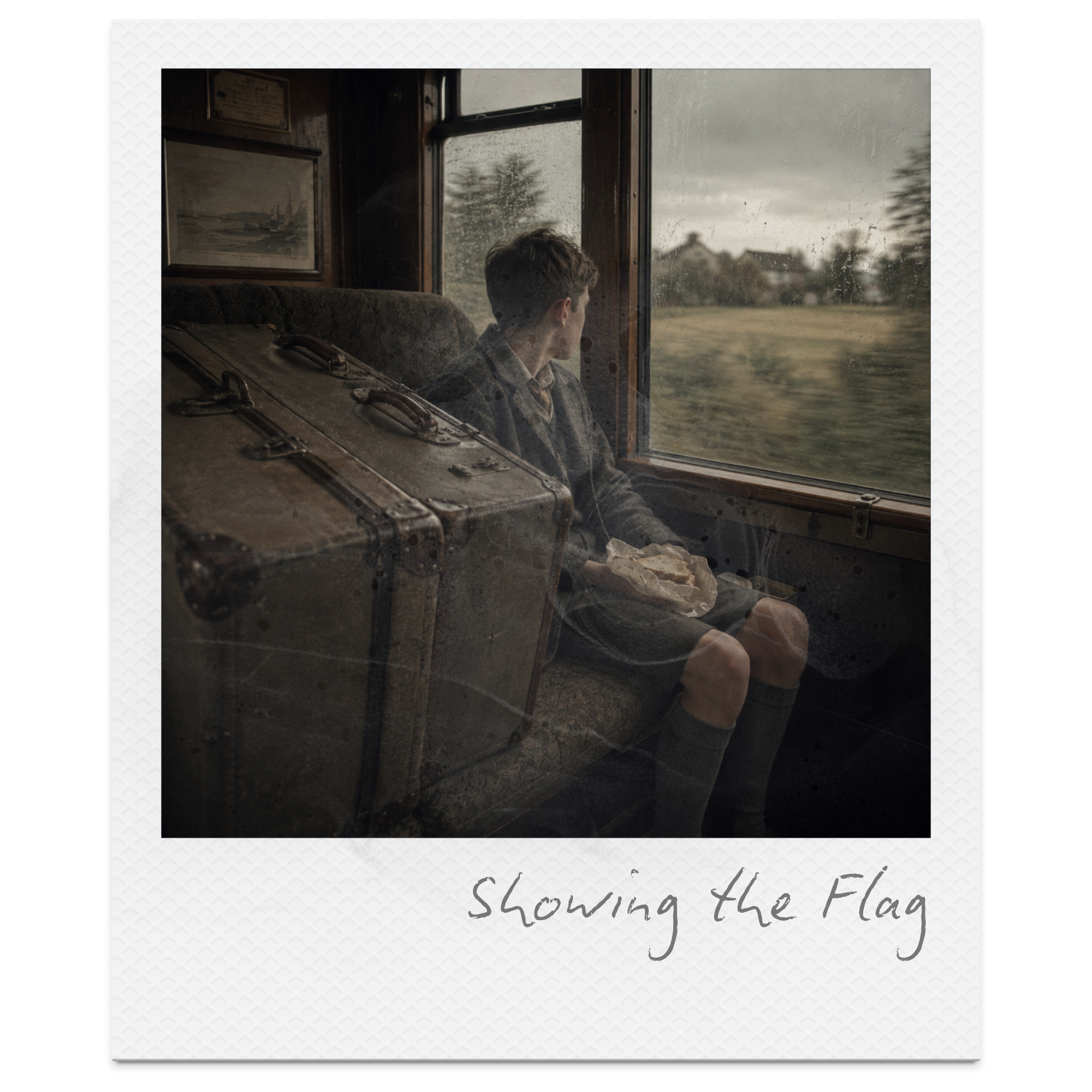
Showing the Flag by Jane Gardam: Summary, Themes & Analysis
Jane Gardam’s Showing the Flag is a psychologically rich short story exploring childhood insecurity, grief, emotional repression, and the fragile relationship between parents and children. Through Philip’s lonely journey from England to France shortly after his father’s death, Gardam reveals how fear and emotional misunderstanding can distort a child’s perception of love and belonging. This detailed analysis explores the story’s symbolism, themes, structure, narrative voice, key quotes, alternative interpretations, and exam-focused insights for CIE IGCSE English Literature (0475 & 0922), while examining how the seemingly simple image of a lost Union Jack becomes a powerful symbol of identity, emotional security, and hidden parental care.

A Walk to the Jetty by Jamaica Kincaid: Summary, Themes & Analysis
Jamaica Kincaid’s A Walk to the Jetty is a deeply reflective short story exploring identity, separation, motherhood, migration, and the emotional conflict of leaving home. Through Annie John’s final journey from Antigua to the ship that will carry her to England, Kincaid examines the painful transition between childhood and adulthood, revealing how independence can feel both liberating and devastating at the same time. This detailed analysis explores the story’s themes, symbolism, structure, narrative voice, key quotes, alternative interpretations, and exam-focused insights for CIE IGCSE English Literature (0475 & 0922).
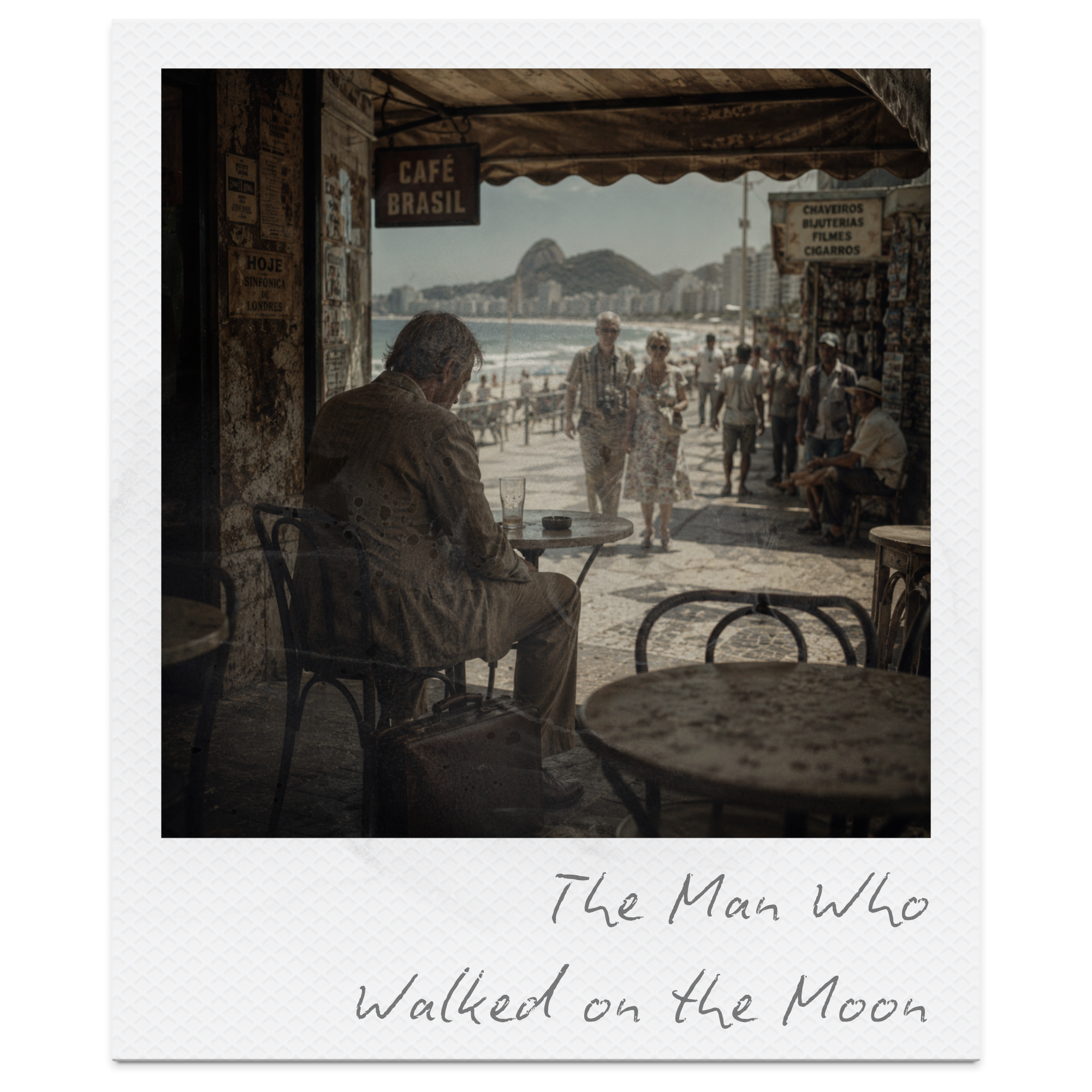
The Man Who Walked on the Moon by J.G. Ballard: Summary, Themes & Analysis
J.G. Ballard’s The Man Who Walked on the Moon is a psychologically unsettling short story exploring alienation, identity, loneliness, and the blurred boundary between fantasy and reality. Through the relationship between the unnamed narrator and Scranton — a failed American who falsely claims to have been an astronaut — Ballard examines how emotional isolation can gradually reshape a person’s understanding of truth, society, and selfhood. This detailed analysis explores the story’s themes, symbolism, structure, narrative voice, key quotes, alternative interpretations, and exam-focused insights for CIE IGCSE English Literature (0475 & 0922).
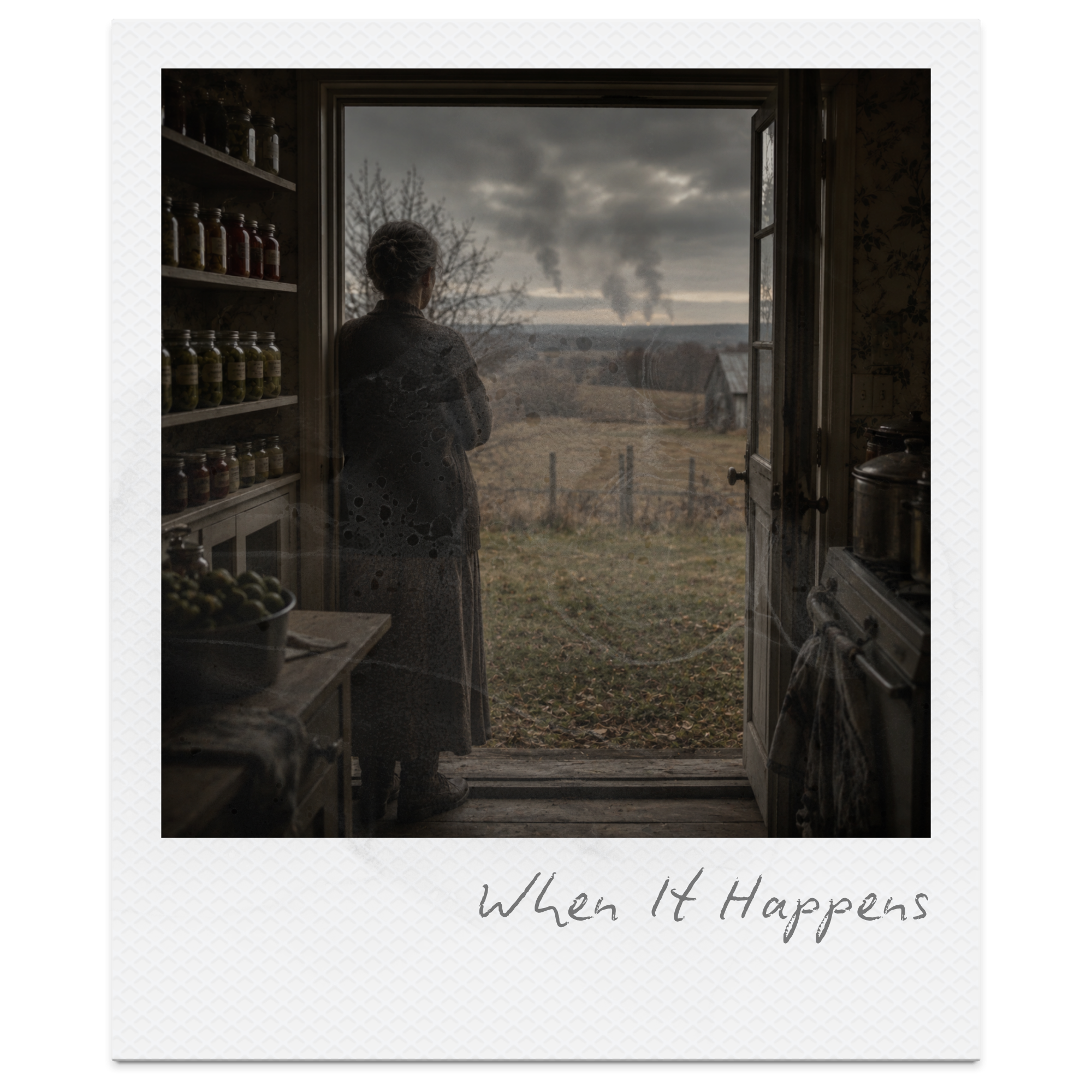
When It Happens by Margaret Atwood: Summary, Themes & Analysis
Margaret Atwood’s When It Happens is a haunting and psychologically tense short story exploring fear, survival, uncertainty, and the quiet collapse of ordinary life. Through the perspective of Mrs. Burridge, Atwood transforms domestic routines such as preserving food, writing shopping lists, and organising supplies into symbols of preparation and anxiety, gradually revealing a world overshadowed by the expectation of disaster. This detailed analysis explores the story’s themes, symbolism, structure, narrative voice, key quotes, and exam-focused interpretations for CIE IGCSE English Literature (0475 & 0922).
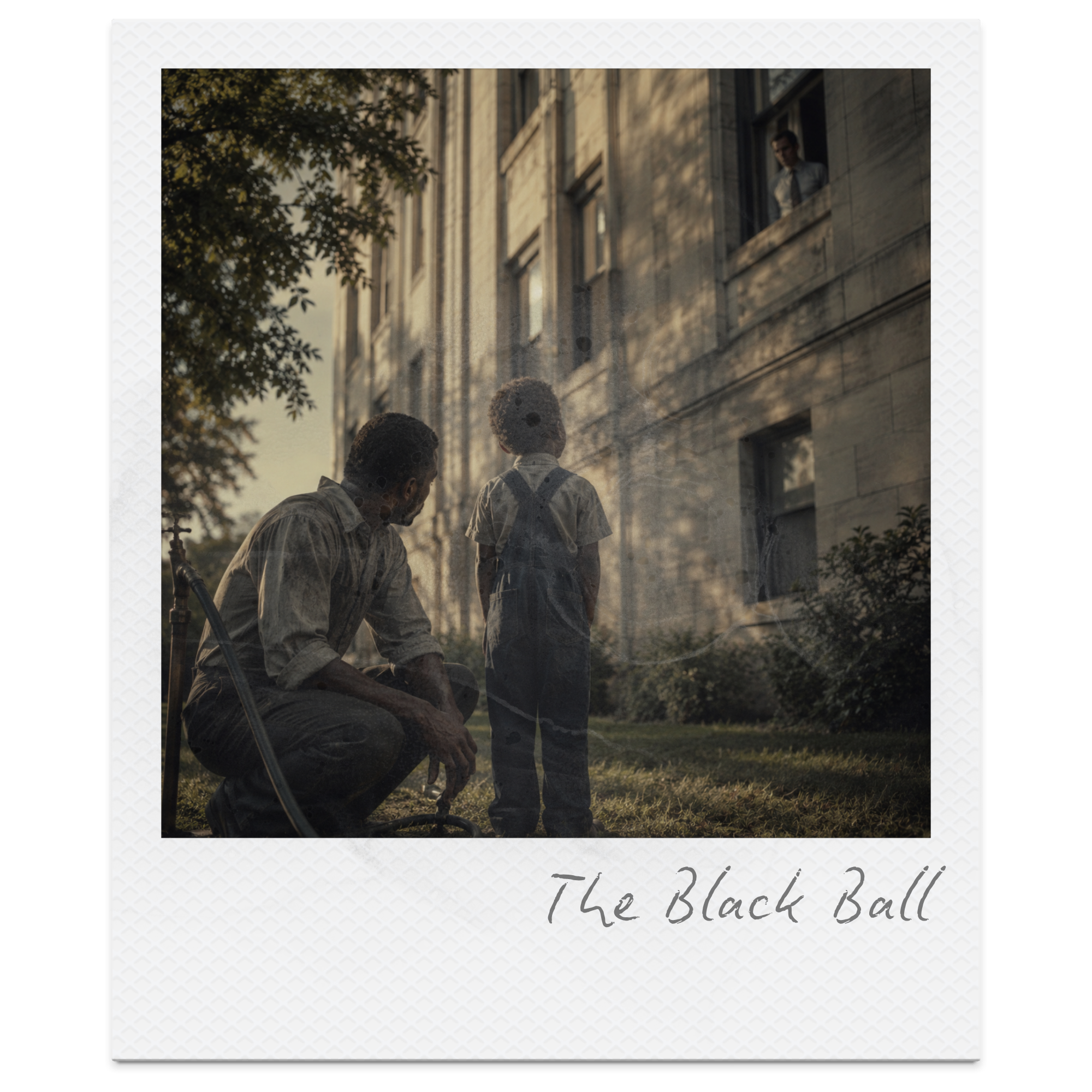
The Black Ball by Ralph Ellison: Summary, Themes & Analysis
Ralph Ellison’s The Black Ball is a powerful short story exploring racism, identity, fatherhood, and the painful loss of innocence within a deeply unequal society. Through the experiences of John and his young son, Ellison reveals how prejudice shapes ordinary daily life, using symbolism, dramatic irony, and reflective narration to expose the emotional pressure created by social inequality. This detailed analysis explores the story’s themes, characters, symbolism, structure, key quotes, and exam-focused interpretations for CIE IGCSE English Literature (0475 & 0922).
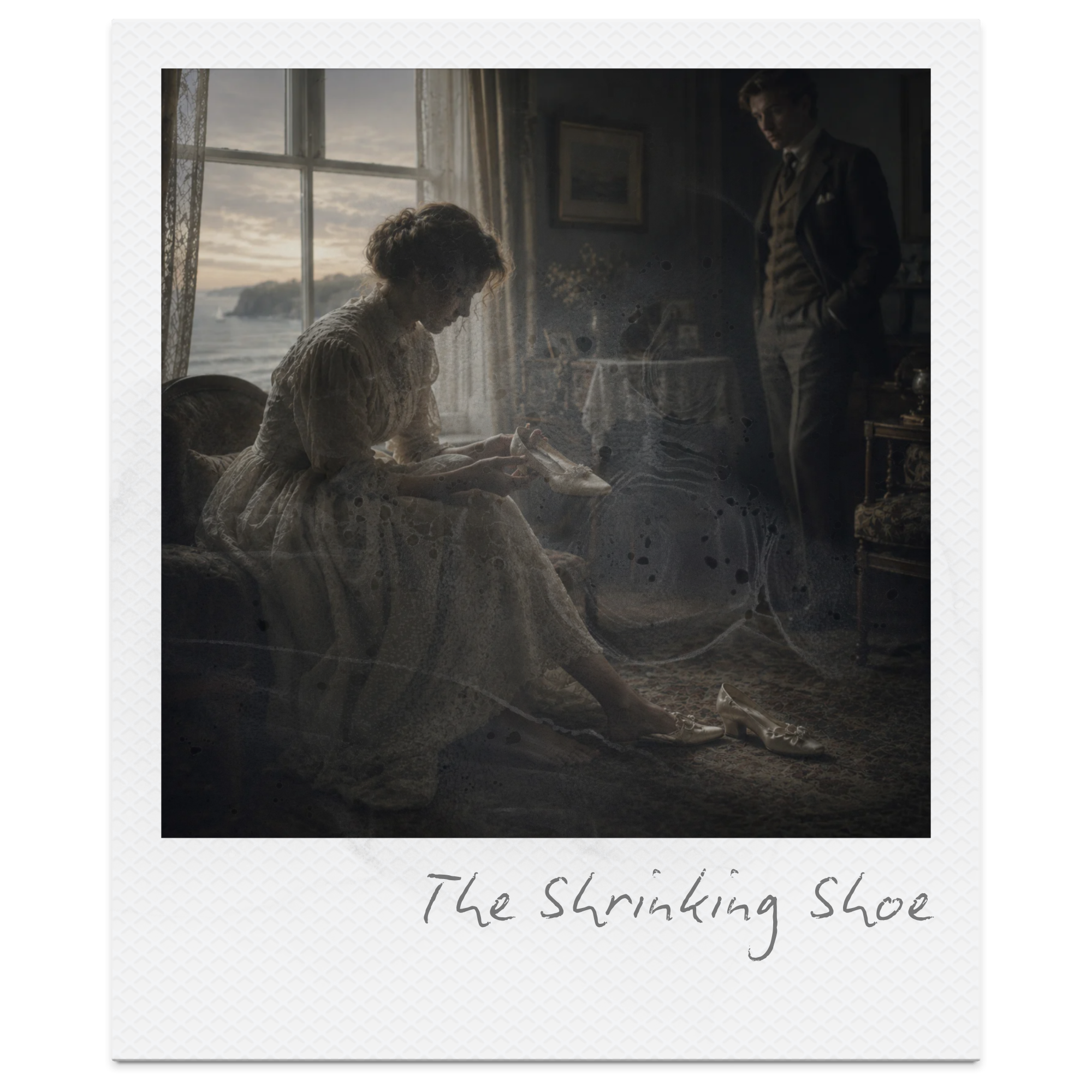
The Shrinking Shoe by Walter Besant: Summary, Themes & Analysis
Walter Besant’s The Shrinking Shoe is a reflective Victorian short story exploring ambition, idealism, wealth, emotional disappointment, and the tension between youthful dreams and adult reality. Inspired by the Cinderella fairy tale, the story follows Katie De Lisle and Geoffrey Armiger as romantic hope and heroic ambition gradually fade beneath comfort, idleness, and emotional compromise. Through symbolism, irony, and reflective narration, Besant transforms a familiar fairy-tale structure into a much more morally complex examination of identity, wasted potential, and self-improvement. This detailed analysis for CIE IGCSE World Literature (0408) explores the story’s themes, symbolism, structure, narrative voice, and key quotations, while examining how Besant uses the symbolic shrinking slipper to reflect fading ambition, emotional disillusionment, and the fragile possibility of renewal. The guide also includes alternative interpretations, exam-ready insights, and classroom-focused teaching ideas designed to support deeper literary analysis and discussion.
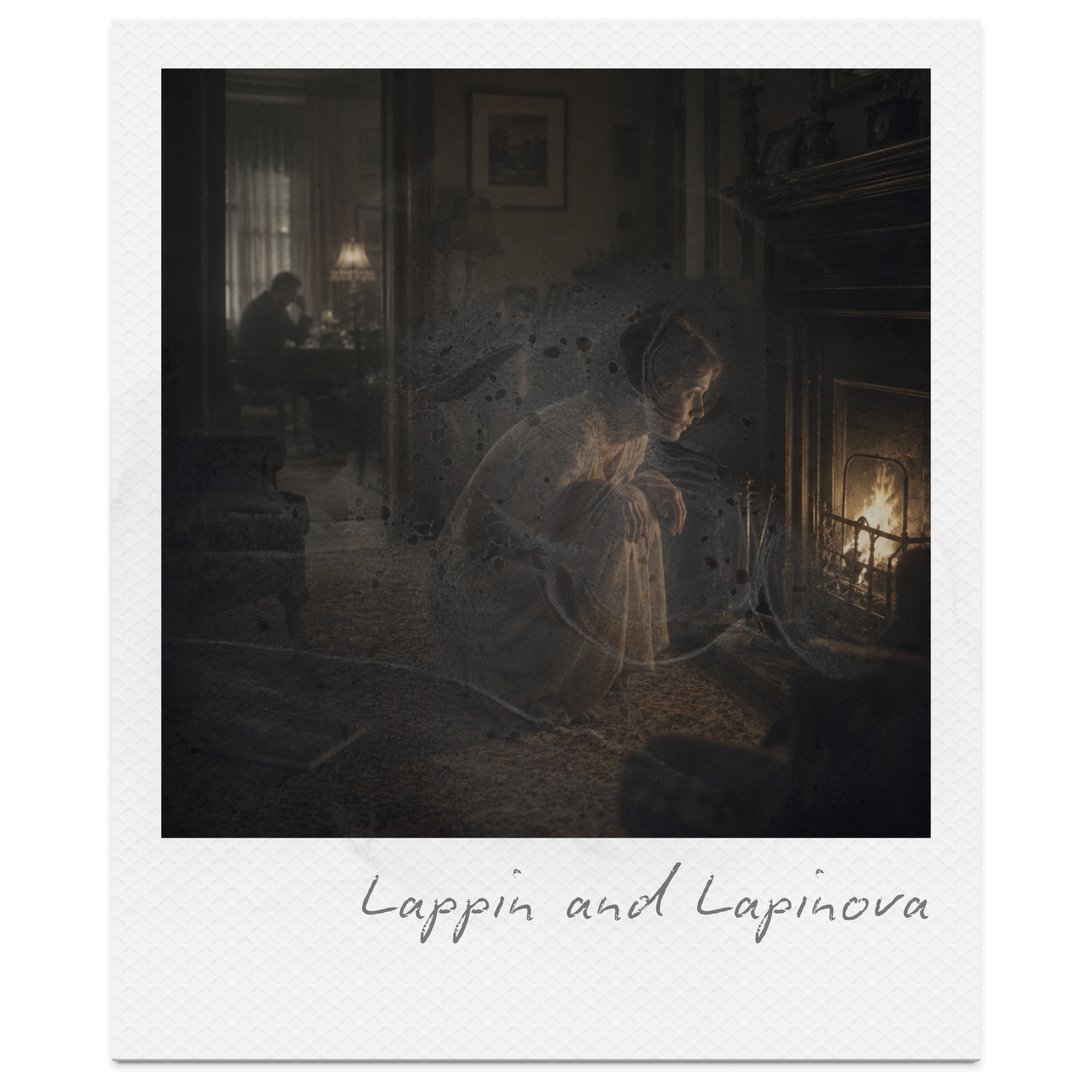
Lappin and Lapinova by Virginia Woolf: Summary, Themes & Analysis
Virginia Woolf’s Lappin and Lapinova is a psychologically rich short story exploring marriage, identity, imagination, and emotional isolation through symbolism, shifting atmosphere, and modernist narration. The story follows Rosalind and Ernest Thorburn as they create a private fantasy world in which they become King Lappin and Queen Lapinova — symbolic rabbit identities that allow them to escape ordinary domestic reality and form an intimate emotional language of their own. This detailed analysis for CIE IGCSE World Literature (0408) explores the story’s themes, symbolism, structure, narrative voice, and key quotations, while examining how Woolf uses rabbit imagery, psychological perspective, and the gradual collapse of fantasy to reveal the fragility of intimacy and the fear of losing identity within marriage. The guide also includes alternative interpretations, exam-ready insights, and classroom-focused teaching ideas designed to support deeper literary analysis and discussion.
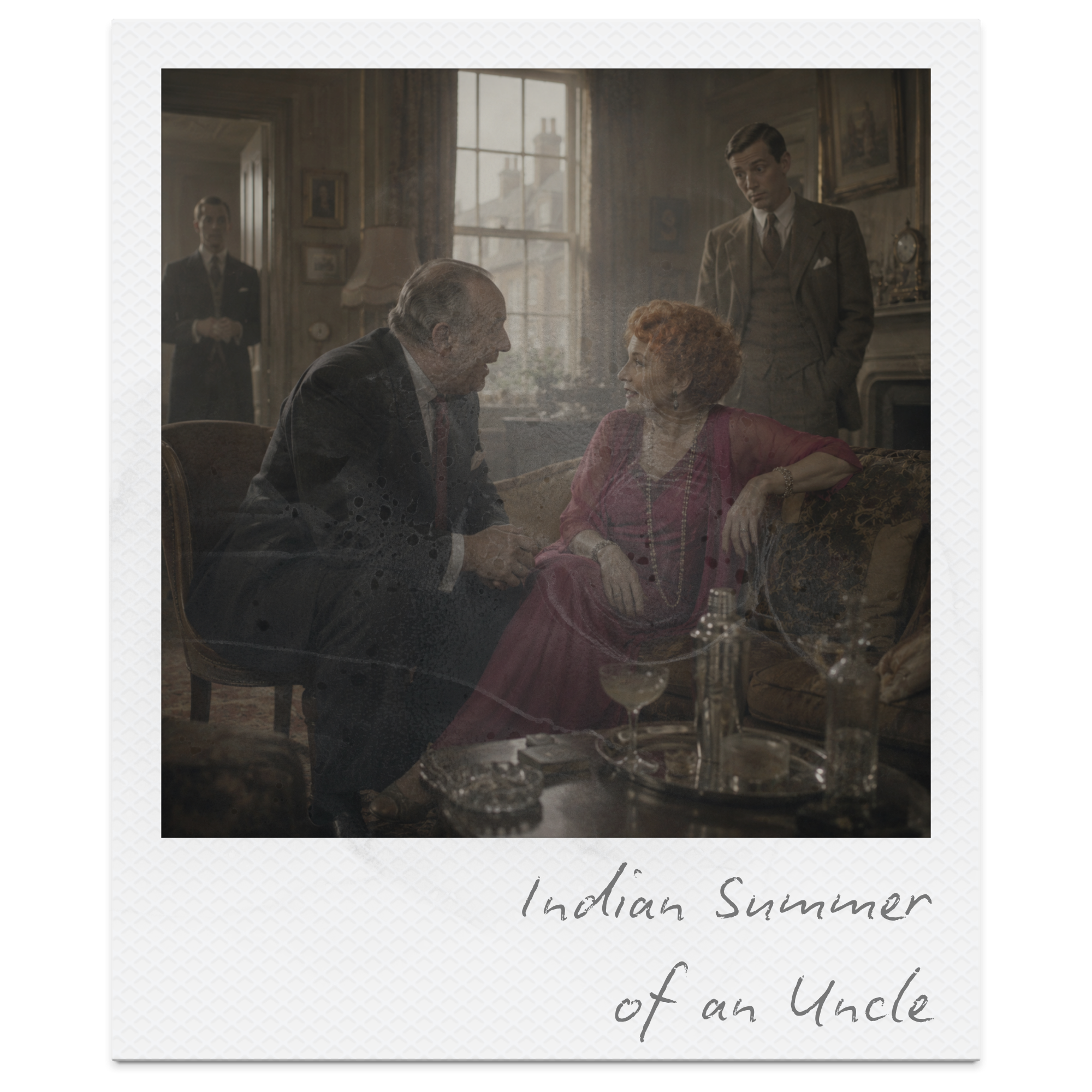
Indian Summer of an Uncle by P.G. Wodehouse: Summary, Themes & Analysis
P.G. Wodehouse’s Indian Summer of an Uncle is a comic short story exploring class, marriage, family pressure, romantic misunderstanding, and the absurdities of upper-class society through dramatic irony, exaggerated narration, and sharp social satire. Told through Bertie Wooster’s humorous first-person perspective, the story follows the chaos that erupts when the elderly Uncle George suddenly decides to marry a young waitress, horrifying his aristocratic family and forcing Bertie into a series of increasingly awkward situations. This detailed analysis for CIE IGCSE World Literature (0408) explores the story’s themes, symbolism, structure, narrative voice, and key quotations, while examining how Wodehouse creates humour through comic contrast, misunderstanding, and the gap between appearance and emotional reality. The guide also includes alternative interpretations, exam-ready insights, and classroom-focused teaching ideas designed to support deeper literary analysis and discussion.
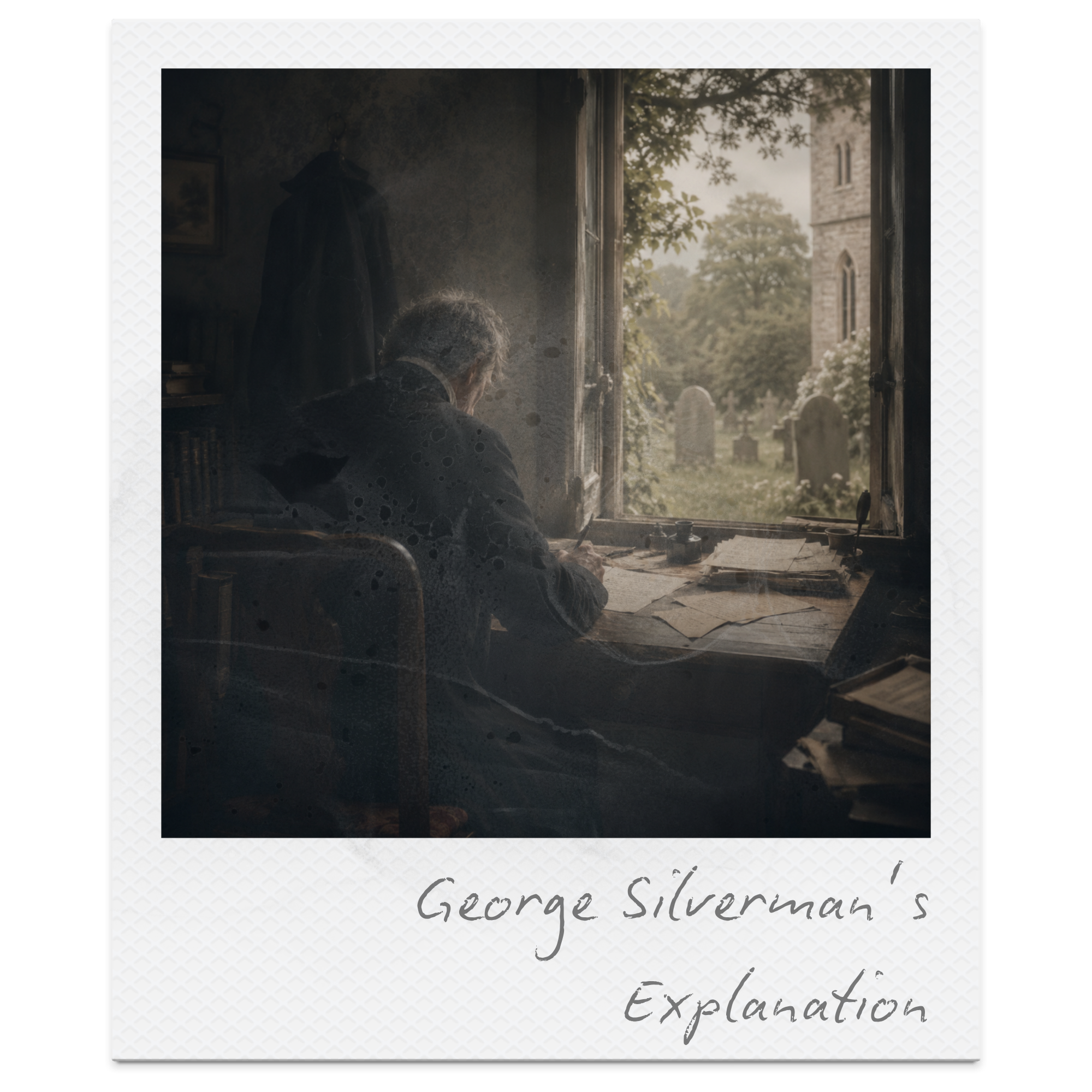
George Silverman’s Explanation by Charles Dickens: Summary, Themes & Analysis
George Silverman’s Explanation by Charles Dickens is a powerful Victorian short story exploring poverty, religious hypocrisy, class prejudice, self-sacrifice, and identity through the reflective narration of George Silverman, a deeply lonely and emotionally damaged protagonist. Written as a first-person “explanation,” the story traces George’s journey from a traumatic childhood in poverty to adulthood shaped by shame, misunderstanding, and quiet moral conflict. This analysis explores how Dickens uses narrative voice, structure, symbolism, and social criticism to create emotional impact and expose the psychological effects of neglect, guilt, and social judgement. Ideal for students studying Stories of Ourselves Volume 2 for CIE IGCSE World Literature (0408), this guide includes key themes, quotes, techniques, symbolism, alternative interpretations, and exam-focused insight.

Haywards Heath by Aminatta Forna: Summary, Themes & Analysis
Explore Haywards Heath by Aminatta Forna with this detailed analysis for CIE IGCSE English Literature (0475 & 0922, 2027 syllabus). This post examines the story’s exploration of memory, aging, regret, love, and emotional displacement, alongside Forna’s use of restrained narration, symbolism, repetition, and fragmented structure. Perfect for revision and classroom study, this guide analyses key themes, characters, setting, narrative voice, symbolism, important quotations, and writer’s methods, while also offering alternative interpretations, exam-ready insights, and teaching ideas designed to support deeper conceptual analysis.

The Woman’s Rose by Olive Schreiner: Summary, Themes & Analysis
Olive Schreiner’s The Woman’s Rose is a deeply reflective short story exploring female solidarity, memory, identity, and the pressures created by patriarchal society. Through symbolic imagery, emotional restraint, and reflective first-person narration, Schreiner transforms a small personal memory into a powerful meditation on compassion, jealousy, emotional maturity, and women’s relationships with one another. This analysis explores the story’s themes, symbolism, narrative voice, key quotations, structure, and alternative interpretations for CIE IGCSE English Literature (0475 & 0922). It also examines how Schreiner uses the symbolic white rose to present emotional generosity and lasting faith in womanhood.