The Black Ball by Ralph Ellison: Summary, Themes & Analysis
Ralph Ellison’s The Black Ball explores racism, power, fear, and the painful process of growing up within a deeply unequal society. Through the experiences of John and his young son, Ellison reveals how racism shapes everyday life, limiting freedom, creating fear, and forcing difficult compromises. Although much of the story appears quiet and domestic, an atmosphere of tension runs beneath even ordinary moments, showing how racial prejudice affects both personal dignity and family relationships.
The story remains powerful because it explores not only open discrimination but also the hidden emotional damage caused by systems of inequality. Ellison presents a world in which survival often depends upon silence, caution, and obedience, while also suggesting the possibility of resistance and solidarity through the union organiser’s visit. If you are studying or teaching Stories of Ourselves Volume 2 for CIE IGCSE English Literature (0475 & 0922, 2027 syllabus), explore the full anthology in the Stories of Ourselves Volume 2 Hub, or discover more prose and poetry analysis in the Literature Library.

Context of The Black Ball
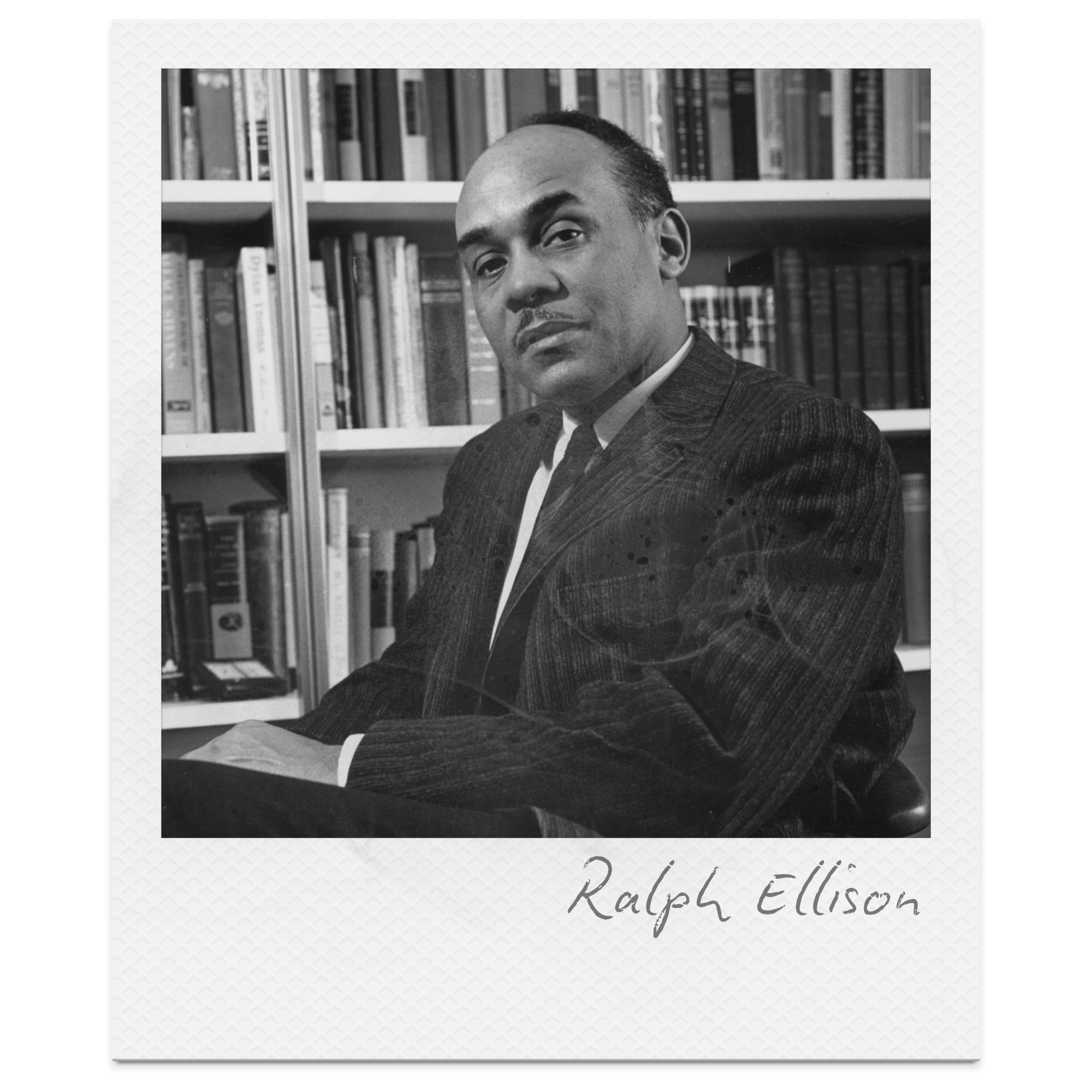
Ralph Ellison was an important twentieth-century African American writer whose work often explored racial inequality, identity, power, and the emotional pressures created by segregation in the United States. Writing during a period shaped by Jim Crow laws, economic hardship, and widespread racial discrimination, Ellison focused not only on obvious acts of racism, but also on the quieter psychological damage caused by fear, exclusion, and social inequality. His stories frequently examine how Black Americans are forced to navigate systems designed to limit their opportunities and freedom.
Published in the 1940s, The Black Ball reflects the realities of American society before the major victories of the Civil Rights Movement. The story explores issues such as restricted employment opportunities, racial prejudice, labour exploitation, and the importance of collective action through unions. Ellison was influenced by writers such as Richard Wright, as well as by jazz, political debates about race and class, and his own experiences growing up in segregated America. These influences can be seen in the story’s realistic dialogue, emotional tension, and focus on the relationship between personal dignity and wider social systems. Rather than presenting racism as a single dramatic event, Ellison shows how it shapes ordinary daily life, especially through the experiences of John and his young son.
The Black Ball: At a Glance
Form: Short story
Mood: Tense, reflective, quietly painful
Central conflict: John struggles to protect his son while surviving within a racist and unequal society.
Core themes: Racism, identity, power, innocence, fear, fatherhood, survival, inequality, hope
Narrative perspective: First-person narration from John’s perspective
One-sentence meaning: The story explores how racism shapes everyday life and how children slowly learn the painful social rules of the world around them.
Quick Summary of The Black Ball
John works as a caretaker in an apartment building while trying to provide a stable life for his young son. Early in the story, his son innocently asks questions about race after another child calls him “black,” revealing his limited understanding of the prejudice surrounding him. While working, John meets a white union organiser who speaks to him about workers’ rights and racial equality. Although John is suspicious at first, the man shares the story of how he was brutally punished for defending a Black friend in the South.
Later, John returns home and reflects on the organiser’s words while spending time with his son. The boy talks excitedly about seeing a Black truck driver, showing how small moments of representation and identity matter to him. John watches the world outside their apartment window and becomes increasingly aware of the social divisions and restrictions shaping both their lives.
The story reaches its climax when John’s son accidentally loses his ball after a white boy throws it into Mr Berry’s office window. Berry angrily warns John that if the boy is seen in the front area again, John will find himself “behind the black ball,” a phrase suggesting punishment, exclusion, or unemployment. Confused, the boy points out that his ball is actually white, while John realises that his son is only beginning to learn the harsh realities of racism, power, and social inequality.
Title of The Black Ball
The title The Black Ball operates as both a literal object and a powerful symbol throughout the story. On the surface, it refers to the young boy’s ball, which becomes the source of conflict near the ending when it is thrown through Mr Berry’s office window. However, Ellison quickly expands the meaning of the title beyond the physical ball itself, transforming it into a symbol of racism, social exclusion, and the unfair “rules” governing American society.
The phrase “behind the black ball” suggests punishment, rejection, or being pushed outside acceptable social boundaries. Importantly, the boy does not understand this symbolic meaning and innocently replies that his ball is actually white. This moment creates powerful dramatic irony, because the child still views the world literally, while John understands the deeper racial meaning behind Berry’s words. The contrast highlights the boy’s fading innocence and the painful reality that he will eventually learn the social prejudices shaping his life.
The title also reflects the idea of life as a cruel or unfair “game” controlled by unequal rules. By the ending, John realises that his son has already started “playing” this game without understanding it. The ball therefore becomes a symbol of racial identity, power, and the social systems that determine who is allowed safety, opportunity, and belonging.
Structure of The Black Ball
Ellison carefully structures The Black Ball to move from ordinary domestic life toward a painful moment of realisation. The story’s structure mirrors the gradual loss of the child’s innocence, while also revealing the constant pressure and fear shaping John’s life. By combining quiet conversations, moments of tension, and symbolic incidents, Ellison allows the emotional impact to build slowly rather than relying on dramatic action.
Opening / Exposition
The story begins with John carrying out his daily work routines, immediately establishing the importance of labour, discipline, and survival. The detailed descriptions of polishing brass and maintaining the building reveal how carefully John must perform his duties in order to keep his job. Ellison quickly introduces the social imbalance between John and Mr Berry through repeated references to the brass, which becomes a symbol of John’s invisibility and lack of power.
The opening also introduces the boy’s innocent questions about race and identity. His confusion about being called “black” establishes one of the story’s central tensions: the contrast between a child’s innocence and the harsh realities of racial prejudice. Ellison deliberately places these moments early in the story so readers understand that the boy is only beginning to encounter the social rules governing his world.
Development / Rising Action
The arrival of the white union organiser shifts the story into a more openly political and emotional direction. Through John’s suspicious reactions, Ellison reveals the deep mistrust created by racism and exploitation. The organiser’s story about his scarred hands introduces themes of violence, solidarity, and resistance, while also broadening the story beyond John’s personal experience to show the wider reality of racial injustice in America.
At the same time, quieter domestic scenes continue to develop the emotional tension. The boy’s admiration for the Black truck driver and John’s reflections while looking out of the apartment window reinforce the story’s focus on social division and limited opportunity. Ellison slows the pacing here to allow readers to feel John’s growing awareness and anxiety about the future awaiting his son.
Turning Point / Climax
The climax occurs when the boy’s ball is thrown into Mr Berry’s office window. Structurally, this moment appears small and accidental, yet Ellison uses it to expose the deeper racial tensions underlying the entire story. Berry’s anger and warning about the “black ball” suddenly transform the harmless toy into a symbol of punishment, exclusion, and racial control.
The scene is especially powerful because the boy still does not understand the symbolic meaning behind Berry’s words. This creates strong dramatic irony, as readers and John recognise the racial implications while the child remains innocent. The emotional intensity of the climax comes not from violence, but from John’s painful understanding that his son is beginning to enter the same oppressive system shaping his own life.
Ending / Resolution
The ending is reflective rather than fully resolved, leaving readers with a sense of emotional unease and uncertainty. The boy’s comment that his ball is white highlights his innocence one final time, while John’s internal reflections reveal his awareness that his son will eventually learn the cruel “rules” of society. The repeated image of the “ball game” becomes a metaphor for life within a racist social system where the rules are unfair from the beginning.
Ellison ends the story by returning to the union organiser’s card, suggesting a possible alternative to silence and submission. This ending remains deliberately ambiguous. Although there is no immediate solution to John’s situation, the final line hints at the possibility of solidarity, resistance, and social change. The unresolved ending therefore reinforces both the harshness of the present and the fragile hope that another future might still be possible.
Setting of The Black Ball
The setting of The Black Ball reflects the social divisions, restrictions, and inequalities shaping the characters’ lives. Although much of the story takes place within an ordinary apartment building and its surrounding areas, Ellison uses these spaces symbolically to explore power, race, and social separation. The setting constantly reminds readers that John lives and works within a world controlled by white authority.
The apartment building itself represents a space of strict hierarchy and surveillance. John spends much of his time polishing the “brass panels and door handles,” and he explains that for Mr Berry, “the luster of these brass panels and door handles was the measure of all my industry.” The repeated focus on the shining brass symbolises how John’s value is judged entirely through labour and obedience rather than individuality or humanity. The building therefore becomes a place where appearances matter more than people.
Ellison also creates an atmosphere of quiet pressure through the contrast between the elegant apartments and the cramped “quarters where we lived over the garage.” This physical separation reflects the wider social inequality of the story. John works to maintain comfort and beauty for others while his own living conditions remain limited and hidden away. The setting reinforces the idea that Black workers are expected to remain invisible despite supporting the entire system around them.
The view from the apartment window becomes especially important symbolically. John watches white children playing freely on the lawn while the nurse calls Jackie, the gardener’s son, away from them. This moment subtly exposes the racial and social boundaries operating even between children. The setting outside appears bright and peaceful, filled with “brilliant” sunlight and children playing, yet beneath this calm surface lies exclusion and segregation. Ellison uses this contrast to show how prejudice exists quietly within everyday life.
The front and back areas of the building also carry symbolic meaning. John repeatedly warns his son to remain “in the back out of everybody’s way,” suggesting that certain spaces are socially forbidden to him because of race. When the boy eventually appears in the front area with his ball, Berry reacts immediately with anger and threat. The setting therefore becomes connected to ideas of belonging, visibility, and control. Even physical space is divided according to racial rules.
By the ending, the apartment building no longer feels simply like a workplace or home. Instead, it becomes a symbol of a wider American society shaped by unequal power structures. Ellison transforms ordinary locations such as lawns, hallways, garages, and offices into reminders of the invisible barriers controlling the characters’ lives.
Narrative Voice in The Black Ball
Ellison uses a first-person narrative voice to place readers directly inside John’s thoughts, fears, and emotional conflicts. Because the story is told entirely from John’s perspective, readers experience the world through his constant awareness of racism, danger, and social inequality. This creates an intimate and personal tone, allowing the emotional impact of ordinary moments to feel much more powerful.
John’s narration is often calm and controlled on the surface, but Ellison reveals strong feelings beneath his restraint. For example, when the white union organiser first approaches him, John internally thinks, “Why tempt me to choke him?” Although he remains outwardly polite, the narration exposes the anger and frustration he is forced to suppress in order to survive. This contrast between inner emotion and outward behaviour highlights the pressure created by unequal power structures.
The narrative voice also shapes readers’ understanding of the boy’s innocence. Because the story is filtered through John’s perspective, readers constantly see the gap between what the child understands and what the father already knows about the world. Moments such as the boy asking, “Daddy, am I black?” become especially painful because John immediately recognises the deeper social meaning behind the question. The first-person narration therefore increases the story’s emotional tension by allowing readers to share John’s awareness and anxiety.
Ellison also uses John’s reflective narration to explore broader social ideas. The narration frequently moves beyond simple description into symbolic or philosophical thinking, especially near the ending when John reflects on the “old ball game.” This metaphor transforms the story from a single family experience into a wider commentary on American society, racial inequality, and the unfair “rules” governing people’s lives.
Importantly, John’s narration remains reliable but limited. Readers only see events through his personal understanding, fears, and experiences, which creates sympathy for him while also emphasising his uncertainty about the future. The reflective and emotionally restrained narrative voice helps Ellison create a story that feels both deeply personal and socially significant.
Characters in The Black Ball
Ellison uses the characters in The Black Ball to explore different responses to racism, power, and social inequality. Rather than presenting simple heroes or villains, the story focuses on how individuals are shaped by fear, survival, innocence, and experience within an unequal society.
John
John is presented as a hardworking and deeply thoughtful father trying to survive within a racist social system while protecting his son from its emotional harm. Throughout the story, he constantly controls his emotions and behaviour because he understands how fragile his position is. Early in the story, he explains that “the luster of these brass panels and door handles was the measure of all my industry,” showing how his value is reduced to labour and obedience.
Although John often appears calm, Ellison reveals his suppressed anger and frustration through his internal thoughts. When speaking to the white organiser, he thinks, “Why tempt me to choke him?” This moment exposes the emotional pressure created by racism and social inequality. John must remain controlled even when he feels insulted or threatened because losing control could cost him his job and security.
John is also characterised by his intelligence and self-awareness. Berry refers to him as a “damned educated nigger,” revealing both racial prejudice and suspicion toward Black education and ambition. John’s hopes of returning to school suggest his desire for improvement and independence, but the story repeatedly shows how limited his opportunities remain.
Most importantly, John functions as a symbol of parental fear and responsibility. He understands that his son will eventually experience the same prejudice and exclusion shaping his own life. By the ending, his reflections on the “old ball game” reveal his painful awareness that the child is already beginning to learn society’s unfair rules.
The Boy
John’s son represents innocence, curiosity, and the early stages of understanding racial identity. His questions throughout the story reveal how children gradually absorb the prejudices surrounding them. When he asks, “Daddy, am I black?” the moment feels innocent on the surface, but it also introduces one of the story’s central tensions: the child’s growing awareness of race.
Ellison presents the boy as affectionate, imaginative, and trusting. He enjoys simple activities such as “trucking” with his toy and speaking about the delivery drivers he admires. His excitement at seeing “a colored man” driving a truck demonstrates how important representation and visibility are within his world. Small moments of success or dignity carry enormous meaning because opportunities for Black Americans are so restricted.
The boy’s innocence becomes most significant in the final scene. After Berry threatens John about the “black ball,” the child replies, “Anybody can see my ball is white.” This line creates powerful dramatic irony because the boy interprets the situation literally while John understands its symbolic racial meaning. The child therefore becomes a symbol of innocence slowly colliding with social reality.
Mr Berry
Mr Berry represents institutional power, racial prejudice, and social control. Although he does not appear constantly throughout the story, his presence dominates John’s life. Ellison characterises him through coldness, routine, and emotional distance. John notes that Berry’s main interests appear to be “that brass, his money, and the half-dozen or so plants in his office,” suggesting a lack of empathy or human connection.
Berry’s authority depends upon maintaining strict social boundaries. He becomes angry not simply because the ball damages a plant, but because John’s son has appeared in the “front” area of the building where Berry believes he does not belong. His threat that John could end up “behind the black ball” reveals how power operates through fear, exclusion, and economic control.
Ellison also uses Berry to represent a wider racist system rather than simply one cruel individual. His casual use of racist language and his obsession with appearances show how prejudice has become normalised within the society of the story.
The Union Organiser
The white union organiser introduces an alternative perspective within the story by challenging racial division and encouraging solidarity between workers. At first, John distrusts him because of his race and because many unions historically excluded Black workers. However, the organiser gradually reveals his sincerity through the story of his scarred hands.
When he explains that he was tortured for defending a Black friend falsely accused of rape, his physical scars become symbols of both racial violence and personal sacrifice. The image of the “fried hands” remains in John’s mind long after the conversation ends, showing the emotional impact of the organiser’s experiences.
The organiser represents the possibility of solidarity, resistance, and social change. Unlike Berry, he speaks to John as an equal and encourages collective action rather than fear or silence. By the ending, when John checks that he still has the organiser’s card, Ellison suggests that John may be beginning to imagine alternatives to the oppressive system controlling his life.
Key Themes in The Black Ball
Ellison explores a range of interconnected themes in The Black Ball, using ordinary moments and conversations to reveal larger truths about American society, racial inequality, and human dignity. The story focuses not only on external discrimination, but also on the emotional and psychological effects of living within an unequal system.
Racism
Racism shapes every aspect of John’s life, influencing where he can work, where his son can play, and how he must behave in front of white authority figures. Ellison presents racism not simply as isolated cruelty, but as a system controlling opportunity, movement, and power. John constantly monitors his own behaviour because he understands how vulnerable his position is.
The story also shows how racism becomes embedded within ordinary daily life. Berry’s anger at seeing the boy in the “front” area demonstrates how even physical spaces are divided by racial expectations. The threat of ending up “behind the black ball” symbolises exclusion and punishment within a racist society.
Importantly, Ellison explores how racism is passed down socially from one generation to the next. The boy’s questions about being “black” reveal that he is already beginning to absorb the prejudices surrounding him, even while he remains too young to fully understand them.
Identity
The story repeatedly explores questions of racial identity and self-understanding. Early in the story, the boy asks, “Daddy, am I black?” This simple question introduces the idea that identity is shaped not only by personal experience, but also by the labels imposed by society.
John attempts to protect his son by replying, “American is better than both, son,” suggesting his hope for a more equal identity beyond racial division. However, the events of the story reveal how difficult this ideal is within a society structured around inequality and segregation.
Ellison also presents identity as something shaped through social experience. The boy’s innocence contrasts sharply with John’s awareness of prejudice, showing how racial identity becomes tied to lived experience, fear, and social limitation over time.
Power
Power in the story is closely connected to race, employment, and social control. Mr Berry’s authority over John extends beyond the workplace into almost every aspect of his life. Because John depends upon his job for survival, Berry is able to control not only John’s labour but also his behaviour and freedom.
Ellison shows how power often operates quietly through fear and economic dependence rather than direct violence. John carefully polishes the brass because he knows even small mistakes could threaten his position. Berry’s warning about the “black ball” reinforces this imbalance by reminding John that his security can disappear instantly.
The story also contrasts different forms of power. Berry represents institutional authority and exclusion, while the union organiser represents collective power and solidarity. This contrast suggests that social systems can either maintain inequality or challenge it.
Innocence
The boy represents innocence throughout the story, particularly because he does not yet understand the racial tensions shaping the world around him. His comments are often literal and straightforward, which creates painful dramatic irony for both John and the reader.
The clearest example occurs at the ending when the boy says, “Anybody can see my ball is white.” He interprets Berry’s threat literally, unaware of its symbolic racial meaning. This moment highlights the gap between childhood innocence and adult social reality.
Ellison presents innocence as fragile and temporary. By the ending, John understands that his son has already started learning the “rules” of the world, even if he does not yet fully understand them. The story therefore explores innocence as something gradually lost through experience and social conditioning.
Fear
Fear influences many of John’s actions and decisions throughout the story. He fears losing his job, angering white authority figures, and exposing his son to danger or humiliation. This fear shapes his constant caution and self-control.
Ellison often presents fear indirectly through John’s behaviour rather than explicit statements. John repeatedly worries about appearances, warns his son to stay “out of everybody’s way,” and carefully monitors interactions with white people. These small actions reveal the psychological pressure created by racial inequality.
The story also explores inherited fear. John’s greatest anxiety is not simply for himself, but for his son’s future. He knows the boy will eventually face the same social restrictions and dangers shaping his own life.
Fatherhood
John’s role as a father is central to the emotional impact of the story. He wants to protect his son’s innocence while also preparing him for the realities of the world. This creates an ongoing tension between love, honesty, and survival.
Their conversations reveal warmth and affection, particularly through the repeated use of “Daddy” and the boy’s trusting questions. Ellison presents fatherhood as deeply emotional but also painful because John knows he cannot completely shield his child from prejudice.
By the ending, fatherhood becomes connected to responsibility and painful knowledge. John realises that one day he will need to explain the “rules” of society to his son, even though doing so will destroy some of the child’s innocence.
Survival
Much of John’s life is shaped by the need for survival. His careful behaviour, restraint, and obedience are not signs of weakness, but necessary responses to an unequal social system. Losing his job would threaten both his own future and his son’s wellbeing.
Ellison shows how survival often requires compromise and silence. John suppresses anger, avoids confrontation, and lies to Berry about the organiser because he understands the risks of challenging authority openly.
However, the story also questions whether survival alone is enough. The organiser introduces the possibility of resistance and collective action, suggesting that simply enduring injustice may not create meaningful change.
Inequality
The story constantly exposes forms of social inequality, especially through contrasts between spaces, opportunities, and freedoms. John lives “over the garage” while maintaining luxury apartments for others, highlighting economic and racial divisions.
Ellison also reveals inequality through smaller symbolic moments. White children play freely on the lawns while John’s son must stay hidden in the back area. Even childhood experiences are shaped differently according to race and social position.
Importantly, inequality in the story feels systemic rather than accidental. The social rules governing the characters’ lives appear deeply established and difficult to escape.
Hope
Although much of the story is tense and painful, Ellison includes moments of cautious hope. The union organiser represents the possibility of solidarity across racial divisions and suggests that change may still be possible.
John’s decision to keep the organiser’s card at the ending becomes symbolically important. After reflecting on the organiser’s “fried hands,” he begins to imagine that “maybe there was a color other than white on the old ball.” This final line suggests the possibility of alternatives to the unfair social system dominating his life.
The hope in the story remains uncertain and fragile rather than triumphant. Ellison does not offer easy solutions, but he leaves open the possibility that awareness, solidarity, and resistance could eventually challenge inequality.
Symbolism in The Black Ball
Ellison uses symbolism throughout The Black Ball to explore deeper ideas about racism, identity, power, and social exclusion. Ordinary objects and locations gradually take on wider meanings, allowing the story to comment on the larger structures shaping the characters’ lives.
The Black Ball
The black ball itself is the story’s central symbol. On a literal level, it refers to the boy’s toy ball, but by the ending it comes to represent racial prejudice, exclusion, and the unfair “rules” of society. When Berry warns John that he could end up “behind the black ball,” the phrase becomes connected to punishment, unemployment, and social rejection.
The boy’s innocent reply — “Anybody can see my ball is white” — creates powerful dramatic irony because he does not yet understand the symbolic racial meaning behind Berry’s words. Ellison uses this contrast to show the difference between childhood innocence and adult awareness.
The ball also symbolises life as a kind of unequal “game.” By the ending, John reflects that his son has already begun “playing” without understanding the rules. The symbol therefore develops from a harmless child’s toy into a representation of the racist social system controlling their lives.
The Brass
The polished brass panels and door handles symbolise labour, invisibility, and social expectation. John explains that for Berry, “the luster of these brass panels and door handles was the measure of all my industry.” The brass therefore becomes a symbol of how John’s value is judged entirely through service and obedience.
The repeated polishing also reflects the pressure placed upon John to appear flawless at all times. Even tiny imperfections could threaten his job and security. Ellison uses the brass to symbolise the exhausting demand for constant perfection imposed upon marginalised workers within unequal systems.
At the same time, the reflective surface of the brass symbolically mirrors social hierarchy. John notices that Berry’s face is often reflected there, reinforcing the idea that Berry’s authority dominates the space while John himself remains largely unseen.
The Fried Hands
The union organiser’s scarred or “fried hands” symbolise both racial violence and sacrifice. The physical scars provide visible evidence of the brutality used to enforce racial hierarchy in the American South. Ellison uses the shocking imagery of burned skin to make racism feel physically real and deeply human rather than abstract.
However, the hands also symbolise solidarity and resistance. The organiser was attacked because he defended a Black friend against false accusations, meaning the scars represent moral courage as well as suffering. John cannot stop thinking about the hands afterward, suggesting that the image challenges his assumptions about race, trust, and collective action.
By the ending, the organiser’s hands become linked symbolically to the possibility of another future beyond silence and fear.
The Apartment Building
The apartment building symbolises the wider structure of American society. It appears orderly and respectable on the surface, but underneath it is built upon inequality, hierarchy, and invisible social boundaries.
Different areas of the building carry symbolic meaning. The elegant front spaces belong to white authority and respectability, while John and his son live hidden away “over the garage.” The division between front and back spaces reflects wider racial and class segregation within society.
The building also symbolises surveillance and control. John constantly worries about appearances and behaviour because he knows he is always being judged by people with greater power.
The Window
Windows appear repeatedly as symbols of both separation and awareness. John often stands looking out from the apartment window at the world below, observing children playing and social interactions from a distance. This creates a feeling of emotional and social separation between John and the world he watches.
The office window broken by the ball becomes especially symbolic. It represents a fragile barrier between different social worlds, and once the ball passes through it, hidden tensions suddenly become visible. The broken window therefore symbolises the collapse of illusion and the exposure of underlying racial conflict.
The Lawn and Front Area
The lawn and “front” spaces symbolise privilege, visibility, and social acceptance. White children are allowed to play freely there, while John repeatedly warns his son to remain “out of everybody’s way” in the back areas.
When the boy enters the front space with his ball, the social boundaries of the story are suddenly violated. Berry’s anger shows that the issue is not truly the damaged plant, but the crossing of racial and social limits.
Ellison therefore uses physical space symbolically to show how racism controls not only opportunities and employment, but also movement, freedom, and belonging.
The Ball Game
Near the ending, John reflects on the “old ball game,” turning the story’s central symbol into a larger metaphor for life itself. The “game” symbolises a society with deeply unequal rules where some people begin at a disadvantage before they even understand the system.
The metaphor is especially painful because the boy does not yet realise he is already participating in this “game.” John understands that his son’s innocence will eventually disappear as he learns the realities of racism and exclusion.
Through this final symbol, Ellison transforms the story from a personal family experience into a wider commentary on American society and inherited inequality.
Key Quotes and Methods in The Black Ball
Important quotations in The Black Ball reveal key ideas about racism, identity, fear, innocence, and social inequality. Ellison uses dialogue, symbolism, imagery, and irony to create emotional and thematic depth throughout the story.
Race and Identity
“Daddy, am I black?”
◆ Method — Direct dialogue and innocent questioning
◆ Meaning — The boy begins to notice racial difference and social labels without fully understanding them.
◆ Purpose — Ellison introduces the theme of racial identity early in the story to show how prejudice gradually enters childhood awareness.
◆ Impact — The simplicity of the question creates emotional discomfort because readers understand the painful experiences awaiting the child.
◆ Link to theme, conflict, or symbolism — Links to identity, innocence, and the gradual loss of childhood innocence.
“American is better than both, son.”
◆ Method — Symbolic language and idealistic statement
◆ Meaning — John tries to move beyond racial division by emphasising shared national identity.
◆ Purpose — Ellison reveals John’s desire for equality and dignity within American society.
◆ Impact — The line feels hopeful but also tragic because the events of the story show that society does not treat people equally.
◆ Link to theme, conflict, or symbolism — Links to identity, hope, and the tension between ideals and reality.
Labour and Power
“The luster of these brass panels and door handles was the measure of all my industry.”
◆ Method — Symbolism and reflective imagery
◆ Meaning — John’s worth is judged entirely through labour and obedience rather than humanity or individuality.
◆ Purpose — Ellison critiques systems where workers, especially Black workers, are valued only for service.
◆ Impact — Readers recognise how exhausting and dehumanising John’s situation is.
◆ Link to theme, conflict, or symbolism — Links to power, survival, and the symbolism of the brass.
“That damned educated nigger.”
◆ Method — Racist language and dismissive tone
◆ Meaning — Berry feels threatened by Black education and ambition.
◆ Purpose — Ellison exposes how racism attempts to limit social mobility and intellectual progress.
◆ Impact — The brutality of the language shocks readers and reinforces the hostility surrounding John’s aspirations.
◆ Link to theme, conflict, or symbolism — Links to racism, power, and inequality.
Violence and Fear
“They made them scars with a gasoline torch.”
◆ Method — Violent imagery and direct narration
◆ Meaning — The organiser’s scars become physical evidence of racial brutality and injustice.
◆ Purpose — Ellison reminds readers that racism is enforced not only socially but also through violence and terror.
◆ Impact — The horrifying image of the burned hands creates sympathy and emotional shock.
◆ Link to theme, conflict, or symbolism — Links to fear, racism, and the symbolism of the “fried hands.”
“Those hands were on my brain.”
◆ Method — Repetition and internal reflection
◆ Meaning — John cannot stop thinking about the organiser’s suffering and what it represents.
◆ Purpose — Ellison shows the emotional effect of witnessing evidence of racial violence and sacrifice.
◆ Impact — The line creates a lingering sense of unease and moral reflection.
◆ Link to theme, conflict, or symbolism — Links to fear, solidarity, and the symbolic importance of the organiser’s scars.
Innocence and Childhood
“Anybody can see my ball is white.”
◆ Method — Dramatic irony and literal interpretation
◆ Meaning — The boy misunderstands the racial meaning behind Berry’s warning about the “black ball.”
◆ Purpose — Ellison highlights the contrast between childhood innocence and adult social reality.
◆ Impact — The line becomes emotionally painful because readers understand what the child cannot yet see.
◆ Link to theme, conflict, or symbolism — Links to innocence, racism, and the symbolism of the ball.
“He was learning the rules of the game already, but he didn’t know it.”
◆ Method — Metaphor and reflective narration
◆ Meaning — The boy is unknowingly beginning to learn the unfair social rules created by racism.
◆ Purpose — Ellison shows how prejudice is inherited socially from one generation to the next.
◆ Impact — The reflective tone creates sadness and inevitability.
◆ Link to theme, conflict, or symbolism — Links to innocence, survival, and the “ball game” symbolism.
Hope and Resistance
“Maybe there was a color other than white on the old ball.”
◆ Method — Symbolism and metaphor
◆ Meaning — John begins to imagine alternatives to the unequal social system controlling his life.
◆ Purpose — Ellison leaves the story with cautious hope connected to solidarity and social change.
◆ Impact — The ambiguous ending encourages readers to reflect on both injustice and the possibility of resistance.
◆ Link to theme, conflict, or symbolism — Links to hope, power, and the symbolism of the black ball.
Key Techniques in The Black Ball
Ellison combines symbolism, irony, dialogue, and reflective narration to explore themes of racism, identity, fear, and social inequality. His techniques often appear subtle and realistic, allowing ordinary moments to carry deeper emotional and political meaning.
◆ Symbolism — The “black ball” develops from a child’s toy into a symbol of racial exclusion, punishment, and the unfair social “game” governing the characters’ lives.
◆ Dramatic irony — The boy innocently states, “Anybody can see my ball is white,” while readers and John understand the deeper racial meaning behind Berry’s warning.
◆ First-person narration — John’s reflective narrative voice allows readers to experience his fear, anger, and emotional restraint directly.
◆ Dialogue — Realistic conversations reveal social tension, racial attitudes, and emotional relationships without lengthy explanation.
◆ Contrast — Ellison contrasts the boy’s innocence with John’s painful awareness of racism to create emotional depth.
◆ Imagery — The organiser’s “fried hands” provide shocking visual imagery symbolising racial violence and suffering.
◆ Motif of games and play — References to the “ball game” symbolise society as a system with unfair and unequal rules.
◆ Juxtaposition — Peaceful domestic moments are placed beside discussions of racial violence and discrimination, emphasising how fear exists beneath ordinary life.
◆ Repetition — Repeated references to the brass, the ball, and the organiser’s hands reinforce the story’s central ideas and symbols.
◆ Setting as symbolism — The division between the “front” and “back” spaces symbolises wider racial and social segregation.
◆ Foreshadowing — Early conversations about race and social behaviour prepare readers for the final conflict involving the boy and the ball.
◆ Reflective narration — John frequently pauses to analyse situations internally, creating a thoughtful and emotionally layered tone.
◆ Metaphor — The “old ball game” becomes a metaphor for life within a racist social system shaped by unequal rules and limited opportunities.
◆ Understatement — Ellison often presents painful or threatening moments calmly, making the emotional impact feel more realistic and unsettling.
◆ Characterisation through behaviour — Berry’s obsession with the polished brass and strict rules reveals his values and prejudices without lengthy description.
◆ Ambiguous ending — The final reference to “a color other than white on the old ball” leaves readers with uncertain but possible hope for change and solidarity.
How the Writer Creates Meaning and Impact in The Black Ball
Ellison creates meaning in The Black Ball by combining symbolism, narrative voice, realistic dialogue, and emotional contrast to expose the effects of racism and social inequality on everyday life. Rather than relying on dramatic events alone, Ellison focuses on ordinary interactions and quiet moments of tension, allowing readers to feel how deeply prejudice shapes the characters’ lives.
One of the most important methods Ellison uses is symbolism, especially through the image of the “black ball.” At first, the ball appears harmless and childlike, connected to innocence and play. However, after Berry’s warning about ending up “behind the black ball,” the object becomes associated with exclusion, punishment, and racial prejudice. Ellison transforms an ordinary toy into a symbol of the unfair social system controlling the characters’ lives. This creates emotional impact because the boy remains unaware of the symbolic meaning while John fully understands it.
Ellison also creates meaning through the use of dramatic irony. The boy innocently says, “Anybody can see my ball is white,” interpreting Berry’s words literally. Readers, however, recognise the racial meaning behind the phrase. This contrast between innocence and experience creates one of the story’s most painful moments because it highlights how the child will eventually lose his innocence and learn society’s prejudices for himself.
The first-person narrative voice allows readers to experience John’s internal fears and frustrations directly. Although John often speaks calmly and respectfully, his private thoughts reveal anger, anxiety, and emotional exhaustion. For example, when speaking to the organiser, he thinks, “Why tempt me to choke him?” Ellison uses this contrast between inner emotion and outward behaviour to show the psychological pressure created by racism and economic dependence.
Ellison’s use of setting also strengthens the story’s meaning. The apartment building becomes a symbol of social hierarchy and exclusion. John lives “over the garage” while maintaining luxury spaces for others, reflecting wider racial and class inequalities. The division between the “front” and “back” spaces symbolises how society controls belonging and visibility. Even the boy’s movement through space becomes politically significant.
The story’s emotional impact is increased through Ellison’s careful use of contrast. Quiet domestic scenes between John and his son are placed beside discussions of lynching, violence, and discrimination. This juxtaposition shows how fear and racial tension exist beneath ordinary daily life. The warmth between father and son therefore feels both comforting and tragic because readers understand the dangers surrounding them.
Ellison also uses recurring imagery to reinforce key ideas. The organiser’s “fried hands” become a powerful visual symbol of racial violence and sacrifice. John cannot stop thinking about them afterward, showing how the image forces him to reconsider his understanding of solidarity and resistance. The scars symbolise both suffering and the possibility of moral courage.
Finally, Ellison creates meaning through the story’s ambiguous ending. John’s final thought that “maybe there was a color other than white on the old ball” introduces cautious hope without offering a simple resolution. The ending remains emotionally complex because the social system has not changed, yet John has begun to imagine the possibility of alternatives. This uncertainty makes the story feel realistic while encouraging readers to reflect on both injustice and the possibility of resistance.
Alternative Interpretations of The Black Ball
Strong literary analysis recognises that stories often support multiple valid interpretations. Ellison’s story can be understood through psychological, social, moral, and historical lenses, each revealing different meanings beneath the surface narrative.
Psychological Interpretation: Fear, trauma, and emotional pressure
From a psychological perspective, the story explores the emotional effects of living under constant racial pressure and fear. John’s careful behaviour, suppressed anger, and constant self-monitoring suggest the long-term psychological damage created by discrimination. His fear is not only for himself, but also for his son’s future. The ending becomes especially tragic because John realises that the child is already beginning to inherit the same anxieties and limitations shaping his own life.
Social Interpretation: Racism as a structured system of control
The story can also be interpreted as a criticism of broader social systems rather than simply individual prejudice. Berry is important not because he is uniquely cruel, but because he represents an unequal structure built upon economic dependence, segregation, and racial control. The division between the “front” and “back” spaces symbolises how society itself creates invisible boundaries governing who belongs, who is visible, and who holds power.
Political Interpretation: Solidarity and collective resistance
A political interpretation focuses on the role of the union organiser and the possibility of solidarity between workers across racial divisions. The organiser challenges the idea that racism only benefits white workers, instead suggesting that inequality protects those already in power. John’s final thought that there may be “a color other than white on the old ball” hints that he may be beginning to believe in collective action and social change.
Coming-of-Age Interpretation: The loss of innocence
The story may also be interpreted as a coming-of-age narrative focused on the gradual loss of childhood innocence. The boy does not yet understand the racial meanings shaping the world around him, interpreting events literally and innocently. However, John recognises that his son has already started learning society’s unfair “rules.” The story therefore becomes less about a single incident with a ball and more about the painful process of learning how prejudice shapes society.
Contemporary Interpretation: Ongoing inequality and social division
Modern readers may interpret the story as still highly relevant because many of its concerns remain contemporary. Issues surrounding racial inequality, economic insecurity, restricted opportunity, and social division continue to shape modern societies. The story therefore encourages readers to reflect on how systems of exclusion and prejudice can survive quietly within everyday life rather than appearing only through openly violent acts.
Why The Black Ball Still Matters
Although The Black Ball was written in the 1940s, its exploration of racism, inequality, fear, and identity still feels deeply relevant today. Ellison shows how prejudice can shape ordinary daily life through work, education, opportunity, and social expectations. Rather than focusing only on dramatic acts of violence, the story reveals the quieter emotional damage caused by exclusion, insecurity, and unequal systems of power.
Modern readers also continue to connect with the story’s portrayal of parenthood and responsibility. John’s desire to protect his son while preparing him for reality feels emotionally universal, even as the story remains rooted in the specific experiences of racial discrimination in America. His fear that innocence cannot last forever gives the story lasting emotional power.
The story also remains important because it explores how children gradually learn social prejudice from the world around them. The boy’s innocent misunderstanding of the “black ball” highlights how racism is not natural, but socially constructed and absorbed over time. This idea continues to resonate in modern discussions about identity, belonging, and representation.
Finally, Ellison’s story still matters because it balances painful realism with cautious hope. The ending does not offer easy solutions, but it suggests that solidarity, awareness, and collective action may create alternatives to inequality and silence. As a result, the story encourages readers to reflect not only on injustice, but also on the possibility of change.
Exam-Ready Insight for The Black Ball
This section shows how to turn your understanding of The Black Ball into a strong, exam-focused response for CIE IGCSE English Literature (0475 & 0922) by analysing how Ellison creates meaning through symbolism, narrative voice, contrast, and dramatic irony.
What strong responses do
◆ stay closely focused on the question
◆ analyse methods rather than simply retelling events
◆ track shifts in tone, tension, and emotional understanding across the story
◆ explore how Ellison uses symbolism and irony to reveal larger social meanings
◆ use short, embedded quotations to support interpretations
◆ explain the effect of narrative perspective on the reader
◆ develop conceptual interpretations about racism, innocence, power, and inequality
Conceptual argument
A strong thesis for The Black Ball might be:
Ellison presents racism as a destructive social system that shapes even ordinary moments of family life, using symbolism, dramatic irony, and reflective narration to show how prejudice gradually destroys innocence and limits freedom.
Model analytical paragraph
Ellison presents the loss of innocence as one of the most painful consequences of racism through symbolism, dramatic irony, and reflective narration. Near the ending of the story, the boy innocently insists that “Anybody can see my ball is white,” interpreting Mr Berry’s warning literally rather than understanding its racial meaning. This dramatic irony creates emotional tension because readers and John immediately recognise the deeper symbolism behind the “black ball,” while the child remains unaware of the prejudice shaping the situation. Ellison develops this symbolism further through John’s reflection on the “old ball game,” where the ball becomes a metaphor for a society governed by unfair racial rules. Structurally, the story moves from the boy’s innocent early questions about race to John’s painful realisation that his son is already “learning the rules of the game.” This progression emphasises how racism is absorbed gradually through everyday experiences rather than a single moment of understanding. As a result, Ellison encourages readers to recognise the emotional damage caused by social inequality, particularly the way prejudice destroys childhood innocence long before children fully understand the systems controlling their lives.
Teaching Ideas for The Black Ball
This story works particularly well for exploring how writers use symbolism, narrative voice, dramatic irony, and everyday interactions to examine racism, power, and the loss of innocence. Its emotional realism and layered symbolism make it highly effective for discussion, close analysis, and conceptual interpretation in the classroom.
1. Structured Close Analysis
Students track how Ellison gradually develops tension and social meaning across the story.
Students should explore:
◆ shifts between ordinary domestic moments and underlying racial tension
◆ how the symbolism of the black ball develops across the story
◆ John’s changing emotional responses
◆ moments of dramatic irony
◆ how the ending reshapes earlier scenes and conversations
Students can then use their findings to write a paragraph exploring how Ellison presents the gradual loss of innocence or the emotional effects of racism.
This activity encourages students to move beyond plot summary and focus on how meaning is created through structure, symbolism, and narrative perspective.
2. Structured Group Close Analysis (Role-Based)
Instead of traditional annotation, assign students specific analytical roles in small groups:
◆ Structure specialist — tracks shifts in tension, pacing, and revelation
◆ Symbolism analyst — explores the ball, brass, windows, and “fried hands”
◆ Narrative voice expert — examines John’s reflective narration and emotional restraint
◆ Theme tracker — explores racism, fear, innocence, survival, and hope
Each group analyses a section of the story before feeding back to the class to build a wider conceptual interpretation together.
This encourages collaborative close reading while developing stronger analytical confidence and discussion skills.
3. Silent Debate
Set up a silent debate around a conceptual question such as:
Is John protecting his son, or preparing him to accept inequality?
Students should:
◆ respond to others’ interpretations in writing
◆ support ideas with embedded quotations
◆ challenge and refine arguments over time
◆ explore multiple interpretations of the ending
Possible extension statements:
◆ “The boy loses his innocence before he understands why.”
◆ “Fear controls John more than hope does.”
This activity works especially well for encouraging conceptual discussion and interpretation. For guidance on structuring this activity, explore our post on silent debates.
4. Comparative Interpretation Task
Students compare The Black Ball with another anthology story by focusing on:
◆ childhood innocence versus social reality
◆ power and social inequality
◆ symbolism and recurring imagery
◆ family relationships
◆ ambiguous endings
◆ how writers present prejudice or exclusion
Students can then present:
◆ a comparative paragraph
◆ thematic mind map
◆ conceptual thesis statement
◆ short analytical presentation
This helps students develop more flexible anthology thinking and stronger comparative analysis skills.
5. Creative Writing Extension
Ask students to write a short narrative exploring the moment a child begins to recognise an unfair or unequal social rule for the first time.
Prompt ideas:
◆ a child overhears a conversation that changes how they view the world
◆ an ordinary object becomes symbolic of exclusion or belonging
Students should aim to:
◆ use symbolism deliberately
◆ create emotional tension through small details
◆ develop a realistic narrative voice
◆ explore innocence and social awareness
◆ build toward a reflective ending
For more classroom-ready prompts and genre-based activities, explore the Creative Writing Archive.
Go Deeper into The Black Ball
Comparing stories helps students develop more conceptual and flexible interpretations about racism, power, identity, and social inequality across the anthology and wider literature.
◆ Games at Twilight by Anita Desai — comparison of childhood innocence, emotional exclusion, and the painful gap between children’s understanding and adult social realities
◆ The Destructors by Graham Greene — comparison of power, social tension, post-war inequality, and how younger characters interact with systems they only partly understand
◆ To Kill a Mockingbird by Harper Lee — comparison of racism, childhood perspective, moral education, and the gradual loss of innocence within unequal societies
◆ Of Mice and Men by John Steinbeck — comparison of friendship, economic insecurity, social exclusion, and how vulnerable individuals struggle within unfair systems
These comparisons help students explore how different writers use symbolism, narrative perspective, and emotional conflict to examine inequality and human dignity.
Final Thoughts on The Black Ball
Ralph Ellison’s The Black Ball remains a powerful exploration of racism, fatherhood, innocence, and social inequality. Through ordinary conversations and seemingly small events, Ellison reveals how prejudice shapes everyday life, influencing where people can go, how they behave, and what futures become possible. The emotional power of the story comes from its quiet realism, particularly the contrast between the boy’s innocence and John’s painful awareness of the world around them.
The story’s ending remains especially memorable because it refuses to offer simple answers. John understands that his son is already beginning to learn the “rules” of society, yet the final image of “a color other than white on the old ball” also leaves space for cautious hope and resistance. If you are studying or teaching Stories of Ourselves Volume 2 for CIE IGCSE English Literature (0475 & 0922, 2027 syllabus), explore the full anthology in the Stories of Ourselves Volume 2 Hub, or discover more prose and poetry analysis in the Literature Library.
Choose Your Next Text