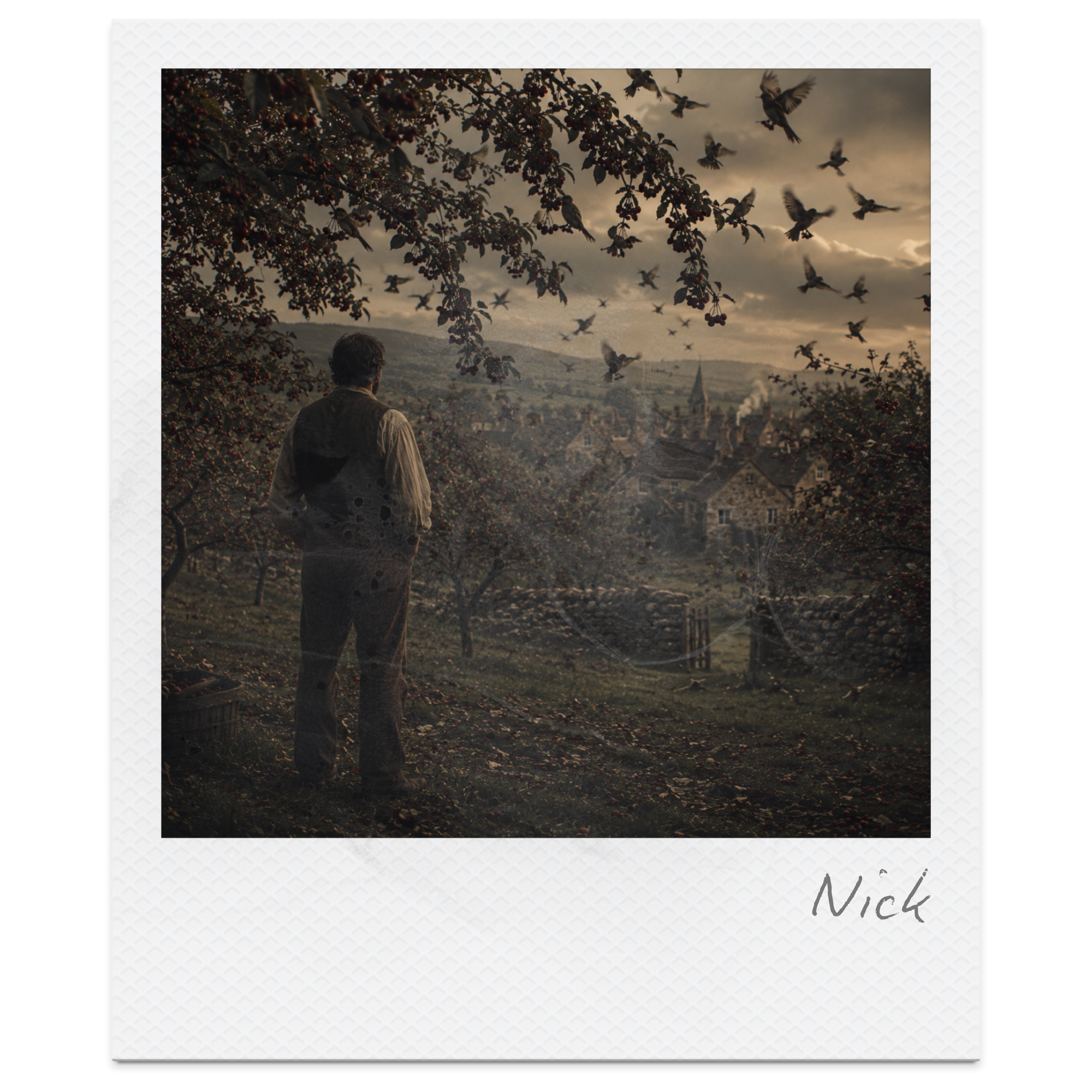
When It Happens by Margaret Atwood: Summary, Themes & Analysis
Margaret Atwood’s When It Happens is a tense and deeply unsettling short story exploring fear, survival, aging, and the quiet collapse of social order. Through the perspective of Mrs. Burridge, Atwood presents an ordinary rural life overshadowed by growing anxiety and the sense that an unspecified disaster is approaching. Although much of the story focuses on everyday domestic routines — preserving food, writing shopping lists, tending the farm — these familiar actions gradually become charged with dread, revealing the fragility of modern life and the psychological pressure created by uncertainty.
The story remains powerful because Atwood never fully explains what “it” is, forcing readers to experience the same uncertainty and anticipation as Mrs. Burridge herself. Atwood explores larger concerns about social breakdown, gender roles, preparedness, and human vulnerability, while also examining how people attempt to maintain normality during periods of fear and instability. If you are studying or teaching Stories of Ourselves Volume 2 for CIE IGCSE English Literature (0475 & 0922, 2027 syllabus), explore the full anthology in the Stories of Ourselves Volume 2 Hub, or discover more prose and poetry analysis in the Literature Library.

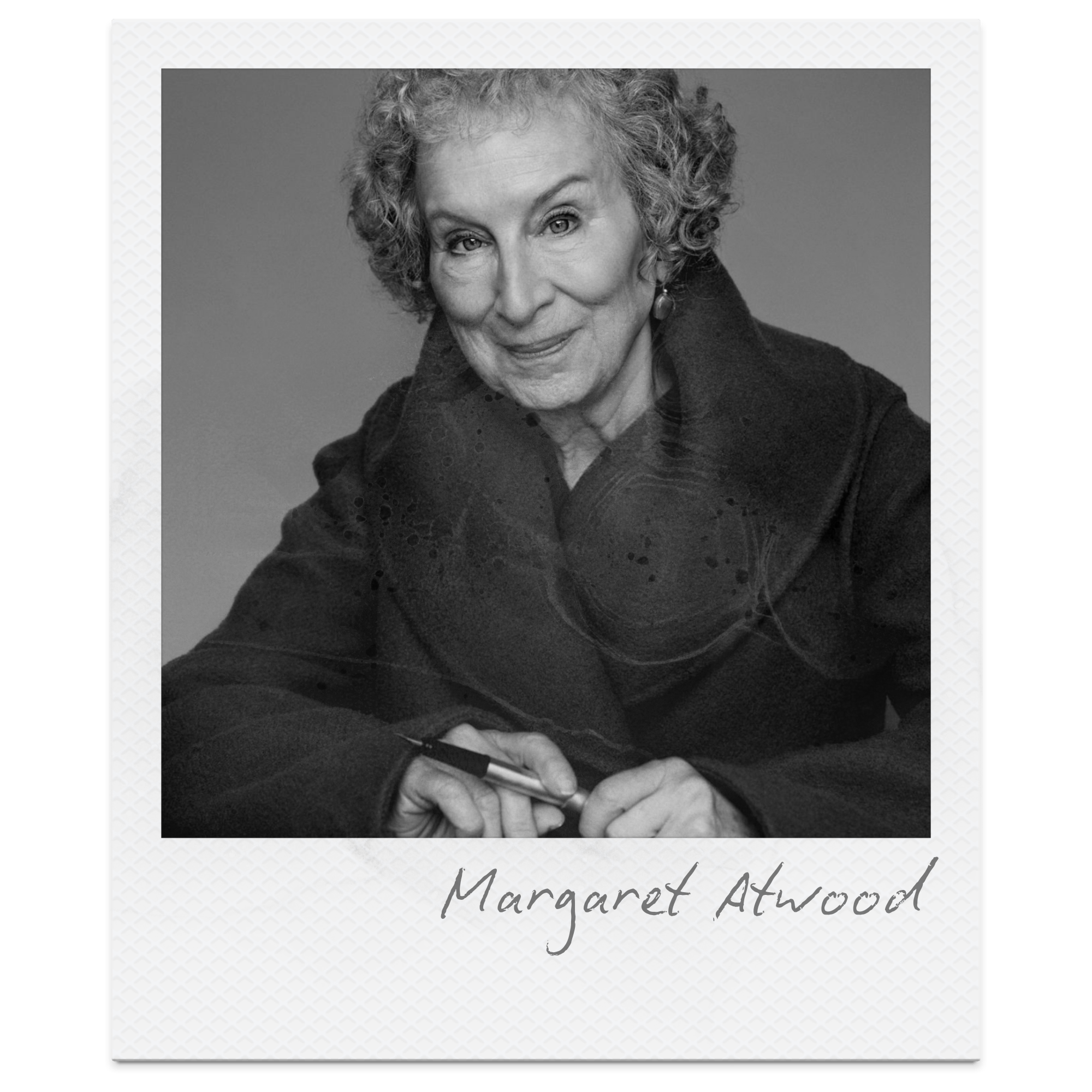
Context of When It Happens
Margaret Atwood is a Canadian writer whose work frequently explores power, fear, environmental anxiety, gender roles, and the fragility of civilisation. Writing during the late twentieth century, Atwood was strongly influenced by growing concerns surrounding the Cold War, nuclear conflict, economic instability, political distrust, and environmental crisis. Many of her works examine what happens when ordinary social systems begin to fail, often focusing on how fear quietly reshapes everyday behaviour long before disaster fully arrives.
Published in 1983, When It Happens reflects a period marked by fears of nuclear war, shortages, recession, and global instability. Atwood never fully explains the nature of the coming catastrophe, which makes the story feel psychologically realistic and universally unsettling. Instead of focusing on dramatic action, she explores how anxiety slowly enters domestic life through small details such as rising prices, shortages, strikes, censorship, and preparations for survival. This reflects Atwood’s wider interest in how ordinary people respond to uncertainty and social breakdown.
The story also reflects Atwood’s recurring interest in gender expectations and survival. Mrs. Burridge’s domestic skills — preserving food, planning ahead, organising supplies — become increasingly important as society appears to collapse. Atwood challenges traditional assumptions about power by suggesting that practical knowledge, emotional endurance, and preparation may matter more than physical strength during times of crisis. The story therefore combines elements of speculative fiction, psychological realism, and social commentary to explore both personal fear and wider cultural anxieties.
When It Happens: At a Glance
Form: Short story
Mood: Tense, anxious, quietly apocalyptic
Central conflict: Mrs. Burridge struggles to maintain normality while anticipating an unspecified social collapse or disaster.
Core themes: Fear, survival, aging, social breakdown, uncertainty, preparedness, gender roles, isolation, domesticity
Narrative perspective: Third-person limited narration focused closely on Mrs. Burridge’s thoughts and perceptions
One-sentence meaning: The story explores how fear and uncertainty gradually transform ordinary life, revealing the fragility of civilisation and the psychological effects of waiting for disaster.
Quick Summary of When It Happens
Mrs. Burridge spends her days carrying out ordinary domestic routines on the farm, including preserving food, organising supplies, and preparing for winter. However, beneath these familiar activities she feels an increasing sense of fear and unease about an unspecified disaster she believes is approaching. Rising prices, shortages, strikes, and disturbing news reports strengthen her suspicion that society is beginning to break down, although nobody around her speaks openly about it.
As the story develops, Mrs. Burridge becomes increasingly preoccupied with survival and preparation. She imagines shortages of fuel, censorship, violence, and the collapse of communication systems. While continuing her normal routines, she secretly considers practical steps such as learning to use a gun, hiding supplies, and planning how she might survive if social order collapses. Atwood gradually blurs the line between realistic preparation and psychological anxiety, creating uncertainty about how much of the disaster is real and how much exists in Mrs. Burridge’s imagination.
The story reaches its climax when Mrs. Burridge imagines columns of smoke rising in the distance and watches Frank leave with other men towards the danger. Believing he will never return, she gathers supplies, arms herself with the shotgun, and leaves the farm alone. In the imagined future, she prepares to defend herself against two threatening men in the woods. However, the story suddenly returns to the present moment, where Mrs. Burridge is simply sitting at the kitchen table writing “Cheese” on her shopping list. This ambiguous ending leaves readers uncertain whether the collapse is truly happening or exists only within her fearful anticipation of disaster.
Title of When It Happens
The title When It Happens immediately creates a sense of uncertainty, anticipation, and dread. Atwood deliberately avoids explaining what “it” actually is, making the title vague and open-ended. This ambiguity becomes one of the story’s most important techniques because it mirrors Mrs. Burridge’s growing anxiety and the atmosphere of waiting that dominates the narrative.
The phrase “when it happens” suggests that disaster is not a possibility but an inevitability. Mrs. Burridge never doubts that some form of social collapse, violence, or catastrophe will arrive eventually; the only uncertainty is when it will occur and what exact form it will take. The title therefore reflects themes of fear, anticipation, and psychological tension.
The title also highlights the story’s focus on preparation and survival. Much of Mrs. Burridge’s behaviour — preserving food, watching the horizon, thinking about guns and supplies — is shaped by the expectation that “it” is coming. Ordinary domestic actions become transformed into survival strategies because of the power this unnamed event holds over her imagination.
By the ending, the meaning of the title becomes even more ambiguous. Readers are left uncertain whether “it” refers to a real societal collapse, a future possibility, or a psychological state created by fear and constant exposure to crisis. This uncertainty gives the title lasting emotional impact because the threat remains unresolved, mirroring the anxieties of modern life itself.
Structure of When It Happens
Atwood structures When It Happens around a gradual movement from ordinary domestic routine toward imagined social collapse and violence. The story’s structure mirrors Mrs. Burridge’s psychological state, beginning with familiar everyday details before slowly building an atmosphere of fear, uncertainty, and anticipation. By blurring the line between reality and imagined future events, Atwood creates sustained tension and leaves readers uncertain about what is truly happening.
Opening / Exposition
The story opens with detailed descriptions of Mrs. Burridge making green tomato pickles and carrying out domestic routines on the farm. Atwood deliberately begins with ordinary activities connected to stability, tradition, and self-sufficiency. These familiar details create realism while also establishing Mrs. Burridge as practical, organised, and deeply connected to the routines of rural life.
However, even within the opening, subtle signs of anxiety appear. References to rising prices, shortages, strikes, and “killer frost” introduce an atmosphere of instability beneath the calm surface of daily life. Atwood uses these small details to foreshadow the larger fears dominating Mrs. Burridge’s thoughts later in the story.
Development / Rising Action
As the story develops, Atwood gradually increases the sense of psychological tension by shifting focus from routine tasks toward Mrs. Burridge’s growing fear of collapse and disaster. Repeated moments where she stands at the back door “looking out” create a pattern of waiting and anticipation, suggesting that she expects something terrible to appear at any moment.
The structure also becomes increasingly reflective and fragmented as Mrs. Burridge imagines future scenarios involving shortages, censorship, violence, and social breakdown. Atwood blends present reality with imagined possibilities so smoothly that the boundaries between them become unclear. This structural ambiguity places readers inside Mrs. Burridge’s anxious mindset, where fear constantly reshapes ordinary experiences.
At the same time, Atwood develops themes of aging, vulnerability, and helplessness through repeated references to physical decline. Mrs. Burridge notices Frank walking “like an old man” and reflects on her own pain and exhaustion. These details deepen the emotional tension by linking personal aging to the wider fear of societal collapse.
Turning Point / Climax
The climax occurs when Mrs. Burridge sees the “columns of smoke” rising in the distance and believes the disaster has finally arrived. Structurally, this moment transforms the story from fearful anticipation into imagined action and survival. Frank leaves with the other men, and Mrs. Burridge assumes she will never see him again.
From this point onward, the pacing becomes much faster and more urgent. Mrs. Burridge gathers supplies, arms herself, and prepares to leave the farm. Atwood’s descriptions become increasingly tense and survival-focused, emphasising danger and isolation. The imagined encounter with the two men in the forest creates the story’s most immediate threat, forcing Mrs. Burridge to confront the possibility of violence directly.
Importantly, Atwood never confirms whether these events are truly happening. The structure deliberately keeps readers uncertain, increasing the psychological tension and ambiguity of the climax.
Ending / Resolution
The ending suddenly returns readers to the present moment, where Mrs. Burridge is calmly writing “Cheese” on her shopping list at the kitchen table. This abrupt structural shift forces readers to reconsider everything that came before it. Atwood leaves unclear whether the collapse is genuinely occurring, whether Mrs. Burridge is imagining possible futures, or whether the story exists somewhere between fear and reality.
This ambiguous ending is crucial to the story’s impact because it suggests that the real focus is not the disaster itself, but the psychological experience of waiting for it. The unresolved structure mirrors the uncertainty of modern life, where people live surrounded by warnings, fears, and anxieties without ever fully knowing what will happen next.
Atwood’s cyclical return to domestic routine also reinforces one of the story’s central tensions: the fragile attempt to maintain normality in a world increasingly shaped by fear and instability.
Setting of When It Happens
The setting of When It Happens is central to the story’s atmosphere of fear, uncertainty, and gradual social collapse. Atwood uses the rural farm setting not simply as a backdrop, but as a symbolic space reflecting ideas about survival, isolation, aging, and the fragility of civilisation. Ordinary domestic locations slowly become charged with tension as Mrs. Burridge imagines the collapse of the world around her.
The farm initially appears safe, practical, and self-sufficient. Mrs. Burridge spends much of the story preserving food, organising supplies, and maintaining routines connected to stability and order. The descriptions of the cellar filled with “pickles,” “jams and jellies,” and “preserves” symbolise preparedness and survival. Earlier in her life, these supplies “used to make her feel safe,” particularly during snowstorms or periods of isolation. However, Atwood gradually transforms the same setting into something threatening and fragile as Mrs. Burridge realises she may one day be forced to abandon everything.
The kitchen becomes an especially important symbolic setting because it represents domestic routine and control. Mrs. Burridge repeatedly returns to familiar activities such as making shopping lists, cooking, preserving food, and organising the household. Yet these ordinary routines are constantly interrupted by thoughts of disaster. The contrast between domestic normality and psychological fear creates tension throughout the story, suggesting how fragile everyday life really is.
Atwood also uses the surrounding landscape to create an atmosphere of isolation and anticipation. Mrs. Burridge repeatedly stands at the back door “looking out” towards the fields and horizon, expecting to see “something burning” or “columns of smoke.” The open rural setting therefore becomes connected to waiting and fear rather than peace or freedom. The emptiness of the landscape reflects Mrs. Burridge’s growing anxiety and uncertainty about what may be approaching.
The changing condition of the wider environment also reinforces the sense of social breakdown. References to “dead elms,” failing communication systems, abandoned roads, shortages, and silence create an atmosphere of decay and collapse. Atwood carefully removes ordinary signs of civilisation — planes disappear, highways become quiet, the phone goes dead, electricity fails — making the setting feel increasingly abandoned and unstable.
The forest near the ending becomes the story’s most threatening setting. Unlike the ordered domestic spaces of the farm, the woods represent danger, unpredictability, and survival. The sensory descriptions of “earth, wood, rotting leaves” create a darker and more primitive atmosphere as Mrs. Burridge prepares herself for possible violence. The forest symbolises the breakdown of civilisation and the movement into a world governed by fear and survival rather than social order.
Atwood’s setting therefore develops throughout the story from a familiar domestic environment into a landscape shaped by uncertainty and psychological tension. By transforming ordinary rural spaces into symbols of collapse and vulnerability, she reveals how quickly security and stability can disappear.
Narrative Voice in When It Happens
Atwood uses a third-person limited narrative voice closely focused on Mrs. Burridge’s thoughts, perceptions, and anxieties. Although the narration is technically third person, readers experience the world almost entirely through Mrs. Burridge’s perspective, which creates an intimate understanding of her growing fear and psychological tension. This limited perspective is especially important because it leaves readers uncertain about whether the approaching disaster is real, exaggerated, or partly imagined.
The narrative voice is calm, observant, and highly detailed, reflecting Mrs. Burridge’s practical personality. Atwood frequently focuses on ordinary domestic actions such as preserving food, making shopping lists, folding sheets, and organising supplies. These precise details create realism while also emphasising Mrs. Burridge’s desire for control, order, and preparedness within an increasingly unstable world.
At the same time, the narrative voice gradually becomes more anxious and speculative as Mrs. Burridge imagines future collapse and violence. Atwood often shifts smoothly between present reality and imagined future events without clear transitions. For example, the narration moves from ordinary descriptions into predictions about “columns of smoke,” failed communication systems, and wandering strangers. This blending of reality and imagination creates ambiguity, placing readers inside Mrs. Burridge’s fearful mindset where anticipation begins to feel almost indistinguishable from reality itself.
The narrative voice also shapes readers’ sympathy toward Mrs. Burridge. Although some of her fears may appear irrational or extreme, the close focus on her thoughts makes her anxiety understandable rather than ridiculous. References to shortages, strikes, rising prices, censorship, and social unrest all suggest that her fears are rooted in real instability. The narration therefore encourages readers to question whether Mrs. Burridge is paranoid or simply more prepared than those around her.
Atwood also uses subtle irony within the narrative voice. Mrs. Burridge continues writing shopping lists and planning meals even while imagining the collapse of civilisation. The contrast between ordinary domestic routines and apocalyptic thinking creates emotional tension while revealing how people attempt to maintain normality during periods of fear and uncertainty.
By limiting the story almost entirely to Mrs. Burridge’s perspective, Atwood creates a narrative voice filled with ambiguity, psychological realism, and quiet dread. Readers are never given an objective explanation of events, forcing them to experience uncertainty alongside the protagonist herself.
Characters in When It Happens
Atwood uses the characters in When It Happens to explore different responses to fear, uncertainty, aging, and social instability. Rather than focusing on dramatic external conflict, the story examines how ordinary people react psychologically to the possibility of collapse and change. The characters therefore function not only as realistic individuals, but also as representations of wider social anxieties and emotional tensions.
Mrs. Burridge
Mrs. Burridge is the central character of the story and the lens through which readers experience its growing atmosphere of dread. Atwood presents her as practical, organised, and deeply connected to routines of domestic labour and preparation. Her preserving, list-making, and careful management of supplies symbolise her desire for control and stability in an uncertain world.
At the same time, Mrs. Burridge is increasingly consumed by anxiety about an approaching disaster. She repeatedly stands at the back door “looking out,” expecting to see “something burning” or “columns of smoke.” These moments reveal both her fear and her obsession with anticipation. Although the threat is never fully explained, Mrs. Burridge becomes convinced that social collapse is inevitable.
Atwood also presents Mrs. Burridge as emotionally complex. Early in the story, she reflects on her marriage with a mixture of irritation, affection, and sadness. She notices Frank’s aging body and realises “He can’t protect me.” This thought symbolises not only her fear of physical vulnerability, but also the collapse of older assumptions about male protection and stability.
Importantly, Mrs. Burridge is not portrayed as irrational or hysterical. Many of her fears are grounded in real social concerns such as shortages, strikes, censorship, rising prices, and economic instability. Atwood therefore creates a character who exists somewhere between preparedness and paranoia, forcing readers to question whether she is imagining disaster or recognising realities others refuse to face.
By the ending, Mrs. Burridge becomes a symbol of survival and endurance. Even while terrified, she prepares herself to continue alone, carrying supplies and the shotgun into the woods. Her final imagined confrontation reveals both vulnerability and determination.
Frank Burridge
Frank represents routine, practicality, and the fading reliability of traditional masculine authority. He is presented as methodical, predictable, and physically slower than he once was. Mrs. Burridge notices the way he walks “like an old man,” which contributes to her growing awareness of vulnerability and aging.
Although Mrs. Burridge frequently describes Frank as “pig-headed,” the story also reveals his kindness and steadiness. He carries heavy baskets for her, avoids hurting feelings, and quietly accepts many of her habits and criticisms. Atwood presents the marriage realistically, showing affection existing beneath years of irritation and routine.
Frank also symbolises a more passive response to uncertainty. Unlike Mrs. Burridge, he does not openly prepare for collapse or question the future constantly. His calmness may suggest denial, trust in normality, or simply emotional restraint. This contrast between Frank’s relative calm and Mrs. Burridge’s growing anxiety creates much of the story’s tension.
Near the climax, Frank finally becomes active when he leaves with the other men towards the distant smoke. Mrs. Burridge immediately assumes “he will not come back,” revealing how completely fear has shaped her expectations of the future.
The Children
Although the children never appear directly in the story, they remain emotionally important through Mrs. Burridge’s memories and reflections. They symbolise the passage of time, changing generations, and uncertainty about the future.
Mrs. Burridge remembers them as children while also worrying about their adult lives in the cities. She hopes her daughters “will not have babies; it is no longer the right time for it,” revealing her belief that the future has become unsafe and unstable. This moment highlights the story’s pessimism about continuity and generational security.
The children also reinforce the emotional loneliness of Mrs. Burridge’s situation. Even though she plans meals and visits for them, she increasingly feels disconnected from the future she once expected family life to provide.
The Young Men in the Forest
The two young men near the ending represent Mrs. Burridge’s greatest fears about social collapse and violence. They appear suddenly in the dark woods, creating an atmosphere of danger and uncertainty. Mrs. Burridge immediately believes “they will kill her,” showing how fully fear now shapes her understanding of the world.
Importantly, the men are not developed as detailed characters. Instead, they function symbolically as representations of chaos, lawlessness, and survival without morality. Their appearance contrasts sharply with the ordered domestic world Mrs. Burridge has spent her life maintaining.
The encounter also forces Mrs. Burridge to confront the possibility of violence directly. Throughout the story she has imagined collapse abstractly, but the young men transform those fears into immediate physical danger. Whether real or imagined, they symbolise the terrifying unpredictability of the world she fears is coming.
Key Themes in When It Happens
Atwood explores a range of interconnected themes in When It Happens, using ordinary domestic routines and imagined future disasters to examine how people respond to fear, uncertainty, and the possible collapse of civilisation. The story’s power comes from the tension between everyday normality and growing psychological anxiety.
Fear
Fear dominates the story, shaping both Mrs. Burridge’s thoughts and her interpretation of the world around her. Although the exact disaster is never identified, she becomes increasingly convinced that “something is going to happen.” Atwood creates tension by showing how fear gradually transforms ordinary experiences into signs of danger and collapse.
Importantly, the fear in the story is often quiet and psychological rather than dramatic. Mrs. Burridge repeatedly watches the horizon for “columns of smoke” and interprets shortages, strikes, and silence as warnings of disaster. Atwood therefore explores how fear can spread through anticipation and uncertainty long before catastrophe actually arrives.
The story also suggests that fear isolates people emotionally. Mrs. Burridge cannot fully explain her worries to Frank or others because she fears they will dismiss or misunderstand her. This creates an atmosphere of loneliness and private anxiety throughout the narrative.
Survival
The theme of survival appears through Mrs. Burridge’s constant preparation and practical thinking. Preserving food, storing supplies, planning for shortages, and considering how to use the gun all reflect her instinct to survive and remain self-sufficient.
Atwood presents survival not as heroic adventure but as exhausting practical labour. Mrs. Burridge’s preserving, organising, and planning are connected to domestic work traditionally dismissed as ordinary or unimportant. However, as society appears to weaken, these skills become increasingly valuable.
The ending reinforces the harsh reality of survival. Mrs. Burridge realises she may need to abandon everything familiar and travel alone carrying only what she can physically manage. Survival therefore becomes connected not only to physical endurance, but also to emotional sacrifice and loss.
Aging
Atwood repeatedly explores aging through physical decline, memory, and changing relationships. Mrs. Burridge notices Frank walking “like an old man” and reflects on her own pain, swelling feet, and injured knee. These details create a growing awareness of vulnerability and mortality.
Aging also deepens the story’s emotional tension because Mrs. Burridge feels increasingly unprotected and uncertain about the future. Earlier in life she assumed stability and routine would continue indefinitely, but now she realises “this is not the case.”
Atwood connects aging to the wider fear of collapse. The physical weakening of the characters mirrors the apparent weakening of society itself, reinforcing the sense that systems once considered stable are beginning to fail.
Social Breakdown
The possibility of social breakdown shapes the entire atmosphere of the story. References to strikes, shortages, censorship, rising prices, fuel problems, silent highways, and failed communication systems all suggest the gradual collapse of modern society.
Importantly, Atwood presents breakdown as slow and subtle rather than sudden. The world does not collapse instantly; instead, ordinary systems begin quietly disappearing one by one. Planes stop flying, phones go dead, electricity fails, and roads empty. This gradual deterioration feels psychologically realistic and deeply unsettling.
The story also suggests that civilisation may be more fragile than people assume. Everyday comforts and routines depend upon systems that can quickly disappear, leaving people isolated and vulnerable.
Uncertainty
The story is built around uncertainty, particularly because neither Mrs. Burridge nor the reader ever knows exactly what “it” is. Atwood deliberately avoids providing clear answers, creating ambiguity about whether the disaster is real, imagined, or only partially understood.
This uncertainty shapes the reader’s experience as much as Mrs. Burridge’s. The blurred line between present reality and imagined future events forces readers to question what is truly happening throughout the story.
Atwood therefore presents uncertainty itself as psychologically exhausting. Mrs. Burridge repeatedly wishes “someone would be more precise” so she could make better plans, revealing the emotional strain created by not knowing what the future holds.
Preparedness
Mrs. Burridge responds to fear through preparedness and practical organisation. She preserves food, maintains supplies, plans ahead, and thinks constantly about what may be needed in the future. Her domestic routines become acts of preparation and control.
Atwood presents preparedness as both sensible and psychologically revealing. On one hand, Mrs. Burridge’s fears are rooted in real social instability. On the other hand, her obsessive preparation suggests how anxiety can gradually dominate a person’s thinking.
The story also challenges assumptions about what kinds of knowledge matter. Skills often associated with traditional domestic life become essential forms of survival knowledge when modern systems begin failing.
Gender Roles
Atwood explores traditional gender roles while also questioning them. Mrs. Burridge has spent much of her life performing domestic labour such as cooking, preserving, cleaning, and organising. However, as the story progresses, these skills become central to survival and preparedness.
At the same time, the story challenges assumptions about male authority and protection. Mrs. Burridge realises “He can’t protect me,” referring to Frank. This moment symbolises the collapse of traditional beliefs that men will always provide safety and control during crises.
Mrs. Burridge also secretly hides the shotgun and imagines defending herself violently if necessary. This development suggests that survival may require her to move beyond conventional expectations of femininity and dependence.
Isolation
The rural setting creates both physical and emotional isolation throughout the story. Mrs. Burridge becomes increasingly cut off from the wider world as communication systems fail and roads empty. The dead telephone and silent highways reinforce the feeling of separation and loneliness.
Emotionally, Mrs. Burridge also feels isolated because she cannot fully communicate her fears to others. Although she notices anxious expressions on other women’s faces, nobody openly discusses what they are afraid of. This silence intensifies the atmosphere of tension and uncertainty.
The ending deepens the theme further as Mrs. Burridge walks north alone carrying supplies and the shotgun. Her isolation becomes complete, symbolising the collapse of both personal and social security.
Domesticity
Atwood uses domesticity throughout the story to explore ideas about control, tradition, and survival. Much of the narrative focuses on ordinary household routines: making pickles, folding sheets, writing shopping lists, and organising supplies.
Initially, these activities represent comfort and stability. However, Atwood gradually transforms domestic objects and routines into symbols of fragility and loss. Mrs. Burridge imagines leaving behind the carefully organised house and even pictures her preserves shattered “in a sticky puddle that looks like blood.”
The story therefore suggests that domestic life is both deeply meaningful and dangerously vulnerable. The home represents identity, memory, and order, yet it can quickly become powerless against larger forces of fear and collapse.
Symbolism in When It Happens
Atwood uses symbolism throughout When It Happens to explore deeper ideas about fear, survival, aging, domesticity, and the collapse of social order. Ordinary objects and routines gradually take on darker meanings as Mrs. Burridge’s anxiety intensifies, transforming the familiar world into something unstable and threatening.
The Pickles and Preserves
The jars of “green tomato pickles,” jams, and preserves symbolise preparedness, stability, and survival. Mrs. Burridge spends much of the story preserving food, reflecting her practical nature and desire for control in an uncertain world. The carefully organised cellar once made her “feel safe,” especially during storms or isolation.
However, the meaning of the preserves changes as the story develops. Instead of representing security, they begin to symbolise fragility and loss. Mrs. Burridge imagines being forced to leave them behind because they are “too heavy to carry,” and later pictures them shattered “in a sticky puddle that looks like blood.” This violent image transforms the preserves into symbols of wasted labour, destroyed domestic life, and the collapse of everything she has carefully built.
The Shopping Lists
Mrs. Burridge’s shopping lists symbolise routine, order, and the attempt to maintain normality. Throughout her life she has organised the future through lists of things to buy, cook, sew, and prepare. These lists reflect her practical identity and her belief that life can be controlled through planning.
As the story progresses, however, the lists become increasingly disconnected from reality. Even while imagining societal collapse, Mrs. Burridge continues writing ordinary words such as “Cheese” and “Shortening.” Atwood uses this contrast symbolically to show how people cling to routine and domestic order even when the future feels uncertain or frightening.
The lists also symbolise denial and psychological survival. Writing them allows Mrs. Burridge to continue performing normality despite her growing fear.
The Back Door and Window
The repeated image of Mrs. Burridge standing at the back door or window symbolises anticipation, fear, and waiting. She constantly looks outward expecting to see “something burning” or “columns of smoke.” The door and window therefore become symbolic thresholds between domestic safety and the threatening unknown world outside.
These moments also reflect Mrs. Burridge’s psychological state. She is emotionally trapped between the familiar routines of the house and the fear that everything outside is beginning to collapse. The repeated action of watching reinforces the story’s atmosphere of tension and expectation.
The House
The house symbolises stability, memory, identity, and domestic life. It contains objects connected to family history, including “her mother’s china,” the wedding photograph, folded sheets, and carefully organised belongings. The home represents everything Mrs. Burridge has spent her life building and maintaining.
At the same time, the house becomes increasingly fragile as the story progresses. Mrs. Burridge realises it may become “a beacon, signalling warmth and food” to desperate strangers. The house therefore shifts from a symbol of protection into a symbol of vulnerability and danger.
Her thought of setting fire to the house herself symbolises both despair and the desire to maintain control over what remains of her life.
The Guns
The shotgun and rifle symbolise power, survival, and the breakdown of ordinary morality. Earlier in life, the guns were connected to practical rural activities such as hunting ducks or killing groundhogs. However, as Mrs. Burridge imagines collapse approaching, the shotgun becomes associated with self-defence and violence.
Importantly, the gun also symbolises Mrs. Burridge’s changing understanding of gender roles and vulnerability. She secretly hides the shotgun and imagines using it herself because she no longer fully trusts that Frank can protect her. The weapon therefore symbolises both fear and reluctant independence.
Smoke and Fire
The “columns of smoke” Mrs. Burridge expects to see symbolise the arrival of disaster and the destruction of civilisation. Long before the smoke actually appears, she imagines it repeatedly, making it a symbol of anticipated catastrophe rather than confirmed reality.
Fire also symbolises irreversible change. When the smoke finally rises in the distance, the story shifts from fearful anticipation into imagined collapse and survival. The possibility of burning — including her thought of burning down the house herself — reflects both destruction and the desperate attempt to control loss.
Silence
Atwood repeatedly uses silence symbolically throughout the story. The disappearance of planes, the quiet highways, the dead telephone, and the absence of normal noise symbolise the slow collapse of civilisation and communication.
The silence is especially unsettling because it replaces ordinary life gradually rather than suddenly. Atwood suggests that disaster may first appear not through explosions or violence, but through absence, emptiness, and things quietly stopping.
The Forest
The forest near the ending symbolises the unknown world beyond civilisation and domestic order. Unlike the controlled spaces of the kitchen and farm, the woods are dark, unpredictable, and threatening. Mrs. Burridge enters the forest because she believes survival now depends upon hiding rather than remaining visible.
The forest also symbolises regression into a more primitive world governed by fear and violence. The imagined confrontation with the two men forces Mrs. Burridge to confront survival in its most brutal form, far removed from the routines and comforts of ordinary domestic life.
Key Quotes and Methods in When It Happens
Important quotations in When It Happens reveal key ideas about fear, survival, uncertainty, aging, and the fragility of civilisation. Atwood uses symbolism, imagery, contrast, and narrative perspective to create an atmosphere of quiet psychological tension throughout the story.
Fear and Anticipation
“Everyone knows something is going to happen.”
◆ Method — Direct statement and foreshadowing
◆ Meaning — Mrs. Burridge believes disaster is inevitable, even though nobody fully understands what it will be.
◆ Purpose — Atwood creates an atmosphere of collective anxiety and uncertainty.
◆ Impact — The certainty of the statement feels unsettling because it lacks clear explanation or evidence.
◆ Link to theme, conflict, or symbolism — Links to fear, uncertainty, and anticipation.
“She has the odd idea she may see something burning.”
◆ Method — Symbolic imagery and foreshadowing
◆ Meaning — Mrs. Burridge constantly expects signs of destruction and collapse.
◆ Purpose — Atwood shows how fear reshapes ordinary perception and daily life.
◆ Impact — The image of distant fire creates tension long before any disaster actually appears.
◆ Link to theme, conflict, or symbolism — Links to fear, social breakdown, and the symbolism of smoke and fire.
Survival and Preparedness
“It used to make her feel safe to have all that food in the cellar.”
◆ Method — Symbolism and reflective narration
◆ Meaning — The preserved food once symbolised security and stability.
◆ Purpose — Atwood contrasts past feelings of safety with Mrs. Burridge’s growing fear and uncertainty.
◆ Impact — Readers recognise how quickly familiar comforts lose their reassuring meaning.
◆ Link to theme, conflict, or symbolism — Links to survival, preparedness, and the symbolism of the preserves.
“She no longer seems to have the energy; it’s as if she is saving it up for when she will have to use it.”
◆ Method — Foreshadowing and reflective narration
◆ Meaning — Mrs. Burridge feels psychologically prepared for a future crisis.
◆ Purpose — Atwood reveals how fear quietly dominates her thoughts and behaviour.
◆ Impact — The line creates tension because readers sense she is constantly anticipating disaster.
◆ Link to theme, conflict, or symbolism — Links to survival, fear, and psychological preparation.
Aging and Vulnerability
“He can’t protect me.”
◆ Method — Short sentence and internal realisation
◆ Meaning — Mrs. Burridge realises Frank is no longer physically capable of protecting her.
◆ Purpose — Atwood challenges traditional ideas about masculine protection and security.
◆ Impact — The simplicity of the sentence makes the emotional realisation feel sudden and painful.
◆ Link to theme, conflict, or symbolism — Links to aging, gender roles, and vulnerability.
“From the back he’s like an old man.”
◆ Method — Visual imagery and reflective observation
◆ Meaning — Mrs. Burridge notices Frank’s physical decline and mortality.
◆ Purpose — Atwood connects personal aging to the wider fear of societal weakening and collapse.
◆ Impact — The image creates sadness and emotional realism.
◆ Link to theme, conflict, or symbolism — Links to aging, fear, and uncertainty about the future.
Social Breakdown
“The television will become sweet-tempered and placating.”
◆ Method — Personification and irony
◆ Meaning — Mrs. Burridge imagines the media hiding or softening the truth during crisis.
◆ Purpose — Atwood explores distrust of authority, censorship, and manipulation.
◆ Impact — The calm description feels disturbing because it suggests dishonesty beneath apparent reassurance.
◆ Link to theme, conflict, or symbolism — Links to social breakdown, uncertainty, and political distrust.
“The phone goes dead.”
◆ Method — Symbolism and understated narration
◆ Meaning — Communication and connection with the outside world begin collapsing.
◆ Purpose — Atwood symbolises the gradual disappearance of normal social systems.
◆ Impact — The simple sentence creates unease because of its quiet finality.
◆ Link to theme, conflict, or symbolism — Links to isolation, social breakdown, and silence.
Domesticity and Loss
“Her house is a beacon, signalling warmth and food.”
◆ Method — Metaphor and symbolic imagery
◆ Meaning — The home becomes vulnerable because it contains resources others may want.
◆ Purpose — Atwood transforms domestic security into a source of danger.
◆ Impact — Readers recognise how quickly safety can become exposure during crisis.
◆ Link to theme, conflict, or symbolism — Links to domesticity, survival, and vulnerability.
“A sticky puddle that looks like blood.”
◆ Method — Violent imagery and symbolism
◆ Meaning — Mrs. Burridge imagines her preserves destroyed during the collapse.
◆ Purpose — Atwood symbolises the destruction of domestic labour, memory, and stability.
◆ Impact — The image is shocking because it transforms ordinary household objects into symbols of violence and waste.
◆ Link to theme, conflict, or symbolism — Links to loss, domesticity, and social collapse.
Ambiguity and Uncertainty
“What if she is wrong and Frank comes back after all, what if nothing, really, is the matter?”
◆ Method — Rhetorical questioning and ambiguity
◆ Meaning — Mrs. Burridge herself briefly doubts whether her fears are justified.
◆ Purpose — Atwood keeps readers uncertain about whether the disaster is real or imagined.
◆ Impact — The uncertainty increases psychological tension and complexity.
◆ Link to theme, conflict, or symbolism — Links to uncertainty, fear, and ambiguity.
“You never know how you will act in a thing like that until it actually happens.”
◆ Method — Reflective statement and ambiguity
◆ Meaning — Mrs. Burridge cannot fully predict her own behaviour in extreme circumstances.
◆ Purpose — Atwood explores the unpredictability of human survival instincts and fear.
◆ Impact — The line leaves readers unsettled because the story never confirms whether “it” is actually happening.
◆ Link to theme, conflict, or symbolism — Links to survival, uncertainty, and psychological realism.
Key Techniques in When It Happens
Atwood combines symbolism, foreshadowing, psychological ambiguity, and detailed domestic realism to create an atmosphere of fear, uncertainty, and quiet social collapse. Her techniques often transform ordinary objects and routines into sources of tension and symbolic meaning.
◆ Foreshadowing — Early references to shortages, strikes, rising prices, and “killer frost” hint at larger instability and prepare readers for the possibility of collapse.
◆ Symbolism — Objects such as the preserves, shopping lists, guns, and house develop symbolic meanings connected to survival, fear, domesticity, and vulnerability.
◆ Third-person limited narration — The close focus on Mrs. Burridge’s thoughts creates psychological intimacy while limiting readers to her uncertain perspective.
◆ Ambiguity — Atwood never fully explains what “it” is, leaving readers uncertain about whether the disaster is real, imagined, or only partly understood.
◆ Juxtaposition — Ordinary domestic routines are placed beside thoughts of war, violence, and collapse, creating emotional tension and unease.
◆ Imagery — Visual descriptions such as “columns of smoke” and preserves “like blood” create vivid symbolic and emotional impact.
◆ Repetition — Mrs. Burridge repeatedly watches the horizon and returns to thoughts of preparation, reinforcing her obsessive anticipation and anxiety.
◆ Understatement — Atwood often describes frightening developments calmly and matter-of-factly, making the atmosphere feel more psychologically realistic.
◆ Domestic realism — Detailed descriptions of cooking, preserving, cleaning, and organising create realism while also symbolising attempts to maintain order and control.
◆ Contrast — The stable routines of farm life are contrasted with imagined social collapse and violence, highlighting the fragility of civilisation.
◆ Streamlined transitions between reality and imagination — Atwood moves smoothly between present events and imagined future scenarios, blurring the boundary between reality and fear.
◆ Sensory detail — Descriptions of sounds, textures, smells, and weather deepen the atmosphere of isolation and realism.
◆ Motif of waiting — Mrs. Burridge constantly anticipates “when it happens,” creating ongoing tension and psychological suspense.
◆ Irony — Mrs. Burridge continues writing shopping lists and planning meals even while imagining the collapse of society and possible violence.
◆ Symbolic setting — The farm, cellar, kitchen, and forest all reflect wider ideas about survival, domesticity, vulnerability, and social breakdown.
◆ Open ending — The unresolved conclusion forces readers to question what is real while reinforcing the story’s themes of uncertainty and anticipation.
How the Writer Creates Meaning and Impact in When It Happens
Atwood creates meaning in When It Happens by combining psychological ambiguity, domestic realism, symbolism, and gradual shifts in atmosphere to explore fear, uncertainty, and the fragility of civilisation. Rather than focusing on dramatic catastrophe directly, Atwood concentrates on ordinary routines and private anxieties, allowing tension to build slowly and realistically throughout the story.
One of Atwood’s most important methods is her use of ambiguity. Readers are never told exactly what “it” is or whether the disaster Mrs. Burridge imagines is fully real. The narration moves fluidly between present reality and imagined future events, making it difficult to separate genuine social collapse from psychological anticipation. This uncertainty places readers inside Mrs. Burridge’s anxious mindset and creates ongoing tension because the threat is never clearly defined or resolved.
Atwood also creates meaning through detailed domestic realism. The story focuses heavily on preserving food, writing shopping lists, cleaning, storing supplies, and maintaining the household. These ordinary actions initially appear comforting and familiar, but Atwood gradually transforms them into acts of preparation and survival. The preserves, shopping lists, and organised cellar become symbols of Mrs. Burridge’s attempt to maintain control within an unstable world. Through these details, Atwood suggests that civilisation itself may depend upon fragile routines people normally take for granted.
The story’s atmosphere is strengthened through repeated foreshadowing and symbolic imagery. Mrs. Burridge repeatedly watches for “columns of smoke” and imagines highways becoming silent, communication systems failing, and social order collapsing. Atwood introduces these fears gradually through small details such as strikes, shortages, and rising prices, making the imagined disaster feel believable rather than exaggerated. The slow escalation of warning signs mirrors how fear spreads psychologically in real life.
Atwood’s use of symbolism deepens the emotional and thematic impact of the story. The preserved jars symbolise security, memory, and domestic labour, yet Mrs. Burridge later imagines them shattered “in a sticky puddle that looks like blood.” This violent image transforms ordinary household objects into symbols of destruction and wasted effort. Similarly, the house itself changes from a place of comfort into “a beacon, signalling warmth and food,” symbolising how security can quickly become vulnerability during crisis.
The third-person limited narrative voice is also crucial in shaping meaning. Because readers experience events almost entirely through Mrs. Burridge’s perspective, they are forced to share her uncertainty and anticipation. Atwood carefully avoids providing an objective explanation of events, meaning readers must constantly question whether Mrs. Burridge is paranoid, perceptive, or both. This limited perspective creates psychological realism while reinforcing the story’s themes of fear and instability.
Atwood further develops meaning through strong contrasts. Calm domestic routines exist beside thoughts of violence, war, and collapse. Mrs. Burridge calmly writes “Cheese” on her shopping list while simultaneously imagining survival with a loaded shotgun. This juxtaposition reveals how people attempt to maintain ordinary life even while fearing catastrophe. The contrast also creates emotional tension because the ordinary and the apocalyptic begin to exist side by side.
Finally, Atwood creates impact through the story’s open ending. The narrative returns suddenly to the present moment, leaving readers uncertain about whether the collapse is real or imagined. This unresolved conclusion reinforces one of the story’s central ideas: modern life is shaped not only by actual disaster, but also by the constant anticipation of disaster. Atwood therefore leaves readers with lingering uncertainty, forcing them to reflect on how fear and instability influence everyday life even before anything truly happens.
Alternative Interpretations of When It Happens
Strong literary analysis recognises that stories often support multiple valid interpretations. Atwood’s story can be understood through psychological, social, political, and feminist lenses, each revealing different meanings beneath the surface narrative.
Psychological Interpretation: Anxiety, paranoia, and anticipation
From a psychological perspective, the story explores how fear and uncertainty gradually consume Mrs. Burridge’s thinking. Much of the narrative may represent anxious anticipation rather than objective reality. Her repeated watching for “columns of smoke,” obsession with preparation, and imagined future scenarios suggest a mind increasingly overwhelmed by dread. The ambiguous ending reinforces this interpretation because readers never know how much of the collapse is truly happening and how much exists within Mrs. Burridge’s imagination.
Social Interpretation: The fragility of civilisation
The story can also be interpreted as a warning about how fragile modern society really is. Atwood presents civilisation as dependent upon systems people normally take for granted — communication, transport, electricity, fuel, and food supply chains. The gradual disappearance of these systems reveals how quickly ordinary life could collapse. From this perspective, the story critiques modern dependence on unstable social structures and explores how fear spreads when those systems begin weakening.
Feminist Interpretation: Domestic labour as survival knowledge
A feminist interpretation focuses on how Atwood re-evaluates traditionally female domestic roles and labour. Mrs. Burridge’s preserving, organising, and practical household knowledge initially appear ordinary or unimportant, yet these skills become essential forms of survival preparation. The story challenges assumptions that power belongs primarily to men by showing Mrs. Burridge becoming increasingly independent while Frank appears physically weaker and less prepared. Her hidden shotgun symbolises this shift in responsibility and survival authority.
Political Interpretation: Distrust of institutions and authority
The story may also be interpreted politically as a reflection of distrust toward governments, media, and institutions. Mrs. Burridge imagines censorship, manipulated news broadcasts, and authorities attempting to “keep things looking normal.” Atwood suggests that official reassurance may hide deeper instability and that ordinary people are often left uncertain about what information to trust. This interpretation reflects wider anxieties surrounding political control, propaganda, and crisis management.
Existential Interpretation: The uncertainty of the future
From an existential perspective, the story explores the human inability to fully control or predict the future. Mrs. Burridge spends much of her life making lists, preserving food, and organising her world, yet she cannot prepare completely for uncertainty itself. The title When It Happens reflects this tension because the exact nature of “it” remains unknowable. Atwood therefore presents life as fundamentally uncertain, forcing individuals to continue living ordinary routines despite the constant possibility of loss, disaster, or death.
Why When It Happens Still Matters
Although When It Happens was written during the Cold War era, its exploration of fear, uncertainty, social instability, and survival still feels strikingly relevant today. Modern readers continue to live with anxieties surrounding economic crises, environmental disaster, war, political instability, shortages, and global uncertainty. Atwood’s story captures the psychological experience of waiting for disaster, showing how fear can quietly reshape everyday life long before any catastrophe fully arrives.
The story also remains important because it explores how people attempt to maintain normality during periods of instability. Mrs. Burridge continues writing shopping lists, preserving food, and planning meals even while imagining collapse and violence. This tension between ordinary routine and underlying fear reflects the way many people continue daily life despite constant exposure to unsettling news and uncertainty about the future.
Atwood’s portrayal of domestic labour and preparedness also feels highly relevant. The story challenges assumptions about what kinds of knowledge and skills are valuable, suggesting that practical survival skills and emotional endurance may matter more than wealth or technology during times of crisis. Mrs. Burridge’s preserving, planning, and self-sufficiency become forms of strength rather than simply routine household tasks.
Finally, the story continues to resonate because of its ambiguity. Atwood never fully explains what “it” is, allowing the story to connect with different fears across different generations. Whether readers interpret the threat as war, environmental collapse, economic instability, political breakdown, or psychological anxiety, the story remains powerful because it captures the universal human experience of uncertainty and the fear of losing the world we believe to be stable.
Exam-Ready Insight for When It Happens
This section shows how to turn your understanding of When It Happens into a strong, exam-focused response for CIE IGCSE English Literature (0475 & 0922) by analysing how Atwood creates meaning through ambiguity, symbolism, narrative perspective, and atmosphere.
What strong responses do
◆ stay closely focused on the question
◆ analyse methods rather than simply retelling events
◆ track shifts in tone, atmosphere, and psychological tension across the story
◆ explore how Atwood uses ambiguity and symbolism to shape interpretation
◆ use short, embedded quotations to support interpretations
◆ explain the effect of narrative perspective on the reader
◆ develop conceptual interpretations about fear, survival, uncertainty, and social collapse
Conceptual argument
A strong thesis for When It Happens might be:
Atwood presents fear as psychologically consuming and socially destructive, using ambiguity, domestic symbolism, and gradual shifts in atmosphere to show how uncertainty can transform ordinary life into a state of constant anticipation and survival.
Model analytical paragraph
Atwood presents fear as psychologically overwhelming through symbolism, ambiguity, and narrative perspective. Throughout the story, Mrs. Burridge repeatedly watches for “columns of smoke,” transforming the ordinary rural landscape into a symbol of anticipated disaster and collapse. This recurring image creates an atmosphere of tension because the smoke exists first as expectation rather than confirmed reality, reflecting how fear reshapes Mrs. Burridge’s perception of the world around her. Atwood strengthens this psychological uncertainty through the third-person limited narration, which closely follows Mrs. Burridge’s thoughts while never fully confirming whether the disaster is genuinely occurring. Structurally, the story gradually shifts from realistic domestic routines — preserving food, writing shopping lists, organising supplies — into imagined scenarios involving violence, censorship, and survival. This progression blurs the boundary between reality and imagination, forcing readers to experience uncertainty alongside the protagonist herself. By ending the story with Mrs. Burridge calmly writing “Cheese” on her shopping list, Atwood leaves the threat unresolved, reinforcing the idea that modern life is shaped not only by actual disaster, but also by the constant fear that disaster may arrive at any moment.
Teaching Ideas for When It Happens
This story works particularly well for exploring how writers use ambiguity, symbolism, atmosphere, and narrative perspective to create psychological tension and explore fears surrounding survival and social collapse. Its mixture of domestic realism and speculative anxiety makes it highly effective for discussion, interpretation, and creative extension work.
1. Structured Close Analysis
Students track how Atwood gradually transforms ordinary domestic life into an atmosphere of fear and uncertainty.
Students should explore:
◆ how tension develops across the story
◆ shifts between reality and imagined future events
◆ recurring symbols such as the preserves, smoke, and shopping lists
◆ how Atwood creates ambiguity
◆ changes in Mrs. Burridge’s emotional state
Students can then use their findings to write a paragraph exploring how Atwood presents fear, uncertainty, or survival.
This activity helps students move beyond plot summary and focus on how atmosphere and symbolism shape meaning.
2. Structured Group Close Analysis (Role-Based)
Instead of traditional annotation, assign students specific analytical roles in small groups:
◆ Structure specialist — tracks shifts between ordinary routine and imagined collapse
◆ Symbolism analyst — explores the preserves, smoke, guns, house, and shopping lists
◆ Narrative voice expert — examines ambiguity, perspective, and psychological tension
◆ Theme tracker — explores fear, isolation, aging, survival, and domesticity
Each group analyses a section of the story before feeding back to the class to build a wider conceptual interpretation together.
This encourages collaborative close reading while developing analytical confidence and interpretation skills.
3. Silent Debate
Set up a silent debate around a conceptual question such as:
Is Mrs. Burridge paranoid, or simply more prepared than everyone else?
Students should:
◆ respond to others’ interpretations in writing
◆ support ideas with embedded quotations
◆ challenge and refine arguments over time
◆ explore multiple interpretations of the ending
Possible extension statements:
◆ “Fear becomes more dangerous than the disaster itself.”
◆ “The story suggests civilisation is weaker than people believe.”
This activity works especially well for encouraging conceptual discussion and interpretation. For guidance on structuring this activity, explore our post on silent debates in the classroom.
4. Comparative Interpretation Task
Students compare When It Happens with another anthology story by focusing on:
◆ psychological fear and uncertainty
◆ isolation and vulnerability
◆ symbolism and atmosphere
◆ social instability
◆ ambiguous endings
◆ survival and human behaviour
Students can then present:
◆ a comparative paragraph
◆ thematic mind map
◆ conceptual thesis statement
◆ short analytical presentation
This helps students develop more flexible anthology thinking and stronger comparative analysis skills.
5. Creative Writing Extension
Ask students to write a short narrative where an ordinary daily routine slowly becomes overshadowed by fear or uncertainty.
Prompt ideas:
◆ a character notices subtle signs that society is beginning to change
◆ a domestic object becomes symbolic of fear or survival
Students should aim to:
◆ use atmosphere and sensory detail deliberately
◆ create gradual psychological tension
◆ develop symbolism naturally
◆ blur the boundary between reality and fear
◆ build toward an ambiguous ending
If you’re looking for creative writing prompts and classroom-ready activities across a wide range of genres, tropes, and themes, explore the Creative Writing Archive.
Go Deeper into When It Happens
Comparing stories helps students develop more conceptual and flexible interpretations about fear, uncertainty, survival, and social instability across the anthology and wider literature.
◆ The Lottery by Shirley Jackson — comparison of social fear, collective behaviour, ordinary settings hiding violence, and the fragility of civilisation
◆ Games at Twilight by Anita Desai — comparison of psychological isolation, emotional vulnerability, and how perspective shapes interpretation and atmosphere
◆ The Road by Cormac McCarthy — comparison of survival, social collapse, fear of the future, and the emotional effects of living in a broken world
◆ The Handmaid’s Tale by Margaret Atwood — comparison of control, fear, social breakdown, gender roles, and Atwood’s interest in how ordinary life changes under crisis and instability
These comparisons help students explore how different writers use ambiguity, symbolism, atmosphere, and narrative perspective to examine fear and the uncertainty of modern life.
Final Thoughts
Margaret Atwood’s When It Happens remains a powerful exploration of fear, uncertainty, aging, and the fragile nature of civilisation. Through the perspective of Mrs. Burridge, Atwood transforms ordinary domestic routines into symbols of survival and psychological tension, revealing how anxiety can quietly reshape everyday life long before disaster fully arrives. The story’s atmosphere of waiting and anticipation creates lasting unease because readers are never given certainty about what is real and what exists only within fear itself.
The ambiguous ending is especially significant because it leaves the central threat unresolved, forcing readers to experience the same uncertainty as Mrs. Burridge. Atwood suggests that modern life is shaped not only by actual crises, but also by the constant expectation that stability may suddenly disappear. If you are studying or teaching Stories of Ourselves Volume 2 for CIE IGCSE English Literature (0475 & 0922, 2027 syllabus), explore the full anthology in the Stories of Ourselves Volume 2 Hub, or discover more prose and poetry analysis in the Literature Library.
Choose Your Next Text