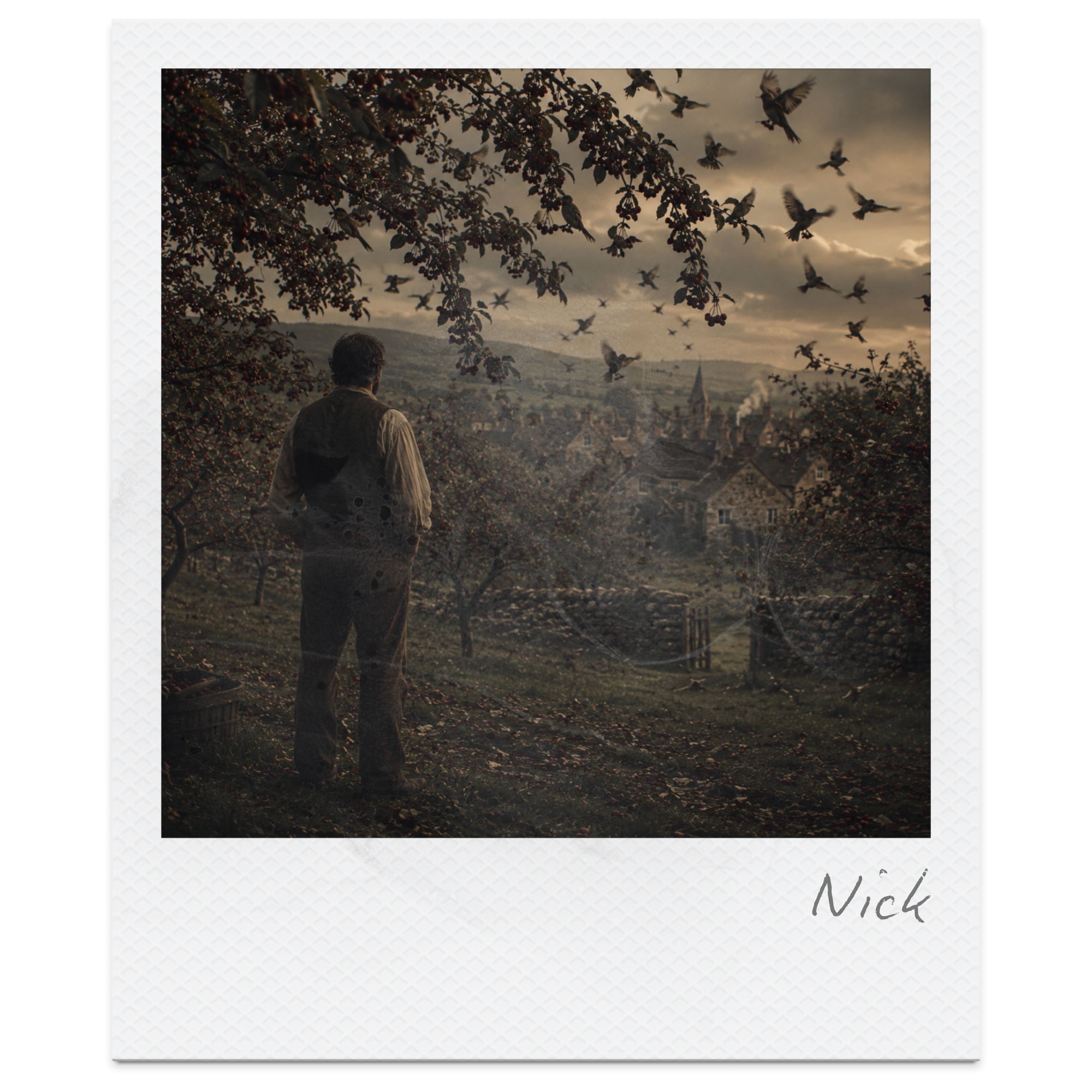
Haywards Heath by Aminatta Forna: Summary, Themes & Analysis
Aminatta Forna’s Haywards Heath is a deeply restrained and emotionally powerful short story exploring memory, aging, love, regret, and the painful persistence of emotional attachment across time. Through the reunion between Attila and Rosie, Forna examines the tension between the past and the present, using silence, fragmented memory, and subtle emotional detail to reveal how longing and guilt can survive for decades. The story’s atmosphere shifts between tenderness and heartbreak, creating a quiet but devastating exploration of human connection and loss.
At its core, the story asks whether emotional reconciliation is still possible when time, illness, and memory have altered the people involved. Through careful use of narrative perspective, symbolism, and understated dialogue, Forna creates a story filled with emotional ambiguity and unspoken feeling. If you are studying or teaching Haywards Heath for CIE IGCSE English Literature (0475 & 0922, 2027 syllabus), explore the full anthology in the Stories of Ourselves Volume 2 Hub, or discover more prose and poetry analysis in the Literature Library.

Context of Haywards Heath
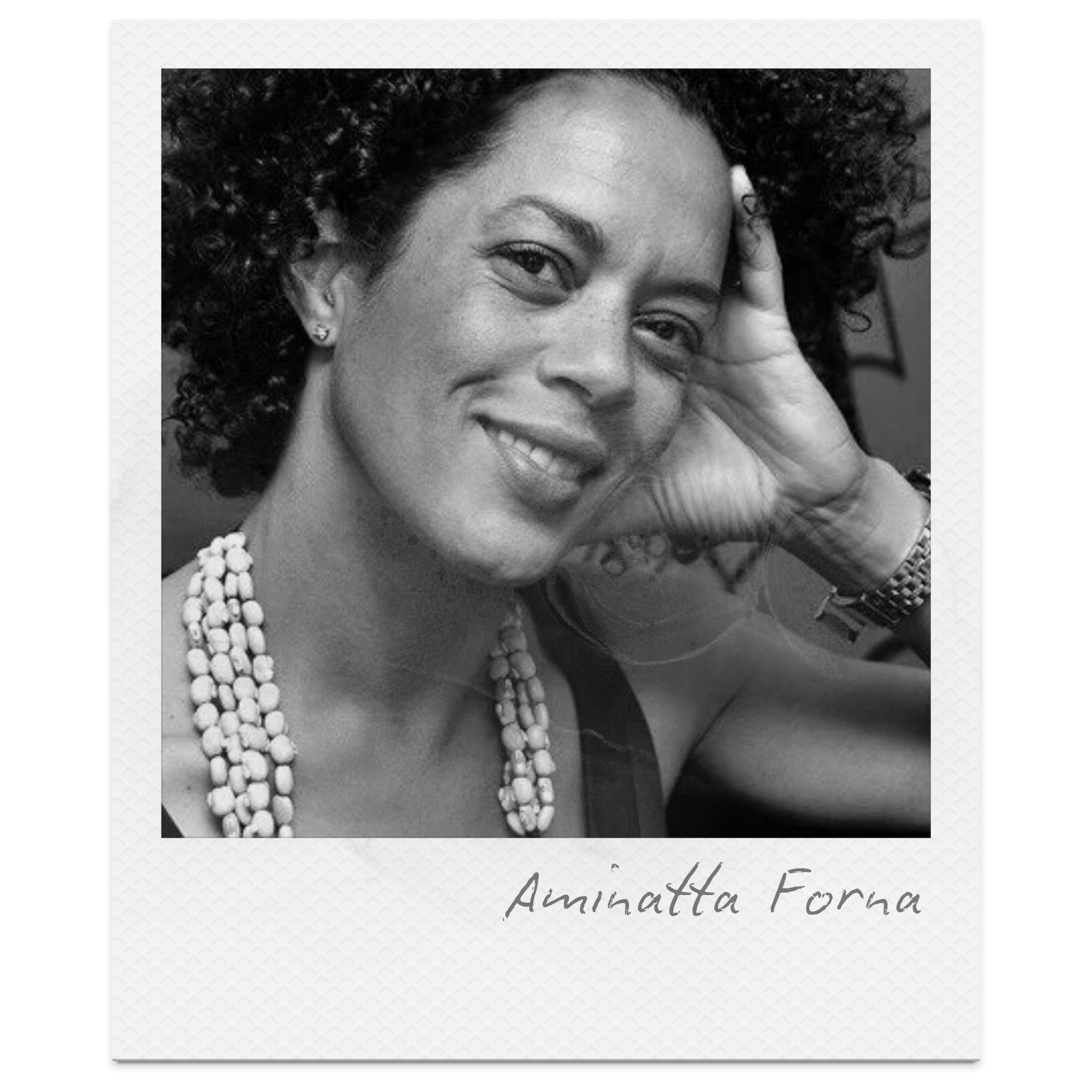
Aminatta Forna is a contemporary writer whose work often explores memory, trauma, displacement, and the long-term emotional effects of personal and political history. In Haywards Heath, these concerns appear in quieter and more intimate ways through Attila’s reflections on migration, separation, aging, and emotional regret. His role as a specialist in trauma and displaced populations subtly connects the story to wider ideas about exile, identity, and emotional survival.
The story also reflects modern concerns surrounding aging, dementia, and the fragility of memory. Rosie’s condition reshapes the emotional power of the reunion, forcing Attila to confront the painful reality that emotional closure may no longer be possible. At the same time, the story explores changing social attitudes towards race, migration, and belonging through Attila’s experience as an African man navigating both his memories of Britain and the present-day care home environment. Rather than focusing on dramatic conflict, Forna uses emotional restraint and ordinary moments to explore how love, guilt, and memory continue shaping people long after relationships have ended.
Haywards Heath at a Glance
Form: Short story
Mood: Reflective, tender, melancholic, emotionally restrained
Central conflict: Attila attempts to reconnect with Rosie while confronting the irreversible effects of time, memory loss, and past regret
Core themes: Memory, aging, love, loss, regret, identity, emotional displacement, human connection
Narrative perspective: Third-person narration closely focused on Attila’s thoughts and emotional perspective
One-sentence meaning: Forna explores how love and regret can survive across decades, while memory and time make emotional reconciliation painfully uncertain.
Quick Summary of Haywards Heath
The story begins with Attila driving through the English countryside towards a care home in Haywards Heath to visit Rosie, a woman he loved many years earlier during their university days. As he travels, memories of their relationship return to him, including their flirtation, eventual affair, and the moment he chose to leave Britain and return to his own country despite Rosie’s wishes.
When Attila arrives at the care home, he discovers that Rosie is suffering from severe memory loss. Although she greets him warmly, she no longer fully remembers who he is. Their conversations move between moments of apparent recognition and confusion, while Attila struggles with feelings of regret, unresolved love, and emotional grief over the life they never shared.
During a later visit, Attila sees Rosie dancing with a young African care worker whom she mistakenly calls “Attila.” Realising that Rosie now associates his identity with another person entirely, he quietly accepts the painful reality of her condition. The story ends with Attila silently watching the dance, emphasising themes of loss, aging, memory, and the enduring emotional power of the past.
Title of Haywards Heath
The title immediately appears ordinary and geographical, referring simply to the English town of Haywards Heath, yet Forna gradually transforms it into a powerful symbol of memory, nostalgia, and emotional connection. The repeated pronunciation of the place name becomes deeply tied to Attila and Rosie’s shared past, especially through the private joke about overseas students struggling to say it correctly. Because of this, the title carries strong emotional resonance long before Attila physically arrives there.
The title also reflects the story’s focus on how places become connected to personal identity and emotional history. For Attila, “Haywards Heath” represents not simply a location, but an entire lost version of his life: youth, possibility, romance, and the relationship he abandoned. The ordinary suburban setting contrasts sharply with the emotional weight the name carries for him, reinforcing the theme of memory and place in literature.
By the ending, the meaning of the title subtly shifts again. Haywards Heath becomes associated not with youthful romance but with aging, loss, and the painful instability of memory. The title therefore moves from playful intimacy to emotional tragedy, mirroring Attila’s own journey through hope, regret, and acceptance.
Structure of Haywards Heath
Forna structures the story around revelation, emotional restraint, and gradual shifts in understanding. The movement between present action and remembered experience allows the reader to slowly uncover the emotional history between Attila and Rosie, while the understated ending creates a quiet but devastating emotional impact.
Opening / Exposition
The story begins in the middle of Attila’s journey, immediately creating a sense of emotional unease. Physical details such as his “heart beat wildly” and his scalp “shrunk against his skull” subtly reveal his anxiety before the reader fully understands its cause. This delayed explanation creates curiosity and tension.
Forna also establishes the importance of memory early through the repeated mention of “Haywards Heath,” which acts as both a real location and a trigger for Attila’s memories of Rosie. The gradual introduction of their past relationship allows the emotional context to unfold naturally rather than through direct exposition.
Rising Action / Development
As Attila approaches the care home, the structure increasingly moves between present experience and fragments of the past. These shifts mirror the story’s concern with memory, showing how deeply Attila remains emotionally attached to earlier moments in his life.
The first meeting with Rosie creates emotional uncertainty. For brief moments she appears to recognise him, creating hope both for Attila and the reader. However, her confusion and fragmented recollections introduce tension beneath the calm dialogue. Forna deliberately avoids dramatic confrontation, relying instead on pauses, silence, and incomplete recognition to build emotional pressure.
The repeated phrase “Shall we do another turn?” becomes structurally important because it connects Rosie’s present behaviour to memories from their shared past. This cyclical repetition reinforces the story’s blending of time periods and emotional states.
Turning Point / Climax
The emotional climax occurs during Attila’s second visit when he sees Rosie dancing with the young African care worker. Rosie calls the young man “Attila,” believing him to be the man she has been waiting for.
This moment completely alters the emotional meaning of the story. Until this point, Attila has continued hoping that Rosie might eventually remember him properly. Instead, Forna reveals that Rosie’s memories have become unstable and displaced, with identity itself becoming fragmented.
The climax is deliberately quiet and understated. There is no dramatic argument or breakdown. Instead, the emotional devastation comes through Attila’s silence and observation, which makes the scene feel even more painful and realistic.
Ending / Resolution
The ending avoids clear resolution, creating a lingering sense of emotional ambiguity. Attila does not interrupt the dance or correct Rosie’s mistake. Instead, he “sat down and watched,” suggesting both acceptance and helplessness.
This restrained conclusion reflects the story’s wider themes of aging, memory loss, and the impossibility of fully recovering the past. The circular structure — returning again to the phrase “another turn” — reinforces the sense that Attila remains emotionally trapped within memories that Rosie herself can no longer fully access.
By ending with observation rather than action, Forna leaves the reader reflecting on the painful imbalance between remembering too much and remembering too little.
Setting of Haywards Heath
Forna uses setting not simply as background, but as a way of shaping memory, emotional atmosphere, and Attila’s psychological state. The movement between roads, villages, gardens, and the care home reflects the story’s deeper concerns with aging, displacement, and the distance between past and present.
The English countryside initially appears calm and almost comforting. Attila notices the “cool, clear Spring day” and the “clean-surfaced, empty roads,” details which create a peaceful atmosphere while also suggesting emotional isolation. The quietness of the setting mirrors Attila’s reflective mood and his desire to temporarily escape both the city and his own emotional burden. However, beneath this calm lies tension, since the journey is driven by unresolved regret and anxiety.
The town of Haywards Heath itself becomes highly symbolic because it is tied to Attila and Rosie’s shared past. What once functioned as a playful joke about pronunciation now carries enormous emotional weight. The setting therefore becomes a physical representation of memory and place in literature, showing how ordinary locations can become emotionally charged through personal experience.
The care home creates a striking tonal shift. Inside, the atmosphere becomes “over heated,” filled with “static” and “the smells of cooked food and talcum powder.” These sensory details create a slightly claustrophobic and uncomfortable environment, reflecting Attila’s emotional unease as he confronts Rosie’s condition. The building also symbolises physical and mental decline, reinforcing themes of aging and memory loss.
At the same time, Forna contrasts institutional confinement with moments of natural beauty in the garden. Rosie becomes absorbed by small details such as “drops of rain on the leaves” and the sight of birds, exclaiming with wonder: “A wren. I do believe there are more of them than there were twenty years ago.” These moments reveal how Rosie continues to experience emotional joy and sensory connection even while her memory deteriorates. Nature therefore acts as a symbol of fleeting emotional presence and fragile human connection.
The dining room (where the dancing is taking place) in the final section creates one of the story’s most emotionally powerful settings. The residents move “slowly to the sound of the Blue Danube,” while others “dozed and snored, made soporific as flies by music and heat.” The dreamlike atmosphere blurs reality and memory, reinforcing the story’s themes of confusion, nostalgia, and emotional displacement. Within this setting, Rosie’s mistaken identification of the care worker as Attila becomes even more painful because the environment itself feels suspended between awareness and forgetting.
Narrative Voice in Haywards Heath
Forna uses a third-person narrative voice closely focused on Attila’s perspective, allowing the reader to experience the story through his emotional responses, memories, and observations. This limited viewpoint creates strong sympathy for Attila while also emphasising the uncertainty and emotional ambiguity surrounding Rosie’s condition.
The narration frequently moves into Attila’s private thoughts and memories without fully separating past from present. For example, small details such as the pronunciation of “Haywards Heath” immediately trigger memories of Rosie and their university relationship. These fluid transitions between time periods mirror the story’s wider focus on memory, showing how the past continues shaping Attila’s present emotional experience.
Although the narrative remains emotionally close to Attila, Forna uses strong emotional restraint throughout. Major feelings such as grief, regret, and longing are rarely stated directly. Instead, they are revealed through physical details and behaviour, such as Attila’s “heart beat wildly” or the moment he “closed his eyes and breathed deeply” after Rosie fails to recognise him properly. This restrained narration increases the emotional impact because the reader must infer much of Attila’s pain from what remains unsaid.
The narrative voice also creates moments of subtle irony and emotional tension. Attila is an expert in “trauma” and “displaced populations,” yet he is unable to protect himself from his own emotional vulnerability. Similarly, while he carefully analyses his patients’ behaviour professionally, he becomes aware of his own “prevarication” and emotional hesitation during the journey. These moments reveal the limitations of intellectual control when confronted with personal regret and loss.
Importantly, the narrative never fully enters Rosie’s perspective. The reader experiences her largely through Attila’s interpretation, which creates uncertainty about how much she truly remembers. This limited perspective reinforces themes of distance, miscommunication, and the painful instability of memory itself.
Characters in Haywards Heath
Forna uses her characters to explore memory, aging, identity, love, and emotional displacement. Rather than relying on dramatic confrontation, the story develops character through restrained dialogue, physical detail, silence, and small gestures that carry emotional significance.
Attila
Attila is presented as an emotionally complex character shaped by both professional authority and deep personal regret. Although he is a respected expert in “trauma” and “displaced populations,” Forna quickly reveals his emotional vulnerability through physical reactions such as his “heart beat wildly” and his scalp “shrunk against his skull.” These details expose the anxiety hidden beneath his outward control.
Much of Attila’s characterisation revolves around unresolved guilt over leaving Rosie years earlier. He remembers how she “had not wanted him to leave,” yet he returned to his own country “full of ideas of himself, of the future.” This self-awareness gives the character emotional depth because he gradually recognises the selfishness and idealism that shaped his earlier decisions.
Forna also presents Attila as someone trapped between past and present. He repeatedly revisits memories of Rosie, and ordinary details such as the phrase “Haywards Heath” become emotionally charged for him. His hope that Rosie might remember him reveals his emotional dependence on the possibility of reconciliation, even decades later.
By the ending, Attila’s silence becomes deeply significant. Instead of interrupting Rosie’s dance or correcting her confusion, he simply “sat down and watched.” This restrained reaction reflects painful acceptance, suggesting that he finally understands he cannot recover the relationship or the past he lost.
Rosie
Rosie is characterised through a mixture of warmth, fragmentation, and emotional openness. Even in old age and illness, Forna presents her as someone capable of wonder, spontaneity, and affection. She delights in small details such as birds, rain, and sweets, creating a contrast between her deteriorating memory and her continuing emotional responsiveness.
Her dialogue often shifts unpredictably between awareness and confusion. At times she appears to recognise Attila emotionally, yet she later admits: “I’m afraid you’ll have to tell me your name again, dear.” This instability creates emotional tension throughout the story because both Attila and the reader remain uncertain about how much she truly remembers.
Rosie’s repeated phrase “Shall we do another turn?” becomes central to her characterisation. The phrase links past and present, reinforcing her connection to emotional habits and feelings even while factual memory fades. Through this repetition, Forna suggests that emotional memory may survive longer than conscious recognition.
Importantly, Rosie is not presented simply as tragic or helpless. Her enjoyment of the garden, music, dancing, and companionship gives her continued emotional presence and humanity. This complexity prevents the story from reducing her solely to her illness.
The Young Care Worker
The young African care worker functions as both a supporting character and a symbolic figure within the story. His gentle behaviour towards the residents, particularly the “infinite care” with which he feeds and supports an elderly woman, contrasts sharply with Attila’s emotional uncertainty and hesitation.
The care worker also becomes symbolically linked to Attila himself. Rosie mistakes him for “Attila” during the final dance, creating one of the story’s most painful moments. This confusion reflects the instability of identity within the story, while also suggesting that Rosie’s emotional attachment has become disconnected from specific memory.
At the same time, the young man represents qualities of patience, care, and emotional presence that Attila perhaps failed to offer Rosie in the past. His quiet tenderness therefore intensifies the story’s themes of regret, aging, and missed emotional opportunities.
Key Themes in Haywards Heath
Forna explores a series of deeply interconnected emotional themes through restrained narration, fragmented memory, symbolism, and subtle shifts between past and present. The story’s emotional power comes from what remains unspoken as much as from what is directly expressed.
Memory
Memory shapes almost every aspect of the story. Attila’s journey is driven by memories of Rosie and their past relationship, while Rosie’s deteriorating memory creates the story’s central emotional tension. Forna repeatedly shows how memories can remain emotionally powerful even when factual details begin to disappear.
The story constantly moves between present experience and remembered moments. Small details such as the phrase “Haywards Heath” or Rosie’s repeated question “Shall we do another turn?” connect different periods of time together. These repetitions create a sense that the past continues existing alongside the present rather than disappearing completely.
At the same time, Forna explores the painful instability of memory. Rosie sometimes appears to recognise Attila emotionally but cannot fully place him. This uncertainty creates emotional ambiguity throughout the story and raises questions about what remains of identity when memory begins to fade.
Aging
The story presents aging as both physically unavoidable and emotionally transformative. The care home setting constantly reminds the reader of bodily decline, fragility, and dependence, while the residents’ slow movements and sleeping bodies reinforce the passage of time.
However, Forna avoids presenting aging simply as tragic decline. Rosie still experiences pleasure, curiosity, and emotional warmth. She delights in birds, sweets, dancing, and rain, suggesting that emotional life continues even as memory weakens. This creates a more nuanced portrayal of old age.
Attila’s own aging also shapes the story. He notices the “silver strands” in his own hair and experiences moments of physical exhaustion and emotional vulnerability. His visit forces him to confront not only Rosie’s aging, but also the reality of his own lost time and missed opportunities.
Love
Forna presents love as enduring but deeply altered by time, separation, and illness. Although Attila and Rosie’s relationship ended decades earlier, his emotional attachment clearly remains powerful. His journey to see her is motivated by unresolved feeling and the desire for emotional reconciliation.
Importantly, the story avoids romantic idealisation. Their relationship was shaped by conflict and disappointment as well as attraction. Rosie “had not wanted him to leave,” yet Attila prioritised his ambitions and returned home anyway. Love therefore appears closely connected to compromise, sacrifice, and regret.
The ending also complicates traditional ideas of romantic love. Rosie’s affection becomes transferred onto the young care worker she believes is Attila. This suggests that emotional attachment may survive even when specific memory fails, creating a bittersweet interpretation of love’s persistence.
Loss
The story is deeply concerned with different forms of loss. Attila has lost Rosie emotionally long before the story begins, first through separation and later through her illness. Rosie herself has lost parts of her memory, identity, and independence.
Forna presents loss not as a single dramatic moment, but as something gradual and ongoing. The emotional pain comes from partial connection rather than complete absence. Rosie is still physically present, yet Attila cannot fully recover the relationship they once shared.
The story also explores the loss of imagined futures. Attila reflects on the life they might have built together had he stayed. This sense of unrealised possibility gives the story much of its emotional weight.
Regret
Regret quietly drives the entire narrative. Attila’s journey is motivated by his awareness that he made the wrong choice in leaving Rosie years earlier. His repeated apology — “I’m sorry I didn’t stay” — becomes one of the emotional centres of the story.
Forna presents regret as emotionally consuming because it cannot be undone. Rosie’s condition means that Attila may never receive full forgiveness or understanding. This creates a painful imbalance: he remembers too much, while Rosie remembers too little.
The story suggests that regret often grows stronger with time because people understand their past decisions more clearly in hindsight than they did while making them.
Identity
The story repeatedly questions the stability of identity, particularly through memory loss and emotional displacement. Rosie’s inability to consistently recognise Attila blurs the boundaries between past and present identities.
The final scene becomes especially important because Rosie transfers Attila’s identity onto the young care worker. This confusion suggests that identity may be shaped as much by emotional feeling as by factual recognition.
Attila himself also experiences uncertainty about who he has become. The confident young man who once left Britain now returns as an aging widower filled with doubt and emotional vulnerability. The story therefore presents identity as fluid rather than fixed.
Emotional Displacement
Forna explores emotional displacement through both physical migration and emotional separation. Attila has spent years living far away from the place and people connected to his youth, creating a lingering sense of emotional exile.
The story also shows how feelings can become displaced onto objects, phrases, or substitute figures. Rosie’s attachment to the young care worker reflects this emotional transfer, while the repeated phrase “another turn” carries emotional meaning across decades.
This theme reinforces the story’s atmosphere of emotional instability, where connections survive but become altered over time.
Human Connection
Despite its sadness, the story ultimately remains deeply interested in moments of human connection. Small gestures carry enormous emotional significance: holding hands, dancing, sharing sweets, or walking together in silence.
Forna repeatedly suggests that emotional connection may survive beyond memory itself. Rosie’s warmth, affection, and pleasure in companionship continue even when names and histories become uncertain. This creates a quietly hopeful dimension within the story’s melancholy atmosphere.
At the same time, the story recognises how fragile human connection can be. Timing, distance, illness, and regret all shape relationships in irreversible ways. The emotional power of the story comes partly from its recognition that connection is both deeply meaningful and painfully temporary.
Symbolism in Haywards Heath
Forna uses recurring objects, phrases, places, and physical details to explore memory, identity, aging, and unresolved emotional attachment. The symbolism throughout the story remains subtle and understated, matching the restrained emotional tone of the narrative.
Haywards Heath
The town itself becomes one of the story’s most important symbols. At first, “Haywards Heath” appears to function simply as a place name and an old private joke between Rosie and Attila about pronunciation. However, the repetition of the phrase gradually transforms it into a symbol of their shared past and emotional intimacy.
For Attila, the town represents an entire lost version of his life: youth, romance, possibility, and the relationship he abandoned. The ordinary suburban location therefore gains emotional significance through memory, reinforcing ideas about memory and place in literature.
By the ending, Haywards Heath also symbolises emotional distance and irreversible change. Although Attila physically returns there, he cannot recover the past he associates with it.
The Journey
Attila’s drive through the English countryside symbolises both physical travel and emotional confrontation. The journey forces him to move gradually towards memories and emotions he has avoided for years.
The repeated wrong turns and his irritation with the calm SatNav voice symbolise his hesitation and emotional uncertainty. Even though he consciously intends to visit Rosie, part of him resists the emotional reality waiting for him at the care home. The journey therefore reflects his internal conflict between hope and fear.
Rosie’s Memory Loss
Rosie’s dementia functions symbolically as the fragility of both identity and human relationships. Her inability to consistently recognise Attila reflects the instability of memory itself and the impossibility of fully recovering the past.
At the same time, Rosie’s emotional warmth survives despite her confusion. This suggests that emotional connection may continue even after factual memory weakens. Forna therefore presents memory loss not simply as absence, but as transformation.
“Another Turn”
The repeated phrase “Shall we do another turn?” becomes one of the story’s strongest emotional symbols. Originally associated with youthful happiness and intimacy, the phrase reappears during the walks in the garden and again during the final dance.
Its repetition symbolises the cyclical nature of memory and emotional attachment. Even though Rosie cannot fully remember Attila, emotional patterns from the past continue surfacing unconsciously.
By the ending, the phrase also becomes deeply painful because it highlights how the emotional meaning survives while the personal identity attached to it has shifted.
The Birds and Garden
The birds and natural imagery symbolise fleeting moments of beauty, presence, and emotional connection. Rosie’s fascination with robins, wrens, rain, and leaves reveals her ability to remain emotionally engaged with the world despite her illness.
Nature also contrasts with the artificial, overheated atmosphere of the care home. The garden becomes a temporary space of freedom and emotional clarity where Rosie appears most alive and joyful.
The smallness of the birds and raindrops reflects the story’s wider focus on quiet, easily overlooked moments of human connection.
The Box of Newbury Fruits
The sweets symbolise memory, nostalgia, and Attila’s desire to recreate emotional intimacy from the past. The difficulty of finding the sweets emphasises the distance between past and present, while the changed packaging reflects how time alters familiar things.
When Attila leaves the box untouched at the end of the story, the sweets become a symbol of failed emotional recovery. They represent his hope that shared memories might reconnect them, a hope ultimately left unresolved.
Dancing
The final dance symbolises emotional closeness, tenderness, and substitution. Rosie dancing with the young care worker while calling him “Attila” creates a powerful image of displaced identity and transferred emotional attachment.
At the same time, the dance symbolises continuity. Rosie still seeks affection, companionship, and joy even within the confusion of her illness. The circular movement of dancing also reflects the story’s recurring patterns of memory and emotional repetition.
For Attila, watching the dance becomes an act of painful acceptance, symbolising his recognition that love and memory can survive while still becoming disconnected from reality.
Key Quotes and Methods in Haywards Heath
Important quotations in Haywards Heath reveal memory, regret, aging, and emotional displacement through restrained narration, symbolism, and subtle emotional detail.
“his heart beat wildly and his scalp had shrunk against his skull”
◆ Method: Physical imagery and visceral description
◆ Meaning: Forna immediately reveals Attila’s hidden anxiety before the reader fully understands its cause
◆ Purpose: Establishes emotional tension and psychological vulnerability beneath Attila’s outward control
◆ Impact: Creates sympathy for Attila while foreshadowing the emotional difficulty of the reunion
◆ Link: Connects to regret, memory, and emotional repression
“she felt the mark of his gaze on her skin, like a touch on the back of her neck”
◆ Method: Simile and sensory imagery
◆ Meaning: Suggests powerful physical and emotional attraction between Rosie and Attila
◆ Purpose: Emphasises the intimacy and emotional intensity of their earlier relationship
◆ Impact: Creates a contrast between youthful desire and the emotional distance of the present
◆ Link: Connects to love, memory, and longing
“full of ideas of himself, of the future”
◆ Method: Reflective narration and understated phrasing
◆ Meaning: Reveals Attila’s youthful ambition and self-absorption when he chose to leave Rosie
◆ Purpose: Suggests that his regret is rooted partly in his earlier selfishness or idealism
◆ Impact: Encourages readers to reassess Attila critically rather than viewing him only as tragic
◆ Link: Connects to regret, identity, and lost opportunities
“I’m sorry. I’m sorry I didn’t stay”
◆ Method: Repetition and direct dialogue
◆ Meaning: Attila finally expresses the guilt he has carried for decades
◆ Purpose: Creates emotional honesty after years of silence and emotional avoidance
◆ Impact: The simplicity of the sentence makes the apology feel deeply sincere and painful
◆ Link: Connects to regret, love, and emotional reconciliation
“I’m afraid you’ll have to tell me your name again, dear.”
◆ Method: Understated dialogue and dramatic irony
◆ Meaning: Rosie’s memory loss prevents her from fully recognising Attila
◆ Purpose: Marks the collapse of Attila’s hope for complete emotional reconnection
◆ Impact: Creates quiet devastation because the line is spoken gently rather than dramatically
◆ Link: Connects to aging, memory, and emotional displacement
“Shall we do another turn?”
◆ Method: Repetition and cyclical motif
◆ Meaning: The phrase connects Rosie’s present behaviour with memories of the past
◆ Purpose: Shows how emotional habits and feelings survive even as memory deteriorates
◆ Impact: Gains increasing emotional weight each time it is repeated
◆ Link: Connects to memory, love, and the cyclical nature of emotional attachment
“On this slender hope he hung his heart.”
◆ Method: Metaphor
◆ Meaning: Attila emotionally depends on the fragile possibility that Rosie might remember him
◆ Purpose: Reveals the emotional desperation beneath his outward calm
◆ Impact: Creates a sense of vulnerability and emotional fragility
◆ Link: Connects to hope, loss, and emotional dependence
“Whatever makes you happy, Rosie.”
◆ Method: Gentle dialogue and tonal contrast
◆ Meaning: The young care worker responds with patience and kindness to Rosie’s confusion
◆ Purpose: Contrasts with Attila’s unresolved emotional pain while highlighting genuine care and compassion
◆ Impact: Makes the final scene more emotionally painful because the tenderness feels sincere
◆ Link: Connects to human connection, aging, and emotional substitution
“He sat down and watched.”
◆ Method: Short sentence and restrained narration
◆ Meaning: Attila silently accepts the painful reality of Rosie’s condition
◆ Purpose: Avoids melodrama while emphasising emotional helplessness and resignation
◆ Impact: The emotional restraint makes the ending more devastating
◆ Link: Connects to loss, acceptance, and unresolved love
Key Techniques in Haywards Heath
Forna combines restrained narration, symbolism, cyclical motifs, and subtle emotional detail to create a story that feels quiet on the surface but emotionally devastating underneath.
◆ Fragmented chronology — shifts between present events and memories blur past and present, reflecting how deeply Attila remains emotionally tied to Rosie and their shared history
◆ Restrained emotional narration — Forna avoids melodrama and instead relies on silence, pauses, and understated dialogue to create emotional intensity
◆ Symbolism — objects and recurring details such as “Haywards Heath,” the sweets, dancing, and birds carry emotional meaning connected to memory, identity, and longing
◆ Repetition — repeated phrases such as “Shall we do another turn?” create emotional continuity between different periods of Rosie and Attila’s relationship
◆ Sensory imagery — descriptions of heat, smell, texture, and physical sensation make emotional discomfort feel immediate and embodied
◆ Physical descriptions of emotion — Attila’s anxiety is repeatedly shown through bodily reactions rather than direct emotional explanation, reinforcing emotional repression
◆ Dramatic irony — readers understand the emotional significance of Rosie forgetting Attila more fully than Rosie herself does
◆ Juxtaposition — youthful memories of romance contrast sharply with the care home setting and the realities of aging and illness
◆ Cyclical structure — the story begins and ends with Attila travelling towards Rosie emotionally and physically, reinforcing themes of return, repetition, and unresolved feeling
◆ Symbolic setting — the care home and garden reflect wider themes of memory, fragility, emotional isolation, and temporary moments of connection
◆ Dialogue — short, restrained conversations reveal emotional tension indirectly rather than through explicit confession
◆ Motif of movement and turning — driving, walking, dancing, and “another turn” symbolise emotional cycles, revisiting the past, and the inability to move fully forward
◆ Ambiguity — Forna never fully confirms how much Rosie truly remembers, maintaining emotional uncertainty throughout the story
◆ Contrast between silence and sound — sudden radio noise, music, and silence all shape emotional atmosphere and reflect Attila’s shifting psychological state
◆ Third-person limited narration — the narrative remains closely aligned with Attila’s perspective, encouraging readers to experience his emotional anticipation, hope, and devastation directly
How the Writer Creates Meaning and Impact in Haywards Heath
Forna creates meaning through a careful combination of restrained narration, fragmented memory, symbolism, and emotional understatement. Rather than relying on dramatic confrontation, the story builds emotional impact through silence, repetition, atmosphere, and small gestures that gradually reveal the depth of Attila’s regret and longing.
One of the most important methods Forna uses is restricted perspective. The narration remains closely aligned with Attila’s thoughts and emotional reactions, allowing readers to experience his nervous anticipation and emotional vulnerability directly. Physical details such as his “heart beat wildly” and his scalp “shrunk against his skull” externalise emotions he struggles to express openly. This creates emotional intimacy while also reinforcing Attila’s tendency towards emotional restraint.
Forna also creates meaning through the interplay between past and present. Memories interrupt the present narrative repeatedly, showing how strongly Attila remains psychologically attached to Rosie and their earlier relationship. Small details such as the pronunciation of “Haywards Heath” become emotionally loaded because they connect directly to shared memories. This fragmented structure mirrors the persistence of memory itself, where the past continually resurfaces within ordinary moments.
The story’s emotional impact also depends heavily on repetition and cyclical motifs. Rosie’s repeated phrase “Shall we do another turn?” links different stages of their relationship together and symbolises emotional continuity despite memory loss. The phrase changes meaning over the course of the story: initially affectionate and nostalgic, it later becomes painful because Rosie directs it towards the young care worker instead of the real Attila. Forna uses this repetition to show how emotional habits and attachments may survive even when factual memory disappears.
Symbolism quietly shapes the story’s larger ideas about aging, identity, and emotional displacement. The sweets, the journey, the birds, and the dance all carry emotional significance beyond their literal function. The box of Newbury Fruits, for example, symbolises Attila’s attempt to recover intimacy through shared memory, while the dance at the ending symbolises both emotional connection and painful substitution.
Forna also creates impact through strong contrasts. Youthful romance is contrasted with old age and illness, while Attila’s emotional intensity contrasts with Rosie’s fragmented awareness. The peaceful garden scenes sit alongside the sadness of memory deterioration. These contrasts prevent the story from becoming sentimental because moments of tenderness are always balanced by emotional loss and uncertainty.
The story’s restrained tone is especially important. Forna avoids dramatic speeches or explicit emotional explanations, allowing silence and implication to carry emotional weight. When Attila simply “sat down and watched” at the ending, the understated narration makes the scene more devastating because the reader understands everything left unsaid beneath his silence.
Finally, Forna creates meaning through ambiguity. The story never fully reveals how much Rosie truly remembers or understands. At moments she appears emotionally connected to Attila, yet she repeatedly forgets his identity. This uncertainty deepens the emotional complexity of the narrative because the reader, like Attila, remains caught between hope and acceptance.
Alternative Interpretations of Haywards Heath
Strong literary analysis recognises that Haywards Heath supports multiple valid interpretations. Forna’s restrained style and emotional ambiguity allow readers to interpret the story through different emotional, social, and philosophical lenses.
Psychological Interpretation
From a psychological perspective, the story explores the destructive power of unresolved regret and emotional fixation. Attila’s journey is not simply a reunion, but an attempt to repair a version of the past that no longer exists. His memories of Rosie dominate his thoughts long before he reaches the care home, suggesting that he has emotionally remained trapped in the relationship for decades.
Rosie’s dementia intensifies this psychological tension because Attila cannot achieve the closure or recognition he desires. Her confusion forces him to confront the painful reality that memory cannot restore lost opportunities. The final image of him silently watching Rosie dance with another man symbolises emotional defeat and acceptance.
Under this interpretation, the story becomes less about romance and more about the psychological consequences of carrying unresolved guilt for too long.
Social Interpretation
A social interpretation focuses on ideas of aging, caregiving, migration, and emotional isolation. The care home setting reflects wider anxieties about growing old, dependency, and loneliness within modern society.
The story also subtly explores ideas of displacement and cultural identity. Attila exists between different countries, histories, and emotional worlds. His expertise in “displaced populations” ironically mirrors his own emotional displacement from the life he once shared with Rosie.
The young African care worker may also represent shifting social realities and generational change. His quiet compassion contrasts with Attila’s emotional hesitation, suggesting that emotional presence and care matter more than romantic history or nostalgia.
Moral / Philosophical Interpretation
From a moral and philosophical perspective, the story explores whether love and emotional attachment can survive beyond memory itself. Rosie no longer consistently remembers Attila, yet fragments of emotional behaviour and affection remain.
This raises larger questions about identity, human connection, and the nature of memory. If Rosie no longer consciously remembers Attila, does their relationship still exist in any meaningful way? Forna refuses to offer a simple answer.
The ending may suggest that emotional happiness matters more than factual truth. Rather than interrupting Rosie’s dance or correcting her confusion, Attila allows her to remain in a moment of comfort and joy. Under this interpretation, the story ultimately becomes an exploration of compassion, acceptance, and the painful necessity of letting go.
Exam-Ready Insight for Haywards Heath
Strong responses to Haywards Heath move beyond simple plot summary and explore how Forna uses memory, structure, symbolism, and restrained emotional narration to create meaning. The strongest essays track shifts between past and present while analysing how small details gradually build emotional impact.
What Strong Responses Do
◆ analyse how Forna uses fragmented memories to blur past and present
◆ explore how silence, pauses, and understatement create emotional tension
◆ track the development of recurring motifs such as “another turn”
◆ examine how symbolism reflects memory, aging, and emotional displacement
◆ analyse Attila’s emotional journey rather than simply describing events
◆ use short embedded quotations to support conceptual arguments
◆ explore ambiguity surrounding Rosie’s memory and emotional awareness
◆ connect methods directly to emotional and thematic impact
Conceptual Argument
A strong thesis for the story would be:
Forna presents memory as emotionally powerful but deeply unstable, using fragmented structure, repetition, and restrained narration to show how love and regret survive even when the past itself can no longer be fully recovered.
Model Analytical Paragraph
Forna uses repetition to show how emotional attachment survives despite memory loss. Rosie’s repeated phrase “Shall we do another turn?” initially recalls moments of intimacy from her earlier relationship with Attila, linking the present narrative to their shared past. However, the phrase gains tragic significance at the ending when Rosie directs it towards the young care worker instead. This shift creates emotional irony because Attila recognises that Rosie still retains fragments of emotional feeling even though she can no longer consistently remember him. Through this repeated motif, Forna suggests that emotional memory may outlast factual memory, creating both comfort and pain simultaneously.
Teaching Ideas for Haywards Heath
This story works particularly well for close analysis, emotional interpretation, symbolism, and discussion-based exploration because much of its meaning is created through subtle detail, silence, and implication rather than dramatic action.
1. Structured Close Analysis
Students track:
◆ shifts between past and present
◆ repeated motifs and phrases
◆ symbolism connected to memory and aging
◆ emotional restraint and silence
◆ changes in Attila’s emotional state
◆ how Forna builds emotional impact gradually
Students can then use these observations to develop conceptual analytical paragraphs focused on method → meaning → impact.
2. Silent Debate
Students respond to conceptual statements such as:
◆ “Memory is what makes us who we are.”
◆ “Attila arrives too late.”
◆ “Rosie is happier without her memories.”
This text works especially well with discussion-led lessons. To see how to run an effective silent debate in your classroom, check out this post.
3. Model Paragraph Development
Provide students with a model analytical paragraph on memory, regret, or the repeated phrase “Shall we do another turn?”
Students then:
◆ mark the paragraph using a success criteria or simplified mark scheme
◆ identify where the paragraph uses embedded quotations effectively
◆ highlight where it explains method → meaning → impact
◆ suggest one place where the analysis could be more conceptual
◆ rewrite one sentence to make the interpretation stronger
◆ add an alternative interpretation using a second quotation
This helps students understand what a strong response looks like before developing and improving their own analytical writing.
4. Comparative Thinking Task
Students compare:
◆ memory and identity
◆ aging and emotional loss
◆ restrained narration
◆ symbolism
◆ unresolved endings
◆ emotional displacement
◆ human connection and isolation
with another anthology story or wider prose text.
5. Creative Writing Extension
Students write:
◆ a story centred around fragmented memory
◆ a reunion scene shaped by emotional restraint
◆ an internal monologue from Attila’s perspective
If you’re looking for creative writing prompts and classroom-ready activities across a wide range of genres, tropes, and themes, explore the Creative Writing Archive.
Go Deeper into Haywards Heath
Comparing stories helps students develop more flexible and conceptual interpretations of character, memory, identity, and emotional conflict.
◆ The Gold Watch by Mulk Raj Anand — both stories explore aging, emotional vulnerability, and the quiet humiliation that can accompany later life
◆ The Fly by Katherine Mansfield — both focus on suppressed emotion, memory, and the lingering psychological effects of loss
◆ The Yellow Wallpaper by Charlotte Perkins Gilman — both examine fractured perception, emotional isolation, and unstable relationships between identity and reality
◆ The Paper Menagerie by Ken Liu — both explore memory, emotional distance, and the painful consequences of delayed understanding within relationships
These comparisons help students explore how different writers use structure, symbolism, and emotional restraint to present memory and human connection.
Final Thoughts
Aminatta Forna’s Haywards Heath is powerful precisely because of its restraint. Rather than relying on dramatic confrontation or sentimental explanation, the story creates emotional impact through silence, repetition, fragmented memory, and small acts of care. The result is a deeply human exploration of aging, regret, love, and emotional displacement.
The final image of Attila silently watching Rosie dance remains especially memorable because it captures both acceptance and heartbreak simultaneously. Forna leaves readers with no easy resolution, only the painful understanding that memory, identity, and emotional connection are fragile and constantly shifting. If you are studying Haywards Heath as part of Stories of Ourselves Volume 2, explore more anthology analysis in the Stories of Ourselves Volume 2 Hub or discover further prose and poetry resources in the Literature Library.
Choose Your Next Text