Notes from the Inkpot
Writing, teaching, creating - one ink-stained idea at a time.

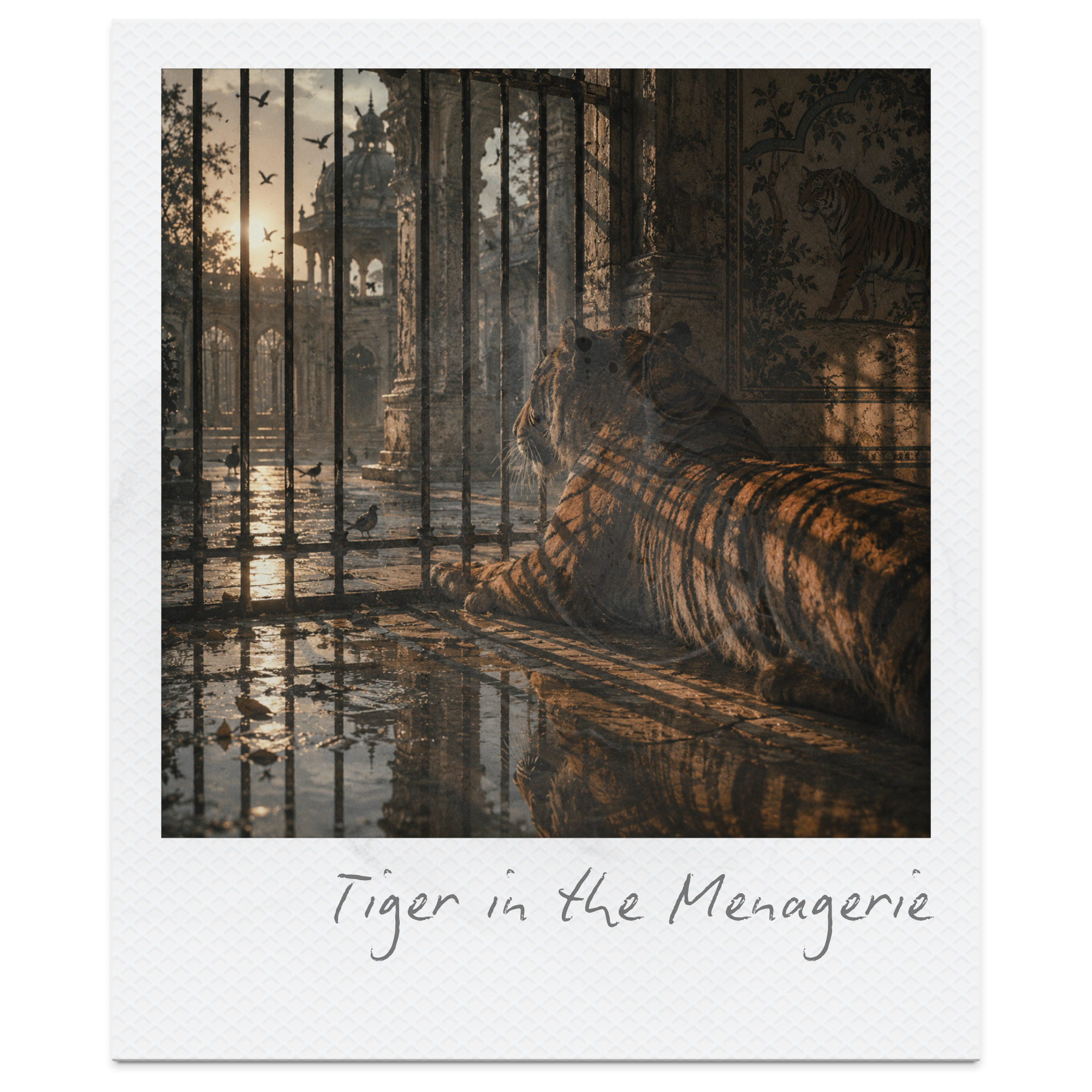
Tiger in the Menagerie by Emma Jones: Analysis of Captivity, Transformation and Identity
Emma Jones’s Tiger in the Menagerie is a surreal and psychologically unsettling poem that explores captivity, identity, and the fragile boundary between civilisation and instinct. Through shifting imagery, dreamlike transformations, and symbolic ambiguity, Jones gradually dissolves the distinction between the tiger and the cage itself, creating a world where reality becomes unstable and impossible to fully control. The poem’s recurring focus on observation, fear, and transformation allows the tiger to become both a literal creature and a haunting symbolic presence. This detailed analysis of Tiger in the Menagerie explores the poem’s structure, symbolism, surreal imagery, and emotional tension, alongside its exploration of psychological fear and unstable identity. It includes close stanza analysis, key quotations, literary techniques, alternative interpretations, anthology comparisons, and exam-ready insights.
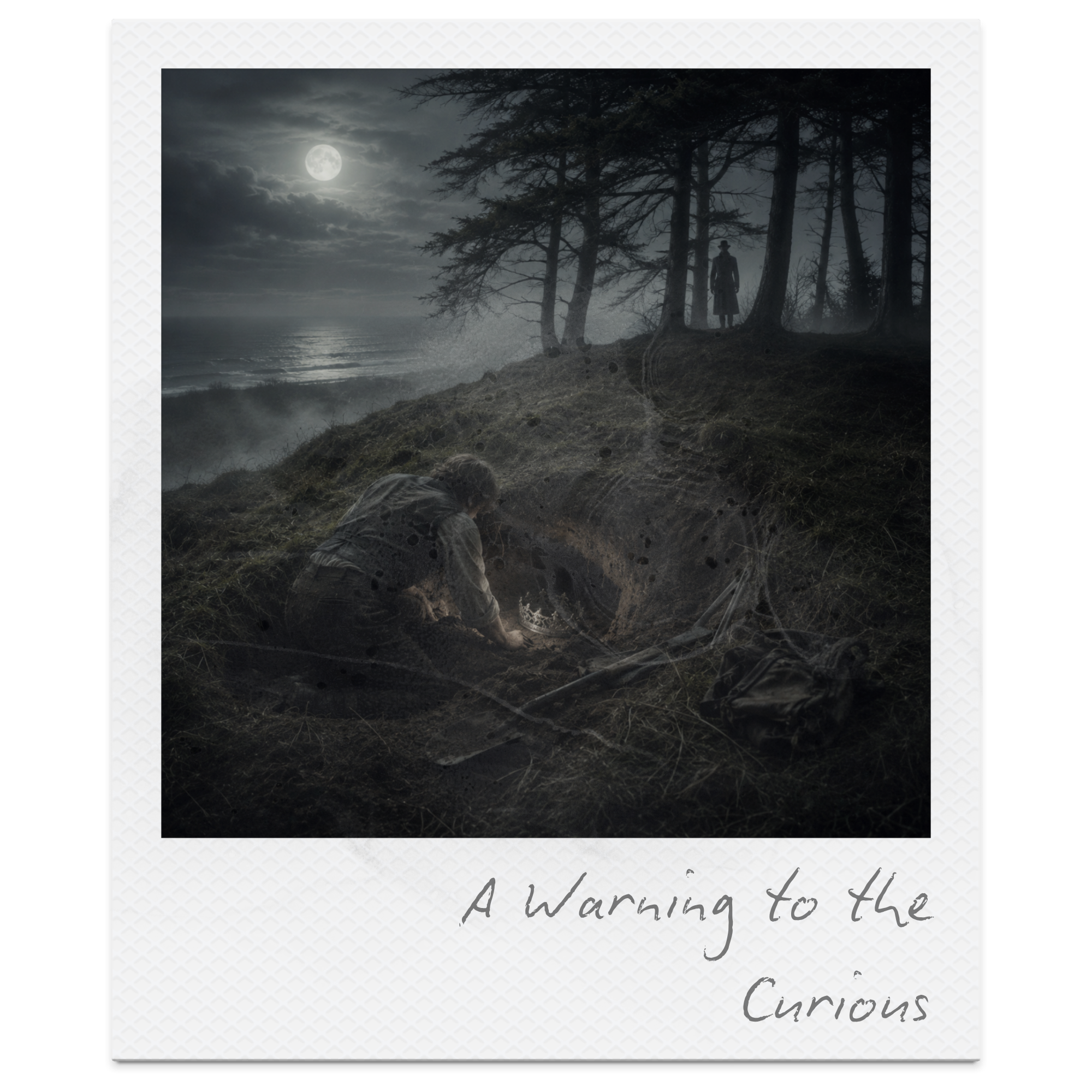
A Warning to the Curious by M.R. James: Summary, Themes & Analysis:::
M.R. James’s A Warning to the Curious is a chilling Gothic ghost story exploring curiosity, fear, historical memory, guilt, and the dangerous consequences of disturbing what should remain hidden. Through the isolated coastal setting of Seaburgh, the mysterious buried crown, and the increasingly terrified figure of Paxton, James gradually transforms scholarly curiosity into psychological horror and supernatural dread. This detailed analysis for CIE IGCSE World Literature (0408) explores the story’s themes, symbolism, structure, narrative voice, and key quotations, while examining how James creates fear through atmosphere, ambiguity, folklore, and Gothic tension. The guide also includes alternative interpretations, exam-ready insights, and classroom-focused teaching ideas designed to support deeper literary analysis and discussion.
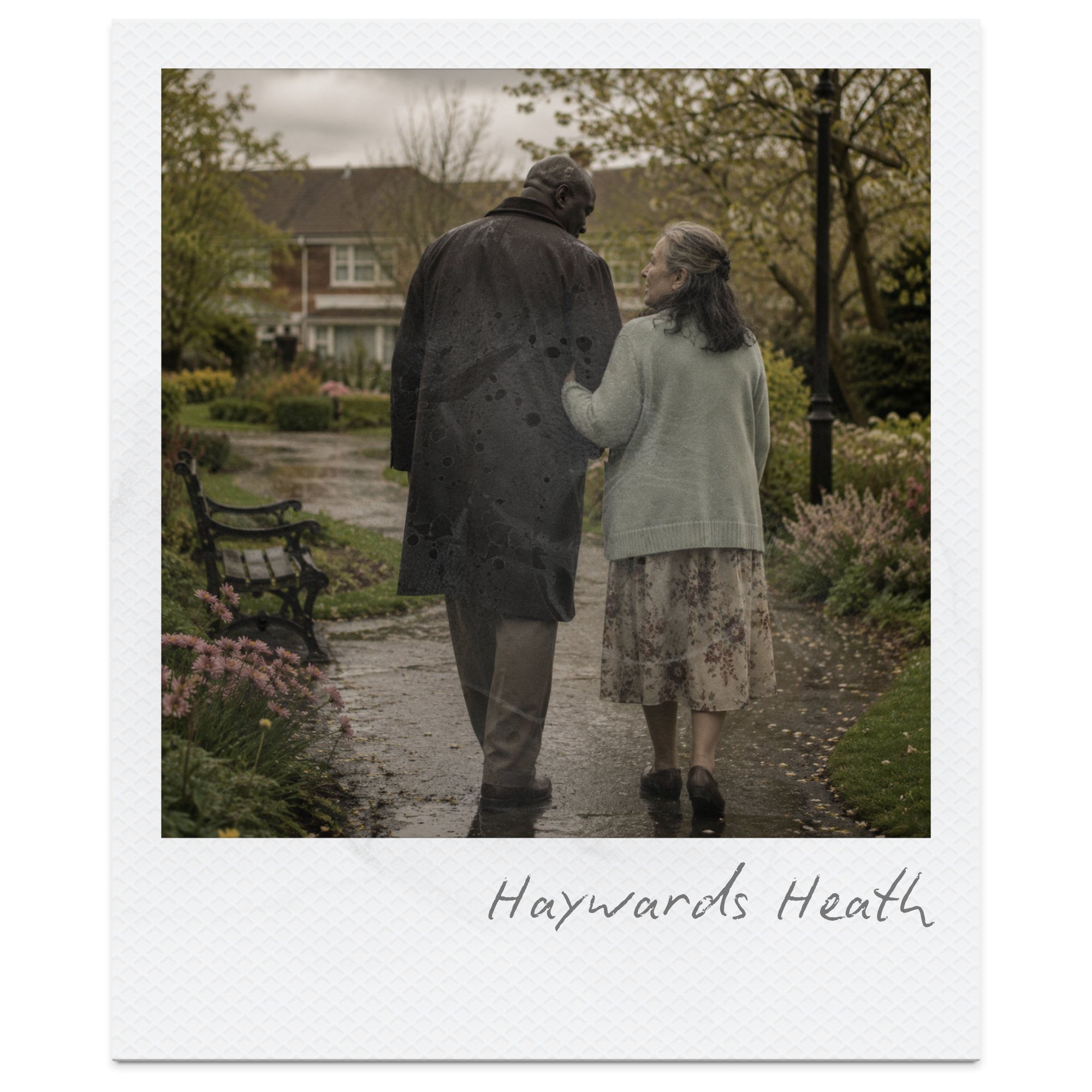
Haywards Heath by Aminatta Forna: Summary, Themes & Analysis
Explore Haywards Heath by Aminatta Forna with this detailed analysis for CIE IGCSE English Literature (0475 & 0922, 2027 syllabus). This post examines the story’s exploration of memory, aging, regret, love, and emotional displacement, alongside Forna’s use of restrained narration, symbolism, repetition, and fragmented structure. Perfect for revision and classroom study, this guide analyses key themes, characters, setting, narrative voice, symbolism, important quotations, and writer’s methods, while also offering alternative interpretations, exam-ready insights, and teaching ideas designed to support deeper conceptual analysis.
Meeting at Night by Robert Browning: Summary, Themes, Meaning & Analysis
Robert Browning’s Meeting at Night explores romantic desire, anticipation, and secrecy, presenting a speaker driven across a dark landscape to reach a moment of intimate connection. Through vivid sensory imagery, rhythmic variation, and a carefully structured progression from distance to closeness, the poem transforms a physical journey into a powerful expression of emotional urgency. This analysis examines how Browning uses language, form, and sound to create meaning and impact, showing how each stage of the journey intensifies the speaker’s focus and desire. With a clear emphasis on method → purpose → effect, this guide supports IGCSE World Literature (0408) students in developing precise, high-level analytical responses.
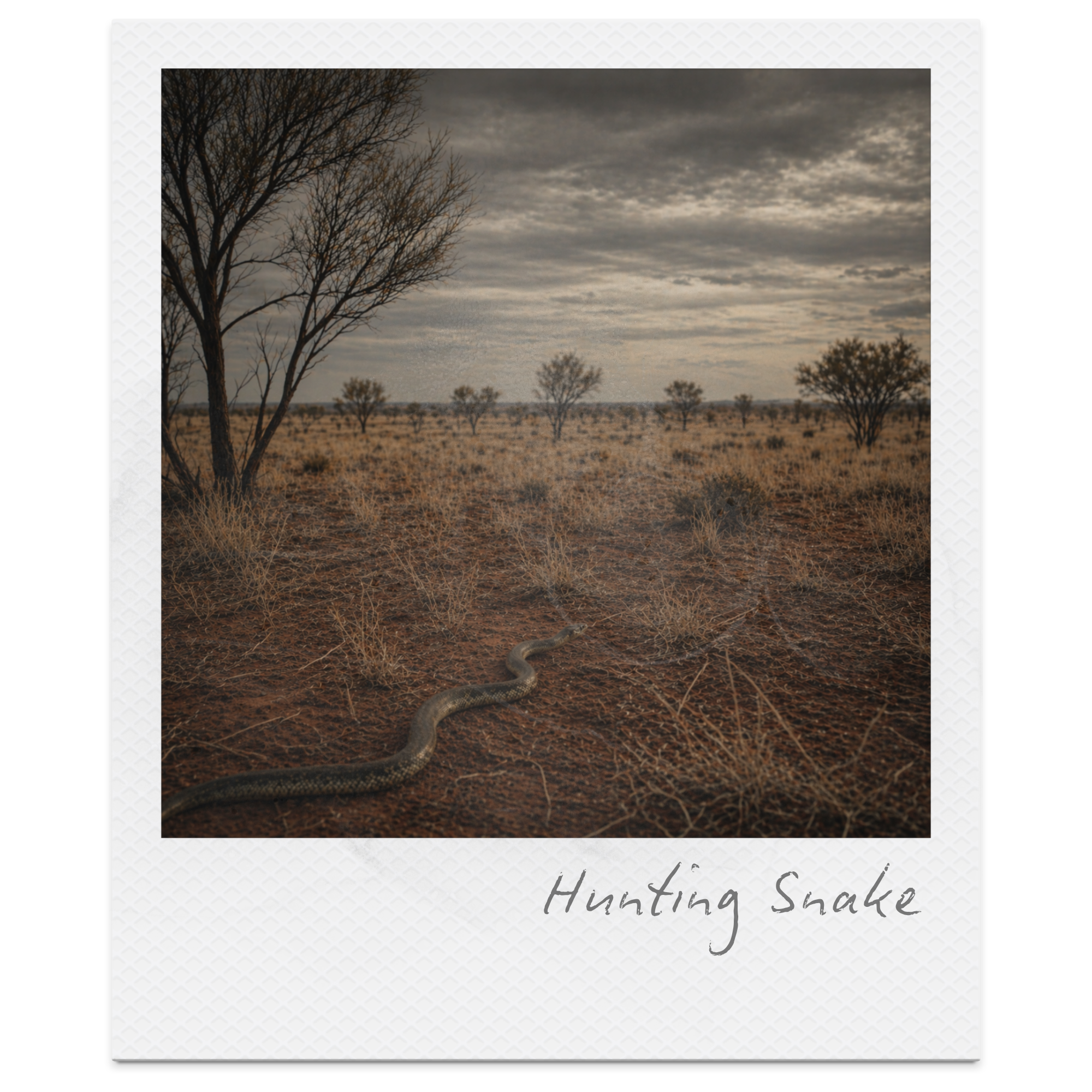
Hunting Snake by Judith Wright: Summary, Themes & Analysis
Judith Wright’s Hunting Snake captures a sudden encounter with nature, using imagery, contrast, and structure to explore the tension between fear and fascination. The poem shows how a moment of interruption can shift human perception, moving from instinctive reaction to reflective awareness. This analysis explores how Wright presents the snake as both threatening and awe-inspiring, focusing on how methods create meaning and impact. It supports students in developing clear, method-driven responses for IGCSE Literature (0475).
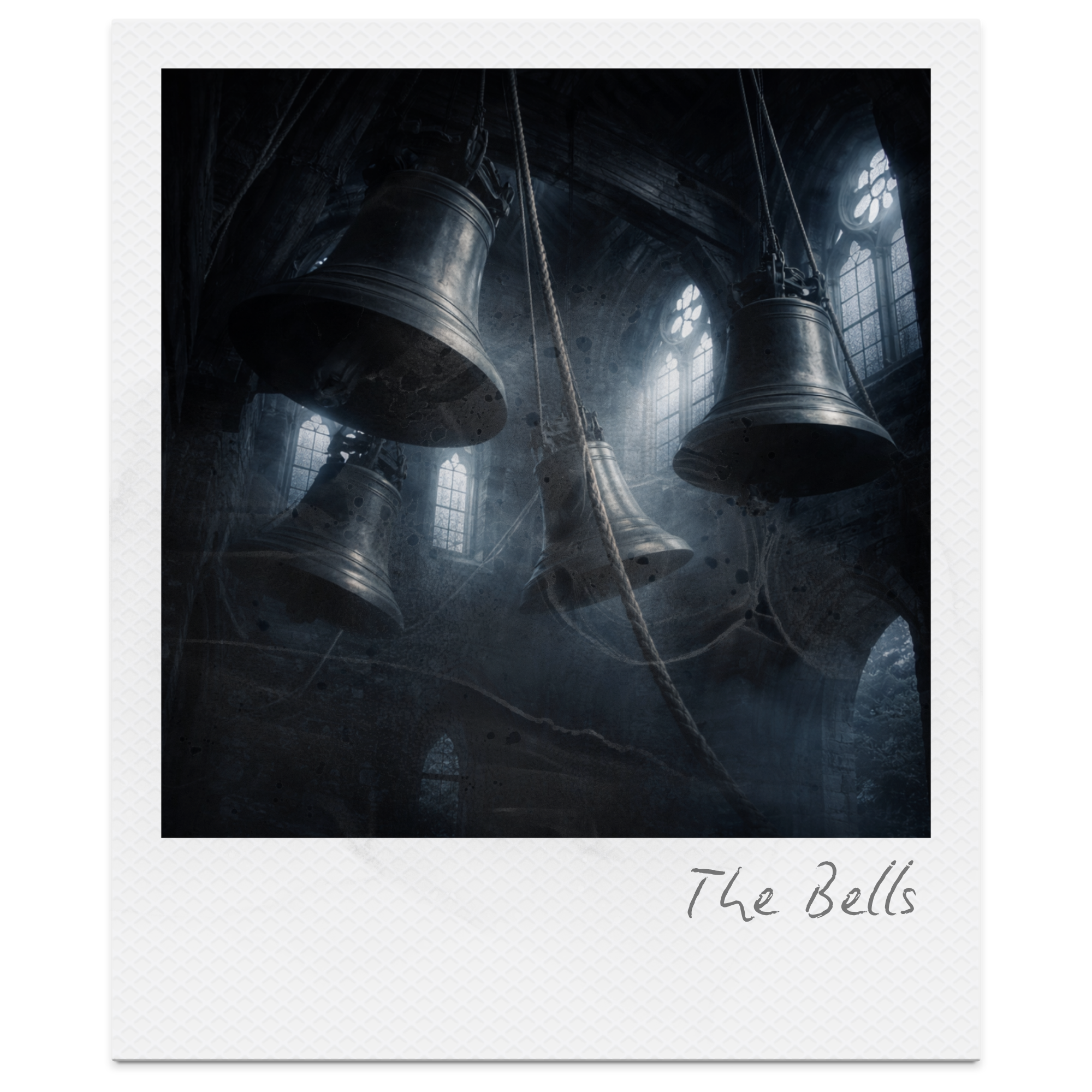
The Bells by Edgar Allan Poe: Summary, Themes, Meaning & Analysis
The Bells by Edgar Allan Poe explores how sound reflects the stages of human experience, moving from joy and harmony to chaos and death. Through its hypnotic rhythm and intense repetition, Poe transforms bells into symbols of time, emotional progression, and mortality, creating a poem that is as much heard as it is understood. Blurring the line between music and meaning, the poem builds from delicate “tinkling” to overwhelming “clanging,” mirroring a descent into psychological instability and loss of control. This progression invites multiple interpretations, from a life cycle narrative to a study of how sound shapes human perception.
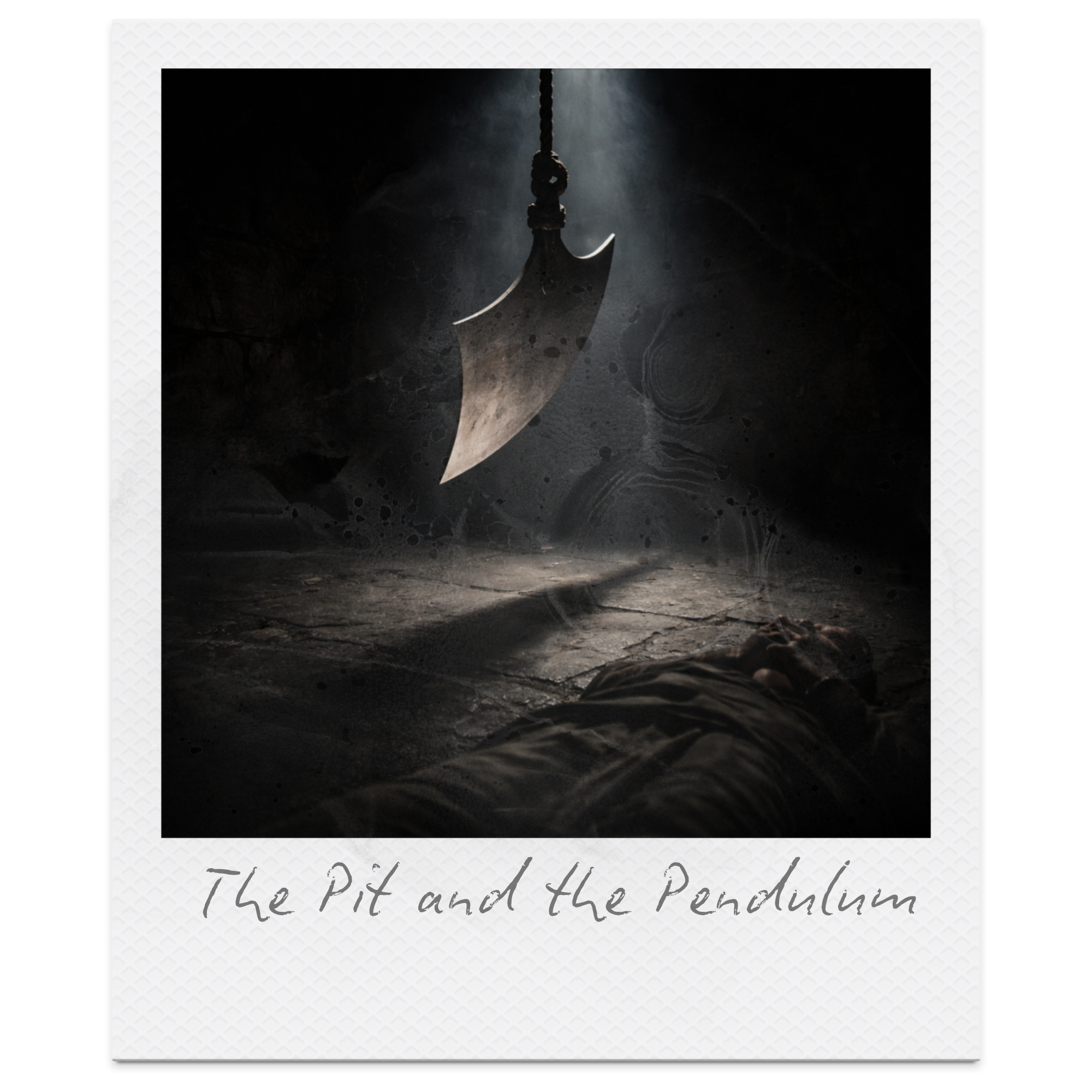
The Pit and the Pendulum by Edgar Allan Poe: Summary, Themes, Symbolism & Analysis
The Pit and the Pendulum by Edgar Allan Poe is a chilling exploration of psychological horror, fear, and survival under extreme control. Set within the terrifying world of the Inquisition, the story follows a condemned narrator trapped in a shifting dungeon where darkness, hidden dangers, and calculated torture push him to the brink of madness. Rather than relying on sudden shocks, Poe builds tension through anticipation, sensory deprivation, and the slow passage of time, creating a deeply unsettling reading experience. As the narrator faces the horrors of the pit, the descending pendulum, and the enclosing walls, the story explores powerful themes including power and control, perception and reality, death and mortality, and endurance. The setting itself becomes an instrument of torture, reflecting the narrator’s deteriorating mental state and forcing him into a desperate fight for survival. Through its intense focus on the mind under pressure, The Pit and the Pendulum remains one of Poe’s most compelling and psychologically complex short stories.
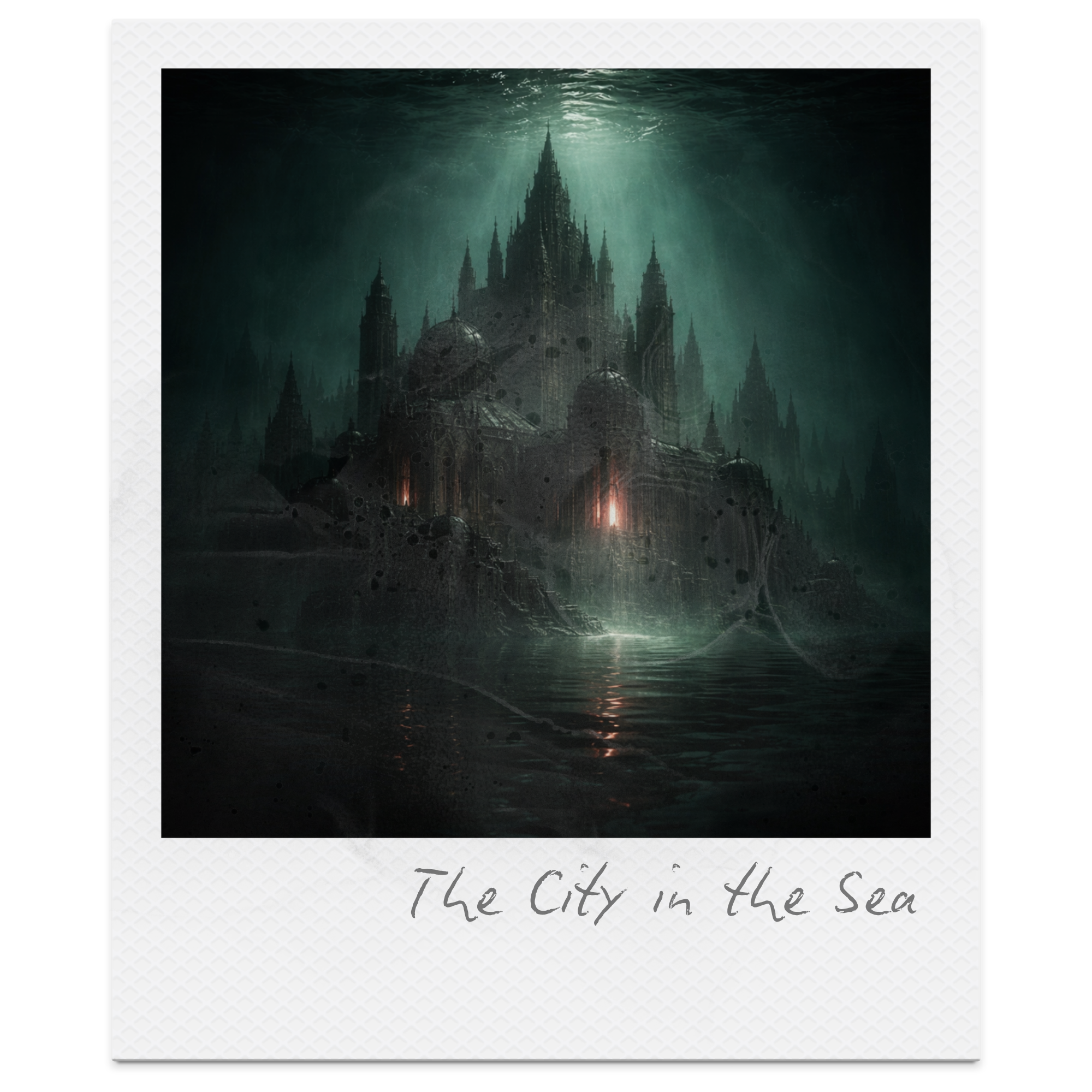
The City in the Sea by Edgar Allan Poe: Summary, Themes, Meaning & Analysis
The City in the Sea by Edgar Allan Poe is a haunting gothic poem that explores death, decay, illusion, and the collapse of civilisation through a strikingly visual and symbolic landscape. Set within a strange, submerged city ruled by Death itself, the poem presents a world suspended in time, where grandeur remains but life has vanished. Through its rich imagery and hypnotic rhythm, Poe constructs an atmosphere of stillness, inversion, and inevitability, where natural order has broken down and reality feels increasingly unstable. As the poem progresses, this eerie stillness begins to fracture, revealing the city’s apparent permanence as an illusion. The final descent transforms the poem into a meditation on time, inevitability, and human insignificance, suggesting that even the most magnificent structures are ultimately consumed by forces beyond control. With its blend of gothic imagery, symbolic depth, and structural precision, The City in the Sea offers a powerful exploration of a world where death is not an end, but a controlling and eternal presence.
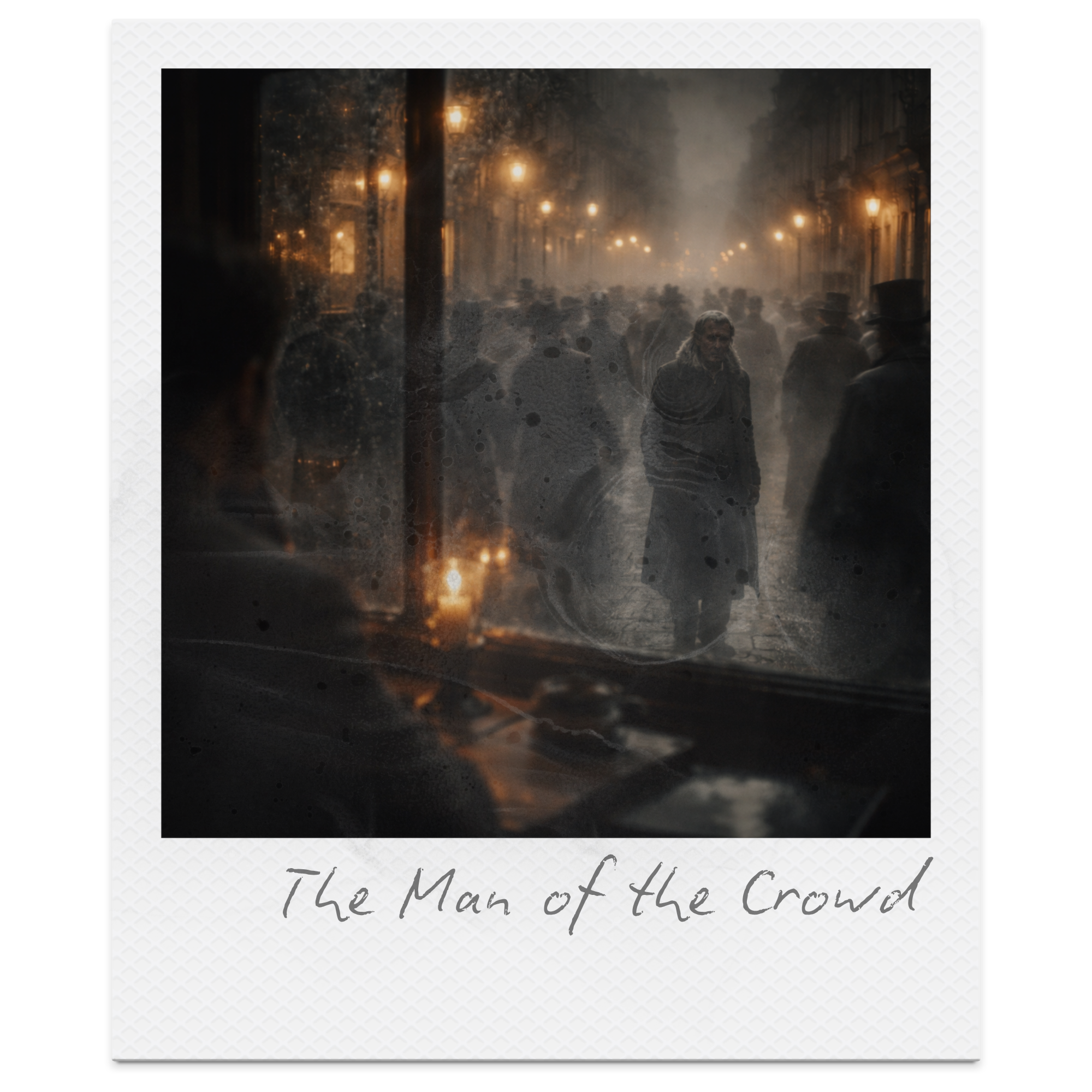
The Man of the Crowd by Edgar Allan Poe: Summary, Themes, Symbolism & Psychological Analysis
The Man of the Crowd by Edgar Allan Poe is a compelling exploration of urban anonymity, psychological obsession, and the limits of human understanding. Set against the restless backdrop of London, the story follows a narrator who becomes fixated on a mysterious old man whose expression defies interpretation. What begins as casual observation quickly develops into an intense pursuit, raising unsettling questions about whether people can ever truly be known. At its core, the story examines identity, surveillance, alienation, and unknowability, presenting the modern city as a space where individuals are both constantly visible and fundamentally hidden. Through its cyclical structure and ambiguous ending, Poe challenges the idea that observation leads to truth, instead suggesting that some lives — and some minds — remain permanently beyond comprehension.
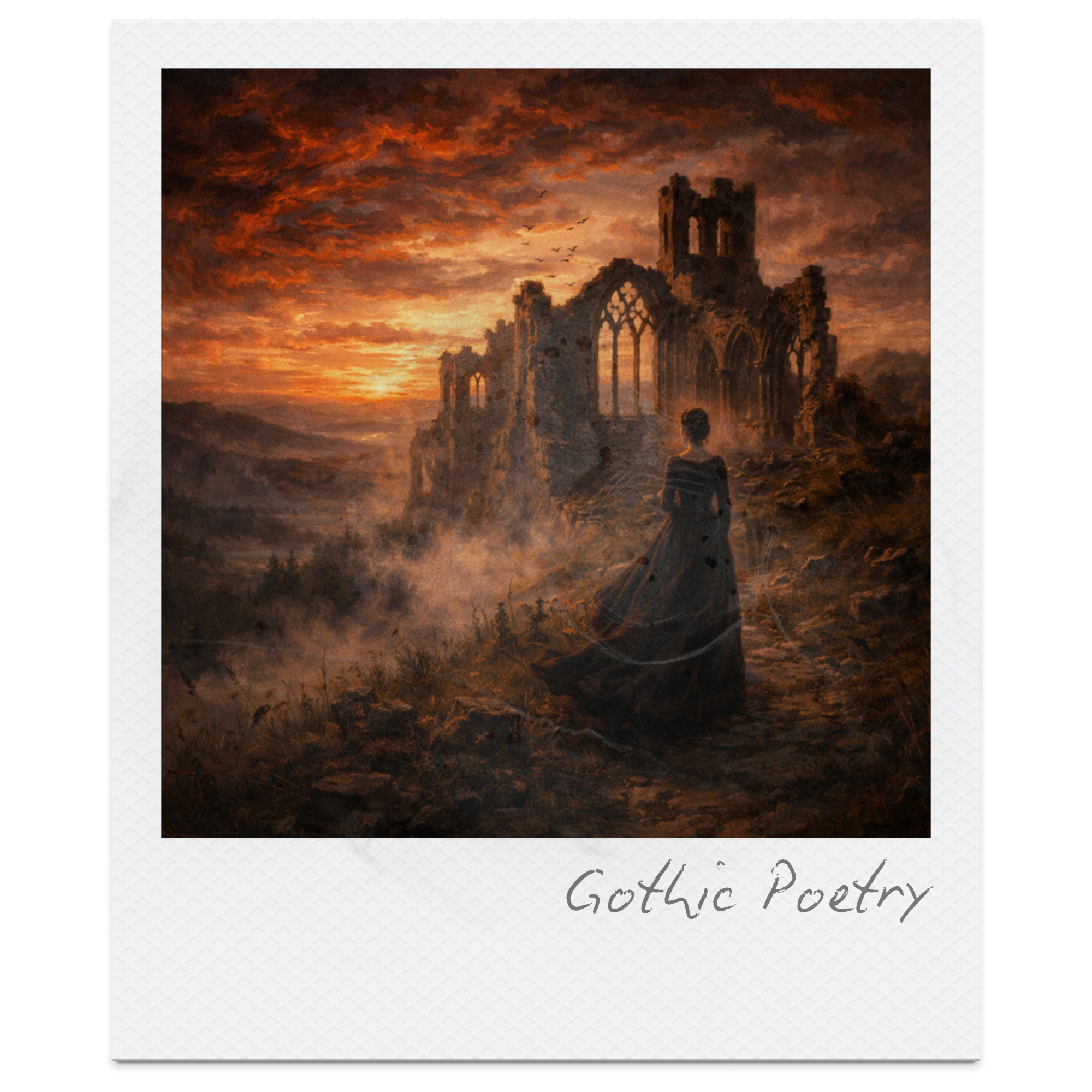
10 Gothic Poetry Prompts for Teens & Adults: Atmosphere, Obsession, and the Unseen
Gothic poetry explores atmosphere, memory, obsession, and the uneasy boundary between beauty and decay. Rather than relying on dramatic horror, many gothic poems build tension through symbolism, landscape, emotional restraint, and suggestion, allowing meaning to emerge slowly through image and voice. This collection of gothic poetry prompts for teens and adults encourages writers to experiment with mood, setting, and ambiguity while developing confidence in poetic craft. Each prompt includes a title, opening line, and craft focus designed to support creative writing in classrooms, writing groups, and independent practice. Whether you’re teaching gothic literature, exploring dark poetry themes, or looking for atmospheric poetry prompts, these ideas help writers move beyond the blank page and begin with imagery, atmosphere, and emotional depth.
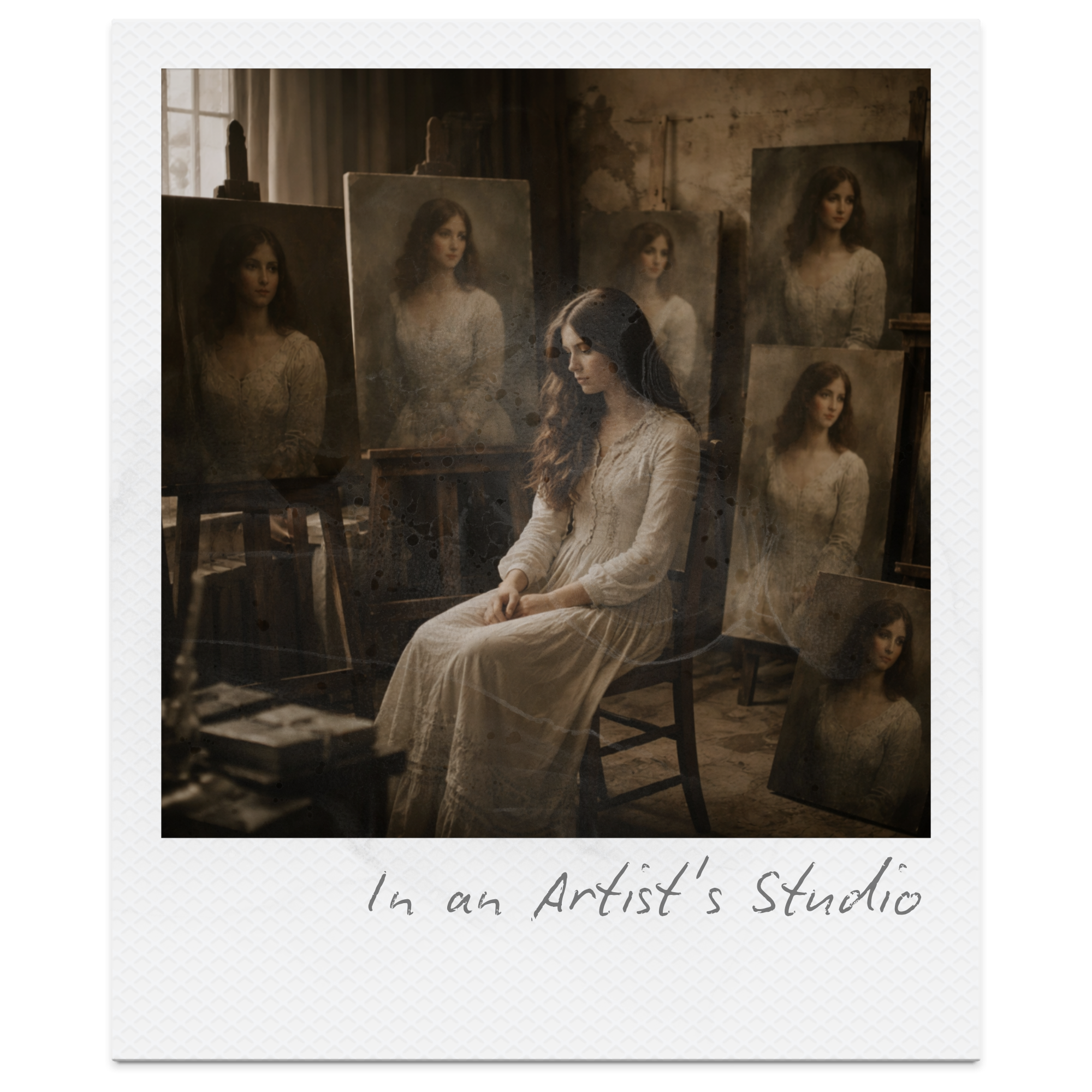
In an Artist’s Studio by Christina Rossetti: Summary, Themes, Symbolism & Analysis
Christina Rossetti’s In an Artist’s Studio explores how artistic representation can transform a real woman into an idealised figure shaped by imagination and desire. This detailed analysis examines how Rossetti uses Petrarchan sonnet form, repetition, symbolism, and imagery to reveal themes of objectification, identity, and the tension between reality and artistic fantasy. The guide includes a clear summary, close analysis of the octave and sestet, key quotes, literary techniques, themes, alternative interpretations, and teaching ideas, making it useful for students, teachers, and readers interested in Victorian poetry and literary analysis.
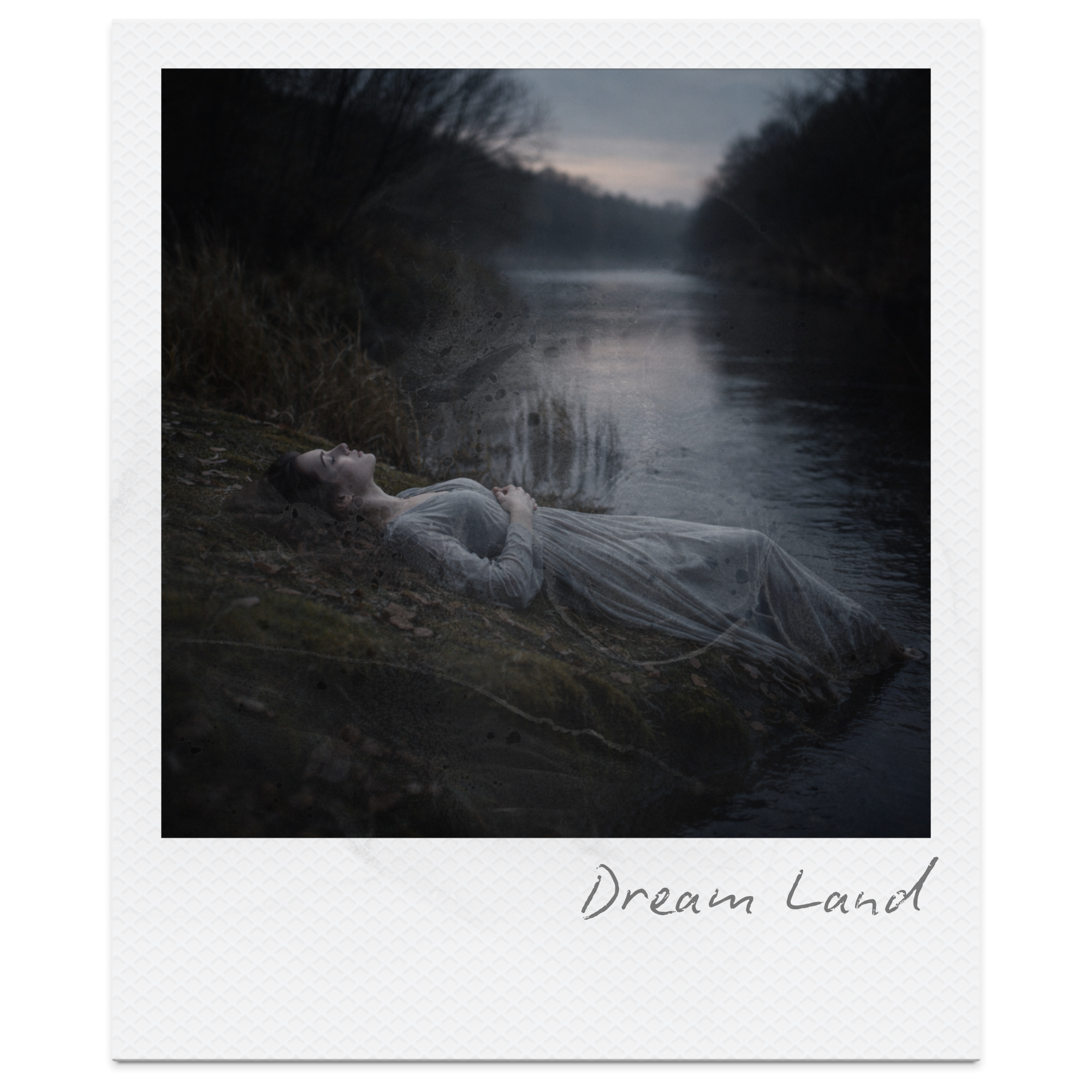
Dream Land by Christina Rossetti: Summary, Meaning & Critical Analysis
Christina Rossetti’s Dream Land is a poem of rest, withdrawal, and emotional stillness, where calm conceals a deeply unsettling vision of peace. Through controlled imagery, repetition, and restrained language, Rossetti presents a female figure who turns away from life, growth, and sensation, entering a state of charmed sleep that resists clear distinction between sleep, death, and chosen retreat. This analysis of Dream Land explores Rossetti’s use of form, imagery, and silence to construct peace as something achieved through absence rather than fulfilment. By examining language, structure, and alternative interpretations, the post invites readers to consider when rest becomes refuge — and when it becomes erasure — situating the poem within Rossetti’s wider preoccupation with restraint, renunciation, and emotional control.
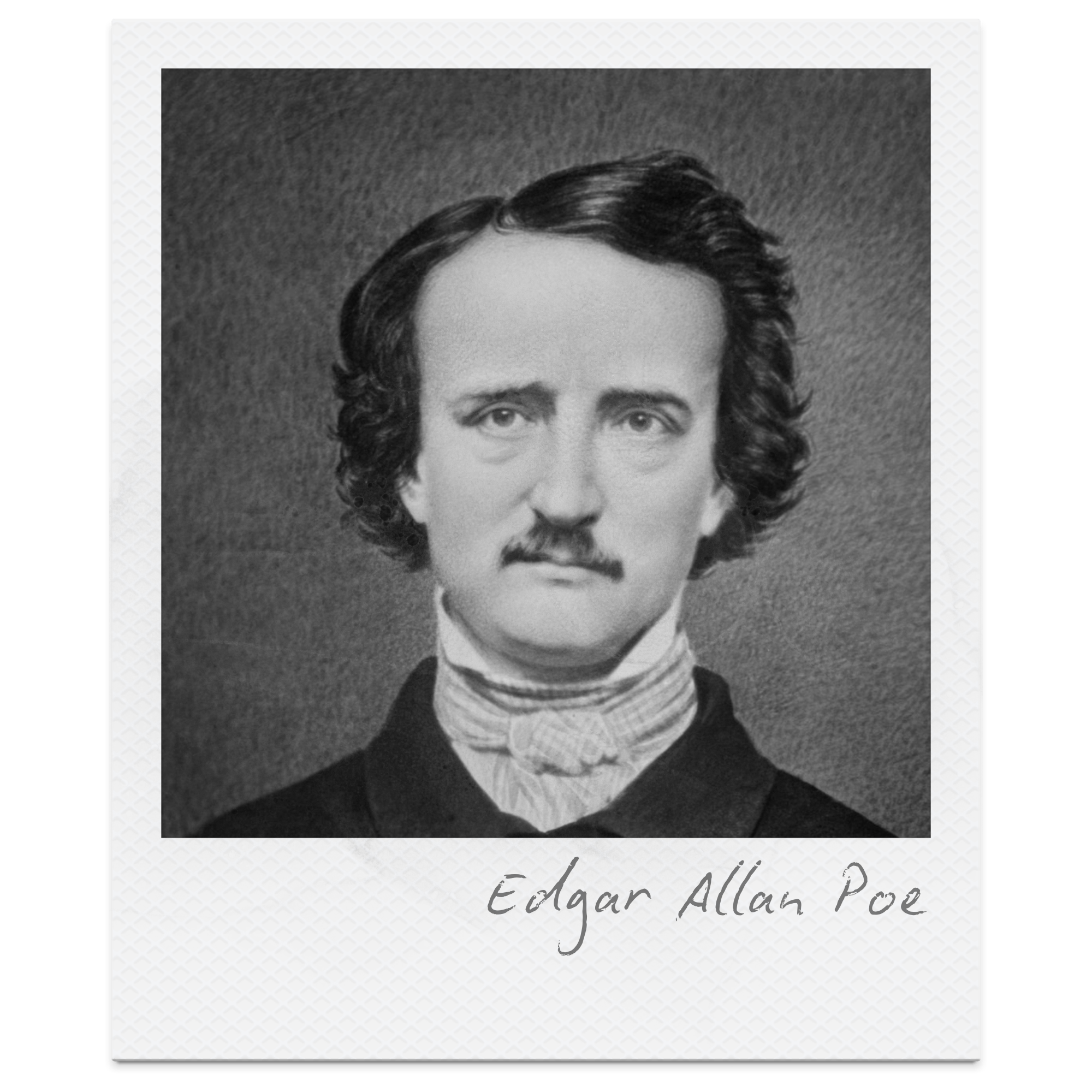
Edgar Allan Poe: Context, Themes, and Literary Significance
Edgar Allan Poe is one of the most widely taught American writers in the secondary English classroom, known for his Gothic fiction, psychological narratives, and influential detective stories. Writing in the early nineteenth century, Poe explored themes of unreliable narration, guilt, obsession, and moral ambiguity, using tightly controlled structure and atmosphere to shape reader interpretation. His work rewards close reading and discussion, making it particularly effective for developing analytical confidence. This guide explores Edgar Allan Poe’s historical context, recurring themes, and literary significance, offering a framework for understanding how his writing operates across poetry and short fiction. Rather than focusing on plot or biography, it examines how Poe uses voice, perspective, and implication to generate meaning, supporting discussion-led teaching and thematic study in the secondary English classroom.