Notes from the Inkpot
Writing, teaching, creating - one ink-stained idea at a time.


The Song of the Shirt by Thomas Hood: Analysis of Poverty, Labour and Social Criticism
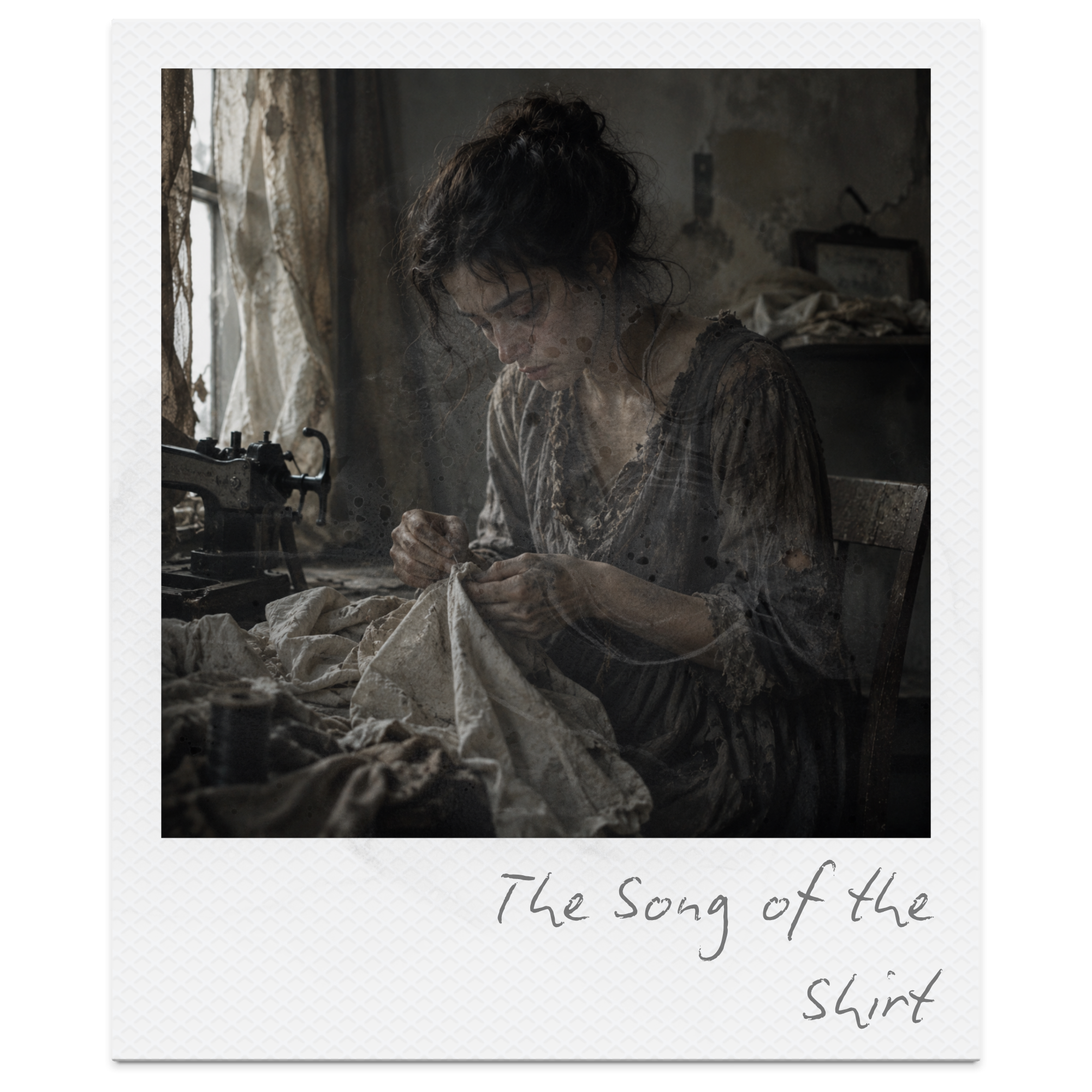
The Song of the Shirt by Thomas Hood is a powerful Victorian social protest poem that exposes the realities of poverty, exploitation, and relentless labour. Through the voice of an exhausted seamstress, Hood reveals the physical, emotional, and psychological consequences of economic inequality while challenging readers to recognise the human cost hidden behind everyday goods. This analysis explores the poem's themes, structure, symbolism, key quotations, and social criticism, making it ideal for students studying Songs of Ourselves Volume 2.

A Walk to the Jetty by Jamaica Kincaid: Summary, Themes & Analysis
Jamaica Kincaid’s A Walk to the Jetty is a deeply reflective short story exploring identity, separation, motherhood, migration, and the emotional conflict of leaving home. Through Annie John’s final journey from Antigua to the ship that will carry her to England, Kincaid examines the painful transition between childhood and adulthood, revealing how independence can feel both liberating and devastating at the same time. This detailed analysis explores the story’s themes, symbolism, structure, narrative voice, key quotes, alternative interpretations, and exam-focused insights for CIE IGCSE English Literature (0475 & 0922).
The Man Who Walked on the Moon by J.G. Ballard: Summary, Themes & Analysis
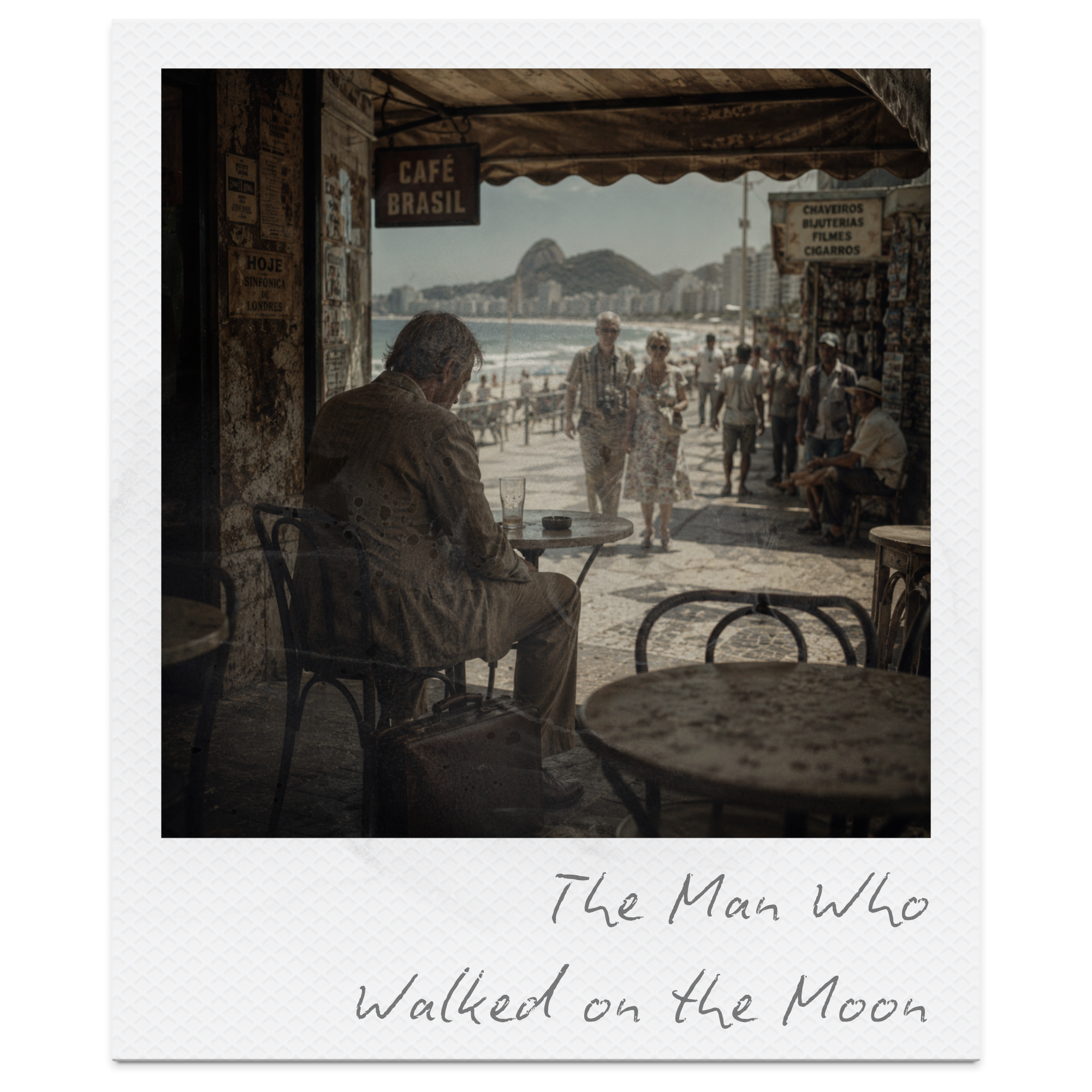
J.G. Ballard’s The Man Who Walked on the Moon is a psychologically unsettling short story exploring alienation, identity, loneliness, and the blurred boundary between fantasy and reality. Through the relationship between the unnamed narrator and Scranton — a failed American who falsely claims to have been an astronaut — Ballard examines how emotional isolation can gradually reshape a person’s understanding of truth, society, and selfhood. This detailed analysis explores the story’s themes, symbolism, structure, narrative voice, key quotes, alternative interpretations, and exam-focused insights for CIE IGCSE English Literature (0475 & 0922).
The Black Ball by Ralph Ellison: Summary, Themes & Analysis
Ralph Ellison’s The Black Ball is a powerful short story exploring racism, identity, fatherhood, and the painful loss of innocence within a deeply unequal society. Through the experiences of John and his young son, Ellison reveals how prejudice shapes ordinary daily life, using symbolism, dramatic irony, and reflective narration to expose the emotional pressure created by social inequality. This detailed analysis explores the story’s themes, characters, symbolism, structure, key quotes, and exam-focused interpretations for CIE IGCSE English Literature (0475 & 0922).
The Shrinking Shoe by Walter Besant: Summary, Themes & Analysis
Walter Besant’s The Shrinking Shoe is a reflective Victorian short story exploring ambition, idealism, wealth, emotional disappointment, and the tension between youthful dreams and adult reality. Inspired by the Cinderella fairy tale, the story follows Katie De Lisle and Geoffrey Armiger as romantic hope and heroic ambition gradually fade beneath comfort, idleness, and emotional compromise. Through symbolism, irony, and reflective narration, Besant transforms a familiar fairy-tale structure into a much more morally complex examination of identity, wasted potential, and self-improvement. This detailed analysis for CIE IGCSE World Literature (0408) explores the story’s themes, symbolism, structure, narrative voice, and key quotations, while examining how Besant uses the symbolic shrinking slipper to reflect fading ambition, emotional disillusionment, and the fragile possibility of renewal. The guide also includes alternative interpretations, exam-ready insights, and classroom-focused teaching ideas designed to support deeper literary analysis and discussion.
Lappin and Lapinova by Virginia Woolf: Summary, Themes & Analysis
Virginia Woolf’s Lappin and Lapinova is a psychologically rich short story exploring marriage, identity, imagination, and emotional isolation through symbolism, shifting atmosphere, and modernist narration. The story follows Rosalind and Ernest Thorburn as they create a private fantasy world in which they become King Lappin and Queen Lapinova — symbolic rabbit identities that allow them to escape ordinary domestic reality and form an intimate emotional language of their own. This detailed analysis for CIE IGCSE World Literature (0408) explores the story’s themes, symbolism, structure, narrative voice, and key quotations, while examining how Woolf uses rabbit imagery, psychological perspective, and the gradual collapse of fantasy to reveal the fragility of intimacy and the fear of losing identity within marriage. The guide also includes alternative interpretations, exam-ready insights, and classroom-focused teaching ideas designed to support deeper literary analysis and discussion.
Indian Summer of an Uncle by P.G. Wodehouse: Summary, Themes & Analysis
P.G. Wodehouse’s Indian Summer of an Uncle is a comic short story exploring class, marriage, family pressure, romantic misunderstanding, and the absurdities of upper-class society through dramatic irony, exaggerated narration, and sharp social satire. Told through Bertie Wooster’s humorous first-person perspective, the story follows the chaos that erupts when the elderly Uncle George suddenly decides to marry a young waitress, horrifying his aristocratic family and forcing Bertie into a series of increasingly awkward situations. This detailed analysis for CIE IGCSE World Literature (0408) explores the story’s themes, symbolism, structure, narrative voice, and key quotations, while examining how Wodehouse creates humour through comic contrast, misunderstanding, and the gap between appearance and emotional reality. The guide also includes alternative interpretations, exam-ready insights, and classroom-focused teaching ideas designed to support deeper literary analysis and discussion.

Haywards Heath by Aminatta Forna: Summary, Themes & Analysis
Explore Haywards Heath by Aminatta Forna with this detailed analysis for CIE IGCSE English Literature (0475 & 0922, 2027 syllabus). This post examines the story’s exploration of memory, aging, regret, love, and emotional displacement, alongside Forna’s use of restrained narration, symbolism, repetition, and fragmented structure. Perfect for revision and classroom study, this guide analyses key themes, characters, setting, narrative voice, symbolism, important quotations, and writer’s methods, while also offering alternative interpretations, exam-ready insights, and teaching ideas designed to support deeper conceptual analysis.

The Gold Watch by Mulk Raj Anand: Summary, Themes & Analysis
Mulk Raj Anand’s The Gold Watch is a quietly devastating short story exploring colonial power, workplace hierarchy, economic insecurity, and human dignity. Through the experiences of the ageing dispatch clerk Sharma, Anand exposes how institutional systems disguise emotional cruelty beneath politeness, routine, and formal gestures of appreciation. This analysis explores the story’s themes, symbolism, narrative voice, and psychological tension, examining how Anand uses irony, restraint, and symbolism to critique systems that value workers only while they remain useful. Ideal for students studying CIE IGCSE English Literature (0475 & 0922) and anyone exploring postcolonial short fiction.

For Heidi With Blue Hair by Fleur Adcock: Summary, Themes & Analysis
Fleur Adcock’s For Heidi With Blue Hair explores individuality, authority, and conformity through a seemingly minor conflict that reveals deeper tensions between self-expression and institutional control. Through a conversational voice, irony, and narrative progression, the poem presents the school’s response as rigid and inconsistent, exposing how rules are interpreted to enforce conformity rather than fairness. The detailed imagery of Heidi’s hair emphasises deliberate self-expression, while the use of dialogue allows competing perspectives to emerge. As the poem develops, a subtle shift introduces emotional depth, as the reference to the mother’s death “shimmer[s] behind the arguments,” suggesting that the conflict is shaped by unspoken grief as well as institutional pressure. The resolution, marked by an act of solidarity, reframes the situation as one where authority is quietly undermined rather than directly confronted. This movement from surface conflict to deeper meaning reveals how identity, emotion, and power interact, giving the poem its lasting impact.
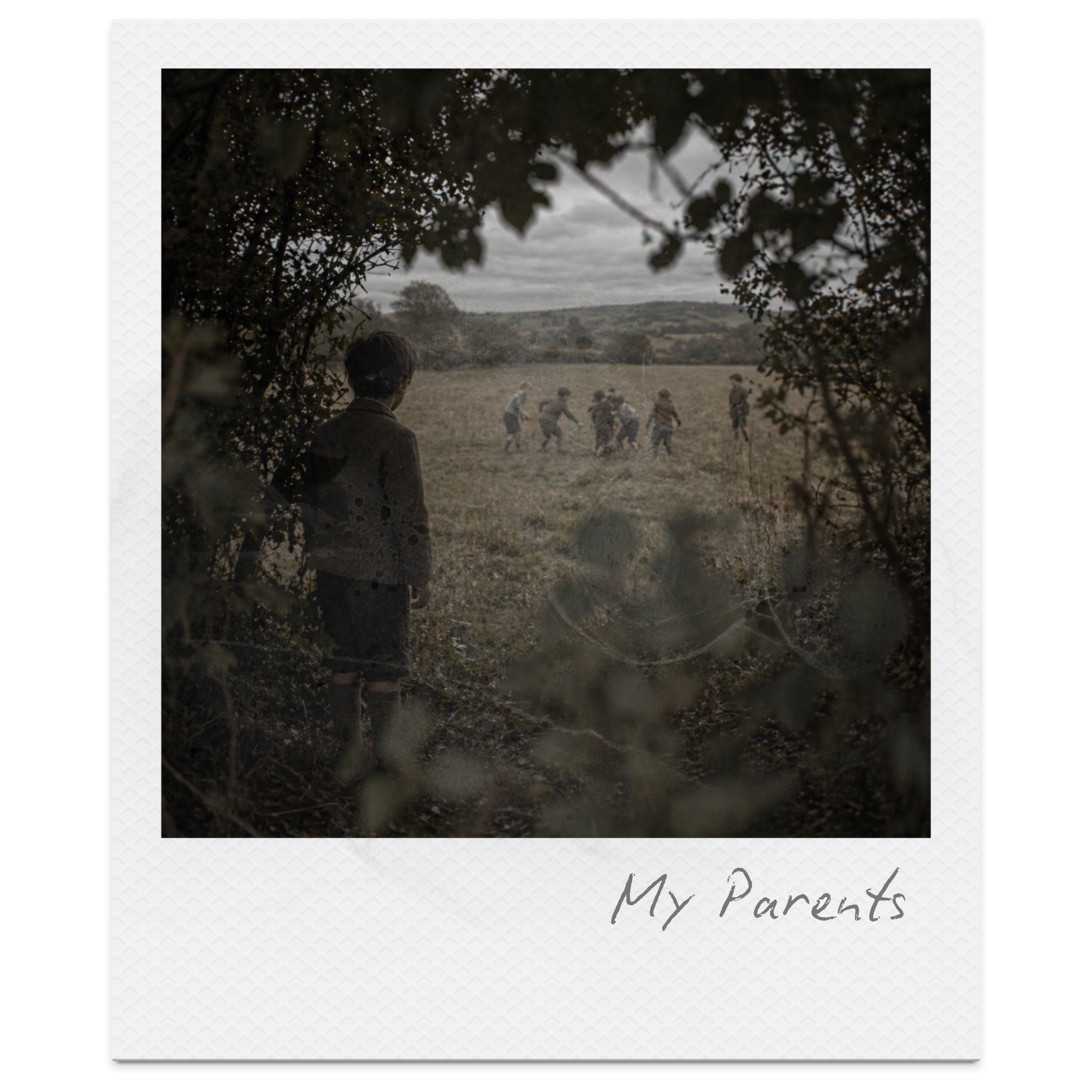
My Parents by Stephen Spender: Summary, Themes & Analysis
Stephen Spender’s My Parents explores childhood fear, class division, and social conditioning through a speaker who is both protected and isolated, shaped by the boundaries imposed on him. Through simile, animalistic imagery, and a reflective narrative voice, the poem presents the “rough” children as threatening and unpredictable, revealing how perception is constructed through upbringing rather than objective reality. The speaker’s fear is intensified by both physical imagery and social humiliation, particularly in moments where language becomes a form of attack. As the poem develops, a shift toward self-awareness and regret reframes the speaker’s experience, revealing that his fear was shaped as much by parental influence as by direct interaction. The final lines introduce a sense of missed empathy, suggesting that the speaker now recognises the limitations of his earlier perspective. This movement from fear to reflection transforms the poem into a powerful exploration of how memory, class division, and upbringing shape both experience and understanding.

Where I Come From by Elizabeth Brewster: Summary, Themes & Analysis
Elizabeth Brewster’s Where I Come From explores how identity is shaped by place, using imagery, metaphor, and contrast to show that people carry their environments within them. Moving from urban scenes to rural memory, the poem presents identity as something built through lived experience rather than fixed. Through its sensory detail and reflective tone, the poem reveals how places remain in the mind, influencing thought and feeling over time. Brewster ultimately suggests that we do not leave places behind—we continue to carry them within us.

Carpet-Weavers, Morocco by Carol Rumens: Summary, Themes & Analysis
Carpet-Weavers, Morocco by Carol Rumens explores the tension between beauty and labour, presenting children at work through vivid imagery and controlled structure. The poem moves from admiration of their skill to a more reflective awareness of constraint, showing how something culturally valuable is created through repetitive, limited experience. Through metaphor, contrast, and shifts in perspective, Rumens highlights the gap between the luxury of the finished carpet and the lives of those who produce it. This makes the poem a powerful exploration of identity, inequality, and artistic creation, ideal for IGCSE Literature analysis.
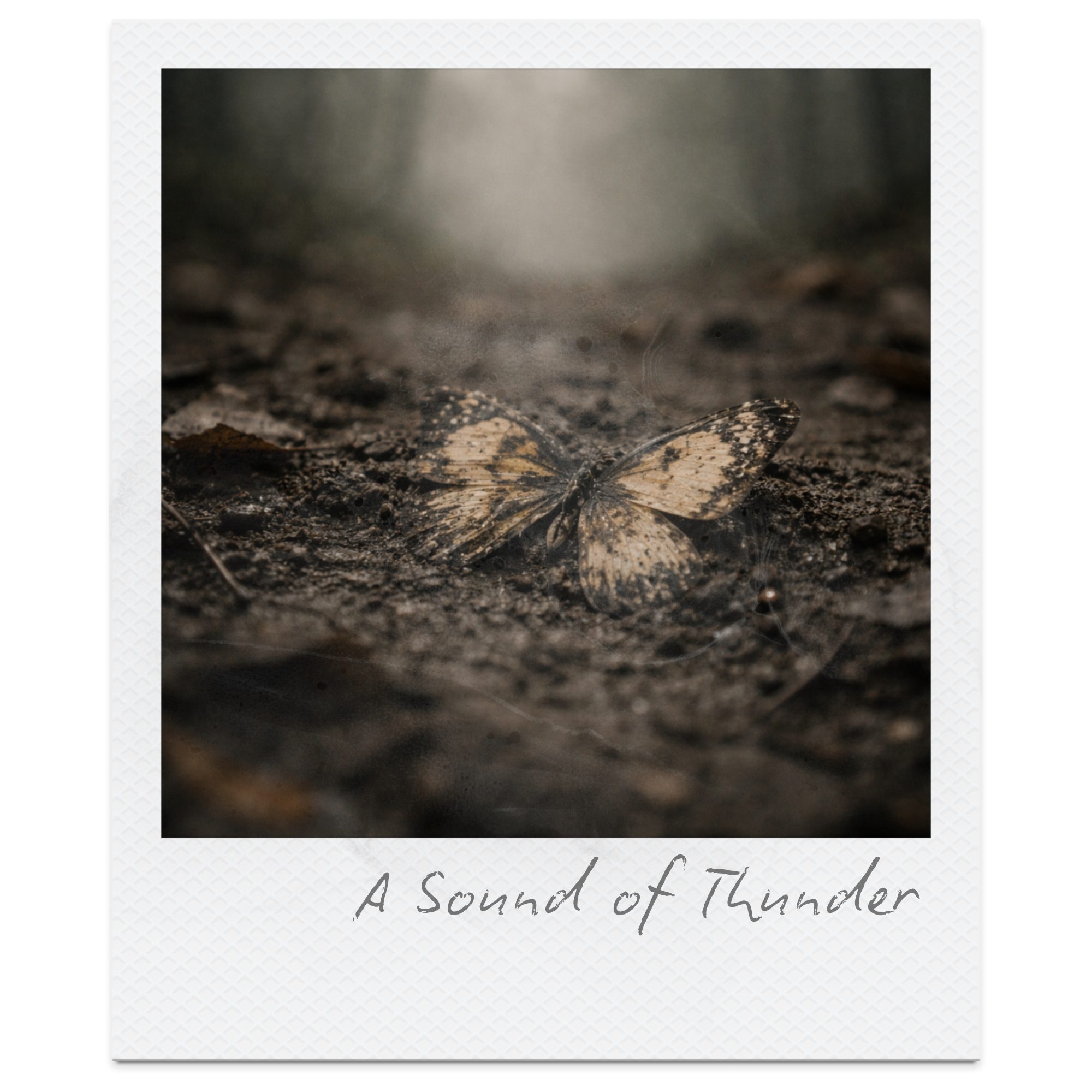
A Sound of Thunder by Ray Bradbury: Summary, Themes, Meaning & Analysis
A Sound of Thunder by Ray Bradbury is a gripping work of science fiction that explores the dangers of time travel, human interference, and unintended consequences. When a group of hunters travel back in time to kill a dinosaur, they are given one strict rule: stay on the Path. But when Eckels panics and steps off it, a seemingly small action triggers a chain reaction that alters the future in subtle but devastating ways. Through its famous exploration of the butterfly effect, the story reveals how fragile and interconnected reality truly is. Bradbury presents a powerful warning about cause and effect, responsibility, and the illusion of control, showing that even the smallest mistake can reshape entire systems. The story’s unsettling ending lingers long after reading, reminding us that once a choice is made, its consequences cannot be undone.

Zero Hour by Ray Bradbury: Summary, Themes, Meaning & Analysis
Ray Bradbury’s Zero Hour explores childhood innocence and hidden power, revealing how easily trust can be manipulated when adults underestimate what they do not understand. Through the children’s seemingly harmless game of “Invasion,” Bradbury presents a world where imagination becomes a vehicle for real danger, blurring the line between play and reality. As the story unfolds, this illusion collapses into something far more unsettling. The adults’ confidence in their own control gives way to panic as they realise too late that the threat has already taken hold. Bradbury exposes the dangers of complacency, misjudgement, and unseen influence, showing how quickly stability can be replaced by chaos when warning signs are ignored.

Marionettes, Inc. by Ray Bradbury: Summary, Themes, Meaning & Analysis
Ray Bradbury’s Marionettes, Inc. explores identity, control, and the illusion of freedom through a chilling science fiction premise: what if you could replace yourself with a perfect duplicate and escape your life without consequence? As Braling reveals his plan to use a mechanical double to maintain his marriage while he travels to Rio, the story initially presents technology as a convenient solution to human dissatisfaction. However, this illusion quickly unravels as the boundaries between real and artificial begin to collapse. As both Braling and Smith attempt to use duplication to manage their relationships, Bradbury exposes the dangers of outsourcing identity, showing how easily control can shift and how quickly the self can be replaced, erased, and forgotten.

The Illustrated Man by Ray Bradbury: Summary, Stories, Themes & Analysis
The Illustrated Man by Ray Bradbury is a powerful science fiction short story collection that explores technology, isolation, and the consequences of human behaviour through a series of interconnected narratives. Framed by the image of a man whose tattoos come alive to tell each story, the collection moves beyond simple speculation to present a series of unsettling futures that feel increasingly close to reality. This guide explores the key stories, recurring themes, and structural design of the collection, with clear links to deeper analysis of each text. From The Veldt to The Rocket Man, Bradbury’s work reveals how progress, when left unchecked, can reshape relationships, identity, and the future itself.

The Fox and the Forest by Ray Bradbury: Summary, Themes, Symbolism & Analysis
Ray Bradbury’s The Fox and the Forest is a powerful science fiction and dystopian short story that explores escape, surveillance, and the illusion of freedom. Set between a vibrant 1938 Mexico and a war-torn future, the story follows a couple attempting to flee a society built on control, militarisation, and destruction—only to discover that even time itself cannot protect them. Bradbury uses vivid contrasts, shifting tension, and symbolic imagery to create a narrative where hope and fear exist side by side. This analysis explores the story’s themes, symbolism, structure, and key ideas, revealing how Bradbury presents a world in which authority is inescapable and freedom is fragile. From the relentless pursuit of the Searchers to the devastating final twist, The Fox and the Forest raises unsettling questions about responsibility, resistance, and the cost of survival.

The Rocket Man by Ray Bradbury: Summary, Themes, Symbolism & Analysis
The Rocket Man by Ray Bradbury is a deeply emotional science fiction story exploring family, absence, and the cost of ambition. Told through the eyes of a young boy, the narrative follows a father who is torn between his life on Earth and his work in space, creating a cycle of return and departure that shapes the family’s entire existence. Bradbury presents space travel not as heroic, but as something that quietly disrupts relationships and emotional stability. As the story unfolds, the tension between presence and absence becomes increasingly painful, particularly through the mother’s coping strategy of treating her husband as if he is already dead. When the father’s final journey ends in tragedy, the emotional impact is devastating, leaving the family to navigate a world permanently altered by loss. Through its restrained style and symbolic imagery, the story reveals how ambition, love, and grief can coexist in ways that are both powerful and deeply unsettling.

The Highway by Ray Bradbury: Summary, Themes, Symbolism & Analysis
Ray Bradbury’s The Highway is a striking piece of speculative fiction that explores isolation, perspective, and the fragility of civilisation. Set in a quiet rural valley, the story follows Hernando, a farmer whose life is largely untouched by the modern world—until a sudden, frantic stream of cars on the nearby highway signals that something catastrophic has happened beyond his understanding. As news of “the atom war, the end of the world!” rushes past him, Hernando’s response challenges everything we assume about global events and their impact. Bradbury uses this powerful contrast between panic and stillness to question whether such events are truly universal, revealing that meaning is shaped by experience, distance, and perspective.