The Highway by Ray Bradbury: Summary, Themes, Symbolism & Analysis
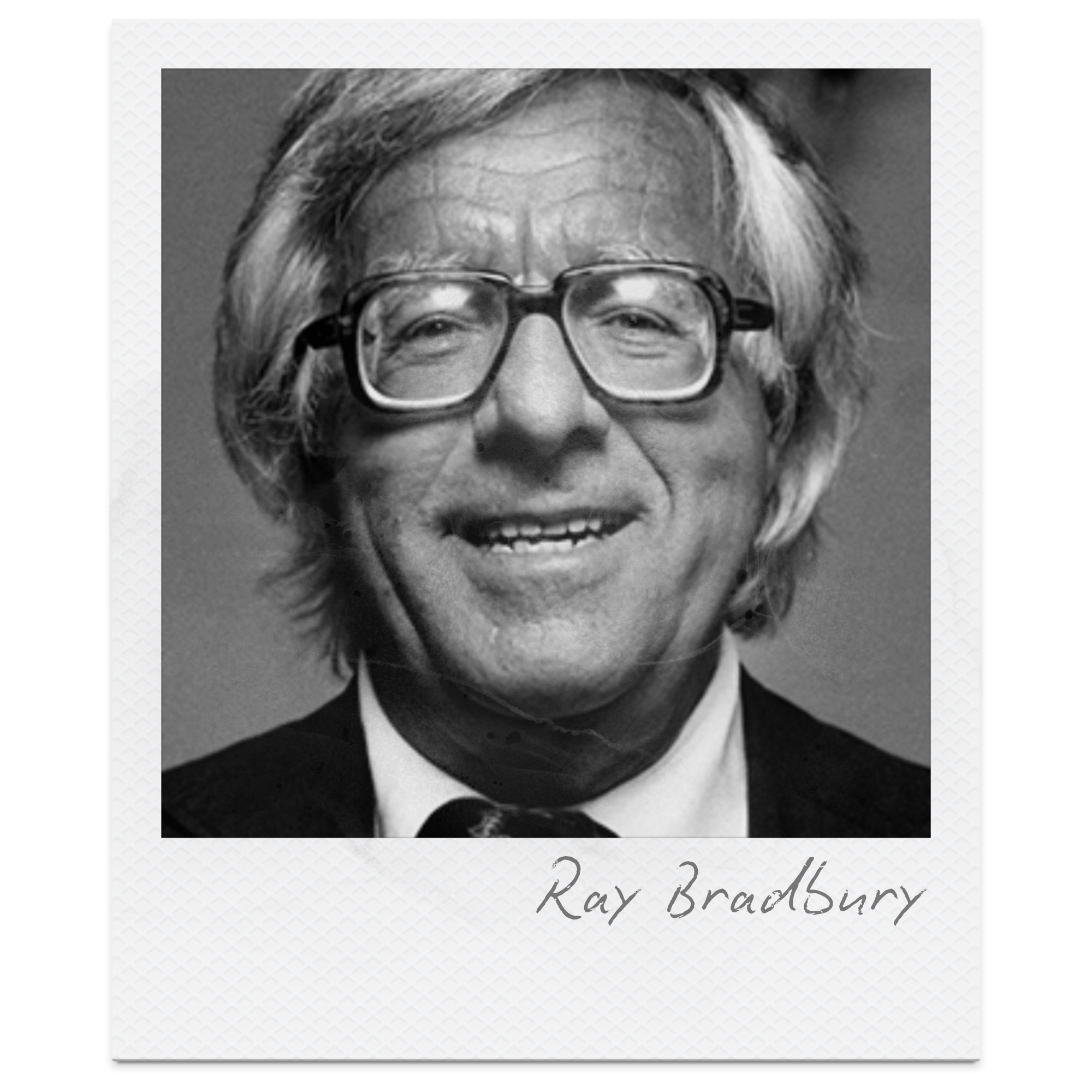
Ray Bradbury’s The Highway is a powerful piece of speculative fiction that explores isolation, perspective, and the fragility of human civilisation. Set against the quiet rhythms of rural life, the story follows Hernando, a farmer whose existence is largely untouched by modernity, until a sudden, chaotic movement along the nearby road hints at a catastrophic global event. Through this contrast between stillness and urgency, Bradbury examines how knowledge, fear, and meaning are shaped by what we see—and what we do not.
On a deeper level, the story raises unsettling questions about what truly constitutes “the world”, and whether global catastrophe holds the same meaning for everyone. As panic and destruction race past Hernando in the form of fleeing travellers, his own life remains rooted in continuity and survival. Bradbury uses this tension to challenge assumptions about progress, importance, and perspective, encouraging readers to reconsider the boundaries of civilisation itself. For more on Bradbury’s wider themes and storytelling style, explore the Ray Bradbury Hub and the Literature Library.

Context of The Highway
Ray Bradbury often explored the tension between modern technological society and more traditional, human-centred ways of living, and The Highway reflects this concern through its stark contrast between Hernando’s rural existence and the relentless movement of the modern world. Written during the early years of the Cold War, the story is shaped by widespread fears surrounding nuclear conflict, global annihilation, and the fragility of civilisation. Bradbury’s speculative fiction frequently engages with these anxieties, not through detailed depictions of destruction, but through their emotional and psychological impact. This approach is central to his work, and can be explored further in the Ray Bradbury Context Post.
This historical and intellectual backdrop directly informs the story’s meaning. While the outside world collapses under the threat of atomic war, Hernando remains largely untouched—not because the danger is unreal, but because it exists beyond his immediate reality. Bradbury uses this contrast to question the universality of fear and the assumed centrality of modern civilisation. In doing so, the story becomes less about the event itself and more about perspective, cultural distance, and the limits of shared experience, suggesting that what one group defines as “the end of the world” may not hold the same meaning for another.
The Highway: At a Glance
Form: Short story (speculative fiction)
Mood: Uneasy, reflective, quietly ominous
Central tension: The collision between global catastrophe and local continuity, and whether “the end of the world” is universal or relative
Core themes: Isolation and perspective, modernity vs tradition, fear of the unknown, cultural distance, the fragility of civilisation, indifference of nature
One-sentence meaning: Bradbury suggests that what is perceived as the “end of the world” is shaped by perspective, revealing that civilisation’s crises are not experienced equally by all.
Quick Summary of The Highway
The story opens in a quiet rural valley where Hernando and his wife live a simple life, largely untouched by the modern world. As rain falls over the fields, Hernando notices something unusual: the highway, which is usually busy with passing cars and curious tourists, has fallen strangely silent. This absence suggests that something significant has happened beyond his immediate understanding.
Suddenly, the silence is broken as hundreds of cars rush past in a frantic, continuous stream, all heading north. The people inside appear distressed and fearful, though Hernando cannot fully grasp why. The movement feels unnatural, almost like a funeral procession, and creates a sense of urgency and unease that contrasts sharply with the stillness of his surroundings.
Finally, a single car stops, and its passengers reveal that an atomic war has begun, describing it as “the end of the world.” After they leave, Hernando stands in silence before returning to his work, ultimately dismissing the event as “nothing.” As he resumes ploughing his field, the story closes on a powerful contrast: while the wider world descends into chaos, Hernando’s life continues, raising questions about perspective, meaning, and what truly defines the world.
Title of The Highway
Bradbury’s titles often do far more than simply label a story; they establish tone, suggest conflict, and hint at deeper symbolic meanings. In The Highway, the title initially appears straightforward, referring to the physical road that runs past Hernando’s land. At first, it seems to represent connection, movement, and access to the wider world—a route through which people, ideas, and modern life pass by.
However, as the story unfolds, the meaning of the title shifts. The highway becomes less a symbol of connection and more a symbol of division and distance. It separates Hernando’s self-contained world from the chaotic, fearful reality beyond it. While others use the road to escape what they believe is the end of civilisation, Hernando remains rooted in place, observing rather than participating. In this way, the highway highlights the contrast between motion and stillness, panic and continuity.
The title also carries a strong sense of irony. A highway is typically associated with progress, modernity, and advancement, yet here it becomes a channel for fear and collapse. The endless stream of cars suggests not progress but desperation and flight, transforming the road into a symbol of civilisation’s fragility. By the end of the story, the highway no longer represents opportunity or connection; instead, it embodies the idea that what one world considers urgent and catastrophic may pass by another almost unnoticed, reinforcing the story’s central focus on perspective and relative meaning.
Structure of The Highway
Bradbury carefully shapes the structure of The Highway to emphasise contrast, tension, and perspective. Rather than building toward a dramatic climax in a traditional sense, the story moves through a series of shifts between stillness and sudden disruption, allowing meaning to emerge through juxtaposition rather than action.
Opening (Exposition)
The story begins with a slow, grounded depiction of Hernando’s daily life. The rhythm is steady and repetitive, focused on simple actions like grinding corn and waiting for the rain to pass. This calm opening establishes a sense of isolation and continuity, positioning Hernando’s world as self-contained and largely unaffected by external forces. The empty highway introduces the first subtle disruption, hinting that something is wrong beyond what Hernando can see.
Rising Action
Tension builds abruptly as the silence is shattered by the sudden arrival of hundreds of cars racing along the highway. This shift from stillness to overwhelming motion creates a powerful contrast, with the relentless stream of vehicles suggesting urgency, fear, and chaos. Bradbury withholds clear information about what is happening, instead filtering everything through Hernando’s limited perspective, which heightens the sense of mystery and unease.
Turning Point / Climax
The emotional and narrative peak occurs when the final car stops and its passengers reveal that an atomic war has begun. This moment provides the explanation that has been withheld, but it is delivered in a fragmented, emotionally charged way rather than through detailed exposition. The revelation is less about the event itself and more about its impact on the characters, particularly the fear and distress shown by the travellers.
Falling Action
After the car leaves, the intensity rapidly dissipates. The road becomes empty once again, and the movement that defined the central section of the story disappears. Hernando’s stillness returns, but now it is filled with a quiet tension as he processes what he has been told. The structure deliberately slows down again, mirroring the calm of the opening while carrying a different emotional weight.
Ending (Resolution)
The story ends with Hernando returning to his work, dismissing the catastrophe as “nothing.” This resolution is deliberately understated and structurally ironic, as it contrasts the supposed “end of the world” with the continuation of ordinary life. The cyclical return to routine reinforces the idea that, for Hernando, nothing has fundamentally changed. Bradbury closes the story not with resolution in a conventional sense, but with a lingering question about whose world is ending—and whose is not.
Setting of The Highway
In The Highway, Bradbury uses setting not simply as a backdrop, but as a powerful symbolic landscape that shapes the story’s tone, meaning, and central conflict. The contrast between Hernando’s rural environment and the modern highway creates a tension between stillness and movement, continuity and disruption, isolation and global connection.
The valley itself is presented as a place of self-contained life and natural rhythm. The opening imagery—“the cooling afternoon rain had come over the valley” and the woman “grind[ing] corn between cakes of lava rock”—grounds the setting in physical labour and repetition. This world is defined by cycles of nature, where rain, crops, and daily tasks structure existence. Even the river, described as “boil[ing] brown and thickened in its course,” suggests movement that is organic and continuous rather than chaotic. The environment feels alive, but also stable, reinforcing the idea that Hernando’s life exists outside the urgency of modern events.
In contrast, the highway introduces a fundamentally different kind of space. Initially described as “another river,” it appears to mirror the natural world, but this comparison is quickly undercut by the fact that it “did not flow at all; it lay shining, empty.” This stillness creates unease, as the absence of movement signals that something is wrong. When the cars finally arrive, the highway transforms into a site of overwhelming, unnatural motion—“hundreds of them, miles of them, rushing and rushing.” The repetition emphasises excess and loss of control, turning the road into a symbol of panic and mass movement rather than connection.
Bradbury also uses the physical details of the setting to highlight the intrusion of modernity into Hernando’s world. Objects like the tire that “came into the hut with violence” and the hubcap that “sailed like a flung coin into his field” show how fragments of the modern world arrive suddenly and destructively, rather than integrating smoothly. These items are repurposed—turned into shoes or tools—suggesting a one-sided relationship in which Hernando adapts what modernity discards, rather than participating in it.
The shifting atmosphere of the setting reinforces the story’s thematic concerns. The storm, with its “rainy darkness” and “wet lightlessness,” creates a sense of uncertainty and tension, mirroring the unseen catastrophe beyond the valley. Yet this darkness passes quickly, and the landscape returns to calm: “The jungle was very green; everything was fresh.” This renewal contrasts sharply with the idea of global destruction, emphasising that nature—and Hernando’s world—continues regardless of human crisis.
Ultimately, the setting reflects the story’s central idea: that the meaning of events is shaped by perspective and proximity. While the highway carries news of the “end of the world,” the valley remains rooted in continuity. Bradbury uses this contrast to show that what is catastrophic in one setting may be almost irrelevant in another, reinforcing the story’s exploration of cultural distance and the limits of shared experience.
Narrative Voice in The Highway
The narrative voice in The Highway is a third-person limited perspective, closely aligned with Hernando. This choice shapes the reader’s understanding of events by restricting knowledge to what Hernando sees, hears, and interprets. As a result, the story unfolds with a sense of distance and uncertainty, as the reader experiences the unfolding crisis without full access to its causes or consequences.
Bradbury’s use of this limited perspective creates a powerful contrast between what is happening and what is understood. The descriptions of the cars—“hundreds of them, miles of them, rushing and rushing”—are vivid, yet the meaning behind this movement remains unclear for much of the story. Because the narration does not shift away from Hernando’s viewpoint, the reader shares in his confusion, which heightens the sense of unease and reinforces the idea that knowledge is partial and perspective-bound.
The tone of the narrative is notably calm, restrained, and observational, even as events grow more intense. There is no dramatic or sensational language used to describe the supposed end of the world; instead, the voice maintains a steady, almost detached quality. This creates a striking contrast between the panic of the travellers and the stillness of Hernando’s world. The emotional intensity is therefore not driven by the narration itself, but by the disparity between external chaos and internal composure.
Bradbury also uses the narrative voice to subtly shape the reader’s emotional response. By keeping the perspective rooted in Hernando’s quiet, methodical worldview, the story encourages reflection rather than immediate fear. Even when the young man declares “the atom war, the end of the world!”, the narration does not expand or dramatise the moment. Instead, it allows the statement to exist within Hernando’s limited frame of reference, where its significance is uncertain and unresolved.
This approach creates a lingering sense of ambiguity and interpretive tension. The reader is left to question not only the reality of the catastrophe, but also its relevance. Through this carefully controlled narrative voice, Bradbury reinforces the story’s central idea: that meaning is shaped by perspective, and that even the most catastrophic events may be experienced very differently depending on where one stands.
The Purpose and Impact of The Highway
Bradbury’s purpose in The Highway is not simply to depict a moment of global catastrophe, but to challenge the assumption that such events are universally experienced or understood. Rather than focusing on destruction itself, he explores how meaning is constructed through perspective, asking whether something can truly be “the end of the world” if large parts of that world remain untouched by it. In doing so, Bradbury shifts the story away from spectacle and toward a quieter, more unsettling examination of cultural distance, knowledge, and human significance.
The emotional impact of the story is subtle but powerful. The frantic movement of the cars, described almost like a “funeral cortege,” creates a sense of urgency and fear, yet this is constantly undercut by the calm persistence of Hernando’s world. This contrast produces a kind of emotional dissonance, where the reader is aware of the gravity of the situation but is not invited to respond with panic. Instead, the story encourages a more reflective reaction, prompting questions about whose fear matters and why.
Intellectually, the story leaves the reader with a lingering sense of unease. The revelation of “the atom war, the end of the world!” should represent a definitive moment, yet Bradbury deliberately undermines its finality. Hernando’s response—returning to his work and dismissing the event as “nothing”—forces the reader to reconsider the scale and scope of catastrophe. This creates a powerful tension between global narratives of importance and the lived realities of individuals who exist outside those narratives.
The story’s lasting impact lies in its quiet refusal to resolve this tension. There is no clear moral or definitive conclusion, only a shift in perspective that unsettles conventional thinking. By ending with Hernando continuing his work under a clearing sky, Bradbury leaves the reader with an unsettling question: if the world ends, but not for everyone, what does that ending really mean?
Characters in The Highway
Bradbury’s characters in The Highway function not only as individuals, but as symbolic representations of different ways of understanding the world. Through contrast and interaction, they embody opposing perspectives on modernity, fear, knowledge, and survival, allowing the story’s central ideas to emerge through character rather than plot alone.
Hernando
Hernando represents a life rooted in continuity, self-sufficiency, and distance from modern civilisation. His connection to the land is established immediately through physical labour and routine, as he waits “for the rain to cease so he might take the wooden plow into the field again.” This focus on work and environment defines his identity, positioning him outside the urgency and abstraction of the modern world.
Bradbury presents Hernando as observant but not easily unsettled. When the highway falls silent, he recognises that “something big has happened,” yet his response is measured rather than fearful. Even when confronted with the chaotic stream of cars, he remains still, watching rather than reacting. This restraint reflects his role as an outsider to the panic of modern society, someone who witnesses but does not fully participate.
His symbolic significance becomes most apparent at the end of the story. After hearing of “the atom war, the end of the world!”, he ultimately returns to his work, dismissing the event as “nothing.” This response is not ignorance, but a reflection of his perspective: his world—defined by land, labour, and immediate survival—has not ended. Hernando therefore embodies the idea that meaning is relative, and that global catastrophe does not hold the same weight for all people.
Hernando’s Wife
Hernando’s wife represents the quiet continuity of domestic life and the persistence of routine even in the face of uncertainty. She is introduced through repetitive, grounded action, “grind[ing] corn between cakes of lava rock, working steadily,” reinforcing the idea that life in this setting is defined by ongoing labour rather than sudden change.
Her role is limited in terms of dialogue, but significant symbolically. When she asks, “Something is wrong, Hernando?”, she voices the subtle disturbance in their world, yet she does not disrupt the overall calm. At the end of the story, her question—“What happened, Hernando?”—is met with his dismissal, highlighting her position within the same self-contained reality. Together, they represent a shared existence that continues regardless of external events, reinforcing the theme of local stability versus global chaos.
The Young Man (Driver)
The young man in the final car acts as a messenger of modern fear and collapse, bringing with him the language and urgency of a world in crisis. His frantic declaration—“It’s happened… the atom war, the end of the world!”—introduces the story’s central revelation, but also exposes the emotional intensity of those caught within that world.
Bradbury presents him as both authoritative and unstable. He attempts to maintain control, “holding tightly to the wheel” and trying to calm the crying passengers, yet his need to shout the news “as if no one could hear” suggests desperation and disbelief. He represents a perspective shaped by information, immediacy, and fear, contrasting sharply with Hernando’s grounded, observational mindset.
The Young Women (Passengers)
The young women in the car embody the emotional response to catastrophe, expressing fear, grief, and longing in a way that Hernando does not. Their reaction—“they were crying very hard” and “Oh, Mama, Papa… I want to be home”—emphasises vulnerability and the instinct to return to safety in times of crisis.
Bradbury uses their collective presence to represent a broader human reaction to disaster: the desire for comfort, family, and familiarity. Unlike Hernando, whose sense of home is stable and immediate, the women are displaced, moving rapidly through space in an attempt to escape. This contrast highlights the difference between rooted existence and transient panic, reinforcing the story’s exploration of how people respond differently to the same event.
The Travellers (The Stream of Cars)
The mass of travellers functions as a collective force, representing modern society in motion. Described as “hundreds of them, miles of them, rushing and rushing,” they lose individual identity and become a symbol of panic, urgency, and shared fear. Their movement is relentless and directionless in meaning, even as it is unified in direction.
Hernando observes that there is “something about the faces of the people packed into the cars,” but he cannot fully interpret it. This inability to understand underscores the distance between his world and theirs. The travellers, as a group, represent a civilisation defined by speed, technology, and reaction, yet ultimately powerless in the face of the catastrophe they are fleeing.
Together, these characters create a powerful contrast between stillness and motion, understanding and confusion, continuity and collapse, allowing Bradbury to explore the limits of shared experience and the deeply subjective nature of meaning.
Key Themes in The Highway
Bradbury develops the themes of The Highway through contrast, imagery, and perspective, using the movement of the road and the stillness of the valley to explore how meaning, fear, and significance are shaped by experience. The story’s thematic depth lies not in the event itself, but in how differently it is understood.
Isolation and Perspective
At the heart of the story is the idea that perspective defines reality. Hernando’s physical and cultural isolation means that he experiences the supposed “end of the world” very differently from those on the highway. While the travellers are overwhelmed with fear, Hernando observes quietly, noting only that “something big has happened.”
This limited perspective is not presented as ignorance, but as an alternative way of understanding the world. Even after hearing of “the atom war, the end of the world!”, Hernando ultimately dismisses it as “nothing.” Bradbury uses this contrast to show that events do not carry universal meaning; instead, their significance depends on proximity, experience, and worldview.
Modernity vs Tradition
The story sharply contrasts modern technological society with a more traditional, self-sufficient way of life. The highway represents speed, progress, and connection, while Hernando’s world is defined by manual labour, routine, and direct engagement with the land.
This tension is reinforced through physical objects. The tire that “came into the hut with violence” and is later turned into shoes symbolises how modernity intrudes upon, but does not fully integrate with, traditional life. Hernando repurposes what modern civilisation discards, suggesting a relationship in which tradition adapts without being consumed. Bradbury ultimately questions whether modern progress brings stability or simply greater vulnerability.
Fear of the Unknown
The travellers’ panic is driven by fear, not only of destruction, but of the uncertainty surrounding it. Their emotional reactions—crying, shouting, and fleeing—reflect a world in which knowledge does not provide comfort, but instead intensifies anxiety.
In contrast, Hernando’s lack of detailed knowledge shields him from this fear. The repetition of vague statements like “It’s happened” highlights how little clarity exists, even among those who are fleeing. Bradbury suggests that fear often emerges not from what is known, but from what cannot be fully understood or controlled.
Cultural Distance
Bradbury emphasises the divide between Hernando and the travellers through differences in language, behaviour, and values. The tourists and travellers represent a mobile, modern culture, while Hernando’s life is rooted in place and continuity.
This distance is most evident when the young man declares “the end of the world!”, a statement that carries immense weight for him but little immediate meaning for Hernando. The phrase assumes a shared understanding of “the world” that does not exist. Bradbury uses this moment to highlight how cultural frameworks shape interpretation, revealing that even something as absolute as global destruction is not universally experienced.
The Fragility of Civilisation
The sudden shift from a busy highway to frantic mass movement exposes how fragile modern civilisation truly is. The endless stream of cars—“hundreds of them, miles of them, rushing and rushing”—suggests a system collapsing into chaos, where order gives way to panic almost instantly.
Despite its apparent power and progress, this civilisation is shown to be deeply unstable. The reliance on technology and infrastructure becomes a weakness when faced with catastrophe. Bradbury contrasts this fragility with the endurance of Hernando’s way of life, suggesting that simpler, self-sufficient systems may be more resilient than complex, interconnected ones.
Indifference of Nature
Nature in the story remains largely unaffected by human events, reinforcing its indifference to human concerns. The storm passes, the river continues to flow, and the jungle remains “very green” and “fresh,” regardless of the supposed destruction elsewhere.
This contrast highlights the smallness of human civilisation in the face of the natural world. While people panic and flee, the environment continues its cycles unchanged. Bradbury uses this indifference to challenge the idea that human events—no matter how catastrophic—hold universal significance, suggesting instead that nature exists beyond human meaning and crisis.
Together, these themes create a layered exploration of perspective, fear, and the limits of shared experience, revealing that even the most devastating events are shaped by where—and how—they are lived.
Symbolism in The Highway
Bradbury uses symbolism throughout The Highway to deepen the story’s exploration of perspective, civilisation, and meaning. Objects, landscapes, and movement are not simply descriptive details; they become carriers of larger ideas, revealing how different worlds exist side by side yet remain fundamentally disconnected.
The Highway
The highway is the central symbol of the story, initially representing connection, progress, and access to the wider world. Described as “another river,” it appears to mirror the natural landscape, suggesting flow and movement. However, this comparison is quickly complicated when it “lay shining, empty,” transforming the road into a symbol of absence and unease.
When the cars finally arrive, the highway becomes a symbol of panic and collapse, filled with “hundreds of them, miles of them, rushing and rushing.” Instead of representing progress, it channels fear and desperation. By the end of the story, the highway symbolises the idea that modern civilisation is constantly in motion, yet not necessarily moving toward stability or meaning, reinforcing the contrast between restless movement and grounded stillness.
The Cars
The cars symbolise modern society in crisis, representing speed, technology, and collective reaction. Their overwhelming number and uniform direction—racing north—suggest a loss of individuality and control, as people become part of a mass movement driven by fear.
The image of the cars as a “funeral cortege” reinforces their symbolic role, linking them to death and inevitability. They are not simply vehicles of escape, but symbols of a civilisation that is fleeing its own destruction, unable to stop or reflect. In contrast to Hernando’s stillness, the cars highlight the instability of a world defined by constant motion.
The River
The river acts as a natural counterpart to the highway, symbolising organic, continuous movement. Described as “boil[ing] brown and thickened in its course,” it reflects the power and persistence of nature, moving regardless of human activity.
The submerged car beneath the river—“deep under, shining its metal”—adds another layer of meaning. It represents the temporary nature of modern objects and achievements, swallowed and obscured by the natural world. The river therefore becomes a symbol of time, erosion, and the inevitability of decline, suggesting that human creations are ultimately insignificant in the larger natural order.
The Rain and Weather
The storm at the beginning of the story symbolises uncertainty and transition, creating an atmosphere of unease before the arrival of the cars. The “rainy darkness” and “wet lightlessness” obscure vision, mirroring the lack of clarity surrounding the events on the highway.
However, the storm passes quickly, and the world returns to calm: “the sky broke through the clouds” and “everything was fresh.” This shift symbolises the indifference of nature, as it continues its cycles regardless of human catastrophe. The weather highlights the contrast between temporary human panic and enduring natural rhythms.
The Repurposed Objects (Tire and Hubcap)
The tire and hubcap symbolise the fragmented intrusion of modernity into Hernando’s world. The tire that “came into the hut with violence” and the hubcap that “sailed like a flung coin into his field” arrive suddenly, disconnected from their original context.
Hernando’s decision to repurpose these objects—turning the tire into shoes and using the hubcap as a bowl—transforms them into symbols of adaptation and resilience. Rather than relying on modern systems, he reshapes what remains into something useful. This suggests a world in which value is created through necessity and ingenuity, rather than consumption and excess.
The Final Car
The last car carries strong symbolic weight as a moment of closure and revelation. Described as “very, very final,” it represents the last connection between Hernando and the outside world. Unlike the earlier mass of vehicles, this car stops, allowing for communication and the sharing of knowledge.
However, even this moment of connection is limited. The passengers bring news of “the end of the world,” but this information does not fundamentally alter Hernando’s reality. The final car therefore symbolises the limits of communication and shared meaning, showing that even direct contact cannot bridge the gap between different perspectives.
Through these symbols, Bradbury reinforces the story’s central idea: that movement, technology, and information do not guarantee understanding, and that meaning is shaped not by what exists, but by how it is experienced.
Key Techniques in The Highway
Bradbury uses a carefully controlled range of language and structural techniques to create emotional restraint, symbolic depth, and thematic contrast, allowing the story’s meaning to emerge through suggestion rather than direct explanation.
◆ Imagery — Bradbury’s vivid sensory descriptions ground the story in physical reality, from the “cooling afternoon rain” to the “brown and thickened” river. This rich imagery contrasts the natural world’s stability with the chaotic movement of the highway, reinforcing the divide between continuity and disruption.
◆ Contrast — The most significant technique in the story is the contrast between stillness and motion, calm and panic, and tradition and modernity. Hernando’s quiet, repetitive life is set against the frantic rush of cars, highlighting how differently the same event is experienced.
◆ Symbolic Language — Objects and settings are consistently used symbolically, such as the highway as a channel of panic or the river as a force of natural continuity. This layering of meaning allows Bradbury to explore complex ideas like civilisation and perspective without direct exposition.
◆ Repetition — Phrases like “rushing and rushing” emphasise the overwhelming and relentless nature of the fleeing cars. This repetition mirrors the loss of control and urgency felt by the travellers, reinforcing the intensity of their fear.
◆ Irony — The central irony lies in the idea of “the end of the world” occurring without affecting Hernando’s life in any meaningful way. This creates structural and thematic irony, as the reader is forced to question whose world is ending and whether such an event can be universal.
◆ Foreshadowing — Early details, such as the unusual silence of the highway and Hernando’s sense that “something big has happened,” subtly foreshadow the later revelation of catastrophe. This builds tension gradually without revealing too much too soon.
◆ Metaphor and Simile — Bradbury frequently uses comparisons to deepen meaning, such as describing the highway as “another river” or the stream of cars as a “funeral cortege.” These comparisons transform ordinary elements into symbols of death, movement, and inevitability.
◆ Personification — The landscape is often given human-like qualities, such as the river that seems to “boil” or the road that appears to “listen” in the rain. This enhances the sense that the environment is alive and active, even as it remains indifferent to human concerns.
◆ Narrative Contrast — By filtering events through Hernando’s limited perspective, Bradbury creates a contrast between what the reader suspects and what the character understands. This technique deepens the story’s exploration of perspective and knowledge.
◆ Understatement — Perhaps the most powerful technique is Bradbury’s restrained handling of the central catastrophe. The phrase “the atom war, the end of the world!” is presented briefly and without elaboration, allowing the quiet continuation of Hernando’s life to carry the story’s emotional weight.
Important Quotes from The Highway
The key quotations in The Highway reveal character, reinforce central themes, and deepen the story’s exploration of perspective, civilisation, and meaning. Through carefully chosen language, Bradbury allows simple moments to carry significant symbolic and emotional weight.
Quotes on Setting
“the concrete highway, another river, did not flow at all; it lay shining, empty”
◆ The metaphor “another river” initially suggests movement and life, but this is immediately undermined by “did not flow,” creating unnatural stillness
◆ The emptiness foreshadows disruption, signalling that something is wrong beyond Hernando’s understanding
◆ Reinforces the contrast between natural and artificial worlds
“the jungle was very green; everything was fresh”
◆ Emphasises renewal and continuity despite the supposed catastrophe
◆ Contrasts with human panic, reinforcing the indifference of nature
◆ Suggests nature operates independently of human crisis
Quotes on the Travellers and Modern Society
“hundreds of them, miles of them, rushing and rushing”
◆ Repetition conveys urgency, panic, and loss of control
◆ Scale removes individuality, turning people into a collective force
◆ Highlights the fragility of civilisation under pressure
“It had been like a funeral cortege”
◆ Links the cars symbolically to death and inevitability
◆ Suggests movement toward doom rather than escape
◆ Transforms the highway into a space of mourning and collapse
Quotes on Fear and the Unknown
“It’s happened.”
◆ Vague phrasing reflects uncertainty and lack of clarity
◆ Shows fear driven by ambiguity rather than understanding
◆ Reinforces emotional, not rational, responses to crisis
“the atom war, the end of the world!”
◆ Captures the scale of modern fear and perceived total destruction
◆ Represents the travellers’ worldview of absolute catastrophe
◆ Creates contrast with Hernando’s later response
Quotes on Hernando and Perspective
“something big has happened”
◆ Observational and restrained, lacking panic
◆ Reflects Hernando’s distance from modern urgency
◆ Shows awareness without emotional escalation
“It is nothing”
◆ Central moment of irony in the story
◆ Reveals that catastrophe is not universally experienced
◆ Forces the reader to question what defines “the world”
Quotes on Symbolism and Modern Intrusion
“the tire had come into the hut with violence”
◆ Highlights the disruptive nature of modern technology
◆ Suggests intrusion rather than integration
◆ Reinforces tension between modernity and tradition
“sailed like a flung coin into his field”
◆ Suggests randomness and wastefulness
◆ The “coin” implies value, yet it is discarded
◆ Symbolises Hernando’s adaptation and resourcefulness
Quotes on Ending and Impact
“He set the plow in the furrow”
◆ Symbolises continuity and routine
◆ Reinforces Hernando’s connection to the land
◆ Acts as a quiet counterpoint to global destruction
“What do they mean, ‘the world’”
◆ Challenges the idea of a shared, universal “world”
◆ Encourages reflection on perspective and cultural distance
◆ Leaves the story open-ended and thought-provoking
Alternative Interpretations of The Highway
Bradbury’s The Highway resists a single fixed meaning, instead offering multiple valid interpretations shaped by perspective, context, and reader experience. Each lens reveals a different dimension of the story’s exploration of civilisation, meaning, and human response to crisis.
Existential Interpretation: Meaning is subjective and relative
From an existential perspective, the story questions whether events have any inherent meaning at all. The declaration of “the end of the world” is presented as absolute by the travellers, yet for Hernando it holds little significance. His decision to return to work and dismiss the event as “nothing” suggests that meaning is not universal, but constructed individually.
This reading highlights the idea that existence continues regardless of human narratives, and that even the most catastrophic events do not necessarily alter the fundamental rhythms of life. The story becomes a meditation on the subjectivity of meaning and the limits of shared human experience.
Political Interpretation: Power, perspective, and global inequality
A political reading emphasises the divide between global power structures and marginalised or peripheral communities. The atomic war—likely driven by powerful nations—unfolds at a scale that assumes global importance, yet it does not immediately affect Hernando’s life.
This interpretation suggests that the concept of “the world” is often defined by those in positions of power, while others exist outside these narratives. Hernando’s detachment exposes how global crises can be unevenly experienced, revealing inequalities in how events are understood, reported, and prioritised.
Dystopian Interpretation: Civilisation under pressure
Although subtle, the story can be read as a form of dystopian fiction. Instead of depicting the destruction itself, Bradbury focuses on the human response to impending collapse—panic, flight, and emotional breakdown.
The mass movement of cars, described as a “funeral cortege,” reflects a society that is unable to cope with crisis in a rational or organised way. This reading positions the story as a critique of modern civilisation’s dependence on technology, speed, and collective reaction, suggesting that these systems may fail under pressure.
Psychological Interpretation: Fear shaped by environment
A psychological lens draws attention to the contrast between panic and emotional restraint. The travellers are overwhelmed by fear, crying and clinging to one another, while Hernando remains calm and composed.
This difference can be interpreted as a reflection of how environment shapes emotional response. Hernando’s life, grounded in routine and survival, does not allow space for abstract fear, whereas the travellers, immersed in a world of information and anticipation, experience heightened anxiety.
Contemporary Interpretation: Unequal experiences of global crisis
A contemporary reading works particularly well for this story, as its themes resonate strongly with modern global issues. The idea that a catastrophic event can dominate headlines while remaining distant or abstract for others mirrors responses to climate change, war, pandemics, and political instability.
Hernando’s perspective reflects the experience of individuals or communities who are geographically or economically removed from global centres of power, for whom such events may feel remote. At the same time, the travellers’ panic reflects a media-driven world in which information spreads rapidly, often intensifying fear.
Moral Interpretation: What truly matters
A moral reading invites reflection on what truly matters in human life. While the travellers are consumed by fear of destruction, Hernando continues to prioritise work, land, and survival.
This contrast raises questions about values: is the modern world overly dependent on abstract ideas of progress and global importance, while neglecting more immediate, tangible aspects of life? Bradbury encourages readers to consider whether simplicity and continuity may offer resilience in the face of uncertainty.
Why The Highway Still Matters
The Highway remains strikingly relevant because it captures a truth that feels even more pronounced today: not everyone experiences global events in the same way. In an age of constant news cycles and instant information, crises are often framed as universal, yet Bradbury reminds us that distance, culture, and circumstance shape how those events are understood—or whether they are felt at all.
The story speaks directly to modern issues such as war, climate change, and global instability, where some communities face immediate, life-altering consequences while others experience these events as distant or abstract. Hernando’s response reflects the reality for many people whose daily lives are defined not by global narratives, but by local survival, work, and continuity. This challenges the assumption that there is a single, shared version of “the world.”
Bradbury also anticipates the emotional impact of living in a world saturated with information. The travellers’ panic mirrors a society overwhelmed by fear, urgency, and uncertainty, where knowledge does not always bring clarity, but instead intensifies anxiety. In contrast, Hernando’s limited perspective shields him from this emotional overload, raising uncomfortable questions about whether more information always leads to greater understanding.
Finally, the story resonates because it forces readers to reconsider what truly matters. As modern life becomes increasingly fast-paced and interconnected, The Highway offers a quiet counterpoint, suggesting that stability, routine, and connection to place may hold a different kind of value. Its enduring power lies in this tension, leaving readers with a question that still feels urgent: if the “world” changes or even ends, whose world are we really talking about?
Teaching Ideas for The Highway
These activities are designed to move students beyond basic comprehension and into interpretation, analysis, and evaluation, using The Highway to explore perspective, civilisation, and the limits of shared experience through structured classroom tasks.
1. Discussion Questions
These questions are designed to encourage interpretive thinking and debate, helping students explore multiple perspectives and develop more nuanced responses to the text.
◆ What does the story suggest about the meaning of “the world”?
◆ Why does Hernando respond so differently to the travellers?
◆ Is Hernando presented as ignorant, wise, or something more complex?
◆ How does Bradbury create tension without showing the war directly?
◆ What is the significance of the final line: “What do they mean, ‘the world’”?
◆ Does the story criticise modern society, or simply observe it?
2. Model Paragraph Task (Analysis + Development)
This task develops analytical writing, exam technique, and metacognitive awareness, allowing students to reverse-engineer a strong response before improving and extending it independently.
Step 1: Read the model paragraph
Bradbury presents Hernando as a figure who challenges conventional ideas about catastrophe and significance. While the travellers describe “the atom war, the end of the world!” in urgent, absolute terms, Hernando ultimately dismisses the event as “nothing.” This contrast highlights the theme of perspective, suggesting that meaning is not universal but shaped by experience. The emotive language of “end of the world” conveys panic and totality, whereas Hernando’s understated response reflects his grounded, self-sufficient way of life. Bradbury uses this contrast to question whether global events truly hold the same importance for everyone, implying that civilisation’s crises may not extend beyond the contexts that define them.
Step 2: Students write the question
Students generate 1–2 possible essay questions that this paragraph could answer. For example:
◆ How does Bradbury present the idea of perspective in The Highway?
◆ How does Bradbury explore the meaning of “the end of the world”?
Step 3: Mark using success criteria
Provide a simple success criteria / mark scheme:
◆ Clear argument linked to the question
◆ Embedded quotation used effectively
◆ Analysis of language (methods + effect)
◆ Link to theme or wider meaning
◆ Coherent, formal expression
Students annotate the paragraph, identifying where each success point is met.
Step 4: Development task
Students improve or extend the paragraph by:
◆ Adding a second quotation
◆ Developing analysis of a key word or phrase
◆ Linking to another theme (e.g. civilisation or cultural distance)
◆ Writing a follow-up paragraph exploring a contrasting viewpoint
3. Essay Angles
These prompts provide clear analytical entry points, helping students move from general understanding to focused, arguable interpretations.
◆ “The Highway suggests that ‘the end of the world’ is not a universal experience.” Discuss.
◆ How does Bradbury explore the conflict between modernity and tradition?
◆ To what extent is Hernando presented as an outsider?
◆ How does Bradbury present fear and uncertainty in the story?
◆ Explore how setting shapes meaning in The Highway.
4. Symbolism Focus
This activity encourages students to track how meaning develops across the text, strengthening their ability to analyse symbols as evolving rather than static.
Options include:
◆ The highway
◆ The cars
◆ The river
◆ The storm / weather
Students should:
◆ Identify key moments where the symbol appears
◆ Track how its meaning changes
◆ Link it to a central theme
◆ Write a short analytical paragraph explaining its significance
5. Creative Writing Extension
This task allows students to apply Bradbury’s ideas in their own writing, using perspective, contrast, and implied catastrophe as structural and thematic inspiration.
◆ Write a story where a major global event is happening, but the narrator only experiences it indirectly
◆ Rewrite the story from the perspective of one of the travellers
◆ Create a monologue from one of the girls in the final car
If you are looking for prompts across a wider range of genres or tropes, explore the Creative Writing Archive for further ideas and inspiration.
Go Deeper into The Highway
The Highway becomes even more meaningful when read alongside other texts that explore perspective, catastrophe, and the fragility of civilisation, particularly those that question how humans respond to the idea of “the end.”
For more classroom-ready comparisons, explore Best Bradbury for the Classroom and Using Black Mirror to Teach Bradbury.
◆ The Last Night of the World by Ray Bradbury — both stories explore the idea of global catastrophe, but while The Highway presents panic and disconnection, this story focuses on calm acceptance, offering a striking contrast in human response
◆ There Will Come Soft Rains by Ray Bradbury — examines the aftermath of nuclear destruction, reinforcing the theme of nature’s indifference and the fragility of human civilisation
◆ The Pedestrian by Ray Bradbury — explores isolation and societal norms, linking to the idea of individuals existing outside dominant cultural systems
◆ The Road by Cormac McCarthy — presents a post-apocalyptic world where survival replaces civilisation, offering a darker, more immediate version of what The Highway only suggests
◆ Ozymandias by Percy Bysshe Shelley — reflects on the collapse of power and the impermanence of human achievement, reinforcing the theme of civilisation’s fragility
◆ The War of the Worlds by H. G. Wells — explores invasion and panic on a global scale, but unlike Hernando’s detached perspective, it places the reader directly inside the fear and chaos
Together, these comparisons help students explore how writers present catastrophe, perspective, and human response, revealing that the “end of the world” can be imagined in radically different ways depending on viewpoint and context.
Final Thoughts
The Highway is a deceptively simple story that delivers a powerful exploration of perspective, civilisation, and meaning. By placing a global catastrophe at the edges of the narrative rather than its centre, Bradbury shifts the focus away from destruction and toward how events are understood. Through Hernando’s quiet detachment, the story challenges the assumption that there is a single, shared version of reality, revealing instead that what matters is shaped by where we stand and what we experience.
Its lasting impact lies in this unsettling ambiguity. The idea of “the end of the world” is stripped of certainty and exposed as a concept that depends on cultural, geographical, and personal context. As Hernando returns to his work under a clearing sky, Bradbury leaves readers with a question that lingers long after the story ends: whose world is ending—and whose continues unchanged? For further exploration of Bradbury’s work, visit the Ray Bradbury Hub or browse the Literature Library for related texts and analysis.
Choose Your Next Text