My Favourite Ray Bradbury Texts (And How I Use Them in the Classroom)
Ray Bradbury is one of those writers who never quite leaves the classroom. His work sits at the intersection of science fiction, dystopia, morality, and human behaviour, making it endlessly teachable across KS3, KS4, and KS5. Whether students are encountering Bradbury through a short story like The Veldt or a longer text such as Fahrenheit 451, his writing has a way of sparking immediate discussion — about technology, conformity, fear, memory, and choice — without feeling inaccessible or dated.
One of the reasons I return to Ray Bradbury texts in the classroom again and again is their flexibility. His stories are short enough to be taught closely, rich enough to sustain deep analysis, and unsettling enough to stay with students long after the lesson ends. They lend themselves naturally to discussion-based teaching, creative responses, and comparative work, whether you’re building towards dystopian fiction, exploring post-war anxieties, or simply trying to get students thinking beyond plot.
In this post, I’ve pulled together my favourite Ray Bradbury texts to teach, including both short stories and novels, and shared how I use them in lessons. Rather than full schemes of work, these are practical classroom ideas, thematic entry points, and discussion angles that work across year groups — and that leave room for students to do the thinking. If you’re looking for engaging ways to teach Ray Bradbury, or deciding which texts to introduce first, this is where I’d start.
Just a quick note, you’ll find more teaching strategies, prompts, and resources for other set texts in the Literature Library.
Ray Bradbury: Context and Big Ideas
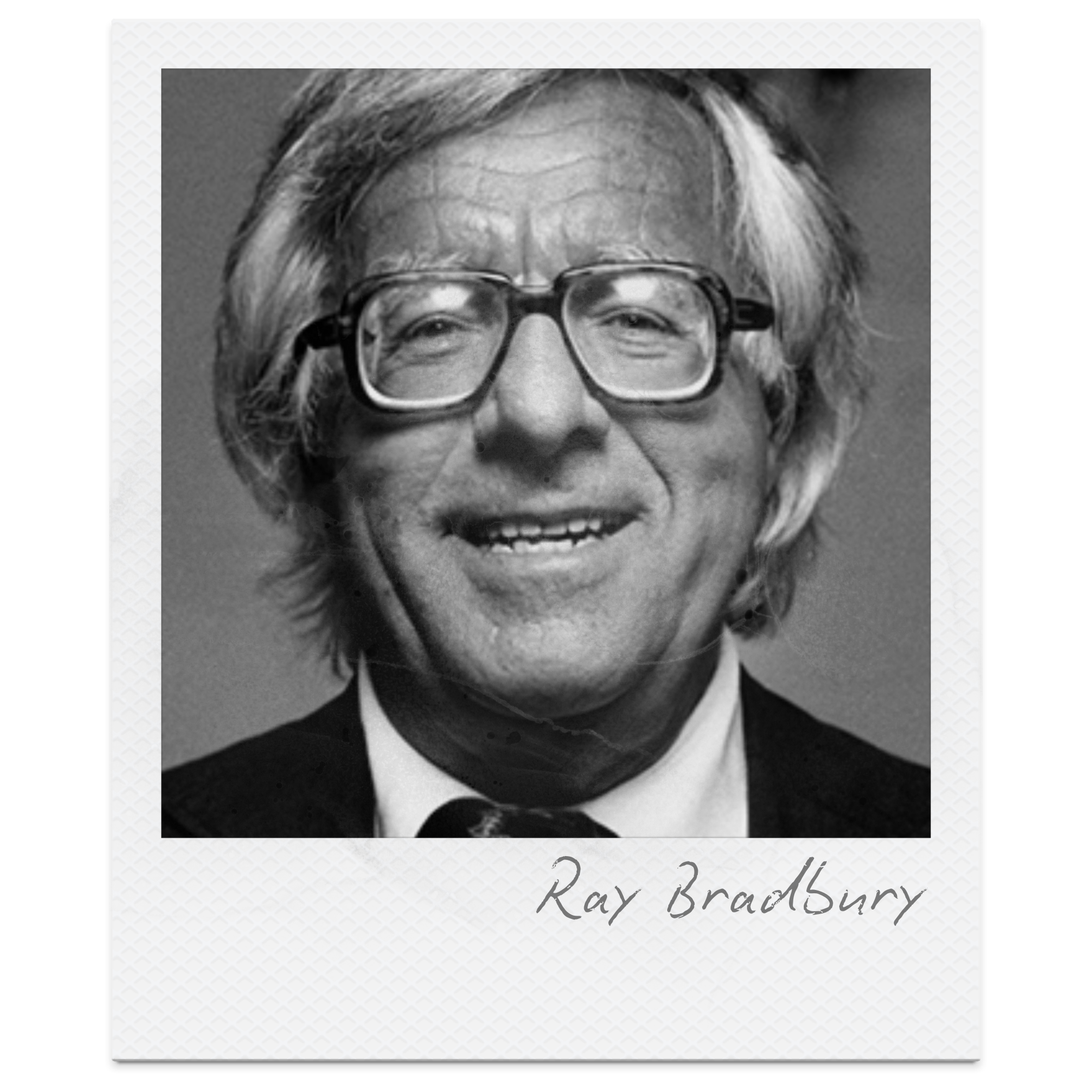
Although often labelled as a science fiction writer, Ray Bradbury was far more interested in people than in technology. Writing in the shadow of World War II, the atomic age, and the early years of the Cold War, Bradbury used speculative settings to explore very real human fears — censorship, conformity, environmental destruction, and the consequences of surrendering responsibility for comfort or entertainment.
Across his work, technology is rarely the villain on its own. Instead, Bradbury focuses on how people choose to use it — or allow it to think for them. Stories such as The Veldt, The Pedestrian, and Marionettes, Inc. explore societies where ease and automation have quietly replaced thought, connection, and empathy. This makes his writing particularly effective when teaching dystopian fiction, as it avoids extremes and instead presents futures that feel disturbingly plausible.
Another recurring concern in Ray Bradbury’s writing is time and consequence. In texts like A Sound of Thunder and The Last Night of the World, small, ordinary decisions ripple outward with irreversible effects. These stories are invaluable for classroom discussion because they shift focus away from heroes and villains and toward moral responsibility, encouraging students to consider how individual choices shape collective outcomes.
Bradbury also returns again and again to nature, environment, and survival. Stories such as There Will Come Soft Rains, The Long Rain, and Dark They Were, and Golden Eyed examine what happens when humanity loses control — not through violence, but through neglect, arrogance, or adaptation. These texts pair well with discussions of human impact, climate anxiety, and the tension between progress and preservation.
Perhaps most powerfully for teaching, Bradbury centres ordinary people. His characters are rarely exceptional; they are families, workers, children, and neighbours. This accessibility allows students to see themselves within the texts, making Bradbury an ideal bridge into complex literary ideas such as symbolism, allegory, and social critique without overwhelming them with density or historical distance.
Taken together, Ray Bradbury’s texts offer a flexible, discussion-rich foundation for English classrooms. They reward close reading, invite comparison, and open up meaningful conversations about what it means to be human in a changing world, which is why exploring Ray Bradbury’s wider literary context is essential for understanding how these stories connect across theme, genre, and historical moment.
Texts Exploring Technology, Control, and the Illusion of Comfort
In many of Ray Bradbury’s most unsettling texts, control is maintained through comfort rather than force. Technology promises ease, safety, and entertainment, gradually discouraging curiosity, resistance, and independent thought. Texts such as The Veldt, Fahrenheit 451, The Pedestrian, and Marionettes, Inc. work particularly well in the classroom because they present futures that feel plausible rather than extreme, encouraging students to examine surveillance, conformity, censorship, and personal responsibility through discussion and close reading rather than spectacle.

The Veldt (1950)
The Veldt is set in a technologically advanced home where an automated nursery creates immersive virtual environments for children. When the nursery repeatedly generates an African savannah filled with lions, the parents begin to suspect that the technology designed to make family life easier may be shaping — and replacing — genuine emotional relationships.
Why this text works in the classroom
The Veldt is an excellent introduction to technology and control in literature because its premise feels immediately familiar. Students recognise the appeal of convenience, automation, and immersive entertainment, which makes the story’s warnings more unsettling. Bradbury avoids futuristic spectacle and instead focuses on family dynamics, allowing discussion to centre on parental responsibility, emotional neglect, and the cost of outsourcing care and thought. Its short length and clear symbolism make it accessible across KS3 and KS4, while still offering depth for older students.
Classroom activity ideas
◆ Explore the nursery as a symbol: what does it provide, and what does it quietly replace?
◆ Track moments where the parents surrender authority and discuss whether this loss of control is deliberate or accidental.
◆ Debate whether the technology itself is dangerous, or whether the danger lies in how it is used.
◆ Compare The Veldt with another dystopian text where comfort leads to control, such as Fahrenheit 451.
Fahrenheit 451 (1953)
Fahrenheit 451 is set in a society where books are banned and “firemen” are tasked with destroying them. The novel follows Guy Montag, a fireman who begins to question the role of censorship, conformity, and passive entertainment after encountering ideas that challenge the comfort and certainty of his world.
Why this text works in the classroom
Fahrenheit 451 is particularly effective for teaching technology, control, and censorship in literature because it presents a dystopia built not on overt brutality, but on distraction. Bradbury’s society is shaped by mass media, shallow entertainment, and social pressure, allowing students to explore how control is maintained through avoidance rather than fear. The novel pairs well with modern discussions around information overload, algorithm-driven content, and the decline of sustained reading, making it feel relevant even decades after publication. Its episodic structure also allows for close study of key moments without requiring students to grasp the entire novel at once.
Classroom activity ideas
◆ Analyse how entertainment functions as a form of control in Montag’s society.
◆ Explore the symbolism of fire as both destruction and renewal across the novel.
◆ Debate whether censorship in the novel is imposed by the state, the public, or both.
◆ Compare Fahrenheit 451 with a shorter Bradbury text, such as The Veldt or The Pedestrian, to examine different methods of control.
The Pedestrian (1951)
The Pedestrian follows Leonard Mead, a man who enjoys walking alone at night in a society where people remain indoors, absorbed by screens. His quiet refusal to conform draws the attention of an automated police force, revealing how deeply surveillance and social control have been normalised.
Why this text works in the classroom
The Pedestrian is highly effective for exploring surveillance, conformity, and isolation in dystopian fiction. Its simplicity is its strength: there are no dramatic events or violent acts, only the quiet suspicion of behaviour that falls outside the norm. This makes the story ideal for discussion around social pressure, normalised control, and the criminalisation of individuality. Because the text is so short, students can focus closely on language, tone, and symbolism without being overwhelmed by plot.
Classroom activity ideas
◆ Explore why walking is considered suspicious in Mead’s society and what this suggests about conformity.
◆ Analyse the role of the automated police car and what it represents about authority and control.
◆ Discuss whether Leonard Mead is portrayed as rebellious, harmless, or threatening — and why.
◆ Compare The Pedestrian with Fahrenheit 451 to examine different forms of passive control.

Marionettes, Inc. (1949)
Marionettes, Inc. centres on a company that provides lifelike robotic substitutes to replace people in their daily lives. For a fee, clients can escape responsibility, work, or relationships while a mechanical version of themselves takes their place, raising questions about identity, autonomy, and the cost of avoiding real life.
Why this text works in the classroom
This story is particularly effective for examining control through choice. Unlike other dystopian texts where power is imposed, Marionettes, Inc. explores what happens when individuals willingly hand over control in pursuit of comfort or freedom. Students are often struck by how easily responsibility is surrendered, making the text a strong starting point for discussions about free will, accountability, and the limits of convenience. Its darkly comic tone also provides contrast to Bradbury’s more sombre stories, offering rich opportunities to explore irony and satire.
Classroom activity ideas
◆ Discuss why the characters choose to replace themselves and what they believe they are gaining.
◆ Explore the concept of identity: at what point does the mechanical substitute become “real”?
◆ Analyse how humour is used to expose uncomfortable truths about human behaviour.
◆ Compare Marionettes, Inc. with The Veldt or The Pedestrian to examine different forms of control.
Texts Exploring Time, Choice, and Consequence
In Ray Bradbury’s writing, time is rarely neutral. Small decisions, moments of hesitation, or seemingly insignificant actions often trigger consequences that cannot be undone. Texts such as A Sound of Thunder and The Last Night of the World are particularly effective in the classroom because they shift attention away from dramatic villains and towards individual responsibility, encouraging students to consider how ordinary choices ripple outward over time. These stories support discussion of cause and effect, moral accountability, and inevitability, making them especially useful when teaching speculative fiction, allegory, and ethical decision-making in literature.
A Sound of Thunder (1952)
A Sound of Thunder follows a group of hunters who travel back in time to hunt dinosaurs, only for one small mistake to alter the course of history. When a crushed butterfly changes the present they return to, Bradbury exposes how fragile timelines — and human assumptions about control — really are.
Why this text works in the classroom
This story is an excellent way to explore time, choice, and consequence in literature because its central idea is immediately accessible. Students grasp the significance of the butterfly effect quickly, which allows discussion to move beyond plot and into questions of moral responsibility, cause and effect, and human arrogance. Bradbury’s use of tension and foreshadowing also makes the story ideal for analysing how writers signal consequences before they occur, while its speculative premise supports rich links to science, ethics, and modern decision-making.
Classroom activity ideas
◆ Track moments of warning and foreshadowing throughout the story and discuss why they are ignored.
◆ Explore the butterfly as a symbol and how it represents unintended consequences.
◆ Debate whether Eckels is solely responsible for the outcome, or whether the system itself is flawed.
◆ Compare the story’s treatment of choice with another Bradbury text where small decisions have large effects.
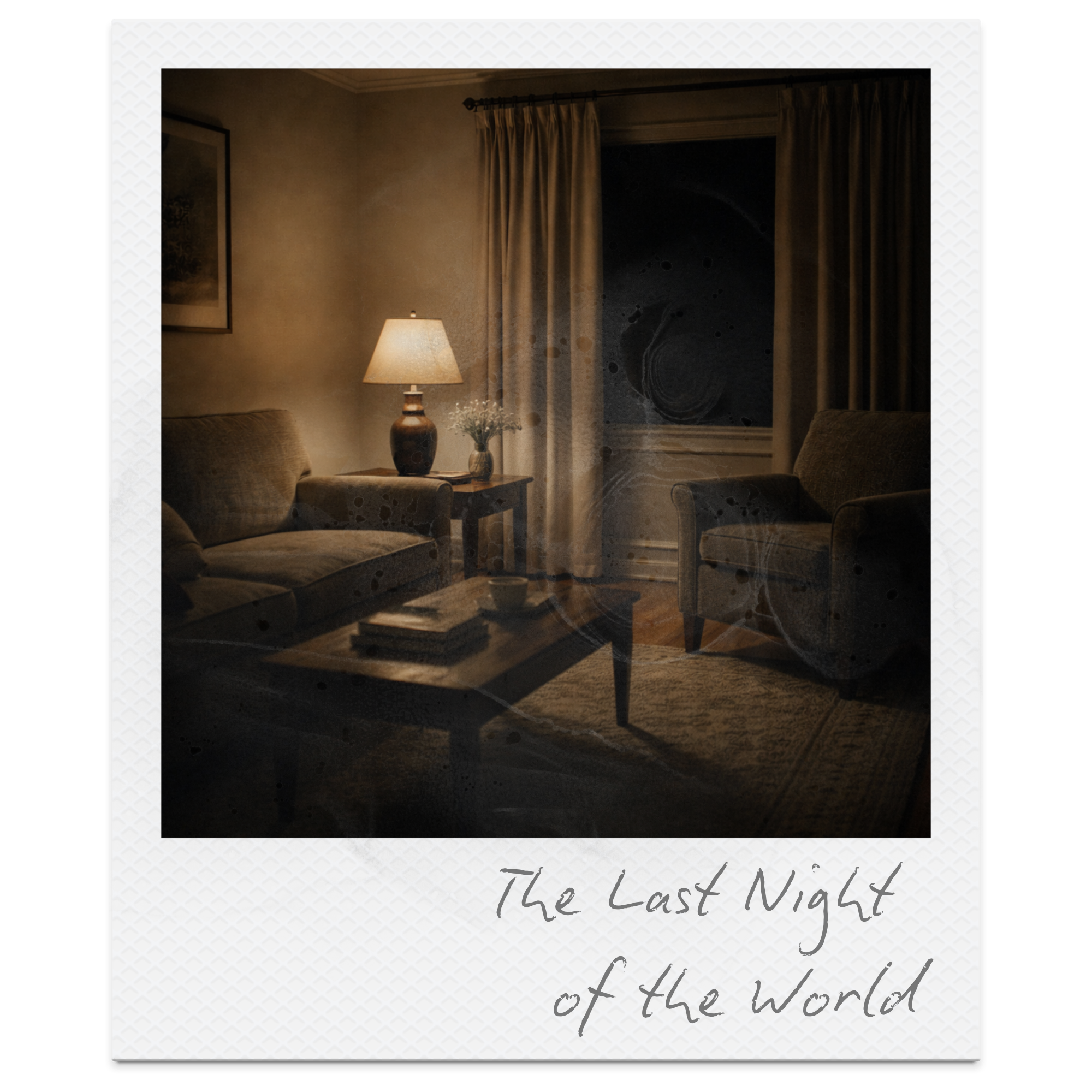
The Last Night of the World (1951)
The Last Night of the World is set on the eve of the world’s end, but the focus is not on catastrophe or panic. Instead, Bradbury centres the story on an ordinary couple spending a quiet evening at home, calmly accepting that the world will end by morning.
Why this text works in the classroom
This story is particularly powerful for exploring inevitability, acceptance, and human response to consequence. Its understated tone often surprises students, who expect drama or resistance and instead encounter calm routine. This makes it an effective text for discussing how people respond to events beyond their control, as well as Bradbury’s ability to create emotional impact through restraint rather than action. The domestic setting also makes abstract ideas about time and fate feel personal and immediate.
Classroom activity ideas
◆ Analyse how Bradbury uses ordinary details to create tension and emotional weight.
◆ Discuss why the characters accept the end of the world rather than trying to resist it.
◆ Explore whether the story suggests peace, resignation, or quiet despair.
◆ Compare this story with A Sound of Thunder to examine different responses to inevitability and consequence.
Texts Exploring Environment, Survival, and Human Impact
Across many of Ray Bradbury’s texts, the environment is not simply a backdrop but an active force that exposes human vulnerability. Whether through abandoned cities, hostile landscapes, or unfamiliar worlds, Bradbury examines what happens when humanity is removed from positions of control. Stories such as There Will Come Soft Rains, The Long Rain, and Dark They Were, and Golden Eyed allow students to explore human impact, environmental consequence, and adaptation, raising questions about progress, survival, and the limits of dominance. These texts work particularly well for discussion-led lessons, as they invite students to consider whether destruction, transformation, or coexistence is inevitable.
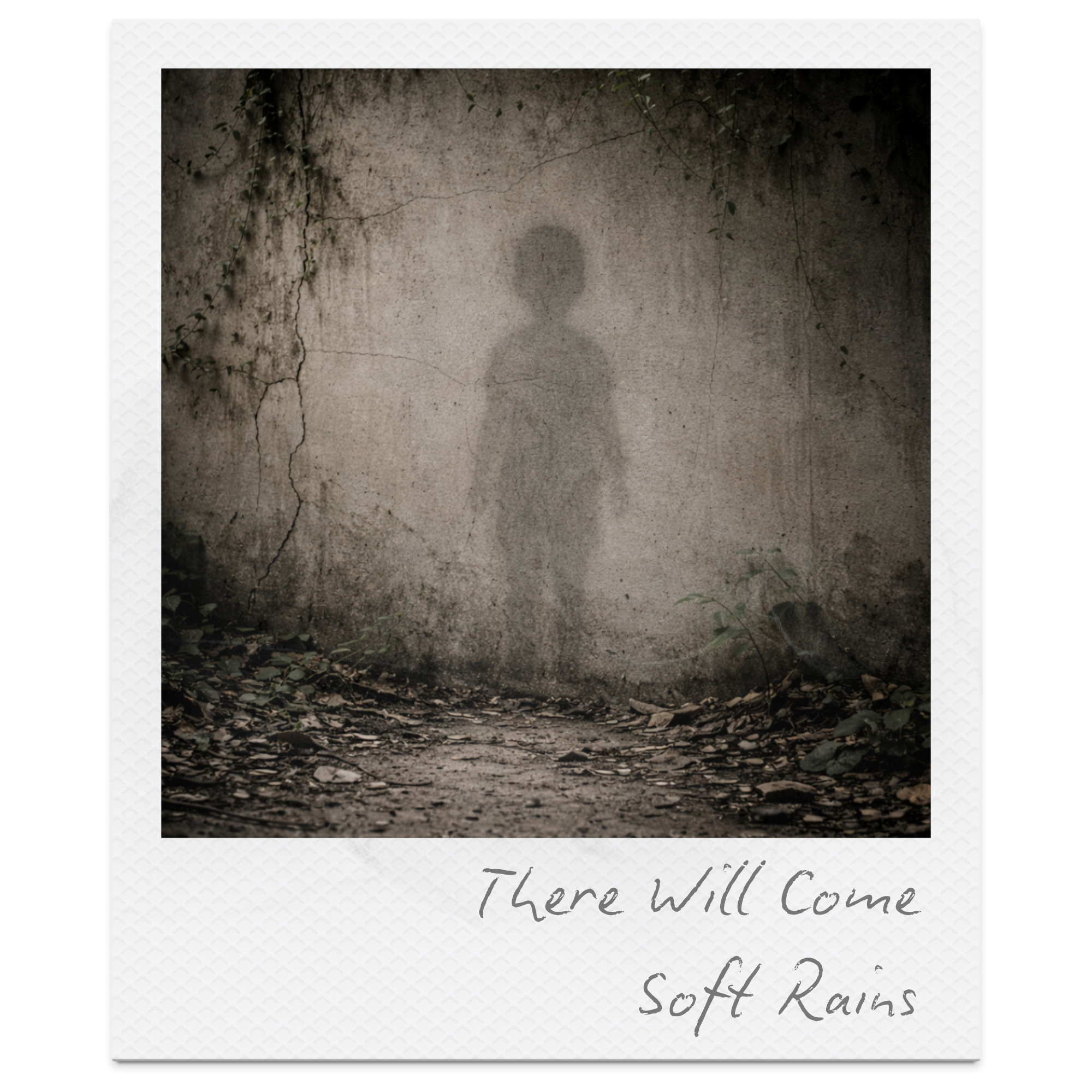
There Will Come Soft Rains (1950)
There Will Come Soft Rains depicts an automated house continuing its daily routines after humanity has been wiped out by nuclear disaster. As the house prepares meals, cleans, and recites poetry for occupants who no longer exist, Bradbury presents a world where technology survives its creators.
Why this text works in the classroom
This story is particularly effective for exploring environmental destruction, human absence, and technological arrogance. Students are often struck by the contrast between the house’s cheerful efficiency and the devastation surrounding it, which allows discussion to focus on irony, tone, and the consequences of human action. The absence of human characters encourages close analysis of setting and personification, while the poem embedded in the story provides rich opportunities to discuss intertextuality and thematic reinforcement.
Classroom activity ideas
◆ Analyse how personification is used to make the house feel alive in the absence of people.
◆ Explore the role of the poem “There Will Come Soft Rains” and how it deepens the story’s message.
◆ Discuss whether the technology in the story represents progress, failure, or indifference.
◆ Compare this text with another Bradbury story where humanity loses control over its environment.
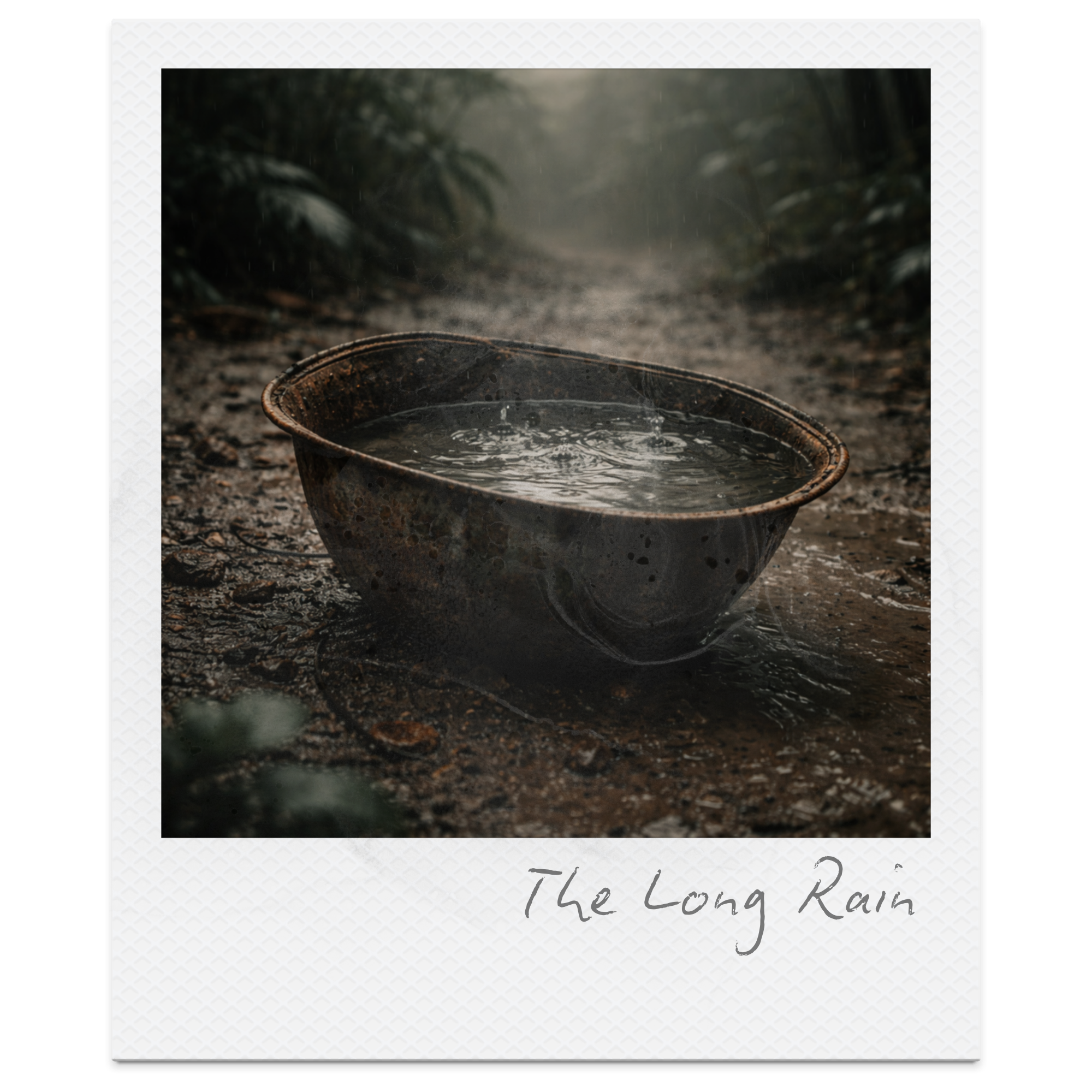
The Long Rain (1950)
The Long Rain follows a group of astronauts stranded on Venus, where relentless, never-ending rain erodes both the landscape and the men’s mental resilience. As they struggle to reach shelter, the environment becomes an overwhelming force, testing endurance, hope, and sanity.
Why this text works in the classroom
This story is particularly effective for exploring survival, psychological breakdown, and environment as antagonist. Unlike Bradbury texts that focus on absence or aftermath, The Long Rain immerses students in sustained pressure, making it ideal for analysing how setting shapes character and behaviour. The oppressive atmosphere supports discussion of mental endurance, isolation, and the limits of human control, while the gradual deterioration of the characters offers clear opportunities to examine tension and pacing.
Classroom activity ideas
◆ Track how Bradbury uses sensory detail to make the rain feel oppressive and inescapable.
◆ Explore the relationship between environment and mental collapse in the story.
◆ Discuss whether the characters are defeated by the planet or by their own psychological limits.
◆ Compare The Long Rain with There Will Come Soft Rains to examine different ways the environment overpowers humanity.
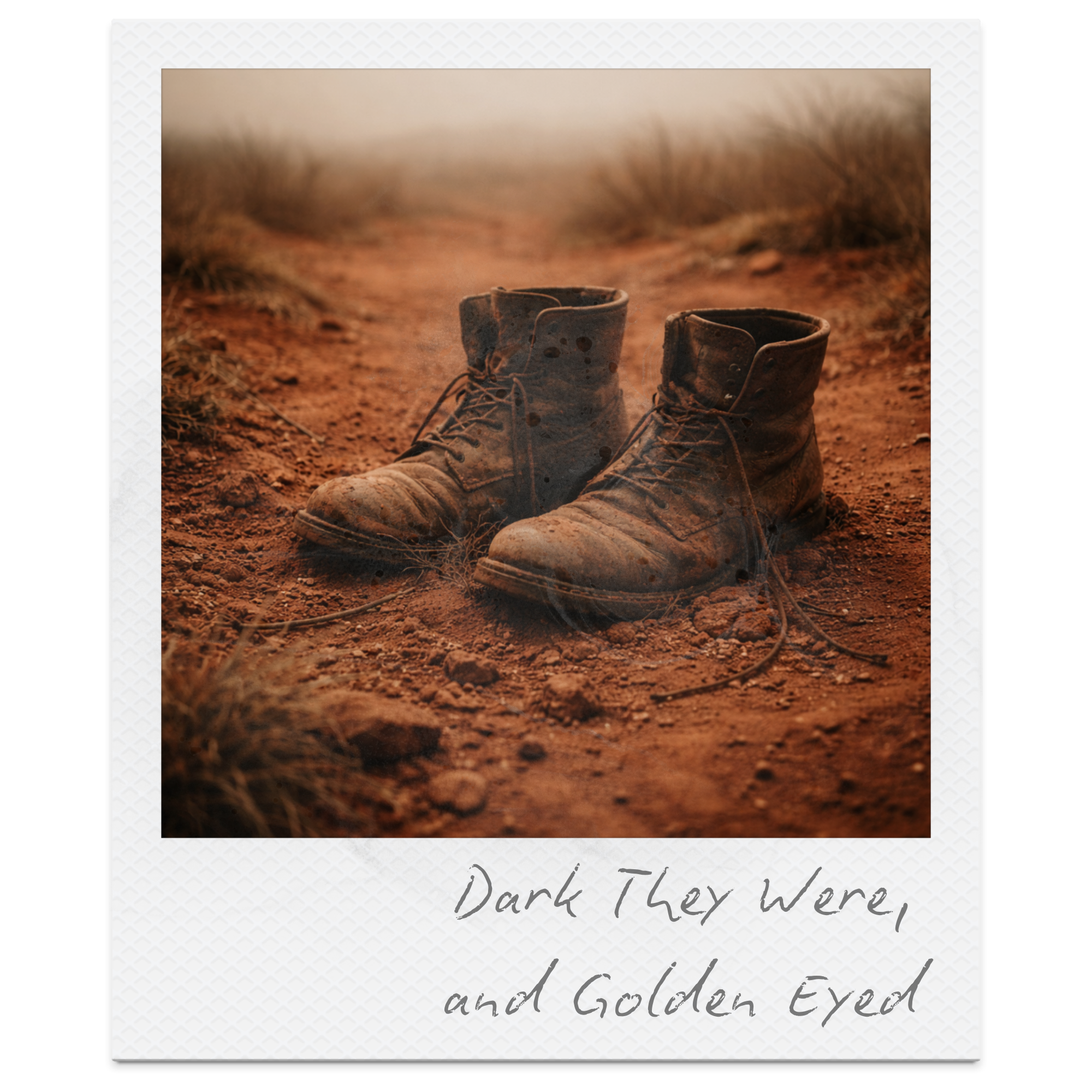
Dark They Were, And Golden Eyed (1949)
Dark They Were, and Golden Eyed follows a group of human settlers living on Mars who slowly begin to change — physically and culturally — as the planet reshapes them. As Earth becomes increasingly distant, the line between adaptation and loss of identity begins to blur.
Why this text works in the classroom
This story is particularly effective for exploring adaptation, identity, and the impact of environment on humanity. Rather than presenting destruction or survival alone, Bradbury examines transformation as an inevitable process, raising questions about whether change represents progress or erasure. Students often find the story unsettling because the shift is gradual and unavoidable, making it ideal for discussion of colonisation, belonging, and cultural displacement. Its rich imagery also supports close analysis of symbolism and tone.
Classroom activity ideas
◆ Explore how physical changes mirror cultural and psychological transformation in the story.
◆ Discuss whether the settlers’ adaptation should be viewed as survival or loss.
◆ Analyse Bradbury’s portrayal of Mars as a shaping force rather than a hostile enemy.
◆ Compare this story with The Long Rain to examine different human responses to an alien environment.
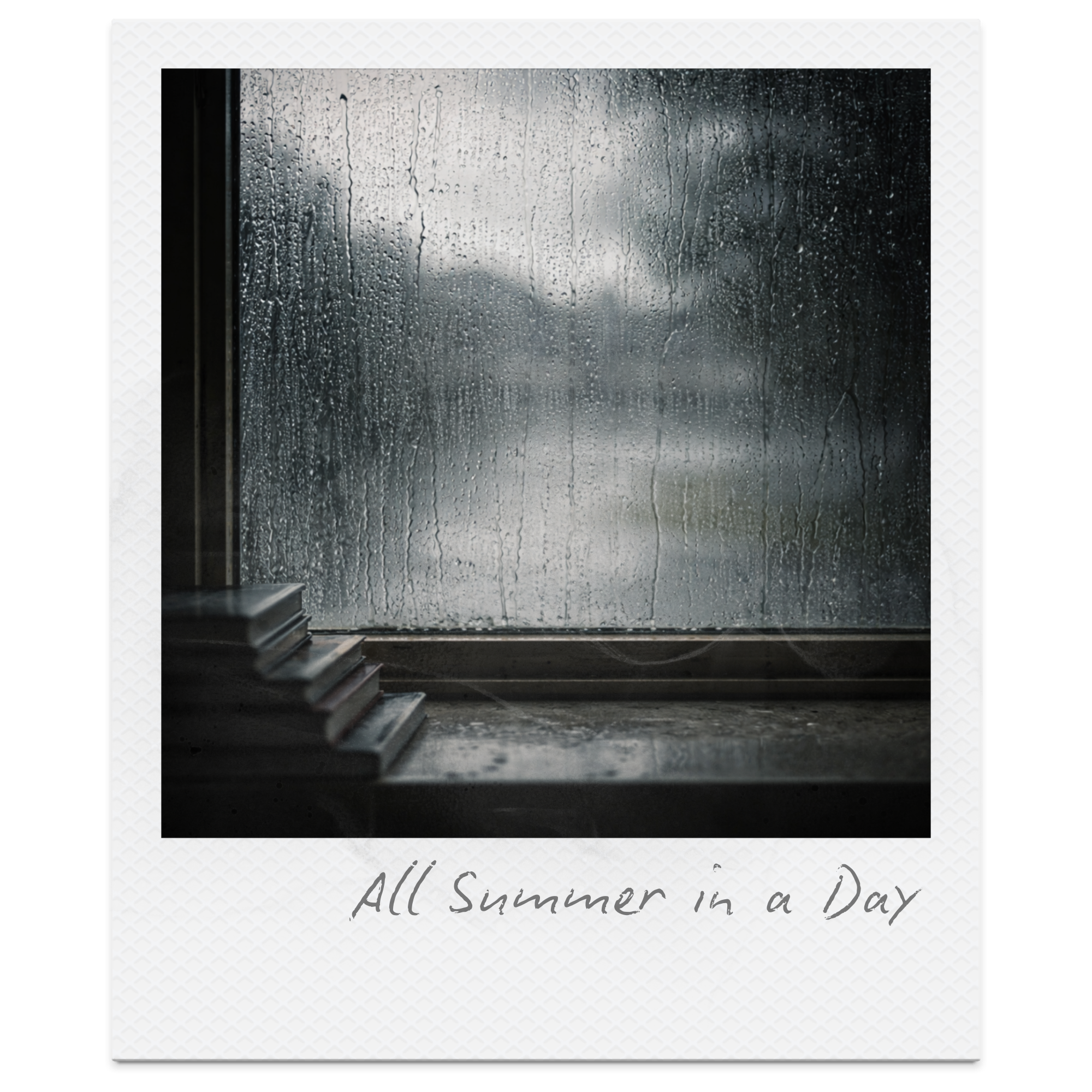
All Summer in a Day (1954)
All Summer in a Day is set on Venus, where relentless rain has blocked the sun for years. When a brief moment of sunlight is predicted, a group of children are given the chance to experience it — except for one girl, Margot, who is excluded by her peers and locked away in jealousy and cruelty.
Why this text works in the classroom
This story is particularly effective for exploring environmental deprivation, isolation, and group behaviour. Students quickly grasp how the hostile setting shapes the children’s actions, allowing discussion to focus on bullying, conformity, and empathy rather than plot complexity. Bradbury’s restrained prose and child-centred perspective make the story accessible across age groups, while its emotional impact supports deeper conversations about how environment influences morality and kindness.
Classroom activity ideas
◆ Explore how the Venus setting intensifies jealousy and cruelty among the children.
◆ Analyse Margot’s character and how isolation shapes her treatment by others.
◆ Discuss whether the children’s behaviour is driven more by environment or choice.
◆ Compare this story with The Long Rain to examine different responses to the same hostile world.
Texts Exploring Authority, Obedience, and Innocence
In several of Ray Bradbury’s shorter texts, control is not enforced through technology or environment, but through authority, obedience, and misplaced trust. These stories are particularly unsettling because the threat does not come from obviously dangerous figures, but from children, rulers, or inventions that appear harmless or manageable. Zero Hour and The Flying Machine work especially well in the classroom as they challenge assumptions about innocence, power, and responsibility, encouraging students to question who holds control — and who is underestimated.

Zero Hour (1947)
Zero Hour follows a group of children who appear to be playing an elaborate imaginary game involving invisible friends. As adults dismiss the game as harmless make-believe, it becomes clear that the children are participating in something far more dangerous — with catastrophic consequences.
Why this text works in the classroom
This story is particularly effective for exploring innocence, manipulation, and underestimated power. Students are often unsettled by how easily adults dismiss the children’s behaviour, making the story ideal for discussion of authority, trust, and responsibility. Bradbury’s portrayal of childhood imagination as something that can be exploited challenges conventional assumptions about safety and control, while the gradual reveal of the threat supports analysis of dramatic irony and tension.
Classroom activity ideas
◆ Explore how Bradbury uses dramatic irony to position the reader ahead of the adults.
◆ Discuss why the adults fail to take the children seriously and the consequences of that dismissal.
◆ Analyse the role of imagination and whether it is presented as innocent or dangerous.
◆ Compare Zero Hour with another Bradbury text where power is underestimated or ignored.
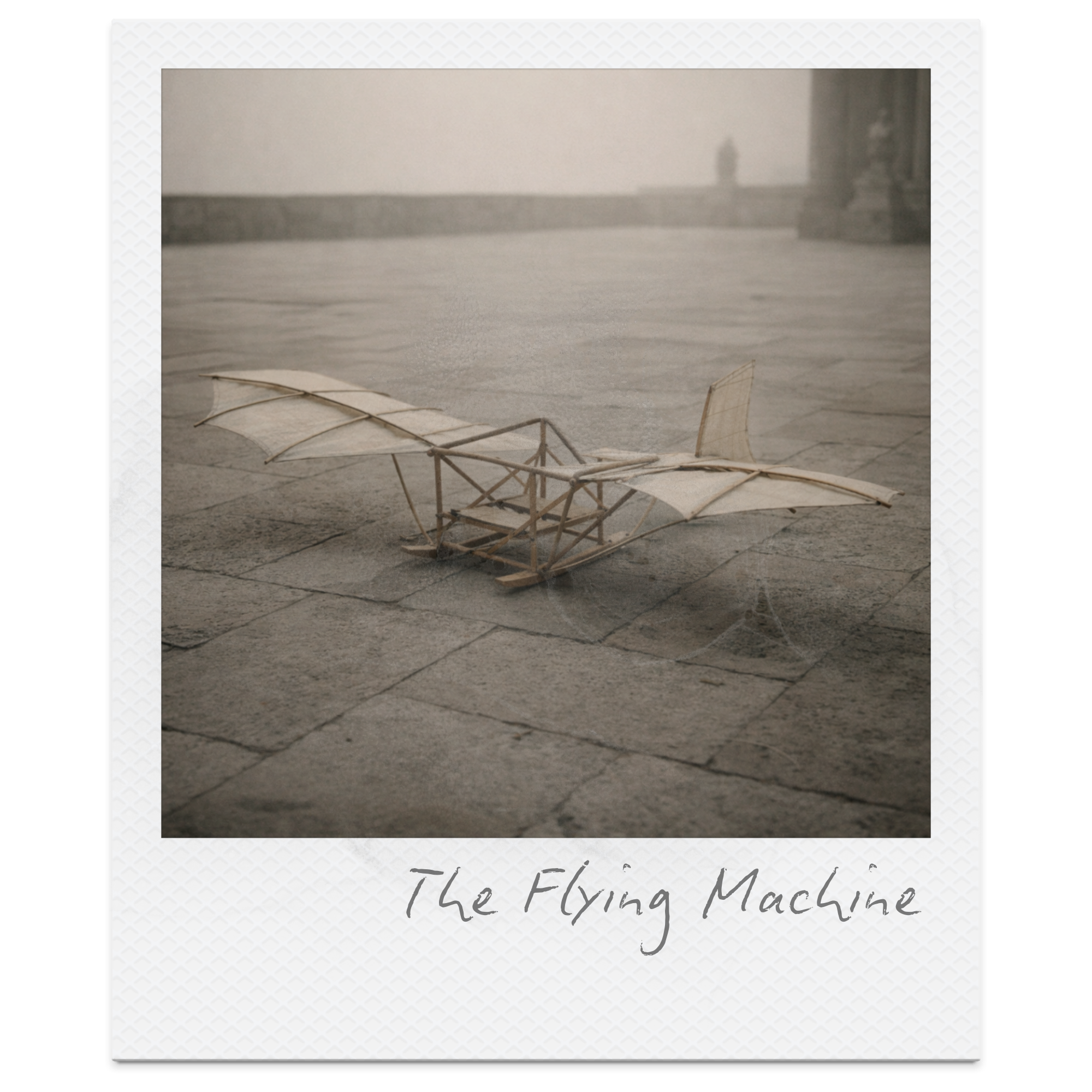
The Flying Machine (1953)
The Flying Machine is set in ancient China and follows an emperor who encounters a man who has invented a simple flying device. Fearing the potential consequences of innovation, the emperor makes a brutal decision to maintain order and control.
Why this text works in the classroom
This story is highly effective for exploring authority, fear of progress, and moral responsibility. Its historical setting allows students to examine power and control at a distance, while its central dilemma feels timeless. Bradbury raises uncomfortable questions about whether stability justifies cruelty, making the text ideal for discussion of obedience, leadership, and ethical decision-making. The story’s brevity and clarity also make it accessible while still supporting sophisticated debate.
Classroom activity ideas
◆ Debate whether the emperor’s actions are motivated by fear, responsibility, or tyranny.
◆ Explore how innovation is framed as both possibility and threat.
◆ Analyse how setting is used to universalise the story’s moral message.
◆ Compare The Flying Machine with another Bradbury text where control is maintained through pre-emptive action.
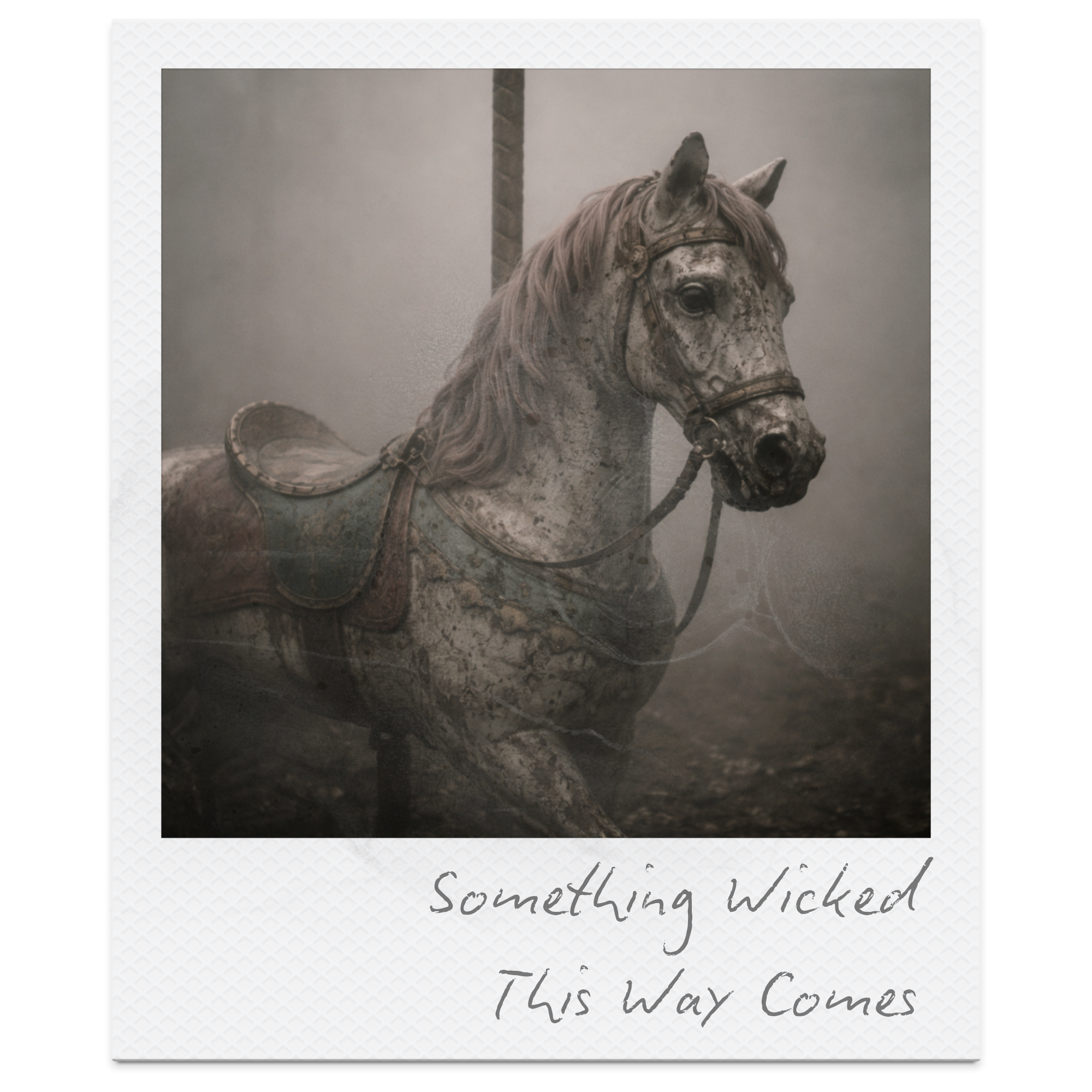
Something Wicked This Way Comes (1962)
Something Wicked This Way Comes follows two boys, Will Halloway and Jim Nightshade, who become entangled with a sinister travelling carnival that arrives in their town. The carnival offers its visitors the chance to fulfil their deepest desires — youth, power, escape — but at a devastating cost. As the boys and Will’s father confront its influence, the novel explores temptation, fear, and the loss of innocence.
Why this text works in the classroom
This novel is particularly powerful for exploring temptation, authority, and the vulnerability of innocence. Unlike Bradbury’s dystopian futures, the threat here is intimate and psychological, rooted in desire rather than force. Students are often struck by how willingly characters surrender control in exchange for comfort or escape, making the text ideal for discussions of manipulation, moral weakness, and personal responsibility. The contrast between childhood intuition and adult fear also opens up rich conversations about who truly understands danger and why authority sometimes fails to protect.
Classroom activity ideas
◆ Explore the carnival as a symbol of temptation and false fulfilment.
◆ Discuss how fear of aging, regret, or inadequacy makes characters vulnerable to manipulation.
◆ Analyse the contrasting responses of Will, Jim, and Will’s father to the carnival’s power.
◆ Compare the novel’s portrayal of control through desire with another Bradbury text where power operates more overtly.

Go Deeper into Teaching Ray Bradbury

Once students have a secure understanding of individual Ray Bradbury texts, the real power comes from treating his work as a connected body of ideas rather than isolated stories. Across these texts, Bradbury repeatedly returns to questions of conformity, control, responsibility, and empathy, often refusing to offer neat moral conclusions. That ambiguity is precisely what makes his writing so effective in the classroom.
Going deeper with Bradbury works best when students are encouraged to sit with discomfort rather than rush towards judgement. His characters are rarely villains in any simple sense. Instead, harm emerges through silence, group behaviour, misplaced trust, or the slow surrender of responsibility. Shifting discussion away from individual blame and towards systems, environments, and collective choices often leads to richer, more thoughtful conversations.
When extending discussion across texts, these approaches tend to work particularly well:
◆ Shift focus from individuals to groups.
Encourage students to examine how responsibility is shared. Who notices what is happening? Who stays silent? How does collective behaviour allow harm to occur without anyone feeling fully accountable?
◆ Interrogate difference as a source of threat.
Bradbury often presents difference — curiosity, memory, nonconformity — as something that unsettles group stability. Exploring why difference becomes something that must be erased opens up discussion around exclusion, fear, and social pressure.
◆ Treat silence as an active choice.
Much of the damage in Bradbury’s stories happens quietly. Returning to moments of hesitation, avoidance, and inaction helps students recognise how cruelty can exist without overt violence or malice.
◆ Resist tidy moral conclusions.
Bradbury rarely offers punishment, redemption, or reassurance. Allowing students to disagree about blame and responsibility mirrors the texts themselves and supports more honest analysis.
For classes ready to make wider cultural connections, Bradbury’s work pairs naturally with modern dystopian storytelling. I explore this further in Why Ray Bradbury Is the Original Black Mirror (and How to Teach Both in the Classroom), where his stories are placed alongside carefully chosen examples of Black Mirror to examine how ideas of technology, conformity, surveillance, and control shift across generations — and how little the underlying questions have really changed.
If you teach Ray Bradbury regularly, consistency across texts can make a real difference. My Ray Bradbury Short Stories Mega Bundle brings together classroom-ready resources for The Veldt, A Sound of Thunder, There Will Come Soft Rains, All Summer in a Day, The Pedestrian, The Last Night of the World, Dark They Were, and Golden Eyed, The Long Rain, Zero Hour, and Marionettes, Inc. The bundle is designed to support flexible teaching — whether you’re planning a full dystopian unit, revisiting key stories across a year, or building discussion-led and creative lessons around shared themes.
Approaching Bradbury’s work this way allows students to see patterns, tensions, and warnings that become more powerful when viewed together — and encourages them to think critically about the world they are navigating now.
Final Thoughts
Ray Bradbury’s work endures in the classroom because it refuses easy answers. His stories are unsettling not because of futuristic technology or dramatic events, but because they reveal how ordinary choices, group behaviour, and quiet compromises shape the worlds we live in. Whether students are encountering Bradbury through short stories or longer texts, his writing consistently invites them to question systems that feel familiar, comfortable, or inevitable.
Taken together, these texts offer a flexible foundation for teaching dystopian fiction, social commentary, and speculative writing. They support close reading, discussion-led lessons, and creative responses, while leaving space for students to disagree, reflect, and make connections beyond the page. Bradbury’s strength lies in his restraint — and in his trust that readers will do the thinking themselves.
Approaching Bradbury’s work as a connected body of ideas rather than isolated texts allows those patterns to emerge more clearly. Themes of control, responsibility, environment, and power recur across his writing, encouraging students to recognise how literature reflects the world they are growing up in — and how easily those warnings can be ignored.
That, ultimately, is why Bradbury still belongs in the classroom.
