Notes from the Inkpot
Writing, teaching, creating - one ink-stained idea at a time.





For Heidi With Blue Hair by Fleur Adcock: Summary, Themes & Analysis
Fleur Adcock’s For Heidi With Blue Hair explores individuality, authority, and conformity through a seemingly minor conflict that reveals deeper tensions between self-expression and institutional control. Through a conversational voice, irony, and narrative progression, the poem presents the school’s response as rigid and inconsistent, exposing how rules are interpreted to enforce conformity rather than fairness. The detailed imagery of Heidi’s hair emphasises deliberate self-expression, while the use of dialogue allows competing perspectives to emerge. As the poem develops, a subtle shift introduces emotional depth, as the reference to the mother’s death “shimmer[s] behind the arguments,” suggesting that the conflict is shaped by unspoken grief as well as institutional pressure. The resolution, marked by an act of solidarity, reframes the situation as one where authority is quietly undermined rather than directly confronted. This movement from surface conflict to deeper meaning reveals how identity, emotion, and power interact, giving the poem its lasting impact.

Zero Hour by Ray Bradbury: Summary, Themes, Meaning & Analysis
Ray Bradbury’s Zero Hour explores childhood innocence and hidden power, revealing how easily trust can be manipulated when adults underestimate what they do not understand. Through the children’s seemingly harmless game of “Invasion,” Bradbury presents a world where imagination becomes a vehicle for real danger, blurring the line between play and reality. As the story unfolds, this illusion collapses into something far more unsettling. The adults’ confidence in their own control gives way to panic as they realise too late that the threat has already taken hold. Bradbury exposes the dangers of complacency, misjudgement, and unseen influence, showing how quickly stability can be replaced by chaos when warning signs are ignored.
The Concrete Mixer by Ray Bradbury: Summary, Themes, Meaning & Analysis
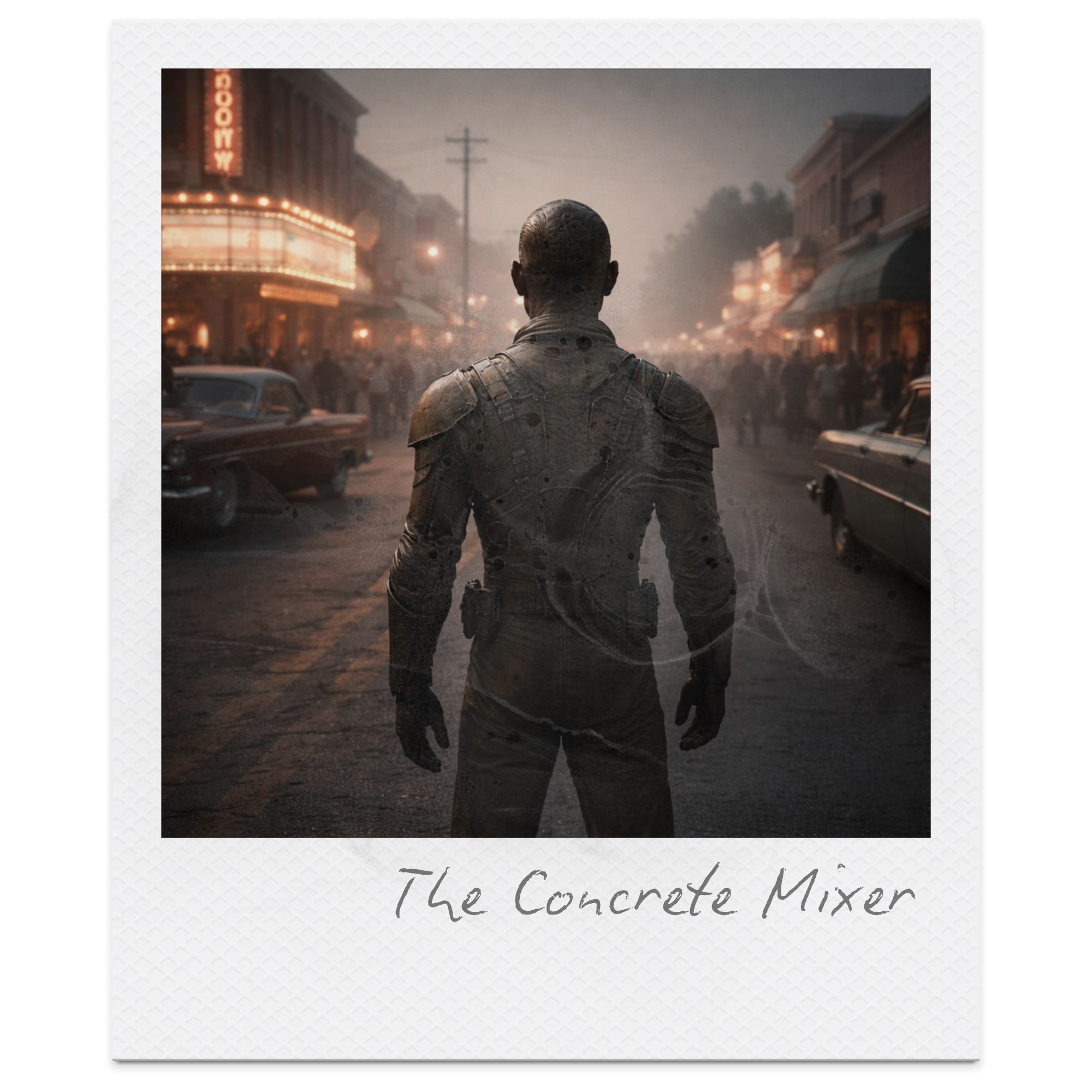
The Concrete Mixer by Ray Bradbury is a darkly satirical science fiction story that explores the dangers of consumerism, mass culture, and the quiet power of assimilation. When the Martian Ettil arrives on Earth expecting war, he instead finds a world of overwhelming friendliness, entertainment, and excess. Beneath the surface of this hospitality, however, lies something far more unsettling—a society that conquers not through violence, but through distraction, comfort, and the erosion of individuality. As Ettil moves through this strange new world, he begins to realise that the Martians are not being defeated—they are being absorbed. Bradbury uses irony, exaggeration, and symbolic imagery to critique modern life, suggesting that the greatest threat to identity is not destruction, but transformation. In this analysis, we explore the story’s themes, symbolism, and deeper meaning, revealing why The Concrete Mixer remains one of Bradbury’s most thought-provoking and relevant works.

The Long Rain by Ray Bradbury: Summary, Themes, Symbolism & Analysis
Ray Bradbury’s The Long Rain is a relentless exploration of survival, madness, and environmental hostility, set on a version of Venus where the rain never stops. As a group of men struggle through the jungle in search of a Sun Dome, the story shifts from a physical journey into a psychological one, where exhaustion, isolation, and constant sensory pressure begin to erode their sense of reality. Bradbury transforms the environment into a force that does not simply threaten the body, but steadily dismantles the mind. What makes the story so powerful is its focus on endurance rather than action. There is no single moment of catastrophe—only the slow, crushing weight of continuous exposure. Through this, Bradbury explores the fragile balance between hope and despair, showing how quickly control can slip away when relief is out of reach. The ambiguous ending leaves readers questioning whether survival has truly been achieved, or whether it exists only as a final illusion in a mind pushed beyond its limits.
The Last Night of the World by Ray Bradbury: Summary, Themes, Symbolism & Analysis
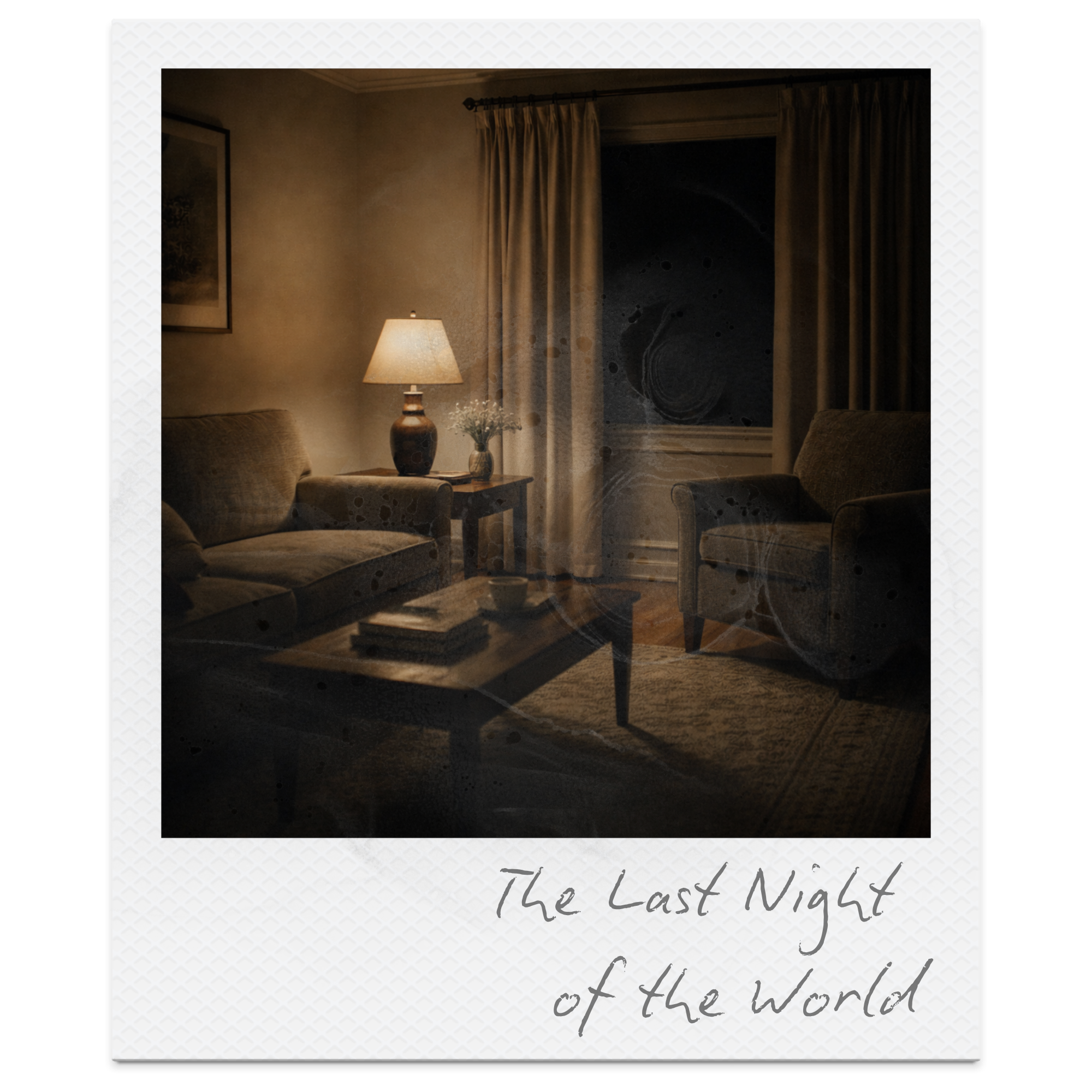
Bradbury’s The Last Night of the World presents an unsettlingly calm vision of apocalypse, where the end does not arrive through chaos or destruction, but through quiet, shared certainty. As a husband and wife realise—through identical dreams experienced across the world—that existence will end that very night, their response is not panic, but routine. They drink coffee, put their children to bed, and carry on as usual, creating a striking contrast between the enormity of the event and the simplicity of their actions. This quiet acceptance lies at the heart of the story’s power. Rather than asking how the world ends, Bradbury asks how people respond when they know it will—and his answer is both comforting and deeply unsettling. Through its focus on inevitability, human nature, and routine, the story suggests that even in the face of extinction, what matters most is not survival, but connection, normality, and the small rituals that define everyday life.
Some Ladies Dress in Muslin Full and White by Christina Rossetti: Summary, Themes, Satire & Analysis
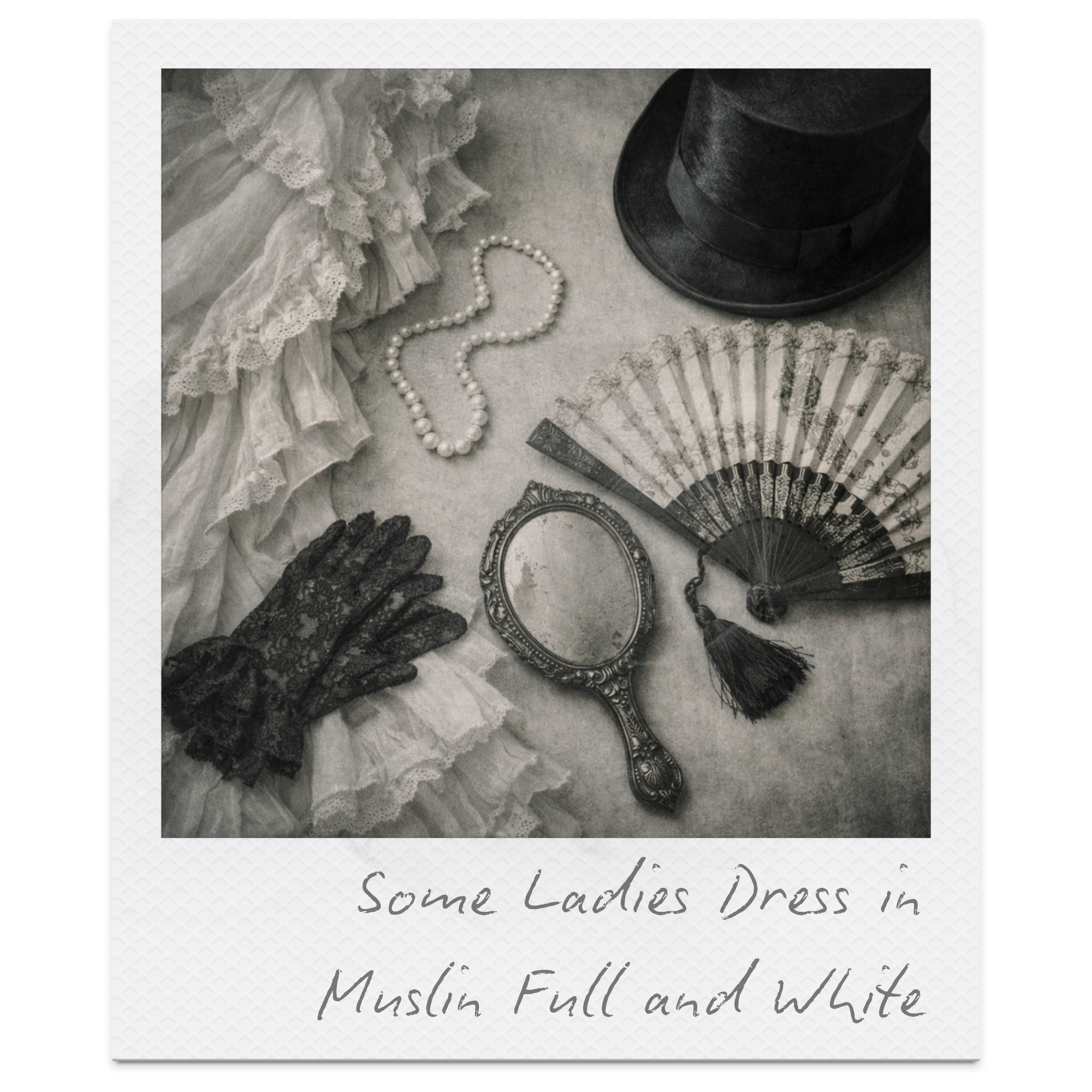
Christina Rossetti’s Some Ladies Dress in Muslin Full and White offers a sharp and often darkly humorous critique of Victorian society, exposing its obsession with appearance, fashion, and social display. Through a series of vivid, exaggerated images, Rossetti presents a world in which identity is constructed through outward presentation, revealing the tension between surface image and inner worth. What begins as light satire quickly develops into a more unsettling exploration of judgement, as the speaker moves from observation to open disdain. This analysis explores how Rossetti uses the sonnet form, imagery, and satirical tone to critique both the individuals she describes and the society that produces them. By examining the poem’s structure, language, and shifting perspective, we uncover how Rossetti not only mocks vanity and social performance, but also questions the morality of judging others based on appearance alone.
My Favourite Ray Bradbury Texts (And How I Use Them in the Classroom)
Ray Bradbury remains one of the most powerful and teachable voices in dystopian and speculative fiction. His texts explore technology, control, conformity, responsibility, and human behaviour in ways that feel unsettlingly familiar to modern students. From short stories like The Veldt and A Sound of Thunder to novels such as Fahrenheit 451 and Something Wicked This Way Comes, Bradbury’s writing invites discussion without overwhelming students with complexity or historical distance. This post brings together my favourite Ray Bradbury texts for the classroom, organised by theme and paired with practical teaching ideas. Rather than treating each story in isolation, it explores how Bradbury’s work functions as a connected body of warnings — about comfort, power, environment, and choice. If you’re looking for engaging ways to teach Ray Bradbury, build discussion-led lessons, or introduce dystopian fiction in a way that feels relevant and accessible, this is a strong place to start.

Favourite Short Stories for the Classroom: Powerful Texts That Spark Discussion and Debate
Short stories offer some of the richest opportunities for discussion in the classroom. Their compact form allows students to engage deeply with power, choice, identity, and consequence, while leaving space for interpretation rather than easy answers. The best short stories do not rush towards resolution; they invite debate, uncertainty, and close attention to language. This post brings together favourite short stories for the classroom — texts that consistently spark discussion and reward close reading. Organised by theme, it explores stories such as The Lottery, The Yellow Wallpaper, The Necklace, and The Monkey’s Paw, alongside practical classroom ideas designed to support thoughtful, discussion-led teaching.
Lord of the Flies: Why Students Engage, and Why Teachers Need More Than a Summary Sheet
Lord of the Flies is a novel that consistently engages students, but teaching it well requires more than summary sheets and surface-level analysis. This post explores why Lord of the Flies works so powerfully in the classroom, how students instinctively respond to its themes of power, fear, and responsibility, and where lessons often begin to break down once discussion deepens. Written for teachers working across different classrooms and curricula, this guide focuses on how to teach Lord of the Flies effectively — from structuring discussion and securing recall to using creative writing as a way into deeper analysis. It also shares practical classroom strategies and introduces a comprehensive Lord of the Flies resource bundle designed to support discussion, analysis, and assessment without increasing planning workload.
How to Teach All Summer in a Day (Including Discussion Ideas & Creative Writing Activities)
All Summer in a Day by Ray Bradbury is a powerful KS3 short story that explores conformity, bullying, empathy, and collective cruelty through a deceptively simple science-fiction setting. This classroom-focused guide shares practical teaching strategies, discussion ideas, and creative writing approaches to help students engage deeply with the text while encouraging thoughtful analysis and reflection. Drawing on literary context, lesson flow, and meaningful creative responses, this post shows how All Summer in a Day can be taught as more than a plot-driven story — and how it opens into wider conversations about responsibility, silence, and moral choice in both literature and the classroom.

How to Teach 1984: Context, Classroom Activities, and Real-World Connections
George Orwell’s 1984 remains one of the most powerful texts for exploring power, surveillance, and truth in the classroom. This teaching guide examines the novel’s political context, the totalitarian system of Oceania, and the mechanisms of control that shape Orwell’s dystopian world — from language manipulation to constant observation. Blending classroom experience with practical teaching strategies, this post explores how 1984 can be taught thoughtfully through discussion, real-world connections, and creative responses. It also includes a classroom social experiment, guidance on why the novel is often banned or challenged, and ideas for extending learning beyond the text — making 1984 accessible, relevant, and deeply engaging for students.
A Midsummer Night’s Dream: Overview, Context, Key Ideas & Teaching Approaches
A Midsummer Night’s Dream is often taught as one of William Shakespeare’s lightest comedies, yet beneath its enchantment and humour lies a complex exploration of power, desire, authority, and social control. Set between the rigid law of Athens and the destabilising freedom of the forest, the play uses comedy, magic, and mistaken identity to expose how easily order can fracture — and how carefully it must be restored. This context-led overview explores A Midsummer Night’s Dream through historical background, genre, and key ideas, before considering effective ways to teach the play through discussion, performance, and creative writing. Rather than offering close analysis of individual scenes, it provides a framework for understanding how the play operates as a whole, and why it continues to reward reinterpretation, classroom debate, and creative response.
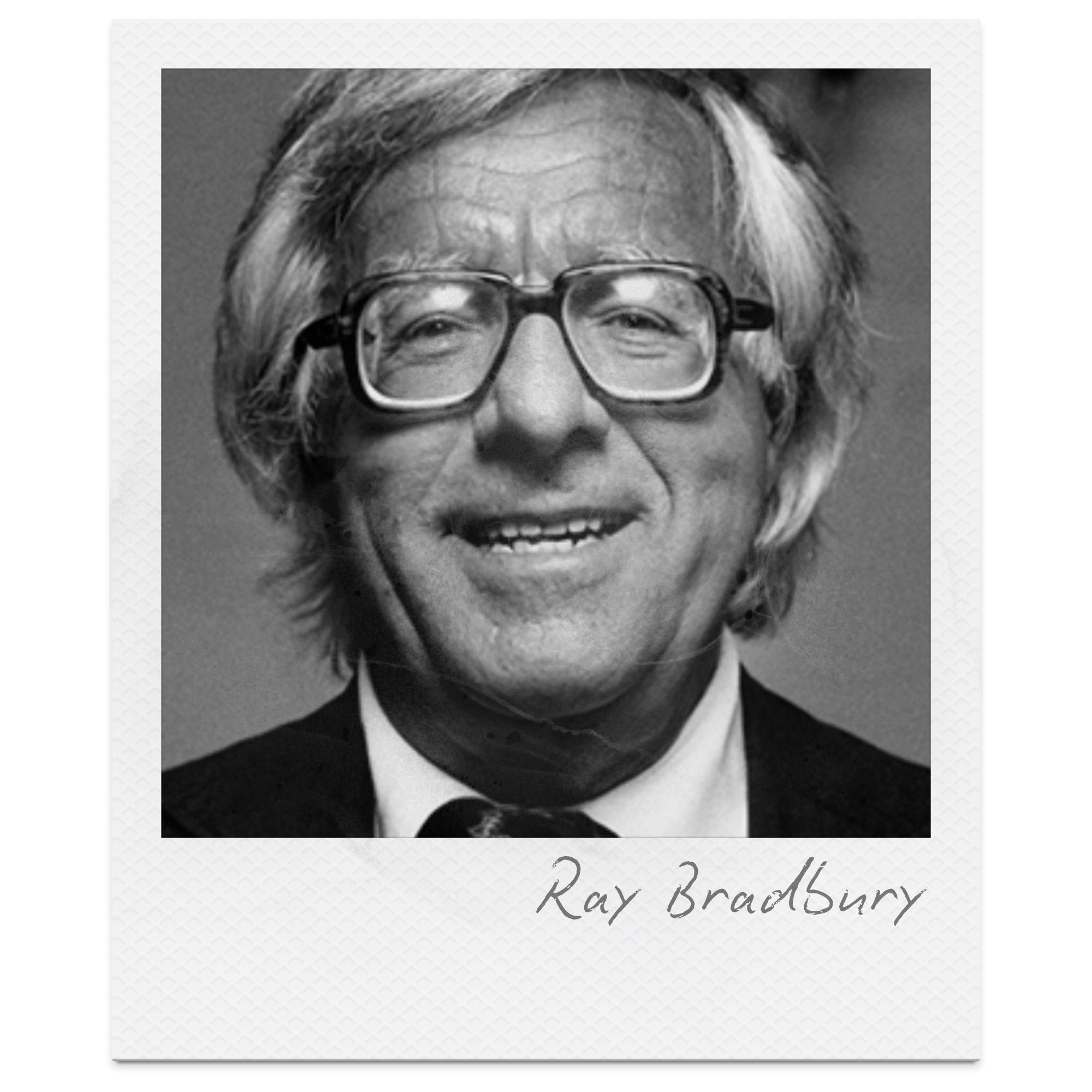
Ray Bradbury: Context, Themes, Works & Literary Significance
Ray Bradbury’s fiction is often associated with dystopian futures and speculative technologies, but his work is best understood through the historical and cultural context in which it was written. Emerging in mid-twentieth-century America, Bradbury wrote during a period shaped by war, Cold War paranoia, mass media expansion, and growing anxieties about conformity and control. His stories use speculative settings not to predict the future, but to expose how fear, censorship, and emotional detachment operate within ordinary domestic and social spaces. This context-focused overview explores the key themes that define Ray Bradbury’s work, including technology versus humanity, media and passive living, parental responsibility, childhood and power, and moral failure. Rather than offering close analysis of individual texts, it provides a broader framework for understanding how Bradbury uses speculative fiction to examine human behaviour, ethical responsibility, and the consequences of choosing comfort over connection.