Notes from the Inkpot
Writing, teaching, creating - one ink-stained idea at a time.


70 Sci-Fi Colony Writing Prompts: Distant Worlds, Failing Systems & Life Beyond Earth
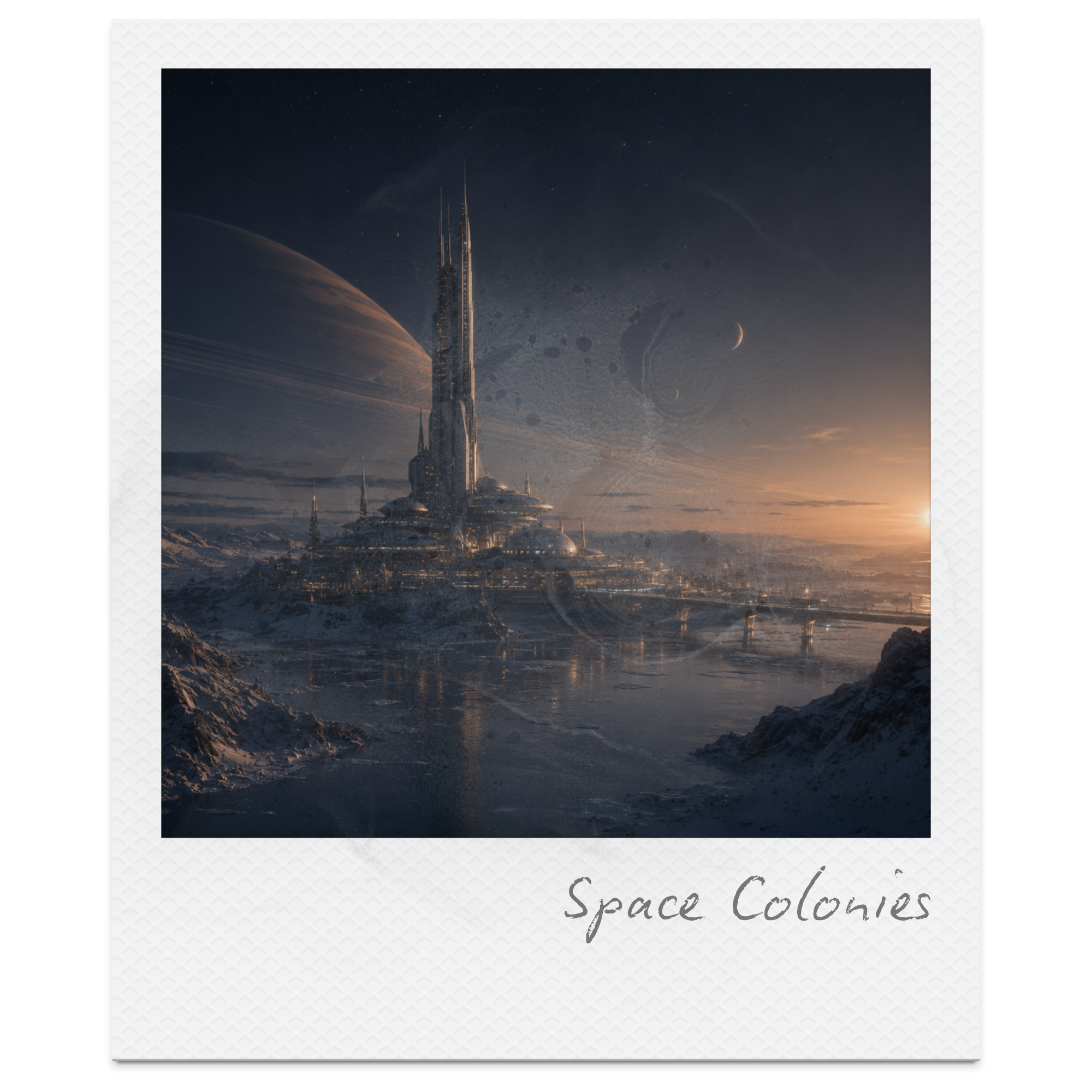
Explore 70 sci-fi colony writing prompts inspired by distant planets, failing space stations, orbital cities, and isolated futuristic settlements. This collection includes plot hooks, opening lines, title ideas, character prompts, setting inspiration, and cinematic sci-fi visuals designed to help writers build immersive speculative worlds shaped by survival, technology, and life beyond Earth. Inspired by stories such as Dune, The Expanse, Alien, and Interstellar, these sci-fi colony prompts explore artificial environments, corporate control, abandoned stations, luxury orbital hotels, harsh alien landscapes, and the emotional isolation of living far from Earth. Perfect for creative writing classes, NaNoWriMo preparation, worldbuilding, and atmospheric science fiction storytelling.
70 Sci-Fi Fantasy Writing Prompts: Technology, Power, and Possibility
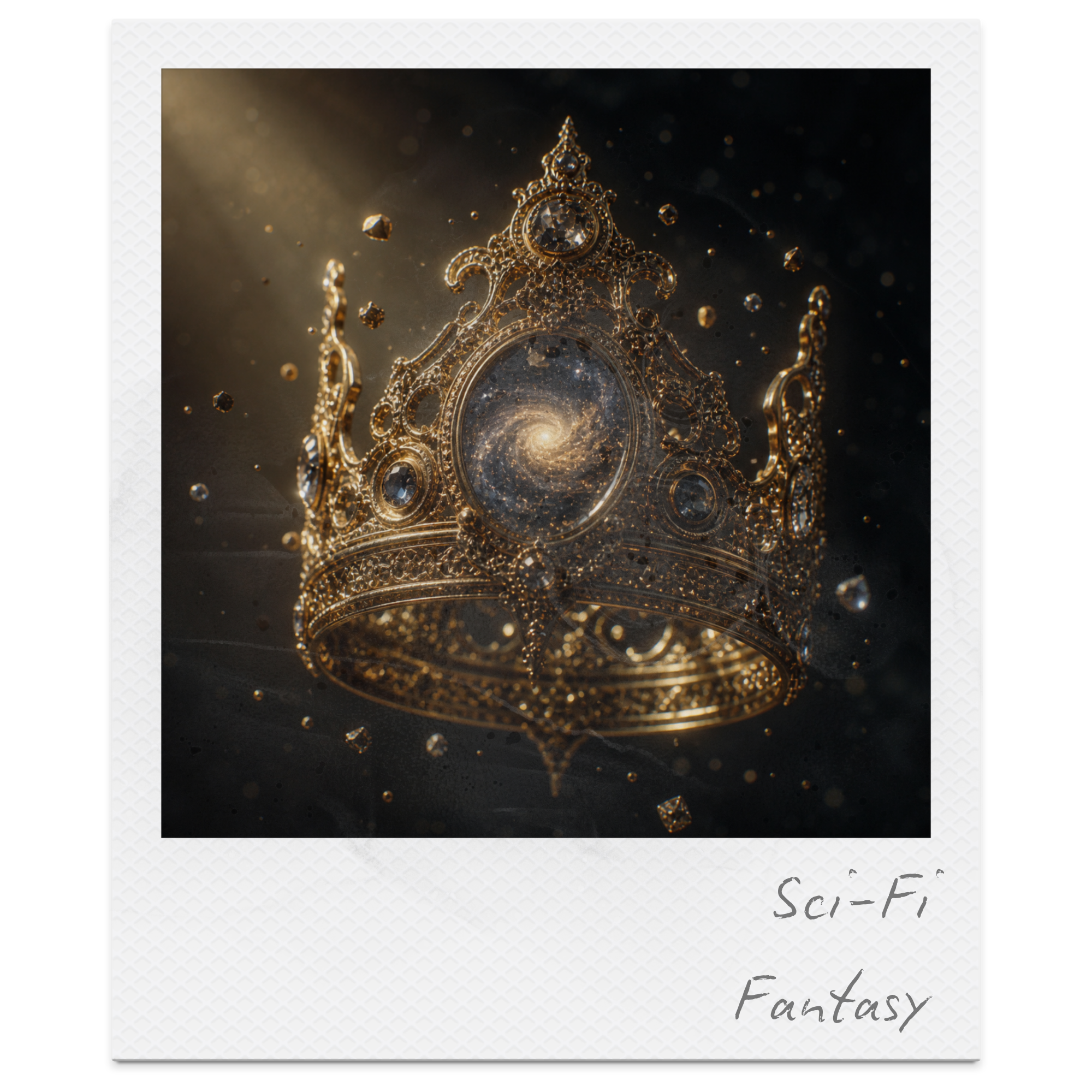
Sci-fi fantasy exists at the intersection of two expansive genres—where advanced technology and speculative science collide with magic, myth, and the unknown. In texts like Dune, The Fifth Season, and Star Wars, systems of power are shaped not just by innovation, but by belief, prophecy, and forces that resist explanation. These worlds challenge the idea that science and magic are separate, instead presenting them as intertwined—two ways of understanding power, control, and possibility. This collection of 70 Sci-Fi Fantasy Writing Prompts explores that tension, offering a complete creative toolkit of plot hooks, titles, opening and closing lines, characters, settings, and visual inspiration. From engineered magic systems to sentient technology and collapsing realities, these prompts are designed to help you build immersive worlds where the boundaries between logic and imagination no longer hold.

70 Artificial Intelligence Writing Prompts: Consciousness, Control & the Unknown
Artificial intelligence stories explore the unsettling boundary between human thought and machine consciousness, asking what happens when systems begin to learn, adapt, and make decisions beyond our control. From the logical precision of I, Robot to the quiet menace of 2001: A Space Odyssey, these narratives reveal that AI is never just about technology — it is about power, identity, and the consequences of creation. Whether AI appears as a helpful assistant, a silent observer, or an evolving intelligence, it challenges characters to question what it means to think, to feel, and to exist. This collection of 70 Artificial Intelligence Writing Prompts invites writers to explore stories shaped by control, autonomy, and the unknown. Blending plot hooks, character ideas, cinematic visuals, and evocative story fragments, these prompts are designed to support both classroom use and independent creative writing. From systems that quietly reshape reality to machines that begin to question their purpose, each idea offers a starting point for exploring the tension between human intention and artificial intelligence.
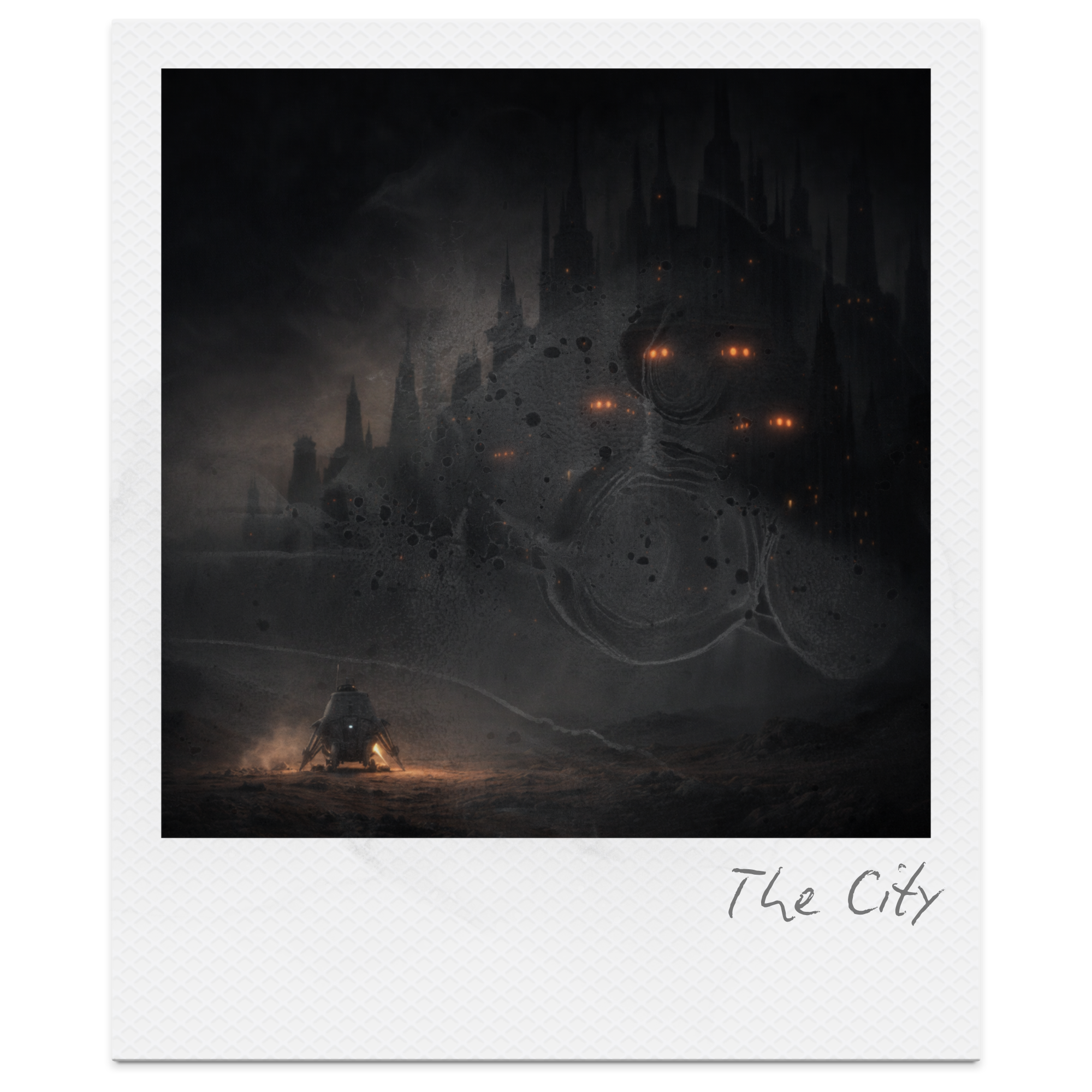
The City by Ray Bradbury: Summary, Themes, Meaning & Analysis
Ray Bradbury’s The City is a haunting work of speculative science fiction that explores revenge, memory, and technological power through the image of a vast, silent city waiting across twenty thousand years. At first, the city appears empty and lifeless, but as human explorers arrive, it becomes clear that it is watching, analysing, and responding with cold precision. Bradbury transforms setting into a conscious force, creating a narrative where the environment itself becomes the central intelligence. As the story unfolds, the city reveals its true purpose: to enact a long-delayed act of revenge against humanity. What makes this particularly unsettling is the way emotion has been embedded into a mechanical system, removing empathy and replacing it with calculation. The result is a chilling exploration of how violence and memory can be preserved beyond human life, raising questions about justice, control, and the consequences of past actions that continue to shape the future.
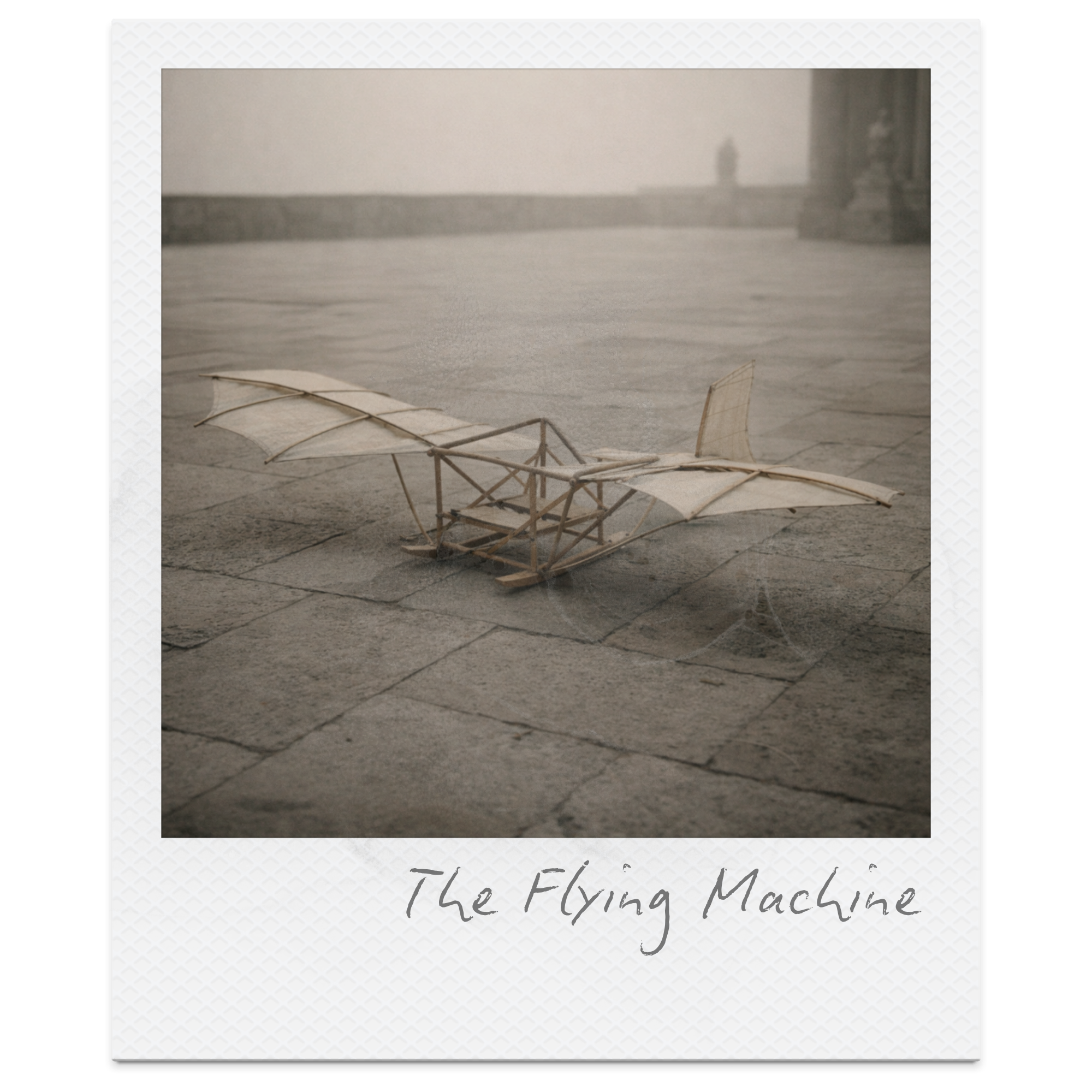
The Flying Machine by Ray Bradbury: Summary, Themes, Symbolism & Analysis
Ray Bradbury’s The Flying Machine explores the uneasy relationship between innovation and fear, presenting a world where beauty and progress are not always welcomed. Set in ancient China, the story follows an inventor who achieves the impossible—human flight—only to face the Emperor’s growing concern about what such a discovery might become. Through this encounter, Bradbury examines the fragile balance between creativity and control, raising questions about whether all knowledge should be allowed to exist. At its core, the story reflects a deeper anxiety about the consequences of progress, particularly when invention can be replicated and misused. The Emperor’s decision to destroy both the machine and its creator reveals a chilling logic: that protecting the future may require the sacrifice of something extraordinary in the present. Blending speculative fiction with philosophical insight, The Flying Machine leaves readers questioning whether humanity can truly be trusted with its own creations—and what might be lost when fear takes precedence over wonder.
My Favourite Ray Bradbury Texts (And How I Use Them in the Classroom)
Ray Bradbury remains one of the most powerful and teachable voices in dystopian and speculative fiction. His texts explore technology, control, conformity, responsibility, and human behaviour in ways that feel unsettlingly familiar to modern students. From short stories like The Veldt and A Sound of Thunder to novels such as Fahrenheit 451 and Something Wicked This Way Comes, Bradbury’s writing invites discussion without overwhelming students with complexity or historical distance. This post brings together my favourite Ray Bradbury texts for the classroom, organised by theme and paired with practical teaching ideas. Rather than treating each story in isolation, it explores how Bradbury’s work functions as a connected body of warnings — about comfort, power, environment, and choice. If you’re looking for engaging ways to teach Ray Bradbury, build discussion-led lessons, or introduce dystopian fiction in a way that feels relevant and accessible, this is a strong place to start.

The Veldt by Ray Bradbury: Summary, Themes, Meaning & Analysis
Ray Bradbury’s The Veldt is often taught as a warning about technology gone too far — but that reading only scratches the surface. Beneath the virtual nursery and its unsettling imagery, the story is really about parenting, power, and what happens when moral responsibility is repeatedly deferred in favour of comfort. In this in-depth analysis for English teachers, I explore how The Veldt exposes emotional outsourcing, delayed authority, and the quiet consequences of avoidance. The post examines Bradbury’s post-war context, the nursery as a site of control rather than care, and why the story’s ending feels inevitable rather than shocking. With clear classroom insight, teaching guidance, and extension ideas, this post helps teachers move beyond surface-level symbolism and into richer discussion about technology, control, and responsibility — showing why The Veldt remains one of Bradbury’s most disturbing and relevant stories to teach.
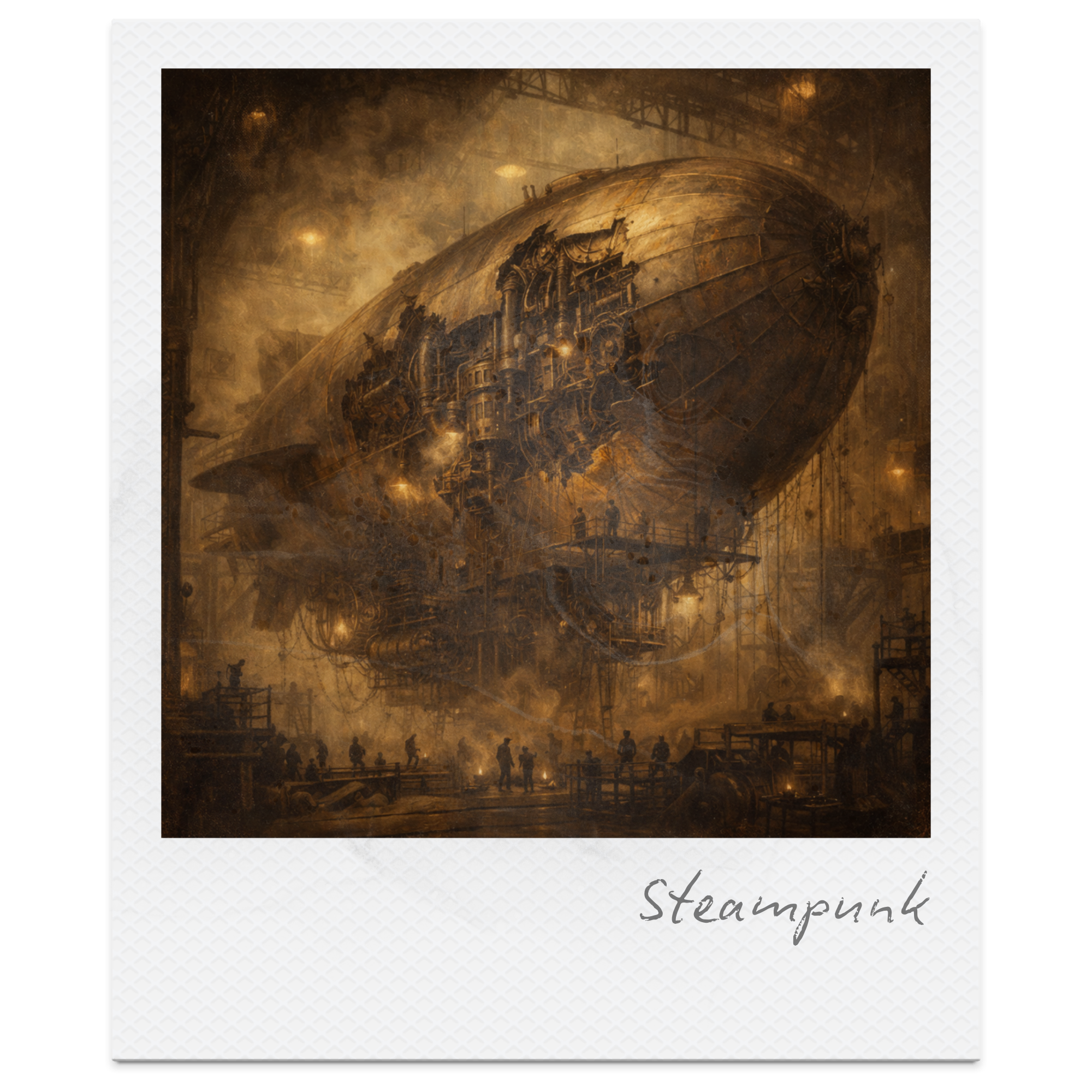
70 Steampunk Writing Prompts: Story Starters, Characters, Settings & Visual Ideas
Steampunk writing prompts for teens blend Victorian history with speculative invention, creating worlds shaped by steam power, machinery, and bold technological imagination. More than an aesthetic, steampunk explores systems of power, class, labour, and progress — asking what happens when innovation advances faster than ethics. This collection of 70 steampunk writing prompts is designed to help teen writers build rich, believable worlds through plot hooks, story titles, opening and closing lines, character ideas, immersive settings, and visual picture prompts. From inventors and rebels to airships, factories, and mechanical cities, these prompts encourage thoughtful, consequence-driven storytelling rather than surface-level genre tropes. Ideal for classroom creative writing, genre studies, or independent projects, these steampunk prompts support worldbuilding, narrative tension, and imaginative problem-solving — making them a powerful resource for teachers and young writers exploring speculative fiction.
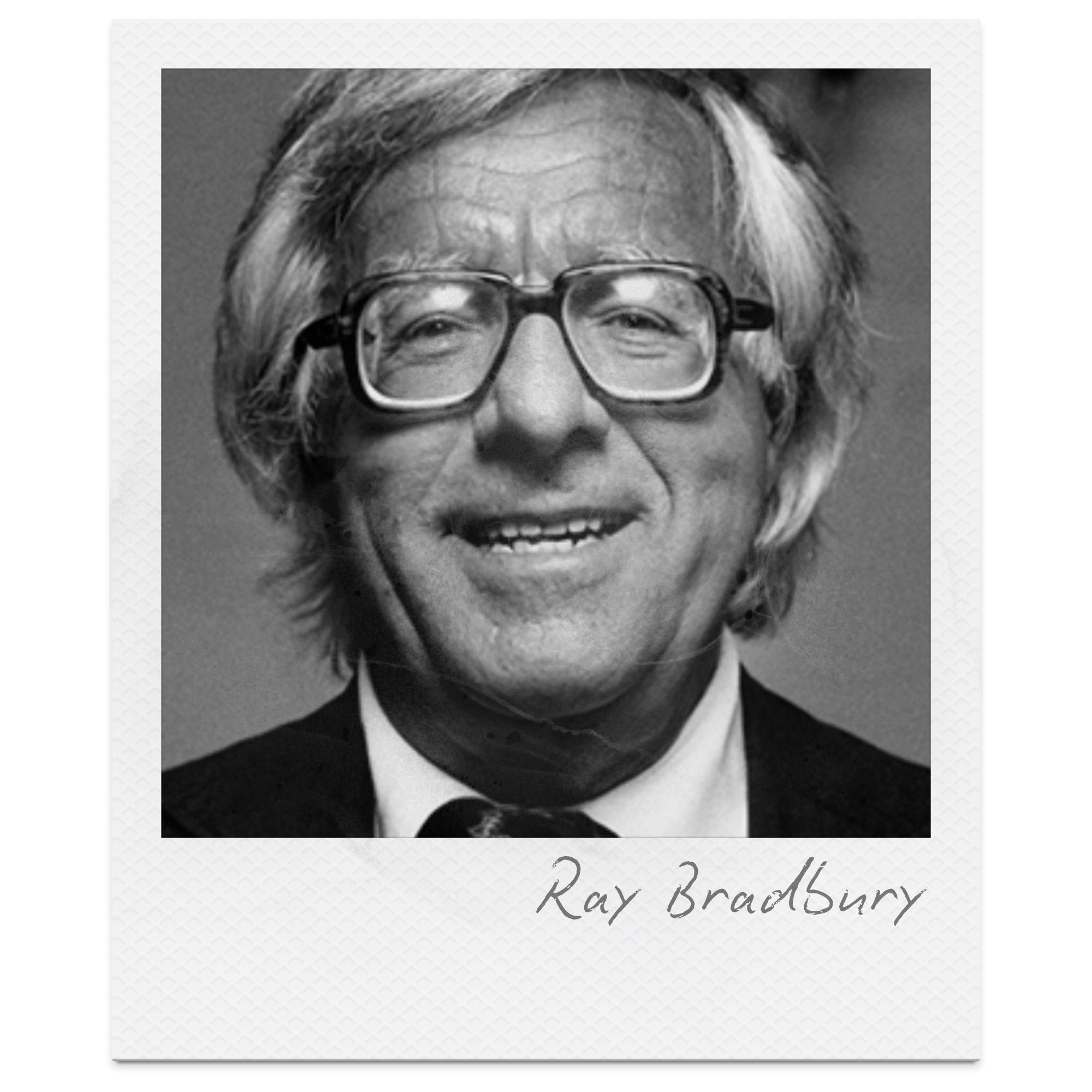
Ray Bradbury: Context, Themes, Works & Literary Significance
Ray Bradbury’s fiction is often associated with dystopian futures and speculative technologies, but his work is best understood through the historical and cultural context in which it was written. Emerging in mid-twentieth-century America, Bradbury wrote during a period shaped by war, Cold War paranoia, mass media expansion, and growing anxieties about conformity and control. His stories use speculative settings not to predict the future, but to expose how fear, censorship, and emotional detachment operate within ordinary domestic and social spaces. This context-focused overview explores the key themes that define Ray Bradbury’s work, including technology versus humanity, media and passive living, parental responsibility, childhood and power, and moral failure. Rather than offering close analysis of individual texts, it provides a broader framework for understanding how Bradbury uses speculative fiction to examine human behaviour, ethical responsibility, and the consequences of choosing comfort over connection.