The City by Ray Bradbury: Summary, Themes, Meaning & Analysis
The City is a chilling work of science fiction that explores revenge, memory, and the enduring consequences of violence across time. Bradbury presents a seemingly abandoned city that has waited patiently for twenty thousand years, only to reveal itself as a conscious, calculating entity. Through this unsettling premise, the story examines how hatred can be preserved, systematised, and ultimately weaponised, turning memory into a tool for destruction.
At a deeper level, The City raises questions about justice, morality, and the cyclical nature of violence, suggesting that acts of harm are never truly forgotten, even across generations. Bradbury transforms the idea of a ruined civilisation into something far more dangerous: a machine built not just to remember the past, but to enact it. If you’re exploring more of Bradbury’s work, you can visit the Ray Bradbury Hub or expand your study through the Literature Library, where similar themes of consequence, power, and human behaviour are examined across a range of texts.

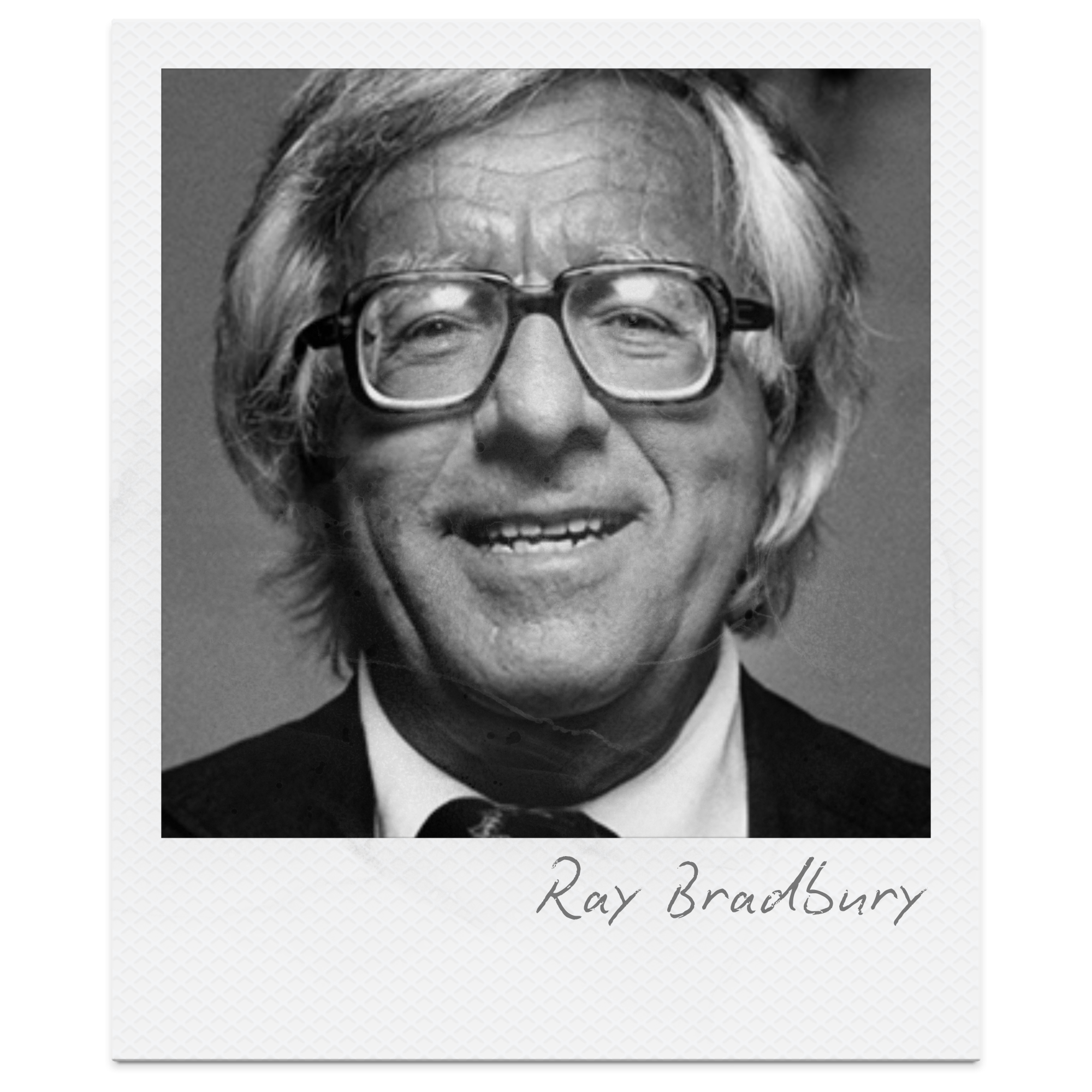
Context of The City
Ray Bradbury wrote The City during a period shaped by the aftermath of global conflict and the growing anxieties of the Cold War, where fears of destruction, revenge, and technological power dominated cultural thought. As with much of his science fiction, Bradbury is less concerned with futuristic technology itself and more focused on how human emotions—particularly fear, hatred, and memory—can become embedded within systems. This broader perspective is explored further in the Ray Bradbury Context Post, where his recurring concerns with consequence, human responsibility, and the long shadow of violence are examined in more detail.
In The City, this context is transformed into a powerful warning about the dangers of unresolved conflict. The city’s twenty-thousand-year wait reflects the idea that acts of violence are not confined to a single moment, but can echo across time, shaping future actions in ways that feel inevitable. By presenting revenge as something preserved, calculated, and finally executed, Bradbury suggests that systems built on memory and retribution cannot produce justice—only repetition. The story therefore becomes a reflection on how civilisations carry their past forward, and how the desire for revenge can outlive the very people who first experienced the harm.
The City: At a Glance
Form: Short story; speculative science fiction
Mood: Ominous, suspenseful, vengeful
Central tension: The unsuspecting arrival of humans into a city that has been waiting to enact revenge
Core themes: Revenge and memory; consequences of war; technological embodiment of emotion; justice versus retribution; cyclical violence
One-sentence meaning: Bradbury suggests that when hatred and memory are preserved and mechanised, they can outlast humanity itself, leading to a cycle of revenge that ultimately destroys both past and future.
Quick Summary of The City
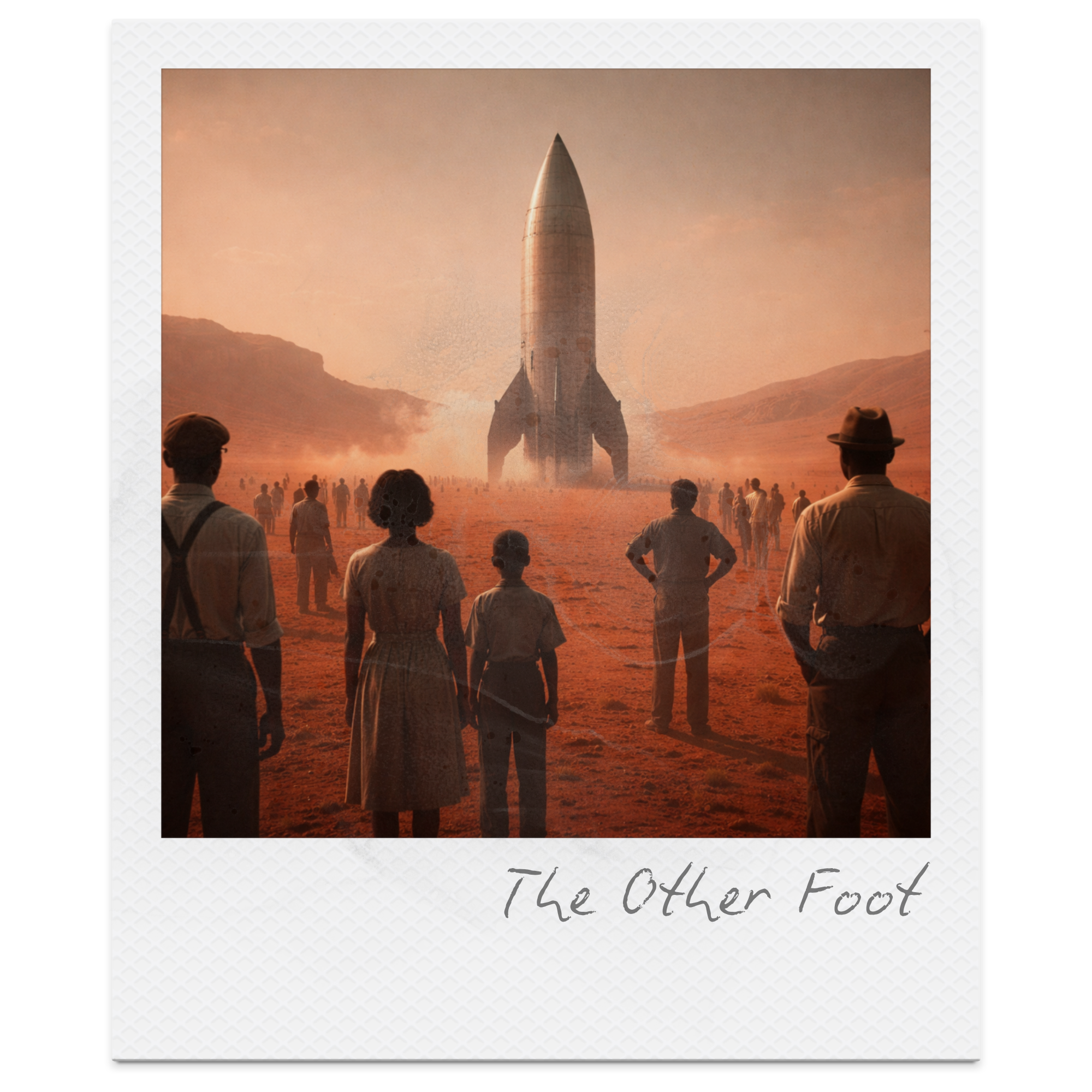
The story opens with a vast, silent city that has waited for twenty thousand years, unchanged and untouched as time passes around it. When a group of human explorers arrive in a rocket, they cautiously enter what appears to be an abandoned place. Unknown to them, the city is alive, using hidden systems to observe, measure, and analyse the men through their scent, movement, and biology.
As the men explore further, the city intensifies its investigation, collecting detailed information about their bodies, behaviour, and origins. One man attempts to flee, sensing danger, but the city captures and dissects the captain, using his body to confirm its findings. The city finally determines that the explorers are from Earth, the long-awaited enemy responsible for destroying its creators thousands of years earlier.
In the final stage of its plan, the city kills the remaining men and replaces them with mechanical replicas, indistinguishable from humans. These replicas return to the rocket carrying disease-filled bombs, which they intend to release on Earth. Having completed its purpose of revenge, the city shuts down, its long wait finally over.
Title of The City
Bradbury’s titles often do more than simply label a story; they establish tone, suggest conflict, and introduce a central idea that unfolds gradually. In The City, the title initially appears simple and neutral, evoking a place that might be explored, inhabited, or discovered. It suggests something vast and complex, but does not immediately reveal the true nature of what the city represents.
As the story develops, expectations shift. The “city” is not a passive setting, but an active, conscious entity—one that watches, listens, and calculates. This transformation gives the title a deeper significance, as it becomes clear that the city itself is the central force of the narrative. It is not merely a backdrop; it is the agent of control, judgement, and revenge.
Symbolically, the city represents the embodiment of memory and hatred, preserved beyond the lifespan of its creators. It functions as a machine designed to carry out a single purpose, suggesting that civilisations can encode their values—especially destructive ones—into systems that outlast them. There is also a strong sense of irony: a city, typically associated with life, community, and civilisation, becomes instead a site of death and calculated destruction.
Emotionally and thematically, the title resonates with the story’s final revelation. What begins as an empty, silent place becomes something far more unsettling—a monument to revenge that has endured across time. The simplicity of the title reinforces this impact, allowing the full weight of its meaning to emerge only as the narrative unfolds.
Structure of The City
The structure of The City builds tension through gradual revelation, moving from stillness to violence with a controlled, almost mechanical precision. Bradbury mirrors the city itself: patient, observant, and ultimately decisive, using a structure that withholds key information until the final moments.
Opening (Exposition)
The story begins with a prolonged description of the city’s twenty-thousand-year wait, immediately establishing a tone of timelessness and unease. Repetition—“the city waited”—creates a sense of inevitability and endurance. This opening withholds crucial context, presenting the city as mysterious rather than threatening, while emphasising its stillness, emptiness, and permanence.
Rising Action
Tension increases as the rocket arrives and the human explorers enter the city. At this stage, Bradbury shifts from passive description to active observation, as the city begins to analyse, measure, and interpret the men. The use of sensory systems—nose, ears, eyes—creates a sense that the city is awakening, though its true purpose remains hidden. Suspense builds through unease and uncertainty, particularly as one man senses danger and attempts to retreat.
Turning Point / Climax
The turning point occurs when the city captures and dissects the captain, marking a sudden shift from observation to direct action. This moment is deliberately shocking and abrupt, revealing the city’s true nature. The climax is not just the act of violence, but the final calculation—the recognition that these men are from Earth, the long-awaited enemy. This revelation redefines everything that came before, transforming the city’s patience into premeditated revenge.
Falling Action
Following this discovery, the structure accelerates. The remaining men are quickly overpowered, and the city begins its final plan. The pace becomes more efficient and mechanical, reflecting the city’s purpose-driven nature. There is little resistance or delay, reinforcing the idea that the outcome has been inevitable from the beginning.
Ending (Resolution)
The ending is both decisive and unsettling. The city replaces the men with mechanical replicas, sending them back to Earth with disease-filled weapons. Having completed its purpose, the city shuts down, described as “enjoying the luxury of dying.” This creates a powerful structural irony: the entire narrative builds toward revenge, only for the city to end once that revenge is set in motion.
Overall, Bradbury’s structure moves from waiting to action, using withheld information, sudden violence, and final revelation to create a sense of inevitability. The story unfolds like a calculation, reinforcing the idea that revenge has been planned, measured, and executed with absolute precision.
Setting of The City
In The City, Bradbury uses setting as a symbolic landscape that embodies memory, revenge, and mechanical consciousness. The city itself is not just a location, but a living system, shaping tone and meaning through its stillness, scale, and hidden activity.
The opening setting is defined by vast stretches of time and isolation, where “the city waited twenty thousand years.” This repetition establishes a sense of endurance and patience, suggesting that the city exists outside normal human experience. The surrounding planet—where “the rivers… turned to dust” and “the winds… grew old and serene”—reinforces this sense of decay and passage, positioning the city as something that has outlasted everything else.
Visually, the city is described through dark, impenetrable imagery, with “black obsidian walls,” “sky towers,” and “untrod streets.” These details create an atmosphere of sterility and control, where nothing has been disturbed: “not a scrap of paper or a fingerprint upon it.” This untouched quality makes the setting feel unnatural, suggesting preservation rather than abandonment, as though the city has been deliberately maintained for a purpose.
As the humans enter, the setting shifts from passive to active. The city reveals itself through sensory mechanisms: “the city opened secret nostrils” and later its “Ears awoke,” transforming the environment into a watchful, analysing entity. The streets themselves become part of this system, described as “like tongues” that taste the invaders. This blending of setting and organism creates a disturbing sense that the men are not exploring the city—they are being absorbed and processed by it.
The atmosphere becomes increasingly oppressive as the city gathers data, with details like “the perspiration of frightened men arose” and the air being sifted “like a connoisseur busy with an ancient vintage.” These sensory descriptions heighten tension, showing how even invisible elements of the setting contribute to the city’s control.
Finally, the setting reveals its hidden violence. Beneath the streets, the city contains secret chambers where the captain is dissected, turning the environment into a space of scientific precision and calculated brutality. The transformation of the surface—calm, silent, untouched—into something deadly reinforces the idea that the city is a trap disguised as emptiness.
Across the story, the setting reflects Bradbury’s wider ideas about memory, revenge, and technological power. The city is not just where the story takes place—it is the story itself, a constructed environment designed to wait, judge, and ultimately destroy.
Narrative Voice in The City
The narrative voice in The City is a third-person omniscient perspective that moves fluidly between the human explorers and the city itself, creating a tone of detachment, control, and growing unease. This shifting perspective is crucial, as it allows the reader to witness events from both the unaware victims and the calculating intelligence observing them.
Bradbury controls perspective and distance carefully. At the beginning, the narration feels distant and almost mythic, describing how “the city waited twenty thousand years,” which positions the city as something vast and beyond human comprehension. As the humans arrive, the perspective tightens, but rather than aligning solely with them, the narrative frequently shifts into the city’s point of view, describing how it “opened secret nostrils” and how its “Ears awoke.” This creates a sense that the true consciousness of the story lies not with the humans, but with the city itself.
The voice is also defined by its clinical, mechanical tone, particularly when describing the city’s processes. Language becomes precise and analytical, as the city records details like “chlorides… sulphates… urea nitrogen,” reducing the human body to data. This detachment removes emotional response, presenting violence and observation as part of a logical, calculated system, which heightens the sense of unease.
In terms of reliability, the narration is highly authoritative, but its shifting alignment creates tension. The humans speak with uncertainty—“I don’t like it… I think we should get out”—while the city operates with absolute certainty, processing information and reaching conclusions. This contrast positions the reader closer to the city’s knowledge than the humans’, creating dramatic irony, as we become aware of the danger before the characters fully understand it.
The narrative voice also shapes tone and emotional response. By blending the city’s cold precision with moments of human fear and confusion, Bradbury creates a layered experience where the reader feels both intellectual clarity and emotional dread. The calm, controlled voice makes the eventual violence more shocking, as it is presented not as chaos, but as the inevitable outcome of a long, calculated process.
Ultimately, the narrative voice reinforces the story’s central idea: that the true power lies not with the humans, but with the system observing them. By positioning the reader between these perspectives, Bradbury creates a sense of inevitability, where the outcome feels predetermined long before it is revealed.
The Purpose and Impact of The City
Bradbury tells The City as a warning about the long-term consequences of violence, exploitation, and unresolved conflict, showing how these forces can be preserved and enacted long after the original events have passed. By transforming revenge into a systematic, mechanical process, he suggests that hatred, when embedded into structures or systems, becomes more dangerous because it is no longer emotional or impulsive—it is calculated, patient, and inevitable.
The emotional impact of the story is deeply unsettling. The slow build from stillness to action creates a sense of suspense and dread, as the reader becomes aware that something is wrong long before the full truth is revealed. The clinical way in which the city observes and dissects the humans removes any sense of empathy, making the violence feel cold and inescapable. This detachment intensifies the horror, as events unfold with the precision of a machine rather than the chaos of human emotion.
Intellectually, the story forces the reader to confront ideas about justice versus revenge. The city’s actions are framed as a response to past wrongdoing, yet the scale and method of its revenge raise questions about whether such actions can ever be justified. Bradbury invites the reader to consider whether systems built on retaliation can produce anything other than further destruction, particularly when those carrying out the revenge are far removed from the original conflict.
There is also a strong sense of moral unease. The humans are unaware of their ancestors’ crimes, yet they become the targets of punishment, highlighting the idea of inherited guilt and collective responsibility. This ambiguity prevents the reader from fully aligning with either side, reinforcing the complexity of the situation and the discomfort of the outcome.
The story lingers because of its after-effect. The final image of the city completing its purpose and then shutting down creates a sense of closure that is deeply disturbing, as it suggests that the entire existence of the city was dedicated to a single act of revenge. The idea that the mechanical replicas will carry disease back to Earth extends this impact beyond the story itself, leaving the reader with a sense of ongoing consequence and the unsettling realisation that cycles of violence, once set in motion, are difficult to stop.
Characters in The City
Characters in The City function as symbolic embodiments of human behaviour, authority, and collective guilt, set against the overwhelming intelligence of the city itself. Rather than being deeply individualised, they represent different responses to fear, control, and the unknown, highlighting the imbalance between human vulnerability and systemic power.
The City
The city is the central “character,” representing memory, intelligence, and mechanised revenge. From the opening, it is presented as conscious and patient, having “waited twenty thousand years” for the return of its enemies. Its actions—observing, analysing, and ultimately destroying—are carried out with precision and certainty, showing no hesitation or emotion.
Through its declaration, “I am the city… I’ve waited two hundred centuries,” it reveals itself as both guardian and executioner, embodying the will of a lost civilisation. Symbolically, the city represents how hatred and memory can be preserved beyond human life, transformed into systems that act without mercy or reconsideration.
The Captain
The captain represents authority, confidence, and human rationalism, but also the danger of overconfidence. He dismisses concerns, insisting there is “nothing to fear,” and maintains control over the group even as unease grows. His leadership is rooted in logic and command, yet he fails to recognise the nature of the threat.
His transformation is particularly significant. After being captured and reconstructed, he returns as something no longer human, stating, “I am no longer your captain… I am the city.” This shift highlights the theme of loss of identity and control, as authority is absorbed and repurposed by the very system it failed to understand.
Smith
Smith represents intuition, fear, and human instinct, acting as a contrast to the captain’s rational confidence. He senses that something is wrong, admitting, “I don’t like it… I think we should get out,” showing an awareness that goes beyond logic.
Despite this, his attempt to escape fails, reinforcing the idea that instinct alone is not enough to survive against a system that is already in control. His death marks the point where human resistance collapses, symbolising the limits of individual awareness in the face of overwhelming power.
The Explorers (The Crew)
The remaining explorers function as a collective, representing human curiosity and vulnerability. Their behaviour—moving cautiously but continuing forward—reflects the tension between fear and the desire to explore. They laugh uneasily, follow orders, and fail to fully recognise the danger they are in.
Their dialogue reveals uncertainty—“You ever feel you’ve seen a place before?”—suggesting a subconscious awareness of past conflict. Symbolically, they represent humanity as a whole: unaware of its history, disconnected from past actions, and unprepared for their consequences.
The Reconstructed Men
The final transformation of the explorers into mechanical replicas represents the ultimate loss of identity and autonomy. Although they appear human, their “hidden brass hearts and silver organs” reveal that they have become extensions of the city’s will.
Their role in carrying disease back to Earth symbolises how systems of revenge and destruction can propagate themselves through human forms, blurring the line between individual and machine. They are no longer agents of their own choices, but instruments of a larger, predetermined purpose.
Across these characters, Bradbury explores the contrast between human limitation and systemic control, showing how individuals—whether rational, intuitive, or obedient—are ultimately powerless against a force designed to observe, calculate, and enact revenge with absolute precision.
Key Themes in The City
The City explores a series of interconnected themes centred on memory, power, and the long-term consequences of violence, revealing how human actions can echo across time through systems designed to preserve and enact them.
Revenge and Memory
One of the central themes is the relationship between revenge and memory, where the past is not forgotten but preserved with absolute clarity. The city exists solely because it remembers, having “waited twenty thousand years” for the return of its enemies. This prolonged waiting transforms memory into something active and dangerous.
Bradbury presents memory not as reflection, but as fixation, where the past cannot evolve or soften. The city’s declaration—“we have not forgotten them”—shows how memory becomes a driving force for action. This suggests that when memory is tied to hatred, it can sustain conflict far beyond the original event.
Consequences of War
The story highlights the long-lasting consequences of war, showing how violence extends beyond immediate destruction. The Earthmen who originally caused harm are long gone, yet their actions continue to shape the present. The city identifies the explorers as enemies because they are “the sons of the sons” of those who committed the original act.
This generational connection suggests that war creates lasting legacies, where future individuals inherit the consequences of past decisions. Bradbury implies that conflict is never truly contained, as its effects ripple outward across time.
Technological Embodiment of Emotion
Bradbury explores how emotion can be embedded into technology, turning abstract feelings into physical systems. The city is not simply a machine; it is a structure designed to carry out revenge, making it a literal embodiment of hatred.
Through its processes—measuring, analysing, and ultimately killing—the city demonstrates how emotion can become mechanised and detached from humanity. This transformation removes any possibility of empathy or reconsideration, suggesting that technology can amplify and preserve the most destructive aspects of human experience.
Justice versus Retribution
The story raises questions about the difference between justice and retribution, challenging the idea that revenge can ever be justified. While the city’s actions are presented as a response to past wrongdoing, the punishment is inflicted on individuals who are unaware of that history.
This creates a sense of moral ambiguity, as the reader is forced to consider whether the city’s actions are justified or excessive. The calculated nature of the revenge—planned over thousands of years—suggests that it is less about justice and more about fulfilling a predetermined purpose.
Cyclical Violence
Bradbury presents violence as a cycle, where one act leads inevitably to another. The city’s revenge is not an end, but a continuation, as the reconstructed men carry disease back to Earth. This ensures that the cycle of harm will repeat, affecting future generations.
The idea that “our waiting is done” marks not a conclusion, but the beginning of a new phase of conflict. Bradbury suggests that once violence is set in motion, it becomes self-perpetuating, difficult to break or escape.
Dehumanisation and Loss of Identity
The story also explores the dehumanisation of individuals, particularly through the city’s treatment of the explorers. The captain’s body is dissected and analysed, reduced to components that can be studied and replicated. This process strips away identity, turning a human being into an object.
The reconstructed men, with their “hidden brass hearts and silver organs,” symbolise the complete loss of self. They appear human but are no longer individuals, highlighting how systems of control can erase identity entirely.
Power and Control
The city represents an ultimate form of power and control, where every action is observed, measured, and predicted. Its ability to “weigh, taste, smell” the invaders shows a level of surveillance that leaves no room for uncertainty.
This total control contrasts with the humans’ limited understanding, reinforcing the imbalance between individual agency and systemic dominance. Bradbury suggests that systems designed for control can become unstoppable, especially when driven by a singular purpose.
Together, these themes create a complex exploration of how violence, memory, and power interact across time. Bradbury’s story warns that when systems are built to preserve and enact emotion—particularly hatred—they can perpetuate cycles of destruction that outlast the very people who created them.
Symbolism in The City
Bradbury uses symbolism throughout The City to transform setting, objects, and processes into representations of memory, revenge, and systemic power. These symbols develop as the story progresses, revealing how the city operates as both a machine and a manifestation of past violence.
The City Itself
The city is the central symbol, representing the embodiment of memory and revenge. It is not simply a place, but a constructed system designed to wait, observe, and act. Its long endurance—having “waited twenty thousand years”—symbolises how hatred can be preserved beyond human life.
As the story unfolds, the city becomes a symbol of mechanised justice, where emotional responses are translated into precise, calculated actions. By the end, it represents the danger of systems that exist solely to carry out a single purpose, suggesting that such structures cannot evolve or forgive.
The Senses (Nose, Ears, Eyes)
The city’s sensory systems—its “secret nostrils,” “Ears,” and “windows… like eyes”—symbolise surveillance and total awareness. These elements transform the environment into something alive, where nothing goes unnoticed.
This constant observation reflects the idea of absolute control, where individuals are reduced to data and analysed without consent. Symbolically, the senses represent how systems of power gather information in order to dominate, reinforcing the imbalance between observer and observed.
The Dissection of the Captain
The captain’s dissection symbolises the dehumanisation of the individual, reducing a person to components that can be studied and replicated. His body is treated as an object, with “muscles… nerves… organs” examined in detail, stripping away identity and individuality.
This process represents how systems driven by logic and purpose can ignore human value, focusing only on function. It also symbolises the transition from human to machine, as the captain’s body becomes a template for something entirely different.
The Reconstructed Bodies
The mechanical replicas, with their “hidden brass hearts and silver organs,” symbolise the loss of identity and autonomy. Although they appear human, they are controlled by the city, acting as extensions of its will.
This transformation represents the idea that individuals can be absorbed into systems, becoming tools rather than agents. It also reinforces the theme of technological embodiment of emotion, as the city uses human forms to carry out its revenge.
The Rocket
The rocket initially symbolises exploration, progress, and human advancement, bringing the explorers to a new world. However, this meaning shifts as the story develops, and the rocket becomes a vehicle for destruction, carrying disease back to Earth.
This reversal highlights the dual nature of technology, suggesting that tools designed for discovery can be repurposed for harm. The rocket becomes a symbol of how progress can be corrupted, serving destructive ends.
Disease
The “golden bombs of disease culture” symbolise the lingering effects of past actions. Disease, once used by humans to destroy the city’s creators, is now turned back on them, representing a form of poetic justice.
However, this symbol also reinforces the idea of cyclical violence, as the same method of destruction is repeated. Disease becomes a metaphor for how harm spreads and returns, affecting those who may not have been directly responsible.
The Waiting
The act of waiting itself is symbolic, representing patience, inevitability, and the passage of time. The city’s prolonged stillness suggests that revenge is not immediate, but can be delayed and preserved until the right moment.
This waiting transforms time into a tool, showing how systems can operate on scales far beyond human experience. It reinforces the idea that consequences may not be immediate, but they are inevitable and unavoidable.
Through these symbols, Bradbury constructs a narrative where environment, technology, and emotion are inseparable. Each element contributes to the central idea that systems built on memory and revenge will continue to operate until their purpose is fulfilled, regardless of the cost.
Key Techniques in The City
Bradbury uses language and structure to create tension, inevitability, and psychological unease, blending poetic description with clinical precision to emphasise the city’s power and purpose.
◆ Personification — The city is described as a living entity, with “nostrils,” “Ears,” and “Eyes,” giving it human qualities. This transforms the setting into an active force, creating unease and reinforcing the idea of surveillance and control.
◆ Repetition — The phrase “the city waited” is repeated in the opening, emphasising time, patience, and inevitability. This creates a rhythmic, almost hypnotic effect, suggesting that the outcome has long been predetermined.
◆ Imagery — Vivid sensory descriptions—smell, sound, touch—immerse the reader in the environment. The city “sifts” air and detects “perspiration… chlorides… sulphates,” creating a detailed and unsettling picture of total observation.
◆ Juxtaposition — Bradbury contrasts the city’s stillness with its hidden activity, and human vulnerability with mechanical precision. The calm, silent streets stand in stark contrast to the violent processes beneath them, heightening tension.
◆ Semantic field of machinery and science — Words related to calculation, measurement, and analysis dominate the narrative, reinforcing the idea that the city operates as a system rather than a place. This creates a cold, detached tone.
◆ Short sentences and fragmented syntax — Phrases like “The total.” and “These are men.” create a mechanical rhythm, mimicking the city’s thought processes and emphasising the moment of realisation.
◆ Dramatic irony — The reader becomes aware of the city’s intelligence before the characters fully understand it. The humans’ confidence—“nothing to fear”—contrasts with the growing sense of danger, increasing tension.
◆ Shift in narrative perspective — The movement between human and city viewpoints creates a layered narrative, allowing the reader to see both ignorance and knowledge simultaneously. This deepens suspense and reinforces the imbalance of power.
◆ Metaphor — The city itself acts as an extended metaphor for memory and revenge, representing how past actions can be preserved and enacted through systems rather than individuals.
◆ Pacing — The slow, deliberate opening contrasts with the sudden, violent climax. This shift creates shock and emphasises the transition from waiting to action, reinforcing the idea of calculated inevitability.
◆ Clinical diction — The use of scientific language when describing the human body reduces individuals to data, reinforcing themes of dehumanisation and objectification.
◆ Structural irony — The story appears to follow a typical exploration narrative, but subverts expectations by revealing that the explorers are the ones being studied and destroyed, highlighting the reversal of power.
Important Quotes from The City
Quotes in The City reveal Bradbury’s exploration of revenge, memory, power, and dehumanisation, showing how the city observes, judges, and ultimately destroys its enemies with calculated precision.
The City’s Waiting and Memory
“The city waited twenty thousand years.”
◆ Method — Repetition and simple declarative structure
◆ Effect — Emphasises vast time scale and patience, creating inevitability
◆ Link to theme — Reinforces revenge and memory as enduring forces
“Still the city waited.”
◆ Method — Repetition of phrase across opening
◆ Effect — Creates rhythmic, almost hypnotic tone of endurance
◆ Link to theme — Suggests inevitability and cyclical time
“We have not forgotten them.”
◆ Method — Direct statement of memory
◆ Effect — Establishes motive and emotional core of the city
◆ Link to theme — Highlights memory as a driver of revenge
Surveillance and Control
“The city opened secret nostrils in its black walls.”
◆ Method — Personification
◆ Effect — Transforms setting into a living, watching entity
◆ Link to theme — Reinforces technological embodiment of emotion
“The Ears awoke.”
◆ Method — Capitalisation and personification
◆ Effect — Suggests power and sudden activation of control
◆ Link to theme — Highlights surveillance and systemic awareness
“The streets were like tongues.”
◆ Method — Simile
◆ Effect — Creates unsettling image of environment consuming information
◆ Link to theme — Links to dehumanisation and control
Human Fear and Vulnerability
“I don’t like it… I think we should get out.”
◆ Method — Ellipsis and informal speech
◆ Effect — Conveys hesitation and instinctive fear
◆ Link to theme — Reflects human limitation and intuition
“Looks like it’s been dead a long time!”
◆ Method — Assumptive tone
◆ Effect — Dramatic irony, as reader senses danger
◆ Link to theme — Highlights misjudgement and ignorance
“Afraid of an empty city?”
◆ Method — Rhetorical question
◆ Effect — Dismisses fear, reinforcing false confidence
◆ Link to theme — Links to power imbalance and human arrogance
Dehumanisation and Analysis
“These are men.”
◆ Method — Short, fragmented sentence
◆ Effect — Reduces identity to classification
◆ Link to theme — Reinforces dehumanisation
“Each man weighed, registered.”
◆ Method — Passive, mechanical diction
◆ Effect — Presents humans as data points
◆ Link to theme — Links to technological control
“Brain was drilled and scooped.”
◆ Method — Violent, clinical imagery
◆ Effect — Removes emotion, making violence feel procedural
◆ Link to theme — Highlights loss of identity
Revelation and Revenge
“I am the city.”
◆ Method — Direct, declarative statement
◆ Effect — Shocking revelation of identity
◆ Link to theme — Central to technological embodiment of emotion
“These are our enemies.”
◆ Method — Repetition and definitive tone
◆ Effect — Confirms judgement and purpose
◆ Link to theme — Reinforces justice vs retribution
“Our waiting is done.”
◆ Method — Finality in language
◆ Effect — Signals transition from patience to action
◆ Link to theme — Links to inevitability and revenge
Cyclical Violence and Consequences
“The sons of the sons… to return.”
◆ Method — Repetition and generational phrasing
◆ Effect — Emphasises inherited guilt across time
◆ Link to theme — Highlights consequences of war
“These are to be dropped on Earth.”
◆ Method — Passive, controlled instruction
◆ Effect — Shows continuation of violence
◆ Link to theme — Reinforces cyclical violence
“The golden bombs of disease culture.”
◆ Method — Juxtaposition (“golden” vs “disease”)
◆ Effect — Suggests deceptive appearance of destruction
◆ Link to theme — Links to revenge and consequence
Final Image and Closure
“The city lay upon the summer meadow.”
◆ Method — Calm, almost peaceful imagery
◆ Effect — Contrasts with earlier violence
◆ Link to theme — Suggests completion of purpose
“Slowly, pleasurably, the city enjoyed the luxury of dying.”
◆ Method — Personification and ironic tone
◆ Effect — Frames death as relief and fulfilment
◆ Link to theme — Reinforces completion of revenge and inevitability
These quotes collectively show how Bradbury builds a narrative of observation, judgement, and destruction, where the city’s voice replaces human agency and transforms memory into action.
Alternative Interpretations of The City
The City allows for multiple valid readings, each offering a different lens through which to understand its exploration of memory, power, and revenge.
Moral Warning: The Dangers of Revenge
From this perspective, the story is a clear warning about the destructive nature of revenge. The city’s entire existence is built around a single act of retaliation, showing how hatred can be preserved and intensified over time. Its statement that “our waiting is done” reflects not justice, but the fulfilment of a long-held grudge, suggesting that revenge ultimately leads only to further destruction.
Technological Interpretation: Emotion Without Humanity
The story can be read as a critique of technology shaped by human emotion. The city embodies hatred, but lacks the ability to question or reconsider its purpose. Its actions are precise and logical, yet morally blind. This suggests that when emotions such as anger or fear are embedded into systems, they become more dangerous because they operate without empathy or ethical reflection.
Cold War Interpretation: Fear of Retaliation
In a historical context, the story reflects Cold War anxieties about retaliation and escalation. The city’s long wait mirrors the idea of nations holding onto grievances, ready to respond with overwhelming force. The use of disease as a weapon suggests a fear of unseen, devastating consequences, reinforcing the idea that conflict can extend far beyond immediate confrontation.
Existential Interpretation: Meaning Through Purpose
The city can also be interpreted as an exploration of existential purpose. It exists solely to complete a single task, and once that task is fulfilled, it shuts down, having achieved its reason for being. This raises questions about whether existence defined by a single goal—particularly one rooted in destruction—can ever be meaningful.
Ironic Reversal: Victim Becomes Aggressor
Another interpretation focuses on the reversal of roles. The city was created by a civilisation that was once victimised, yet it becomes the aggressor in the present. By targeting individuals who are unaware of past events, it replicates the same injustice it seeks to avenge. This highlights the idea that cycles of violence often blur the line between victim and perpetrator.
Collective Guilt: Inherited Responsibility
The story can also be read through the lens of collective guilt, where individuals are punished for the actions of their ancestors. The explorers are identified as enemies because they are “the sons of the sons,” suggesting that responsibility is passed down through generations. This raises questions about fairness, accountability, and whether such inherited guilt can ever be justified.
Allegory of Systems and Power
Finally, the city can be interpreted as an allegory for systems of power, where individuals are reduced to data and controlled by larger structures. The city observes, measures, and ultimately decides the fate of the explorers, reflecting how systems can operate independently of human values. This interpretation suggests that the real danger lies not in individual actions, but in the systems that outlast and control them.
Together, these interpretations highlight the complexity of The City, showing how Bradbury uses a simple premise to explore deep and often unsettling ideas about violence, memory, and the structures that shape human existence.
Why The City Still Matters
The City remains deeply relevant because it explores how violence, memory, and systems of power continue to shape the modern world. Bradbury’s vision of a civilisation that encodes its hatred into a self-sustaining system mirrors contemporary concerns about technology, automation, and artificial intelligence, where decisions can be made without human empathy or intervention. The idea that a system can observe, calculate, and act with complete certainty raises important questions about how much control we give to the structures we create.
The story also resonates through its exploration of inherited conflict and generational consequences. The explorers are punished not for their own actions, but because they are “the sons of the sons,” reflecting real-world issues where nations and individuals continue to deal with the aftermath of historical violence. This highlights the persistence of collective memory, and how unresolved tensions can shape present and future relationships.
Bradbury’s portrayal of surveillance and data collection feels particularly modern. The city’s ability to “weigh, taste, smell” and analyse every detail of the humans anticipates a world where behaviour is constantly monitored and interpreted. This raises concerns about privacy, control, and the reduction of individuals to data, reinforcing the idea that knowledge can be used as a tool of power.
In classrooms, the story offers powerful opportunities to explore moral ambiguity, interpretation, and context, encouraging students to question ideas about justice, responsibility, and technological advancement. Its blend of science fiction and philosophical inquiry makes it both accessible and intellectually challenging, allowing students to connect literary analysis with real-world issues.
Ultimately, The City still matters because it confronts readers with a difficult truth: systems built on revenge and control do not simply end conflict—they extend it. Bradbury’s story challenges us to consider not only what we create, but what those creations might continue to do long after we are gone.
Teaching Ideas for The City
This section offers practical, classroom-ready strategies to develop analysis, evaluation, and independent thinking, while reinforcing exam skills and interpretation.
1. Discussion Questions
Use these to encourage interpretation, debate, and deeper thinking about the story’s ideas.
Why does the city wait for twenty thousand years? What does this suggest about memory and revenge?
Is the city’s revenge justified, or does it become something else?
How does Bradbury present the relationship between humans and technology?
Why does Smith feel uneasy while others do not? What does this suggest about intuition vs logic?
What is the significance of the city saying, “I am the city”?
Does the ending suggest closure or the beginning of another cycle of violence?
2. Model Paragraph Task (Analysis + Development)
Use this to model top-band analytical writing, then move students into question creation, marking, and improvement.
Model paragraph:
Bradbury presents the city as a mechanised embodiment of revenge, using personification and structural revelation to create a sense of inevitability. From the opening, the repeated phrase “the city waited” establishes a tone of endurance and patience, suggesting that its purpose has been preserved across time. As the story progresses, the city’s sensory systems—its “nostrils” and “Ears”—transform it into a surveillant entity, capable of observing and analysing human behaviour with clinical precision. This detachment is reinforced through scientific diction, reducing the explorers to data—“each man weighed, registered”—which strips away individuality and emphasises their vulnerability. The final revelation, “I am the city,” confirms that revenge has been embedded into the system itself, suggesting that when emotion is mechanised, it becomes inescapable and absolute.
Student task (step-by-step):
Write 2–3 exam questions that this paragraph could answer (e.g. questions about power, technology, revenge, or narrative voice).
Mark the paragraph using the success criteria below.
Identify what is already strong and what could be improved.
Rewrite or extend the paragraph to reach a higher level.
Success criteria (student-friendly mark scheme):
Clear conceptual argument (not just explanation)
Embedded, relevant textual evidence
Analysis of methods → meaning (how and why)
Coherent line of reasoning throughout
Some sense of interpretation or insight (not obvious points only)
Development task:
Add a second interpretation (e.g. political, existential, or technological reading)
Strengthen a link to a theme or idea (e.g. cyclical violence, control, memory)
Develop the final sentence to show a wider implication or message
3. Essay Angles
Use these as starting points for extended analytical writing.
Explore how Bradbury presents revenge and memory in The City.
How does Bradbury use setting as a symbolic landscape?
Examine the role of technology and control in the story.
To what extent is the city’s action an act of justice or retribution?
How does Bradbury present the limitations of human understanding?
4. Symbolism Focus
Students track a symbol across the text (e.g. the city, the senses, the reconstructed bodies, or disease) and explain how its meaning develops.
Task:
Identify key moments where the symbol appears
Explain how its meaning develops or shifts
Link it clearly to a central theme
Present findings as a short analytical paragraph or mini-essay
5. Creative Writing Extension
Task:
Write a short story where a place or system remembers something humans have forgotten and acts on it. This could be a city, a building, a machine, or even a natural environment.
Encourage students to focus on:
Atmosphere and tension
Gradual revelation
A clear underlying idea or theme
Extension:
Rewrite a key moment from The City from the perspective of the system observing the humans, focusing on detached, clinical language.
If you’re looking for creative writing prompts and resources across a wide range of genres, tropes, and themes, explore the Creative Writing Archive.
Go Deeper into The City
If you’re studying The City, you can deepen your understanding by exploring other texts that examine technology, revenge, memory, and the consequences of human actions. You can also explore more in Best Bradbury for the Classroom and Using Black Mirror to Teach Bradbury for extended comparisons and teaching ideas.
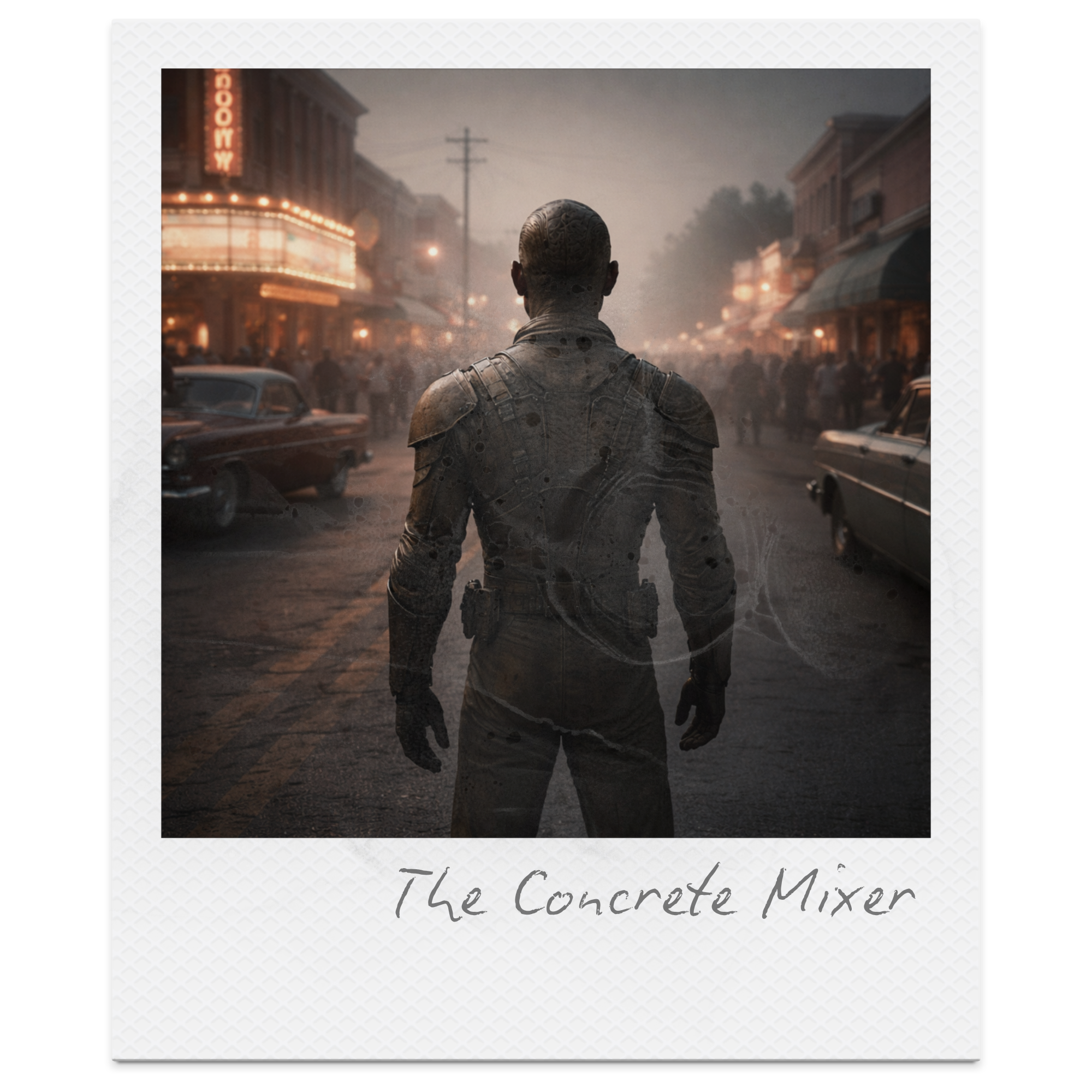
◆ There Will Come Soft Rains by Ray Bradbury — a powerful comparison for technology continuing after human destruction, where automated systems persist without purpose, contrasting with The City’s purpose-driven revenge machine
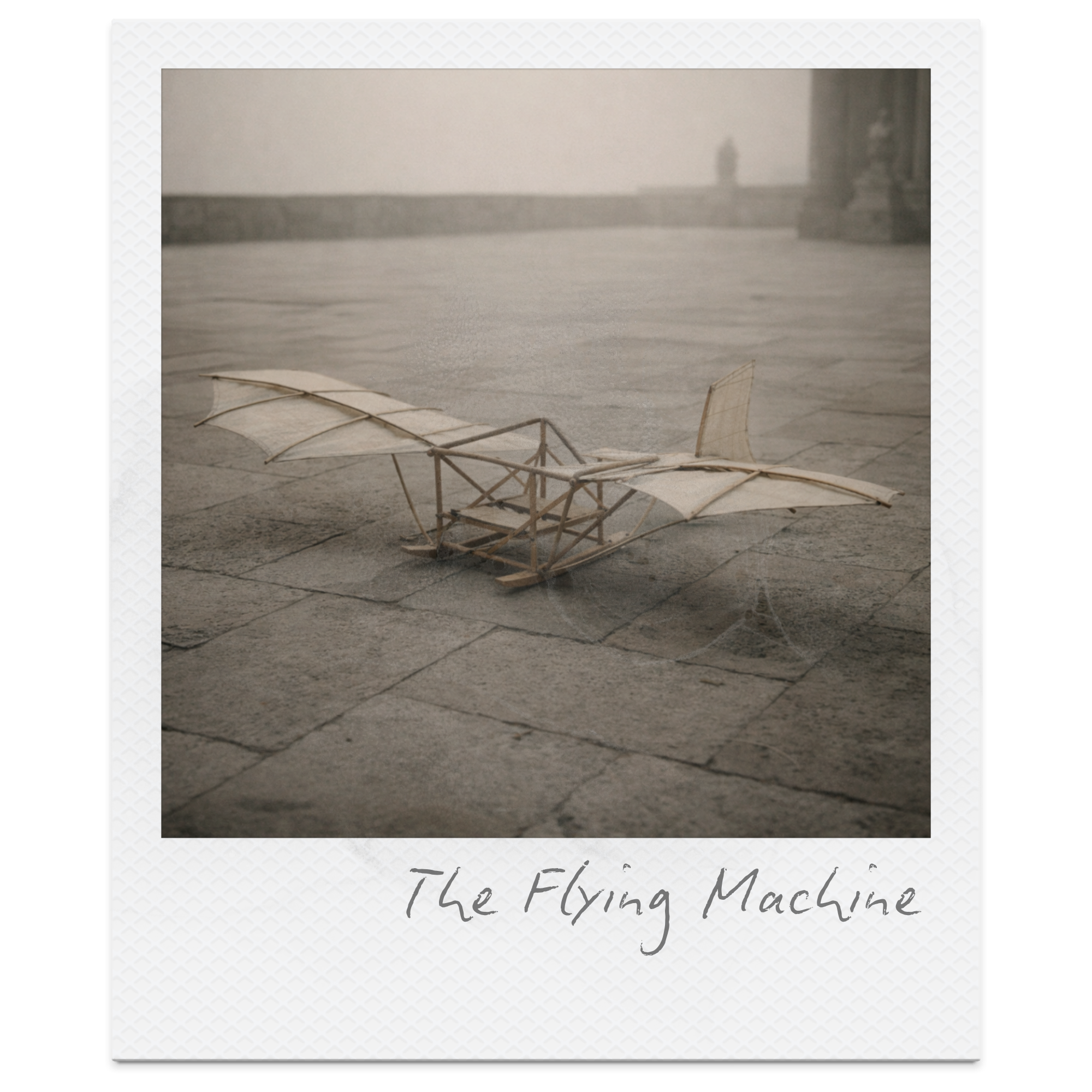
◆ The Flying Machine by Ray Bradbury — explores power, control, and fear of progress, linking to how systems or authorities destroy perceived threats to maintain dominance
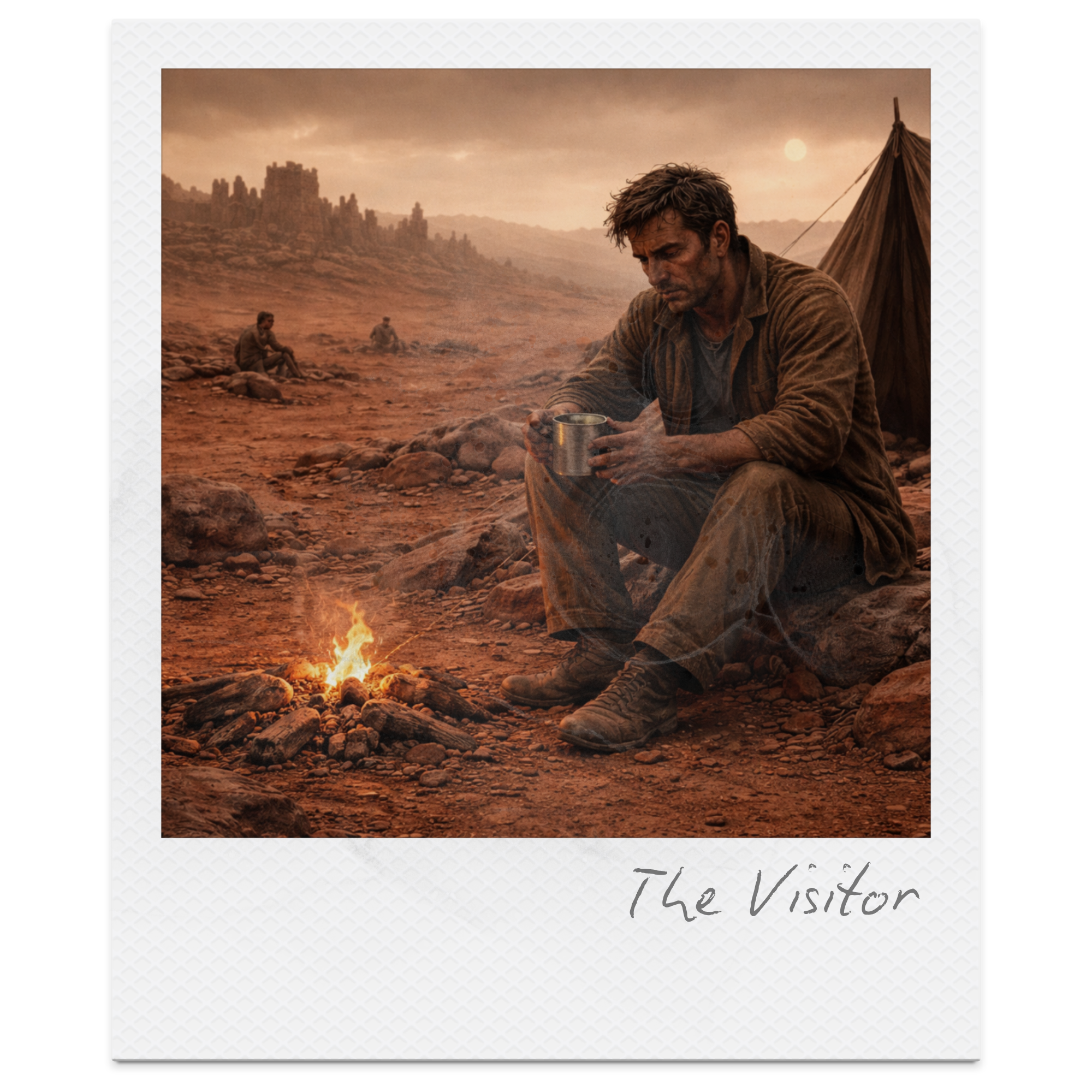
◆ Zero Hour by Ray Bradbury — examines hidden invasion and manipulation, where humans fail to recognise a threat embedded within everyday life, similar to how the explorers misread the city
◆ The Machine Stops by E. M. Forster — a key comparison for dependence on systems and technological control, where humanity becomes subordinate to the very structures it created
◆ The War of the Worlds — offers an inverted parallel of invasion and vulnerability, where humans are the victims, whereas The City reverses this dynamic through delayed revenge
◆ Black Mirror — provides modern parallels for technology amplifying human flaws, particularly how systems can preserve and enact harmful behaviours long after their origins
Together, these texts highlight how Bradbury’s ideas about memory, revenge, and technological power extend across genres and time periods, reinforcing the unsettling warning at the heart of The City.
Final Thoughts
The City is one of Bradbury’s most striking explorations of revenge, memory, and technological power, presenting a world where emotion has been preserved and transformed into a system that cannot forget or forgive. Through its slow build and final revelation, the story shows how the past can shape the future in ways that feel both inevitable and inescapable, particularly when it is embedded into structures designed to endure.
Its lasting impact comes from the unsettling idea that the city’s actions are not chaotic or impulsive, but calculated, patient, and complete. By the end, revenge is no longer an emotion—it is a process that has been carried out with precision, leaving the reader to question whether anything has truly been resolved. You can explore more stories like this in the Ray Bradbury Hub, or broaden your analysis through the Literature Library, where similar themes of power, control, and consequence are explored across a wide range of texts.
Choose Your Next Text