Notes from the Inkpot
Writing, teaching, creating - one ink-stained idea at a time.


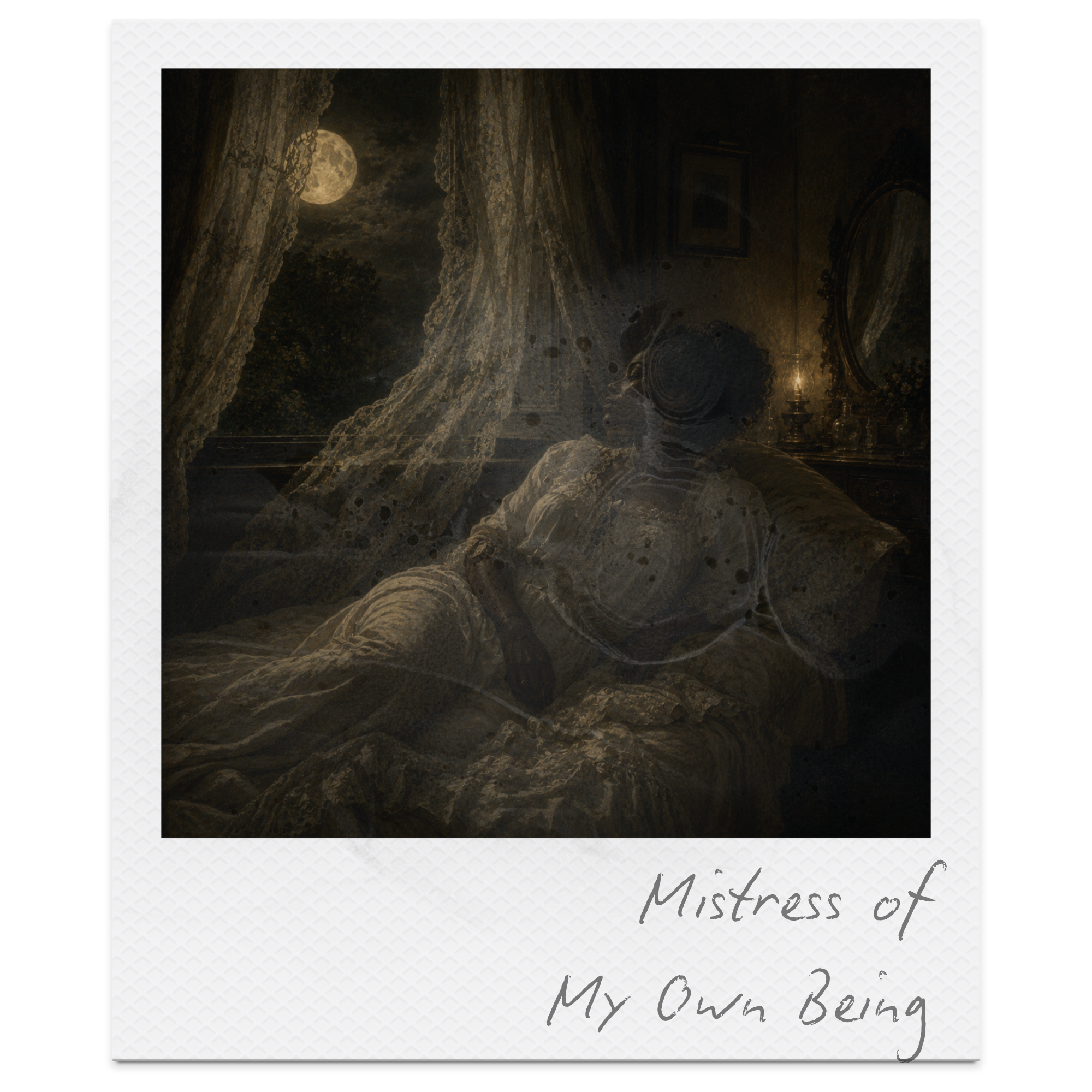
Mistress of My Own Being by Ifi Amadiume: Summary, Themes & Analysis
Mistress of My Own Being by Ifi Amadiume is a powerful meditation on selfhood, female autonomy, inner peace, and emotional freedom. Through rich sensory imagery, symbolism, personification, and free verse, Amadiume presents a speaker who finds complete fulfilment within herself, rejecting dependence on the past, on relationships, and on external validation. This detailed analysis explores the poem's summary, themes, stanza-by-stanza analysis, key quotations, literary techniques, and form and structure, examining how Amadiume celebrates self-possession, spiritual fulfilment, and the liberating power of becoming the "Mistress of my own being."
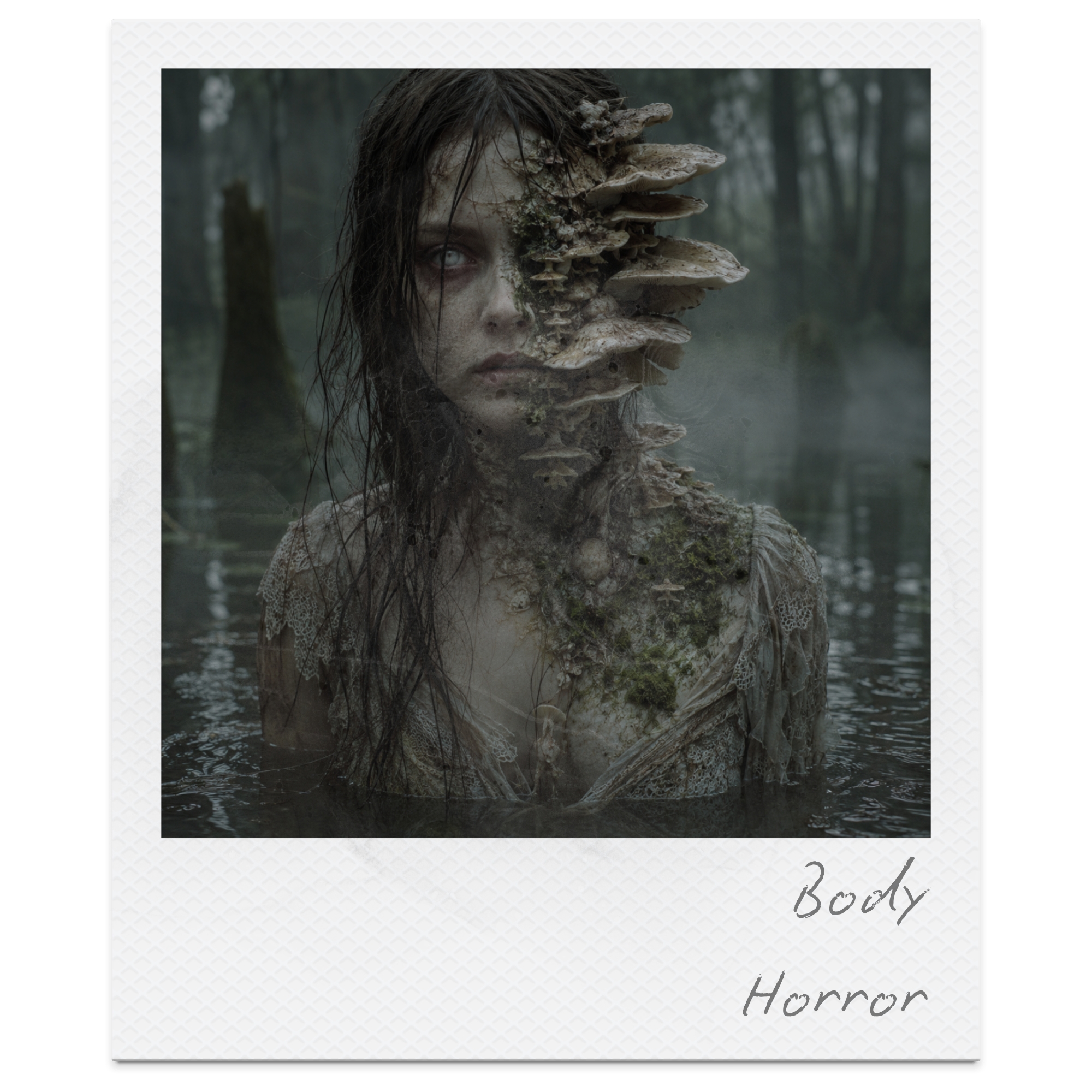
70 Body Horror Writing Prompts: Transformation, Mutation & Physical Terror
Body horror explores fear through physical transformation, mutation, disease, infection, and the terrifying loss of control over the human body. From Frankenstein and The Fly to Annihilation and The Thing, body horror uses flesh, anatomy, and biological corruption to create stories shaped by physical dread and psychological unease. These 70 Body Horror Writing Prompts explore mutation, parasitic infection, surgical horror, experimental science, bodily distortion, and the terrifying collapse of bodily autonomy through plot hooks, title ideas, opening lines, character concepts, settings, and cinematic visual prompts designed for unsettling horror storytelling.
Praise Song for My Mother by Grace Nichols: Summary, Themes & Analysis
Praise Song for My Mother by Grace Nichols explores motherhood, nurture, and identity through a sequence of extended metaphors, repetition, and sensory imagery, presenting the mother as a sustaining, life-giving force. The poem moves through images of water, the moon, and sunrise, each representing different forms of care, while the repeated structure “You were” creates a rhythmic, cumulative pattern that mirrors the ongoing nature of maternal influence. As the poem develops, the imagery shifts from elemental and universal to more specific, culturally grounded detail, particularly in the final stanza, where references to food and environment highlight the importance of heritage and lived experience. The repetition of “replenishing” reinforces the idea of continuous nourishment, suggesting that the mother’s influence does not end, but remains present in shaping identity. Through its controlled voice and patterned structure, the poem presents nurture as both foundational and enduring.
Where I Come From by Elizabeth Brewster: Summary, Themes & Analysis
Elizabeth Brewster’s Where I Come From explores how identity is shaped by place, using imagery, metaphor, and contrast to show that people carry their environments within them. Moving from urban scenes to rural memory, the poem presents identity as something built through lived experience rather than fixed. Through its sensory detail and reflective tone, the poem reveals how places remain in the mind, influencing thought and feeling over time. Brewster ultimately suggests that we do not leave places behind—we continue to carry them within us.
The Cockroach by Kevin Halligan: Summary, Themes & Analysis
Kevin Halligan’s The Cockroach explores identity, restlessness, and the unsettling nature of self-recognition through a close observation of an insect’s movement. The poem begins with a detached, almost clinical tone, as the speaker describes the cockroach’s behaviour in precise detail. At first, its movement appears controlled and purposeful, creating an illusion of order and direction. However, as the poem develops, this sense of control breaks down into increasingly erratic and circular motion, reflecting a deeper psychological unease. By the final line, the speaker recognises himself in the cockroach’s behaviour, transforming the poem into a reflection on human identity and uncertainty. This shift from observation to self-awareness creates a subtle but powerful sense of discomfort, leaving the reader questioning the nature of purpose and control.
Marionettes, Inc. by Ray Bradbury: Summary, Themes, Meaning & Analysis
Ray Bradbury’s Marionettes, Inc. explores identity, control, and the illusion of freedom through a chilling science fiction premise: what if you could replace yourself with a perfect duplicate and escape your life without consequence? As Braling reveals his plan to use a mechanical double to maintain his marriage while he travels to Rio, the story initially presents technology as a convenient solution to human dissatisfaction. However, this illusion quickly unravels as the boundaries between real and artificial begin to collapse. As both Braling and Smith attempt to use duplication to manage their relationships, Bradbury exposes the dangers of outsourcing identity, showing how easily control can shift and how quickly the self can be replaced, erased, and forgotten.
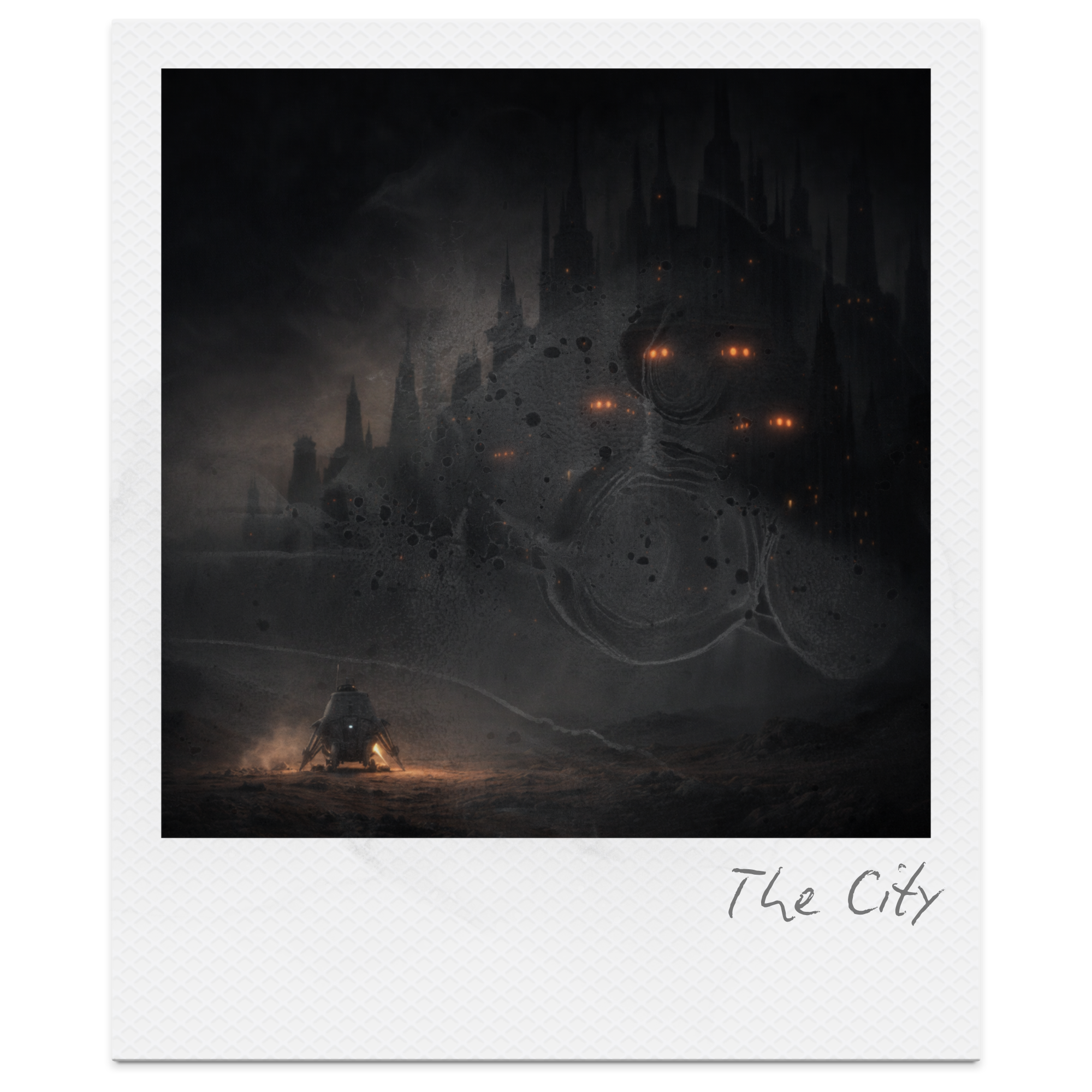
The City by Ray Bradbury: Summary, Themes, Meaning & Analysis
Ray Bradbury’s The City is a haunting work of speculative science fiction that explores revenge, memory, and technological power through the image of a vast, silent city waiting across twenty thousand years. At first, the city appears empty and lifeless, but as human explorers arrive, it becomes clear that it is watching, analysing, and responding with cold precision. Bradbury transforms setting into a conscious force, creating a narrative where the environment itself becomes the central intelligence. As the story unfolds, the city reveals its true purpose: to enact a long-delayed act of revenge against humanity. What makes this particularly unsettling is the way emotion has been embedded into a mechanical system, removing empathy and replacing it with calculation. The result is a chilling exploration of how violence and memory can be preserved beyond human life, raising questions about justice, control, and the consequences of past actions that continue to shape the future.
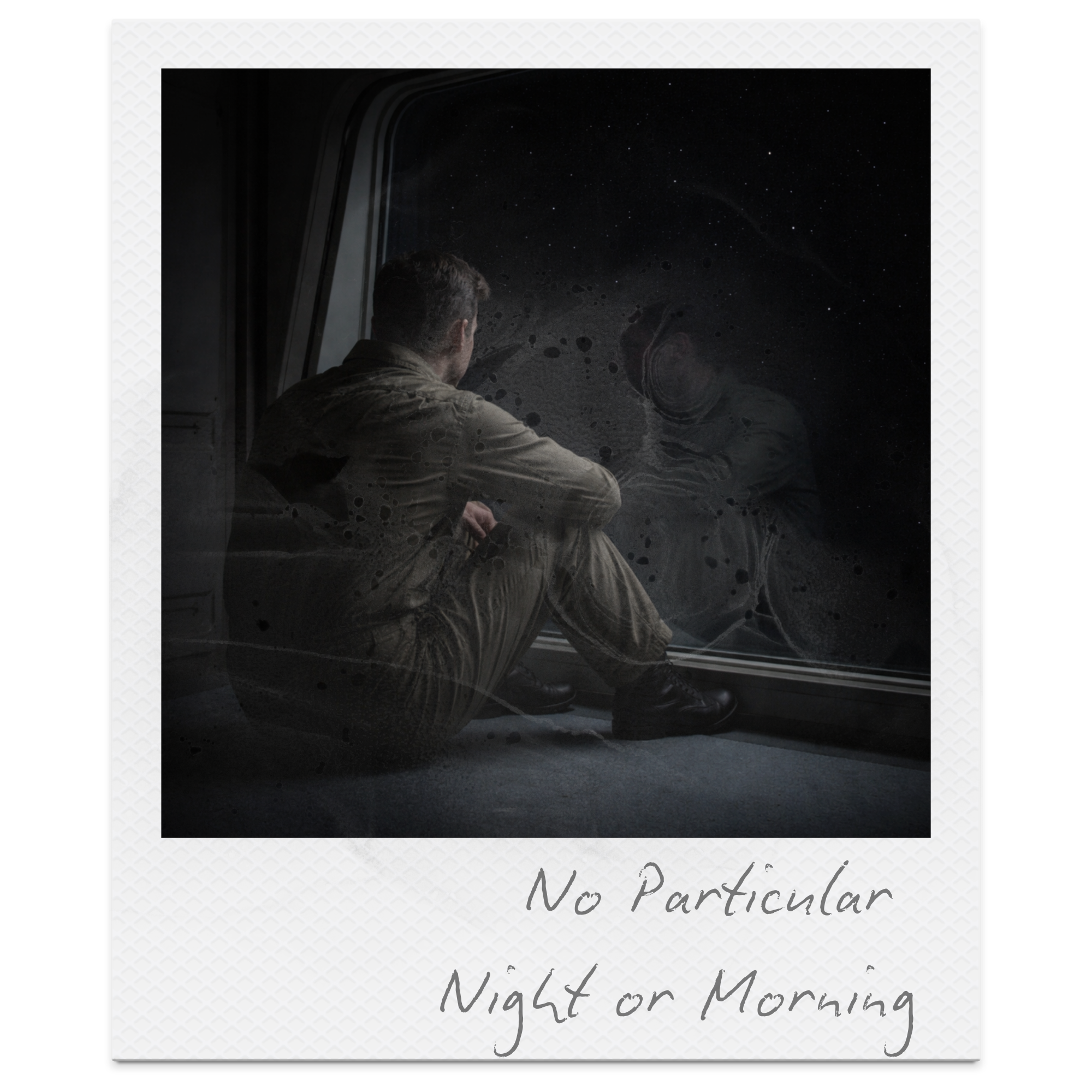
No Particular Night or Morning by Ray Bradbury: Summary, Themes, Symbolism & Analysis
No Particular Night or Morning explores existential uncertainty, isolation, and the limits of proof through the unsettling perspective of a man who can only believe in what he can immediately see, touch, or verify. As Hitchcock begins to reject the existence of Earth, memory, and even other people when they are not physically present, Bradbury builds a disturbing vision of reality reduced to isolated moments, stripped of continuity and meaning. As the story progresses, this rigid form of rationalism leads to the breakdown of identity and perception, revealing how dependent human life is on imagination, memory, and shared belief. Set against the vast emptiness of space, Hitchcock’s descent becomes both psychological and symbolic, culminating in a chilling rejection of everything—body, world, and self—leaving only “space” and “the gap.”
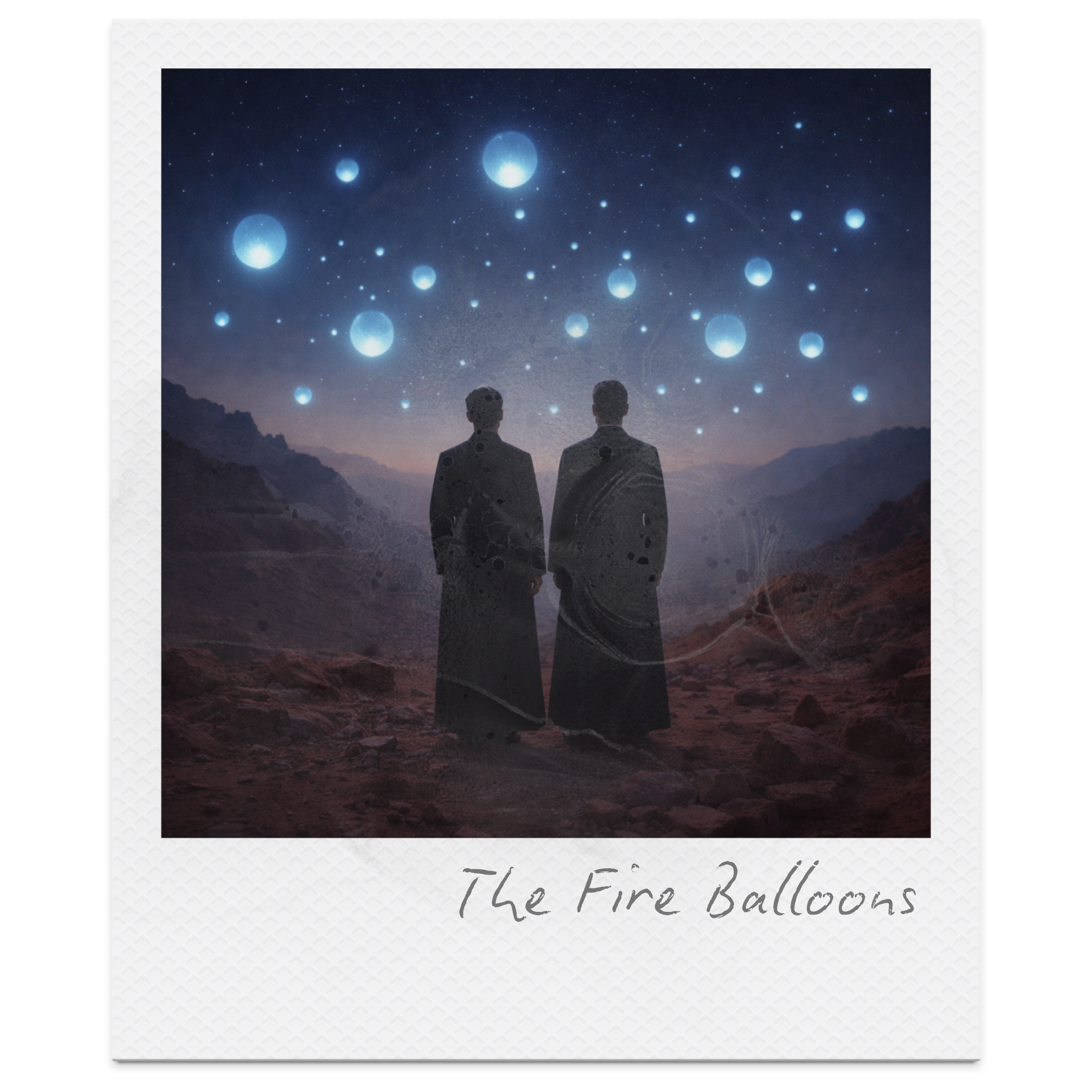
The Fire Balloons by Ray Bradbury: Summary, Themes, Symbolism & Analysis
The Fire Balloons explores faith, missionary zeal, and the limits of human understanding through the story of priests who travel to Mars expecting to bring salvation, only to encounter beings who may not need it. When Father Peregrine becomes fascinated by mysterious blue spheres living in the Martian hills, he begins to question whether traditional ideas of sin and morality apply beyond Earth, setting up a powerful conflict between certainty and curiosity. As the story unfolds, Bradbury challenges assumptions about religion, the body, and what it means to be truly human. The Martians’ revelation—that they exist beyond desire, conflict, and sin—forces a shift from confidence to humility, leaving both characters and readers to reconsider the nature of truth itself.
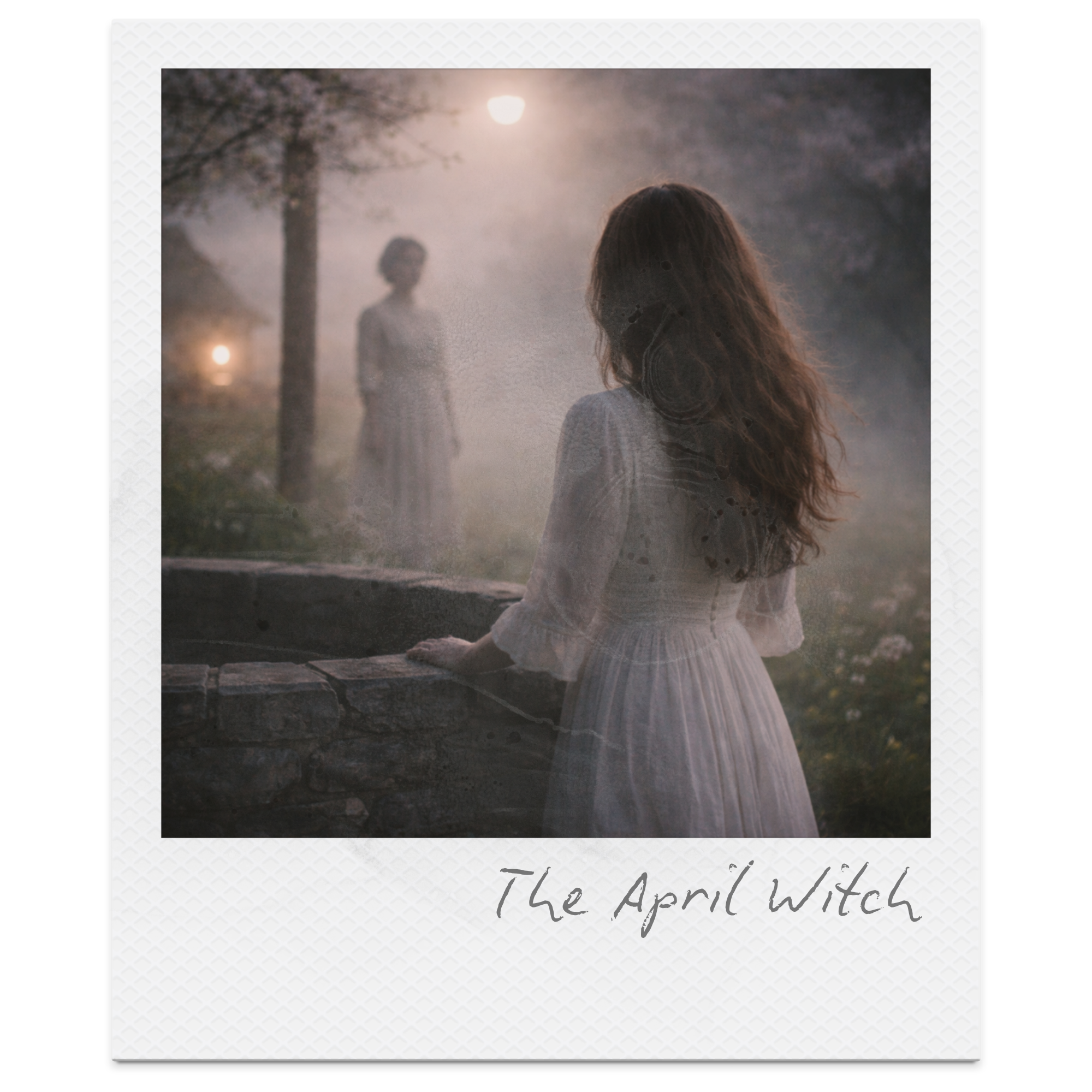
The April Witch by Ray Bradbury: Summary, Themes, Symbolism & Analysis
Ray Bradbury’s The April Witch is a lyrical piece of speculative fiction that explores longing, identity, and the desire for connection through a magical yet emotionally grounded premise. The story follows Cecy, a young girl who can inhabit other living beings, as she seeks to experience love by entering another person’s body, revealing both the beauty and the limitations of her extraordinary ability. At its heart, the story examines illusion versus reality, the fragility of belonging, and the emotional cost of distance, showing that borrowed experiences cannot replace genuine connection. Through rich imagery and a dreamlike tone, Bradbury creates a haunting reflection on what it truly means to be present, loved, and understood.