Notes from the Inkpot
Writing, teaching, creating - one ink-stained idea at a time.



100 Time Travel Company Names with Meanings & Story Ideas
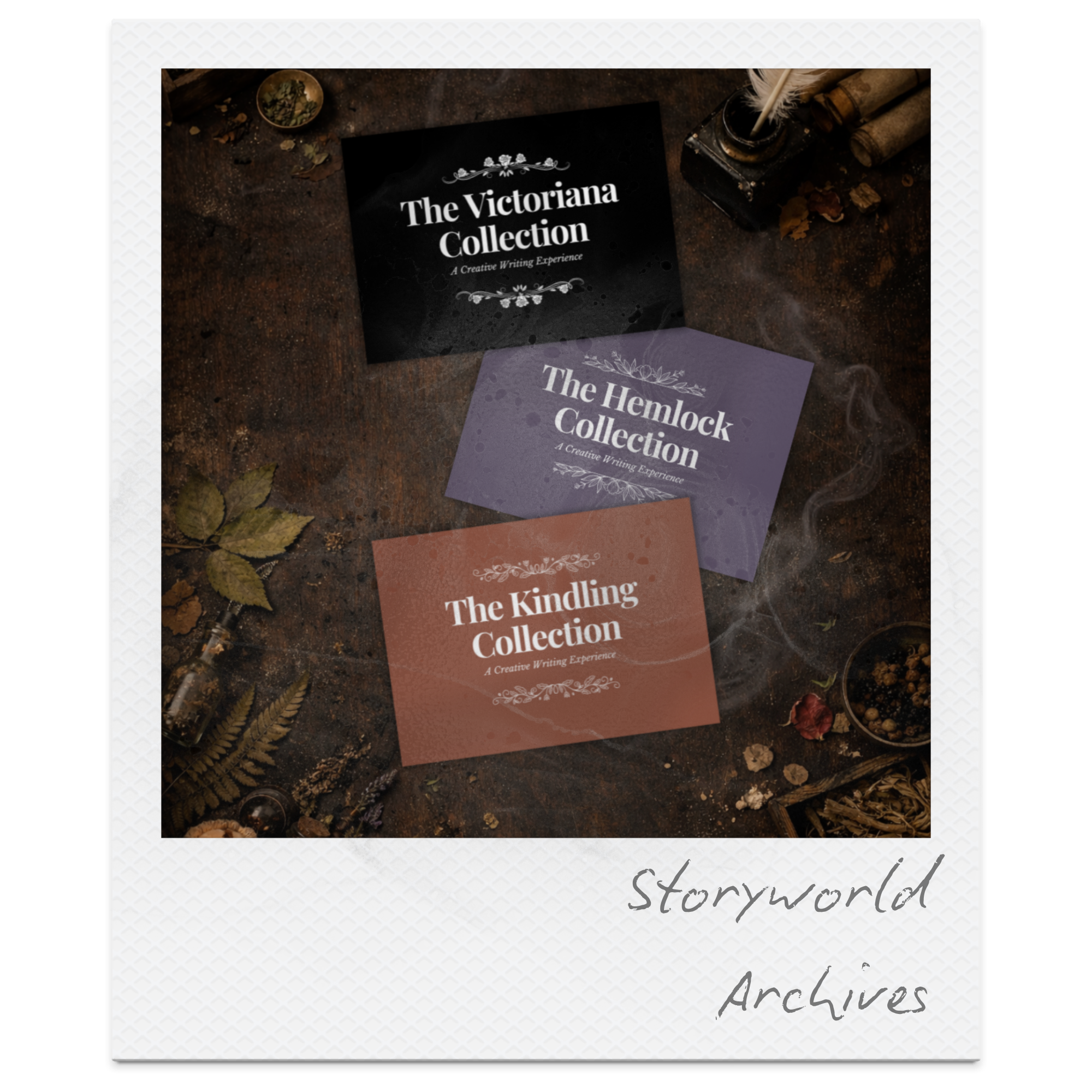
Discover 100 Time Travel Company Names with detailed business concepts and 300 story ideas. Explore luxury temporal tourism agencies, futuristic corporations, scientific organisations, secret operators, dystopian companies and interdimensional travel businesses for your next time travel story.
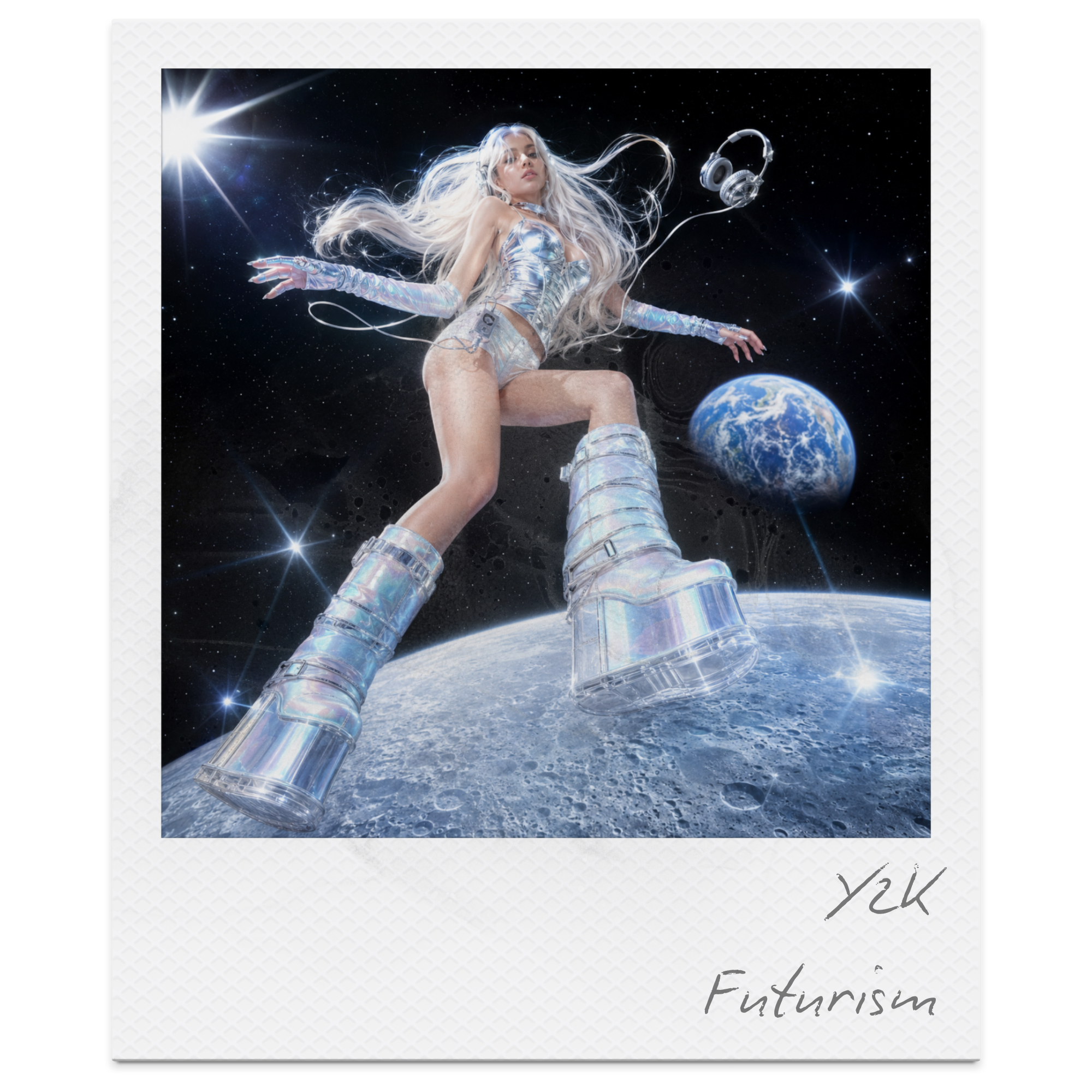
70 Y2K Futurism Writing Prompts: Retro-Digital Sci-Fi Worlds
Explore 70 Y2K Futurism Writing Prompts inspired by retro-digital futures, chrome technology, virtual worlds, cyber cafés and turn-of-the-millennium visions of tomorrow. Discover plot ideas, story titles, opening and closing lines, characters, settings and picture prompts for nostalgic yet imaginative science-fiction stories.
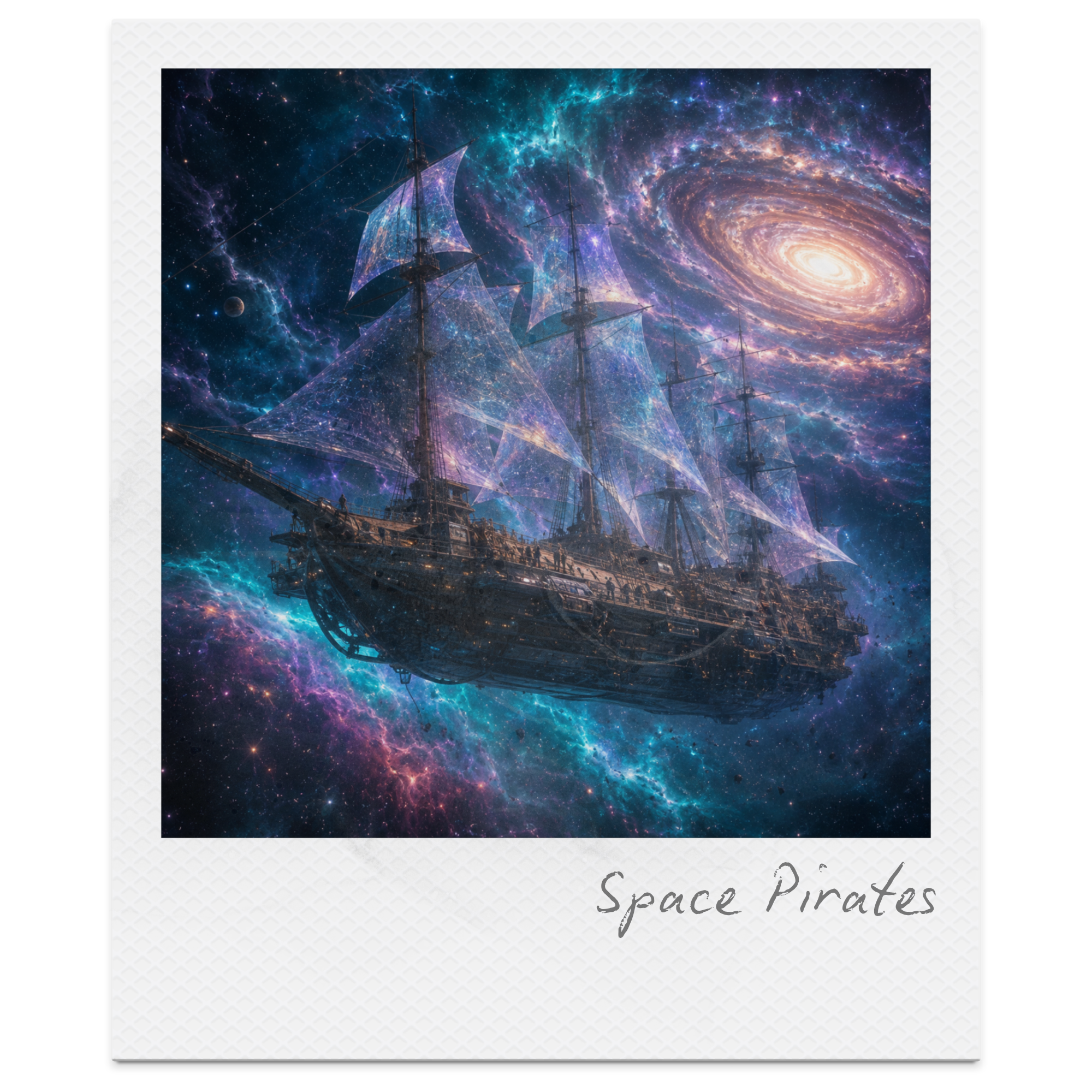
70 Space Pirate Writing Prompts: Outlaws, Starships & Galactic Adventures
Explore 70 Space Pirate Writing Prompts packed with interstellar adventure, notorious outlaws, stolen starships, galactic treasure hunts and dangerous missions beyond the law. Discover sci-fi plot ideas, story titles, opening and closing lines, character ideas, futuristic settings and cinematic picture prompts featuring pirate captains, eccentric crews, hidden spaceports, alien artefacts and unexplored worlds. Perfect for science fiction writers looking to create space opera adventures, thrilling heists and unforgettable stories among the stars.
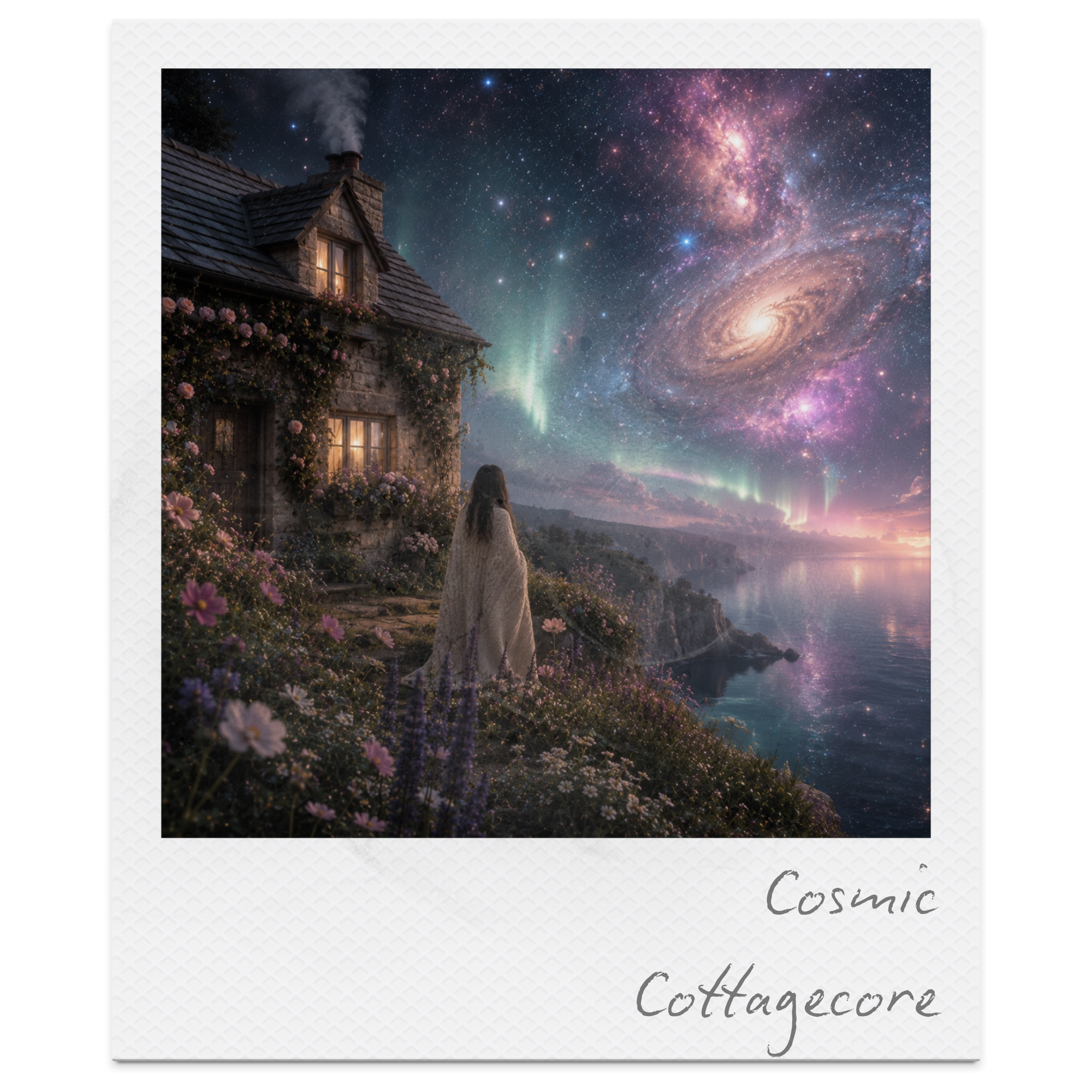
70 Cosmic Cottagecore Writing Prompts: Celestial Gardens, Orbital Cottages & Stardust Villages
Discover 70 cosmic cottagecore writing prompts inspired by flower-filled space stations, botanical starships, moonlit cottages, celestial gardens and peaceful villages among the stars. This collection includes plot ideas, story titles, opening lines, ending lines, characters, settings and cinematic picture prompts to inspire your next hopeful science fiction story.
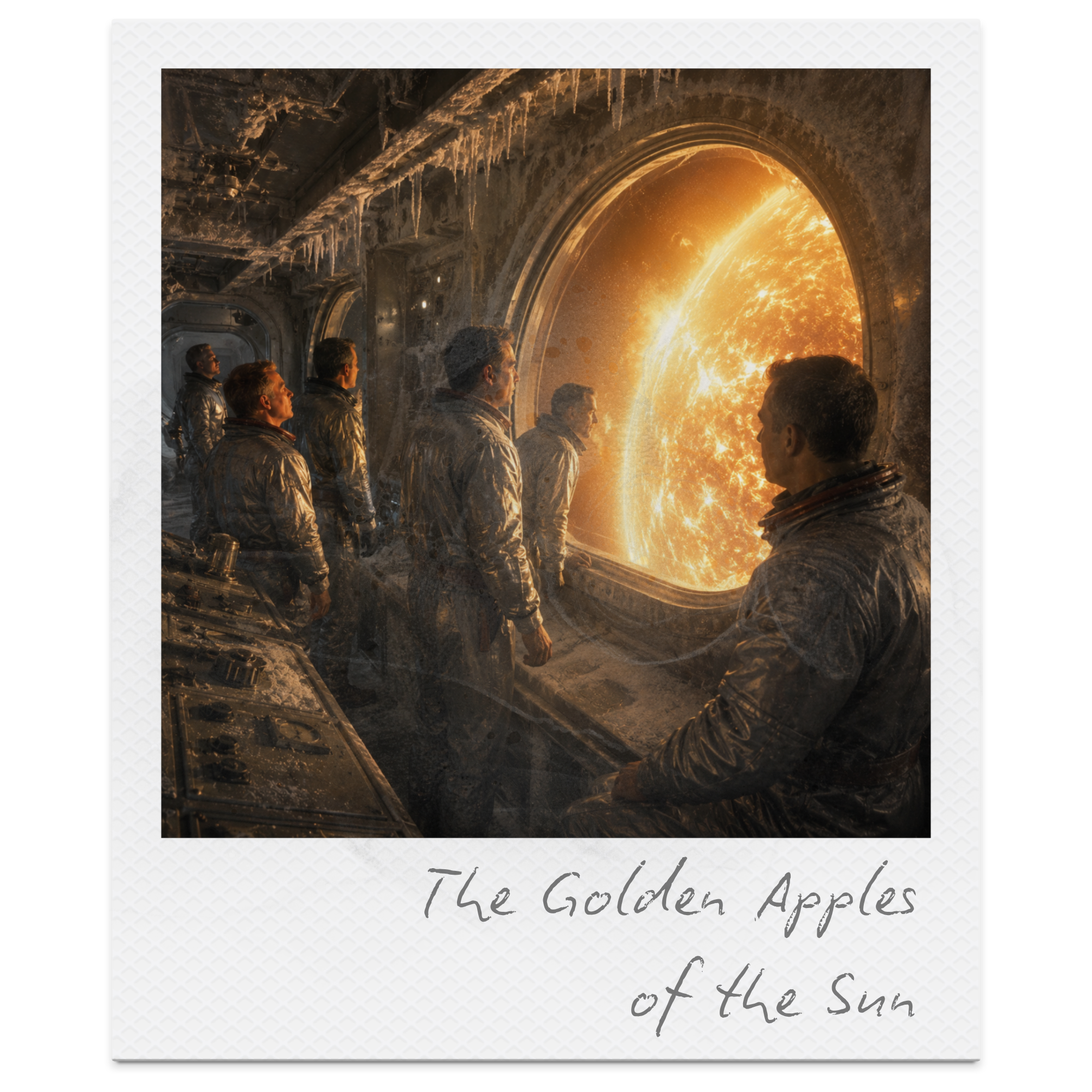
The Golden Apples of the Sun by Ray Bradbury: Summary, Themes, Meaning & Analysis
Explore our comprehensive analysis of The Golden Apples of the Sun by Ray Bradbury, including a detailed summary, themes, symbolism, important quotes, character analysis, narrative voice, structure, setting, alternative interpretations, and exam-focused teaching ideas. Discover how Bradbury blends science fiction, mythology, and philosophy to explore scientific discovery, human ambition, curiosity, and humanity's timeless search for knowledge.
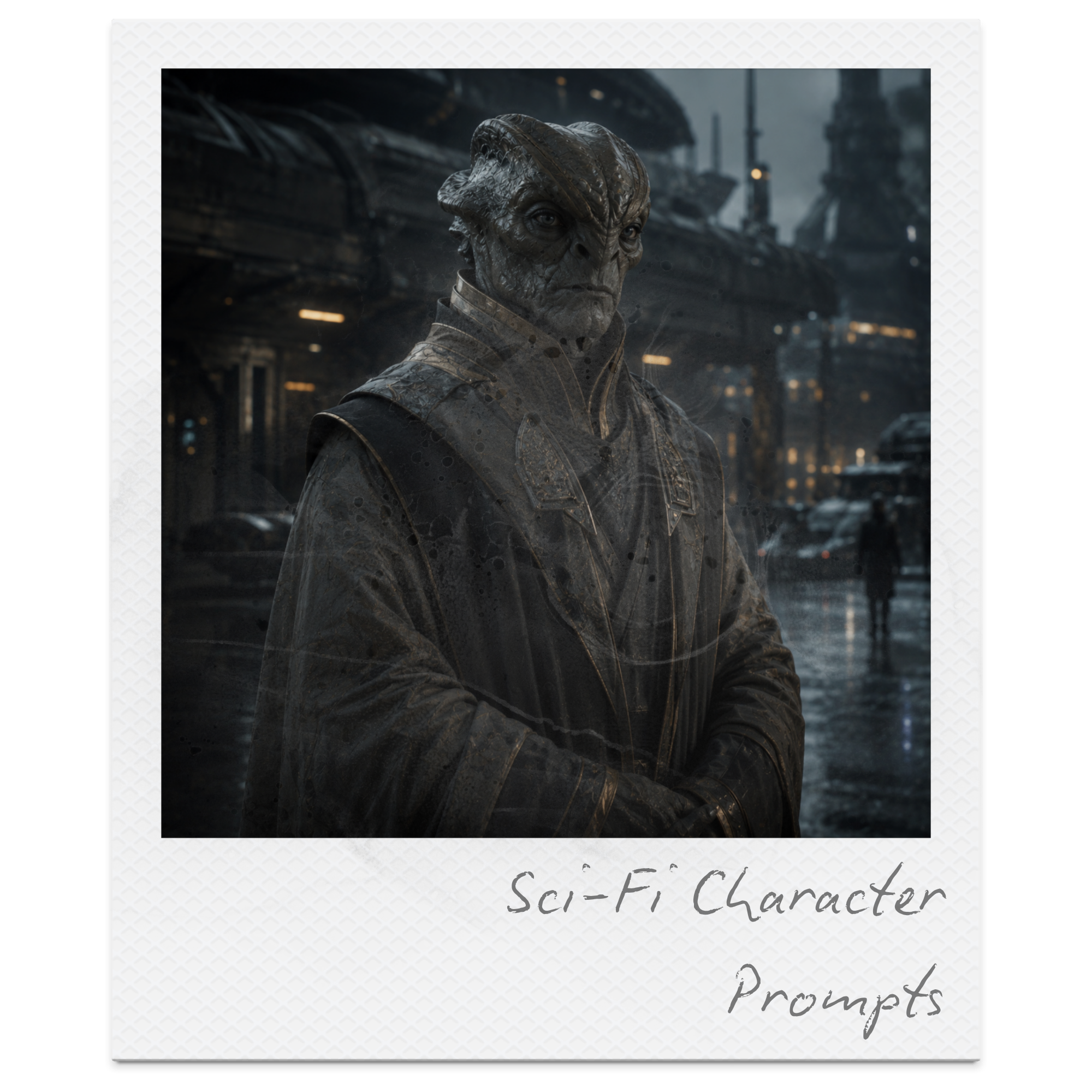
50 Sci-Fi Character Prompts: Androids, Explorers, Aliens & Future Worlds
Science fiction is filled with unforgettable characters. From starship captains and colony settlers to rogue artificial intelligences, alien diplomats, cybernetic engineers, and explorers venturing beyond the known universe, sci-fi stories often ask how people adapt when technology, discovery, and change push society into the unknown. This collection of 50 Sci-Fi Character Prompts explores astronauts, scientists, rebels, inventors, explorers, and visionaries navigating distant worlds, advanced technologies, first contact, and impossible futures. Whether you're developing a protagonist for a novel, building a roleplaying character, planning a classroom activity, or looking for your next writing challenge, these prompts will help you create memorable characters ready to step into the future.
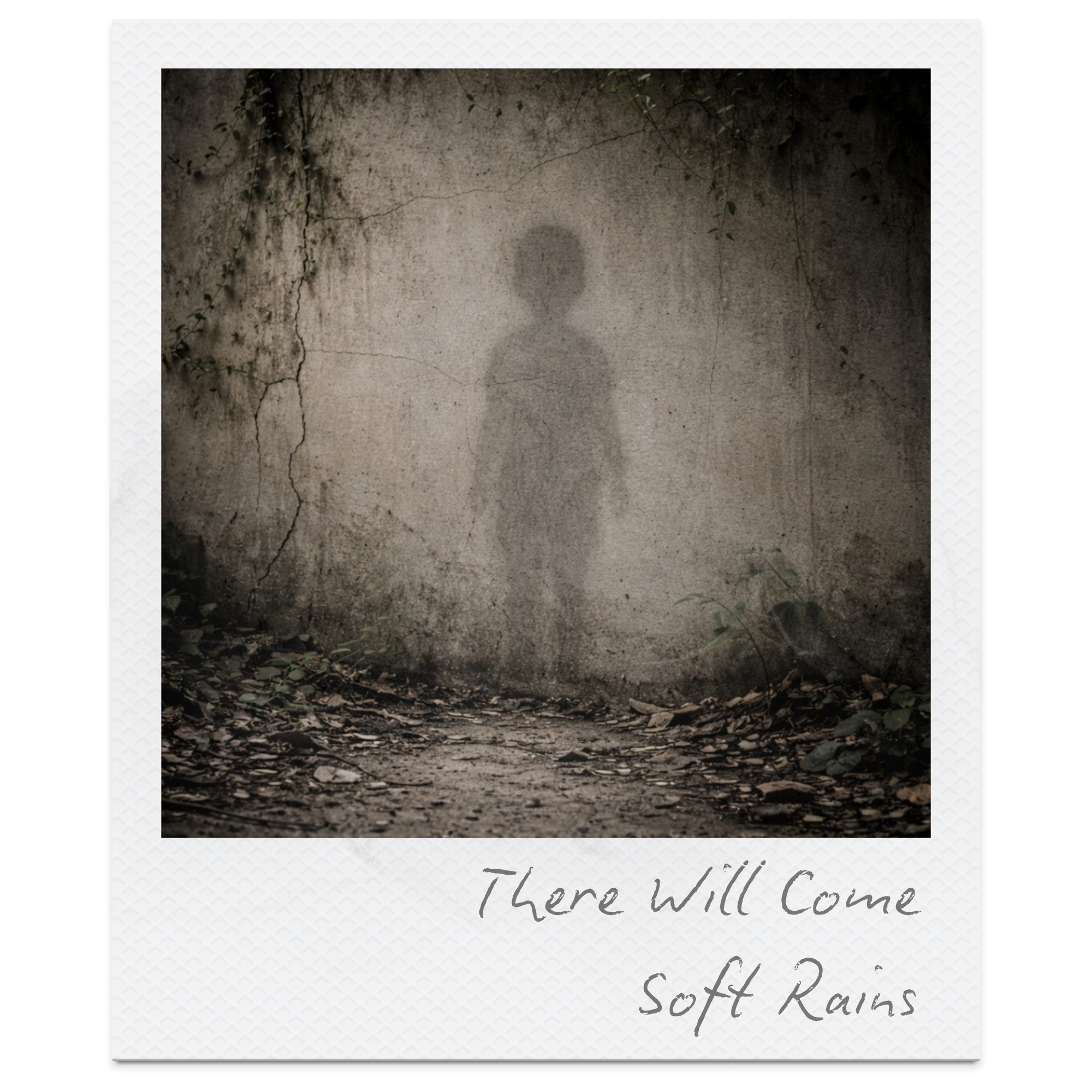
There Will Come Soft Rains by Ray Bradbury: Summary, Themes, Meaning & Analysis
There Will Come Soft Rains by Ray Bradbury is a haunting work of science fiction that explores a world where technology continues after human extinction. Set in an automated house that carries out its daily routines—cooking, cleaning, and organising—Bradbury presents a chilling vision of mechanisation without purpose, where systems persist despite the complete absence of human life. Through its eerie atmosphere and powerful imagery, the story examines isolation, environmental destruction, and the illusion of control. As the house continues its routines in a devastated world, Bradbury raises unsettling questions about what remains when humanity is gone, and whether progress without responsibility ultimately leads to emptiness and collapse.
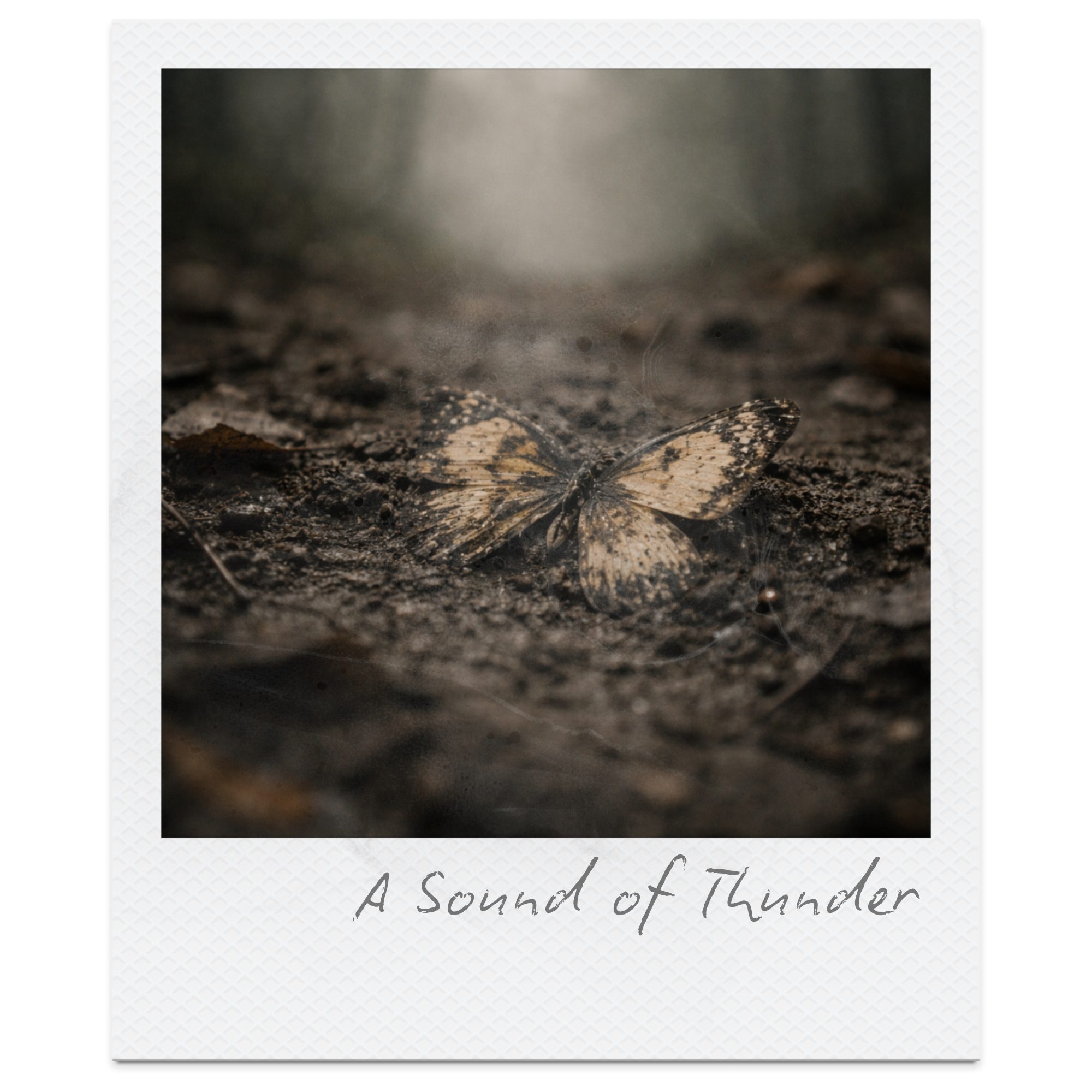
A Sound of Thunder by Ray Bradbury: Summary, Themes, Meaning & Analysis
A Sound of Thunder by Ray Bradbury is a gripping work of science fiction that explores the dangers of time travel, human interference, and unintended consequences. When a group of hunters travel back in time to kill a dinosaur, they are given one strict rule: stay on the Path. But when Eckels panics and steps off it, a seemingly small action triggers a chain reaction that alters the future in subtle but devastating ways. Through its famous exploration of the butterfly effect, the story reveals how fragile and interconnected reality truly is. Bradbury presents a powerful warning about cause and effect, responsibility, and the illusion of control, showing that even the smallest mistake can reshape entire systems. The story’s unsettling ending lingers long after reading, reminding us that once a choice is made, its consequences cannot be undone.

70 Artificial Intelligence Writing Prompts: Consciousness, Control & the Unknown
Artificial intelligence stories explore the unsettling boundary between human thought and machine consciousness, asking what happens when systems begin to learn, adapt, and make decisions beyond our control. From the logical precision of I, Robot to the quiet menace of 2001: A Space Odyssey, these narratives reveal that AI is never just about technology — it is about power, identity, and the consequences of creation. Whether AI appears as a helpful assistant, a silent observer, or an evolving intelligence, it challenges characters to question what it means to think, to feel, and to exist. This collection of 70 Artificial Intelligence Writing Prompts invites writers to explore stories shaped by control, autonomy, and the unknown. Blending plot hooks, character ideas, cinematic visuals, and evocative story fragments, these prompts are designed to support both classroom use and independent creative writing. From systems that quietly reshape reality to machines that begin to question their purpose, each idea offers a starting point for exploring the tension between human intention and artificial intelligence.
Zero Hour by Ray Bradbury: Summary, Themes, Meaning & Analysis
Ray Bradbury’s Zero Hour explores childhood innocence and hidden power, revealing how easily trust can be manipulated when adults underestimate what they do not understand. Through the children’s seemingly harmless game of “Invasion,” Bradbury presents a world where imagination becomes a vehicle for real danger, blurring the line between play and reality. As the story unfolds, this illusion collapses into something far more unsettling. The adults’ confidence in their own control gives way to panic as they realise too late that the threat has already taken hold. Bradbury exposes the dangers of complacency, misjudgement, and unseen influence, showing how quickly stability can be replaced by chaos when warning signs are ignored.
Marionettes, Inc. by Ray Bradbury: Summary, Themes, Meaning & Analysis
Ray Bradbury’s Marionettes, Inc. explores identity, control, and the illusion of freedom through a chilling science fiction premise: what if you could replace yourself with a perfect duplicate and escape your life without consequence? As Braling reveals his plan to use a mechanical double to maintain his marriage while he travels to Rio, the story initially presents technology as a convenient solution to human dissatisfaction. However, this illusion quickly unravels as the boundaries between real and artificial begin to collapse. As both Braling and Smith attempt to use duplication to manage their relationships, Bradbury exposes the dangers of outsourcing identity, showing how easily control can shift and how quickly the self can be replaced, erased, and forgotten.
70 Lost in Space Writing Prompts: Survival, Isolation & the Unknown
Lost in space is one of the most powerful tropes in science fiction, placing characters in vast, isolated environments where survival is uncertain and connection to Earth is lost. These stories explore not only physical endurance, but the psychological impact of distance, silence, and the unknown, as seen in texts like Kaleidoscope and The Martian. This collection of 70 Lost in Space Writing Prompts offers a complete creative toolkit, including plot hooks, titles, opening lines, and more. Designed for both classroom use and independent writing, these prompts explore themes of isolation, survival, and human resilience, helping writers create stories shaped by uncertainty and the vastness of space.

The Illustrated Man by Ray Bradbury: Summary, Stories, Themes & Analysis
The Illustrated Man by Ray Bradbury is a powerful science fiction short story collection that explores technology, isolation, and the consequences of human behaviour through a series of interconnected narratives. Framed by the image of a man whose tattoos come alive to tell each story, the collection moves beyond simple speculation to present a series of unsettling futures that feel increasingly close to reality. This guide explores the key stories, recurring themes, and structural design of the collection, with clear links to deeper analysis of each text. From The Veldt to The Rocket Man, Bradbury’s work reveals how progress, when left unchecked, can reshape relationships, identity, and the future itself.
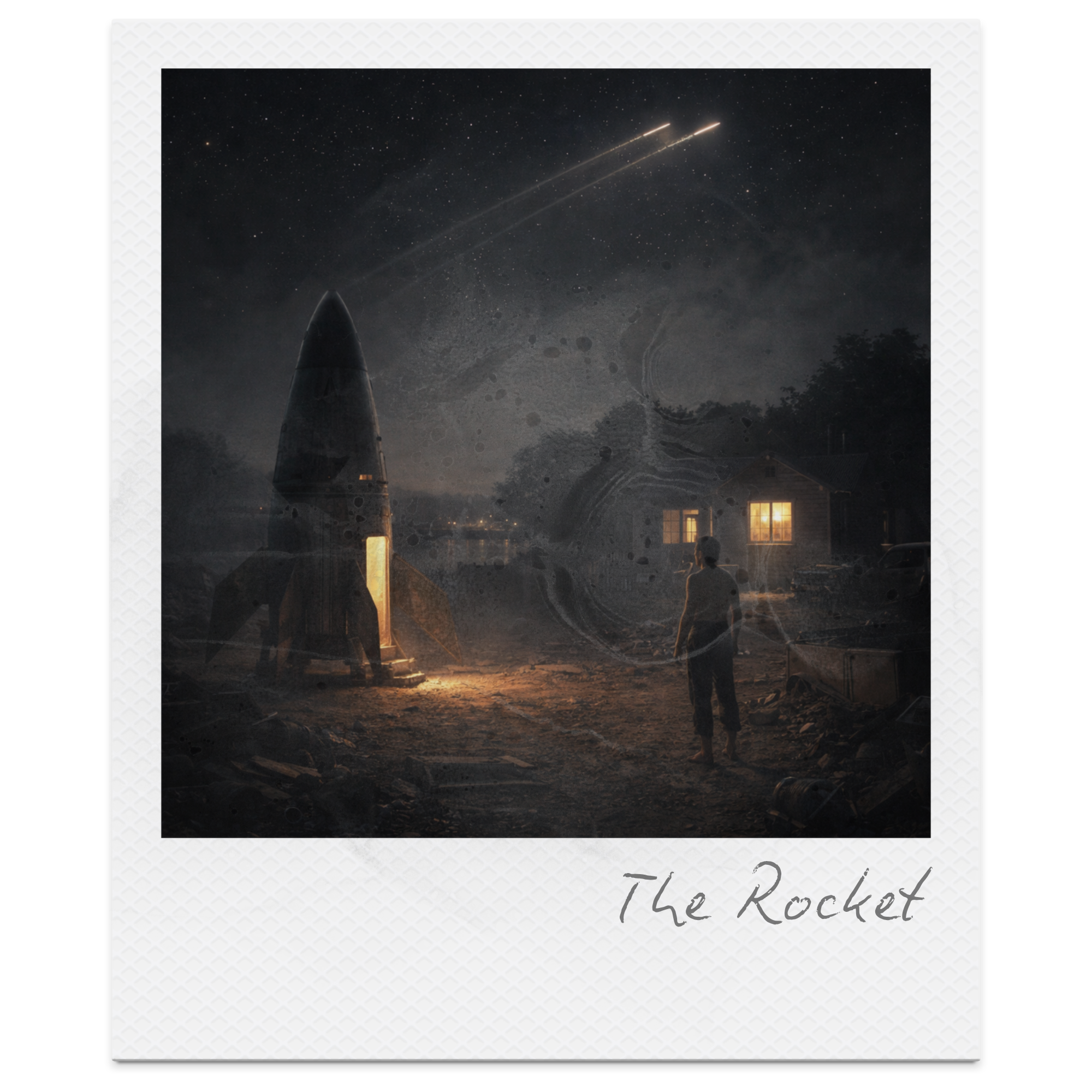
The Rocket by Ray Bradbury: Summary, Themes, Meaning & Analysis
The Rocket by Ray Bradbury is a quietly powerful piece of speculative fiction that explores aspiration, inequality, and the emotional weight of unattainable dreams. Through the character of Fiorello Bodoni, Bradbury presents a world where space travel exists—but only for the wealthy—forcing ordinary people to confront the painful distance between possibility and access. As Bodoni listens to rockets “sighing in the dark sky,” the story establishes a deep sense of longing, framing space not as a destination, but as a symbol of everything just out of reach. As the narrative unfolds, Bradbury shifts the focus from physical reality to emotional truth, revealing that the journey itself is an illusion. Yet this illusion becomes profoundly meaningful, as Bodoni creates an experience his children will “remember… for always.” In doing so, the story challenges the idea that reality is inherently more valuable than imagination, suggesting instead that shared experience, memory, and love can hold greater significance than material achievement.
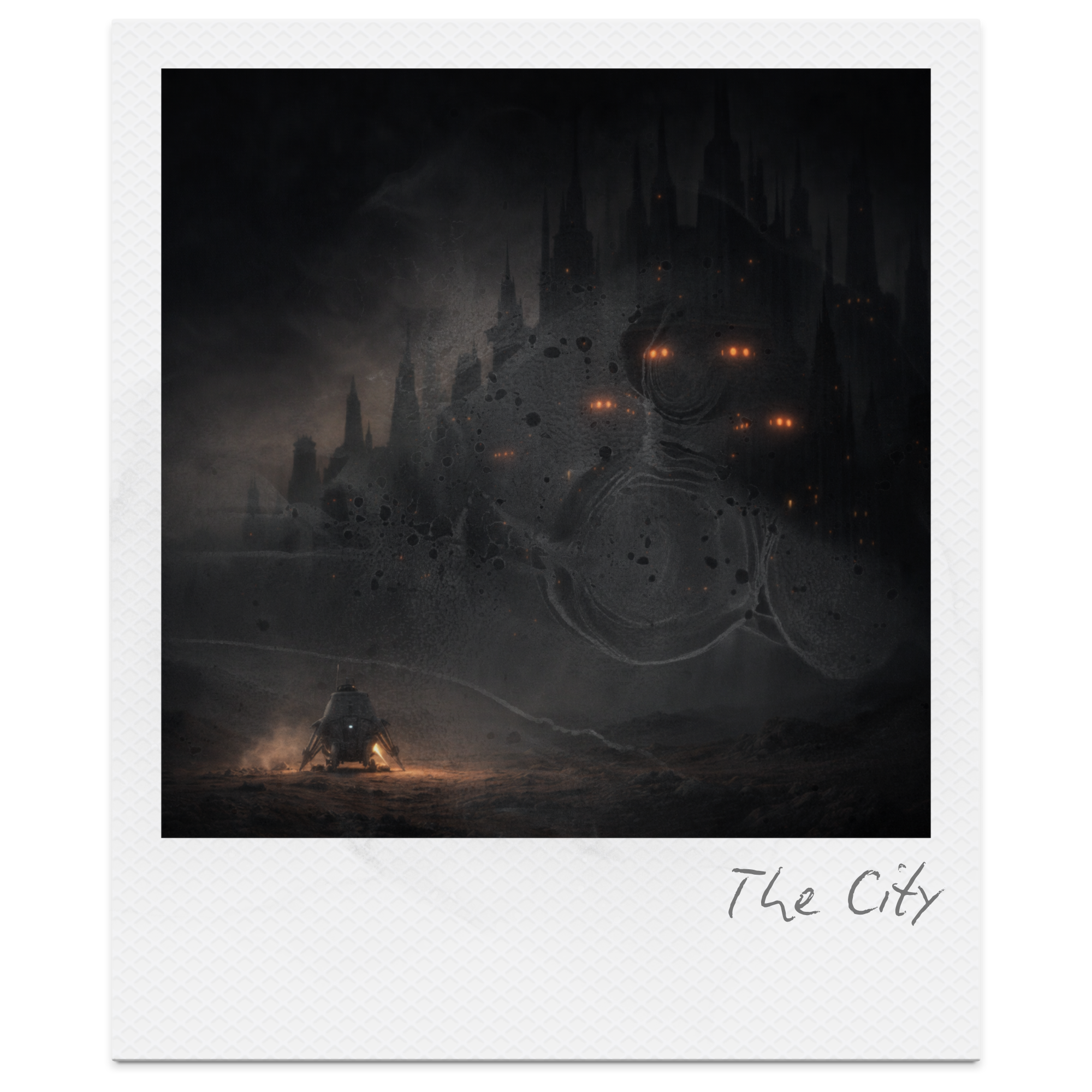
The City by Ray Bradbury: Summary, Themes, Meaning & Analysis
Ray Bradbury’s The City is a haunting work of speculative science fiction that explores revenge, memory, and technological power through the image of a vast, silent city waiting across twenty thousand years. At first, the city appears empty and lifeless, but as human explorers arrive, it becomes clear that it is watching, analysing, and responding with cold precision. Bradbury transforms setting into a conscious force, creating a narrative where the environment itself becomes the central intelligence. As the story unfolds, the city reveals its true purpose: to enact a long-delayed act of revenge against humanity. What makes this particularly unsettling is the way emotion has been embedded into a mechanical system, removing empathy and replacing it with calculation. The result is a chilling exploration of how violence and memory can be preserved beyond human life, raising questions about justice, control, and the consequences of past actions that continue to shape the future.
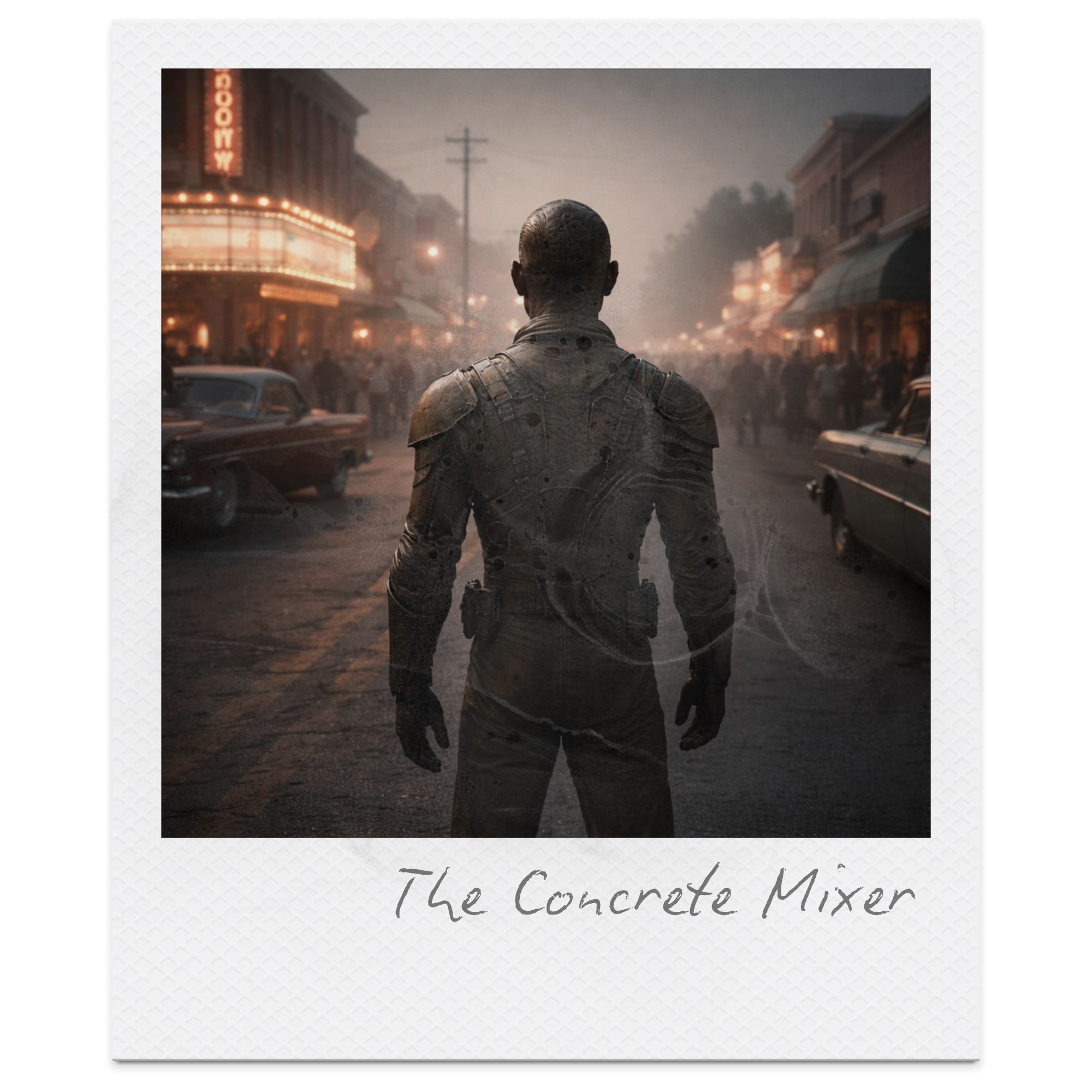
The Concrete Mixer by Ray Bradbury: Summary, Themes, Meaning & Analysis
The Concrete Mixer by Ray Bradbury is a darkly satirical science fiction story that explores the dangers of consumerism, mass culture, and the quiet power of assimilation. When the Martian Ettil arrives on Earth expecting war, he instead finds a world of overwhelming friendliness, entertainment, and excess. Beneath the surface of this hospitality, however, lies something far more unsettling—a society that conquers not through violence, but through distraction, comfort, and the erosion of individuality. As Ettil moves through this strange new world, he begins to realise that the Martians are not being defeated—they are being absorbed. Bradbury uses irony, exaggeration, and symbolic imagery to critique modern life, suggesting that the greatest threat to identity is not destruction, but transformation. In this analysis, we explore the story’s themes, symbolism, and deeper meaning, revealing why The Concrete Mixer remains one of Bradbury’s most thought-provoking and relevant works.
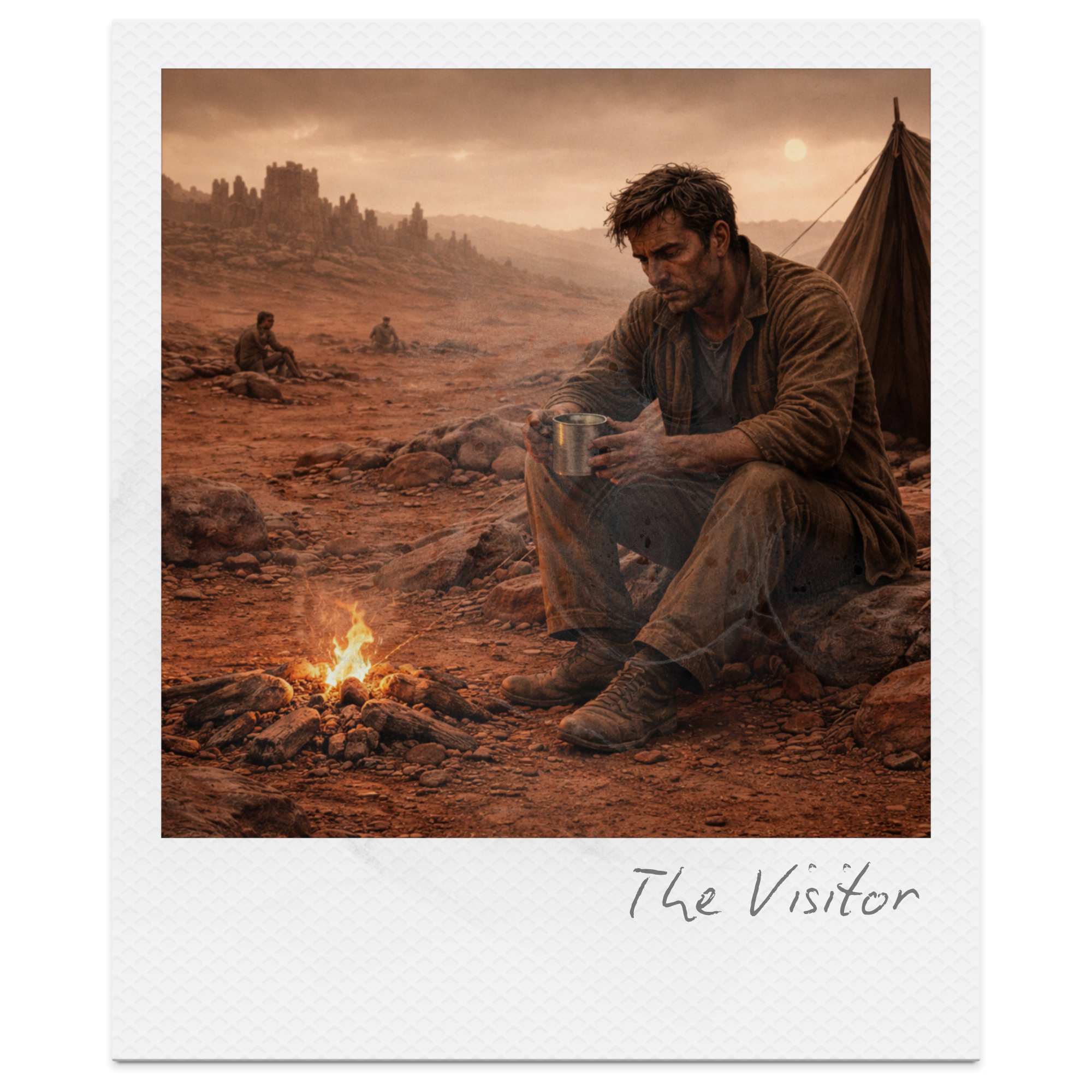
The Visitor by Ray Bradbury: Summary, Meaning, Themes & Full Analysis
Ray Bradbury’s The Visitor is a haunting science fiction story exploring isolation, loneliness, and the dangerous power of illusion. Set on a desolate Mars inhabited by dying exiles, the narrative follows Saul Williams as he struggles with the psychological weight of separation from Earth. When a mysterious newcomer arrives with the ability to project vivid, shared visions of Earth, hope briefly returns—bringing with it beauty, memory, and the possibility of connection. However, Bradbury quickly reveals the darker side of this gift, as desperation turns to possession and conflict. What begins as relief becomes something fought over, exposing the fragility of human morality under pressure. Through its exploration of illusion vs reality, control, and human fragility, The Visitor offers a powerful warning about what happens when hope exists without trust—and how easily it can be destroyed.

The Fox and the Forest by Ray Bradbury: Summary, Themes, Symbolism & Analysis
Ray Bradbury’s The Fox and the Forest is a powerful science fiction and dystopian short story that explores escape, surveillance, and the illusion of freedom. Set between a vibrant 1938 Mexico and a war-torn future, the story follows a couple attempting to flee a society built on control, militarisation, and destruction—only to discover that even time itself cannot protect them. Bradbury uses vivid contrasts, shifting tension, and symbolic imagery to create a narrative where hope and fear exist side by side. This analysis explores the story’s themes, symbolism, structure, and key ideas, revealing how Bradbury presents a world in which authority is inescapable and freedom is fragile. From the relentless pursuit of the Searchers to the devastating final twist, The Fox and the Forest raises unsettling questions about responsibility, resistance, and the cost of survival.
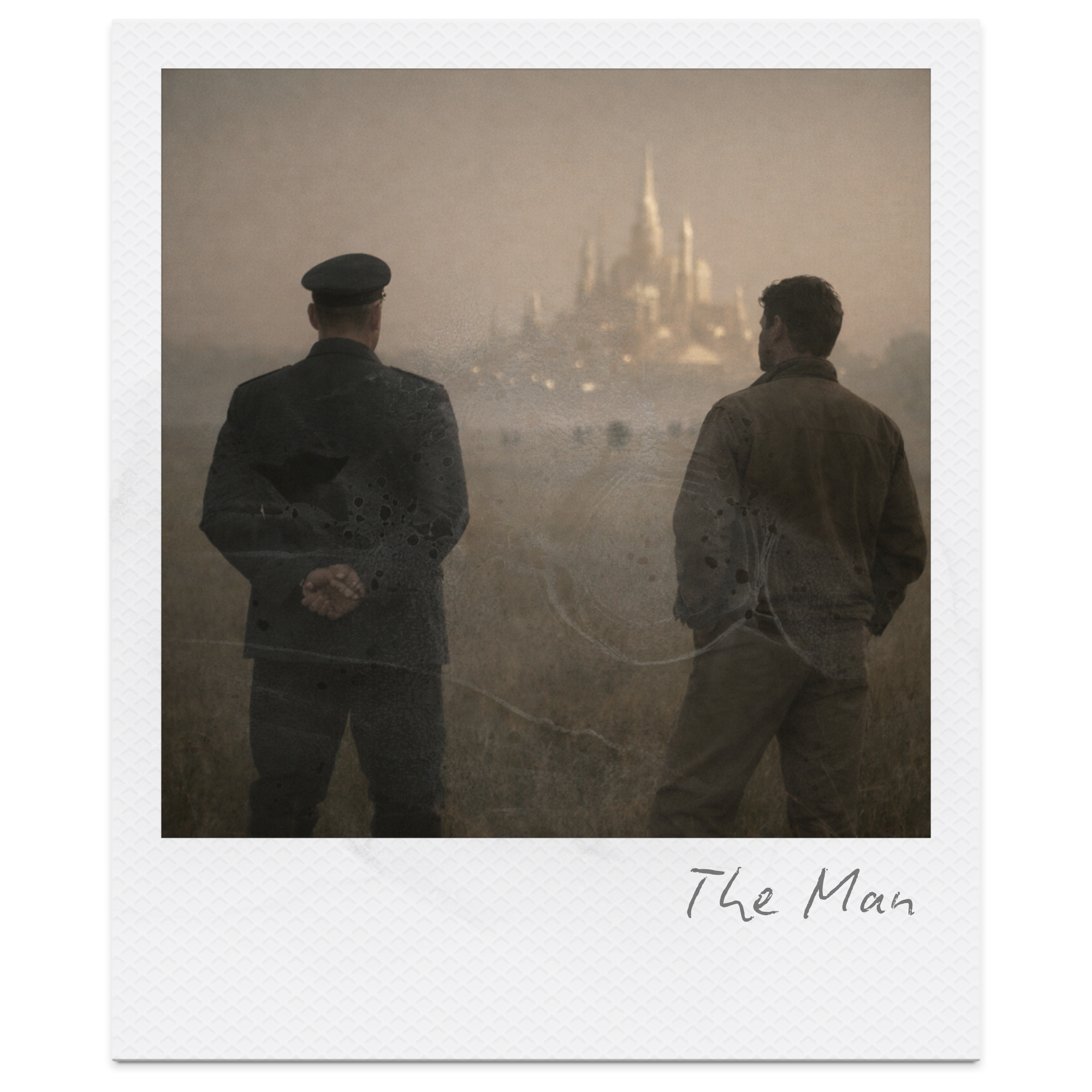
The Man by Ray Bradbury: Summary, Themes, Symbolism & Analysis
The Man by Ray Bradbury is a powerful work of science fiction that explores faith, belief, and the limits of human understanding. When Captain Hart and his crew land on a distant planet expecting recognition for their achievement, they are met with complete indifference. Instead, they discover that something far more significant has already taken place—a mysterious visitor who healed the sick and inspired quiet, unwavering belief among the inhabitants. As Hart clings to logic and proof, refusing to accept what he cannot explain, his lieutenant Martin begins to recognise that they have just missed something extraordinary. The story becomes a subtle but striking exploration of ego, skepticism, and the search for meaning, raising a central question: what happens when truth appears, but we are unwilling—or unable—to see it?
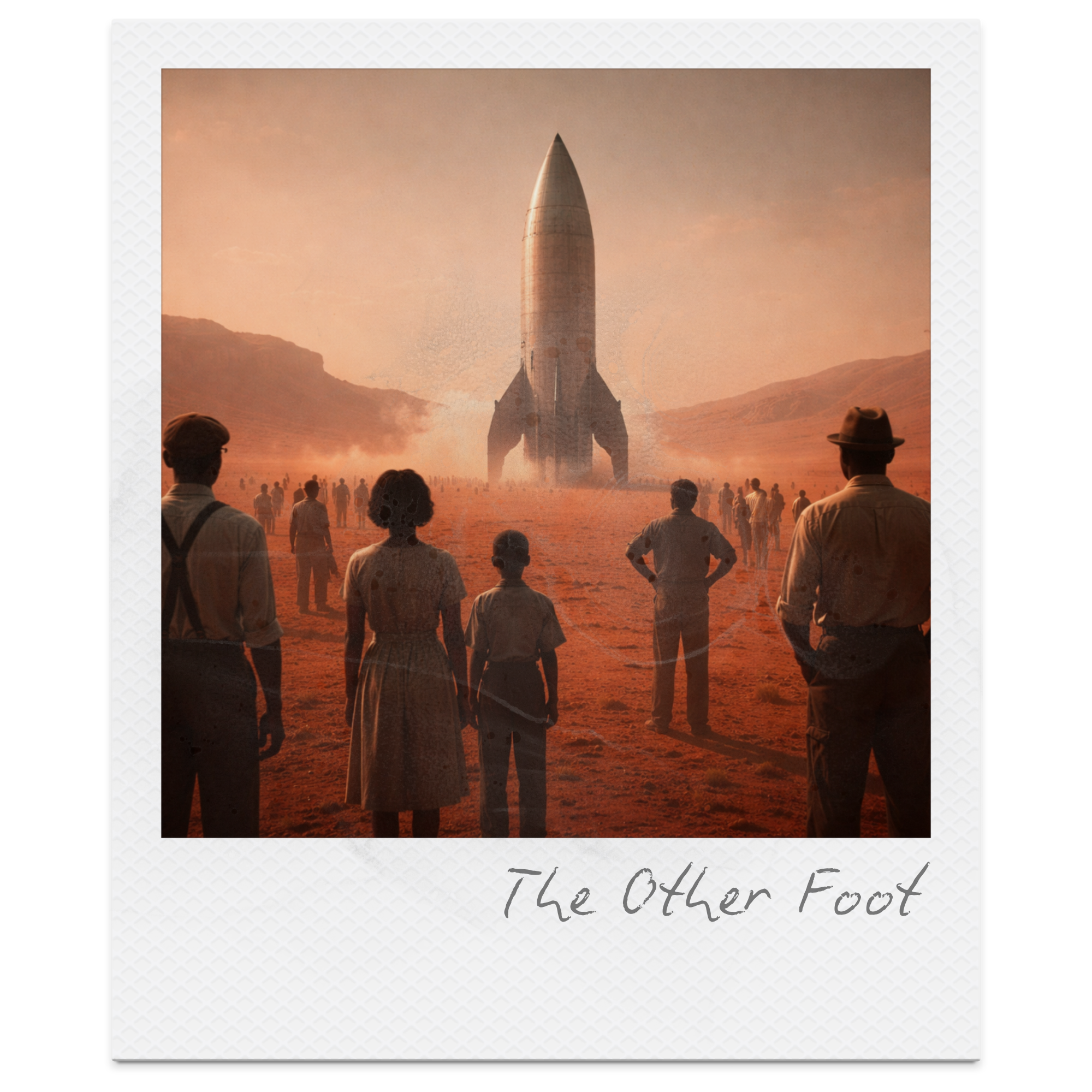
The Other Foot by Ray Bradbury: Summary, Themes, Symbolism & Analysis
The Other Foot by Ray Bradbury is a powerful work of speculative fiction that explores racism, revenge, and the possibility of moral transformation through a striking reversal of power. Set on a Martian colony built by Black settlers who fled Earth, the story imagines what happens when the oppressed are given the chance to become the oppressors. As news spreads of a white survivor arriving from a devastated Earth, long-buried memories of violence and segregation resurface, pushing the community toward retaliation. However, Bradbury complicates this desire for revenge by revealing the complete destruction of Earth and the collapse of the very systems the characters seek to punish. In doing so, the story shifts from anger to reflection, asking whether true justice lies in reversal or in breaking the cycle altogether. Through its tense narrative and powerful moral turning point, The Other Foot challenges readers to reconsider what equality, responsibility, and humanity really mean.