The Concrete Mixer by Ray Bradbury: Summary, Themes, Meaning & Analysis
The Concrete Mixer is a darkly comic work of science fiction and satirical social critique in which Ray Bradbury explores consumerism, mass culture, conformity, and the quiet violence of so-called civilisation. Instead of presenting Earth as a heroic world defending itself against invaders, Bradbury turns the idea of alien conquest inside out: the Martian Ettil arrives expecting war and destruction, only to discover a planet that conquers not through weapons, but through advertising, entertainment, sentimentality, and the deadening force of modern life. The story becomes a sharp examination of how a culture can absorb and erase difference under the smiling surface of hospitality.
At a deeper level, The Concrete Mixer is about the fear of being swallowed by a system that looks harmless, friendly, and even ridiculous. Bradbury satirises postwar American life as a world of cinema, cars, salesmanship, cheap romance, slogans, noise, and endless consumption, showing how easily individuality can be crushed by a culture that packages everything into something marketable. In that sense, the story is not only about Mars and Earth, but about what happens when identity, freedom, and sensibility are fed into the machinery of mass society. If you’re exploring more of Bradbury’s sharpest speculative fiction, you can also visit the Ray Bradbury Hub and the wider Literature Library.
Context of The Concrete Mixer
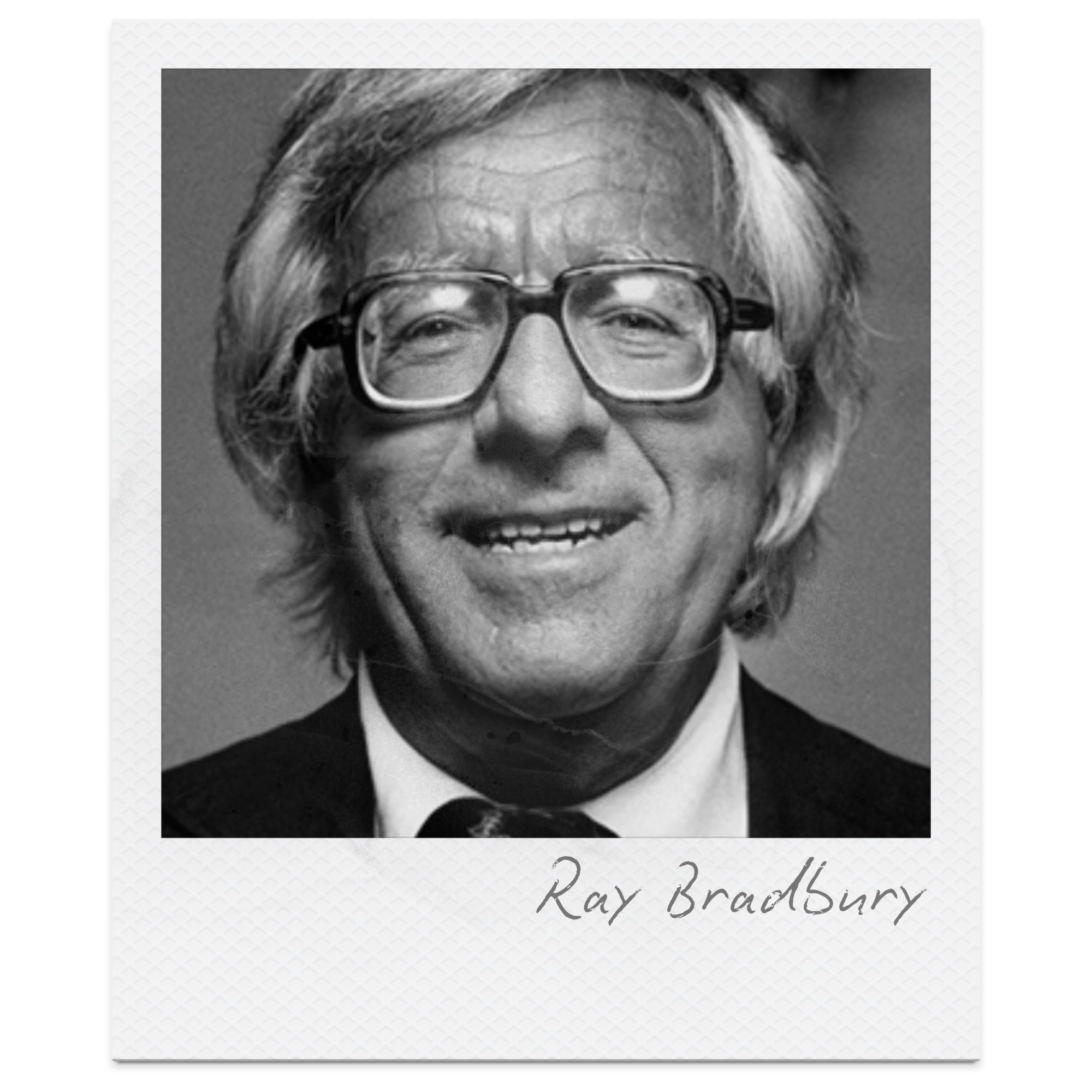
Ray Bradbury wrote during the mid-20th century, a period shaped by the aftermath of World War II and the rapid rise of American consumer culture, mass media, and industrial expansion. Unlike many writers within science fiction, Bradbury was less concerned with technological realism and more interested in the psychological and cultural consequences of modern life. His work frequently critiques societies dominated by entertainment, advertising, and passive consumption, where deeper thought and individuality begin to erode. This broader perspective is explored further in the Ray Bradbury Context Post, where his recurring concerns with conformity, distraction, and cultural control are examined in more detail.
This context directly shapes the meaning of The Concrete Mixer. Rather than portraying Earth as a civilisation under threat, Bradbury presents it as a force of assimilation, capable of absorbing and reshaping outsiders through its systems of consumption and spectacle. The Martians do not face destruction through violence, but through exposure to a culture built on commercialism, banality, and endless distraction. In this sense, the story becomes a sharp satire of capitalism and mass culture, suggesting that the real danger lies not in being defeated, but in being quietly transformed into something passive, uniform, and unthinking.
The Concrete Mixer: At a Glance
Form: Short story; satirical science fiction
Mood: Darkly comic, unsettling, ironic
Central tension: Ettil’s attempt to resist a culture that seeks to absorb and erase him
Core themes: Consumerism and capitalism; conformity and assimilation; mass culture and entertainment; identity and loss of self; illusion versus reality
One-sentence meaning: Bradbury suggests that the greatest threat to a civilisation is not violent destruction, but the quiet, seductive power of a culture that absorbs individuality and reshapes it into something passive and uniform.
Quick Summary of The Concrete Mixer
At the start of the story, Ettil Vrye, a thoughtful and resistant Martian, refuses to join the planned invasion of Earth, believing it will end in disaster. Influenced by forbidden Earth science fiction magazines, he argues that humans are culturally conditioned to defeat invaders. Arrested for treason, he is forced to join the Martian army, leaving behind his fearful wife and solemn son as the invasion begins.
When the Martians arrive on Earth, they are met not with violence, but with overwhelming hospitality, celebration, and friendliness. Confused and increasingly uneasy, Ettil senses something deeply wrong beneath the surface. As the Martians are flooded with food, entertainment, advertising, and social interaction, he realises that Earth’s true power lies in its ability to absorb and transform outsiders rather than destroy them outright.
As Ettil moves through Earth’s culture—encountering consumerism, cinema, religion, and commercial exploitation—he becomes convinced that the Martians are being slowly erased by the very society they intended to conquer. Faced with the choice between returning home or becoming part of this overwhelming system, Ettil hesitates. The story ends with him caught in a moment of fatal realisation, as the machinery of modern life—symbolised by the speeding car—moves in to destroy him, echoing his earlier fear that Earth functions like a vast concrete mixer, grinding everything into sameness.
Title of The Concrete Mixer
Bradbury’s titles often do far more than simply label a story; they establish tone, suggest conflict, and introduce a central metaphor that shapes the reader’s interpretation. In The Concrete Mixer, the title immediately feels industrial, mechanical, and impersonal, evoking images of construction, grinding, and forced blending—ideas that become central to the story’s meaning.
At first, the title may seem unrelated to a narrative about a Martian invasion, offering no obvious connection to space, war, or conflict. This creates a subtle dissonance, encouraging the reader to look beyond literal expectations. As the story unfolds, however, the meaning becomes increasingly clear: Earth itself functions like a vast concrete mixer, a system that takes in individuals—Martians included—and breaks them down before reshaping them into something uniform.
By the end of the story, the title takes on a chilling symbolic significance. The “mixer” represents a culture driven by consumerism, mass production, and standardisation, where everything—identity, values, even resistance—is blended into sameness. Ettil’s growing horror reflects his recognition that he and his people are not being destroyed through violence, but processed through a system that erases difference. The title therefore carries a strong sense of irony: what appears to be a tool for building becomes an instrument of cultural destruction.
Emotionally and thematically, the title resonates with the story’s final moments, where the image of the speeding car echoes the grinding, mechanical force implied by the mixer itself. It leaves the reader with a lasting impression of inevitability—suggesting that once drawn into this system, escape is almost impossible, and individuality will ultimately be consumed.
Structure of The Concrete Mixer
The structure of The Concrete Mixer carefully builds from intellectual resistance to psychological collapse, mirroring Ettil’s journey from clarity to overwhelming confusion. Bradbury uses a progression from order to chaos, gradually intensifying the sense that something is deeply wrong beneath the surface of Earth’s apparent friendliness.
Opening (Exposition)
The story begins on Mars, where Ettil refuses to join the invasion of Earth, immediately establishing him as an outsider within his own society. This opening is structured around dialogue and conflict, with the witches, his wife, and his father-in-law all reinforcing social pressure. Crucially, Bradbury introduces Ettil’s reasoning through the Earth magazines, planting the central idea that culture—not weapons—determines outcomes. The exposition is calm but tense, grounded in logic and foresight.
Rising Action
Tension increases as Ettil is arrested and forced to join the invasion, moving the story physically and psychologically toward Earth. Once the Martians arrive, the expected structure of conflict is deliberately disrupted: instead of war, they are met with celebration, hospitality, and spectacle. Bradbury escalates unease through a series of increasingly surreal encounters—food, crowds, entertainment, advertising, and social interaction—all of which feel excessive and unnatural. The rising action is driven not by violence, but by sensory overload and cultural immersion.
Turning Point / Climax
The turning point occurs as Ettil fully realises the nature of Earth’s power. Encounters with figures like the film producer (Rick) reveal that the Martians are not enemies, but commodities—to be exploited, reshaped, and sold. This moment shifts the story from confusion to clarity: the invasion has already failed, not through defeat, but through absorption into consumer culture. Ettil’s laughter at Rick’s name marks a moment of bitter recognition, linking back to his earlier fears about Earth’s mythology.
Falling Action
Following this realisation, the structure becomes more fragmented and unstable, reflecting Ettil’s psychological state. His observations of cars, cinemas, religion, and everyday life create a sense of overwhelming inevitability. The narrative moves through rapid, disjointed scenes, suggesting that Earth’s culture operates as an unstoppable system. Ettil attempts to make sense of what he is witnessing, but each new experience reinforces his belief that the Martians are being quietly destroyed.
Ending (Resolution)
The ending is abrupt and deeply ironic. Ettil stands in the road, caught between escape and surrender, unable to act decisively. The sudden arrival of the speeding car brings the story to a violent close, echoing his earlier description of Earth as a place of mechanical destruction. This ending avoids resolution in a traditional sense; instead, it reinforces the story’s central idea that the forces at work are too large to resist. Structurally, the story comes full circle, moving from Ettil’s initial warning to its grim fulfilment.
Overall, Bradbury’s structure replaces the expected arc of invasion and battle with a progression of psychological realisation, using contrast, irony, and escalation to show how a civilisation can be conquered without a single shot being fired.
Setting of The Concrete Mixer
In The Concrete Mixer, Bradbury uses setting as a symbolic landscape to contrast two fundamentally different civilisations. Mars represents thought, restraint, and individuality, while Earth becomes a chaotic, overwhelming environment defined by noise, consumption, and cultural excess. The shift between these spaces is crucial, as it mirrors Ettil’s movement from clarity to disorientation.
The opening on Mars is marked by a sense of stillness and reflection, where Ettil listens to the “dry-grass rustle of the old witches’ voices” and sits quietly reading his “metal book”. Even in conflict, this setting allows for thought and debate, reinforcing the idea that Martian society values contemplation. The imagery of canals, open skies, and quiet interiors suggests a world that is measured and controlled, even as it prepares for war.
In contrast, Earth is immediately presented as overwhelming and unstable. The arrival scene is filled with crowds, noise, and spectacle, where the Martians are greeted by bands, speeches, and chaos: “The band played… the fifty thousand people sang… the mayor made a speech.” This setting is not simply busy; it is excessive and performative, creating a sense that reality itself has been replaced by a kind of staged celebration. The lack of genuine threat makes the environment more unsettling, as hostility is hidden beneath forced enthusiasm.
As Ettil moves deeper into Earth’s spaces, the setting becomes increasingly symbolic of cultural suffocation. The town is described through heat and pressure: “Heat emanated from everything—poles, concrete, metal, awnings, roofs,” suggesting an environment that is physically and psychologically oppressive. The beauty shop, with its “perfumed wind” and women hidden inside “cool little caverns,” becomes almost alien and threatening, transforming ordinary spaces into something unnatural and predatory.
The cinema and entertainment spaces further reinforce this idea of entrapment. Ettil describes them as “caves” filled with “ghastly sounds” and “white things moving on gray screens,” turning familiar cultural spaces into something eerie and dehumanising. These settings blur the line between comfort and control, showing how entertainment functions as a tool of distraction and assimilation.
Finally, the roads and cars emerge as one of the most significant symbolic settings. Ettil observes how people are reduced to “red blood jelly… in the automobiles,” highlighting the casual violence embedded in everyday life. The open road, often associated with freedom, instead becomes a space of mechanical death and inevitability, culminating in the final image of the speeding car bearing down on him.
Across the story, Bradbury uses setting to reflect larger ideas about consumerism, mass culture, and the loss of individuality. Earth is not just a place, but a system—one that overwhelms, absorbs, and ultimately destroys those who enter it, not through force, but through its relentless, all-encompassing environment.
Narrative Voice in The Concrete Mixer
The narrative voice in The Concrete Mixer is a third-person perspective closely aligned with Ettil, allowing the reader to experience Earth through his growing sense of unease, disbelief, and psychological strain. This limited perspective is crucial, as it filters the entire world through someone who both observes and resists it, creating a tone that shifts between satire, horror, and dark comedy.
Bradbury controls distance and perspective carefully. At times, the narration feels observational and detached, describing events with clarity; at others, it moves deeply into Ettil’s thoughts, as when he reflects on being “a pair of hands… a body… already dead.” This fluctuation allows the reader to both see the absurdity of Earth’s behaviour and feel the emotional impact of it. The closer the narration moves to Ettil’s consciousness, the more intense the sense of alienation and panic becomes.
The voice also plays with tone and irony. Much of Earth’s dialogue—welcoming speeches, advertisements, casual conversation—is presented at face value, yet the surrounding narration exposes its emptiness and absurdity. For example, the cheerful insistence that Earth is “bighearted” contrasts sharply with Ettil’s growing fear that something is deeply wrong. This creates a layered effect, where the reader recognises the satirical critique even as the characters within the story remain oblivious.
In terms of reliability, the narrative is complex. Ettil’s perceptions are heightened by anxiety, leading him to describe ordinary elements—such as beauty salons or cinemas—as grotesque or threatening. However, rather than undermining his credibility, this distortion reveals a deeper truth about the environment he inhabits. His exaggerated descriptions reflect the overwhelming nature of a culture driven by excess, consumption, and artificiality, positioning him as both an unreliable observer and a perceptive critic.
Ultimately, the narrative voice shapes the reader’s interpretation by placing them inside a perspective that is simultaneously rational and destabilised. Through Ettil’s lens, Earth becomes unfamiliar, exaggerated, and deeply unsettling, allowing Bradbury to critique modern society while maintaining the tension between humour and horror.
The Purpose and Impact of The Concrete Mixer
Bradbury tells The Concrete Mixer as a warning about the hidden dangers of a society that appears friendly, entertaining, and harmless, yet possesses the power to quietly reshape and erase individuality. Rather than depicting invasion as a physical conflict, he reframes it as a process of cultural absorption, where the real threat lies in being welcomed, entertained, and gradually transformed. The story challenges the reader to question whether comfort, convenience, and pleasure can become tools of control.
The emotional impact of the story is deliberately unsettling. At first, the tone feels comic and absurd, with exaggerated hospitality, chaotic celebrations, and strange encounters. However, this humour quickly gives way to discomfort, as the reader begins to recognise the violence beneath the surface—not through weapons, but through excess, distraction, and conformity. Ettil’s growing panic becomes contagious, forcing the reader to reconsider what initially seemed amusing or harmless.
Intellectually, the story provokes reflection on consumerism, mass culture, and the nature of modern civilisation. Bradbury suggests that a culture driven by advertising, entertainment, and profit can be just as destructive as one driven by war. The idea that Earth conquers through films, products, and social norms rather than force creates a disturbing inversion of expectations, encouraging the reader to think critically about the systems shaping their own world.
There is also a strong sense of moral unease. The Earthmen are not portrayed as villains in a traditional sense—they are welcoming, generous, and even kind. Yet this very friendliness becomes part of the problem, masking a system that consumes everything it touches. This ambiguity prevents the reader from settling into a clear moral position, reinforcing the idea that danger does not always appear in obvious forms.
The story lingers because of its after-effect. Ettil’s realisation that the Martians will be destroyed not by war but by assimilation leaves a lasting impression, particularly as it is confirmed through the events he witnesses. The ending, with its sudden and mechanical violence, reinforces the sense of inevitability, suggesting that once caught within such a system, escape is almost impossible. Bradbury ensures that the reader leaves the story questioning not only the fate of the Martians, but the nature of their own society and its quiet, pervasive power.
Characters in The Concrete Mixer
Characters in The Concrete Mixer function as symbolic embodiments of cultural forces and ideological conflicts. Rather than being developed as deeply individualised figures, they represent different responses to war, consumerism, and mass society, allowing Bradbury to explore the tension between resistance and assimilation.
Ettil Vrye
Ettil is the story’s central consciousness and represents intellectual resistance and individual thought in a world driven by conformity. From the beginning, he rejects the invasion, declaring, “This is a foolish thing, Mars invading Earth. We’ll be destroyed, utterly,” showing his ability to think critically against social pressure. His exposure to Earth literature gives him insight, but also isolates him, marking him as an outsider among his own people.
As the story progresses, Ettil becomes increasingly overwhelmed by Earth’s culture, describing it as a system that will “kill us not by the gun but by the glad-hand.” His language grows more frantic and exaggerated, reflecting both his psychological breakdown and his deeper understanding of the threat. Symbolically, he represents the individual who recognises danger but is ultimately powerless to resist it, caught between escape and absorption.
Tylla and the Son
Tylla, Ettil’s wife, and their son represent the pull of family, duty, and emotional attachment. Tylla’s plea—“Oh, Ettil, how can you think this way?”—shows her alignment with social expectations, prioritising loyalty and tradition over critical thinking. She reflects the wider Martian society, which values honour and conformity over questioning.
The son, however, introduces a quieter emotional dimension. His silent presence—“his great yellow eyes luminous with sorrow and fear”—forces Ettil to reconsider his actions, ultimately compelling him to join the invasion. Symbolically, the child represents future generations, whose vulnerability pressures individuals into compliance, even when they know the system is flawed.
The Assignor and Martian Authority
The military figures, including the assignor, embody authority, control, and blind obedience. Their reaction to Ettil’s reasoning—labelling it as “treason”—demonstrates a society unwilling to tolerate dissent. They rely on force and tradition rather than understanding, pushing forward with the invasion despite clear warnings.
These characters highlight the irony that Martian society, while more reflective than Earth in some ways, is still bound by rigid structures of power. They represent the failure of leadership to recognise new forms of threat, clinging to outdated ideas of warfare.
Earthmen (Crowds and Society)
The Earthmen function less as individuals and more as a collective force representing mass culture, consumerism, and social conformity. Their exaggerated friendliness—welcoming the Martians with bands, gifts, and celebration—creates an unsettling contrast with their underlying impact. The claim that they are “bighearted” masks a system that absorbs everything into its cultural machinery.
Through their behaviour, Bradbury presents Earth as a society driven by habit, entertainment, and consumption, where individuality is secondary to participation in the system. They are not malicious, but their normality becomes dangerous, as it enables the quiet erasure of difference.
R. R. Van Plank (Rick)
Van Plank, the film producer, represents the commercial exploitation at the heart of Earth’s culture. His eagerness to turn the invasion into a film—“Invasion of Earth by Mars… what a picture it would make!”—reveals how quickly real events are transformed into profit and entertainment. He dismisses reality in favour of what sells, insisting on inaccurate portrayals because they are more appealing.
The revelation that his name is “Rick” connects directly to Ettil’s earlier theory about Earth’s fictional heroes, but in a deeply ironic way. Rather than a heroic saviour, Rick is a businessman who conquers through marketing, media, and commodification. Symbolically, he represents the modern “hero” of Earth—not a warrior, but a figure who profits from and perpetuates the system.
Minor Figures (Woman, Preacher, Town Figures)
The various minor figures Ettil encounters—the gum-chewing woman, the preacher, the crowds—represent different aspects of Earth’s cultural machinery. The woman’s focus on cars and cinema—“Ain’t that enough?”—reflects a life centred on consumption and leisure, while the preacher introduces another layer of social pressure through religion.
Together, these figures create a fragmented but consistent image of a society defined by surface-level engagement, where deeper meaning is replaced by routine, entertainment, and belief systems that reinforce conformity. They contribute to the sense that Earth is not a single threat, but a network of influences that gradually overwhelm and reshape the individual.
Key Themes in The Concrete Mixer
The Concrete Mixer explores a range of interconnected themes centred on culture, power, and identity, revealing how societies shape and control individuals in ways that are often subtle rather than overtly violent.
Consumerism and Capitalism
One of the most dominant themes is the overwhelming force of consumerism, where everything—including people—is turned into a product. This is most clearly seen through Van Plank, who immediately sees the invasion as a business opportunity: “Invasion of Earth by Mars… what a picture it would make!” Here, Bradbury exposes how quickly reality is transformed into profit, entertainment, and spectacle.
Ettil recognises that this system is not harmless, warning that the Martians will be destroyed “not by the gun but by the glad-hand.” The phrase captures how capitalism operates through friendliness, persuasion, and desire rather than force. The constant references to products—cars, films, food, advertisements—reinforce the idea that Earth’s power lies in its ability to sell a lifestyle that people willingly adopt, even at the cost of their identity.
Conformity and Assimilation
Bradbury explores how individuals are pressured to conform, both on Mars and Earth. On Mars, Ettil is labelled a traitor for refusing to fight, showing how societies enforce obedience and uniformity. His arrest demonstrates that even a more reflective civilisation is still bound by social expectation and authority.
On Earth, however, conformity takes a more subtle form. Instead of punishment, individuals are drawn into a system that encourages them to behave, think, and consume in the same ways. The Earthmen’s friendliness—insisting they are “bighearted”—masks a deeper process of assimilation, where difference is gradually erased. Ettil’s fear is not of being killed, but of becoming like everyone else, losing the very qualities that define him.
Mass Culture and Entertainment
The story critiques a society dominated by mass culture, where entertainment replaces meaningful engagement with the world. Cinemas are described as “caves” filled with “ghastly sounds,” transforming spaces of leisure into something almost ritualistic and controlling. The repetition of songs, films, and spectacles creates a sense of endless distraction.
Characters such as the gum-chewing woman, who asks, “Ain’t that enough?,” reflect a mindset where entertainment is seen as the ultimate purpose of life. Bradbury suggests that such a culture discourages critical thinking, encouraging people to remain passive consumers rather than active individuals.
Identity and Loss of Self
At the heart of the story is the fear of losing one’s identity. Ettil’s growing panic reflects his awareness that Earth’s culture will not destroy the Martians physically, but will reshape them into something unrecognisable. He imagines them becoming “nothing but a husband, a working man,” reduced to roles defined by the system.
This loss of self is reinforced by the overwhelming presence of external influences—advertising, social expectations, entertainment—which leave little room for individuality. Ettil’s struggle represents the individual attempting to preserve their identity in a world that constantly pressures them to conform.
Illusion versus Reality
Bradbury also explores the gap between appearance and reality. Earth presents itself as welcoming, peaceful, and generous, but beneath this surface lies a system that is deeply controlling. The invasion itself becomes an illusion: what appears to be a victory for the Martians is, in fact, their defeat.
Van Plank’s insistence on altering reality for the sake of a film highlights this theme further. Truth is less important than what is appealing or profitable, suggesting that in such a society, reality itself becomes a product. This distortion makes it difficult to distinguish between what is genuine and what is constructed.
The Failure of Traditional Power
The story challenges the idea that power is exercised through violence and warfare. The Martians prepare for a traditional invasion, expecting resistance and conflict, yet these expectations are rendered meaningless. Earth’s power lies not in weapons, but in its ability to influence, absorb, and transform.
Ettil’s earlier belief that Earth would resist with force is proven wrong, revealing that traditional models of power are outdated. Instead, Bradbury suggests that modern societies exert control through culture, ideology, and systems of consumption, making them far more difficult to resist.
Resistance and Powerlessness
Finally, the story explores the limits of resistance. Ettil understands the danger from the beginning, yet his knowledge does not grant him the ability to escape it. His warnings are ignored on Mars, and on Earth he is overwhelmed by forces too large to confront.
His eventual paralysis—caught between returning home or staying—symbolises the individual’s powerlessness within a vast system. Even awareness is not enough to ensure survival, reinforcing the story’s bleak suggestion that once a culture like Earth’s takes hold, resistance becomes almost impossible.
Symbolism in The Concrete Mixer
Bradbury uses symbolism throughout The Concrete Mixer to transform everyday objects and experiences into representations of cultural power, assimilation, and the loss of identity. These symbols develop across the story, revealing how Earth functions as a system that absorbs and reshapes everything it touches.
The Concrete Mixer
The title symbol is the most significant and unifying image in the story. Although not constantly present, it becomes explicit in Ettil’s realisation that Earth is like “a large concrete mixer,” into which the Martians have been thrown “like a shovelful of seeds.” This image represents a process of grinding, blending, and erasing difference, where individuality is broken down and remade into something uniform.
As the story progresses, the metaphor deepens. The “mixer” is not just a machine, but a cultural system driven by consumerism, entertainment, and social pressure. By the end, it suggests inevitability: once inside, there is no escape, and everything—identity, culture, resistance—is reduced to the same substance.
Food and Consumption
Food operates as a recurring symbol of overconsumption and cultural invasion. The Martians are overwhelmed by unfamiliar items—“popcorn,” “long meat on a bun,” and various drinks—which initially appear as gestures of hospitality. However, this abundance quickly becomes harmful, making them physically ill.
This shift from pleasure to sickness symbolises how Earth’s culture seduces and then damages those who consume it. The act of eating becomes a metaphor for cultural ingestion, where the Martians take in more than they can process, reinforcing Ettil’s fear that they are being destroyed through excess rather than violence.
Automobiles
Cars are one of the most powerful symbols in the story, representing mechanised life, speed, and casual destruction. Ettil observes how people are reduced to “red blood jelly… in the automobiles,” highlighting the normalisation of death within everyday life. What should represent progress and freedom instead becomes a source of violence and dehumanisation.
The final image of the speeding car bearing down on Ettil brings this symbolism to its climax. The automobile embodies the unstoppable force of modern society—efficient, indifferent, and destructive—reinforcing the idea that individuals are powerless against such systems.
Cinema and Entertainment Spaces
The cinema is described as a “cave” filled with “ghastly sounds” and moving images, transforming a place of entertainment into something almost primitive and ritualistic. This symbol represents the passive consumption of culture, where individuals sit in darkness, absorbing images without questioning them.
The repeated emphasis on these spaces suggests that entertainment is not neutral, but a tool that shapes perception and behaviour. The cinema becomes a site of control and conditioning, contributing to the gradual erosion of individuality.
The Beauty Parlour and Women
The beauty parlour, with its “perfumed wind” and women hidden in “cool little caverns,” symbolises artificiality and transformation. These spaces are associated with change, appearance, and surface-level identity, reinforcing the idea that Earth’s culture prioritises image over substance.
Ettil’s exaggerated fear of these women—imagining them as almost predatory—reflects his perception of a society that reshapes individuals to fit its ideals. Symbolically, these figures represent the seductive and transformative power of social norms and expectations, which draw individuals into conformity.
The Rocket and Space
The rocket initially symbolises hope, movement, and possibility, carrying the Martians toward what they believe will be conquest. However, as Ettil reflects on the journey, it becomes a symbol of disconnection, as he imagines his body separated from his mind and home.
This shift reflects the broader theme of displacement, where individuals are removed from their cultural roots and placed into environments that reshape them. The rocket becomes less a vehicle of power and more a means of delivering the Martians into the system that will consume them.
Advertising and Commercial Language
Although less tangible, the constant presence of advertising, slogans, and commercial language functions symbolically throughout the story. Phrases about products, films, and opportunities create a background noise that reinforces the dominance of capitalism and profit-driven thinking.
Van Plank’s language, filled with enthusiasm for markets and money, symbolises a world where everything is reduced to economic value. This pervasive commercial mindset represents the underlying force driving the “mixer,” ensuring that all aspects of life are shaped by the logic of consumption.
The Car at the Ending
The final car that speeds toward Ettil acts as a culmination of several symbolic strands. It represents not only mechanical destruction, but also the inevitability of the system he has been trying to escape. Unlike traditional weapons, it is an ordinary object, reinforcing the idea that danger is embedded in everyday life.
Its sudden, violent arrival mirrors the abruptness of the story’s ending, leaving no room for resolution or escape. Symbolically, it confirms Ettil’s fears: Earth does not need to fight its enemies, because its systems will eventually crush them without even noticing.
Key Techniques in The Concrete Mixer
Bradbury uses language and structure to create satire, unease, and psychological tension, blending humour with darker implications to expose the dangers of modern society.
◆ Satire — Bradbury exaggerates elements of consumer culture, hospitality, and entertainment to create a mocking tone. The absurd welcome—bands, speeches, gifts, and endless friendliness—highlights the emptiness beneath these gestures, revealing a society that performs kindness while quietly absorbing others.
◆ Irony — The central premise is deeply ironic: the Martians expect violent resistance but are instead defeated by friendliness and commercialism. Ettil’s earlier belief in heroic defenders like “Rick” is subverted when Rick appears not as a warrior, but as a film producer, showing how expectations are overturned.
◆ Juxtaposition — Bradbury contrasts Mars and Earth to emphasise their differences. Mars is quiet, reflective, and ordered, while Earth is noisy, excessive, and chaotic. This contrast reinforces the theme of cultural shock and highlights the unsettling nature of Earth’s environment.
◆ Hyperbole — Exaggerated descriptions, such as people becoming “red blood jelly” in cars or women appearing almost monstrous, reflect Ettil’s heightened perception. This technique conveys both his psychological breakdown and the overwhelming intensity of the world around him.
◆ Imagery — Vivid sensory descriptions—heat, noise, smell, movement—immerse the reader in Earth’s environment. Phrases like “Heat emanated from everything” create a sense of suffocation, reinforcing the idea that the setting itself is oppressive.
◆ Symbolism — Objects such as the concrete mixer, cars, food, and cinema spaces carry deeper meanings, representing assimilation, destruction, and passive consumption. These symbols connect individual scenes to the story’s wider critique of society.
◆ Dialogue — Rapid, often chaotic dialogue reflects the overwhelming nature of Earth’s culture. Conversations are filled with interruptions, slogans, and superficial exchanges, showing how communication becomes shallow and dominated by commercial or social scripts.
◆ Repetition — Repeated phrases, songs, and behaviours (such as speeches and celebrations) emphasise the mechanical, almost programmed nature of society. This creates a sense of monotony and reinforces the theme of conformity.
◆ Narrative perspective (limited third person) — By closely aligning the narration with Ettil, Bradbury allows the reader to experience his confusion and fear. This perspective creates empathy while also exposing the distortions in his perception, blending insight with instability.
◆ Tone shifts — The story moves from comic absurdity to unease and horror, mirroring Ettil’s journey. This shift destabilises the reader, making the familiar seem strange and reinforcing the story’s critique of everyday life.
◆ Structural irony — The story follows the structure of an invasion narrative, but subverts it at every stage. Instead of escalating conflict, tension arises from the absence of expected violence, highlighting the idea that modern power operates differently.
◆ Metaphor — The extended metaphor of the concrete mixer frames the entire narrative, representing the process of cultural blending and destruction. It ties together the story’s imagery and reinforces its central warning about assimilation.
Important Quotes from The Concrete Mixer
Quotes in The Concrete Mixer reveal Bradbury’s satire, Ettil’s growing realisation, and the deeper critique of consumer culture and assimilation.
Ettil’s Warning About the Invasion
“This is a foolish thing, Mars invading Earth. We’ll be destroyed, utterly.”
◆ Method — Direct declarative statement establishes Ettil as rational and dissenting
◆ Effect — Immediately positions him in conflict with Martian society and expectations
◆ Link to theme — Introduces resistance vs conformity and foreshadows the failure of traditional invasion
Cultural Power Over Violence
“We will be killed not by the gun but by the glad-hand.”
◆ Method — Juxtaposition between “gun” and “glad-hand” creates striking contrast
◆ Effect — Reframes danger as something friendly and disarming rather than violent
◆ Link to theme — Reinforces consumerism and assimilation as more powerful than warfare
The Role of Literature and Belief
“They cannot fail. It is in them like blood beating in their veins.”
◆ Method — Simile compares belief to something biological and instinctive
◆ Effect — Suggests Earth’s confidence is deeply internalised and unshakeable
◆ Link to theme — Highlights mass culture shaping identity and belief systems
Earth’s False Hospitality
“We are all brothers!”
◆ Method — Inclusive, idealistic language presented through public speech
◆ Effect — Creates a tone of forced unity that feels excessive and artificial
◆ Link to theme — Reflects illusion vs reality and the masking of deeper control
Ettil’s Fear of Assimilation
“Nothing of us will survive.”
◆ Method — Absolute, final language emphasises inevitability
◆ Effect — Heightens tension by suggesting total cultural erasure
◆ Link to theme — Connects to loss of identity and the power of assimilation
The Concrete Mixer Metaphor
“We have been dropped like a shovelful of seeds into a large concrete mixer.”
◆ Method — Extended metaphor comparing society to an industrial machine
◆ Effect — Creates a vivid, unsettling image of destruction through blending
◆ Link to theme — Central to consumerism, conformity, and cultural erasure
Critique of Entertainment Culture
“Ain’t that enough?”
◆ Method — Colloquial, dismissive dialogue reflects limited perspective
◆ Effect — Suggests satisfaction with shallow, repetitive experiences
◆ Link to theme — Reinforces mass culture and passive consumption
Commercial Exploitation
“Invasion of Earth by Mars… what a picture it would make!”
◆ Method — Exclamatory tone and ellipsis convey excitement and opportunism
◆ Effect — Shows how serious events are immediately commodified
◆ Link to theme — Highlights capitalism and profit-driven thinking
The Power of the Ordinary “Hero”
“Rick!”
◆ Method — Single-word exclamation loaded with irony and recognition
◆ Effect — Subverts expectations of a heroic saviour figure
◆ Link to theme — Connects to illusion vs reality and the failure of traditional narratives
Final Image of Destruction
“It sounds so much like… a concrete mixer.”
◆ Method — Ellipsis creates pause before the final symbolic comparison
◆ Effect — Links the physical danger (the car) to the broader metaphor
◆ Link to theme — Reinforces inevitability of assimilation and mechanised destruction
Alternative Interpretations of The Concrete Mixer
Bradbury’s story allows for multiple valid readings, each offering a different lens through which to understand its satire, warnings, and deeper implications.
Cultural Critique: Consumerism as a Form of Control
From this perspective, the story is a direct critique of consumer capitalism, where society exerts power not through force, but through advertising, entertainment, and desire. Earth’s friendliness masks a system that turns everything into a product, from films to identities. Ettil’s fear that the Martians will be destroyed “not by the gun but by the glad-hand” reflects the idea that soft power is more effective than violence in shaping behaviour and belief.
Psychological Interpretation: Overstimulation and Breakdown
The story can also be read as a psychological exploration of sensory overload and mental collapse. Ettil’s increasingly exaggerated descriptions—seeing ordinary spaces as threatening or grotesque—suggest a mind overwhelmed by a world of constant noise, speed, and stimulation. His fear may not only reflect reality, but also the effects of entering a culture that operates at an intensity he cannot process, highlighting the dangers of modern overstimulation.
Cold War Satire: Ideological Conflict
Viewed in its historical context, the story can be interpreted as a satire of Cold War anxieties, where conflict is not only military, but ideological. Earth represents a system that spreads its influence through culture and economics, absorbing others into its way of life. The Martians’ invasion mirrors fears of ideological expansion, suggesting that the real battleground is not physical territory, but belief systems and cultural dominance.
Anti-War Interpretation: The Futility of Conflict
Bradbury also subverts traditional invasion narratives to critique the idea of war itself. By removing physical conflict entirely, he suggests that war is often based on misunderstanding and outdated assumptions. Ettil’s initial belief that Earth would respond with violence is proven wrong, highlighting the futility of preparing for the wrong kind of conflict. The story implies that modern societies are shaped less by war and more by systems of influence and control.
Existential Interpretation: Loss of Meaning in Modern Life
On a deeper level, the story can be read as an exploration of existential anxiety, where individuals struggle to find meaning in a world dominated by routine, consumption, and distraction. The gum-chewing woman’s question—“Ain’t that enough?”—captures a mindset satisfied with surface-level existence. Ettil’s horror reflects the fear that life in such a society becomes empty, repetitive, and devoid of deeper purpose.
Ironic Reversal: Earth as the True Invader
Another interpretation sees Earth not as the victim of invasion, but as the true invader. Through its culture, products, and values, it spreads itself outward, consuming everything it encounters. The Martians believe they are conquering Earth, but in reality, they are being colonised by it. This reversal highlights Bradbury’s central irony: power lies not in force, but in the ability to reshape others without resistance.
Social Satire: The Ordinary as Dangerous
Finally, the story can be read as a satire of everyday life, where the ordinary becomes threatening. Cars, cinemas, food, and conversations—normally harmless—are presented as sources of danger. This interpretation suggests that the real issue is not any single system, but the cumulative effect of normalised behaviours that go unquestioned. Ettil’s fear reveals how easily people accept systems that may ultimately harm them.
Together, these interpretations demonstrate the richness of Bradbury’s writing. The Concrete Mixer is not confined to a single meaning, but instead invites readers to question the nature of power, culture, and modern life from multiple perspectives.
Why The Concrete Mixer Still Matters
The Concrete Mixer remains highly relevant because it captures the enduring power of consumer culture, mass media, and social conformity in shaping human behaviour. Bradbury’s vision of a society that conquers not through violence, but through entertainment, advertising, and profit, feels strikingly familiar in a modern world dominated by digital platforms, targeted marketing, and constant streams of content. The idea that people can be influenced, absorbed, and reshaped without realising it speaks directly to contemporary concerns about algorithms, branding, and online culture.
The story also reflects ongoing questions about identity and individuality. In a world where trends, expectations, and social pressures are amplified through media, Ettil’s fear of losing himself within a larger system feels increasingly relevant. His warning that people can be transformed into passive participants in a culture of consumption resonates with modern experiences of scrolling, binge-watching, and constant engagement, where critical thought can easily be replaced by habit.
Bradbury’s critique of systems of power is equally important today. The story suggests that control is most effective when it appears harmless or even desirable, a concept that can be applied to modern institutions, corporations, and media ecosystems. The Earthmen’s insistence that they are “bighearted” highlights how easily positive language can mask deeper systems of influence, encouraging readers to question what lies beneath surface-level narratives.
In classrooms, the story offers rich opportunities to explore satire, context, and modern parallels, helping students connect literature to their own experiences. Its blend of humour and unease makes it accessible, while its deeper ideas encourage critical thinking about the world around them. Ultimately, The Concrete Mixer still matters because it challenges readers to consider not just how societies function, but how they shape—and potentially limit—the people within them.
Teaching Ideas for The Concrete Mixer
The Concrete Mixer offers rich opportunities for exploring satire, theme, and context, while encouraging students to connect Bradbury’s ideas to modern society and their own experiences.
1. Discussion Questions
Use these to open up interpretation and debate, encouraging students to think beyond surface meaning:
Why does Bradbury present Earth as friendly rather than violent? What is the effect of this choice?
What does Ettil fear most about Earth, and is he justified in that fear?
How does Bradbury use humour to deliver serious ideas?
Is Earth presented as evil, or simply normal? How does this affect your interpretation?
What does the story suggest about modern society and human behaviour?
Who or what is the real “enemy” in the story?
2. Model Paragraph Task (Analysis + Development)
Task: How does Bradbury present the dangers of Earth’s society in The Concrete Mixer?
Top-band model paragraph:
Bradbury presents Earth’s society as dangerously deceptive, using irony and contrast to show that friendliness can mask deeper forms of control. Ettil’s warning that the Martians will be destroyed “not by the gun but by the glad-hand” reframes traditional ideas of conflict, suggesting that power operates through persuasion rather than violence. The juxtaposition between “gun” and “glad-hand” highlights how Earth’s apparent kindness becomes a tool of assimilation, drawing the Martians into a system they cannot resist. Furthermore, the exaggerated celebrations and constant entertainment create an atmosphere of excess, where distraction replaces critical thought. In this way, Bradbury suggests that the real danger lies not in open hostility, but in a culture that encourages passive acceptance, ultimately eroding individuality and autonomy.
Student task:
Students must:
Write 2–3 possible exam questions that this paragraph could answer
Mark the paragraph using the success criteria below
Improve and develop the paragraph
Possible exam questions (teacher reference):
How does Bradbury present power in The Concrete Mixer?
Explore how Bradbury presents Earth’s society.
How does Bradbury use irony to shape meaning in the story?
Success criteria (mark scheme focus):
Clear conceptual argument (not just explanation)
Embedded, relevant textual evidence
Analysis of methods → meaning
Coherent, developed line of reasoning
Development task:
Students then improve the paragraph by:
Adding a second interpretation (e.g. satirical or psychological reading)
Strengthening links to a theme or context
Developing the final sentence into a more conceptual conclusion
3. Essay Angles
Encourage deeper written responses through focused prompts:
“Bradbury presents modern society as more dangerous than war.” How far do you agree?
Explore how Bradbury presents consumerism and capitalism in the story.
How does Bradbury use Ettil to explore resistance and powerlessness?
Examine the role of irony and satire in shaping the reader’s response.
To what extent is Earth presented as a villain in the story?
4. Symbolism Focus
Students track a symbol across the text and explain how its meaning develops.
Task: Track the symbolism of one of the following:
The concrete mixer
Cars and roads
Food and consumption
Cinema and entertainment
Students should:
Identify key moments where the symbol appears
Explain how its meaning develops across the story
Link the symbol to a wider theme such as consumerism, identity, or control
5. Creative Writing Extension
Task: Write a short story in which a character enters a new society that appears welcoming, but gradually reveals a hidden danger. Focus on building unease through setting, dialogue, and symbolism rather than obvious conflict.
Encourage students to:
Subvert expectations (as Bradbury does with invasion)
Use satire or exaggeration to reveal deeper meaning
Develop a central symbolic image (like the “concrete mixer”)
If you’re looking for creative writing prompts and resources across a wide range of genres, tropes, and themes, explore the Creative Writing Archive.
Go Deeper into The Concrete Mixer
To deepen your understanding of The Concrete Mixer, it’s useful to explore how Bradbury develops similar ideas across his work, particularly in relation to consumerism, conformity, and cultural control. You can also connect these themes to broader discussions about media and society, for support in do this check out Best Bradbury for the Classroom and Using Black Mirror to Teach Bradbury, where these ideas are explored through both literature and modern parallels.
◆ Fahrenheit 451 by Ray Bradbury — explores mass media, censorship, and passive consumption, showing a society numbed by entertainment and distraction
◆ The Veldt by Ray Bradbury — examines how technology and comfort replace human connection, leading to emotional detachment and control
◆ The Pedestrian by Ray Bradbury — presents conformity and suspicion of individuality, where simple nonconformity becomes dangerous
◆ There Will Come Soft Rains by Ray Bradbury — reflects on technology continuing without humanity, highlighting the emptiness of automated life
◆ Black Mirror (TV series) — explores modern parallels of technology, media, and psychological control, particularly how systems shape behaviour and identity
Together, these texts reinforce Bradbury’s central concern: that the greatest threats to humanity often come not from destruction, but from the systems we willingly accept and participate in.
Final Thoughts
The Concrete Mixer stands as one of Bradbury’s sharpest and most unsettling pieces of satirical science fiction, exposing how a civilisation can be conquered not through force, but through culture, comfort, and conformity. By reversing the traditional invasion narrative, Bradbury forces the reader to confront a more disturbing idea: that the greatest dangers are often the ones we welcome, participate in, and fail to question. Ettil’s journey from certainty to confusion captures the fragile position of the individual in a world dominated by systems too large to resist.
Ultimately, the story lingers because it refuses to offer a clear escape. Its final image reinforces the sense of inevitability, suggesting that once a society functions like a “concrete mixer,” everything within it is gradually broken down and reshaped. If you’re exploring more of Bradbury’s work, you can continue through the Ray Bradbury Hub or broaden your study within the Literature Library, where similar themes of identity, control, and modern life are explored across a range of texts.
Choose Your Next Text