Notes from the Inkpot
Writing, teaching, creating - one ink-stained idea at a time.





Zero Hour by Ray Bradbury: Summary, Themes, Meaning & Analysis
Ray Bradbury’s Zero Hour explores childhood innocence and hidden power, revealing how easily trust can be manipulated when adults underestimate what they do not understand. Through the children’s seemingly harmless game of “Invasion,” Bradbury presents a world where imagination becomes a vehicle for real danger, blurring the line between play and reality. As the story unfolds, this illusion collapses into something far more unsettling. The adults’ confidence in their own control gives way to panic as they realise too late that the threat has already taken hold. Bradbury exposes the dangers of complacency, misjudgement, and unseen influence, showing how quickly stability can be replaced by chaos when warning signs are ignored.

Marionettes, Inc. by Ray Bradbury: Summary, Themes, Meaning & Analysis
Ray Bradbury’s Marionettes, Inc. explores identity, control, and the illusion of freedom through a chilling science fiction premise: what if you could replace yourself with a perfect duplicate and escape your life without consequence? As Braling reveals his plan to use a mechanical double to maintain his marriage while he travels to Rio, the story initially presents technology as a convenient solution to human dissatisfaction. However, this illusion quickly unravels as the boundaries between real and artificial begin to collapse. As both Braling and Smith attempt to use duplication to manage their relationships, Bradbury exposes the dangers of outsourcing identity, showing how easily control can shift and how quickly the self can be replaced, erased, and forgotten.

The Illustrated Man by Ray Bradbury: Summary, Stories, Themes & Analysis
The Illustrated Man by Ray Bradbury is a powerful science fiction short story collection that explores technology, isolation, and the consequences of human behaviour through a series of interconnected narratives. Framed by the image of a man whose tattoos come alive to tell each story, the collection moves beyond simple speculation to present a series of unsettling futures that feel increasingly close to reality. This guide explores the key stories, recurring themes, and structural design of the collection, with clear links to deeper analysis of each text. From The Veldt to The Rocket Man, Bradbury’s work reveals how progress, when left unchecked, can reshape relationships, identity, and the future itself.
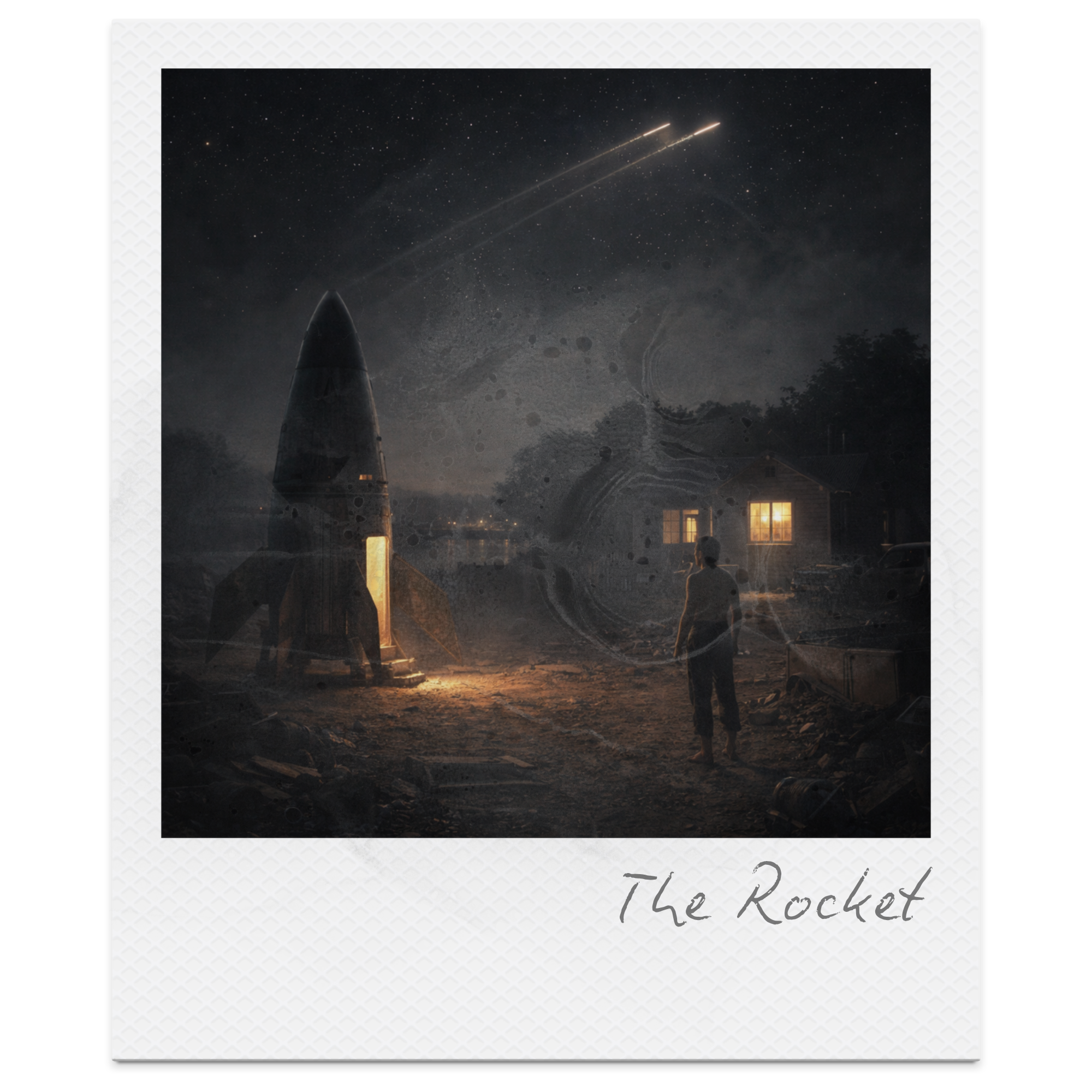
The Rocket by Ray Bradbury: Summary, Themes, Meaning & Analysis
The Rocket by Ray Bradbury is a quietly powerful piece of speculative fiction that explores aspiration, inequality, and the emotional weight of unattainable dreams. Through the character of Fiorello Bodoni, Bradbury presents a world where space travel exists—but only for the wealthy—forcing ordinary people to confront the painful distance between possibility and access. As Bodoni listens to rockets “sighing in the dark sky,” the story establishes a deep sense of longing, framing space not as a destination, but as a symbol of everything just out of reach. As the narrative unfolds, Bradbury shifts the focus from physical reality to emotional truth, revealing that the journey itself is an illusion. Yet this illusion becomes profoundly meaningful, as Bodoni creates an experience his children will “remember… for always.” In doing so, the story challenges the idea that reality is inherently more valuable than imagination, suggesting instead that shared experience, memory, and love can hold greater significance than material achievement.
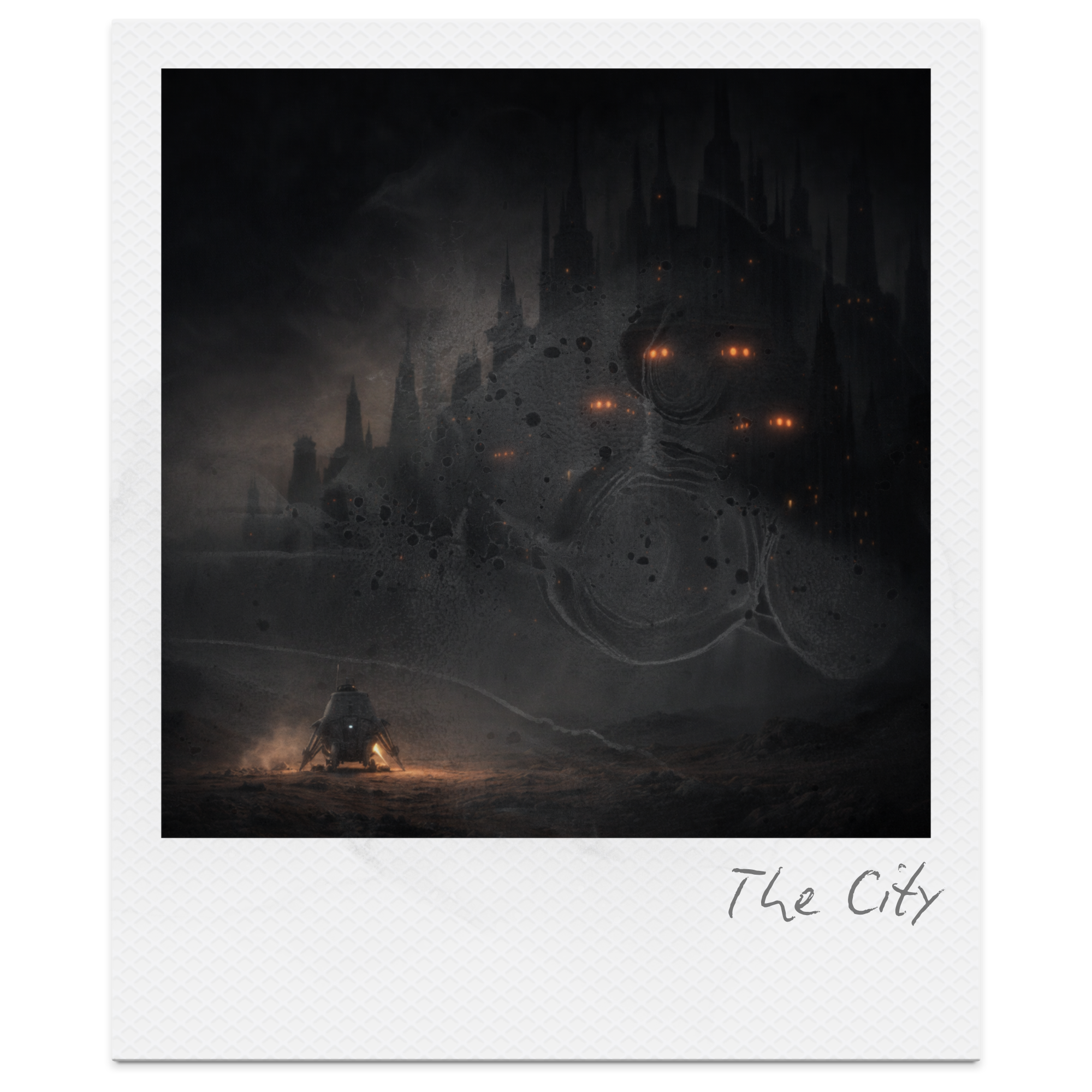
The City by Ray Bradbury: Summary, Themes, Meaning & Analysis
Ray Bradbury’s The City is a haunting work of speculative science fiction that explores revenge, memory, and technological power through the image of a vast, silent city waiting across twenty thousand years. At first, the city appears empty and lifeless, but as human explorers arrive, it becomes clear that it is watching, analysing, and responding with cold precision. Bradbury transforms setting into a conscious force, creating a narrative where the environment itself becomes the central intelligence. As the story unfolds, the city reveals its true purpose: to enact a long-delayed act of revenge against humanity. What makes this particularly unsettling is the way emotion has been embedded into a mechanical system, removing empathy and replacing it with calculation. The result is a chilling exploration of how violence and memory can be preserved beyond human life, raising questions about justice, control, and the consequences of past actions that continue to shape the future.
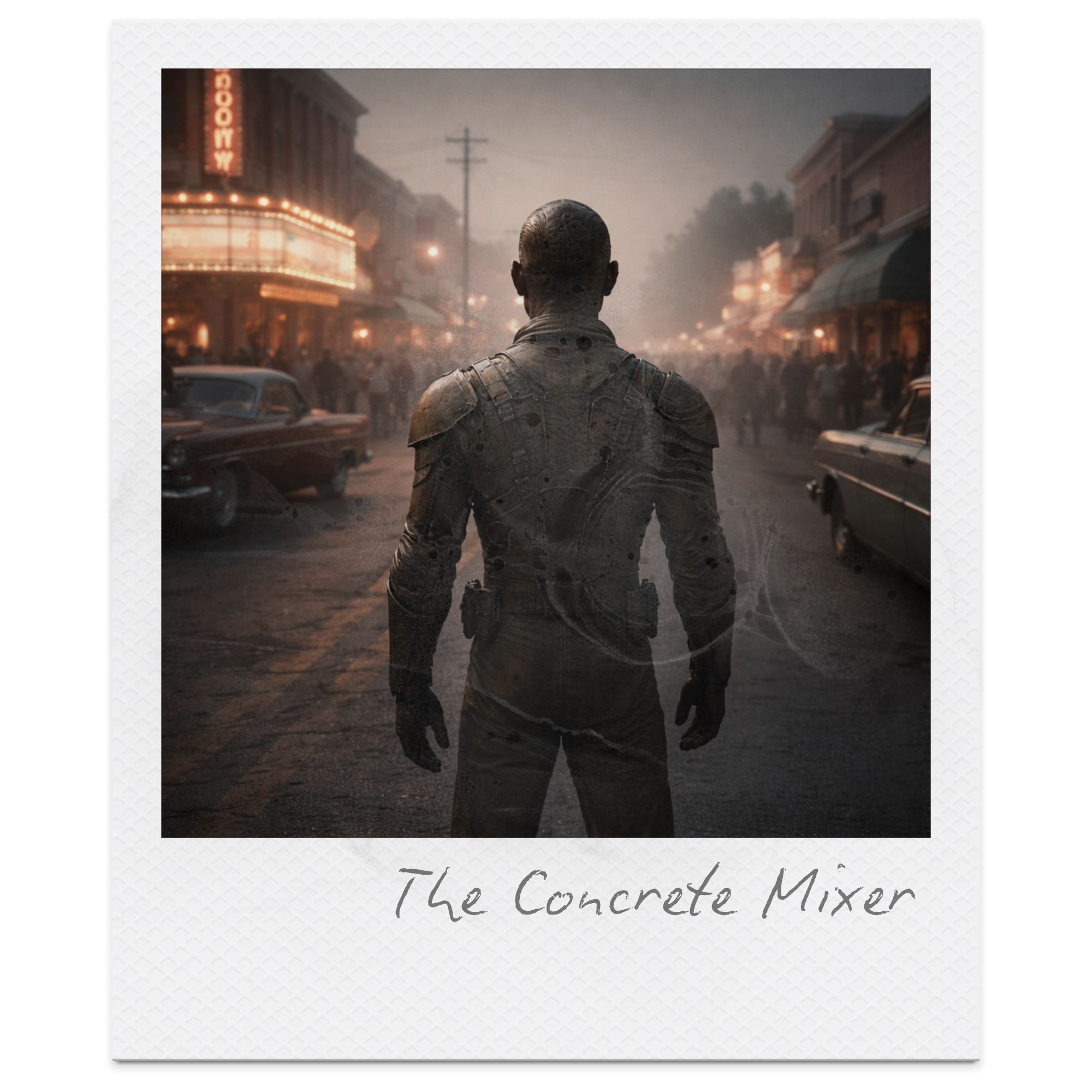
The Concrete Mixer by Ray Bradbury: Summary, Themes, Meaning & Analysis
The Concrete Mixer by Ray Bradbury is a darkly satirical science fiction story that explores the dangers of consumerism, mass culture, and the quiet power of assimilation. When the Martian Ettil arrives on Earth expecting war, he instead finds a world of overwhelming friendliness, entertainment, and excess. Beneath the surface of this hospitality, however, lies something far more unsettling—a society that conquers not through violence, but through distraction, comfort, and the erosion of individuality. As Ettil moves through this strange new world, he begins to realise that the Martians are not being defeated—they are being absorbed. Bradbury uses irony, exaggeration, and symbolic imagery to critique modern life, suggesting that the greatest threat to identity is not destruction, but transformation. In this analysis, we explore the story’s themes, symbolism, and deeper meaning, revealing why The Concrete Mixer remains one of Bradbury’s most thought-provoking and relevant works.
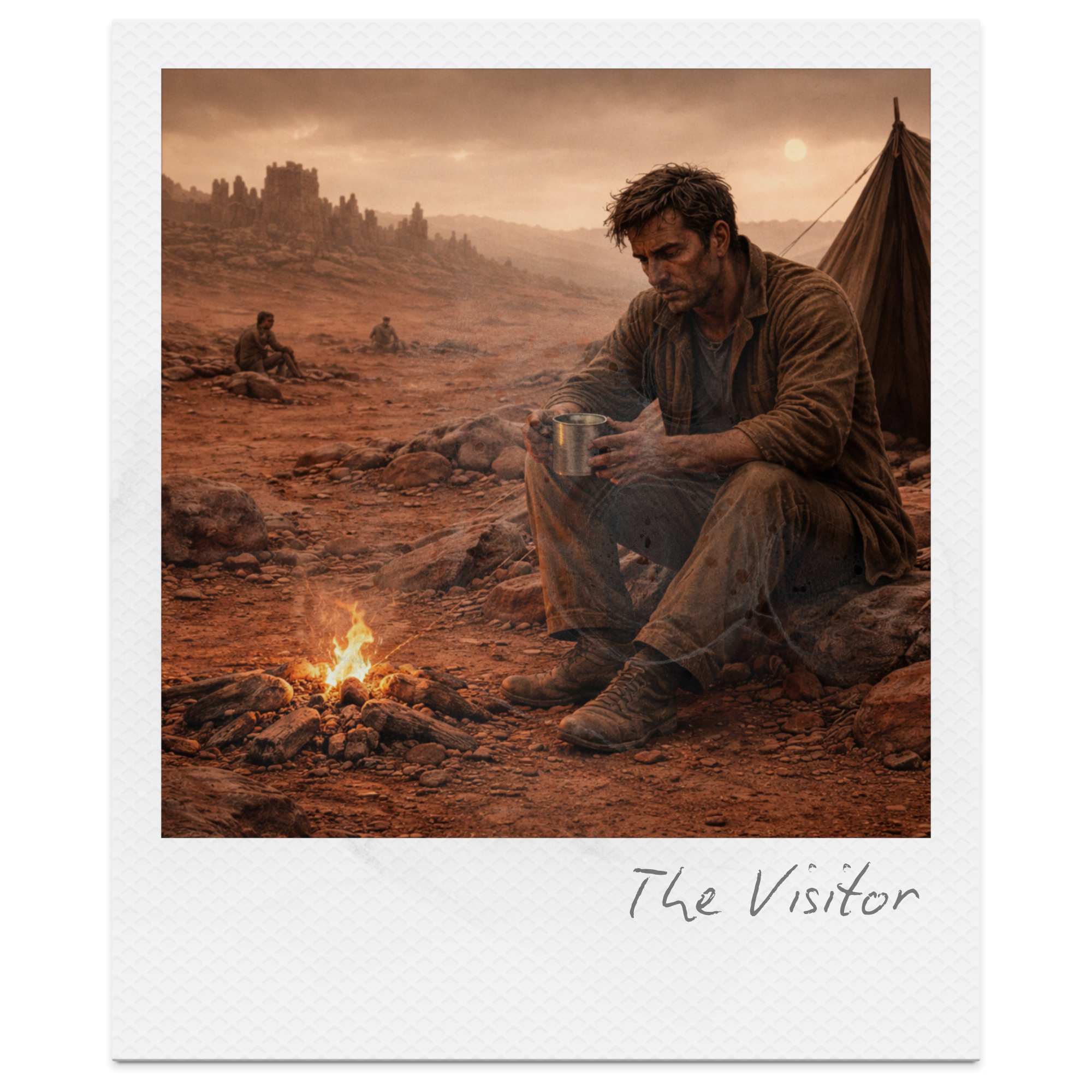
The Visitor by Ray Bradbury: Summary, Meaning, Themes & Full Analysis
Ray Bradbury’s The Visitor is a haunting science fiction story exploring isolation, loneliness, and the dangerous power of illusion. Set on a desolate Mars inhabited by dying exiles, the narrative follows Saul Williams as he struggles with the psychological weight of separation from Earth. When a mysterious newcomer arrives with the ability to project vivid, shared visions of Earth, hope briefly returns—bringing with it beauty, memory, and the possibility of connection. However, Bradbury quickly reveals the darker side of this gift, as desperation turns to possession and conflict. What begins as relief becomes something fought over, exposing the fragility of human morality under pressure. Through its exploration of illusion vs reality, control, and human fragility, The Visitor offers a powerful warning about what happens when hope exists without trust—and how easily it can be destroyed.
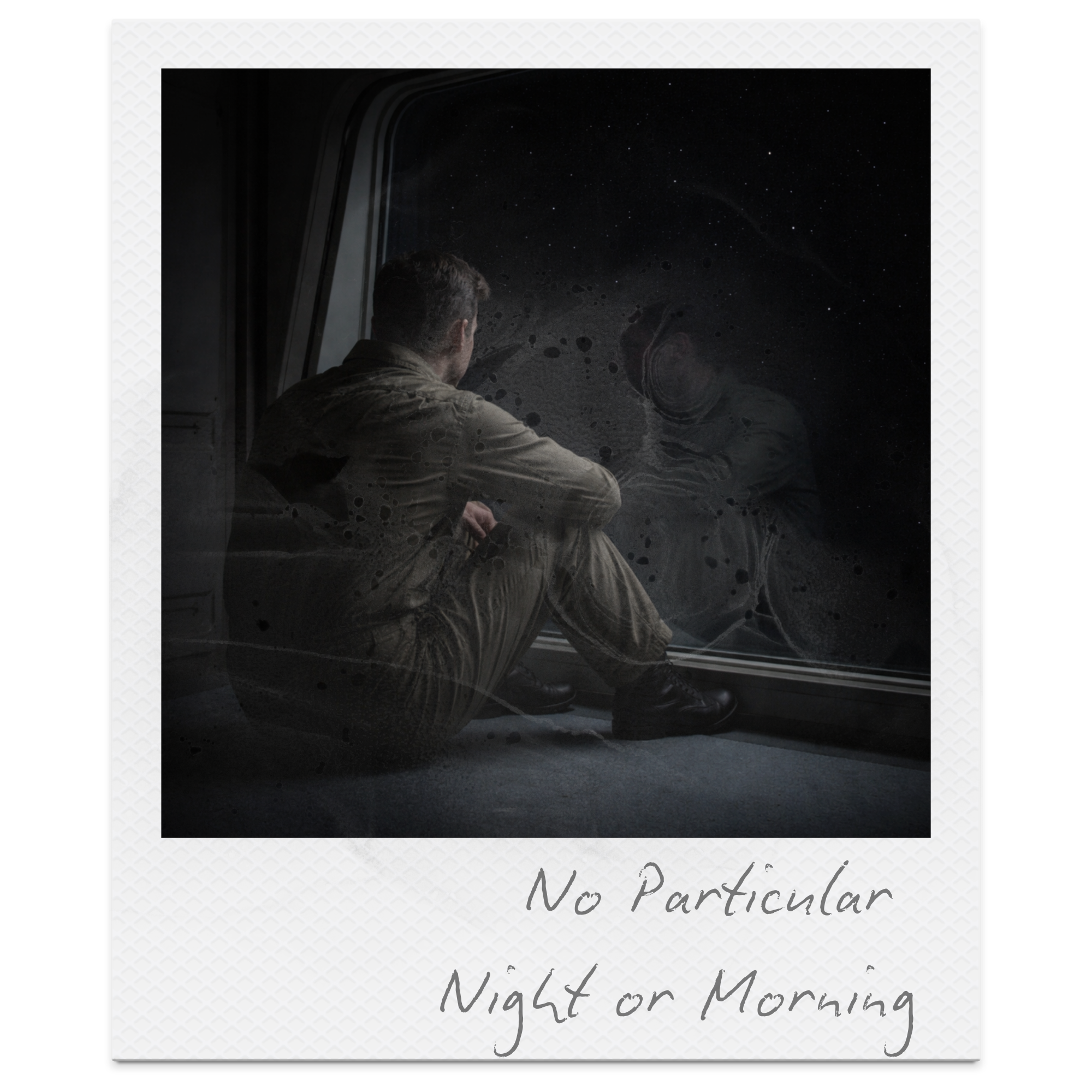
No Particular Night or Morning by Ray Bradbury: Summary, Themes, Symbolism & Analysis
No Particular Night or Morning explores existential uncertainty, isolation, and the limits of proof through the unsettling perspective of a man who can only believe in what he can immediately see, touch, or verify. As Hitchcock begins to reject the existence of Earth, memory, and even other people when they are not physically present, Bradbury builds a disturbing vision of reality reduced to isolated moments, stripped of continuity and meaning. As the story progresses, this rigid form of rationalism leads to the breakdown of identity and perception, revealing how dependent human life is on imagination, memory, and shared belief. Set against the vast emptiness of space, Hitchcock’s descent becomes both psychological and symbolic, culminating in a chilling rejection of everything—body, world, and self—leaving only “space” and “the gap.”
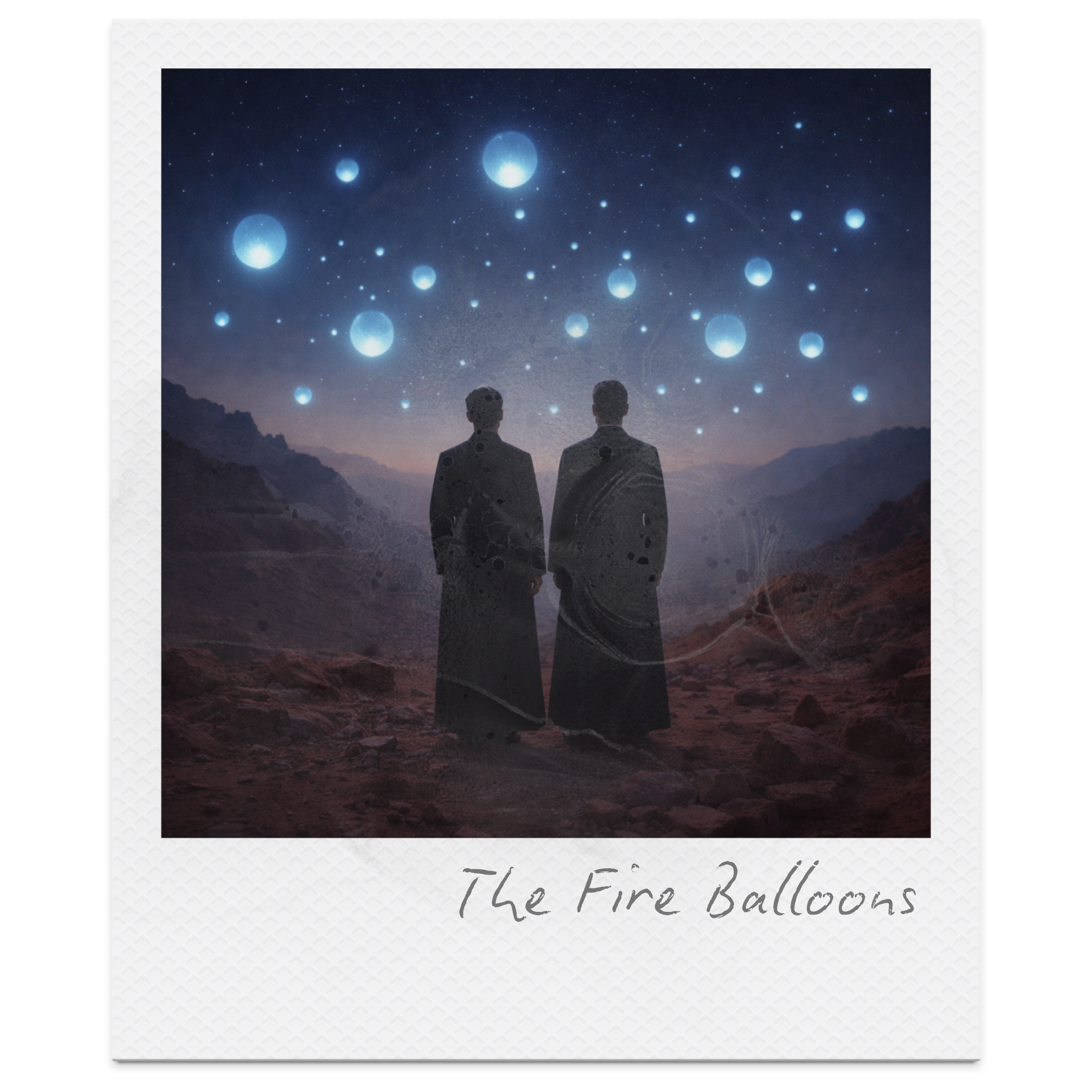
The Fire Balloons by Ray Bradbury: Summary, Themes, Symbolism & Analysis
The Fire Balloons explores faith, missionary zeal, and the limits of human understanding through the story of priests who travel to Mars expecting to bring salvation, only to encounter beings who may not need it. When Father Peregrine becomes fascinated by mysterious blue spheres living in the Martian hills, he begins to question whether traditional ideas of sin and morality apply beyond Earth, setting up a powerful conflict between certainty and curiosity. As the story unfolds, Bradbury challenges assumptions about religion, the body, and what it means to be truly human. The Martians’ revelation—that they exist beyond desire, conflict, and sin—forces a shift from confidence to humility, leaving both characters and readers to reconsider the nature of truth itself.

The Veldt by Ray Bradbury: Summary, Themes, Meaning & Analysis
Ray Bradbury’s The Veldt is often taught as a warning about technology gone too far — but that reading only scratches the surface. Beneath the virtual nursery and its unsettling imagery, the story is really about parenting, power, and what happens when moral responsibility is repeatedly deferred in favour of comfort. In this in-depth analysis for English teachers, I explore how The Veldt exposes emotional outsourcing, delayed authority, and the quiet consequences of avoidance. The post examines Bradbury’s post-war context, the nursery as a site of control rather than care, and why the story’s ending feels inevitable rather than shocking. With clear classroom insight, teaching guidance, and extension ideas, this post helps teachers move beyond surface-level symbolism and into richer discussion about technology, control, and responsibility — showing why The Veldt remains one of Bradbury’s most disturbing and relevant stories to teach.