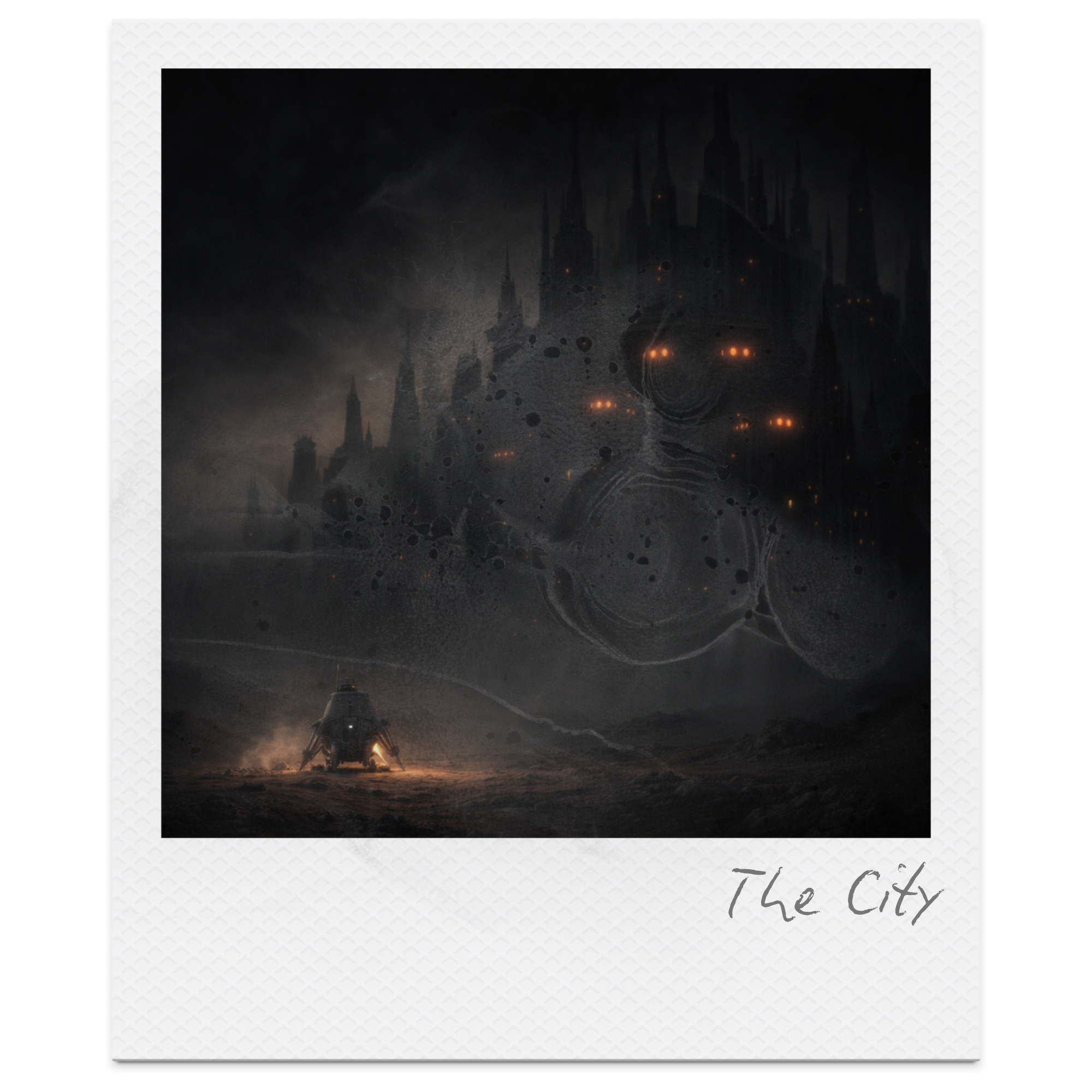
The Rocket by Ray Bradbury: Summary, Themes, Meaning & Analysis
The Rocket by Ray Bradbury is a deeply human piece of speculative fiction that explores dreams, limitation, and the quiet power of imagination. Through the character of Fiorello Bodoni, Bradbury presents a world where space travel exists but remains inaccessible, revealing the emotional toll of living close to wonder yet permanently excluded from it. The story examines how hope persists under economic constraint, and how longing can shape both identity and family life.
At its core, The Rocket expands beyond its simple premise to explore class inequality, parental sacrifice, and the tension between illusion and reality. Bradbury shifts the focus away from technological achievement and instead asks what truly matters: the experience of wonder, or the reality behind it. In doing so, the story becomes a powerful meditation on what it means to give others a dream, even if that dream is constructed. You can explore more of Bradbury’s speculative worlds in the Ray Bradbury Hub, or broaden your study through the Literature Library.

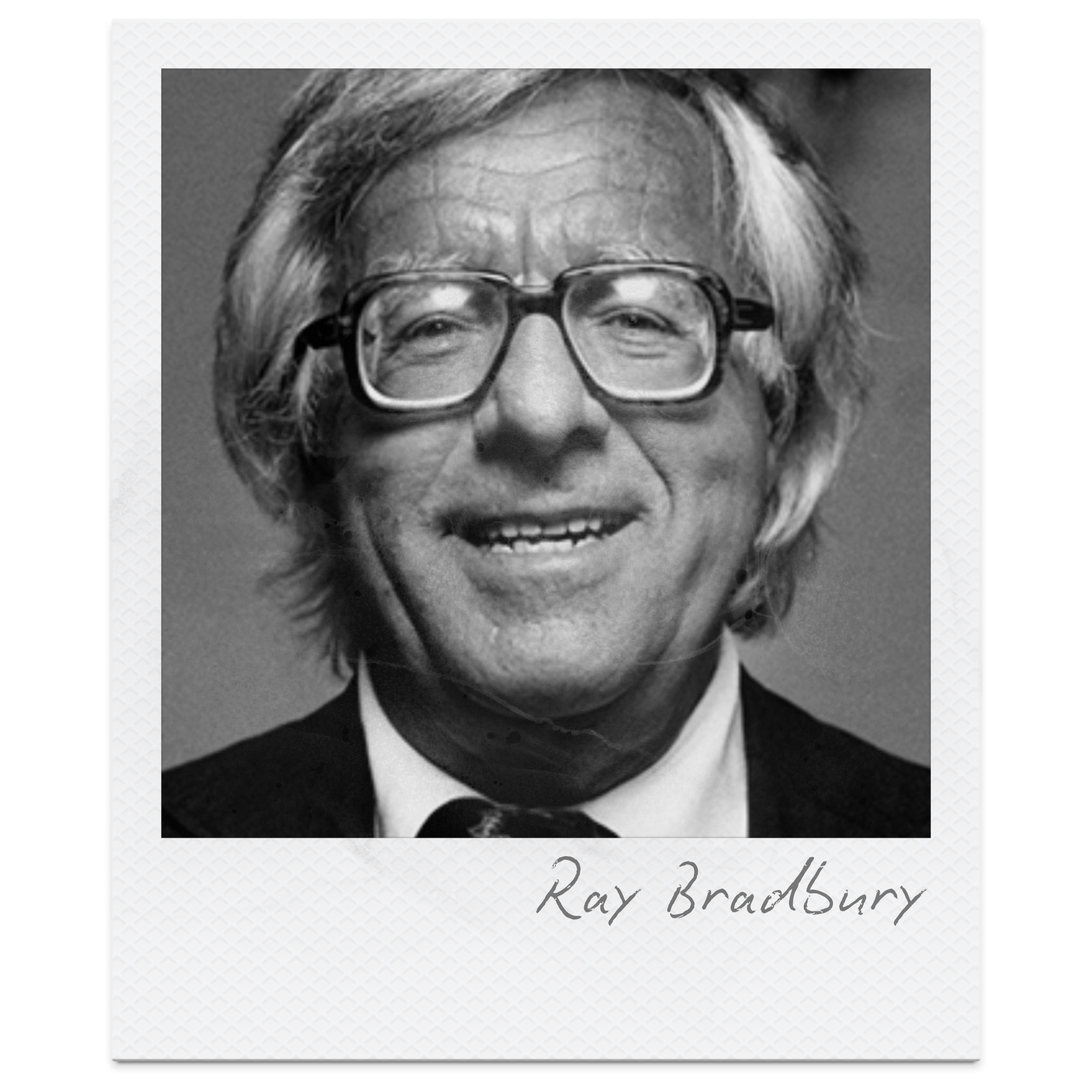
Context of The Rocket
The Rocket reflects Ray Bradbury’s recurring interest in the human cost of technological progress, particularly in a mid-20th century context where the promise of space travel was rapidly becoming reality—but not for everyone. Written during a period shaped by the early Space Race imagination, the story challenges the dominant narrative of progress by focusing on those left behind. Rather than celebrating rockets as symbols of advancement, Bradbury presents them as objects of exclusion, visible yet unattainable, reinforcing social and economic divides. This tension is explored further in the Bradbury Context Post, where his broader concerns with modernity and inequality are examined.
At the same time, the story reflects Bradbury’s enduring belief in the power of imagination as a form of resistance. Bodoni’s decision to create an illusion rather than pursue an impossible reality aligns with Bradbury’s wider thematic focus on storytelling, memory, and emotional truth. In this context, the “rocket” becomes less about physical travel and more about psychological escape and emotional fulfilment, suggesting that meaning is not always found in literal experience, but in what we are able to believe and share.
The Rocket at a Glance
Form: Short story (speculative fiction with elements of social realism)
Mood: Hopeful, bittersweet, quietly triumphant
Central tension: The conflict between dreams of escape and the limitations of poverty and reality
Core themes: aspiration and limitation, family and sacrifice, illusion versus reality, imagination as survival, class inequality
One-sentence meaning: Bradbury suggests that while reality may deny opportunity, love and imagination can create experiences that feel just as real, offering meaning where the world does not.
Quick Summary of The Rocket
Fiorello Bodoni, a poor junk dealer, spends his nights watching rockets travel into space, dreaming of a life beyond his limited circumstances. Although he has saved money to improve his struggling business, he becomes consumed by the idea that someone in his family should experience space travel, even if only one person can afford it. When he presents this possibility to his family, the decision becomes painful, revealing the emotional consequences of choosing one dream over many.
After a failed attempt to decide who should go, Bodoni instead uses his savings to purchase a scrap rocket, shocking his wife and risking his family’s future. Secretly, he transforms it into an elaborate illusion, installing hidden mechanisms and screens to simulate a journey through space. He then takes his children on what they believe is a real trip, allowing them to experience the wonder of rockets, planets, and the vastness of the universe.
At the end of the journey, the children return home filled with joy and gratitude, believing they have truly travelled to Mars. Although the rocket never left the junkyard, Bodoni’s act creates something just as powerful: a shared dream that will stay with them for the rest of their lives. Even his wife, initially sceptical, comes to understand the emotional truth of what he has given them.
Title of The Rocket
Ray Bradbury’s titles often do more than simply label a story: they establish tone, suggest conflict, and introduce layers of symbolism and irony. In The Rocket, the title appears straightforward, pointing to a physical object associated with progress, exploration, and technological achievement. At first glance, it suggests a story about space travel and the future—a narrative centred on movement, discovery, and possibility.
However, as the story develops, the meaning of the title begins to shift. The “rocket” is not a vehicle of literal escape, but a symbol of unattainable aspiration, something visible yet out of reach for those without wealth or status. For Bodoni, the rocket represents both hope and exclusion, embodying the painful awareness that the future promised by society is not equally accessible to all.
By the end of the story, the title takes on a deeper, more complex significance. The rocket becomes a constructed illusion, a carefully crafted experience rather than a real journey. This introduces a powerful irony: although the rocket never leaves the ground, it still fulfils its purpose by giving Bodoni’s children a sense of wonder and possibility. In this way, the title reflects the story’s central idea that emotional truth can outweigh physical reality, and that meaning lies not in the object itself, but in what it allows people to believe and feel.
Structure of The Rocket
Ray Bradbury uses structure in The Rocket to shape emotional tension, moral conflict, and final revelation, gradually shifting the story from aspiration to disillusionment to quiet resolution. The structure mirrors Bodoni’s internal journey, moving from longing to crisis, and finally to a redefinition of what fulfilment means.
Opening (Exposition)
The story begins with Bodoni watching the rockets at night, immediately establishing his longing for escape and the stark contrast between his poverty and the vast possibilities of space. This section introduces the central conflict: a world where technological wonder exists but is not equally accessible. The conversation with Bramante reinforces this, grounding the story in economic reality and generational disappointment.
Rising Action
Tension builds as Bodoni decides to use his savings to send one family member to Mars, creating emotional strain within the household. The straw-drawing scene intensifies this conflict, revealing how the dream becomes divisive and painful rather than hopeful. Each family member’s reaction exposes the deeper consequences of scarcity and unequal opportunity, pushing Bodoni toward a breaking point.
Turning Point / Climax
The turning point occurs when Bodoni purchases the scrap rocket and chooses to act against logic and practicality. This moment is both irrational and transformative: instead of abandoning the dream, he redefines it entirely. His secret work on the rocket marks the shift from external aspiration to internal creation, setting up the story’s central revelation.
Falling Action
The simulated journey unfolds, with the children experiencing the illusion of space travel. Structurally, this section is deliberately convincing and immersive, mirroring a real rocket trip. The reader, like the children, is drawn into the experience, allowing the illusion to function as emotional truth, even as hints suggest something is not quite real.
Ending (Resolution)
The final revelation—that the rocket never left the junkyard—reframes the entire narrative. Rather than presenting this as failure, Bradbury resolves the story through emotional fulfilment, as the children’s joy and Maria’s understanding validate Bodoni’s actions. The structure ends on a quiet, intimate note, emphasising that the journey’s value lies in its impact, not its reality.
Overall, the structure of The Rocket moves from dream → conflict → illusion → emotional resolution, using a subtle twist not to shock, but to deepen the story’s central message about imagination, sacrifice, and meaning.
Setting of The Rocket
In The Rocket, Ray Bradbury uses setting as a symbolic contrast between limitation and possibility, grounding the story in a harsh, confined reality while constantly drawing attention to the vastness of space beyond it. The setting is not just a backdrop; it reflects the central conflict between earthbound poverty and unreachable dreams.
The story is rooted in Bodoni’s “small house by the river”, a space marked by claustrophobia and decay, where he seeks escape from “the smells of old food.” This domestic setting emphasises the family’s economic hardship, presenting a life defined by routine, scarcity, and physical discomfort. The house becomes a symbol of containment, reinforcing how Bodoni is trapped within his circumstances, both materially and psychologically.
In contrast, the night sky offers a powerful counterpoint. The rockets move through “the dark sky” with “fire fountains murmuring in the air,” creating an image of beauty, movement, and freedom. This elevated setting represents everything Bodoni longs for: distance, possibility, and transcendence. However, it remains unreachable, visible but inaccessible, reinforcing the theme of exclusion from progress.
The junkyard serves as the story’s most significant symbolic space. Filled with “heaped piles of metal” and broken machinery, it represents failure, stagnation, and the remnants of discarded progress. Yet it is also here that the rocket stands—“white and big in the junk yard,” holding “the whiteness of the moon and the blueness of the stars.” This juxtaposition transforms the junkyard into a space of paradox, where ruin and imagination coexist, and where Bodoni attempts to reshape reality itself.
Finally, the interior of the rocket becomes a constructed setting of illusion. Although it never leaves the ground, it simulates a journey through space—“The Moon! … Mars! Oh, God, Mars!”—blurring the boundary between real and imagined experience. The setting here is no longer physical, but psychological, demonstrating how belief and perception can override material truth.
Through these contrasting settings—the confined home, the limitless sky, the decaying junkyard, and the illusion of space—Bradbury creates a layered environment that reflects the story’s central idea: that while reality may impose limits, the human capacity to imagine can transform even the most restricted spaces into something extraordinary.
Narrative Voice in The Rocket
In The Rocket, Ray Bradbury uses a third-person narrative voice that remains closely aligned with Bodoni, allowing the reader to experience the story through a lens shaped by longing, emotional intensity, and imaginative projection. This perspective creates a balance between external observation and internal feeling, guiding the reader toward sympathy while still maintaining a subtle distance.
The narration frequently adopts Bodoni’s emotional perspective, particularly in moments where reality begins to blur into imagination. Descriptions such as the rockets “sighing in the dark sky” and Bodoni letting “his heart soar alone into space” reflect a voice infused with poetic idealism, suggesting that the narrative itself is shaped by his yearning. This creates a tone that is not purely objective, but coloured by desire and aspiration, drawing the reader into his mindset.
At the same time, the voice retains enough distance to expose irony and tension. The reader is positioned to recognise the limitations of Bodoni’s situation—his poverty, his fragile decision-making—even as they are encouraged to empathise with him. This dual positioning generates a subtle unease: we understand both the beauty of his dream and the risk of his actions, particularly when he spends the family’s savings on the rocket.
As the story progresses, the narrative voice becomes increasingly aligned with constructed illusion, especially during the “journey” sequence. The description of space—“The Moon! … Mars!”—is presented with convincing immediacy, mirroring the children’s experience and temporarily suspending disbelief. In this way, the voice actively participates in the illusion, allowing the reader to share in the emotional truth of the journey, even while the physical reality remains unchanged.
Overall, the narrative voice shapes the story by positioning the reader between belief and awareness, encouraging us to both question and accept the illusion. It reflects the story’s central tension: that what feels real may matter more than what is real, and that perspective itself can transform experience.
The Purpose and Impact of The Rocket
In The Rocket, Ray Bradbury uses a simple premise to deliver a powerful exploration of hope, limitation, and the meaning of fulfilment. The story’s purpose is not to celebrate space travel, but to question who it is really for, exposing a world where progress exists alongside exclusion. Bradbury invites the reader to consider whether access to wonder should be defined by wealth, and whether imagination can act as a form of resistance against inequality.
Emotionally, the story creates a deep sense of tension and tenderness. The early sections evoke frustration and sadness, as Bodoni’s dream becomes a source of conflict within the family. This shifts into something quieter and more moving during the “journey,” where the children’s joy contrasts with the reader’s awareness of the illusion. The result is a layered emotional response: admiration for Bodoni’s sacrifice, mixed with unease about the fragility of what he has created.
Intellectually, the story challenges the idea that reality is always superior to illusion. By presenting an experience that is technically false but emotionally authentic, Bradbury complicates the distinction between truth and meaning. The reader is left to question whether Bodoni’s act is deceptive or generous, and whether the value of an experience lies in its factual accuracy or its emotional impact.
The ending lingers because it refuses a clear moral judgement. Instead, it leaves the reader with a quiet, unresolved reflection: Bodoni has not changed his circumstances, but he has transformed his family’s perception of them. This ambiguity creates a lasting effect, encouraging readers to reconsider what it means to give someone a dream—and whether that dream needs to be real to matter.
Characters in The Rocket
In The Rocket, Ray Bradbury presents characters as symbolic embodiments of aspiration, limitation, and emotional response to inequality. Rather than functioning as complex individuals, they represent different ways of confronting a world where dreams are unequally distributed, allowing Bradbury to explore the tension between hope, realism, and sacrifice.
Fiorello Bodoni
Bodoni is the story’s emotional centre, representing longing, imagination, and quiet defiance against limitation. From the opening, his desire is framed as almost instinctive, as he listens to rockets “sighing in the dark sky” and allows “his heart [to] soar alone into space,” suggesting that his connection to space is not practical, but deeply emotional.
As the story progresses, Bodoni becomes increasingly consumed by the idea that someone must experience this dream, declaring, “One of us will fly to Mars!” This moment reveals both his hope and his desperation, as the dream shifts from personal longing to a moral obligation. However, his ultimate decision to construct an illusion—rather than pursue an impossible reality—redefines him. When he insists, “It will fly,” despite clear evidence to the contrary, the statement becomes symbolic of his belief that meaning can be created, not simply accessed.
By the end, Bodoni embodies sacrifice and emotional intelligence, understanding that the experience he gives his children—though false—is real in its impact. He represents the individual who cannot change the system, but can reshape its effects through imagination and care.
Maria
Maria represents practicality, emotional restraint, and quiet moral judgement. Initially, she responds to Bodoni’s actions with scepticism and fear, warning, “You have ruined us,” highlighting her awareness of their financial vulnerability. Her perspective grounds the story in reality, reminding both Bodoni and the reader of the risks and consequences of his decision.
However, Maria’s role evolves. She participates in the family’s emotional tension, particularly during the straw-drawing scene, where her hesitation—“Wait, Fiorello—”—suggests an awareness of the deeper implications of choosing one person over the others. By the end of the story, her understanding shifts. Her quiet recognition—“Now I see… I understand”—signals a transformation, as she comes to value the emotional truth of the experience over its factual reality. Maria therefore represents the movement from doubt to acceptance, reinforcing the story’s central message.
The Children
The children function collectively as symbols of innocence, desire, and emotional vulnerability. Their initial excitement—“Me, me, me!”—reveals the immediacy of their longing, while their later hesitation exposes the emotional weight of the decision. Paolo’s uncertainty—“And you’ll like me when I come back?”—highlights the fear that individual fulfilment might come at the cost of belonging, introducing a deeper emotional complexity.
During the journey, the children’s responses—“The Moon! … Mars!”—are filled with wonder, demonstrating their ability to fully believe in the experience. They do not question the illusion; instead, they embrace it, allowing the journey to become real in memory and emotion. By the end, their gratitude—“We will remember it for always”—confirms the success of Bodoni’s act, as they carry forward a shared experience that shapes their identity.
Bramante
Bramante represents cynicism, realism, and generational disillusionment. His dismissal of Bodoni’s dream—“You’ll never go. This is a rich man’s world”—introduces the story’s central social critique, framing space travel as a privilege rather than a universal achievement. His warnings about the consequences of choosing one family member—“They will lie awake… sick with wanting it”—highlight the psychological cost of unattainable dreams.
Although harsh, Bramante’s perspective is not entirely wrong. He embodies the voice of experience, shaped by decades of disappointment, and serves as a counterpoint to Bodoni’s idealism. Symbolically, he represents the danger of abandoning hope entirely, contrasting with Bodoni’s refusal to accept limitation without resistance.
Mr. Mathews
Mr. Mathews functions as a catalyst, enabling Bodoni’s transformation of the dream. His casual offer of the scrap rocket—“A rocket ship… only a mockup”—introduces the possibility of illusion as an alternative to reality. He represents the practical, transactional world, where objects are reduced to material value, unaware of the emotional significance they might hold for others.
Through Mathews, Bradbury highlights the contrast between economic logic and imaginative potential, as something worthless in one system becomes priceless in another.
Collective Function
Together, these characters create a network of perspectives on dreams, limitation, and fulfilment. Bodoni embodies imaginative resistance, Maria represents practical reality, the children reflect emotional response, and Bramante voices disillusionment. Through their interactions, Bradbury explores how individuals navigate a world where not everyone is allowed to reach the stars—and what they do instead when they cannot.
Key Themes in The Rocket
In The Rocket, Ray Bradbury explores a network of interconnected themes centred on aspiration, inequality, and emotional truth, using Bodoni’s decision to examine what it means to live with dreams that cannot be fulfilled in reality. These themes work together to show how individuals respond to a world where possibility exists—but access to it is limited.
Aspiration and Limitation
The story is driven by the tension between human longing and material restriction. Bodoni’s desire to travel into space is immediate and emotional, as he listens to rockets “sighing in the dark sky” and lets “his heart soar alone into space.” However, this aspiration is repeatedly blocked by economic reality, reinforced by Bramante’s warning that “This is a rich man’s world.”
Bradbury suggests that aspiration is both essential and painful: it gives life meaning, but also highlights inequality. The rockets become symbols of a future that exists—but is not equally shared.
Family and Sacrifice
Bradbury explores how dreams affect not just individuals, but family dynamics and emotional bonds. Bodoni’s decision that “One of us will fly to Mars!” transforms a hopeful idea into a source of tension, forcing each family member to confront what it means to be chosen—or left behind.
Bodoni’s final act is one of selfless sacrifice. Rather than pursuing his own dream, he creates a shared experience for his children. The children’s response—“We will remember it for always”—confirms that what he gives them is not opportunity, but memory and belonging, which ultimately holds greater value.
Illusion Versus Reality
A key theme in the story is the blurred boundary between what is real and what feels real. The rocket never leaves the junkyard, yet the journey is experienced as completely authentic by the children—“The Moon! … Mars!.”
Bradbury challenges the assumption that reality is inherently superior to illusion. The story suggests that emotional truth can outweigh physical fact, and that experiences do not need to be materially real to be meaningful.
Imagination as Survival
Closely linked to illusion is the idea that imagination functions as a form of survival. Faced with a life of limitation, Bodoni does not abandon his dream; instead, he recreates it on his own terms. His insistence that “It will fly” reflects a refusal to accept a world where meaning is dictated solely by wealth.
Imagination becomes a way to resist despair, allowing Bodoni to transform a static, broken environment into something filled with wonder. In this sense, imagination is not escapism, but adaptation.
Class Inequality
Underlying the entire story is a critique of economic inequality and restricted access to progress. Space travel, often presented as a symbol of collective human advancement, is revealed to be available only to the wealthy. Bramante’s statement—“You’ll never go”—captures the generational reality of exclusion.
Bradbury exposes the gap between the promise of “The World of the Future” and the lived experience of those still “in shacks like our ancestors before us.” The story suggests that progress is not neutral; it is shaped by systems that determine who benefits and who is left behind.
The Power of Memory and Shared Experience
Beyond its central themes, the story also highlights the importance of memory as a lasting form of meaning. The children’s belief in the journey ensures that it becomes part of their identity, something they will carry forward: “We will remember it for always.”
Bradbury implies that shared experiences—real or constructed—can shape a person’s life more powerfully than material reality, reinforcing the idea that meaning is created through connection, not just achievement.
Symbolism in The Rocket
In The Rocket, Ray Bradbury uses objects and settings as symbolic carriers of emotional and social meaning, transforming ordinary materials into representations of dreams, inequality, and imaginative resistance. These symbols evolve across the story, shifting from unattainable aspiration to constructed fulfilment.
The Rocket
The rocket is the central symbol of the story, initially representing progress, escape, and the promise of the future. For Bodoni, the rockets “sighing in the dark sky” symbolise a world of possibility that exists beyond his reach, embodying both hope and exclusion.
However, the meaning of the rocket changes dramatically when Bodoni purchases the scrap model—“only a mockup.” At this point, it becomes a symbol of illusion and reinvention, no longer tied to technological reality but to human creativity. By the end of the story, the rocket represents emotional truth over physical fact, demonstrating that its value lies not in its ability to travel, but in its ability to create experience and memory.
The Night Sky and Space
The night sky functions as a symbol of limitless possibility and unattainable distance. The rockets moving through “the dark sky” create a contrast between infinite space and Bodoni’s confined life, reinforcing the emotional gap between what exists and what can be accessed.
Space itself becomes a projection of desire—an abstract realm of freedom, transcendence, and escape. Yet it remains symbolic rather than physical, highlighting how dreams can exist vividly without ever being realised.
The Junkyard
The junkyard symbolises economic limitation, decay, and discarded progress. Filled with “heaped piles of metal” and broken machinery, it represents a world where innovation has already failed or been abandoned, reflecting Bodoni’s position on the margins of technological advancement.
At the same time, the junkyard becomes a site of transformation. It is here that Bodoni constructs his illusion, turning a space of waste into one of creation. This duality makes the junkyard a symbol of potential within limitation, showing that even the most restrictive environments can be reshaped through imagination.
The Straw Drawing
The act of drawing straws symbolises the arbitrary distribution of opportunity. The randomness of the selection—“The short straw wins”—highlights the unfairness of a world where access to life-changing experiences is determined not by merit, but by chance.
This moment also exposes the emotional consequences of inequality, as each family member is forced to confront what it means to be either chosen or excluded. The abandoned straws therefore represent the rejection of a system that divides rather than unites.
The Simulated Journey
The simulated journey itself becomes a symbol of constructed reality and emotional authenticity. The children’s experience—“The Moon! … Mars!”—is entirely artificial, yet it produces genuine wonder and lasting memory.
This symbol challenges the distinction between illusion and truth, suggesting that what matters is not the physical reality of an experience, but its emotional impact. The journey represents the idea that meaning can be created, even in the absence of material possibility.
The House and Domestic Space
The “small house by the river” symbolises constraint, routine, and economic hardship, particularly through sensory details such as “the smells of old food.” It represents the reality Bodoni seeks to escape, grounding the story in physical limitation.
However, by the end of the story, this same space is transformed. The children return to it filled with joy and memory, suggesting that the house is no longer purely a site of restriction, but one enriched by shared experience. This shift reinforces the idea that perception can redefine reality.
The River
The river, which runs quietly beside Bodoni’s home, symbolises the passage of time and the continuity of ordinary life. It flows unchanged, contrasting with the dramatic, imagined journey into space.
This contrast highlights the story’s central tension: while life continues in its predictable, grounded rhythm, imagination offers a way to step outside it—if only temporarily. The river therefore represents the unchanging reality against which Bodoni creates his fleeting but powerful illusion.
Key Techniques in The Rocket
In The Rocket, Ray Bradbury uses a range of language and structural techniques to create emotional depth, highlight social critique, and blur the boundary between illusion and reality. These techniques work together to shape the reader’s response, drawing us into Bodoni’s perspective while maintaining a subtle awareness of the truth beneath it.
◆ Symbolism — The rocket, junkyard, and night sky operate as layered symbols, representing aspiration, limitation, and imaginative transformation, allowing Bradbury to explore complex ideas through concrete images.
◆ Juxtaposition — Bradbury contrasts the confined domestic space (“small house… smells of old food”) with the vast openness of space, emphasising the emotional and social gap between reality and possibility.
◆ Irony — The central irony lies in the fact that the rocket never actually leaves the ground, yet provides a more meaningful experience than a real journey might. This reinforces the idea that emotional truth can outweigh physical reality.
◆ Imagery — Vivid sensory descriptions such as “fire fountains murmuring in the air” and “The Moon! … Mars!” create a powerful sense of immersion, particularly during the simulated journey, allowing the illusion to feel convincing.
◆ Repetition — The repeated references to rockets and space throughout the story reinforce Bodoni’s obsession and longing, making the dream feel constant and inescapable.
◆ Dialogue — Conversations, particularly with Bramante, introduce contrasting viewpoints, grounding the story in realism while exposing the tension between hope and cynicism.
◆ Contrast between illusion and reality — Bradbury deliberately structures the narrative so that the illusion is experienced as real, creating a dual perspective where the reader understands both the truth and its emotional impact.
◆ Third-person limited perspective — The narrative remains closely aligned with Bodoni, allowing readers to experience his emotional intensity and imaginative vision, while still maintaining enough distance to recognise the underlying reality.
◆ Gradual revelation (structural technique) — The truth of the rocket is withheld until late in the story, allowing the illusion to fully develop before being reinterpreted, which deepens the emotional and thematic impact.
◆ Understatement — The ending avoids dramatic explanation, instead relying on quiet moments—such as Maria’s recognition—to convey the story’s meaning, creating a subtle and lasting emotional effect.
Important Quotes from The Rocket
In The Rocket, Ray Bradbury uses key moments of dialogue and description to reveal character, theme, and emotional tension. These quotes highlight the story’s central concerns with aspiration, illusion, and sacrifice.
Aspiration and Longing
“the rockets sighing in the dark sky”
◆ Method: Personification — rockets are given human qualities (“sighing”)
◆ Effect: Creates a sense of melancholy longing, suggesting that space travel is both beautiful and unattainable
◆ Link to theme: Reinforces aspiration and limitation, presenting the dream as emotionally charged but distant
“his heart soar alone into space”
◆ Method: Metaphor — Bodoni’s desire is expressed as physical movement
◆ Effect: Emphasises the intensity of his longing, showing that his connection to space is emotional rather than practical
◆ Link to theme: Highlights imagination as survival, where inner experience replaces physical reality
“One of us will fly to Mars!”
◆ Method: Exclamatory dialogue — urgent, declarative tone
◆ Effect: Reveals Bodoni’s desperation and determination, turning a dream into a necessity
◆ Link to theme: Connects to family and sacrifice, as aspiration becomes a shared burden
Class Inequality and Reality
“This is a rich man’s world”
◆ Method: Direct statement — blunt, declarative language
◆ Effect: Strips away illusion, grounding the story in economic reality and exclusion
◆ Link to theme: Central to class inequality, exposing the limits of progress
“We live in shacks like our ancestors before us”
◆ Method: Contrast — future promise vs stagnant reality
◆ Effect: Highlights the failure of technological progress to improve everyday life
◆ Link to theme: Reinforces aspiration and limitation, showing that advancement is uneven
“You have ruined us”
◆ Method: Emotional dialogue — accusatory tone
◆ Effect: Reflects Maria’s fear of financial instability and practical consequences
◆ Link to theme: Connects to family and sacrifice, showing the cost of Bodoni’s decision
Illusion Versus Reality
“It will fly”
◆ Method: Repetition and assertion — simple, declarative statement
◆ Effect: Suggests both denial and belief, blurring the line between truth and illusion
◆ Link to theme: Central to illusion versus reality, as belief becomes more important than fact
“The Moon! … Mars! Oh, God, Mars!”
◆ Method: Fragmented exclamations — heightened, emotional language
◆ Effect: Creates a sense of immediacy and excitement, immersing the reader in the illusion
◆ Link to theme: Reinforces how constructed experience can feel real
“the junk yard was still there”
◆ Method: Abrupt, simple statement
◆ Effect: Breaks the illusion momentarily, reminding the reader of reality
◆ Link to theme: Highlights the tension between what is real and what is experienced
Imagination and Emotional Truth
“manufacturing a magic dream”
◆ Method: Metaphor — imagination described as production
◆ Effect: Suggests that the dream is deliberately constructed, not accidental
◆ Link to theme: Connects to imagination as survival, showing creation as an act of resistance
“Let nothing happen to the illusion”
◆ Method: Direct internal plea — anxious tone
◆ Effect: Reveals Bodoni’s awareness of the fragility of what he has created
◆ Link to theme: Emphasises the importance of illusion as emotional reality
“We will remember it for always”
◆ Method: Declarative, future-focused statement
◆ Effect: Highlights the lasting impact of the experience, regardless of its truth
◆ Link to theme: Reinforces the idea that memory gives meaning
Resolution and Emotional Understanding
“Now I see… I understand”
◆ Method: Ellipsis — pause indicating reflection and realisation
◆ Effect: Marks Maria’s emotional shift from doubt to acceptance
◆ Link to theme: Connects to family and sacrifice, validating Bodoni’s actions
“You’re the best father in the world”
◆ Method: Direct praise — simple, sincere language
◆ Effect: Confirms the success of Bodoni’s choice on an emotional level
◆ Link to theme: Reinforces imagination as survival, where love defines value
“Perhaps… you might take me on just a little trip”
◆ Method: Tentative phrasing — softened, hopeful tone
◆ Effect: Suggests Maria’s desire to share in the illusion, completing her transformation
◆ Link to theme: Highlights the acceptance of illusion as meaningful experience
Together, these quotes demonstrate how Bradbury uses language, contrast, and emotional intensity to explore a world where dreams cannot be lived—but can still be felt, shared, and remembered.
Alternative Interpretations of The Rocket
In The Rocket, Ray Bradbury allows for multiple valid readings, as the story resists a single, fixed meaning. While it can be read as a celebration of imagination and love, it can also be interpreted as a more unsettling exploration of illusion, control, and inequality.
Optimistic Interpretation: imagination as love and resistance
From this perspective, the story presents Bodoni’s actions as an act of profound parental love and creative resistance. Unable to access the opportunities reserved for the wealthy, he refuses to accept limitation and instead creates an experience that is emotionally real and deeply meaningful.
The children’s joy—“We will remember it for always”—suggests that the illusion is not a failure, but a success. In this reading, Bradbury argues that imagination can transcend material inequality, offering a form of fulfilment that is just as powerful as reality.
Critical Interpretation: illusion as deception
Alternatively, the story can be read as a critique of self-deception and constructed reality. Bodoni knowingly creates a false experience, raising questions about whether he is protecting his children or misleading them.
His plea—“Let nothing happen to the illusion”—reveals an awareness that the experience depends entirely on maintaining belief, suggesting fragility rather than triumph. From this perspective, the story explores the ethical tension between truth and comfort, questioning whether illusion can ever fully replace reality.
Social Interpretation: class inequality and false promises
A more political reading emphasises the story’s critique of economic inequality and restricted access to progress. The rockets symbolise a future that exists, but only for a privileged few, reinforcing Bramante’s claim that “This is a rich man’s world.”
In this interpretation, Bodoni’s illusion becomes a response to systemic exclusion, highlighting how those without access to opportunity must construct their own versions of success. The story therefore critiques not Bodoni, but the society that forces him into this position.
Psychological Interpretation: coping with unfulfilled desire
The story can also be read as an exploration of psychological coping mechanisms. Bodoni’s obsession with rockets—listening to them “sighing in the dark sky”—suggests a deep emotional need that cannot be satisfied in reality.
By creating the illusion, he transforms frustration into fulfilment, demonstrating how the mind adapts to avoid despair. This interpretation frames the story as a study of how individuals manage longing, disappointment, and unattainable goals.
Existential Interpretation: meaning is created, not given
From an existential perspective, The Rocket suggests that meaning does not come from external achievement, but from what individuals choose to value and believe. The journey is not real in a physical sense, yet it becomes meaningful through shared experience and memory.
Bodoni’s quiet assertion—“It will fly”—can be seen as an act of existential defiance, redefining reality on his own terms. In this reading, Bradbury proposes that truth is less important than significance, and that human beings create meaning through choice, perception, and connection.
Together, these interpretations reveal the richness of Bradbury’s story, showing how The Rocket can be understood as both hopeful and unsettling, a narrative that celebrates imagination while also questioning the conditions that make such imagination necessary.
Why The Rocket Still Matters
In The Rocket, Ray Bradbury remains strikingly relevant because it speaks directly to a world where progress exists—but access to it is uneven. The story reflects ongoing realities in which technological advancement, from space travel to modern innovation, is often reserved for those with wealth and privilege, leaving others to observe from a distance. Bramante’s statement that “This is a rich man’s world” continues to resonate in a society shaped by economic inequality and limited opportunity.
The story also connects to contemporary discussions around experience versus reality, particularly in an age of digital media, virtual environments, and curated lives. Bodoni’s constructed journey anticipates a world where simulated experiences can feel authentic, raising questions about whether emotional fulfilment depends on truth, or on perception and belief. In this sense, the story feels increasingly modern, reflecting how people navigate constructed realities in search of meaning.
At a human level, The Rocket continues to matter because it explores family, sacrifice, and the desire to give others something better. Bodoni’s decision is not about technology, but about love and legacy—what he leaves his children in a world that offers them limited opportunity. Their response—“We will remember it for always”—highlights the enduring power of shared experience, suggesting that what shapes us most is not what we have, but what we are given to feel and remember.
In the classroom, the story remains powerful because it invites students to engage with big questions: What is the value of a dream? Is illusion ever justified? Who benefits from progress—and who is excluded? These questions encourage critical thinking, ethical debate, and personal reflection, ensuring that The Rocket continues to resonate not just as a story about the future, but as a commentary on human experience in any time.
Teaching Ideas for The Rocket
The Rocket offers rich opportunities for discussion, analysis, and creative exploration, particularly around inequality, imagination, and ethical decision-making. These activities are designed to be classroom-ready, encouraging both critical thinking and personal engagement.
1. Discussion Questions
Use these questions to guide open-ended, conceptual discussion:
Is Bodoni’s decision an act of love or deception? Can it be both?
Does the story suggest that illusion can be as valuable as reality? Why or why not?
How does Bradbury present class inequality, and how does it shape the characters’ choices?
What is the role of imagination in the story—is it escape, resistance, or survival?
How does Maria’s reaction shape our understanding of the ending?
2. Model Paragraph Task (Analysis + Development)
Students analyse a top-band response, then evaluate and improve it using clear criteria.
Model Paragraph:
Bradbury presents imagination as a form of resistance to limitation, using Bodoni’s actions to challenge the idea that opportunity must be materially real to be meaningful. Bodoni’s insistence that “It will fly” reflects not ignorance, but a deliberate redefinition of reality, where belief becomes more important than fact. The rocket itself, described as “white and big in the junk yard,” symbolises both failure and possibility, suggesting that even discarded objects can be transformed through perception. Structurally, the delayed revelation that the rocket never leaves the ground creates irony, forcing the reader to reconsider the value of the journey. Ultimately, Bradbury suggests that in a world shaped by inequality, imagination becomes a way to reclaim agency and create meaning where none is offered.
Student Task:
Write 2–3 exam questions that this paragraph answers (e.g. questions about power, class, illusion, or narrative voice).
Use the criteria below to mark the paragraph.
Success Criteria:
Clear conceptual argument (focused, not descriptive)
Embedded, relevant textual evidence
Analysis of methods → meaning (how Bradbury constructs ideas)
Coherent line of reasoning (developed, not fragmented)
Development Task:
Add a second interpretation (e.g. a critical reading of illusion as deception)
Strengthen a link to context or theme (e.g. class inequality or technological access)
Develop the conclusion to show wider implications about society or human behaviour
3. Essay Angles
Use these prompts to develop extended analytical writing:
How does Bradbury present the relationship between illusion and reality in The Rocket?
Explore how The Rocket presents class inequality and its consequences.
How does Bradbury use Bodoni to explore family, sacrifice, and responsibility?
To what extent is The Rocket a hopeful story?
How does Bradbury present imagination as a response to limitation?
4. Symbolism Focus
Students track the development of a key symbol across the story.
Task:
Choose one symbol (e.g. the rocket, the junkyard, the night sky)
Track how its meaning changes across the narrative
Explain how Bradbury uses it to explore theme and character
Extension: Compare how the same symbol represents both limitation and possibility.
5. Creative Writing Extension
Task:
Write a short narrative where a character creates an illusion or constructed experience for someone else. This could involve technology, storytelling, or environment.
Focus on:
Why the illusion is created
The emotional impact on the other character
Whether the illusion is ultimately revealed or sustained
You might explore themes such as hope, deception, protection, or sacrifice.
If you’re looking for creative writing prompts and resources across a wide range of genres, tropes, and themes, explore the Creative Writing Archive.
Go Deeper into The Rocket
The Rocket sits within a wider network of Bradbury’s stories that explore illusion, technology, and the emotional consequences of progress. To deepen understanding, it’s worth exploring how similar ideas appear across his work and beyond. You can also explore broader connections through Best Bradbury for the Classroom and Using Black Mirror to Teach Bradbury, which expand on these recurring themes.
◆ There Will Come Soft Rains by Ray Bradbury — both texts explore technology detached from human need, but while The Rocket uses technology to create emotional meaning, Soft Rains presents a world where technology continues without humanity, highlighting contrasting outcomes of progress
◆ The Veldt by Ray Bradbury — both stories examine constructed realities, but whereas Bodoni’s illusion is rooted in love and sacrifice, the nursery in The Veldt becomes dangerous and uncontrollable, revealing the darker side of artificial experience
◆ The Pedestrian by Ray Bradbury — like Bodoni, Leonard Mead exists outside societal norms, highlighting alienation in a technologically dominated world, though Mead resists passively while Bodoni actively reshapes his reality
◆ All Summer in a Day by Ray Bradbury — both stories explore denied experiences and emotional deprivation, with Margot’s exclusion contrasting sharply with Bodoni’s attempt to create inclusion through illusion
◆ Harrison Bergeron by Kurt Vonnegut — offers a broader critique of systems that control access to ability and experience, linking to Bradbury’s exploration of inequality and restricted opportunity
◆ The Necklace by Guy de Maupassant — both texts examine the tension between appearance and reality, though Maupassant presents illusion as destructive, while Bradbury frames it as potentially redemptive
Together, these texts reveal how The Rocket participates in a wider conversation about who gets to experience the world fully—and what happens when they cannot, highlighting both the power and limits of imagination.
Final Thoughts
In The Rocket, Ray Bradbury crafts a story that is both quietly intimate and socially powerful, exploring what happens when human aspiration collides with economic limitation. Through Bodoni’s decision, Bradbury shifts the focus away from technological achievement and toward emotional experience, suggesting that meaning is not defined by what is physically real, but by what is felt, shared, and remembered.
At its core, the story asks a deceptively simple question: what do we owe each other in a world where not everyone can have everything? Bodoni’s answer—imperfect, risky, but deeply human—reveals a belief in imagination as an act of care, not escape. The illusion he creates does not erase inequality, but it transforms its impact, offering his children something lasting in place of something impossible.
Ultimately, The Rocket lingers because it refuses to resolve its central tension. It is both hopeful and unsettling, celebrating the power of imagination while quietly exposing the conditions that make such imagination necessary. For further exploration, you can continue through the Ray Bradbury Hub, the Literature Library, or compare with related texts that examine illusion, inequality, and the human need for meaning.
Choose Your Next Text