Notes from the Inkpot
Writing, teaching, creating - one ink-stained idea at a time.





The Rocket by Ray Bradbury: Summary, Themes, Meaning & Analysis
The Rocket by Ray Bradbury is a quietly powerful piece of speculative fiction that explores aspiration, inequality, and the emotional weight of unattainable dreams. Through the character of Fiorello Bodoni, Bradbury presents a world where space travel exists—but only for the wealthy—forcing ordinary people to confront the painful distance between possibility and access. As Bodoni listens to rockets “sighing in the dark sky,” the story establishes a deep sense of longing, framing space not as a destination, but as a symbol of everything just out of reach. As the narrative unfolds, Bradbury shifts the focus from physical reality to emotional truth, revealing that the journey itself is an illusion. Yet this illusion becomes profoundly meaningful, as Bodoni creates an experience his children will “remember… for always.” In doing so, the story challenges the idea that reality is inherently more valuable than imagination, suggesting instead that shared experience, memory, and love can hold greater significance than material achievement.

The Highway by Ray Bradbury: Summary, Themes, Symbolism & Analysis
Ray Bradbury’s The Highway is a striking piece of speculative fiction that explores isolation, perspective, and the fragility of civilisation. Set in a quiet rural valley, the story follows Hernando, a farmer whose life is largely untouched by the modern world—until a sudden, frantic stream of cars on the nearby highway signals that something catastrophic has happened beyond his understanding. As news of “the atom war, the end of the world!” rushes past him, Hernando’s response challenges everything we assume about global events and their impact. Bradbury uses this powerful contrast between panic and stillness to question whether such events are truly universal, revealing that meaning is shaped by experience, distance, and perspective.
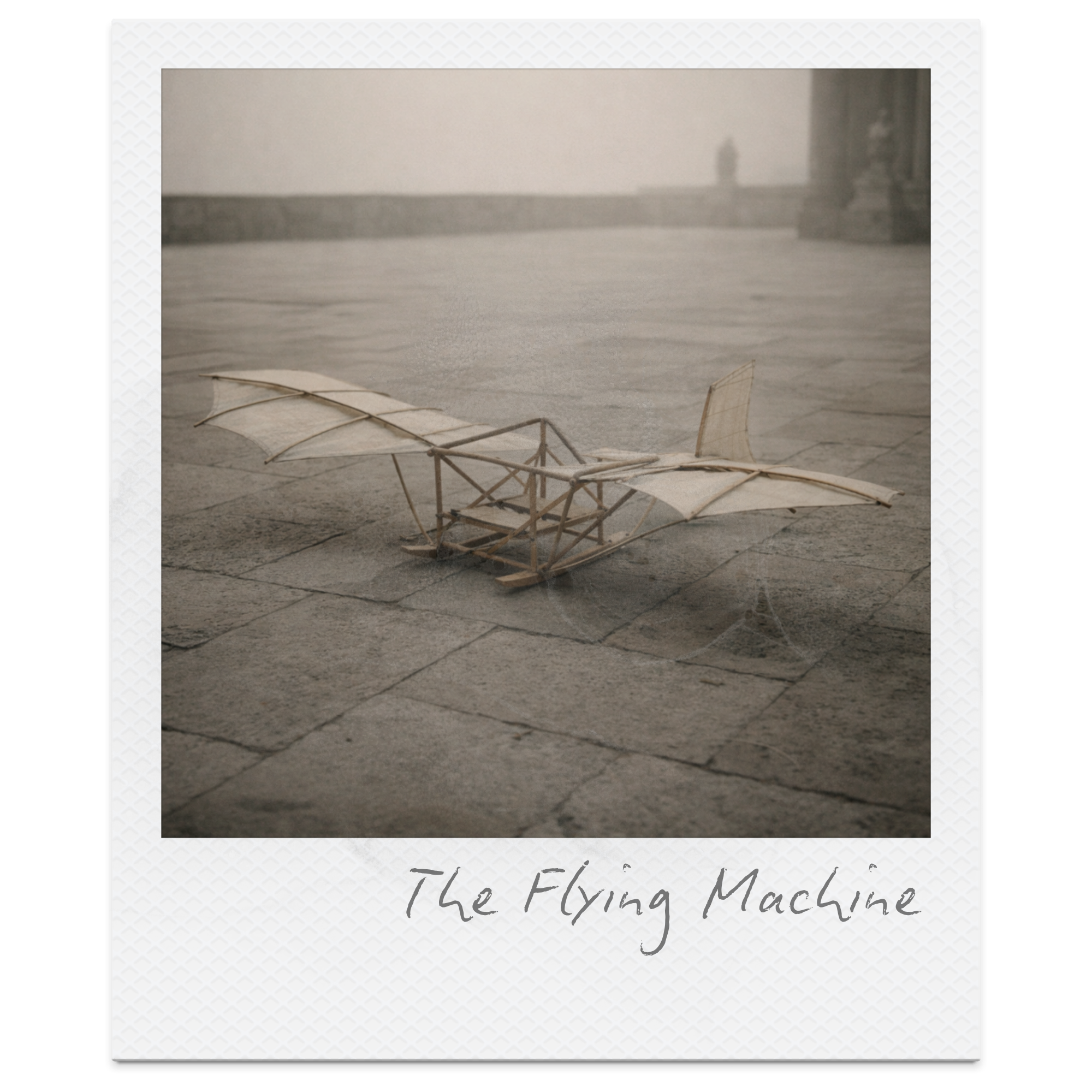
The Flying Machine by Ray Bradbury: Summary, Themes, Symbolism & Analysis
Ray Bradbury’s The Flying Machine explores the uneasy relationship between innovation and fear, presenting a world where beauty and progress are not always welcomed. Set in ancient China, the story follows an inventor who achieves the impossible—human flight—only to face the Emperor’s growing concern about what such a discovery might become. Through this encounter, Bradbury examines the fragile balance between creativity and control, raising questions about whether all knowledge should be allowed to exist. At its core, the story reflects a deeper anxiety about the consequences of progress, particularly when invention can be replicated and misused. The Emperor’s decision to destroy both the machine and its creator reveals a chilling logic: that protecting the future may require the sacrifice of something extraordinary in the present. Blending speculative fiction with philosophical insight, The Flying Machine leaves readers questioning whether humanity can truly be trusted with its own creations—and what might be lost when fear takes precedence over wonder.

The Exiles by Ray Bradbury: Summary, Themes, Symbolism & Analysis
Bradbury’s The Exiles is a haunting exploration of censorship, imagination, and the fragility of stories, set on a dying Mars where forgotten authors and their creations struggle to survive. As books are banned and burned on Earth, the figures they once sustained begin to fade, turning the story into a powerful reflection on what happens when culture is erased and memory is lost. Blending science fiction, gothic atmosphere, and a deeply meta-literary perspective, the story challenges readers to consider the true cost of suppressing imagination. Through its unsettling imagery and quiet, devastating ending, The Exiles asks a central question: if stories disappear, what happens to the parts of ourselves they once held together?