Notes from the Inkpot
Writing, teaching, creating - one ink-stained idea at a time.




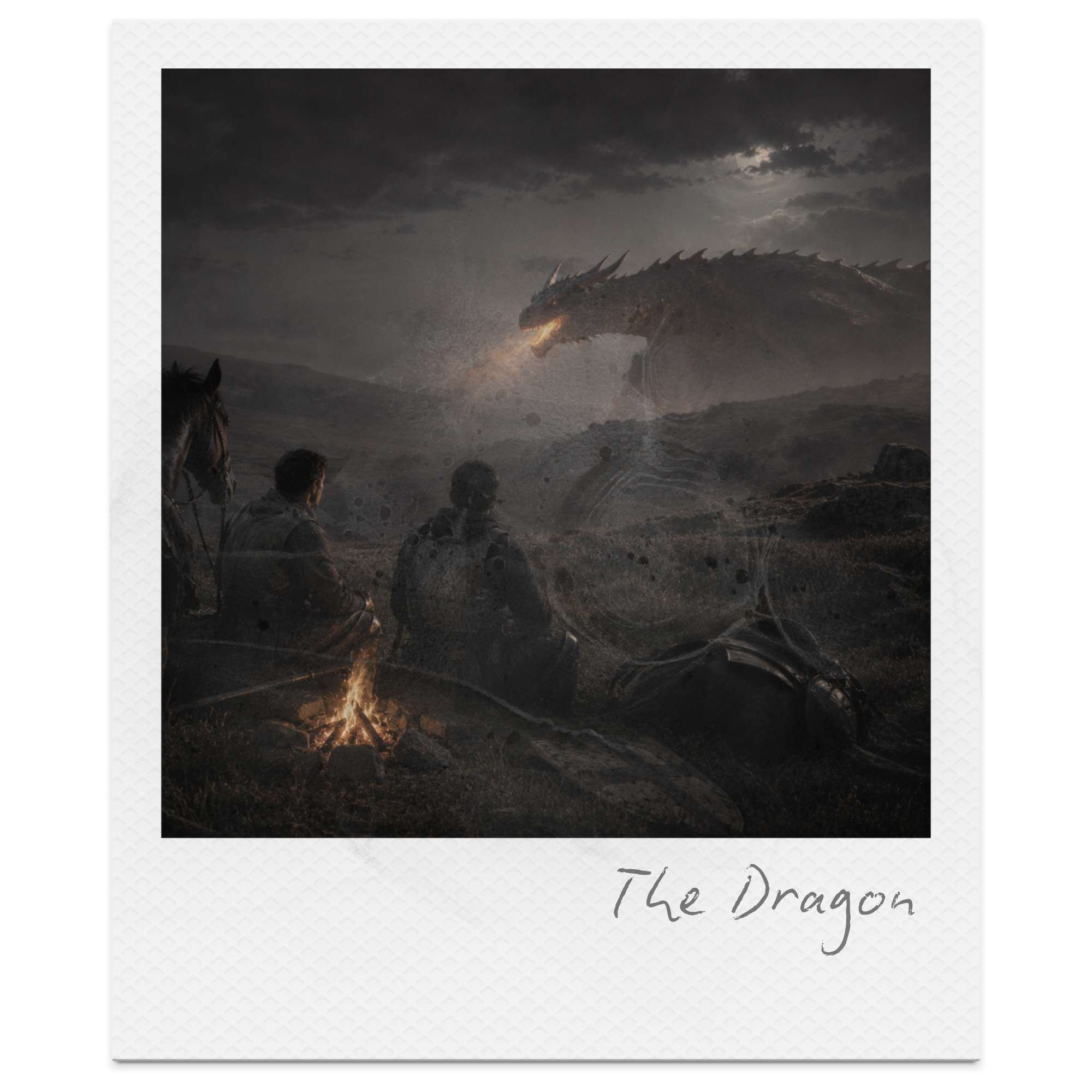
The Dragon by Ray Bradbury: Summary, Themes, Meaning & Analysis
Discover our complete analysis of The Dragon by Ray Bradbury, including a clear summary, detailed exploration of its themes, symbolism, characters, structure, narrative voice, and important quotes. Uncover how Bradbury uses a brilliant twist ending to examine perception, fear, time, technology, and the limits of human understanding, while exploring why this thought-provoking science fiction story continues to resonate with modern readers. You'll also find alternative interpretations, classroom teaching ideas, essay inspiration, and further reading to deepen your understanding of one of Bradbury's most ingenious short stories.

Here There Be Tygers by Ray Bradbury: Summary, Themes, Meaning & Analysis
Explore our comprehensive analysis of Here There Be Tygers by Ray Bradbury, including a clear summary, major themes, symbolism, important quotes, literary techniques, alternative interpretations, and detailed character analysis. Discover how Bradbury uses a living planet to explore colonialism, environmentalism, human greed, and respect for nature, while offering teaching ideas, essay guidance, and exam-focused insights for students and teachers.

The Rocket by Ray Bradbury: Summary, Themes, Meaning & Analysis
The Rocket by Ray Bradbury is a quietly powerful piece of speculative fiction that explores aspiration, inequality, and the emotional weight of unattainable dreams. Through the character of Fiorello Bodoni, Bradbury presents a world where space travel exists—but only for the wealthy—forcing ordinary people to confront the painful distance between possibility and access. As Bodoni listens to rockets “sighing in the dark sky,” the story establishes a deep sense of longing, framing space not as a destination, but as a symbol of everything just out of reach. As the narrative unfolds, Bradbury shifts the focus from physical reality to emotional truth, revealing that the journey itself is an illusion. Yet this illusion becomes profoundly meaningful, as Bodoni creates an experience his children will “remember… for always.” In doing so, the story challenges the idea that reality is inherently more valuable than imagination, suggesting instead that shared experience, memory, and love can hold greater significance than material achievement.
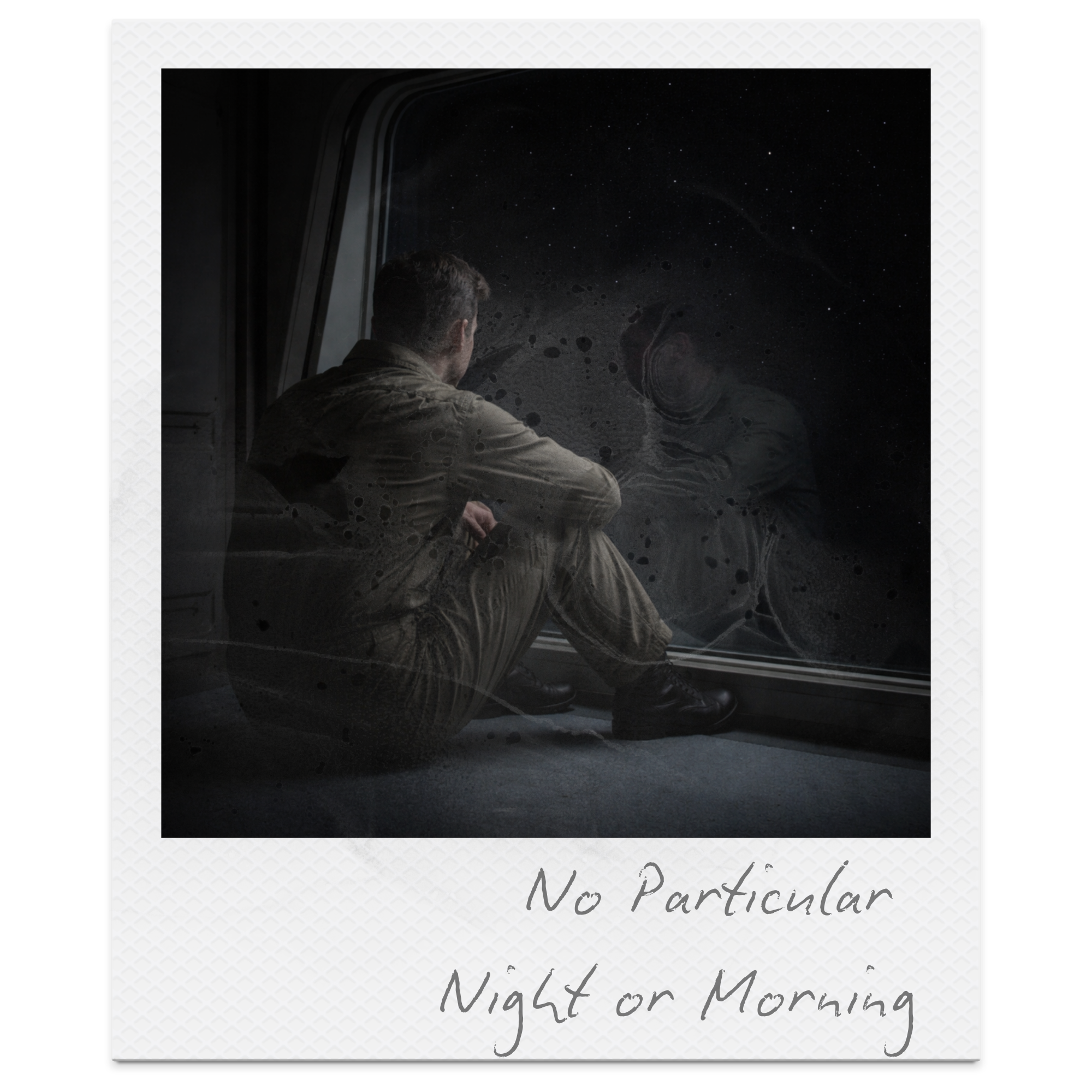
No Particular Night or Morning by Ray Bradbury: Summary, Themes, Symbolism & Analysis
No Particular Night or Morning explores existential uncertainty, isolation, and the limits of proof through the unsettling perspective of a man who can only believe in what he can immediately see, touch, or verify. As Hitchcock begins to reject the existence of Earth, memory, and even other people when they are not physically present, Bradbury builds a disturbing vision of reality reduced to isolated moments, stripped of continuity and meaning. As the story progresses, this rigid form of rationalism leads to the breakdown of identity and perception, revealing how dependent human life is on imagination, memory, and shared belief. Set against the vast emptiness of space, Hitchcock’s descent becomes both psychological and symbolic, culminating in a chilling rejection of everything—body, world, and self—leaving only “space” and “the gap.”