Notes from the Inkpot
Writing, teaching, creating - one ink-stained idea at a time.



The Rocket by Ray Bradbury: Summary, Themes, Meaning & Analysis
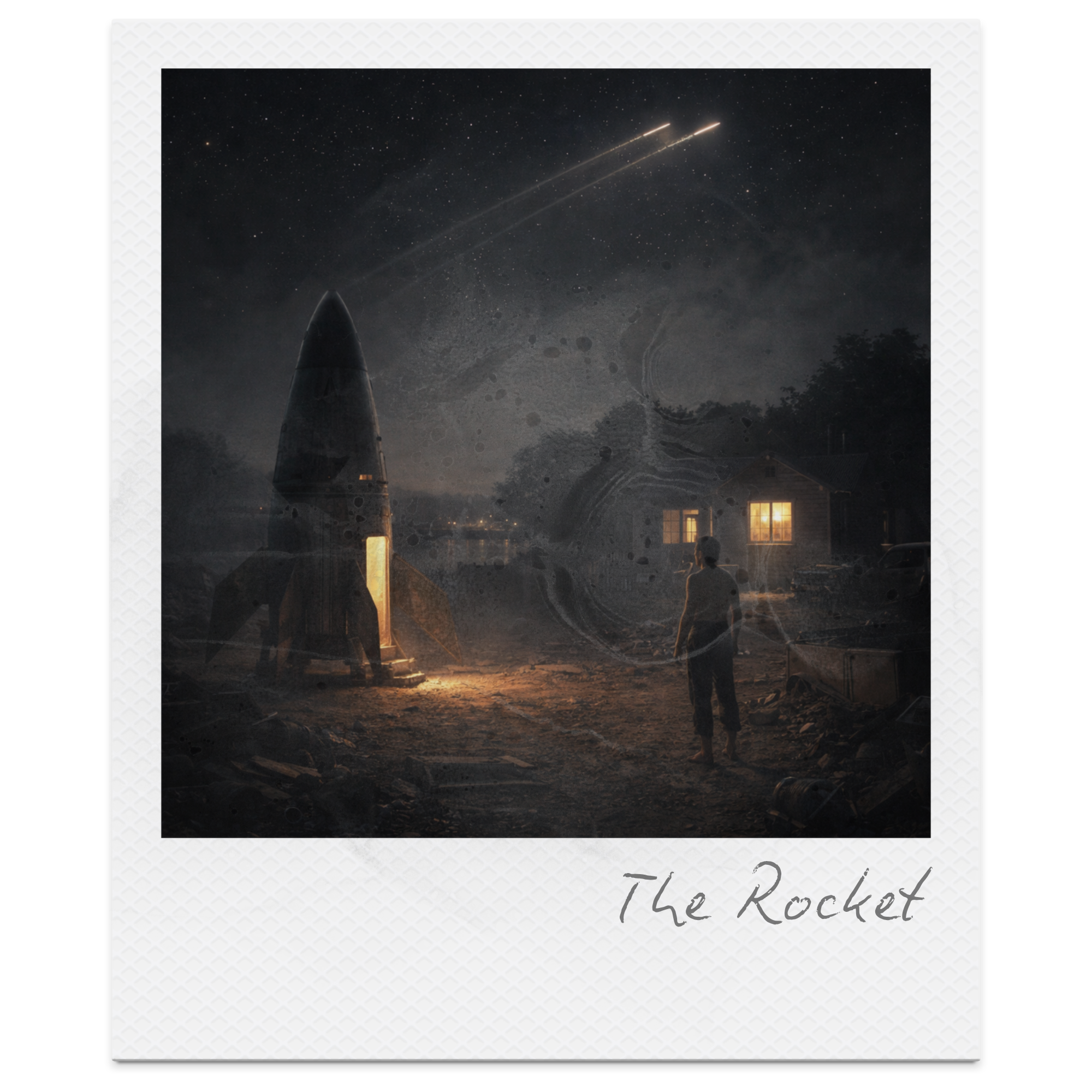
The Rocket by Ray Bradbury is a quietly powerful piece of speculative fiction that explores aspiration, inequality, and the emotional weight of unattainable dreams. Through the character of Fiorello Bodoni, Bradbury presents a world where space travel exists—but only for the wealthy—forcing ordinary people to confront the painful distance between possibility and access. As Bodoni listens to rockets “sighing in the dark sky,” the story establishes a deep sense of longing, framing space not as a destination, but as a symbol of everything just out of reach. As the narrative unfolds, Bradbury shifts the focus from physical reality to emotional truth, revealing that the journey itself is an illusion. Yet this illusion becomes profoundly meaningful, as Bodoni creates an experience his children will “remember… for always.” In doing so, the story challenges the idea that reality is inherently more valuable than imagination, suggesting instead that shared experience, memory, and love can hold greater significance than material achievement.
To Helen by Edgar Allan Poe: Summary, Themes, Meaning & Analysis
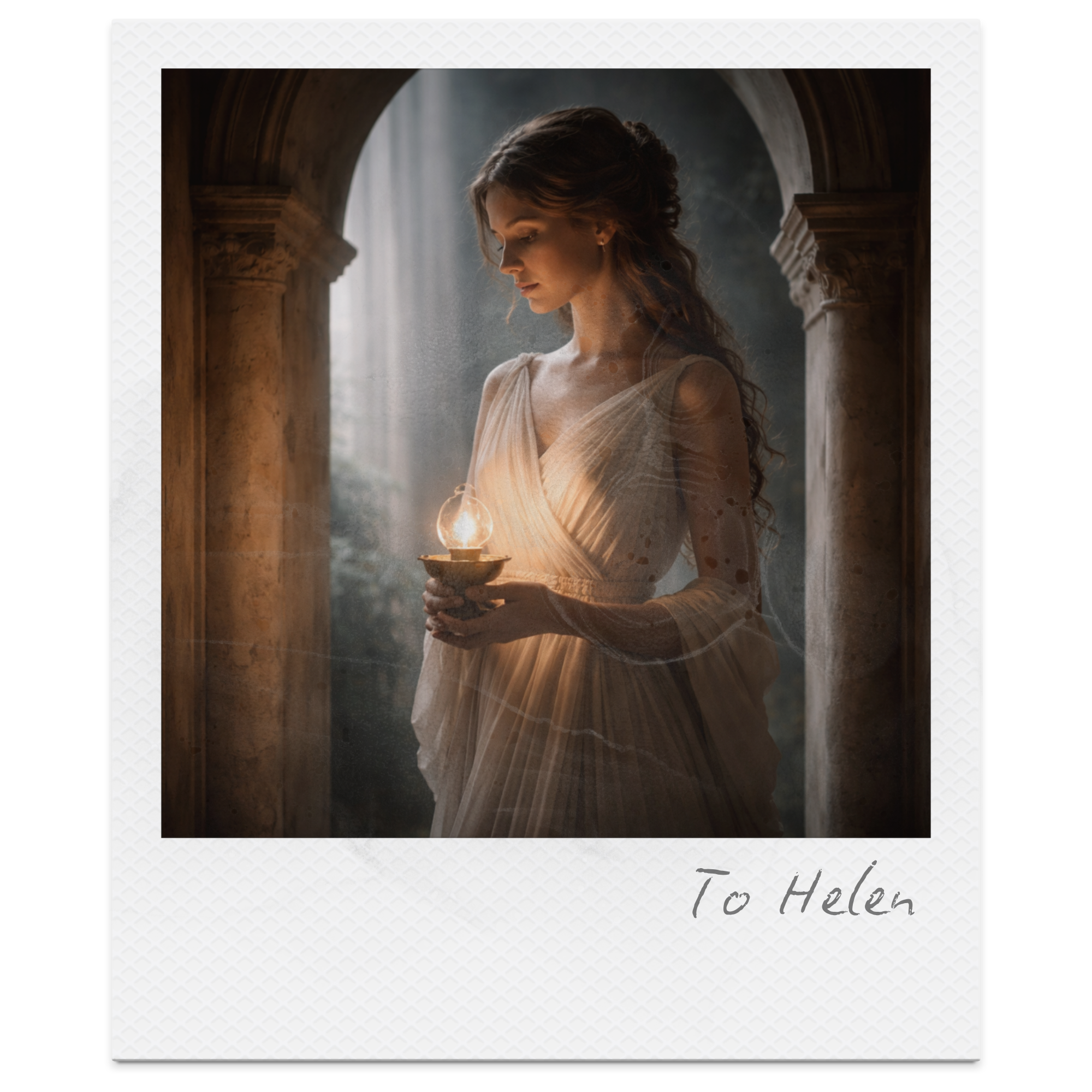
To Helen is a lyrical and deeply reflective poem exploring beauty, idealisation, and the power of memory. Drawing on rich classical imagery and mythological allusion, Poe presents Helen not simply as a person, but as a symbol of perfect, timeless beauty—one that offers the speaker a sense of restoration, belonging, and emotional return. This analysis explores the poem’s structure, key themes, and layered meanings, from its shifting metre and subtle rhyme to its exploration of love as transcendence and beauty as art. Through close reading and teaching ideas, it reveals how To Helen moves beyond admiration into something more profound: a meditation on how beauty can elevate, shape, and ultimately distance human experience.
Sonnet—To Science by Edgar Allan Poe: Summary, Themes, Meaning & Analysis
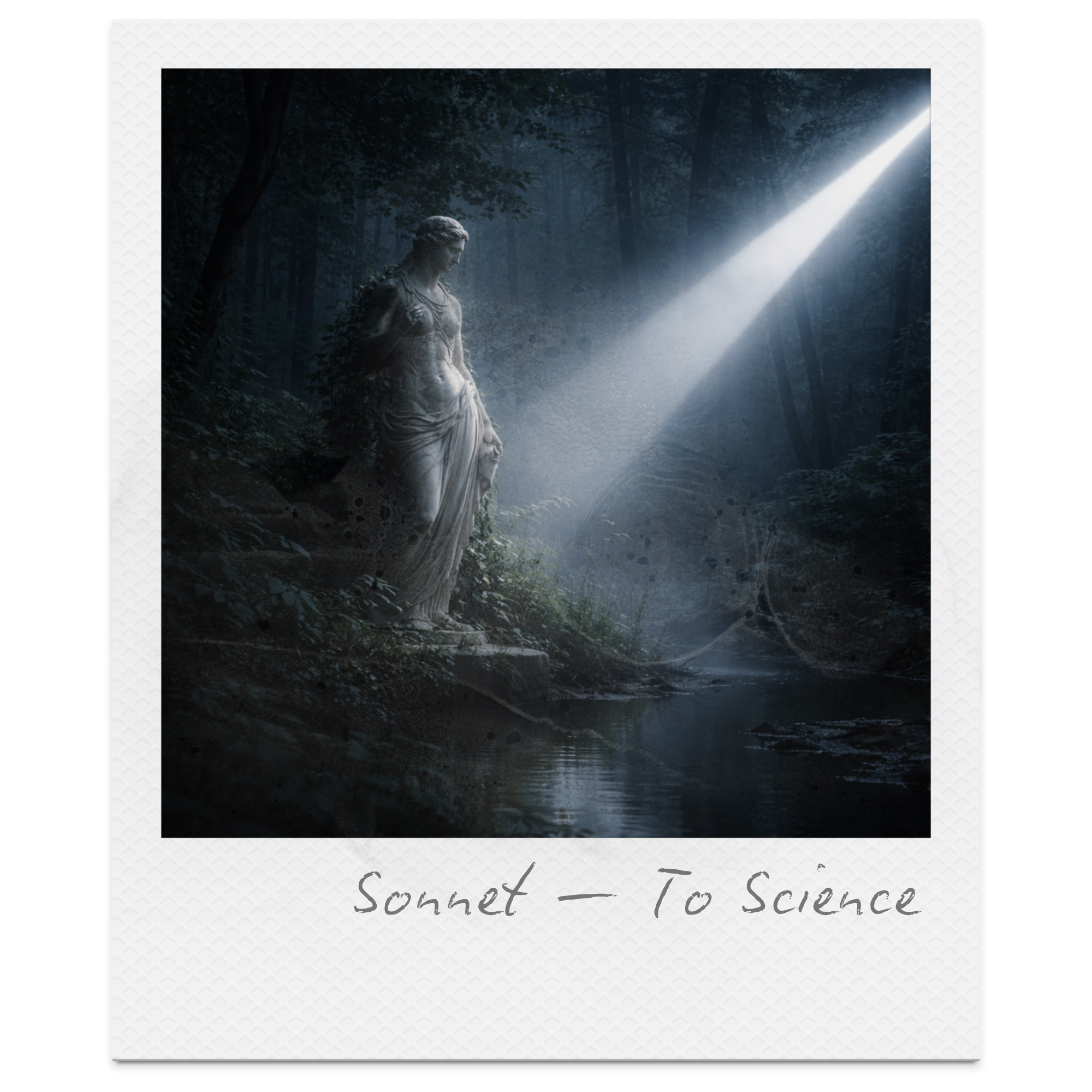
Edgar Allan Poe’s Sonnet—To Science explores the tension between imagination and reason, presenting science as a force that strips the world of its wonder, beauty, and myth. Through a structured sonnet form and a confrontational voice, Poe challenges the dominance of rational thought, suggesting that scientific progress may come at the cost of creativity, emotional depth, and symbolic meaning. The poem draws on classical mythology and rich imagery to show how explanation can replace enchantment, leaving the world diminished. At the same time, the poem remains deliberately ambiguous. While science is criticised for its intrusive “peering eyes,” it is also shown to be an unavoidable force shaped by time and progress. This creates a deeper question at the heart of the poem: does understanding the world mean losing the ability to experience it with wonder? Through this unresolved tension, Poe invites readers to reflect on the balance between knowledge and imagination, making the poem as relevant now as it was in his own time.
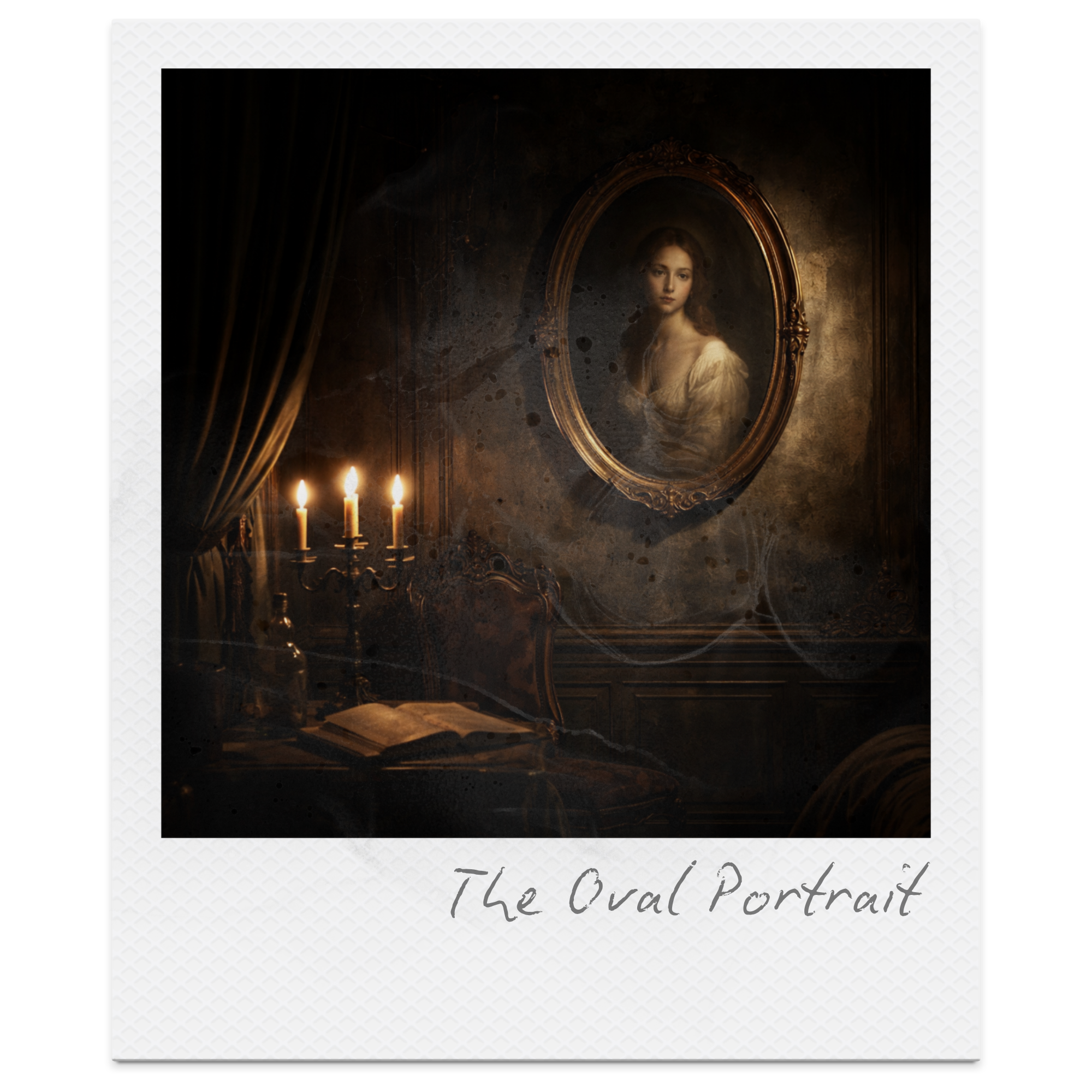
The Oval Portrait by Edgar Allan Poe: Summary, Themes, Symbolism & Analysis
The Oval Portrait by Edgar Allan Poe is a haunting Gothic short story that explores the dangerous relationship between art and life, revealing how obsession can transform creation into destruction. Set within a decaying château, the story follows a wounded narrator who becomes fixated on a strikingly lifelike portrait, uncovering a disturbing tale of artistic ambition and sacrifice. This analysis explores the story’s key themes, including obsession, control, beauty and mortality, and the blurred boundary between reality and illusion. Through close analysis of structure, setting, and character, The Oval Portrait reveals how the pursuit of perfection can consume life itself, raising unsettling questions about the true cost of art.