To Helen by Edgar Allan Poe: Summary, Themes, Meaning & Analysis
To Helen is one of Edgar Allan Poe’s most admired and lyrical poems, exploring beauty, longing, classical idealisation, and the transformative power of art. Through rich imagery and mythological allusion, the poem presents Helen not as a person, but as an embodiment of perfect beauty and cultural memory, capable of guiding the speaker away from chaos toward a sense of home, harmony, and transcendence.
At its core, the poem moves beyond admiration into a deeper reflection on how beauty can function as a restorative and almost sacred force, reconnecting the individual with history, identity, and meaning. However, this idealisation also introduces ambiguity: is Helen a real figure, a symbolic muse, or a projection of the speaker’s desire for order and belonging? This tension makes the poem open to multiple interpretations. For further exploration, see the Edgar Allan Poe Hub and the Literature Library.

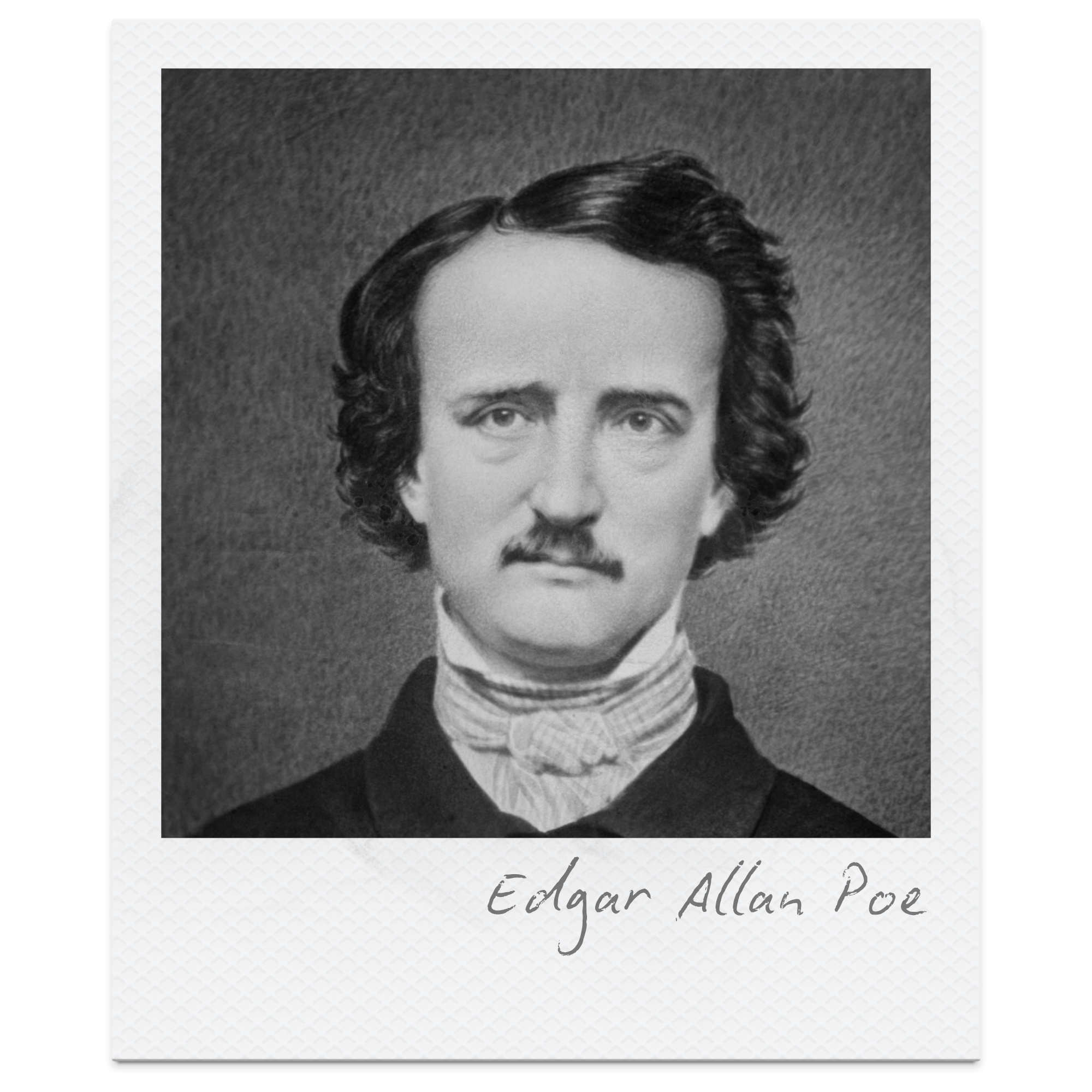
Context of To Helen
Written in 1831, To Helen reflects a more restrained and lyrical side of Edgar Allan Poe’s work, shaped by both his personal experiences of loss and his fascination with classical beauty and Romantic idealisation. Poe’s early life was marked by repeated bereavement and emotional instability, which led him to form intense attachments to maternal figures. This poem is widely understood as a tribute to Jane Stanard, the mother of a childhood friend, whom Poe deeply admired as a source of comfort, guidance, and emotional refuge during a turbulent period in his youth.
Stanard’s early death left a lasting impression on Poe, and To Helen can be read as an attempt to preserve her in a form that transcends ordinary memory. Rather than depicting her as a real, flawed individual, Poe transforms her into an idealised, almost mythic figure, associated with ancient Greece and Rome, spiritual beauty, and artistic perfection. This reflects a broader Romantic tendency to elevate beauty into something timeless and redemptive, while also revealing Poe’s recurring interest in loss, memory, and the unattainable. For further insight into these recurring patterns in his work, see the Edgar Allan Poe Context Post.
To Helen: At a Glance
Form: Lyric poem with three uneven stanzas, blending Romantic and classical influences
Mood: Reverent, wistful, idealised
Central tension: The speaker’s longing for beauty and belonging versus the unattainable, idealised nature of Helen
Core themes: beauty and idealisation, love as transcendence, memory and restoration, classical influence and cultural identity, art as refuge, the unattainable ideal
One-sentence meaning: The speaker presents Helen as a symbol of perfect beauty and cultural memory, whose presence offers a sense of spiritual and emotional return, even as she remains ultimately unattainable.
Quick Summary of To Helen
The poem opens with the speaker comparing Helen’s beauty to “Nicean barks of yore,” ships that gently carry a weary traveller across a perfumed sea back to his native shore. This image presents Helen as a guiding force, offering comfort, restoration, and a sense of return to something familiar and peaceful.
The speaker then reflects on his own wandering, describing himself as having roamed “desperate seas.” In contrast, Helen’s “hyacinth hair,” “classic face,” and “Naiad airs” evoke both natural beauty and classical mythology, suggesting that she reconnects him to the ideals of ancient Greece and Rome, symbolising order, culture, and harmony.
In the final stanza, Helen is elevated further into a statue-like, almost divine figure, standing in a glowing window with an agate lamp in her hand. The speaker addresses her as “Psyche,” linking her to the soul and the spiritual realm. This transforms her from a human figure into a symbol of ideal beauty and transcendence, suggesting that she belongs not to the physical world, but to a higher, almost sacred space beyond reach.
Title, Form, Structure, and Metre of To Helen
To Helen is carefully shaped to reflect the speaker’s experience of beauty as both stabilising and overwhelming, combining a controlled lyric structure with subtle variations that mirror fascination, reverence, and emotional intensity. Edgar Allan Poe uses form not as a rigid container, but as something that shifts gently, echoing the way the speaker repeatedly returns to, yet re-experiences, Helen’s beauty.
Title
The title, To Helen, immediately frames the poem as a direct address, positioning Helen as both subject and recipient. The name itself carries strong classical associations, recalling Helen of Troy and linking the poem to themes of ideal beauty, myth, and cultural memory. As a result, Helen functions less as an individual and more as a symbol of perfection, art, and transcendence, connecting to the poem’s wider exploration of unattainable ideals and restorative beauty.
Form and Structure
The poem consists of three five-line stanzas (cinquains), creating an appearance of structural regularity. However, this structure is subtly varied across the poem, as the rhyme scheme and metre shift between stanzas, preventing the poem from feeling static. This balance between consistency and variation mirrors the speaker’s experience: Helen’s beauty is constant, yet each encounter with it feels new and transformative.
The rhyme scheme evolves across the stanzas:
First stanza: ABABB (me / yore / sea / wanderer / shore)
Second stanza: CDCDC (roam / face / home / Greece / Rome)
Third stanza: EFFEF (niche / stand / hand / which / land)
These patterns are musical but not repetitive, often incorporating slant rhyme (such as face / Greece), which softens the sound and contributes to a dreamlike, fluid quality. This shifting rhyme scheme reflects the poem’s movement between reality and idealisation, reinforcing its sense of aesthetic distance and reverie.
Metre and Rhythm
The dominant metre of the poem is iambic tetrameter, where each line typically contains four iambs (an unstressed syllable followed by a stressed syllable). For example:
The a- | GATE lamp | with-IN | thy HAND!
This creates a gentle da-DUM rhythm, contributing to the poem’s lyrical, flowing quality.
However, Poe frequently disrupts this regularity. The opening line begins with a trochaic inversion (a stressed syllable followed by an unstressed one), immediately placing emphasis on Helen:
HELen, | thy BEAU- | ty IS | to ME
This shift creates a sense of urgency and emotional intensity, drawing attention to the speaker’s admiration.
Poe also shortens certain lines for emphasis. The final line of the first stanza shifts into iambic trimeter (three beats instead of four):
To HIS | own NA- | tive SHORE
Meanwhile, the final line of the poem is even more compressed, forming a dactylic pattern (stressed followed by two unstressed syllables):
Are HO- | ly LAND!
These shortened lines create a sense of pause and reverence, as though the speaker is momentarily overcome by beauty.
Overall, the interplay between regular metre and deliberate variation mirrors the poem’s central tension: the desire for order, harmony, and return, set against the overwhelming, almost destabilising power of idealised beauty.
The Speaker of To Helen
The speaker of To Helen is a deeply reverent and idealising voice, addressing Helen as both a beloved figure and a symbol of transcendent beauty. He presents himself as a “weary, way-worn wanderer,” suggesting a past marked by restlessness, displacement, and emotional searching, which Helen’s presence appears to resolve.
The tone is consistently admiring, elevated, and almost devotional, shaped by the speaker’s tendency to view Helen not as a real, human individual, but as an idealised figure drawn from classical and mythological traditions. His references to Greece, Rome, Naiads, and Psyche reveal a mind steeped in art, history, and mythology, reinforcing the idea that he experiences beauty through the lens of cultural memory and imagination.
Importantly, the speaker’s voice remains stable in its emotional direction, but not in its intensity. Rather than descending into instability, as in many of Poe’s other works, the speaker becomes increasingly absorbed and elevated, moving from admiration to a kind of spiritual awe. This progression suggests that Helen functions as a force of restoration and transcendence, guiding him away from chaos toward a sense of order and belonging.
However, the speaker is not entirely reliable. His extreme idealisation raises the possibility that Helen is less a real figure and more a projection of his desires, representing an unattainable ideal of beauty, home, and cultural perfection. In this way, the voice of the poem reflects not only admiration, but also the human tendency to construct meaning through idealisation, revealing the blurred boundary between reality and imagination.
Stanza-by-Stanza Analysis of To Helen
The structure of To Helen is essential to its meaning, with each stanza marking a shift in how the speaker perceives beauty, memory, and transcendence. Rather than telling a narrative, the poem unfolds as a series of elevations, where Helen is gradually transformed from a source of comfort into a figure of cultural, artistic, and spiritual idealisation.
Each stanza builds on the last, moving from physical imagery and emotional restoration to classical symbolism and finally near-divine reverence, reflecting the speaker’s deepening sense of awe. This progression reveals how beauty, in the poem, is not static but expansive, shaping both identity and perception.
Let’s explore how this develops, stanza by stanza.
Stanza 1: Beauty as Restoration and Return
The opening stanza presents Helen’s beauty as a force of comfort, guidance, and restoration, using the extended metaphor of “Nicean barks of yore”—ancient ships that carry a weary traveller home. This comparison immediately frames beauty not as something superficial, but as something functional and transformative, capable of easing suffering and providing direction.
The speaker casts himself as a “weary, way-worn wanderer,” suggesting emotional exhaustion and a sense of displacement. This imagery evokes a journey marked by struggle and instability, positioning Helen as the means by which he is returned to “his own native shore.” The idea of “home” here is symbolic, representing not just a physical place, but a state of belonging, peace, and emotional resolution.
The phrase “perfumed sea” adds a sensory richness that elevates the journey from something harsh to something almost dreamlike and idealised, reinforcing the poem’s tone of reverence. The movement across the sea also suggests a transition from chaos to order, aligning with the poem’s broader theme of beauty as a force that restores harmony and balance.
This stanza establishes the central idea that beauty has the power to guide, soothe, and transform, while also introducing the speaker’s dependence on Helen as a source of stability and meaning.
Stanza 2: Classical Idealisation and Cultural Return
In this stanza, the speaker deepens his portrayal of Helen, shifting from personal restoration to cultural and historical idealisation. The phrase “desperate seas long wont to roam” reinforces his earlier sense of restlessness and displacement, suggesting a prolonged state of wandering that is both physical and emotional.
Helen’s beauty is then described through a series of elevated, almost sculptural images—“hyacinth hair,” “classic face,” and “Naiad airs.” These references draw heavily on classical mythology and aesthetics, transforming her into a figure that embodies ancient ideals of harmony, proportion, and grace. The term “Naiad” (a water nymph) further aligns her with the natural and mythic world, suggesting a beauty that is both timeless and otherworldly.
Crucially, Helen’s presence does not simply comfort the speaker—it “brought [him] home / To the glory that was Greece, / And the grandeur that was Rome.” Here, “home” expands beyond personal belonging into a return to cultural and intellectual origins, where beauty is associated with civilisation, art, and order. Greece and Rome function as symbols of idealised human achievement, reinforcing the idea that Helen represents not just a person, but an entire aesthetic and philosophical ideal.
This stanza elevates the poem’s central idea, showing that beauty has the power not only to restore the individual, but to reconnect them with a lost or imagined past of perfection, further blurring the boundary between reality and idealisation.
Stanza 3: Divine Beauty and Spiritual Elevation
In the final stanza, Helen is elevated beyond both human and cultural idealisation into a figure of spiritual and almost divine significance. The exclamation “Lo!” signals a moment of revelation, as the speaker presents her not in motion, but in a fixed, reverential image—“statue-like”—suggesting permanence, perfection, and artistic idealisation.
The setting of the “window-niche” frames Helen as though she were part of a sacred or classical space, reinforcing her association with art, architecture, and timeless beauty. The “agate lamp” she holds introduces an image of light and guidance, symbolising illumination, knowledge, and possibly spiritual insight. This positions Helen not only as an object of admiration, but as a guiding force, echoing her earlier role in leading the speaker “home.”
The direct address to “Psyche” marks a crucial transformation. Psyche, associated with the soul, elevates Helen into a symbolic figure representing spiritual beauty and inner truth, rather than physical form alone. The final phrase—“Holy-Land!”—further intensifies this elevation, suggesting that Helen belongs to a realm that is sacred, distant, and unattainable.
This closing stanza completes the poem’s progression from earthly beauty to divine ideal, revealing that what the speaker truly reveres is not a person, but an idea of perfection. Helen becomes a bridge between art, memory, and spirituality, leaving the speaker in a state of awe and reverence, rather than fulfilment.
Key Quotes from To Helen
The language of To Helen is central to its effect, using imagery, classical allusion, and musical rhythm to construct a vision of beauty that is both restorative and unattainable. The following quotes highlight how Poe develops themes of idealisation, memory, and transcendence.
Beauty and Restoration
“Helen, thy beauty is to me / Like those Nicean barks of yore,”
♦ Simile and classical allusion – Compares Helen’s beauty to ancient ships from classical history
♦ Meaning – Suggests beauty as something that guides and carries the speaker to safety
♦ Effect – Establishes a tone of reverence, presenting beauty as functional and transformative, not merely aesthetic
“The weary, way-worn wanderer bore / To his own native shore.”
♦ Metaphor – The speaker is cast as a wandering traveller returning home
♦ Meaning – Implies emotional exhaustion and a longing for belonging and stability
♦ Effect – Reinforces the idea that Helen’s beauty offers restoration and resolution
Idealisation and Classical Beauty
“Thy hyacinth hair, thy classic face,”
♦ Imagery and classical reference – Evokes both natural beauty and ancient Greek ideals
♦ Meaning – Positions Helen as an embodiment of perfect, timeless aesthetics
♦ Effect – Elevates her beyond individuality, transforming her into an ideal rather than a person
“Thy Naiad airs have brought me home”
♦ Mythological allusion – References water nymphs (Naiads)
♦ Meaning – Suggests a beauty that is fluid, natural, and otherworldly
♦ Effect – Blurs the boundary between reality and myth, reinforcing the poem’s dreamlike quality
“To the glory that was Greece, / And the grandeur that was Rome.”
♦ Allusion and contrast – References classical civilisations associated with cultural perfection
♦ Meaning – Links Helen to art, civilisation, and intellectual harmony
♦ Effect – Expands the idea of “home” into a return to idealised cultural origins
Art, Stillness, and Perfection
“How statue-like I see thee stand,”
♦ Simile – Compares Helen to a statue
♦ Meaning – Suggests permanence, stillness, and artistic perfection
♦ Effect – Removes her from the living world, placing her within the realm of art and idealisation
“The agate lamp within thy hand!”
♦ Symbolism – The lamp represents light, knowledge, and guidance
♦ Meaning – Positions Helen as a figure who illuminates and directs
♦ Effect – Reinforces her role as a guiding, almost sacred presence
Spiritual and Transcendent Beauty
“Ah, Psyche, from the regions which / Are Holy-Land!”
♦ Classical and spiritual allusion – Psyche represents the soul, while “Holy-Land” evokes sacred space
♦ Meaning – Transforms Helen into a symbol of spiritual beauty and transcendence
♦ Effect – Elevates the poem from admiration to devotion, suggesting that beauty belongs to a realm beyond human reach
These quotes demonstrate how Poe uses imagery, allusion, and sound to transform beauty into something that is not only admired, but worshipped, revealing the speaker’s movement from longing to reverence.
Key Techniques in To Helen
The power of To Helen lies in its elevated language, classical references, and controlled musicality, which work together to construct a vision of beauty that is both idealised and transcendent. Edgar Allan Poe uses a range of techniques to transform Helen from a real figure into a symbol of art, culture, and spiritual restoration.
♦ Allusion (Classical and Mythological) – The poem is saturated with references to Greek and Roman mythology, including Helen of Troy, Naiads, and Psyche. These allusions elevate Helen into a figure of timeless, almost divine beauty, suggesting that ordinary language is insufficient to describe her. At the same time, the speaker casts himself in a role similar to a wandering classical hero, reinforcing his sense of displacement and longing for return.
♦ Apostrophe (Direct Address) – The poem is written as a direct address to Helen, creating a tone of intimacy and reverence. By speaking to her rather than about her, the speaker intensifies her presence while also revealing his own emotional dependence and admiration.
♦ Imagery – Poe uses rich, sensory imagery such as “perfumed sea,” “hyacinth hair,” and “agate lamp” to construct a world that feels both physical and dreamlike. These images move from natural to artistic to spiritual, mirroring the poem’s progression from earthly beauty to divine idealisation.
♦ Simile and Metaphor – The extended comparison between Helen and “Nicean barks of yore” presents beauty as something that guides and restores, rather than simply being admired. This metaphor shapes the poem’s central idea that beauty has the power to return the speaker to a sense of home and identity.
♦ Sound (Alliteration and Assonance) – The poem’s musical quality is reinforced through subtle sound patterns, such as the repetition of soft consonants in “weary, way-worn wanderer”. These techniques create a flowing, lyrical rhythm that reflects the poem’s tone of calm admiration and reverie.
♦ Enjambment – Lines often flow into one another without pause, as seen in the opening stanza, creating a sense of continuous movement and fluidity. This reflects the speaker’s drifting thoughts and reinforces the idea of a journey toward beauty and restoration.
♦ Symbolism – Helen herself functions as a central symbol of ideal beauty, cultural memory, and spiritual transcendence. Objects such as the lamp symbolise illumination and guidance, while the sea represents both distance and transition, reinforcing the poem’s focus on movement between states of being.
♦ Structural Variation – Although the poem appears formally controlled, subtle shifts in rhyme and metre create variation within consistency. This mirrors the speaker’s experience of beauty as something enduring yet continually renewing, reinforcing the sense of fascination and reverence.
Together, these techniques allow Poe to construct a poem where beauty is not merely observed, but experienced as transformative, shaping both the speaker’s identity and his perception of the world.
Themes in To Helen
To Helen explores a set of interconnected, aesthetic and philosophical themes, using the speaker’s admiration of Helen to examine how beauty shapes identity, memory, and emotional experience. Rather than presenting love as reciprocal or grounded in reality, the poem constructs a vision of beauty that is idealised, transformative, and ultimately distant.
Beauty and Idealisation
The poem presents beauty as something perfect, timeless, and almost sacred, removing Helen from the realm of ordinary human experience. Through classical imagery and elevated language, she becomes an ideal rather than an individual, representing a standard of perfection that cannot be matched or fully understood.
Love as Transcendence
Love in the poem is not physical or relational, but elevating and transformative. The speaker’s admiration lifts him out of his state of wandering and dislocation, suggesting that love has the power to transport the individual beyond suffering into a higher, more harmonious state.
Memory and Restoration
Helen’s presence functions as a form of restoration, returning the speaker to a symbolic “native shore.” This suggests that memory—whether real or imagined—can provide a sense of belonging and emotional resolution, even if that return is not literal.
Classical Influence and Cultural Identity
The references to Greece and Rome position Helen within a tradition of classical beauty and intellectual achievement. These civilisations are presented as idealised cultural origins, suggesting that beauty is tied to a sense of heritage, identity, and artistic legacy.
Art as Refuge
The poem frames beauty as something that offers escape from instability and suffering. Through imagery of statues, lamps, and classical forms, Helen becomes associated with art itself, suggesting that art provides a space of order, permanence, and refuge from the chaos of lived experience.
The Unattainable Ideal
Although Helen restores and elevates the speaker, she remains ultimately unreachable. Her transformation into a statue-like and spiritual figure places her beyond human connection, reinforcing the idea that true perfection exists only as an ideal that can be admired, but never possessed.
Beauty and Spirituality
The final stanza connects beauty with the soul and the sacred, particularly through the reference to Psyche and “Holy-Land.” This suggests that beauty is not merely aesthetic, but deeply tied to spiritual experience and inner truth, elevating the poem beyond romantic admiration into devotion.
Belonging and Return
The recurring motif of returning home reflects a deeper longing for stability and identity. The speaker’s journey suggests that beauty can provide a sense of belonging, even if that sense is rooted in imagination rather than reality.
Together, these themes present To Helen as a meditation on how beauty can shape, restore, and transcend human experience, while also remaining distant and unattainable, leaving the speaker in a state of reverent longing rather than fulfilment.
Alternative Interpretations of To Helen
To Helen invites multiple readings, as its portrayal of beauty moves beyond simple admiration into something psychological, cultural, and symbolic. The figure of Helen resists a single interpretation, functioning as both a real inspiration and an abstract ideal, shaped by the speaker’s perspective.
Psychological Interpretation: Beauty as Emotional Refuge
From a psychological perspective, Helen can be understood as a projection of the speaker’s inner needs, rather than a fully realised external figure. The imagery of return—being carried to a “native shore”—suggests a longing for stability, comfort, and belonging, implying that Helen represents a mental escape from emotional unrest. In this reading, beauty becomes a coping mechanism, allowing the speaker to construct a sense of order and peace within his own mind.
Feminist Interpretation: The Idealised Female Form
A feminist reading highlights how Helen is presented almost entirely through appearance and symbolic function, rather than voice or agency. She is described in terms of her “hyacinth hair,” “classic face,” and statue-like stillness, positioning her as an object to be observed, admired, and interpreted. This reflects an early form of the male gaze, where the female figure is transformed into an ideal rather than a subject with autonomy, raising questions about how beauty is constructed and controlled through language.
Psychoanalytic Interpretation: Maternal Idealisation and Longing
Through a psychoanalytic lens, Helen may represent a form of maternal idealisation, shaped by the speaker’s desire for comfort, guidance, and emotional security. The imagery of being carried “home” suggests a return not just to place, but to a state of protection and belonging, often associated with early attachment. Rather than overt desire, the poem reflects a blurring between admiration and dependency, where Helen becomes a figure who fulfils both emotional and symbolic needs, revealing deeper tensions within the speaker’s psyche.
Aesthetic Interpretation: Beauty as Art and Transcendence
From an aesthetic perspective, Helen is less a person than a representation of artistic perfection and cultural memory. The references to Greece, Rome, sculpture, and classical form position her within a tradition of ideal beauty, where art becomes a means of achieving order, harmony, and transcendence. In this reading, the poem is not about love in a personal sense, but about the power of beauty to elevate the individual beyond the ordinary, transforming experience into something timeless and universal.
Teaching Ideas for To Helen
Teaching To Helen allows students to explore language, imagery, classical influence, and interpretation, while also engaging with how poetry constructs idealised beauty and emotional meaning. The poem’s brevity makes it ideal for close analysis, while its depth supports more advanced discussion and creative response.
1. Classical Allusion Mapping
Ask students to identify and research the poem’s classical references (Helen of Troy, Naiads, Psyche, Greece, Rome). Students can then map how each reference contributes to the poem’s presentation of beauty and idealisation.
Extend this by asking:
Why does Poe rely on classical imagery rather than contemporary description?
How does this shape the way we understand Helen?
This activity helps students connect context, language, and meaning.
2. Imagery and Symbolism Analysis
Students annotate key images such as “Nicean barks,” “perfumed sea,” and “agate lamp,” exploring how they contribute to the poem’s themes of restoration, guidance, and transcendence.
Challenge students to categorise imagery into:
Natural (sea, hair)
Cultural (Greece, Rome)
Artistic/Spiritual (statue, lamp, Psyche)
This encourages deeper thinking about how imagery shifts across the poem.
3. Character / Theme Debate
Use the poem as a springboard for interpretation-based discussion:
Is Helen a real person or a symbolic construct?
Does the poem celebrate beauty, or critique idealisation?
Is the speaker comforted by beauty, or dependent on it?
Students can respond through structured debate or written argument, developing interpretive confidence and textual support skills.
4. Model Analytical Paragraph + Evaluation
Question: How does Poe present beauty as both powerful and unattainable in To Helen?
Model Paragraph:
Poe presents beauty as both restorative and unattainable through the speaker’s idealisation of Helen as a classical and almost divine figure. The simile comparing her to “Nicean barks of yore” suggests that beauty has the power to guide and restore, bringing the speaker “home.” However, her transformation into a “statue-like” figure and the reference to “Psyche” elevate her beyond the human, placing her in a realm of perfection that cannot be reached. As a result, beauty becomes something that offers emotional resolution while remaining fundamentally distant, reinforcing its unattainable nature.
Student Tasks:
Add an additional quotation to extend the argument
Rewrite from a different interpretative lens (e.g. feminist or psychological)
Challenge the idea that Helen is unattainable
5. Creative Writing Extension
Encourage students to respond creatively to the poem’s themes of idealisation, beauty, and return. Tasks might include:
Writing a poem inspired by a figure who represents “home” or emotional restoration
Reimagining Helen from her own perspective, giving her voice and agency
Creating a modern version exploring how beauty functions in today’s world
Writing an extended metaphor where beauty guides a character through emotional struggle
For further inspiration, students can explore the Gothic Writing Hub and the Creative Writing Archive, using these to develop their own atmospheric, symbolic, and reflective writing.
Go Deeper into To Helen
Exploring To Helen alongside other texts allows students to deepen their understanding of idealised beauty, memory, and the relationship between art and emotion. These comparisons highlight how writers across forms and periods explore love, loss, and the unattainable ideal. For further resources, see Best Poe Texts for the Classroom.
◆ Annabel Lee by Edgar Allan Poe – Explores love beyond death and romantic idealisation, offering a more emotional and personal counterpart to the elevated, aesthetic beauty in To Helen.
◆ Lenore by Edgar Allan Poe – Provides a contrasting view of grief and loss, where death is approached with a sense of acceptance rather than reverence, allowing comparison of emotional responses to loss.
◆ The Oval Portrait by Edgar Allan Poe – Explores artistic obsession and the cost of idealised beauty, linking closely to To Helen’s presentation of beauty as something that can transcend—and replace—reality.
◆ Ulalume by Edgar Allan Poe– Examines memory, loss, and subconscious movement, offering a darker, more psychological perspective on themes of return and emotional haunting.
◆ The Raven by Edgar Allan Poe – A useful comparison for idealisation and psychological experience, showing how beauty and memory can become sources of obsession and despair rather than restoration.
◆ In an Artist’s Studio by Christina Rossetti – Explores the objectification of women and artistic idealisation, offering a strong feminist counterpoint to To Helen, where beauty is constructed through the observer’s gaze.
◆ La Belle Dame sans Merci by John Keats – Presents beauty as enchanting but destructive, contrasting with Poe’s portrayal of beauty as restorative yet unattainable.
◆ She Walks in Beauty by Lord Byron – Offers a Romantic celebration of idealised female beauty, allowing comparison of how different poets construct aesthetic perfection and admiration.
By placing To Helen within a wider literary context, students can develop a deeper understanding of how beauty is represented as restorative, destructive, or unattainable, strengthening both analytical and comparative skills.
Final Thoughts
To Helen endures as a powerful meditation on beauty, idealisation, and the human desire for restoration, presenting beauty not as something fleeting, but as a force capable of shaping identity and perception. Through its rich imagery and classical allusion, the poem transforms admiration into something closer to reverence, revealing how deeply the speaker depends on beauty as a source of meaning and belonging.
At the same time, the poem resists a single interpretation. Helen can be read as a real figure, a symbolic ideal, or a psychological projection, and this ambiguity is central to its impact. Rather than offering resolution, the poem leaves us with a vision of beauty that is both comforting and unattainable, grounding and elevating at once. To explore more of Poe’s work and themes, visit the Edgar Allan Poe Hub and the Literature Library.
Choose Your Next Text