Notes from the Inkpot
Writing, teaching, creating - one ink-stained idea at a time.



The Exiles by Ray Bradbury: Summary, Themes, Symbolism & Analysis
Bradbury’s The Exiles is a haunting exploration of censorship, imagination, and the fragility of stories, set on a dying Mars where forgotten authors and their creations struggle to survive. As books are banned and burned on Earth, the figures they once sustained begin to fade, turning the story into a powerful reflection on what happens when culture is erased and memory is lost. Blending science fiction, gothic atmosphere, and a deeply meta-literary perspective, the story challenges readers to consider the true cost of suppressing imagination. Through its unsettling imagery and quiet, devastating ending, The Exiles asks a central question: if stories disappear, what happens to the parts of ourselves they once held together?

To Helen by Edgar Allan Poe: Summary, Themes, Meaning & Analysis
To Helen is a lyrical and deeply reflective poem exploring beauty, idealisation, and the power of memory. Drawing on rich classical imagery and mythological allusion, Poe presents Helen not simply as a person, but as a symbol of perfect, timeless beauty—one that offers the speaker a sense of restoration, belonging, and emotional return. This analysis explores the poem’s structure, key themes, and layered meanings, from its shifting metre and subtle rhyme to its exploration of love as transcendence and beauty as art. Through close reading and teaching ideas, it reveals how To Helen moves beyond admiration into something more profound: a meditation on how beauty can elevate, shape, and ultimately distance human experience.
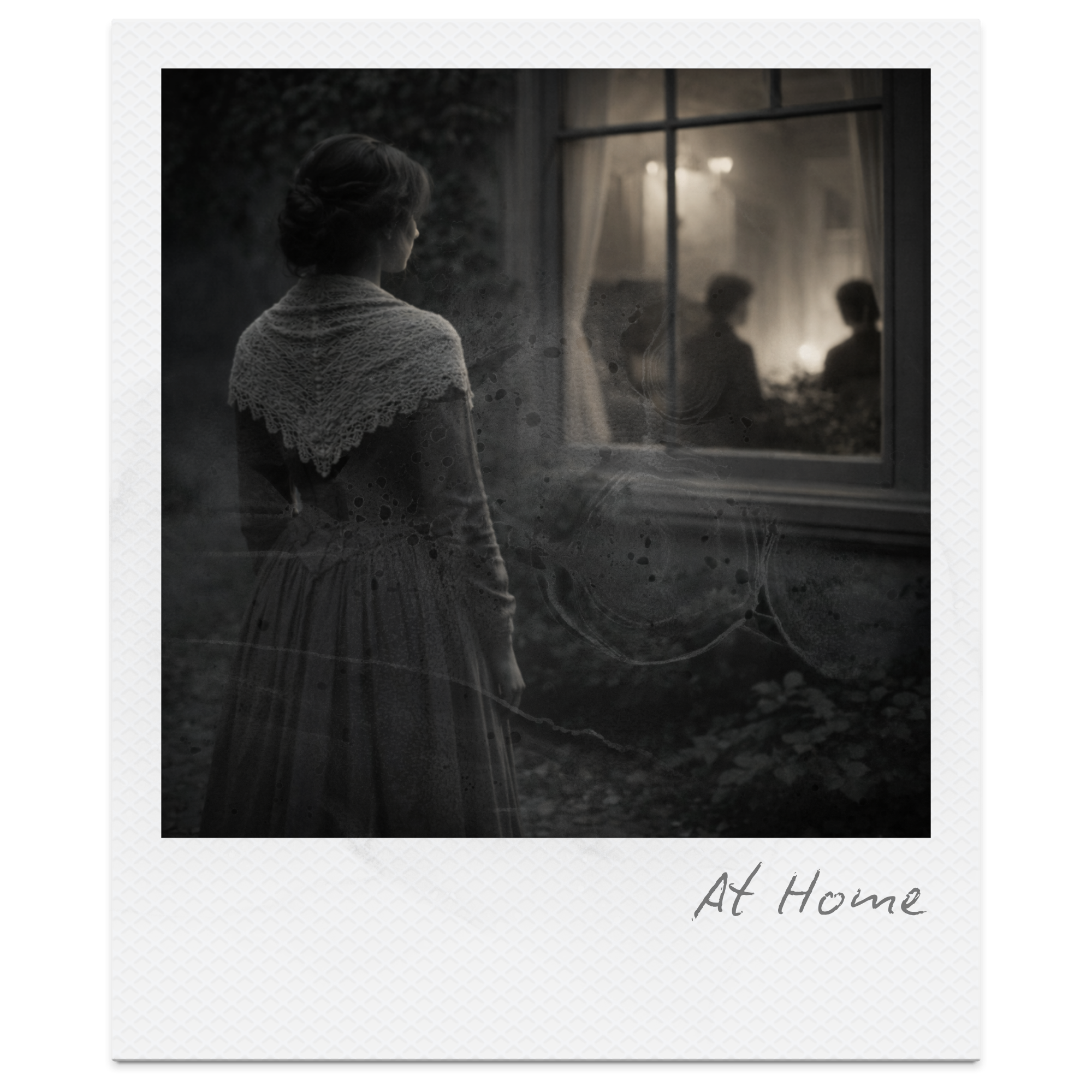
At Home by Christina Rossetti: Summary, Themes, Symbolism & Analysis
Christina Rossetti’s At Home presents a haunting meditation on death, memory, and emotional detachment, exploring what it means to be present yet entirely excluded. Through the perspective of a speaker who returns after death to observe her former life, the poem reveals the unsettling reality that the world continues unchanged. Rossetti contrasts the vitality and connection of the living with the speaker’s growing awareness of her own absence, creating a quiet but devastating sense of separation. As the poem unfolds, the speaker realises she has not only died, but been erased from memory and belonging. The living focus on “to-day” and “to-morrow,” while she becomes something entirely of the past—“yesterday.” Through imagery, structure, and perspective, Rossetti suggests that identity depends on recognition, participation, and shared experience, all of which fade with time. The result is a powerful reflection on the fragility of human connection and the unsettling possibility of being forgotten

Our Mothers, Lovely Women Pitiful by Christina Rossetti: Summary, Themes, Symbolism & Analysis
Christina Rossetti’s Our Mothers, Lovely Women Pitiful explores themes of memory, faith, and moral inheritance, presenting past generations as guiding figures whose lives continue to shape the present. Through its reflective tone and collective voice, the poem emphasises the importance of learning from experience and enduring with patience and belief. This analysis examines how Rossetti uses structure, language, and symbolism to balance reverence with uncertainty. As the poem shifts from shared instruction to personal doubt, it raises deeper questions about spiritual continuity, responsibility, and whether the past can truly offer reassurance in the present.
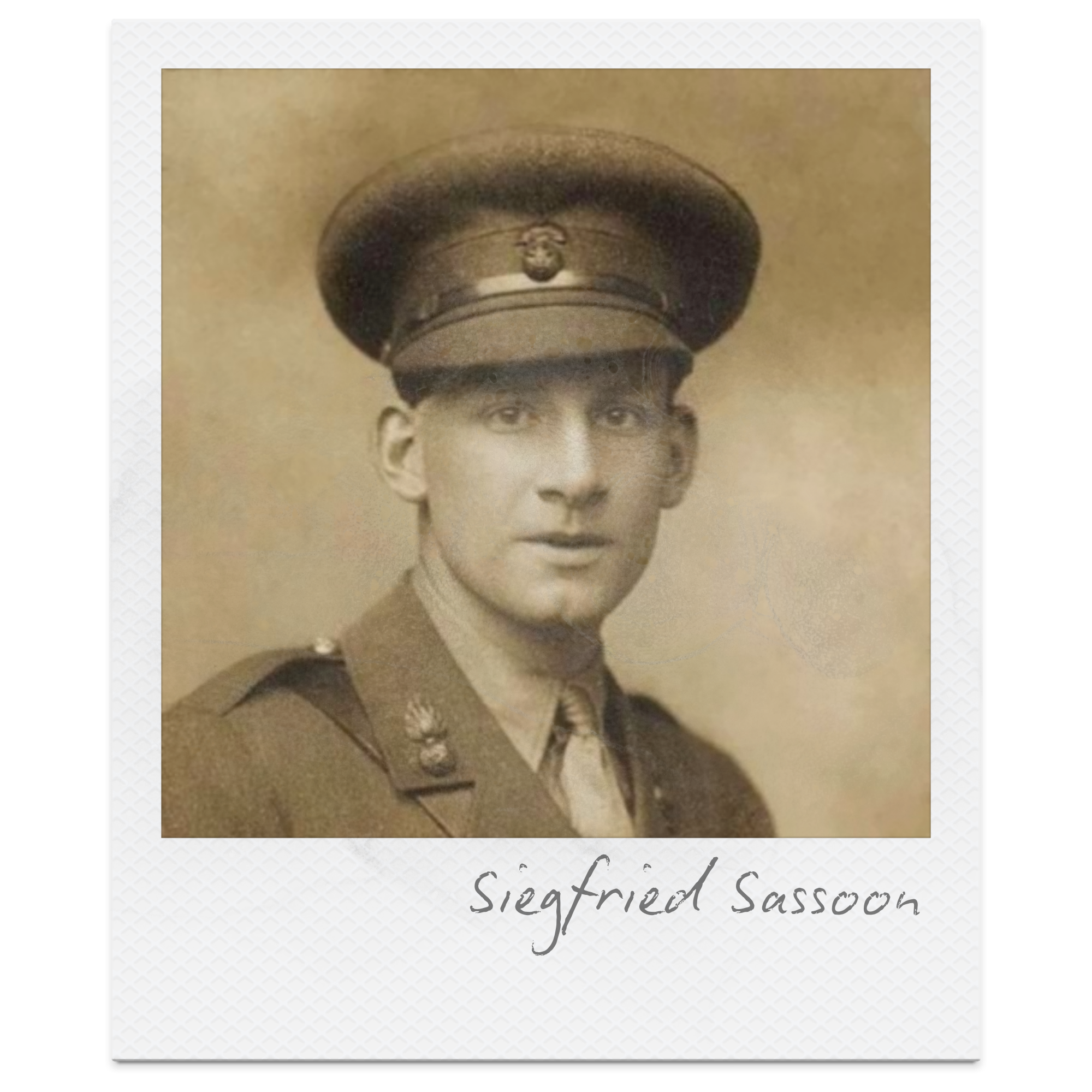
Siegfried Sassoon: Context, War Poetry, and Literary Significance
Siegfried Sassoon is one of the most important voices in First World War poetry, writing not from imagination but from direct experience of trench warfare. His poems expose the brutality, futility, and moral failure of modern war, challenging patriotic narratives that present suffering as noble or necessary. Through irony, anger, and controlled restraint, Sassoon forces readers to confront the gap between those who fight and those who authorise violence from a distance. Understanding Sassoon’s context is essential for reading poems such as “Suicide in the Trenches.” Shaped by frontline combat, public protest, and psychological trauma, his writing interrogates responsibility, authority, and the language used to justify mass death. Rather than offering comfort or heroic sacrifice, Sassoon’s war poetry demands ethical engagement, making it central to the study of WWI literature and modern protest writing.