Our Mothers, Lovely Women Pitiful by Christina Rossetti: Summary, Themes, Symbolism & Analysis
Christina Rossetti’s Our Mothers, Lovely Women Pitiful reflects on memory, inheritance, and moral example, presenting past generations of women as figures of guidance and quiet strength. Through its address to “mothers” and “sisters,” the poem explores how lived experience, suffering, and faith shape a legacy that continues to influence the present.
This analysis will examine how Rossetti uses collective voice, religious language, and reflective tone to construct a sense of continuity between past and present. By exploring the tension between earthly struggle and spiritual peace, the poem raises questions about remembrance, responsibility, and whether those who have passed can still see—or judge—the living. You can explore more of Rossetti’s work in the Rossetti Poetry Hub and continue your study through the Literature Library.

Our Mothers, Lovely Women Pitiful: Context
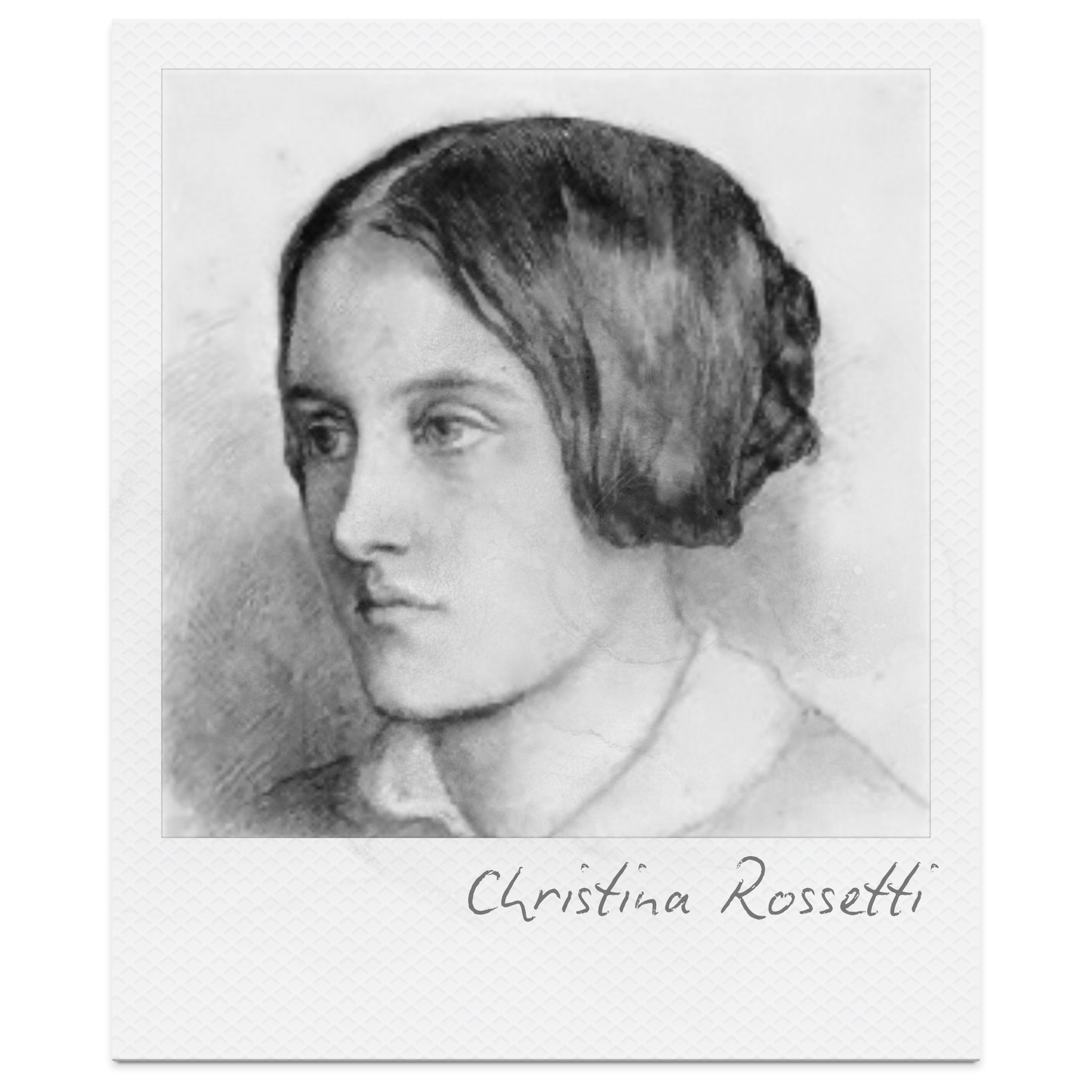
Christina Rossetti’s Our Mothers, Lovely Women Pitiful reflects her deep engagement with faith, memory, and moral inheritance, shaped by her Anglo-Catholic beliefs and the devotional culture of the Victorian period. Much of Rossetti’s poetry explores the relationship between earthly life and spiritual existence, and in this poem, she considers how past generations continue to influence the living through example, memory, and imagined presence. For a fuller exploration of these influences, see the Christina Rossetti Context post.
Victorian society placed strong emphasis on female virtue, duty, and moral guidance, particularly within the domestic sphere. Women were often idealised as figures of patience, sacrifice, and quiet endurance, and Rossetti both reflects and complicates this ideal. The poem presents “mothers” and “sisters” as models of behaviour, encouraging the living to follow their example of faith, resilience, and moral discipline, even in the face of suffering.
At the same time, the poem engages with Victorian beliefs about the afterlife and the possibility of continued awareness beyond death. By questioning whether the dead can “see us in our painful day,” Rossetti introduces a tension between spiritual comfort and emotional uncertainty, suggesting that memory and faith are intertwined with doubt. This context deepens the poem’s exploration of remembrance, spiritual continuity, and the quiet pressure of inherited expectation.
Our Mothers, Lovely Women Pitiful: At a Glance
Form: Sonnet (Petrarchan influence)
Mood: Reflective, reverent, quietly uncertain
Central tension: Moral guidance from the past vs uncertainty about spiritual connection
Core themes: Memory, faith, inheritance, duty, spiritual continuity
One-sentence meaning:
The poem reflects on how past generations guide the living through memory and example, while questioning whether the dead continue to see and respond to earthly suffering.
Summary of Our Mothers, Lovely Women Pitiful
The poem opens by addressing past generations of women—“mothers” and “sisters”—presenting them as figures of virtue, endurance, and moral authority. Their lives are remembered not simply with affection, but as examples to be followed. Through a series of imperative statements—“Learn,” “Work,” “Walk,” “Hope”—the speaker emphasises the idea that their experiences form a kind of instruction for the living, shaping how one should act and endure.
As the poem develops, this sense of inheritance becomes more personal and uncertain. The speaker shifts from collective reflection to a more intimate question, wondering whether these women can still see those who remain on earth. This introduces a tension between comfort and doubt, as the speaker imagines the possibility of being observed in moments of suffering.
In the final lines, the poem turns toward the idea of spiritual peace. The “happy eyes” of the dead are described as free from tears, suggesting a state of release and completion. However, this reassurance is complicated by the speaker’s lingering uncertainty—“Whether or not you bear to look on me”—which leaves the poem suspended between faith and questioning, reinforcing its reflective and unresolved tone.
Title, Form, Structure, and Metre
Rossetti’s formal choices in Our Mothers, Lovely Women Pitiful reinforce its reflective tone and its focus on continuity between past and present. The controlled structure mirrors the idea of inherited guidance, while subtle shifts in rhythm and address introduce moments of uncertainty.
Title
The title Our Mothers, Lovely Women Pitiful immediately establishes a collective voice, emphasising shared experience and memory. The adjectives “lovely” and “pitiful” create a duality, suggesting both admiration and compassion. This pairing reflects how these women are remembered not only for their virtue, but also for their suffering.
Form and Structure
The poem is structured as a sonnet, drawing on the Petrarchan tradition. The octave focuses on the remembered lives and moral example of past generations, using a sequence of imperatives—“Learn,” “Work,” “Walk,” “Hope”—to create a sense of instruction and continuity.
The sestet introduces a clear shift in focus. The speaker moves from collective reflection to personal uncertainty, questioning whether the dead can still see the living. This volta marks a transition from certainty to doubt, reinforcing the poem’s reflective tension.
Rhyme Scheme and Poetic Pattern
Rossetti employs a structured rhyme scheme that supports the poem’s sense of order and cohesion. Rhyming pairs such as death / saith and school / rule create a pattern that reinforces stability and continuity.
This regularity reflects the idea that moral guidance and inherited values follow a consistent, almost timeless structure, even as the speaker begins to question their meaning.
Metre and Rhythmic Movement
The poem is written primarily in iambic pentameter, giving it a steady, measured rhythm that reflects its contemplative tone.
Our MOthers, LOVEly WOmen PITiFUL
This regular rhythm supports the sense of authority in the opening lines, while subtle variations later in the poem mirror the speaker’s emotional shift toward uncertainty and introspection.
The Speaker of Our Mothers, Lovely Women Pitiful
The speaker of Our Mothers, Lovely Women Pitiful adopts a reflective and collective voice, positioned between reverence for the past and uncertainty in the present. By using the pronoun “our,” the speaker aligns themselves with a wider community, suggesting that the memories and lessons of these women are shared rather than personal, forming part of a collective moral inheritance.
In the opening lines, the speaker presents past generations as figures of authority, their lives offering guidance through a series of imperatives—“Learn,” “Work,” “Walk,” “Hope.” This positions the speaker as both a recipient and transmitter of this wisdom, reinforcing their role as someone shaped by the values of those who came before.
However, this authority becomes less stable as the poem progresses. The speaker shifts from confident reflection to questioning, wondering whether these women can still “see us in our painful day.” This introduces a more vulnerable and uncertain tone, suggesting that the speaker is not only reflecting on the past, but also seeking reassurance in the present.
By the final lines, the speaker’s voice becomes more personal and introspective. The direct address—“Whether or not you bear to look on me”—reveals a sense of individual anxiety, contrasting with the earlier collective voice. This shift highlights the speaker’s dual role as both part of a shared experience and an individual grappling with doubt, reinforcing the poem’s tension between faith, memory, and uncertainty.
Our Mothers, Lovely Women Pitiful Line-by-Line Analysis
This section offers a close, line-by-line reading of Our Mothers, Lovely Women Pitiful, combining detailed quotation analysis with interpretation. By examining each line in sequence, we can explore how Rossetti develops meaning through language, tone, and structure, revealing the poem’s exploration of memory, moral inheritance, and spiritual uncertainty.
Through this focused analysis, the poem’s shifts—from collective reverence to personal doubt—become clearer, allowing us to see how Rossetti balances authority and vulnerability, and how each line contributes to the poem’s reflective and questioning tone.
Our Mothers, lovely women pitiful;
The poem opens with a collective and reverent address, immediately positioning past generations as figures of admiration and compassion.
◆ “Our Mothers” creates a shared, communal voice, suggesting collective inheritance
◆ “lovely” conveys admiration and idealisation
◆ “pitiful” introduces suffering, creating a dual image of strength and vulnerability
Our Sisters, gracious in their life and death;
The focus expands to include “Sisters,” reinforcing continuity across generations of women.
◆ “gracious” suggests dignity, restraint, and moral composure
◆ “in their life and death” implies virtue extends beyond life itself
◆ reinforces the idea of a consistent moral example across time
To us each unforgotten memory saith:
Memory becomes a guiding force, linking the past directly to the present.
◆ “unforgotten” emphasises permanence and lasting influence
◆ “memory saith” personifies memory as a voice of authority
◆ suggests that the past actively instructs the living
"Learn as we learned in life's sufficient school,
The voice of the past begins to instruct through imperative language.
◆ repetition of “learned” reinforces continuity and imitation
◆ “life’s sufficient school” presents experience as the ultimate teacher
◆ suggests that suffering and endurance are necessary forms of education
Work as we worked in patience of our rule,
The emphasis shifts to labour and endurance as moral virtues.
◆ repetition of structure (“Work as we worked”) reinforces inheritance
◆ “patience” highlights endurance and quiet resilience
◆ “rule” suggests both discipline and imposed limitations
Walk as we walked, much less by sight than faith,
The poem foregrounds spiritual guidance over physical certainty.
◆ “Walk as we walked” continues the pattern of imitation
◆ contrast between “sight” and “faith” emphasises belief over certainty
◆ reflects religious values of trust and spiritual reliance
Hope as we hoped, despite our slips and scathe,
Hope is presented as something maintained despite hardship.
◆ repetition reinforces continuity of emotional experience
◆ “slips and scathe” acknowledges human weakness and suffering
◆ suggests perseverance in the face of imperfection
Fearful in joy and confident in dule."
This line introduces a paradoxical emotional state.
◆ contrast between “joy” and “fearful” creates tension
◆ “confident in dule” suggests acceptance of suffering
◆ reflects a worldview where emotion is balanced by restraint and faith
I know not if they see us or can see;
The speaker shifts from certainty to doubt, introducing uncertainty.
◆ “I know not” signals a break from earlier authority
◆ repetition of “see” emphasises uncertainty about perception
◆ introduces the question of spiritual awareness after death
But if they see us in our painful day,
The speaker imagines the possibility of being observed.
◆ conditional “if” reinforces uncertainty
◆ “painful day” highlights present suffering
◆ suggests a desire for recognition or understanding
How looking back to earth from Paradise
The perspective shifts to that of the dead, imagined in heaven.
◆ “Paradise” introduces a religious framework
◆ “looking back” suggests distance between worlds
◆ raises the possibility of continued connection
Do tears not gather in those loving eyes?--
The speaker questions whether the dead feel sorrow for the living.
◆ rhetorical question invites reflection rather than answers
◆ “loving eyes” emphasises compassion and emotional continuity
◆ suggests that memory may still carry emotional weight
Ah, happy eyes! whose tears are wiped away
The poem reasserts spiritual comfort and resolution.
◆ “happy eyes” contrasts with earlier imagined sorrow
◆ biblical echo of tears being “wiped away” suggests salvation
◆ reinforces the idea of peace beyond earthly suffering
Whether or not you bear to look on me.
The poem ends with personal uncertainty and introspection.
◆ shift from collective “us” to individual “me”
◆ “bear to look” suggests fear of judgement or unworthiness
◆ leaves the poem unresolved, balancing faith with doubt
Key Techniques in Our Mothers, Lovely Women Pitiful
Rossetti uses a range of techniques in Our Mothers, Lovely Women Pitiful to explore memory, moral inheritance, and spiritual uncertainty, balancing reverence for the past with a more personal sense of doubt.
◆ Collective voice and shared identity – The repeated use of “Our” creates a communal perspective, suggesting that the experiences and values of past generations belong to everyone. This reinforces the idea of inherited moral guidance.
◆ Imperative structure and repetition – The sequence “Learn… Work… Walk… Hope…” establishes a pattern of instruction, emphasising continuity between generations. This repetition mirrors the idea that values are passed down and expected to be followed.
◆ Religious symbolism and language – References to “faith,” “Paradise,” and the wiping away of tears draw on Christian imagery, reinforcing themes of spiritual endurance and salvation.
◆ Paradox and contrast – Phrases such as “Fearful in joy and confident in dule” highlight emotional complexity, suggesting that life involves balancing opposing states such as happiness and suffering.
◆ Shift in perspective (volta) – The poem moves from collective certainty to personal doubt, particularly with “I know not.” This structural shift introduces tension between faith and uncertainty.
◆ Rhetorical questioning – The question about whether tears “gather in those loving eyes” invites reflection rather than resolution, reinforcing the poem’s contemplative tone.
◆ Personification of memory – “Memory saith” gives memory a voice, suggesting that the past actively communicates with and instructs the present.
◆ Biblical echo and allusion – The idea of tears being “wiped away” recalls biblical imagery of comfort after suffering, linking the poem to broader religious ideas of redemption.
◆ Shift from collective to individual voice – The movement from “us” to “me” at the end of the poem highlights increasing introspection, suggesting a tension between shared belief and personal doubt.
◆ Balanced, controlled structure – The sonnet form and steady rhythm reflect order and discipline, mirroring the moral framework the poem presents, even as its meaning becomes more uncertain.
Themes in Our Mothers, Lovely Women Pitiful
Rossetti’s Our Mothers, Lovely Women Pitiful explores a range of interconnected themes centred on moral inheritance, spiritual belief, and the relationship between past and present. While the poem begins with a sense of certainty and guidance, it gradually introduces a more personal and questioning perspective.
Memory
Memory functions as a guiding force throughout the poem, linking past generations to the present. The idea that “each unforgotten memory saith” suggests that memory is not passive, but active—continuing to shape behaviour and belief. Through this, Rossetti presents remembrance as a form of moral continuity and instruction.
Faith
Faith is positioned as essential to navigating life, particularly in the line “much less by sight than faith.” This reflects a worldview in which certainty is limited, and belief must guide action. However, the poem complicates this by introducing doubt, suggesting that faith is not always stable or unquestioned.
Inheritance
The poem emphasises the idea of inherited values, with the repeated imperatives—“Learn,” “Work,” “Walk,” “Hope”—reinforcing the expectation that the living will follow the example of those who came before. This inheritance is not material, but ethical and spiritual, shaping identity and behaviour.
Duty
Duty emerges through the emphasis on work, patience, and endurance. The women of the past are presented as figures who fulfilled their roles with quiet resilience, and their example creates a sense of obligation for the present. This reflects Victorian ideals of discipline, responsibility, and moral conduct.
Spiritual Continuity
Rossetti explores the possibility that life and influence extend beyond death. The question of whether the dead can “see us” suggests an ongoing connection between worlds, reinforcing the idea of spiritual continuity. However, this is left uncertain, balancing comfort with doubt.
Doubt and Uncertainty
Although the poem initially presents clear moral guidance, this certainty is disrupted by the speaker’s questioning voice. The shift to “I know not” introduces uncertainty about both spiritual awareness and personal worth, complicating the earlier sense of authority.
Individual vs Collective Identity
The movement from “Our” to “me” highlights a tension between shared experience and personal reflection. While the poem begins with collective memory, it ends with individual uncertainty, suggesting that inherited beliefs may not fully resolve personal doubt.
Alternative Interpretations of Our Mothers, Lovely Women Pitiful
Rossetti’s Our Mothers, Lovely Women Pitiful can be read through a range of critical lenses, each offering a different perspective on its exploration of memory, faith, and inherited expectation. The poem’s shift from certainty to doubt allows for multiple interpretations.
Feminist Interpretation: Idealised Female Virtue
From a feminist perspective, the poem reflects Victorian ideals of women as patient, self-sacrificing, and morally instructive. The repeated imperatives suggest that women are expected to emulate these qualities, reinforcing traditional roles. However, the description of these figures as “pitiful” may subtly critique the cost of such expectations.
Religious Interpretation: Faith and Salvation
A religious reading emphasises the poem’s focus on faith, endurance, and spiritual reward. The women are presented as having lived according to Christian values, now residing in “Paradise,” where their suffering has ended. The reference to tears being wiped away reinforces the promise of salvation and eternal peace.
Psychological Interpretation: Guilt and Self-Reflection
The speaker’s uncertainty—particularly in the final line—can be read as an expression of internal guilt or anxiety. The imagined gaze of the dead becomes a form of self-surveillance, where the speaker measures themselves against inherited standards and fears falling short.
Existential Interpretation: Uncertainty and Meaning
From an existential perspective, the poem highlights the limits of certainty. The speaker’s admission “I know not” suggests that meaning—particularly regarding life after death—may be unknowable. This challenges the earlier sense of moral clarity, leaving the poem unresolved.
Cultural Interpretation: Inheritance and Social Expectation
The poem can also be read as a reflection on how societies transmit values across generations. The emphasis on learning, working, and enduring suggests a cultural system in which individuals are shaped by inherited expectations, raising questions about conformity, pressure, and continuity.
Teaching Ideas for Our Mothers, Lovely Women Pitiful
Our Mothers, Lovely Women Pitiful offers excellent opportunities for exploring voice, structure, and moral inheritance, while also encouraging students to engage with ambiguity, interpretation, and personal response.
1. Mapping Moral Inheritance
Ask students to identify the instructions given in the poem (“Learn,” “Work,” “Walk,” “Hope”) and explore what these reveal about the values of past generations.
Students can:
group the verbs into themes (e.g. faith, duty, endurance)
explain what kind of life these women are being remembered for
This develops understanding of theme and authorial intention.
2. Collective vs Individual Voice
Students track the shift from “Our” to “me” across the poem.
They should explore:
how the tone changes
why Rossetti moves from collective to personal voice
what this reveals about certainty and doubt
This supports structural analysis and interpretation.
3. Faith vs Doubt Discussion
Students examine the tension between belief and uncertainty.
Prompt questions:
Does the poem present faith as stable or fragile?
Why does the speaker question whether the dead can “see us”?
Does the ending feel comforting or unsettling?
This encourages evaluation and interpretive debate.
4. Analytical Paragraph Modelling and Improvement
Provide students with the model paragraph below and ask them to:
Identify what exam-style question it could answer
Annotate it using assessment criteria (e.g. argument, language analysis, context)
Suggest improvements
Write their own paragraph in response to a question
Students can then extend this into a full essay using questions from the Rossetti Poetry Essay Questions post.
Model Analytical Paragraph:
Rossetti presents moral inheritance as both guiding and burdensome in Our Mothers, Lovely Women Pitiful. The repeated imperatives—“Learn,” “Work,” “Walk,” “Hope”—create a sense of instruction, suggesting that the lives of past generations establish a framework for how the living should behave. This structured repetition reinforces continuity, implying that values are passed down and expected to be followed. However, this certainty is complicated by the speaker’s later admission, “I know not if they see us,” which introduces doubt about whether these inherited ideals are still supported or observed. The shift from collective authority to personal uncertainty suggests that while moral guidance persists, it may not fully resolve individual anxiety, highlighting the tension between tradition and personal belief.
5. Exploring the Ending
Ask students to focus on the final lines of the poem.
They should consider:
why the poem ends with uncertainty
how the shift to “me” changes the tone
whether the ending reinforces or challenges earlier ideas
This develops close reading and evaluative skills.
6. Creative Response: Writing Across Generations
Students write a short piece from one of the following perspectives:
one of the “mothers” or “sisters” addressing the present
the speaker responding to the past
a modern voice reflecting on inherited expectations
This encourages engagement with voice, perspective, and theme.
7. Symbolism Focus: Sight and Faith
Students explore the contrast between “sight” and “faith” in the poem.
They should:
identify relevant lines
explain what each concept represents
analyse how this contrast shapes meaning
This strengthens understanding of symbolism and abstract ideas.
Go Deeper into Our Mothers, Lovely Women Pitiful
Our Mothers, Lovely Women Pitiful sits within Rossetti’s wider exploration of faith, memory, and moral inheritance, while also engaging with her recurring interest in doubt, identity, and spiritual uncertainty. Comparing it with other poems in the cluster highlights how Rossetti revisits similar ideas from different emotional and philosophical angles.
◆ Up-Hill – Both poems explore faith as guidance, with Up-Hill offering reassurance about the journey of life, while Our Mothers introduces doubt, questioning whether that guidance is still present or visible.
◆ The Thread of Life – Shares a focus on life as a process shaped by time and experience, but while The Thread of Life is more reflective and philosophical, Our Mothers emphasises inherited example and moral instruction.
◆ Remember – Both poems engage with memory and the relationship between the living and the dead. However, Remember focuses on personal remembrance, whereas Our Mothers presents a broader, collective inheritance.
◆ A Better Resurrection – Explores spiritual struggle and renewal, offering a more explicit religious resolution. In contrast, Our Mothers leaves its spiritual questions unresolved, maintaining a balance between faith and uncertainty.
◆ From the Antique – Both poems reflect on the role of women, but From the Antique expresses a desire to escape female limitation, while Our Mothers presents women as moral exemplars, highlighting tension within Rossetti’s portrayal of gender.
◆ Shut Out – Shares themes of distance and exclusion, particularly the separation between worlds. In Shut Out, this is physical and emotional, whereas in Our Mothers, it is spiritual and uncertain.
◆ Memory – Directly connects through its exploration of how the past shapes the present. Both poems suggest that memory is active and influential, though Our Mothers places greater emphasis on moral inheritance.
◆ At Home – Explores the perspective of the dead observing the living, offering a useful contrast. While At Home presents a more defined separation between worlds, Our Mothers leaves this connection unresolved and ambiguous.
◆ An Apple-Gathering – Examines consequence and reflection, particularly how past actions shape present identity. This aligns with Our Mothers in its focus on how experience informs understanding.
◆ The World – Provides a contrast in tone, exploring temptation and deception, whereas Our Mothers focuses on discipline and moral guidance, highlighting different responses to human experience.
Final Thoughts
Our Mothers, Lovely Women Pitiful offers a quiet yet powerful reflection on memory, inheritance, and the enduring influence of those who came before us. Through its collective voice and structured guidance, the poem initially presents the past as a source of certainty, shaping how the living should think, act, and believe.
However, Rossetti complicates this sense of stability by introducing doubt and personal reflection. The shift from shared instruction to individual uncertainty reveals that inherited values, while influential, do not fully resolve questions of faith, worth, or spiritual connection. This tension gives the poem its lasting depth, balancing reverence with introspection.
Ultimately, the poem invites readers to consider not only how the past guides them, but also how they respond to that guidance—whether with confidence, doubt, or a mixture of both. You can explore more of Rossetti’s poetry in the Rossetti Poetry Hub and continue your study through the Literature Library.
Choose Your Next Text