A Daughter of Eve by Christina Rossetti: Summary, Themes, Symbolism & Analysis
Christina Rossetti’s A Daughter of Eve is a reflective lyric that explores regret, lost opportunity, and the painful awareness of past mistakes. Through the voice of a speaker who recognises her own role in her suffering, the poem presents a moment of emotional awakening in which the past cannot be undone. Rossetti uses seasonal imagery, garden symbolism, and repetition to convey the sense that a time of growth and possibility has already slipped away.
At its heart, the poem examines self-blame, moral responsibility, and the consequences of human weakness. The speaker’s lament that she “slept at noon” suggests a failure to act at the right moment, while the transition from summer to winter symbolises the movement from youth or hope into loss and sorrow. This analysis explores the poem’s imagery, symbolism, structure, and themes, situating it within Rossetti’s wider exploration of spiritual struggle and emotional introspection. You can explore more of Rossetti’s poetry in the Christina Rossetti hub, or browse additional analyses in the Literature Library.

A Daughter of Eve: Context
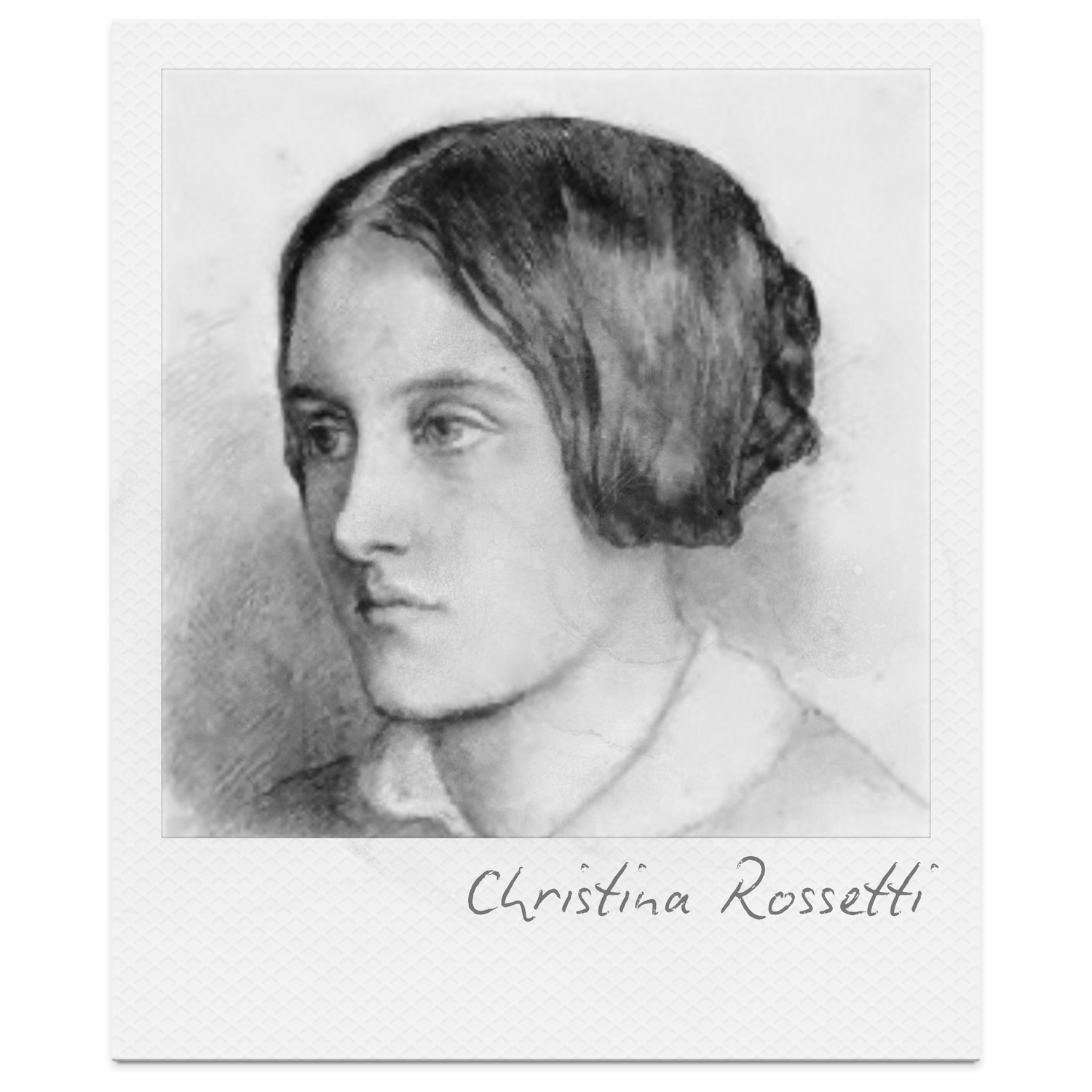
Christina Rossetti’s A Daughter of Eve reflects many of the religious and moral concerns that shape her poetry, particularly the idea that human beings must confront the consequences of their own choices. The poem’s title directly references the biblical story of Eve and the Fall, a central concept in Christian theology describing humanity’s loss of innocence after Eve eats the forbidden fruit in the Garden of Eden. By calling herself a “daughter of Eve,” the speaker aligns her personal regret with this wider tradition of human fallibility and inherited weakness.
The poem’s imagery of a neglected garden deepens this biblical connection. Gardens often symbolise innocence, responsibility, and moral care, echoing the Eden narrative where humanity is entrusted with tending the garden. The speaker’s admission that she has not “kept” her garden suggests a failure to nurture what was once growing and alive. This neglected garden becomes a metaphor for lost opportunity and personal neglect, reinforcing the idea that her present sorrow emerges from earlier inaction.
Rossetti frequently used seasonal imagery to represent emotional and spiritual states, and the shift from summer to winter in this poem reflects the sudden realisation that time has passed and possibilities have faded. The speaker awakens too late to change the past, emphasising one of Rossetti’s recurring concerns: the painful moment when a person recognises the consequences of their choices. For a broader exploration of Rossetti’s life, faith, and literary influences, see the Christina Rossetti context post.
A Daughter of Eve: At a Glance
Form: Lyric poem with regular rhyme and compact three-stanza structure
Mood: Regretful, reflective, and mournful
Central tension: The speaker confronts the painful consequences of past actions that can no longer be undone
Core themes: regret, lost opportunity, moral responsibility, time and change, spiritual fallibility
One-sentence meaning
The poem portrays a speaker who awakens too late to the consequences of her earlier choices, recognising that what was once a time of growth and possibility has already passed into loss and sorrow.
A Quick Summary of A Daughter of Eve
The poem opens with the speaker condemning her own past behaviour, describing herself as a “fool” for sleeping through the warmth of the day and waking only when night has become cold. This contrast between day and night introduces the idea that she has missed a crucial moment of opportunity. The imagery of plucking a rose too soon and snapping a lily suggests impulsive actions that have destroyed something delicate or valuable, hinting at regret and irreversible loss.
In the second stanza, the speaker reflects on the consequences of this earlier neglect. She admits that she has failed to care for her “garden-plot,” which now appears faded and forsaken. The garden becomes a metaphor for a neglected life, relationship, or opportunity that once held promise but has been allowed to deteriorate. The shift from summer to winter symbolises the painful realisation that time has passed and the moment for growth has already gone.
The final stanza deepens the sense of despair. Although others speak optimistically of “future spring” and “sweet to-morrow,” the speaker cannot share their hope. She feels stripped bare of hope, unable to imagine renewal after recognising the consequences of her earlier choices. The poem therefore ends with a powerful image of emotional isolation, as the speaker sits alone with sorrow, reflecting on regret, lost opportunity, and the permanence of past mistakes.
Title, Form, Structure, and Metre of A Daughter of Eve
Rossetti’s formal choices in A Daughter of Eve reinforce the poem’s tone of reflection, regret, and self-reproach. The poem’s compact stanza form, regular rhyme scheme, and controlled rhythm create a measured and almost song-like structure, which contrasts with the speaker’s emotional distress. This balance between formal control and emotional turmoil is typical of Rossetti’s poetry, where carefully structured verse contains deeply personal reflection.
Title
The title A Daughter of Eve immediately places the poem within a biblical and moral framework. Eve, in Christian tradition, represents the first moment of human disobedience and the beginning of humanity’s fallen state. By describing herself as Eve’s “daughter,” the speaker identifies with this tradition of human weakness, temptation, and error.
The title therefore prepares the reader for a poem centred on regret and moral awakening. The speaker’s suffering is not presented simply as bad luck but as part of a wider human condition in which individuals must confront the consequences of their own choices.
Form and Structure
The poem consists of three quintains, meaning each stanza contains five lines. This compact structure allows Rossetti to present a concentrated emotional progression. Each stanza develops the speaker’s realisation further: the first focuses on self-blame, the second recognises the damage caused by neglect, and the third expresses the resulting emotional isolation.
Rossetti also uses repetition to emphasise the speaker’s regret. The repeated phrase “A fool” at the beginning of the first stanza creates a tone of harsh self-judgement. As the poem progresses, the imagery shifts from summer to winter, reflecting the speaker’s recognition that time has passed and that opportunities once available to her have disappeared.
Rhyme Scheme and Poetic Pattern
Each stanza follows a consistent ABAAB rhyme scheme, which contributes to the poem’s musical quality. In the first stanza, for example, the words “noon,” “moon,” and “soon” form the repeated A rhyme, while “chilly” and “lily” create the B rhyme. The same pattern continues throughout the poem, with similar rhyme groupings appearing in the later stanzas.
This repeating rhyme scheme gives the poem a sense of order and inevitability, reinforcing the speaker’s feeling that she cannot escape the consequences of her earlier choices.
Metre and Rhythmic Movement
The poem is primarily written in iambic trimeter, meaning most lines contain three metrical feet with an unstressed syllable followed by a stressed one. This pattern produces a steady rhythm that suits the poem’s reflective tone.
For example, the opening line can be scanned as:
a FOOL | i WAS | to SLEEP | at NOON
Similarly, the line:
beNEATH | the COMF | ortLESS | cold MOON
maintains the same rising rhythm. The pattern gives the poem a calm, deliberate pace that mirrors the speaker’s slow recognition of her mistakes.
Rossetti also varies this pattern slightly in certain lines. Lines two and five of each stanza extend beyond the basic trimeter pattern and end with an additional unstressed syllable, creating a feminine ending. For instance:
a FOOL | to SNAP | my LIL | y
These softer endings prevent the rhythm from sounding too rigid and create a lingering effect, reflecting the speaker’s ongoing contemplation and regret. The steady metre combined with these subtle variations helps reinforce the poem’s mood of quiet reflection and emotional sorrow.
Speaker of A Daughter of Eve
The speaker of A Daughter of Eve appears to be a reflective first-person voice who looks back on her past with intense self-criticism and regret. From the opening line, the speaker repeatedly calls herself “a fool,” establishing a tone of self-blame and moral awareness. This suggests that the poem captures a moment of painful realisation in which the speaker recognises that her present suffering is partly the result of her own earlier actions.
The speaker’s perspective is deeply introspective and confessional. Rather than blaming external circumstances, she frames her situation as a consequence of personal neglect and poor judgement, symbolised through the imagery of sleeping through the day and failing to care for her “garden-plot.” These images suggest that the speaker believes she has missed an important moment of opportunity, awakening only when it is too late to recover what has been lost.
Although the speaker presents her experience in personal terms, the title implies that her situation may also represent something broader. By identifying herself as a “daughter of Eve,” the speaker connects her personal regret to the wider idea of human fallibility and inherited weakness. Her voice therefore operates on two levels: as an individual lament about lost chances and emotional sorrow, and as a reflection on the universal human tendency toward error and repentance.
The tone throughout the poem remains resigned, mournful, and reflective. By the final stanza, the speaker no longer imagines recovery or renewal. Instead, she presents herself as emotionally isolated, sitting alone with sorrow while others continue to speak optimistically about the future. This perspective reinforces the poem’s central focus on regret, self-awareness, and the painful recognition of irreversible choices.
Stanza-by-Stanza Analysis of A Daughter of Eve
A close reading of A Daughter of Eve reveals how Rossetti develops the poem’s central ideas through imagery, repetition, and symbolic contrasts. Each stanza deepens the speaker’s understanding of her situation, moving from self-accusation, to the recognition of neglect and loss, and finally to a state of emotional resignation. The poem’s imagery of flowers, gardens, and seasonal change becomes increasingly significant as the speaker reflects on the consequences of her past actions.
Examining the poem stanza by stanza allows us to see how Rossetti gradually builds the speaker’s realisation. The language becomes more reflective and sorrowful as the poem progresses, revealing the speaker’s growing awareness that time has passed, opportunities have faded, and regret cannot undo what has already happened.
Stanza 1: Self-Blame and the Realisation of Mistakes
The opening stanza establishes the speaker’s tone of intense self-reproach and regret. The repeated phrase “A fool” immediately signals that the speaker is reflecting critically on her past behaviour. This repetition emphasises the depth of her self-blame, suggesting that she believes her present suffering is the result of her own earlier choices.
The contrast between “sleep at noon” and waking when “night is chilly” introduces one of the poem’s key symbolic oppositions: the idea of missing the right moment. Noon represents warmth, opportunity, and vitality, while night suggests coldness and emotional desolation. By sleeping through the day, the speaker implies that she failed to recognise or act upon an important moment in her life, only becoming aware of its significance once it has already passed.
Rossetti reinforces this idea through the imagery of flowers, which traditionally symbolise beauty, love, and fragility. The speaker admits she plucked her rose “too soon” and snapped her lily, suggesting actions that have prematurely destroyed something delicate or meaningful. The rose often carries associations of love and passion, while the lily is frequently connected to purity and innocence. Together, these images hint that the speaker’s regret may involve the loss of emotional, moral, or relational innocence.
Through these symbolic images, the stanza introduces the poem’s central concern with impulsiveness and irreversible consequences. The speaker’s repeated self-criticism reveals that she now recognises the significance of her actions, but this awareness arrives too late to prevent the damage already done.
Stanza 2: Neglect and the Consequences of Inaction
In the second stanza, the speaker moves from self-criticism toward recognising the lasting consequences of her earlier neglect. The image of the “garden-plot” becomes central here, symbolising something that once required care and attention. By admitting that she has “not kept” her garden, the speaker acknowledges a failure of responsibility, suggesting that what has been lost might once have flourished if it had been properly tended.
The description of the garden as “faded and all-forsaken” reinforces the sense of abandonment and decay. Gardens traditionally represent growth, nurture, and potential, but here the imagery suggests deterioration caused by neglect. The speaker’s emotional response becomes more intense in this stanza, as she admits that she “weep[s] as [she] have never wept,” indicating that the full weight of her regret is only now becoming clear.
Rossetti strengthens this realisation through the powerful seasonal contrast between summer and winter. The speaker recognises that “it was summer when I slept,” implying that a time of warmth, vitality, and opportunity existed while she remained unaware or inactive. By the time she awakens, however, “it’s winter now,” symbolising emotional barrenness and lost possibility. This shift in seasons reinforces the poem’s central idea that time has moved on, and that the moment when change was still possible has already passed.
Stanza 3: Despair and Emotional Isolation
In the final stanza, the speaker confronts the emotional consequences of her earlier mistakes. While others speak optimistically about “future spring” and a “sun-warm'd sweet to-morrow,” the speaker cannot share their hope. These images of renewal and warmth suggest the possibility of recovery or new beginnings, but the speaker feels unable to believe that such renewal will apply to her.
The phrase “stripp'd bare of hope and everything” conveys a powerful sense of emotional emptiness. The language suggests that the speaker feels completely deprived of possibility, as though all sources of comfort, joy, or renewal have already been removed. This deepens the poem’s theme of irreversible loss, emphasising that the speaker sees no path back to the warmth and vitality symbolised earlier by summer.
The repetition of “No more to laugh, no more to sing” reinforces the speaker’s sense of finality. Laughter and song traditionally symbolise joy, vitality, and community, but here they appear as experiences that the speaker believes she can no longer access. The poem therefore ends with an image of complete emotional isolation, as the speaker sits alone with sorrow. This closing moment confirms the poem’s movement from self-blame, to recognition of loss, to a quiet acceptance of enduring regret.
Key Quotes from A Daughter of Eve
Rossetti’s language in A Daughter of Eve is simple but highly symbolic. Through repetition, seasonal imagery, and garden symbolism, the poem expresses the speaker’s growing awareness of regret, missed opportunity, and emotional loss.
A fool I was to sleep at noon
◆ The speaker begins with direct self-condemnation, establishing the poem’s tone of regret and moral reflection.
◆ The image of “sleep at noon” symbolises missing a crucial moment of opportunity or failing to act when circumstances were favourable.
◆ The line suggests a moment of delayed awareness, where the speaker realises too late that she has allowed something valuable to pass.
And wake when night is chilly
◆ The contrast between day and night reinforces the idea that the speaker has awakened only after warmth and possibility have disappeared.
◆ The word “chilly” introduces a tone of emotional coldness and discomfort.
◆ This line emphasises the theme of realising consequences too late.
Beneath the comfortless cold moon
◆ The moonlight imagery creates a sense of loneliness and emotional distance, replacing the warmth associated with daylight.
◆ The word “comfortless” intensifies the feeling of isolation and regret.
◆ The cold moon reflects the speaker’s internal emotional state.
A fool to pluck my rose too soon
◆ The rose traditionally symbolises love, beauty, and passion.
◆ Plucking it “too soon” suggests impatience or impulsive action that destroys something delicate before it has fully developed.
◆ The line reinforces the poem’s focus on premature choices and irreversible consequences.
A fool to snap my lily
◆ The lily often symbolises innocence, purity, or moral virtue.
◆ The verb “snap” implies sudden destruction, suggesting careless or impulsive behaviour.
◆ Together with the rose imagery, this line hints at the loss of emotional or moral innocence.
My garden-plot I have not kept
◆ The garden functions as a central metaphor for the speaker’s life, relationships, or responsibilities.
◆ Admitting she has not “kept” it suggests neglect and failure to nurture what once had potential.
◆ The image echoes the biblical symbolism of the Garden of Eden introduced by the poem’s title.
Oh it was summer when I slept
◆ Summer symbolises a time of vitality, growth, and opportunity.
◆ The speaker recognises that this moment existed while she remained unaware or inactive.
◆ The line emphasises the poem’s theme of missed chances and wasted time.
It's winter now I waken
◆ The shift from summer to winter symbolises emotional barrenness and the end of possibility.
◆ Awakening in winter suggests that the speaker realises the truth only after change has become impossible.
◆ The seasonal contrast reinforces the poem’s sense of irreversible loss.
Stripp'd bare of hope and everything
◆ The imagery of being “stripped bare” conveys complete emotional depletion.
◆ The line suggests that the speaker feels deprived not only of hope but of any possibility for renewal.
◆ This moment intensifies the poem’s tone of despair and resignation.
I sit alone with sorrow
◆ The poem concludes with an image of solitary grief and reflection.
◆ The simple phrasing emphasises the speaker’s emotional isolation.
◆ This final line confirms the poem’s progression from self-blame to enduring sorrow.
Key Techniques in A Daughter of Eve
Rossetti uses a range of poetic techniques to develop the poem’s atmosphere of regret, self-awareness, and emotional loss. These devices work together to reinforce the speaker’s growing recognition that past actions cannot be undone.
◆ Repetition and Anaphora – The repeated phrase “A fool” at the beginning of several lines emphasises the speaker’s intense self-blame and moral judgement. By repeating this phrase, Rossetti reinforces the speaker’s fixation on her own mistakes, creating a rhythm that mirrors the cyclical nature of regret.
◆ Symbolism – Rossetti uses symbolic imagery to represent emotional and moral ideas. The rose often carries associations of love, beauty, and passion, while the lily traditionally symbolises purity or innocence. By destroying both flowers, the speaker suggests the premature loss of something delicate or meaningful.
◆ Seasonal Imagery – The movement from summer to winter functions as an extended metaphor for lost opportunity and emotional decline. Summer represents warmth, vitality, and growth, while winter suggests barrenness and isolation. This contrast reinforces the poem’s central theme that the speaker has realised the truth too late.
◆ Garden Imagery – The “garden-plot” operates as a metaphor for something that once required care and attention, such as a life, relationship, or spiritual state. The speaker’s admission that she has failed to maintain it reflects the theme of neglect and responsibility, echoing the biblical imagery of the Garden of Eden introduced in the poem’s title.
◆ Contrast and Antithesis – Rossetti frequently juxtaposes opposing ideas, particularly day and night and summer and winter. These contrasts emphasise the difference between opportunity and loss, highlighting the speaker’s realisation that the moment for change has already passed.
◆ Enjambment – Rossetti occasionally carries sentences across line breaks, allowing ideas to flow between lines. This technique softens the poem’s rhythm and creates a reflective movement, as though the speaker’s thoughts are unfolding gradually.
◆ Caesura – Internal pauses within lines slow the pace and reinforce the speaker’s reflective tone. In the line “No more to laugh, no more to sing,” the pause emphasises the sense of finality and emotional exhaustion.
◆ Pathetic Fallacy – Elements of the natural world mirror the speaker’s emotional state. The “comfortless cold moon” and the shift to winter reflect the speaker’s feelings of loneliness and sorrow.
◆ Parallelism – Rossetti uses similar grammatical structures to emphasise emotional finality. The line “No more to laugh, no more to sing” uses parallel phrasing to reinforce the idea that joy and vitality have disappeared from the speaker’s life.
◆ Simple Diction – The poem uses relatively straightforward language, which makes the speaker’s confession feel direct and sincere. This simplicity strengthens the emotional impact, allowing the themes of regret and self-awareness to emerge clearly without elaborate ornamentation.
Themes in A Daughter of Eve
Rossetti’s A Daughter of Eve explores several interconnected themes that centre on self-awareness, moral reflection, and the irreversible consequences of human choices. Through the imagery of gardens, flowers, and changing seasons, the poem presents a speaker who recognises that the moment for growth and possibility has already passed. These themes reflect Rossetti’s wider interest in spiritual introspection, human weakness, and the passage of time.
Regret
Regret is the poem’s most immediate emotional force. From the opening line, the speaker condemns herself as “a fool,” signalling a deep awareness that her present sorrow is tied to earlier actions. The repeated self-accusation suggests that the speaker cannot escape the memory of her mistakes, and that her regret has become a central part of her identity.
Rossetti emphasises this theme by presenting the speaker’s reflection as something that arrives too late. The speaker now recognises the significance of moments she once ignored, particularly the metaphorical “summer” when opportunity and vitality were still available. The poem therefore captures the painful experience of looking back and realising that the past cannot be undone.
Lost Opportunity
Closely connected to regret is the theme of lost opportunity. The speaker repeatedly suggests that a valuable moment existed but passed unnoticed. The image of sleeping at noon symbolises missing a time of warmth, growth, and possibility. By the time the speaker awakens, the world has already shifted into the coldness of night.
The imagery of flowers also reinforces this idea. By plucking a rose too soon and snapping a lily, the speaker destroys something fragile before it has fully developed. These actions symbolise opportunities that were either misunderstood or mishandled, highlighting the poem’s concern with irreversible decisions.
Moral Responsibility
Unlike many speakers in lyric poetry who blame external forces, the speaker in this poem takes full responsibility for her situation. Her repeated declaration that she was “a fool” shows that she views her suffering as the result of personal error rather than fate.
The metaphor of the neglected garden deepens this idea of responsibility. Gardens require attention and care, and the speaker’s admission that she has not “kept” her garden suggests a failure of duty. This reinforces Rossetti’s interest in the idea that individuals must take responsibility for their own moral and emotional choices.
Time and Change
The poem also reflects on the inevitability of time’s passage. Rossetti represents this movement through the contrast between summer and winter, which symbolises the shift from vitality to barrenness. Summer suggests youth, growth, and potential, while winter represents loss and emotional desolation.
The speaker’s realisation that “it’s winter now I waken” highlights the painful moment when someone recognises that time has moved forward without them. The poem therefore explores the unsettling idea that life continues to change even when individuals fail to act, leaving them to confront the consequences later.
Spiritual Fallibility
The title introduces the idea of spiritual fallibility, linking the speaker’s experience to the biblical story of Eve. In Christian theology, Eve’s actions in the Garden of Eden represent humanity’s first fall into temptation and disobedience. By identifying herself as a “daughter of Eve,” the speaker acknowledges that human beings are naturally prone to error.
This connection suggests that the speaker’s regret is not only personal but also symbolic of the broader human condition. Rossetti therefore frames the poem as a reflection on human weakness, moral failure, and the need for self-examination, themes that appear frequently throughout her poetry.
Isolation and Emotional Loss
Another important theme is emotional isolation. By the final stanza, the speaker feels unable to participate in the hope others express about the future. While people around her speak of “future spring,” she remains convinced that renewal is no longer possible.
The closing image of the speaker sitting “alone with sorrow” reinforces this sense of separation. The poem suggests that regret can create a form of emotional solitude, where the individual becomes trapped in reflection on the past while others continue to look forward.
Alternative Interpretations of A Daughter of Eve
Rossetti’s poetry often invites multiple interpretations because her imagery blends religious symbolism, emotional introspection, and social commentary. A Daughter of Eve can therefore be read in several different ways, depending on whether the reader focuses on gender expectations, psychological reflection, religious ideas, or Victorian attitudes toward sexuality.
Feminist Interpretation: Female Blame and Moral Judgement
From a feminist perspective, the poem can be read as reflecting the burden of moral blame historically placed on women. The title itself invokes Eve, the biblical figure often associated with humanity’s fall into sin. By identifying herself as a “daughter of Eve,” the speaker appears to internalise a cultural narrative that portrays women as naturally prone to temptation and error.
The speaker’s repeated declaration that she is “a fool” suggests that she has absorbed this expectation of self-blame. Rather than questioning the social framework around her, she directs all criticism inward. From this perspective, the poem may reveal how Victorian culture encouraged women to view themselves as morally responsible for perceived transgressions, reinforcing patterns of guilt and self-surveillance.
Psychological Interpretation: The Human Tendency Toward Regret
A psychological reading focuses on the poem as an exploration of self-reflection and hindsight. The speaker’s repeated condemnation of her earlier actions reflects the common human tendency to look back on the past with heightened awareness and self-criticism.
The imagery of sleeping through summer and waking in winter mirrors the psychological experience of retrospective clarity, where individuals suddenly recognise the importance of moments they previously overlooked. From this perspective, the poem explores how memory reshapes the past, transforming ordinary choices into sources of lasting regret.
Religious Interpretation: Humanity After the Fall
The poem can also be interpreted through a religious lens. The title’s reference to Eve connects the speaker’s experience to the biblical story of the Fall, which describes humanity’s loss of innocence after disobedience in the Garden of Eden.
The imagery of the neglected garden strengthens this connection, echoing the idea that human beings are entrusted with responsibility yet often fail to fulfil it. The speaker’s sorrow therefore reflects a broader theological concept: the recognition that humanity lives in a state of spiritual imperfection and moral struggle.
From this perspective, the poem becomes a meditation on repentance and self-awareness, rather than simply a personal lament.
Sexual and Social Morality Interpretation: Lost Innocence
The poem can also be read as reflecting Victorian anxieties about female sexuality and moral purity. The imagery of flowers, particularly the rose and lily, traditionally carries associations with love, beauty, and sexual innocence.
The speaker’s admission that she “pluck[ed] my rose too soon” and “snap[ped] my lily” may symbolise the premature loss of innocence or entry into a romantic or sexual relationship that later brings regret. Within the moral climate of Victorian society, where female virtue was closely tied to sexual restraint, such imagery could imply the emotional consequences of breaking social expectations.
From this perspective, the speaker’s isolation at the end of the poem reflects not only personal regret but also the social consequences attached to female sexuality, reinforcing the idea that women were often judged harshly for choices connected to love and desire.
Teaching Ideas for A Daughter of Eve
A Daughter of Eve is well suited to classroom study because it combines clear imagery, accessible structure, and complex thematic ideas. The poem allows students to explore symbolism, moral reflection, and the passage of time, while also encouraging discussion about interpretation and perspective. The activities below help students move from basic comprehension toward analytical and evaluative responses.
1. Symbolism Investigation
Ask students to identify the symbolic images that appear in the poem and discuss what each might represent. Key images include the rose, lily, garden, summer, and winter.
Students can work in small groups to analyse how these images contribute to the poem’s meaning. Encourage them to consider how the imagery develops across the three stanzas and how it reflects the speaker’s emotional journey.
As an extension task, students could compare Rossetti’s use of symbolic flowers in this poem with their appearance in other poems such as Goblin Market or An Apple Gathering.
2. Structure and Development
Students examine how the poem progresses from self-blame to emotional resignation. Ask them to map the speaker’s emotional movement across the three stanzas, identifying where the poem shifts from describing past actions to confronting present consequences.
This activity helps students recognise how Rossetti uses structure and imagery together to shape the poem’s development.
3. Analytical Paragraph Development
Provide students with the analytical paragraph below but remove the essay question. Their task is to read the paragraph carefully and decide what question it might answer. Students then develop the paragraph into a full essay response by creating an introduction, additional analytical paragraphs, and a conclusion.
Model analytical paragraph:
Rossetti uses seasonal imagery to emphasise the speaker’s awareness that opportunities have already passed. The contrast between “summer” and “winter” symbolises the movement from vitality and possibility to emotional barrenness. When the speaker admits that “it was summer when I slept,” she acknowledges that a time of growth existed while she remained unaware or inactive. The later realisation that “it’s winter now I waken” suggests that this moment of opportunity has disappeared. Through this seasonal contrast, Rossetti reinforces the poem’s central idea that the speaker’s regret arises from recognising the consequences of past inaction too late.
Once students identify a suitable question, such as “How does Rossetti present regret in A Daughter of Eve?” or “How does Rossetti use imagery to convey loss?”, they continue the essay using the paragraph as their starting point.
This task helps students understand how analytical writing responds to a question and encourages them to think critically about how arguments are constructed.
4. Alternative Interpretations Discussion
Divide the class into groups and assign each group one possible interpretation of the poem, such as religious symbolism, psychological reflection, or social expectations of women.
Each group gathers evidence from the poem to support their interpretation and presents their argument to the class. Students then compare which interpretation seems most convincing based on the textual evidence.
This activity encourages students to recognise that poetry can support multiple valid interpretations, an important skill for higher-level literary analysis.
Go Deeper into A Daughter of Eve
Christina Rossetti frequently returned to themes of regret, self-examination, spiritual struggle, and the consequences of human choices. Reading A Daughter of Eve alongside her other poems reveals how often she explores the tension between hope, moral awareness, and emotional loss.
◆ Shut Out – Both poems use garden imagery to symbolise exclusion and lost opportunity. In Shut Out, the speaker is physically barred from a garden, while in A Daughter of Eve the speaker admits she has failed to care for her own garden, suggesting that the loss comes from internal failure rather than external rejection.
◆ An Apple-Gathering – Like A Daughter of Eve, this poem uses harvest and seasonal imagery to represent emotional consequences. Both speakers reflect on earlier choices that result in social isolation and regret, particularly surrounding love and vulnerability.
◆ Who Shall Deliver Me? – Both poems present a speaker engaged in intense self-reflection and spiritual struggle. While A Daughter of Eve focuses on regret for past mistakes, Who Shall Deliver Me? explores the difficulty of confronting one’s own inner flaws and burdens.
◆ A Better Resurrection – Both poems examine spiritual exhaustion and self-awareness. However, while the speaker in A Daughter of Eve feels stripped of hope, the speaker in A Better Resurrection expresses a desire for renewal and spiritual transformation, offering a more hopeful counterpart.
◆ Autumn Violets – This poem also reflects on lost love and the passage of time. Like A Daughter of Eve, it uses seasonal imagery to suggest that emotional experiences once full of promise may eventually become memories shaped by regret.
◆ Winter: My Secret – While A Daughter of Eve portrays winter as a symbol of loss and emotional barrenness, Winter: My Secret presents winter imagery in a more mysterious and playful way. Reading the two poems together highlights Rossetti’s ability to use seasonal symbolism in different emotional contexts.
Final Thoughts
A Daughter of Eve captures a moment of painful self-realisation, as the speaker confronts the consequences of missed opportunities and past mistakes. Through the imagery of flowers, gardens, and changing seasons, Rossetti presents regret not as a sudden emotion but as something that emerges slowly, when the speaker recognises that the time for action has already passed. The movement from summer to winter symbolises this awakening, transforming what once represented possibility into a landscape of emotional loss.
At the same time, the poem reflects Rossetti’s wider interest in human fallibility and moral reflection. By identifying herself as a “daughter of Eve,” the speaker acknowledges that error and regret are part of the human condition. The poem therefore operates on both a personal and symbolic level, presenting an individual moment of sorrow that also reflects broader ideas about responsibility, time, and spiritual awareness.
If you would like to explore more poems and analyses like this one, you can browse the Christina Rossetti poetry hub, which collects detailed readings of her major works, or visit the Literature Library to discover more guides to poetry, prose, and literary themes for classroom study and independent reading.
Choose Your Next Text