Notes from the Inkpot
Writing, teaching, creating - one ink-stained idea at a time.


Piteous My Rhyme Is by Christina Rossetti: Summary, Themes, Symbolism & Analysis
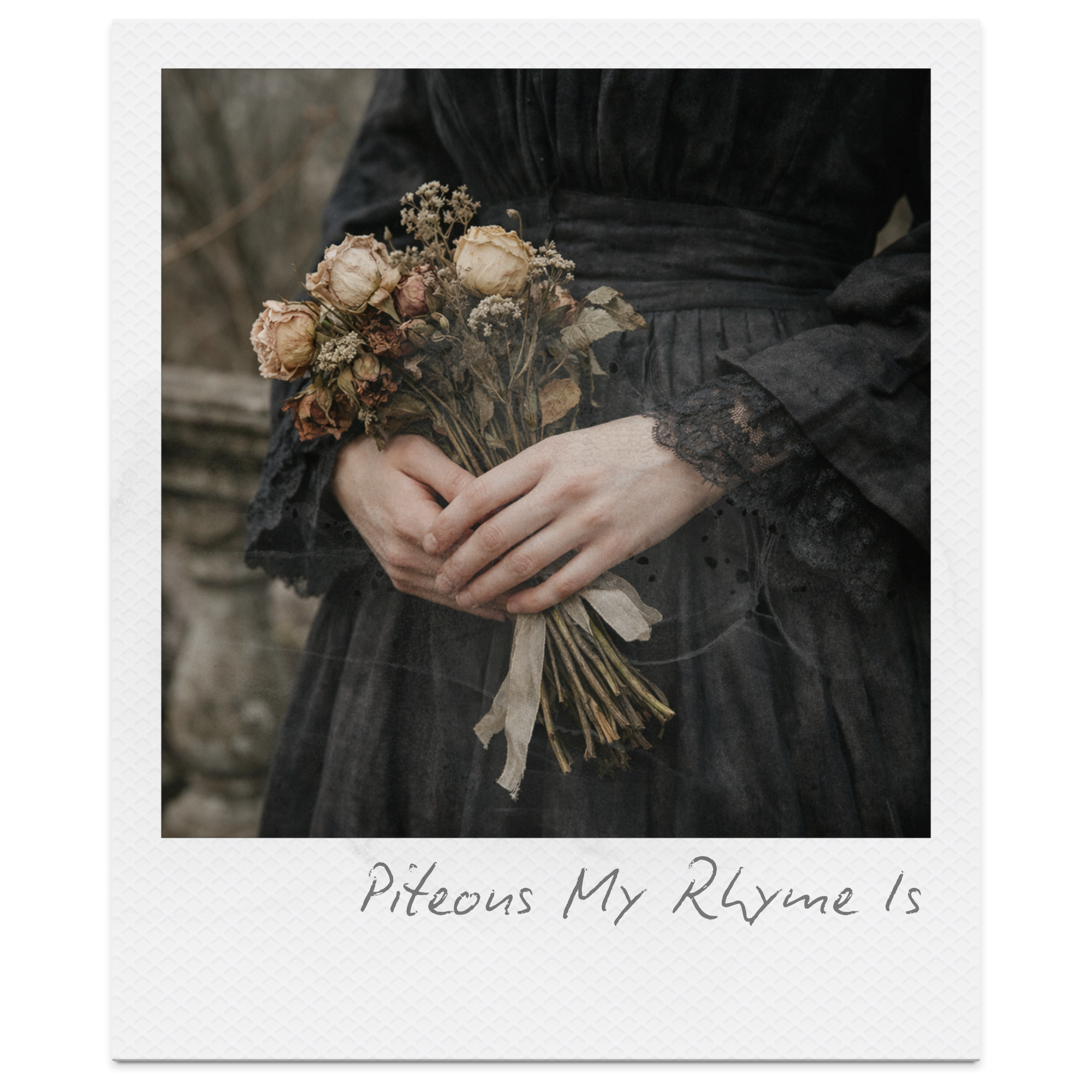
Christina Rossetti’s Piteous My Rhyme Is explores the paradoxical relationship between love, suffering, and emotional endurance. Through a carefully mirrored structure, the poem contrasts two perspectives on love: one that sees love as wasted, unreturned, and painful, and another that interprets the same experience as evidence of love’s strength and lasting power. In this analysis of Piteous My Rhyme Is, we examine Rossetti’s use of structure, repetition, rhyme, and rhetorical questioning to explore themes such as unreturned love, emotional sacrifice, and the contrast between mortal life and lasting emotion. The poem ultimately suggests that love’s willingness to endure suffering may reveal its deepest significance.
Cousin Kate by Christina Rossetti: Analysis, Themes, Structure & Meaning
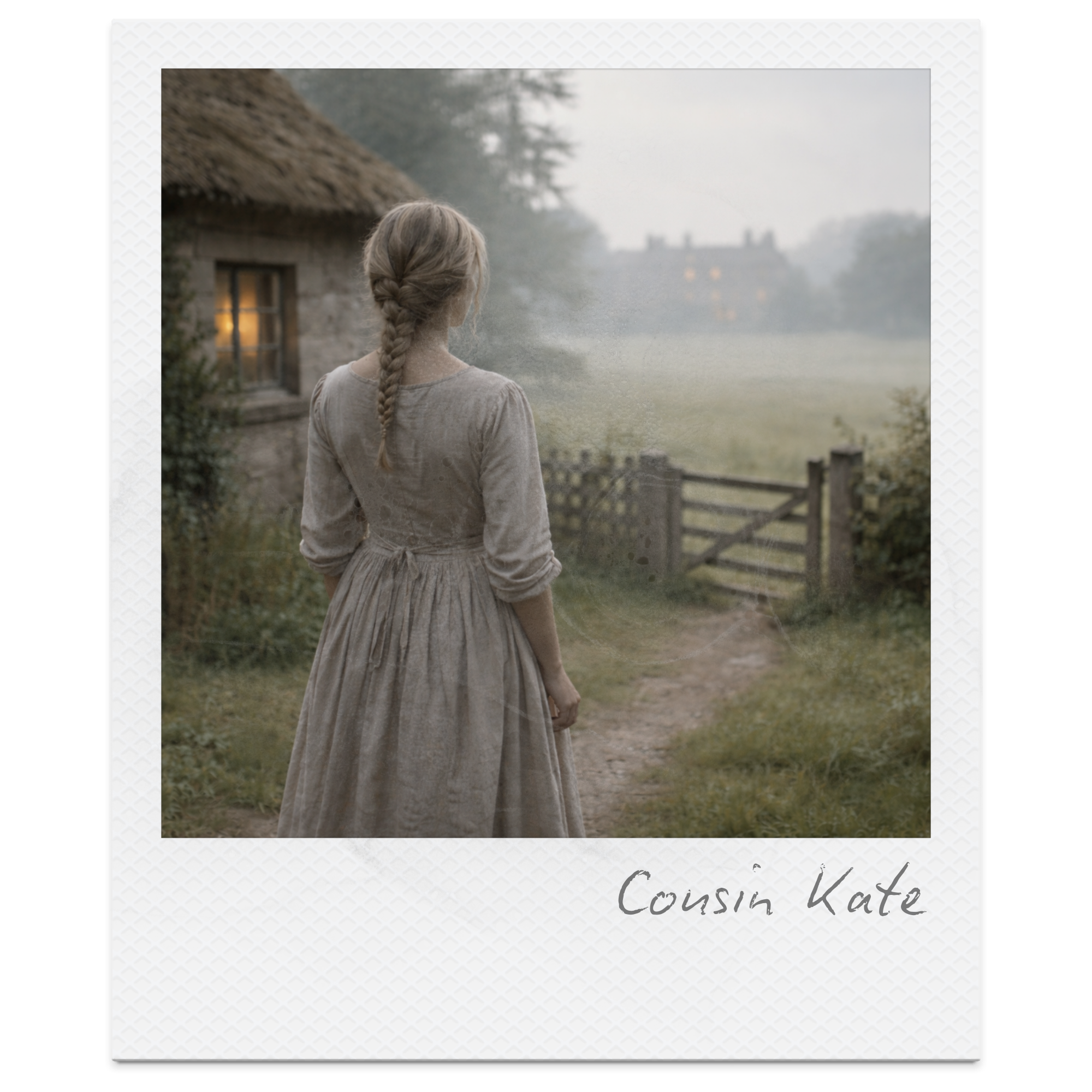
Cousin Kate by Christina Rossetti is a dramatic narrative poem that explores female reputation, class power, and sexual double standards in Victorian society. Through the voice of a rural woman seduced and abandoned by a wealthy lord, Rossetti reveals how social judgement falls disproportionately on women while men maintain their status and authority. This analysis explores the poem’s themes, symbolism, and narrative structure, examining how Rossetti critiques Victorian morality while giving the speaker a powerful voice of reflection and resilience. It also considers how the poem’s final twist transforms the speaker’s shame into a form of unexpected power.

Heart’s Chill Between by Christina Rossetti: Analysis, Summary, Themes & Meaning
lost love, revealing how grief, memory, and emotional repression continue to shape the speaker’s inner life long after a relationship has ended. Through restrained language and reflective imagery, the poem shows how outward composure can conceal deeper psychological suffering. This analysis examines the poem’s themes, symbolism, structure, and key quotations, offering a detailed exploration of Rossetti’s portrayal of emotional restraint and unresolved grief. Ideal for GCSE and A Level literature study, the guide also includes teaching ideas and comparisons with other Rossetti poems.

A Daughter of Eve by Christina Rossetti: Summary, Themes, Symbolism & Analysis
Christina Rossetti’s A Daughter of Eve explores regret, lost opportunity, and moral self-awareness through the voice of a speaker who realises too late the consequences of her past choices. Using powerful imagery of flowers, gardens, and seasonal change, the poem reflects on how moments of possibility can pass unnoticed until they are gone. This analysis examines the poem’s symbolism, structure, themes, and key quotations, exploring how Rossetti presents the painful recognition of missed chances and emotional loss. It also considers wider interpretations of the poem, including religious symbolism, psychological reflection, and Victorian ideas about responsibility and innocence.

After Death by Christina Rossetti: Summary, Themes, Symbolism & Analysis
Christina Rossetti’s After Death explores the painful irony of love recognised too late. In this haunting sonnet, the speaker observes her own deathbed while the man she loved finally expresses tenderness and regret. Through quiet imagery, dramatic irony, and restrained emotion, the poem examines unreturned love, emotional blindness, and posthumous recognition. This analysis explores the poem’s themes, symbolism, structure, and key quotations, offering a detailed interpretation of Rossetti’s meditation on regret and delayed understanding. It also compares the poem to other Rossetti works to deepen insight into her recurring exploration of love, memory, and mortality.
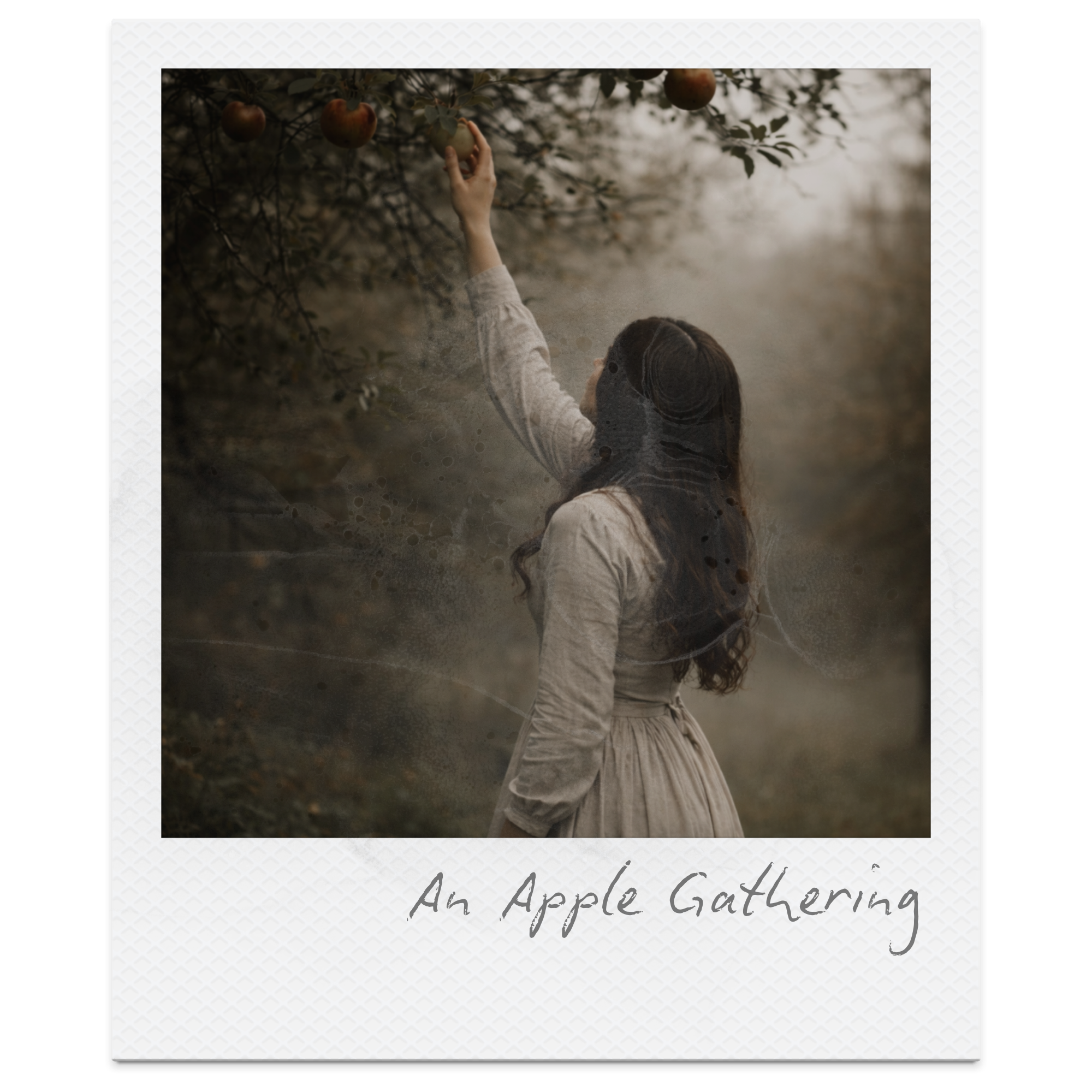
An Apple-Gathering by Christina Rossetti: Summary, Themes, and Detailed Analysis
Christina Rossetti’s An Apple-Gathering explores themes of lost opportunities, romantic regret, and emotional maturity through the powerful metaphor of an apple harvest. In this detailed analysis, we examine how Rossetti uses symbolism, structure, rhyme, and imagery to show how acting too quickly in love can prevent deeper fulfilment later in life. This guide includes a clear summary, stanza-by-stanza analysis, key quotations, themes, literary techniques, and teaching ideas, making it ideal for students studying poetry at GCSE or A-Level and teachers planning lessons on Rossetti’s work.