Heart’s Chill Between by Christina Rossetti: Analysis, Summary, Themes & Meaning
Christina Rossetti’s Heart’s Chill Between explores the lingering emotional aftermath of a broken relationship, revealing how grief, emotional repression, and psychological memory continue to shape the speaker’s inner life long after love has ended. Although the speaker claims calm detachment from the past, the poem gradually reveals a deeper emotional wound that refuses to heal. Rossetti uses shifting tones and haunting imagery to show how suppressed feelings can resurface as anxiety, fear, and a quiet longing for escape.
Throughout the poem, Rossetti examines the tension between outward composure and inner turmoil. The speaker presents herself as rational and composed, yet the recurring images of memory, night-time fear, and emotional numbness suggest that unresolved grief continues to haunt her. The poem therefore becomes a powerful exploration of emotional restraint, trauma, and the difficulty of moving forward after loss.
This analysis explores the poem’s themes, symbolism, and psychological depth, showing how Rossetti transforms a seemingly calm reflection on lost love into a subtle portrait of emotional suffering. If you are exploring more of Rossetti’s poetry, you can also visit the Christina Rossetti hub and the wider Literature Library, where related poems and teaching resources are organised into thematic clusters.

Context of Heart’s Chill Between
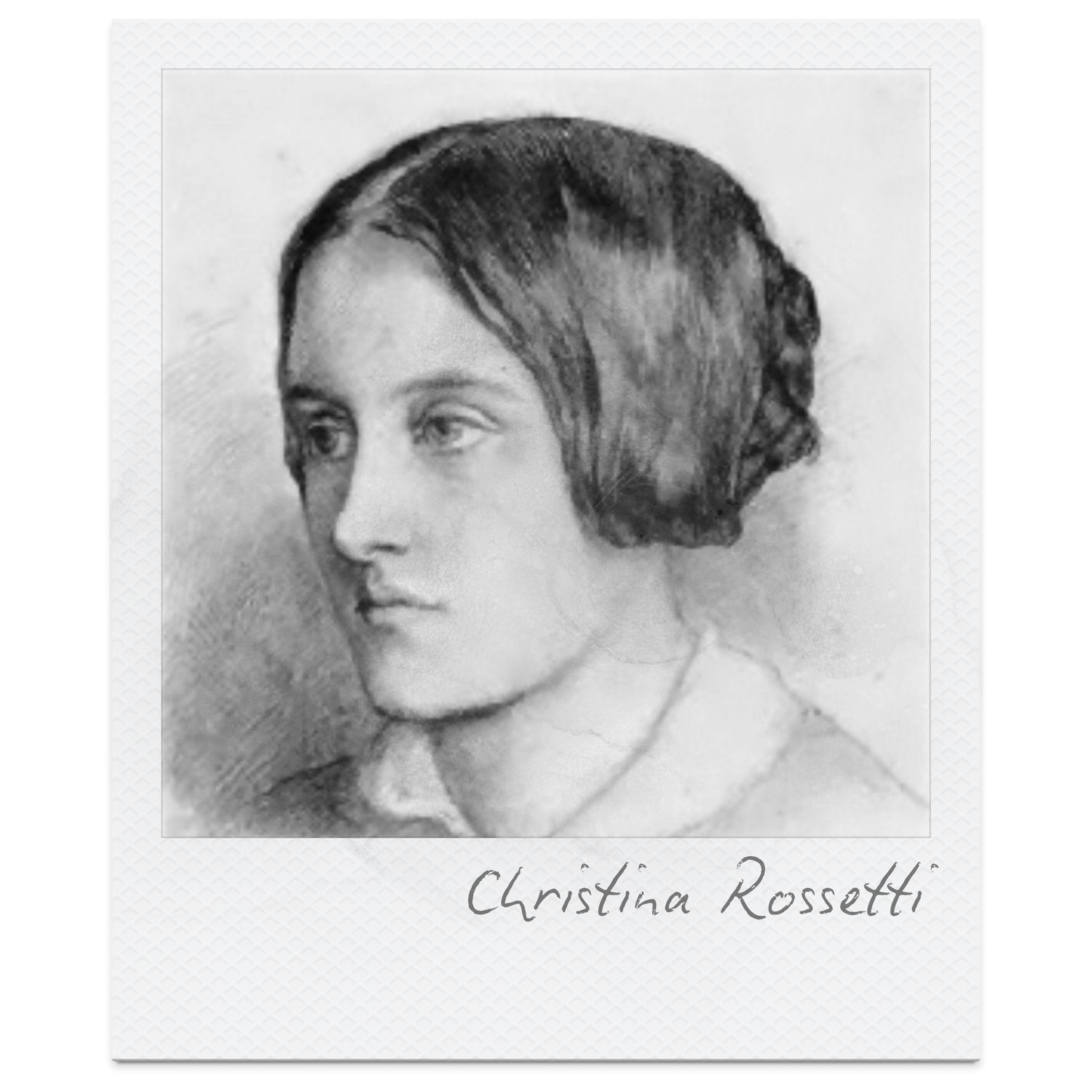
Christina Rossetti wrote many poems that explore the emotional consequences of love, loss, and spiritual struggle. In Heart’s Chill Between, these concerns appear in the form of a speaker who claims to have calmly accepted the end of a relationship, yet gradually reveals how deeply that experience continues to affect her. The poem reflects Rossetti’s recurring interest in emotional restraint, private suffering, and the complex psychological effects of grief.
The poem also reflects the expectations placed upon women in Victorian society, where emotional composure and social dignity were often valued above open expressions of distress. The speaker’s insistence that she did not “chide” her former lover and that she presents an “unruffled brow” suggests an attempt to maintain outward control even while inner turmoil remains unresolved. Rossetti frequently explored this contrast between public calm and hidden emotional pain, using restrained language to reveal deeper psychological tension.
Biographically, Rossetti’s own life included experiences of unfulfilled love and religious devotion that shaped much of her poetry. Several of her relationships did not lead to marriage, often because of conflicts between personal affection and religious conviction. While Heart’s Chill Between cannot be read as a direct autobiographical confession, it reflects Rossetti’s wider poetic interest in how love can leave lasting emotional marks even when it is outwardly renounced.
For a deeper exploration of Rossetti’s life, influences, and the wider Victorian literary context surrounding her poetry, see the Christina Rossetti Context Post, which explores the historical and cultural background that shaped many of her most powerful poems.
Heart’s Chill Between: At a Glance
Form: Lyric poem with regular quatrains and reflective progression
Mood: Restrained, uneasy, gradually revealing emotional distress
Central tension: The speaker claims emotional calm after lost love, yet her memories continue to disturb her inner life.
Core themes: emotional repression, memory, grief, psychological trauma, Victorian restraint
One-sentence meaning:
The poem explores how a speaker who believes she has calmly accepted the end of a relationship slowly reveals that unresolved grief and buried emotional pain continue to haunt her thoughts and fears.
Quick Summary of Heart’s Chill Between
The poem begins with the speaker describing the end of a relationship with apparent calm acceptance. She claims that she did not reproach her former lover for his unfaithfulness, suggesting that such behaviour is as inevitable as natural processes like the ebb of the sea or the fading of colour. Rather than confronting him with anger or grief, she presents herself as dignified and controlled, insisting that they should simply part and remain “friends and nothing more.”
As the poem develops, the speaker reflects on the passing of time. Many years have passed since the separation, and outwardly she appears composed, greeting life with an “unruffled brow.” In social situations she seems calm and unaffected, implying that the past has lost its power over her. This outward composure reflects a form of emotional restraint, a quality often associated with Victorian ideals of self-control.
However, Rossetti gradually reveals that this apparent calm hides deeper psychological distress. When the speaker is alone, particularly during the long nights, she experiences sudden fear, anxiety, and troubling memories that she cannot fully explain. Her heart races with unidentified dread, and she longs for daylight, nature, and the comforting sounds of birds and wind. By the final stanza, it becomes clear that her grief has never truly faded. Instead, it remains constant and unresolved, leaving her trapped between the desire to forget, the longing for peace, and the bleak wish that she might simply die and escape the pain.
Title, Form, Structure, and Metre
Christina Rossetti’s Heart’s Chill Between uses careful formal control to mirror the speaker’s attempt to maintain emotional composure while experiencing deep psychological distress. The poem’s orderly stanza structure, regular rhyme, and measured rhythm create an impression of stability that contrasts with the speaker’s gradually revealed inner anxiety and unresolved grief.
Title
The title Heart’s Chill Between suggests a state of emotional coldness or distance that now exists between the speaker and her former lover. The word “chill” implies both emotional numbness and lingering pain, suggesting that love has not simply ended but has left behind a persistent emotional frost. The word “between” emphasises separation, indicating a barrier that now divides two people who were once closely connected. The title therefore introduces the poem’s central tension: the space between past love and present emotional isolation.
Form and Structure
The poem is composed of eight six-line stanzas (sestets). This regular stanza structure creates a sense of order and balance, reflecting the speaker’s attempt to present herself as calm and controlled. Each stanza develops the speaker’s emotional state in stages, allowing Rossetti to move gradually from the moment of separation to the speaker’s later psychological unrest.
Structurally, the poem follows a clear emotional progression. The first two stanzas focus on the end of the relationship and the speaker’s claim that she accepted her lover’s inconstancy without reproach. The third stanza shifts forward in time, suggesting that many years have passed and that the speaker now greets life with an “unruffled brow.” However, the middle stanzas begin to reveal cracks in this composure. The speaker describes how she appears calm in the presence of others, yet experiences unexplained anxiety when she is alone.
The final stanzas move fully into the speaker’s private emotional world, particularly the fearful experiences she encounters during the long night hours. These later stanzas reveal the extent to which suppressed grief continues to shape her thoughts and physical sensations. By the end of the poem, the speaker admits that her suffering has remained unchanged over time, suggesting that emotional wounds can persist long after the events that caused them.
Rhyme Scheme and Poetic Pattern
Each stanza follows a consistent ABABCC rhyme scheme. For example, in the opening stanza:
I knew (A)
me (B)
dew (A)
sea (B)
hue (A)
inconstancy (B)
This interwoven rhyme pattern creates a sense of balance and order, reinforcing the speaker’s outwardly controlled tone. The repeated rhyme sounds also produce a steady musical quality that contrasts with the poem’s growing emotional unease.
The final couplet of each stanza often delivers a reflective or revealing statement that deepens the reader’s understanding of the speaker’s emotional state. This structural pattern allows Rossetti to build tension gradually, using the closing lines to reveal insights that challenge the speaker’s earlier claims of calm detachment.
Metre and Rhythmic Movement
The poem is written primarily in iambic tetrameter, meaning that many lines contain four iambic feet (an unstressed syllable followed by a stressed syllable). This metre produces a steady and controlled rhythm that mirrors the speaker’s attempt to maintain emotional restraint.
For example:
I DID | not CHIDE | him THOUGH | I KNEW
The regular beat of the metre contributes to the poem’s composed tone. However, Rossetti introduces occasional variations to emphasise emotional intensity or hesitation. These subtle disruptions in rhythm occur particularly in lines that express fear, memory, or despair, allowing the poem’s sound pattern to reflect the speaker’s psychological instability.
Overall, the poem’s measured metre and carefully patterned rhyme reinforce its central contrast: a speaker who outwardly maintains poised composure, while internally struggling with persistent anxiety, memory, and unresolved emotional pain.
Speaker of Heart’s Chill Between
The speaker of Heart’s Chill Between appears to be a woman reflecting on the long-lasting emotional consequences of a past relationship. She presents herself as composed and rational, claiming that she did not reproach the man who was “false” to her and that she accepted the end of their relationship with dignity. This calm tone initially suggests a speaker who has achieved emotional closure and who now views the past with a degree of detached reflection.
However, as the poem progresses, Rossetti reveals that this composure is largely performative. The speaker emphasises that she greets others with an “unruffled brow” and appears calm in public spaces, yet when she is alone her emotional stability begins to unravel. The contrast between public calm and private anxiety suggests that the speaker has learned to suppress her grief rather than resolve it. This creates a sense that her outward composure may be a form of emotional self-protection.
The speaker also demonstrates an uncertain relationship with her own memories. She describes a vague sense of alarm and a “shrinking in the memory / From some forgotten harm,” implying that the emotional wound caused by the relationship has become partly obscured over time. The fear she experiences during the night therefore seems disconnected from a clear cause, suggesting that unresolved grief has transformed into a more general psychological unease.
Rossetti’s choice of speaker is significant because it reflects many of the tensions present in Victorian expectations of femininity. Women were often expected to display emotional restraint and dignity, particularly in matters of love and disappointment. The speaker’s insistence that she did not complain or reproach her lover therefore reflects these cultural pressures. Yet the poem quietly exposes the emotional cost of such restraint, revealing how suppressed pain can continue to shape a person’s inner life long after the original event has passed.
Stanza-by-Stanza Analysis of Heart’s Chill Between
A close reading of Heart’s Chill Between reveals how Christina Rossetti gradually exposes the gap between the speaker’s claimed emotional composure and her deeper psychological suffering. While the poem initially presents the speaker as calm and rational in her response to lost love, each stanza slowly reveals signs of suppressed grief, lingering trauma, and unresolved memory.
Rossetti structures the poem so that the speaker’s emotional state unfolds gradually. The early stanzas emphasise dignity and restraint, suggesting that the speaker has accepted the end of the relationship with maturity. However, the middle stanzas begin to reveal subtle anxiety and unease, particularly when the speaker is alone. By the final stanzas, the poem exposes the depth of her distress, showing how grief has transformed into persistent fear, psychological exhaustion, and a longing for release.
This stanza-by-stanza analysis explores how Rossetti uses imagery, tone, and symbolism to reveal the speaker’s emotional journey from apparent control toward the quiet acknowledgement of enduring pain.
Stanza 1: Accepting Betrayal as Natural
The opening stanza establishes the speaker’s claim that she responded to her lover’s betrayal with calm restraint. She insists that she “did not chide him,” even though she knew he had been “false” to her. The verb “chide” suggests mild reproach rather than intense anger, which immediately establishes a tone of controlled dignity. Instead of presenting herself as openly heartbroken or outraged, the speaker frames her response as measured and rational.
Rossetti reinforces this sense of restraint through a series of natural comparisons. The speaker suggests that reproaching a lover for inconstancy would be as pointless as criticising the “exhaling of the dew,” the “ebbing of the sea,” or the “fading of a rosy hue.” Each of these images represents a natural and inevitable process: dew evaporates, tides recede, and colour fades with time. By placing human betrayal alongside these natural cycles, the speaker attempts to present her lover’s faithlessness as something inevitable rather than personal.
However, this comparison introduces a subtle tension. While the speaker claims to treat inconstancy as a natural fact of life, the very act of constructing this argument suggests that she is attempting to rationalise emotional pain. The calm philosophical tone may therefore conceal deeper hurt. Rossetti often explores how speakers attempt to impose logic and composure upon emotional experiences that are far more painful than they admit.
Stanza 2: The Performance of Emotional Control
In the second stanza, the speaker continues to present the separation as a logical and deliberate decision, framing the end of the relationship as an act of rational restraint. The rhetorical question “Why strive for love when love is o’er?” suggests that she believes continuing the relationship would be futile. By describing the heart as “restive,” Rossetti implies something restless or unwilling to remain bound, reinforcing the idea that love cannot be forced to continue once it has begun to fade.
The speaker therefore presents the separation as an act of calm self-control. She claims that her lover never realised “the pain I bore / In saying: ‘We must part.’” This admission introduces a subtle contradiction. Although she insists that the separation was reasonable, the phrase “pain I bore” reveals that the decision required significant emotional sacrifice. The speaker appears to conceal the depth of her suffering from her former lover, maintaining an outward appearance of dignity.
The line “Let us be friends and nothing more” reflects a socially acceptable way of ending a relationship without public conflict. However, the phrasing also suggests emotional suppression. By reducing a romantic relationship to friendship, the speaker attempts to impose rational order on feelings that are far more complicated.
The final line, “—Oh, woman’s shallow art!”, introduces an important moment of self-awareness and irony. The phrase implies that the calm language of friendship may itself be a form of emotional performance. By calling it “shallow art,” the speaker acknowledges that this composure might be artificial rather than genuine. Rossetti therefore hints that the speaker’s rational tone may be a kind of defensive mask, allowing her to hide deeper emotional pain behind socially acceptable expressions of restraint.
Stanza 3: The Illusion of Emotional Closure
In the third stanza, the speaker claims that the relationship now belongs firmly to the past. The emphatic repetition “it is over, it is done” suggests finality, as though the speaker is attempting to close the emotional chapter completely. This statement reinforces the calm, controlled tone established in the earlier stanzas, presenting the speaker as someone who has moved beyond the pain of the separation.
The speaker then emphasises the passage of time, explaining that “so many weary years have run / Since then.” The adjective “weary” subtly complicates her claim of emotional indifference. Although she insists that she “hardly heed[s] it now,” the word “weary” suggests that these years have not been entirely peaceful or restorative. Instead, the phrase implies a sense of emotional fatigue, hinting that the past continues to weigh upon her.
Rossetti also introduces the idea of deliberate avoidance. The speaker claims that she does not think about “how / Things might have been.” This refusal to imagine alternative possibilities suggests an attempt to suppress regret. By refusing to consider what the relationship could have become, the speaker attempts to prevent herself from revisiting the emotional pain associated with it.
The stanza concludes with the image of the speaker greeting life with “an unruffled brow.” This phrase reinforces the theme of public composure that runs throughout the poem. The expression suggests calm dignity and emotional control, particularly in social situations. However, the emphasis on outward appearance hints that this calm may be more external than internal, preparing the reader for the later stanzas in which Rossetti reveals the deeper anxiety that lies beneath this carefully maintained surface.
Stanza 4: Public Composure and Private Fear
In the fourth stanza, Rossetti begins to expose the instability beneath the speaker’s earlier claims of calm acceptance. The speaker explains that when she is “where others be,” her heart appears “very calm.” This suggests that her composure is closely tied to social presence, reinforcing the idea that her emotional control may partly function as a public performance.
However, the phrase “Stone calm” introduces an important shift in tone. While the word “calm” suggests peacefulness, the comparison to stone implies something unnatural or rigid. Stone is lifeless, immovable, and emotionally unresponsive. This description therefore hints that the speaker’s calmness may not represent genuine healing, but rather a form of emotional numbness.
The stanza then reveals a sharp contrast between public stability and private vulnerability. When the speaker is left alone, a “vague alarm” begins to surface. The adjective “vague” is particularly significant because it suggests that the speaker cannot fully identify the source of her fear. Her anxiety seems disconnected from any immediate cause, implying that the emotional wound she experienced has become subconscious and unresolved.
The final lines deepen this psychological complexity. The speaker describes “a shrinking in the memory / From some forgotten harm.” This phrase suggests that the original emotional injury has not been consciously processed. Instead, the memory has partially faded or been suppressed, yet it continues to exert an influence over her emotional state. Rossetti therefore portrays grief as something that can become buried within the mind, resurfacing later as unexplained fear or unease.
Stanza 5: Night-Time Anxiety and the Desire for Light
In the fifth stanza, Rossetti moves fully into the speaker’s private psychological experience, revealing the intensity of the fear that emerges when she is alone. The repetition in “long, long night” emphasises the drawn-out nature of her suffering, suggesting that these hours feel oppressive and difficult to endure. Night in poetry often symbolises isolation, uncertainty, and emotional vulnerability, and here it becomes the time when the speaker’s suppressed fears rise most strongly.
During these moments of solitude, the speaker describes waking suddenly and feeling her “heart beat fast with fright.” The physical imagery is significant because it shows how deeply her emotional distress affects her body. Her fear manifests as a racing heart, suggesting a kind of panic or anxiety that she cannot easily control.
Yet the most striking detail is the speaker’s admission that she “know[s] not what [she] fear[s].” This line reinforces the idea introduced in the previous stanza that her anxiety has become detached from a clear memory or cause. The emotional injury caused by the failed relationship has not disappeared; instead, it has transformed into an unidentified and persistent dread.
The final lines introduce a powerful contrast between darkness and light. The speaker longs to see the light of day and hear “the sweet birds.” These images of daylight and nature represent comfort, renewal, and normal life beyond the oppressive atmosphere of the night. Her longing suggests that she views morning as a form of emotional relief, a temporary escape from the fears that dominate her thoughts in the darkness. Rossetti therefore uses the imagery of night and dawn to symbolise the speaker’s struggle between anxiety and the hope for emotional restoration.
Stanza 6: Nature, Freedom, and the Image of Burial
In the sixth stanza, the speaker continues to contrast the oppressive experience of night with the restorative power of nature and daylight. She imagines simple moments of physical presence in the natural world: feeling “the sun upon [her] face,” looking upward “through the trees,” walking in “the open space,” and listening to “the breeze.” These images evoke freedom, movement, and sensory awareness, suggesting a longing for a state of emotional clarity and vitality that she currently lacks.
The upward movement of the imagery is particularly significant. The speaker looks up through the trees, gestures outward into open space, and listens to the natural world around her. This language conveys expansion and openness, symbolising a desire to escape the psychological confinement she experiences during the night.
However, Rossetti abruptly disrupts this hopeful imagery in the final lines of the stanza. The speaker expresses a wish that she might no longer “dream the burial-place / Is clogging [her] weak knees.” The image of a burial-place introduces powerful associations with death, confinement, and entrapment. Rather than simply fearing emotional pain, the speaker imagines herself physically hindered by the weight of burial.
The phrase “clogging my weak knees” suggests a disturbing physical sensation, as though she is struggling to move while burdened by something heavy and suffocating. This image reinforces the idea that grief has become an overwhelming force that restricts her ability to move forward. Even when she longs for light, air, and freedom, her imagination returns to images of death and immobilisation, revealing how deeply her emotional suffering has shaped her inner world.
Stanza 7: Emotional Numbness and Despair
In the seventh stanza, the speaker’s emotional condition deepens into a state of psychological exhaustion and numbness. She explains that there are times when she can “nor weep nor pray,” suggesting that she has reached a point where even the usual expressions of grief or spiritual comfort are no longer possible. Weeping would allow emotional release, while prayer might offer religious consolation, yet the speaker finds herself incapable of either response.
Instead, she describes herself as “half stupefied.” The word “stupefied” implies a state of mental paralysis or shock, as though her emotional suffering has overwhelmed her ability to think clearly or respond normally. This description suggests that grief has progressed beyond ordinary sadness into a more serious form of psychological distress.
Rossetti also introduces the perspective of others observing the speaker. Those around her notice that her “eyes are opened wide” and that her “wits seem gone away.” This description implies that her distress has become visible to the outside world, disrupting the public composure she tried to maintain earlier in the poem. The wide eyes may suggest fear, sleeplessness, or emotional shock, reinforcing the idea that her suffering has begun to affect her outward appearance.
The stanza ends with a stark and shocking declaration: “Ah, would that I had died!” This line represents the speaker’s deepest moment of despair. Rather than wishing simply to escape the memory of the relationship, she expresses a desire for complete release through death. Rossetti therefore reveals the full emotional cost of the speaker’s suppressed grief, showing how unresolved suffering can lead to thoughts of escape, oblivion, and final rest.
Stanza 8: The Persistence of Grief and the Hope of Release
In the final stanza, the speaker openly confronts the enduring nature of her suffering. She begins with a stark wish for escape, declaring that she wishes she could “die and be at peace.” Death is imagined not as something frightening but as a form of rest and release from the emotional pain that continues to dominate her life. Alternatively, she expresses a second wish: that while still living she might somehow “forget.” Both possibilities represent a desire to escape the constant presence of memory.
Rossetti then articulates the central truth of the speaker’s condition. Her grief “nor grows nor doth decrease, / But ever is.” This line suggests a state of emotional permanence. Unlike ordinary sorrow, which gradually fades or intensifies with time, the speaker’s grief remains unchanged. The phrase “ever is” emphasises the relentless continuity of her suffering, implying that the emotional wound has become a fixed part of her inner life.
However, the final lines introduce a moment of ambiguity. The speaker suggests that her suffering may soon “cease / Before the sun shall set.” This statement can be interpreted in several ways. It may indicate a belief that her emotional turmoil will finally come to an end through death. Alternatively, it may suggest a fleeting sense of hope that peace might still be possible. Rossetti leaves the ending deliberately uncertain, allowing the reader to question whether the speaker anticipates emotional relief, spiritual release, or final resignation.
By ending the poem on this unresolved note, Rossetti reinforces the central theme of Heart’s Chill Between: the enduring and often unresolved nature of grief, and the profound difficulty of escaping the emotional consequences of lost love.
Key Quotes from Heart’s Chill Between
The following quotations highlight the poem’s exploration of emotional restraint, psychological distress, and the lingering effects of unresolved grief. Rossetti’s language often appears calm on the surface, yet these lines reveal the deeper tensions shaping the speaker’s inner life.
“I did not chide him, though I knew / That he was false to me.”
◆ The speaker establishes a tone of controlled restraint, claiming she did not reproach her lover despite knowing he had betrayed her.
◆ The word “false” emphasises the moral seriousness of the betrayal while highlighting the speaker’s refusal to express anger.
◆ This line introduces the theme of emotional suppression, suggesting the speaker deliberately restrains her natural reaction to pain.
“Chide the exhaling of the dew, / The ebbing of the sea”
◆ These natural images suggest that the speaker views inconstancy as inevitable, comparing human betrayal to natural cycles.
◆ Rossetti uses natural imagery to frame emotional experience as something beyond human control.
◆ The comparison may also function as a defensive rationalisation, allowing the speaker to avoid confronting her own hurt.
“Let us be friends and nothing more.”
◆ This phrase reflects a socially acceptable way of ending a relationship without open conflict.
◆ The line suggests an attempt to impose rational order on emotional pain, reducing romantic love to polite friendship.
◆ It also reinforces the theme of emotional performance, where the speaker maintains composure despite inner suffering.
“—Oh, woman's shallow art!”
◆ This line introduces irony and self-awareness, suggesting the speaker recognises that her calm response may be artificial.
◆ The phrase implies that expressions of dignity and restraint may be a form of emotional performance expected of women.
◆ Rossetti subtly critiques Victorian gender expectations that encouraged women to conceal emotional pain.
“But greet each one / With an unruffled brow.”
◆ The image of an “unruffled brow” symbolises the speaker’s outward composure.
◆ It highlights the contrast between public appearance and private emotional reality.
◆ Rossetti suggests that emotional restraint can function as a protective mask.
“Stone calm”
◆ The comparison to stone implies emotional numbness rather than genuine peace.
◆ Stone imagery conveys rigidity, lifelessness, and the suppression of feeling.
◆ The phrase suggests that the speaker’s calmness may be unnatural and emotionally damaging.
“There comes a vague alarm”
◆ The adjective “vague” indicates that the speaker cannot fully identify the source of her anxiety.
◆ This line reveals how unresolved grief can evolve into subconscious fear or unease.
◆ Rossetti portrays emotional trauma as something that may persist even when its origin becomes unclear.
“My heart beat fast with fright, / Yet know not what I fear.”
◆ The speaker describes the physical symptoms of anxiety, showing how emotional distress affects the body.
◆ The inability to identify the cause of fear reinforces the idea of suppressed psychological trauma.
◆ This moment marks a shift from rational explanation toward irrational dread.
“And not to dream the burial-place / Is clogging my weak knees.”
◆ The disturbing image of a burial-place introduces strong associations with death and confinement.
◆ The phrase “clogging my weak knees” suggests physical paralysis caused by grief.
◆ Rossetti uses this imagery to show how emotional suffering can feel physically overwhelming.
“My grief nor grows nor doth decrease, / But ever is”
◆ This line expresses the poem’s central insight about persistent grief.
◆ The phrase “ever is” suggests that emotional pain has become permanent rather than temporary.
◆ Rossetti presents grief not as something that fades with time, but as a constant presence within the speaker’s life.
Key Techniques in Heart’s Chill Between
Christina Rossetti uses a range of poetic techniques in Heart’s Chill Between to explore suppressed grief, psychological anxiety, and the tension between public composure and private distress. The poem’s formal control mirrors the speaker’s attempt to maintain emotional restraint while deeper feelings continue to surface.
◆ Enjambment – Rossetti frequently carries sentences across line breaks, allowing thoughts to flow beyond the limits of individual lines. For example:
“He never knew the pain I bore / In saying: ‘We must part;’”
This enjambment mirrors the speaker’s emotional spillover, suggesting that the feelings she attempts to contain cannot be neatly confined. It also creates a natural, conversational rhythm that reflects reflective thought.
◆ Caesura – Rossetti uses pauses within lines to introduce moments of hesitation and emotional weight. For example:
“Stone calm; but if all go from me,”
The semicolon interrupts the flow of the line, reflecting a sudden shift from apparent composure to anxiety. Caesura throughout the poem reinforces the sense of fragmented emotional control.
◆ Natural imagery – Early in the poem Rossetti compares human betrayal to natural processes such as “the exhaling of the dew,” “the ebbing of the sea,” and “the fading of a rosy hue.” These images suggest inevitability and natural cycles, allowing the speaker to frame emotional pain as something unavoidable rather than personal.
◆ Rhetorical questions – The poem opens with questioning language such as “Why strive for love when love is o’er?” These questions allow the speaker to present her decision as rational and inevitable while simultaneously revealing the internal conflict beneath that reasoning.
◆ Symbolism of night and light – Rossetti contrasts the “long, long night” with the speaker’s longing to see “the light” and hear “the sweet birds.” Night symbolises anxiety, isolation, and psychological unrest, while daylight represents comfort, clarity, and emotional relief.
◆ Repetition – Rossetti uses repetition to emphasise emotional intensity. The phrase “long, long night” prolongs the sense of suffering, while the repeated emphasis on calmness throughout the poem gradually becomes ironic as the speaker’s distress emerges.
◆ Physical imagery of the body – The poem frequently describes bodily sensations such as “my heart beat fast with fright” and “clogging my weak knees.” These images show how emotional trauma manifests physically, transforming psychological distress into physical experience.
◆ Irony – Much of the poem’s power lies in the contrast between the speaker’s claims of calm acceptance and the emotional turmoil revealed later. Early statements of composure, such as greeting life with “an unruffled brow,” become increasingly ironic as the poem exposes her deeper suffering.
◆ Metaphor of stone – The phrase “Stone calm” functions as a metaphor for emotional numbness. Stone suggests hardness, immobility, and lifelessness, implying that the speaker’s calmness may represent emotional paralysis rather than healing.
◆ Lexical field of death and burial – Words such as “burial-place,” “died,” and references to death introduce a persistent association between grief and mortality. This imagery reinforces the idea that the speaker experiences emotional pain as something suffocating and inescapable.
Key Themes in Heart’s Chill Between
Christina Rossetti’s Heart’s Chill Between explores the lingering emotional effects of lost love and the psychological consequences of suppressing grief. Through the speaker’s reflections, the poem examines how memory, emotional restraint, and unresolved trauma continue to shape the inner life long after a relationship has ended.
Emotional Repression
One of the most striking themes in the poem is emotional repression. From the opening stanza, the speaker emphasises that she did not reproach her lover for his betrayal, claiming that she “did not chide him.” This calm response suggests a deliberate effort to suppress anger, grief, and disappointment. Throughout the poem, the speaker repeatedly presents herself as composed and rational, greeting life with “an unruffled brow.” However, Rossetti gradually reveals that this outward calm conceals deeper emotional turmoil. The poem therefore suggests that repressing emotional pain does not eliminate it; instead, it allows that pain to surface later in more troubling forms.
Memory
The poem also explores the unsettling power of memory. Although the speaker insists that many years have passed since the relationship ended, memories of the experience continue to influence her emotional state. Rossetti suggests that memory does not always remain clear or conscious. The speaker describes “a shrinking in the memory / From some forgotten harm,” indicating that the original emotional wound has become partly obscured over time. Yet even when the memory itself is vague, its emotional impact persists. The poem therefore portrays memory as something that can linger beneath the surface of consciousness.
Grief
Rossetti presents grief as a persistent and unchanging emotional state rather than a temporary phase. The speaker ultimately admits that her grief “nor grows nor doth decrease, / But ever is.” This line suggests that time has not healed the emotional wound created by the lost relationship. Instead, grief becomes a permanent part of the speaker’s inner life. By presenting grief as something constant and enduring, Rossetti challenges the idea that emotional suffering naturally fades with time.
Psychological Trauma
Closely connected to memory and grief is the theme of psychological trauma. The speaker experiences sudden fear during the night, describing how her “heart beat[s] fast with fright” even though she cannot identify the cause of her anxiety. These moments suggest that unresolved emotional pain has developed into a form of subconscious distress. Rossetti portrays trauma as something that may remain hidden beneath the surface of everyday life, emerging unexpectedly through physical sensations, fear, or emotional instability.
Victorian Restraint
The poem also reflects the cultural expectations of Victorian restraint, particularly regarding the behaviour of women. In Victorian society, women were often expected to display dignity, composure, and emotional control, even in situations of personal disappointment. The speaker’s refusal to reproach her lover and her insistence on maintaining an “unruffled brow” reflect these social expectations. Rossetti subtly critiques these norms by showing the emotional cost of such restraint. The poem suggests that maintaining outward dignity can require individuals to suppress genuine feelings, potentially leading to deeper psychological suffering.
Public Composure and Private Suffering
Another important theme is the contrast between public composure and private suffering. When the speaker is “where others be,” she appears calm and controlled. Yet when she is alone, feelings of anxiety and fear emerge. This contrast highlights the difference between the persona she presents to the outside world and the emotional reality she experiences in private. Rossetti therefore reveals how individuals may construct outward identities that conceal their inner struggles.
The Persistence of Emotional Wounds
Ultimately, the poem explores how emotional wounds can persist long after the events that caused them. The speaker attempts to present the past as something resolved, yet the poem gradually demonstrates that the experience continues to shape her emotional and psychological state. Through this portrayal, Rossetti suggests that unresolved grief can remain embedded within the mind, influencing thoughts, fears, and memories even many years later.
Alternative Interpretations of Heart’s Chill Between
Like many of Christina Rossetti’s poems, Heart’s Chill Between invites multiple interpretive approaches. While the poem appears to describe the emotional aftermath of a failed relationship, its imagery of memory, fear, and spiritual exhaustion allows the speaker’s experience to be understood through several different critical perspectives.
Feminist Interpretation: The Performance of Female Composure
From a feminist perspective, the poem reflects the emotional expectations placed upon women in Victorian society. The speaker repeatedly emphasises that she did not reproach her lover and maintained outward dignity despite betrayal. Her decision to say “Let us be friends and nothing more” suggests a socially acceptable response that avoids public conflict.
The line “Oh, woman’s shallow art!” introduces a moment of self-awareness. The speaker recognises that this composure may be a kind of performance shaped by social expectations. Victorian ideals often encouraged women to display patience, restraint, and emotional self-sacrifice, even when they experienced personal suffering. Rossetti’s poem therefore exposes the emotional cost of these expectations, showing how suppressed grief can lead to deeper psychological distress.
Psychological Interpretation: Repressed Trauma
A psychological reading interprets the poem as a portrayal of repressed emotional trauma. Although the speaker initially claims to have calmly accepted the end of the relationship, the later stanzas reveal symptoms associated with unresolved psychological distress. She experiences sudden night-time fear, physical anxiety as her “heart beat[s] fast with fright,” and a vague sense of alarm that she cannot explain.
The line “a shrinking in the memory / From some forgotten harm” suggests that the original emotional injury has become partially buried within the mind. This idea aligns with psychological theories of repression, where painful memories may be pushed out of conscious awareness but continue to influence emotional behaviour. Rossetti therefore presents grief as something that may persist beneath the surface of the mind long after the original event has passed.
Religious Interpretation: Spiritual Exhaustion and the Desire for Peace
Rossetti’s poetry is often shaped by her deep Anglican faith, and the speaker’s reference to being unable to “weep nor pray” invites a religious interpretation of the poem. Prayer traditionally represents a source of spiritual comfort and connection with God. The speaker’s inability to pray therefore suggests a state of spiritual exhaustion or desolation.
The longing for death expressed in the final stanzas may also be understood within a religious framework. In Christian belief, death can represent a transition to eternal peace. The speaker’s wish that she might “die and be at peace” therefore reflects a desire not only for emotional relief but also for spiritual rest after suffering.
Existential Interpretation: The Persistence of Suffering
An existential reading focuses on the poem’s portrayal of persistent and unresolved suffering. The speaker ultimately concludes that her grief “nor grows nor doth decrease, / But ever is.” This statement suggests that emotional pain may exist without clear purpose, resolution, or transformation.
From this perspective, the poem reflects the human struggle to find meaning within experiences of loss. The speaker attempts to rationalise the betrayal as something natural and inevitable, yet her emotional distress continues to persist. Rossetti therefore presents grief as a condition that cannot always be explained or resolved, highlighting the enduring and sometimes meaningless nature of suffering in human life.
Teaching Ideas for Heart’s Chill Between
Christina Rossetti’s Heart’s Chill Between offers rich opportunities for classroom discussion because it explores emotional restraint, memory, and psychological conflict through carefully controlled language and imagery. The poem encourages students to think critically about how tone, structure, and symbolism reveal deeper emotional meaning beneath the speaker’s calm exterior.
1. Silent Debate: Was the Speaker Ever Truly “Over” the Relationship?
A silent debate allows students to explore different interpretations of the poem while practising text-based argument. Place several questions around the room and ask students to rotate between them, writing responses and responding to the ideas of others.
Possible prompts include:
◆ Is the speaker genuinely calm about the end of the relationship, or is she suppressing her emotions?
◆ Does the poem suggest that time heals emotional wounds?
◆ What does the phrase “woman’s shallow art” suggest about Victorian expectations of women?
◆ Why does the speaker experience fear during the night even though the relationship ended years earlier?
◆ Does the final stanza suggest hope, resignation, or despair?
Students should support their responses with direct quotations from the poem, encouraging close reading and textual analysis.
2. Analytical Paragraph Workshop
Provide students with a model analytical paragraph about the poem. Students then use the exam mark scheme to evaluate the paragraph, identifying strengths and areas that could be improved. This activity helps students develop an understanding of what examiners look for in high-level literaryanalysis.
Example analytical paragraph:
Rossetti presents the speaker’s calm acceptance of betrayal as a form of emotional repression. In the opening stanza, the speaker claims that reproaching her lover would be as pointless as criticising the “ebbing of the sea.” By comparing human behaviour to natural processes, Rossetti suggests that the speaker is attempting to rationalise emotional pain as something inevitable. However, this calm tone later becomes ironic when the poem reveals the speaker’s night-time anxiety and psychological distress. Rossetti therefore uses the speaker’s restrained language to highlight the tension between outward composure and inner suffering.
After analysing the paragraph, students can:
◆ Identify where the paragraph uses evidence, analysis, and interpretation
◆ Improve the paragraph by adding deeper analysis of language or imagery
◆ Continue the paragraph into a full analytical essay response
Students can then use the essay prompts available in the Christina Rossetti Essay Questions Post to develop a longer written responses to other exam-style questions.
3. Imagery Mapping
Ask students to identify the different types of imagery used throughout the poem. They can group quotations into categories such as:
◆ Natural imagery – dew, sea, fading colour
◆ Night imagery – darkness, fear, sleeplessness
◆ Nature and light imagery – sun, birds, trees, breeze
◆ Death imagery – burial-place, dying
Students then analyse how these images reflect the speaker’s changing emotional state and contribute to the poem’s exploration of grief.
4. Public vs Private Self Discussion
Students explore how the poem contrasts the speaker’s public identity with her private emotional experience. Ask students to find lines that represent:
◆ How the speaker appears to others
◆ What the speaker actually experiences when she is alone
This activity helps students understand how Rossetti explores the tension between social expectations and personal emotion.
5. Rewriting the Poem from the Lover’s Perspective
As a creative extension task, students can rewrite part of the poem from the perspective of the lover who was “false.” This encourages students to think about:
◆ How the relationship might appear from another viewpoint
◆ Whether the lover was aware of the speaker’s emotional suffering
◆ How perspective shapes the meaning of a poem
This activity also reinforces students’ understanding of voice, perspective, and tone in poetry.
Go Deeper into Heart’s Chill Between
Many of Christina Rossetti’s poems explore the emotional consequences of love, memory, and spiritual struggle. Heart’s Chill Between fits within a wider group of Rossetti poems that examine unresolved grief, emotional restraint, and the tension between outward composure and inner turmoil. Comparing the poem with others from Rossetti’s work reveals how frequently she returns to these themes.
◆ Twice – Like Heart’s Chill Between, this poem explores the emotional aftermath of rejected love. In Twice, the speaker offers her heart first to a man and then to God, transforming romantic disappointment into spiritual reflection. Both poems examine emotional vulnerability and the painful consequences of misplaced devotion.
◆ Remember – This famous sonnet also explores the relationship between love and memory, but from a different perspective. While Remember considers how the speaker wishes to be remembered after death, Heart’s Chill Between shows how memory can remain painful long after a relationship has ended.
◆ Echo – In Echo, the speaker longs to hear the voice of a lost loved one again, suggesting that memory can blur the boundary between the past and the present. Both poems explore how memory preserves emotional attachment, preventing the speaker from fully moving on from loss.
◆ Memory – This poem directly explores the lingering presence of past experience within the mind. Like Heart’s Chill Between, it suggests that emotional experiences can remain vivid long after the events themselves have passed, emphasising Rossetti’s recurring interest in the enduring power of memory.
◆ A Better Resurrection – Both poems explore a form of spiritual and emotional exhaustion. In A Better Resurrection, the speaker pleads for renewal and inner transformation. While Heart’s Chill Between focuses on the psychological effects of lost love, both poems present speakers struggling with feelings of emptiness, despair, and longing for relief.
◆ Winter: My Secret – This poem also explores themes of concealment and emotional privacy. While the speaker of Winter: My Secret deliberately hides her inner feelings, the speaker of Heart’s Chill Between attempts to conceal her suffering behind an “unruffled brow.” Both poems reveal Rossetti’s fascination with the idea that inner emotions may remain hidden beneath outward composure.
Through these connections, Heart’s Chill Between can be understood as part of Rossetti’s broader exploration of love, loss, memory, and emotional endurance, themes that appear repeatedly throughout her poetry.
Final Thoughts
Christina Rossetti’s Heart’s Chill Between offers a subtle and psychologically complex exploration of grief, memory, and the emotional consequences of suppressed feeling. At first glance, the speaker appears calm and composed, insisting that she accepted her lover’s betrayal without reproach. However, as the poem unfolds, Rossetti gradually reveals that this composure masks deeper psychological distress and unresolved emotional pain.
The poem’s power lies in this contrast between outward restraint and inner turmoil. Rossetti shows how the speaker’s attempt to maintain dignity and emotional control ultimately prevents her from fully confronting the loss she has experienced. Instead of fading with time, her grief becomes a constant presence in her life, surfacing in moments of fear, sleeplessness, and anxious memory. Through this portrayal, Rossetti challenges the idea that emotional wounds naturally heal, suggesting that suppressed grief can continue to shape the mind long after the original event has passed.
By combining controlled poetic form with deeply personal reflection, Heart’s Chill Between becomes more than a poem about lost love. It becomes a meditation on the persistence of emotional memory and the psychological cost of Victorian expectations of restraint.
If you would like to explore more of Rossetti’s poetry, visit the Christina Rossetti poetry hub, where her major poems are organised with analysis and teaching resources. You can also browse the wider Literature Library to discover more poetry guides, literary context posts, and classroom materials for studying nineteenth-century literature.
Choose Your Next Text