A Better Resurrection by Christina Rossetti: Summary, Themes, Symbolism & Analysis
Christina Rossetti’s A Better Resurrection is a deeply introspective poem exploring spiritual emptiness, emotional exhaustion, and the longing for renewal. Through the repeated refrain “My life is like a faded leaf,” Rossetti presents a speaker who feels drained of vitality and hope, comparing her inner state to natural images of decay and barrenness.
The poem reflects Rossetti’s frequent exploration of faith, doubt, and spiritual longing, portraying a speaker who recognises her own emotional emptiness but continues to seek transformation. Rather than describing physical resurrection, the poem focuses on the possibility of spiritual renewal and inner restoration, suggesting that hope may emerge even from states of despair.
This analysis explores the poem’s imagery, symbolism, structure, and themes, revealing how Rossetti transforms personal vulnerability into a meditation on faith, redemption, and the possibility of renewal.
If you are studying Rossetti’s poetry, you can explore more interpretations in the Christina Rossetti poetry hub, which collects analyses of her most studied poems. You can also browse the wider Literature Library for poetry, prose, and drama resources designed for classroom use.

Context of A Better Resurrection
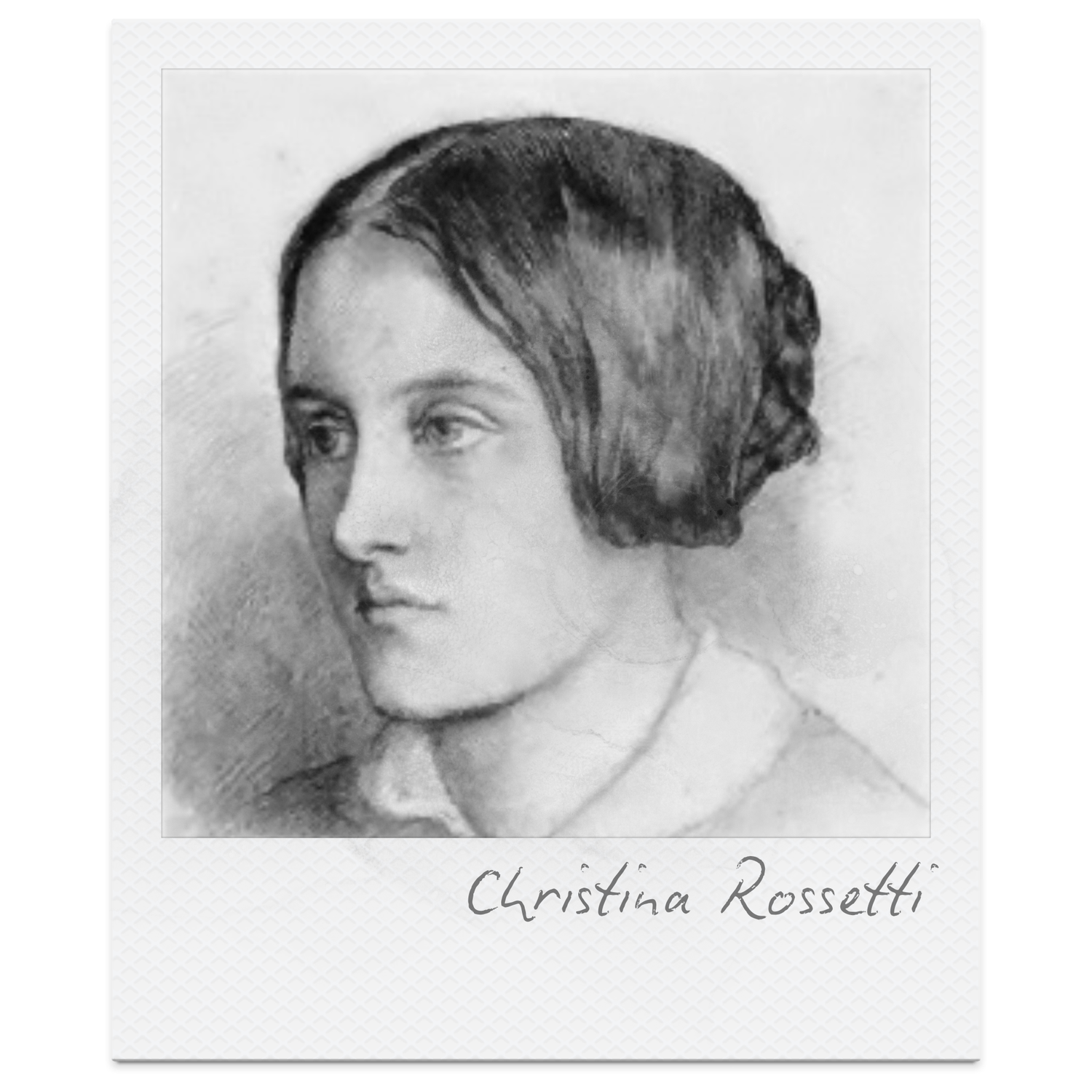
A Better Resurrection reflects Christina Rossetti’s deep engagement with Victorian religious belief and personal spiritual struggle. Rossetti was a committed Anglican whose writing was strongly influenced by devotional traditions, and many of her poems explore the tension between human weakness and the desire for spiritual renewal.
In this poem, the speaker presents herself as emotionally and spiritually depleted, describing her life through images of fading leaves, falling rain, and withered fruit. These natural images reflect a sense of inner barrenness and exhaustion. Such imagery would have resonated with Victorian readers familiar with Christian symbolism, where seasons of decay often represent periods of spiritual testing or doubt.
The poem’s title introduces the central idea of resurrection, a concept deeply rooted in Christian theology. However, Rossetti shifts the focus away from literal resurrection after death and instead emphasises the need for inner transformation and spiritual restoration in the present life. The speaker’s plea for renewal suggests a longing not only for faith but also for emotional vitality and meaning.
To understand how Rossetti’s religious beliefs shaped many of her poems, you can explore the wider Christina Rossetti context guide, which examines the historical, cultural, and spiritual influences that appear across her poetry.
A Better Resurrection: At a Glance
Form: Devotional lyric poem with a repeating refrain
Mood: Reflective, sorrowful, and searching
Central tension: The speaker feels spiritually and emotionally empty but longs for renewal and transformation
Core themes: spiritual exhaustion, faith and doubt, redemption, inner renewal, hope
One-sentence meaning:
The poem presents a speaker who recognises her own spiritual emptiness and pleads for renewal, expressing the hope that even a life that feels faded and barren can be restored through faith.
Quick Summary of A Better Resurrection
The poem opens with the speaker describing her life through a series of natural images that suggest fading vitality and spiritual exhaustion. She compares her life to a faded leaf, something that has lost its colour and strength. The falling rain and dropping fruit reinforce this sense of decline, suggesting that her inner world feels barren and depleted.
As the poem continues, the speaker expands this imagery of loss by comparing herself to withered grass and broken objects. These images emphasise fragility and uselessness, reflecting the speaker’s belief that she lacks the strength or faith needed for spiritual growth. The repeated refrain reinforces this feeling of stagnation, as the speaker continually returns to the idea that her life has become dry and lifeless.
However, the poem does not end in despair. In the final stanza, the speaker turns toward the possibility of renewal and redemption. Rather than relying on her own strength, she asks to be raised and restored, suggesting that true renewal must come from outside herself. The poem therefore moves from a recognition of spiritual emptiness toward the hope that transformation and renewal may still be possible.
Title, Form, Structure, and Metre of A Better Resurrection
Rossetti’s formal choices in A Better Resurrection reinforce the poem’s tone of devotional reflection and emotional pleading. The regular stanza pattern and steady rhythm create a controlled, almost hymn-like structure that mirrors the speaker’s repeated attempts to articulate her spiritual exhaustion while still reaching toward renewal.
Title
The title introduces the poem’s central idea of resurrection, a concept associated with renewal, transformation, and spiritual rebirth. In Christian theology, resurrection usually refers to life after death, but Rossetti reframes the idea here as a form of inner renewal within life itself. The title therefore suggests that the speaker is not simply asking for relief from suffering, but for a deeper transformation that will restore emotional and spiritual vitality.
By describing the desired transformation as a “better” resurrection, Rossetti implies that the speaker seeks something more complete than ordinary recovery. The phrase suggests a profound spiritual restoration that will reshape the speaker’s life and sense of self.
Form and Structure
The poem is structured in three octaves, meaning that each stanza contains eight lines. This regular structure gives the poem a sense of balance and order, which contrasts with the speaker’s internal feelings of emptiness and instability.
Each stanza develops the speaker’s emotional state through a sequence of natural images describing decline or exhaustion. The structure therefore creates a cyclical pattern: the speaker repeatedly returns to the idea that her life feels faded, barren, or broken. This repetition reinforces the sense that the speaker is trapped in a state of spiritual stagnation.
At the same time, the stanza structure resembles the form of a devotional meditation or hymn, which reflects Rossetti’s strong religious influences. The poem reads almost like a prayer in which the speaker gradually moves from despair toward the possibility of renewal.
Rhyme Scheme and Poetic Pattern
Rossetti uses a consistent ABABCDCD rhyme scheme throughout the poem. This alternating pattern helps maintain a steady rhythm while linking pairs of ideas across each stanza.
The rhyme scheme also contributes to the poem’s reflective tone. Because the pattern repeats regularly, it creates a sense of calm and order even as the speaker describes feelings of emotional exhaustion. The structure therefore mirrors the poem’s central tension: the speaker feels spiritually depleted, yet the poem itself maintains a steady rhythm that suggests the possibility of stability and renewal.
Metre and Rhythmic Movement
The poem is written primarily in iambic tetrameter, meaning that each line typically contains four iambic feet, where an unstressed syllable is followed by a stressed syllable. This rhythm produces a steady, flowing movement that contributes to the poem’s contemplative tone.
For example:
my LIFE | is LIKE | a FA | ded LEAF
The regular iambic rhythm reinforces the poem’s resemblance to a hymn or devotional prayer. Rather than dramatic shifts in pace or rhythm, the poem maintains a calm, measured movement that reflects the speaker’s repeated attempts to express her emotional and spiritual longing.
This steady rhythm also reinforces the poem’s central idea that renewal may emerge gradually through faith, patience, and reflection, rather than through sudden emotional transformation.
The Speaker in A Better Resurrection
The speaker of A Better Resurrection presents a deeply introspective voice reflecting on a state of spiritual and emotional exhaustion. Speaking in the first person, the poem creates a confessional tone that allows readers to experience the speaker’s inner struggle directly. Rather than describing an external situation, the poem focuses almost entirely on the speaker’s internal condition and her desire for renewal.
Throughout the poem, the speaker repeatedly describes her life using images of decay, barrenness, and fragility. Comparisons to a “faded leaf,” withered grass, and broken objects suggest that she feels drained of energy and purpose. These images reveal a speaker who perceives herself as spiritually depleted, unable to restore her own vitality through personal effort.
At the same time, the speaker’s tone is not entirely hopeless. While she recognises her own weakness, she also expresses a longing for transformation. The repeated appeals for renewal suggest that the speaker believes restoration is possible, even if it cannot come from within herself. Her voice therefore carries a mixture of despair and faith, reflecting a person who feels emotionally exhausted but still seeks spiritual renewal.
In this way, the speaker embodies a central tension within the poem. She acknowledges her limitations and emptiness, yet continues to hope for a form of resurrection that will restore both faith and inner vitality. The poem therefore presents the speaker not simply as someone experiencing despair, but as someone reaching toward the possibility of transformation.
Stanza-by-Stanza Analysis of A Better Resurrection
A close reading of A Better Resurrection reveals how Rossetti develops the poem’s central ideas through repeated imagery of decline, emotional vulnerability, and spiritual longing. Each stanza expands the speaker’s description of her inner state, using natural and physical images to express feelings of emptiness and exhaustion.
As the poem progresses, the imagery becomes increasingly intense, moving from fading leaves and falling fruit to broken objects that can no longer serve their purpose. These images emphasise the speaker’s belief that she lacks the strength to restore herself. At the same time, the repeated appeals for renewal suggest that the poem is also a prayer for transformation. Examining each stanza closely reveals how Rossetti moves from spiritual depletion toward the hope of renewal and redemption.
Stanza 1: Spiritual Numbness and Emotional Exhaustion
The opening stanza immediately establishes the speaker’s sense of emotional and spiritual emptiness. The line “I have no wit, no words, no tears” suggests a state of total depletion. The speaker feels unable to think clearly, express herself, or even cry. This triadic structure reinforces the idea that every form of emotional response has been exhausted.
Rossetti deepens this sense of numbness with the simile “My heart within me like a stone.” The image suggests hardness and immobility, implying that the speaker’s emotional life has become frozen. Rather than feeling intense grief, she experiences a more troubling condition: the inability to feel anything fully. The phrase “numb’d too much for hopes or fears” emphasises this emotional paralysis, suggesting that even the possibility of hope has been dulled.
The speaker then describes her isolation through the line “Look right, look left, I dwell alone.” The repetition of direction emphasises that no matter where she turns, she finds herself without support or companionship. This sense of loneliness contributes to the spiritual desolation expressed throughout the stanza.
In the following lines, the speaker turns her gaze upward in search of spiritual reassurance: “I lift mine eyes, but dimm’d with grief / No everlasting hills I see.” The phrase “everlasting hills” echoes biblical language often associated with divine strength and stability. However, the speaker’s grief prevents her from perceiving this spiritual assurance, reinforcing her sense of disconnection from faith.
The stanza ends with the powerful metaphor “My life is in the falling leaf.” The falling leaf symbolises decay and the end of vitality, suggesting that the speaker feels her life slipping away like a dying season. Yet the final line shifts the tone of the stanza into prayer: “O Jesus, quicken me.” The verb “quicken” means to give life or revive, transforming the stanza from a description of despair into a direct plea for renewal.
Stanza 2: Images of Barrenness and the Hope of Renewal
In the second stanza, the speaker continues to describe her inner life through a series of natural images associated with decline and barrenness. The repeated phrase “My life is like” introduces a pattern of comparison that emphasises the speaker’s belief that her vitality has faded. The simile “My life is like a faded leaf” echoes the imagery of the previous stanza, reinforcing the idea that her existence feels drained of energy and colour.
Rossetti then extends the metaphor through agricultural imagery: “My harvest dwindled to a husk.” A harvest traditionally symbolises abundance and fulfilment, yet here it has produced nothing of value. The image of a husk suggests emptiness, implying that the speaker feels her life has yielded little spiritual or emotional fruit. This sense of disappointment continues in the description of life as “void and brief / And tedious in the barren dusk.” The word “barren” reinforces the theme of infertility and stagnation, suggesting that the speaker sees no possibility of growth within her present condition.
The imagery becomes even more stark with the simile “My life is like a frozen thing.” The image of freezing suggests stillness and lifelessness, implying that the speaker’s emotional and spiritual development has been halted. The following line, “No bud nor greenness can I see,” emphasises the absence of renewal. Buds and greenery normally symbolise spring and new life, yet the speaker perceives none of these signs.
However, the stanza introduces a crucial shift in tone. The line “Yet rise it shall—the sap of Spring” suggests that renewal may still be possible despite the speaker’s current despair. The image of sap rising through plants in spring represents the return of life after winter. This natural cycle becomes a metaphor for spiritual revival, suggesting that the speaker hopes for transformation beyond her present condition.
The stanza concludes with another direct appeal: “O Jesus, rise in me.” While the first stanza asked to be revived, this line deepens the request by asking for divine life to rise within the speaker herself. The poem therefore moves from describing spiritual barrenness toward the hope that renewal and transformation may still emerge through faith.
Stanza 3: Brokenness and the Desire for Transformation
In the final stanza, the speaker introduces one of the poem’s most striking images, comparing her life to “a broken bowl.” Unlike the natural imagery of leaves, harvests, and frozen growth in earlier stanzas, this metaphor introduces an image of a damaged object that can no longer serve its purpose. A bowl is designed to hold and sustain, yet the broken vessel “cannot hold / One drop of water for my soul.” This suggests that the speaker feels unable to receive nourishment, comfort, or spiritual sustenance.
The image continues with “Or cordial in the searching cold,” reinforcing the idea that the speaker is exposed to emotional and spiritual hardship without protection. The broken bowl cannot hold warmth or nourishment, symbolising a life that feels unable to sustain itself.
However, the stanza then shifts from describing brokenness to imagining transformation. The speaker asks that the broken vessel be “cast in the fire,” invoking imagery associated with purification and refinement. Fire in this context becomes a symbol of spiritual transformation, suggesting that destruction may be necessary before renewal can occur.
The following line, “Melt and remould it,” develops this idea further. Rather than simply repairing the bowl, the speaker imagines it being completely reshaped into something new. This transformation culminates in the image of “a royal cup for Him, my King.” The humble and broken bowl is reimagined as a vessel worthy of divine use, suggesting a complete spiritual renewal.
The stanza concludes with the final appeal, “O Jesus, drink of me.” This line transforms the speaker’s request into an act of devotion. Rather than simply asking to be restored, the speaker offers herself as a vessel of service. The poem therefore ends not only with the hope of renewal but with the desire to become a transformed life dedicated to divine purpose.
Key Quotes from A Better Resurrection
Several lines in the poem highlight Rossetti’s exploration of spiritual exhaustion, longing for renewal, and the hope of transformation. These quotations reveal how the speaker moves from emotional numbness toward a plea for spiritual revival.
I have no wit, no words, no tears
◆ The repetition of “no” emphasises the speaker’s complete emotional depletion.
◆ The line suggests that grief has moved beyond expression into numbness.
◆ Rossetti presents spiritual exhaustion as a loss of thought, language, and feeling.
My heart within me like a stone
◆ The simile compares the speaker’s heart to something hard and lifeless.
◆ This image suggests emotional paralysis rather than dramatic sorrow.
◆ The metaphor reinforces the poem’s theme of spiritual stagnation.
I dwell alone
◆ The short, direct phrase emphasises the speaker’s sense of isolation.
◆ Physical solitude mirrors the speaker’s spiritual and emotional separation.
◆ The line contributes to the poem’s atmosphere of introspective loneliness.
No everlasting hills I see
◆ The phrase echoes biblical imagery often associated with divine strength and refuge.
◆ The speaker’s grief prevents her from perceiving spiritual reassurance.
◆ This line suggests a moment of faith struggling against despair.
My life is in the falling leaf
◆ The falling leaf symbolises decline, fragility, and the passing of vitality.
◆ Seasonal imagery reflects the speaker’s sense that her life is losing its energy.
◆ The image connects human emotion to the natural cycle of decay.
My harvest dwindled to a husk
◆ Harvest imagery traditionally represents abundance and fulfilment.
◆ The “husk” implies emptiness, suggesting the speaker feels her life has produced little spiritual fruit.
◆ The metaphor reinforces the poem’s theme of barrenness.
My life is like a frozen thing
◆ The image of freezing suggests emotional and spiritual stagnation.
◆ A frozen landscape contains no movement or growth.
◆ This metaphor intensifies the poem’s imagery of lifelessness.
Yet rise it shall—the sap of Spring
◆ The rising sap symbolises renewal and returning life after winter.
◆ Seasonal imagery suggests that spiritual vitality may still emerge.
◆ This moment introduces the poem’s turning point from despair to hope.
My life is like a broken bowl
◆ The broken bowl symbolises a vessel that can no longer serve its purpose.
◆ The metaphor reflects the speaker’s belief that she cannot sustain herself spiritually.
◆ It introduces imagery of fragility and failure.
Melt and remould it, till it be / A royal cup for Him, my King
◆ The imagery of melting and remoulding suggests transformation through purification.
◆ The broken vessel becomes a “royal cup,” symbolising spiritual renewal.
◆ The metaphor suggests that weakness may become a source of devotion and purpose.
Key Techniques in A Better Resurrection
Rossetti uses a range of poetic techniques to express the speaker’s movement from spiritual exhaustion toward renewal and transformation. Through repetition, vivid metaphor, and devotional language, the poem takes on the structure and tone of a personal prayer.
◆ Anaphora – Rossetti repeats the phrase “My life is like” at the beginning of several lines. This repetition reinforces the speaker’s continual self-examination while emphasising the depth of her emotional and spiritual exhaustion. Each comparison introduces a new image of decline, building a layered portrait of inner emptiness.
◆ Refrain – Each stanza ends with a direct appeal beginning “O Jesus…”. These repeated invocations function as a refrain, giving the poem a hymn-like structure. The repetition reinforces the speaker’s reliance on divine intervention for renewal.
◆ Extended metaphor – Much of the poem is structured around comparisons describing the speaker’s life as a faded leaf, frozen thing, and broken bowl. These metaphors develop the central idea that the speaker feels spiritually barren and incapable of restoring herself without transformation.
◆ Simile – Rossetti repeatedly uses simile to clarify the speaker’s emotional state. Phrases such as “My heart within me like a stone” and “My life is like a faded leaf” create vivid images of numbness, decline, and fragility.
◆ Religious imagery – The poem draws heavily on Christian symbolism, including references to resurrection, prayer, and direct appeals to Jesus. These elements frame the poem as a devotional meditation on spiritual renewal.
◆ Seasonal symbolism – Images of falling leaves, barren harvests, and frozen landscapes symbolise spiritual decline and stagnation. In contrast, the image of “the sap of Spring” introduces the possibility of renewal and returning life.
◆ Transformation imagery – The final stanza introduces imagery of fire, melting, and remoulding, suggesting purification and rebirth. The broken bowl becoming a “royal cup” symbolises the possibility that weakness can be transformed into devotion and spiritual purpose.
◆ Triadic structure – The poem frequently uses groups of three to emphasise emotional intensity. The opening line “no wit, no words, no tears” presents a triple negation that highlights the speaker’s total exhaustion.
◆ Devotional tone – The poem’s steady rhythm, balanced stanzas, and repeated appeals create a tone resembling a religious hymn or prayer. This reinforces the idea that the speaker’s reflections are directed toward spiritual transformation rather than personal despair.
Themes in A Better Resurrection
Rossetti’s poem explores a powerful emotional and spiritual journey, moving from despair and exhaustion toward hope and transformation. Through repeated imagery of decay, barrenness, and renewal, the poem reflects on the struggle between spiritual emptiness and the desire for redemption.
Spiritual exhaustion
One of the most striking themes in the poem is spiritual exhaustion. The speaker repeatedly describes her life through images of decay, barrenness, and emotional numbness. The opening line, “I have no wit, no words, no tears,” suggests a state of total depletion in which the speaker feels incapable of thinking, speaking, or even expressing grief.
Rossetti reinforces this condition through images such as “a faded leaf,” “a frozen thing,” and “a broken bowl.” These comparisons portray a life that feels drained of vitality and purpose. Rather than dramatic sorrow, the speaker experiences a deeper sense of spiritual weariness, suggesting that her faith and emotional energy have both been worn down.
Faith and doubt
The poem also explores the tension between faith and doubt. Although the speaker repeatedly addresses Jesus, she also expresses uncertainty about her spiritual condition. The line “No everlasting hills I see” suggests that the speaker cannot currently perceive the stability or reassurance that faith is supposed to provide.
This moment reflects a period of spiritual struggle, where belief has not disappeared but feels distant or obscured. Rossetti therefore presents faith not as a constant certainty, but as something that can be tested by grief, loneliness, and emotional exhaustion.
Redemption
Despite the speaker’s sense of failure and emptiness, the poem ultimately centres on the possibility of redemption. The final stanza introduces imagery of purification and transformation, where the broken bowl is cast into the fire and reshaped into something new.
This process suggests that the speaker’s brokenness does not represent permanent failure. Instead, Rossetti implies that weakness and imperfection may become the starting point for spiritual restoration. Redemption therefore emerges not through the speaker’s own strength, but through a transformative process guided by divine power.
Inner renewal
Closely connected to redemption is the theme of inner renewal. Throughout the poem, the speaker expresses a desire for her life to be revived from within. The appeal “O Jesus, quicken me” asks for life to be restored, while the later line “rise in me” suggests a deeper form of spiritual rebirth.
Rossetti emphasises that this renewal must occur within the speaker’s inner life, rather than through external change. The imagery of rising sap in spring symbolises the gradual return of vitality after a period of dormancy, suggesting that spiritual life may re-emerge even after seasons of despair.
Hope
Although the poem begins with images of despair, it gradually moves toward a tone of hope. The turning point appears in the line “Yet rise it shall—the sap of Spring.” This moment introduces the possibility that renewal may still occur despite the speaker’s current emptiness.
The poem therefore suggests that hope can survive even in moments of deep spiritual fatigue. By ending with the prayer “O Jesus, drink of me,” the speaker offers herself as a vessel of devotion, implying that transformation and purpose may still lie ahead.
Transformation
Underlying all of these themes is the idea of transformation. The final image of the broken bowl being melted and remoulded into a “royal cup” symbolises a complete reshaping of the speaker’s life and identity.
This transformation reflects Rossetti’s belief that spiritual renewal often requires destruction before rebirth. The speaker’s feelings of emptiness and failure therefore become part of a larger process through which a more meaningful and devoted life can emerge.
Alternative Interpretations of A Better Resurrection
Rossetti’s poem allows for several interpretive approaches because the speaker’s struggle is expressed through symbolic imagery and devotional language rather than a specific narrative situation. While the poem can be read as a prayer for spiritual renewal, its language of exhaustion, emptiness, and transformation also supports broader psychological and philosophical interpretations.
Religious interpretation: a prayer for spiritual renewal
One of the most direct readings understands the poem as a devotional prayer for spiritual renewal. The repeated invocations beginning “O Jesus…” frame the poem as an appeal to Christ for restoration. The speaker recognises her own spiritual weakness and barrenness, acknowledging that she cannot restore herself without divine help.
The imagery of transformation in the final stanza reinforces this interpretation. When the speaker asks that the broken bowl be “cast in the fire” and remoulded into a “royal cup,” the poem evokes Christian ideas of purification and redemption. In this reading, the poem reflects a moment of repentance and spiritual humility, where renewal is possible through divine grace.
Psychological interpretation: emotional exhaustion and depression
The poem can also be interpreted through a psychological lens, where the speaker’s language reflects a state of deep emotional exhaustion. The opening line, “I have no wit, no words, no tears,” suggests a condition of numbness rather than intense grief. Instead of expressing overwhelming emotion, the speaker describes an inability to feel or respond.
Images such as “my heart within me like a stone” and “my life is like a frozen thing” reinforce this sense of emotional paralysis. These images closely resemble modern descriptions of depression or emotional burnout, where individuals feel disconnected from hope and vitality. From this perspective, the poem captures a moment of psychological struggle in which the speaker longs for renewal both emotionally and spiritually.
Existential interpretation: searching for meaning in emptiness
An existential reading focuses on the speaker’s confrontation with emptiness and lack of purpose. The poem repeatedly presents life as something diminished or depleted: a faded leaf, a barren harvest, a broken vessel. These images suggest a world in which meaning feels absent or difficult to find.
Within this interpretation, the speaker’s plea for transformation becomes a search for purpose and direction. The poem reflects the human desire to move beyond feelings of insignificance and rediscover meaning within life. The act of asking for renewal therefore becomes a response to existential uncertainty.
Symbolic interpretation: cycles of decline and renewal
The poem can also be read symbolically through the natural imagery of seasonal change. Rossetti uses images of fading leaves, barren harvests, and frozen landscapes to represent decline and dormancy. These images evoke winter, a season associated with stillness and apparent lifelessness.
However, the poem introduces the hopeful image of “the sap of Spring,” suggesting that renewal follows periods of decline. This symbolic pattern reflects the natural cycle of death and rebirth, implying that spiritual vitality may return after seasons of emotional or spiritual stagnation.
Feminist interpretation: spiritual expectations and self-scrutiny
A feminist interpretation considers how the poem reflects the intense moral and spiritual expectations placed on Victorian women. Women were often expected to embody ideals of religious devotion, purity, and emotional self-sacrifice.
The speaker’s harsh self-judgment and desire to be remade into a “royal cup” for divine use may reflect these pressures. The poem can therefore be read as portraying the psychological strain of striving to meet impossibly high standards of spiritual and moral perfection. In this interpretation, the speaker’s longing for transformation reveals both devotion and the burden of expectation.
Teaching Ideas for A Better Resurrection
Rossetti’s poem offers strong opportunities for A Level study because it invites students to explore the relationship between religious devotion, emotional exhaustion, symbolic imagery, and transformation. The poem is especially useful for encouraging students to move beyond simple feature-spotting and into interpretive argument, particularly when considering how Rossetti blends psychological intensity with devotional language.
1. Analytical paragraph critique and continuation
Give students a model analytical paragraph and ask them to evaluate it as if they were examiners. They should identify what the paragraph does well, where the analysis could be pushed further, and what interpretive pathways remain underdeveloped. Students can then either rewrite the paragraph at a higher level or continue it into a fuller essay response by adding a second paragraph that complicates or challenges the original argument.
Example analytical paragraph:
Rossetti presents spiritual exhaustion in A Better Resurrection through imagery of lifelessness and decay. The speaker’s confession, “I have no wit, no words, no tears,” immediately suggests complete depletion, while the simile “My heart within me like a stone” reinforces the idea of emotional numbness. Rossetti develops this further through natural images such as the “faded leaf” and “frozen thing,” both of which suggest a loss of vitality. However, the poem is not wholly despairing, because the image of “the sap of Spring” introduces the possibility of renewal. In this way, Rossetti presents spiritual suffering as a condition that may ultimately lead to transformation.
Students can then:
◆ identify where the paragraph is clear but not yet sophisticated
◆ add discussion of form, refrain, or hymn-like structure
◆ challenge whether the poem is purely spiritual, or whether it also reflects psychological exhaustion
◆ extend the argument into a second paragraph beginning with a stronger conceptual claim
This works well because it trains students to recognise the difference between competent explanation and perceptive literary argument.
2. Interpretive debate: devotional poem or psychological crisis?
Ask students to debate whether A Better Resurrection is best read as a religious poem of repentance and renewal or as a poem expressing psychological collapse and emotional depletion.
Students should gather quotations in support of each reading, then explore where the two interpretations overlap. This encourages them to see that the poem does not need to be reduced to a single meaning. It can be read as both a devotional plea and a powerful representation of inner crisis.
This activity works particularly well for developing critical and analytical thinking, since students must engage with competing interpretations rather than simply identifying techniques.
3. Metaphor tracking and conceptual development
Ask students to trace the sequence of metaphors across the poem: stone, faded leaf, husk, frozen thing, broken bowl, royal cup.
Rather than simply identifying them, students should consider what this progression reveals about the speaker’s changing self-concept. They might explore questions such as whether the metaphors become more intense, whether they move from natural to crafted imagery for a reason, and how the final transformation alters the meaning of everything that came before.
This helps students move from close reading into larger structural argument, which is essential at A Level.
4. Essay questions
Students could respond to the poem through essay questions such as:
How does Rossetti present the relationship between spiritual exhaustion and hope in A Better Resurrection?
In what ways does Rossetti use imagery of decay and transformation to shape the poem’s meaning?
To what extent is A Better Resurrection a poem about faith, and to what extent is it a poem about psychological struggle?
How does Rossetti use repetition and refrain to create a hymn-like tone in the poem?
“The poem suggests that brokenness is necessary before renewal can take place.” Discuss.
5. Comparative extension
Students compare A Better Resurrection with another Rossetti poem such as Up-Hill, A Better Resurrection, Echo, or The Thread of Life, focusing on how Rossetti presents spiritual struggle, longing, or renewal differently across her work.
They could explore how one poem offers greater reassurance while another remains more uncertain, or how Rossetti shifts between personal confession, allegory, and symbolic lyric voice. This helps students situate the poem within a broader Rossetti cluster, which is especially useful for more advanced comparative discussion.
Go Deeper into A Better Resurrection
A Better Resurrection reflects several themes that appear repeatedly across Rossetti’s poetry, particularly spiritual struggle, longing for transformation, and the tension between despair and hope. Many of her poems explore moments when speakers feel emotionally or spiritually depleted, yet continue searching for renewal, meaning, or redemption. Reading this poem alongside others in Rossetti’s work reveals how she repeatedly returns to ideas of faith under pressure, emotional vulnerability, and inner transformation.
The following poems offer particularly strong comparisons when exploring the themes and imagery present in A Better Resurrection.
◆ Up-Hill – This allegorical poem also presents life as a spiritual journey toward rest and fulfilment. While A Better Resurrection focuses on inner exhaustion and the need for transformation, Up-Hill offers a more reassuring vision in which perseverance eventually leads to spiritual rest.
◆ Who Shall Deliver Me? – Like A Better Resurrection, this poem reflects a moment of spiritual conflict and self-questioning. Both poems draw on religious language to explore the tension between human weakness and the desire for redemption.
◆ The Thread of Life – This poem reflects on the fragility and uncertainty of human existence, exploring how individuals attempt to understand their place within a larger spiritual framework. Both poems examine the relationship between human limitation and spiritual meaning.
◆ Echo – This poem shares the theme of longing for restoration after loss, although it approaches this through dream imagery and memory rather than direct religious prayer.
◆ Shut Out – In this poem, the speaker experiences exclusion and emotional separation, presenting a figure who feels cut off from a place that once offered comfort and belonging. Like A Better Resurrection, the poem reflects the emotional experience of feeling spiritually or emotionally distant from fulfilment.
◆ From the Antique – This poem also expresses a sense of weariness and disillusionment with life, presenting a speaker who longs for release from emotional suffering. It offers a darker perspective on the exhaustion that also appears in A Better Resurrection.
These poems together reveal Rossetti’s recurring interest in moments of spiritual crisis, emotional vulnerability, and the hope for transformation, themes that form the emotional core of A Better Resurrection.
Final Thoughts
A Better Resurrection presents a powerful exploration of spiritual exhaustion, faith, and the longing for renewal. Through imagery of fading leaves, frozen landscapes, and broken vessels, Rossetti portrays a speaker who feels emotionally and spiritually depleted. Yet the poem gradually moves toward the possibility of transformation and redemption, suggesting that moments of weakness may become the starting point for renewal.
The poem’s progression from numbness and despair to hopeful prayer reflects Rossetti’s recurring interest in spiritual struggle. Rather than presenting faith as effortless certainty, she acknowledges the reality of doubt, weariness, and emotional emptiness. At the same time, the poem ultimately affirms the possibility that renewal may emerge through patience, humility, and divine grace.
You can explore more analyses of Rossetti’s poetry in the Christina Rossetti poetry hub, which collects interpretations of her most significant poems and thematic connections across her work. You can also browse the wider Literature Library for poetry, prose, and drama resources designed to support literature study and classroom teaching.
Choose Your Next Text