Notes from the Inkpot
Writing, teaching, creating - one ink-stained idea at a time.



What Would I Give? by Christina Rossetti: Meaning, Themes, Symbolism & Analysis
Christina Rossetti’s What Would I Give? presents a powerful exploration of emotional repression, spiritual guilt, and the longing for renewal, capturing a speaker trapped in a state of coldness, silence, and inner paralysis. Through the repeated question “What would I give,” the poem reveals a deep awareness of what is missing—feeling, expression, and release—while simultaneously emphasising the speaker’s inability to access any of them. As the poem progresses, Rossetti develops a striking pattern of contrast between warmth and cold, speech and silence, cleansing and stain, reinforcing the speaker’s sense of entrapment. The desire for “scalding tears” suggests that transformation is possible, yet remains out of reach, leaving the speaker suspended between longing and limitation. In this way, the poem becomes a haunting reflection on the difficulty of change, where awareness intensifies suffering rather than resolving it.

Memory by Christina Rossetti: Summary, Themes, Symbolism & Analysis
Christina Rossetti’s Memory explores the tension between emotional attachment and deliberate self-denial, presenting a speaker who consciously rejects a past love while continuing to feel its lasting impact. Through controlled language and reflective tone, the poem reveals how memory cannot be fully erased, but instead becomes internalised and preserved, shaping the speaker’s identity and emotional life over time. Divided into two distinct parts, the poem moves from decisive renunciation to quiet reflection, highlighting the contrast between outward control and inward persistence. While the speaker suppresses her feelings in the present, she ultimately finds meaning through spiritual hope, suggesting that what is denied in life may be restored beyond it.
In the Bleak Midwinter by Christina Rossetti: Summary, Themes, Symbolism & Analysis
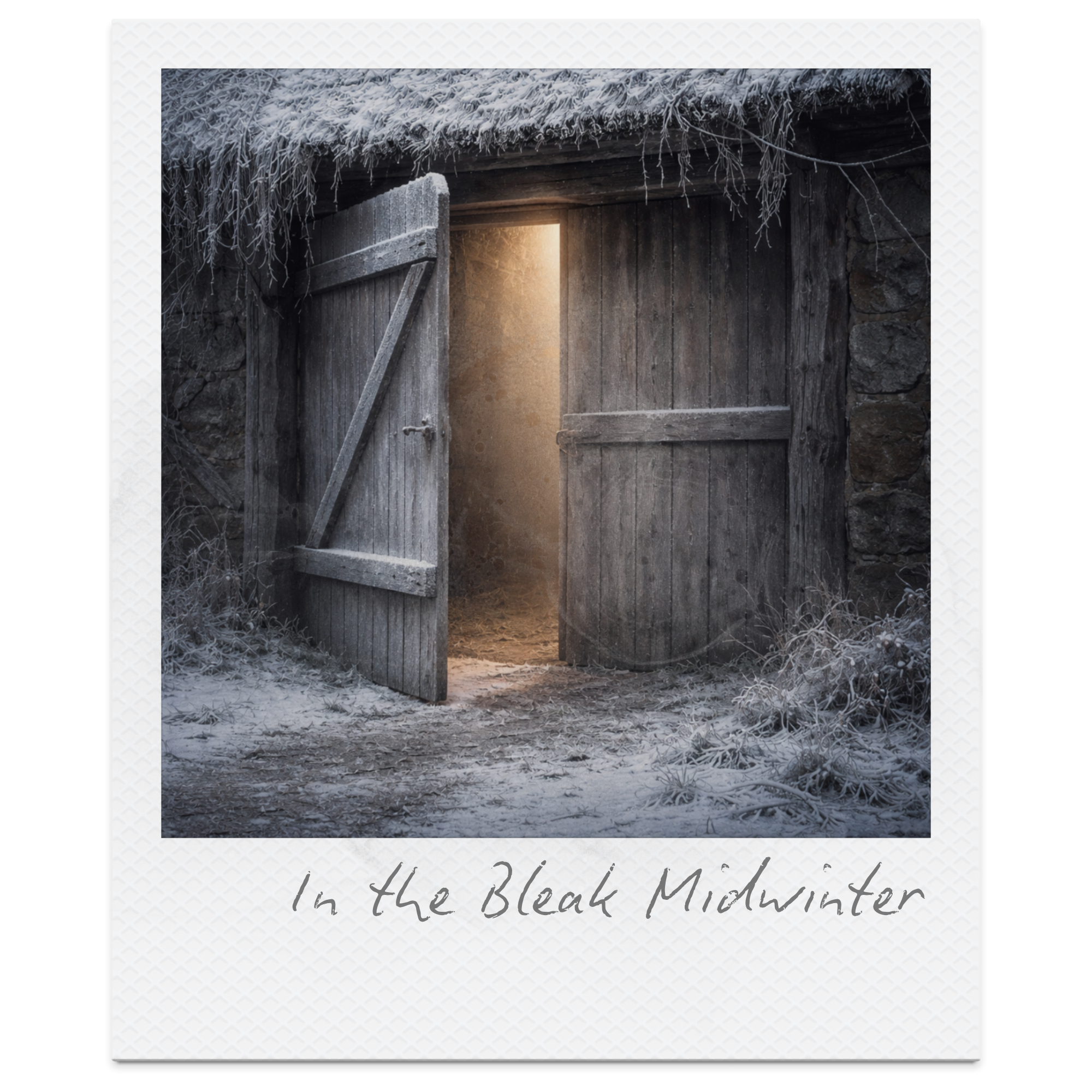
Christina Rossetti’s In the Bleak Midwinter is a devotional lyric that reflects on the Nativity through the stark imagery of a frozen winter landscape. The poem contrasts the vast power of God with the humility of Christ’s birth in a simple stable, using quiet, hymn-like language to explore themes of faith, humility, and divine incarnation. As the poem progresses, Rossetti shifts from describing the sacred scene to asking a deeply personal question: what can an ordinary person offer to the divine? The poem ultimately suggests that material gifts are less important than sincere spiritual devotion, concluding that the most meaningful offering is the gift of the heart.

Babylon the Great by Christina Rossetti: Summary, Themes, Symbolism & Analysis
Christina Rossetti’s Babylon the Great is a powerful sonnet that draws on imagery from the Book of Revelation to explore themes of temptation, spiritual corruption, and divine judgement. Through vivid symbolism and prophetic warnings, the poem presents Babylon as a seductive yet destructive figure whose outward splendour conceals profound moral decay. This detailed analysis explores the poem’s structure, imagery, symbolism, key quotations, and themes, alongside alternative interpretations and classroom teaching ideas. This guide helps readers understand how Rossetti transforms biblical imagery into a striking poetic warning about the dangers of fascination and moral deception.
A Better Resurrection by Christina Rossetti: Summary, Themes, Symbolism & Analysis
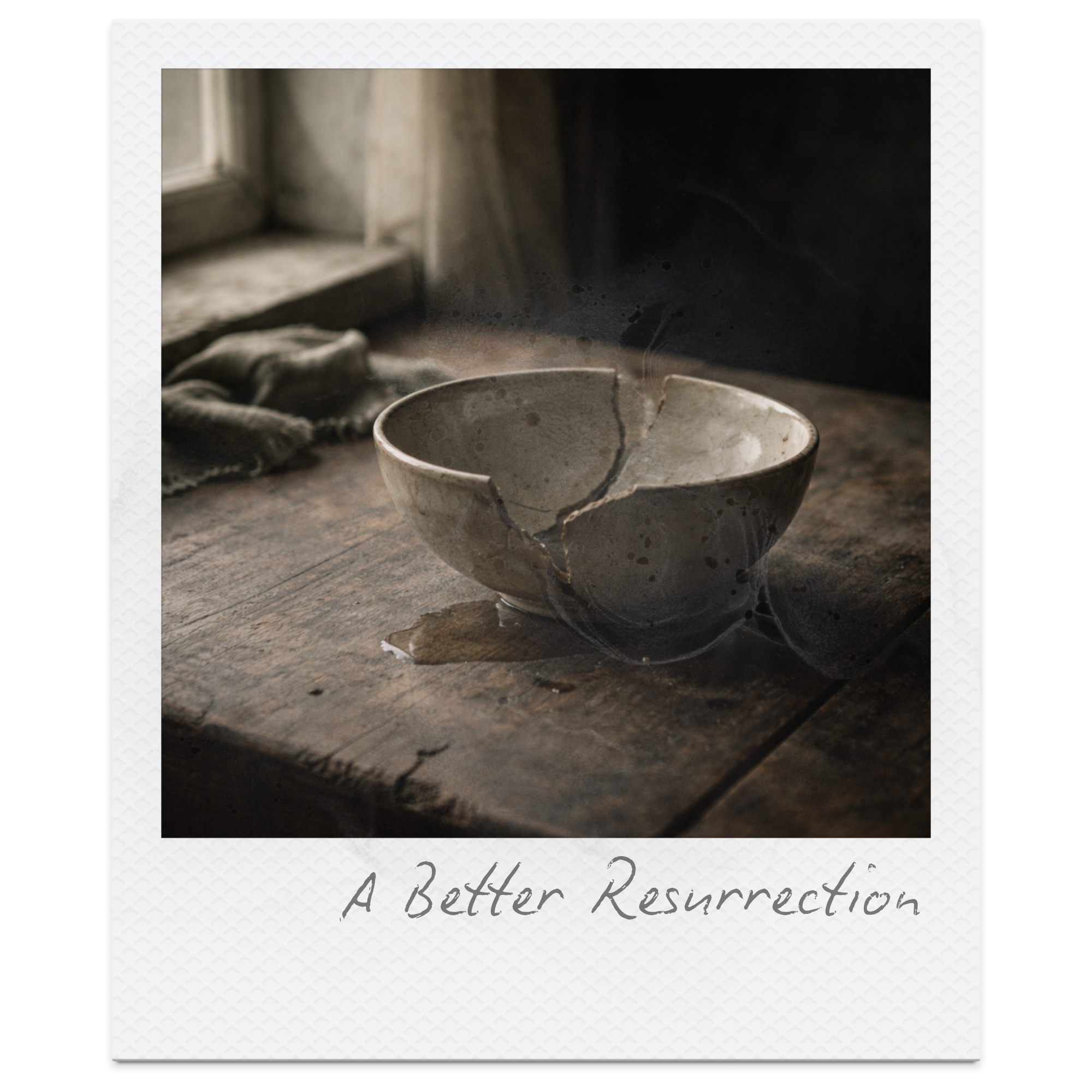
Christina Rossetti’s A Better Resurrection is a powerful Victorian poem exploring spiritual exhaustion, faith, redemption, and inner renewal. Through striking imagery of faded leaves, frozen landscapes, and broken vessels, Rossetti presents a speaker who feels emotionally depleted yet continues to hope for transformation. The poem gradually moves from despair toward the possibility of spiritual rebirth and renewal. This analysis explores the poem’s themes, symbolism, structure, and key techniques, including its hymn-like refrain and extended metaphors. With stanza-by-stanza commentary, multiple interpretations, and teaching ideas, this guide helps readers examine how Rossetti presents the journey from spiritual emptiness to hopeful transformation.