What Would I Give? by Christina Rossetti: Meaning, Themes, Symbolism & Analysis
Christina Rossetti’s What Would I Give? is a powerful exploration of emotional repression, guilt, and the longing for renewal, presenting a speaker who feels trapped within a state of coldness and spiritual paralysis. The poem’s central tension lies in the speaker’s desperate desire to feel—through love, language, and tears—contrasted with her inability to do so. This creates a deeply internalised struggle, where emotion is not absent, but blocked, frozen, and inaccessible.
This analysis of What Would I Give? explores themes of emotional numbness, purification, and inner conflict, alongside Rossetti’s use of repetition, imagery, and structure to convey psychological and spiritual crisis. For more poetry analysis, explore the Christina Rossetti Poetry Hub and the wider Literature Library.

Context of What Would I Give?
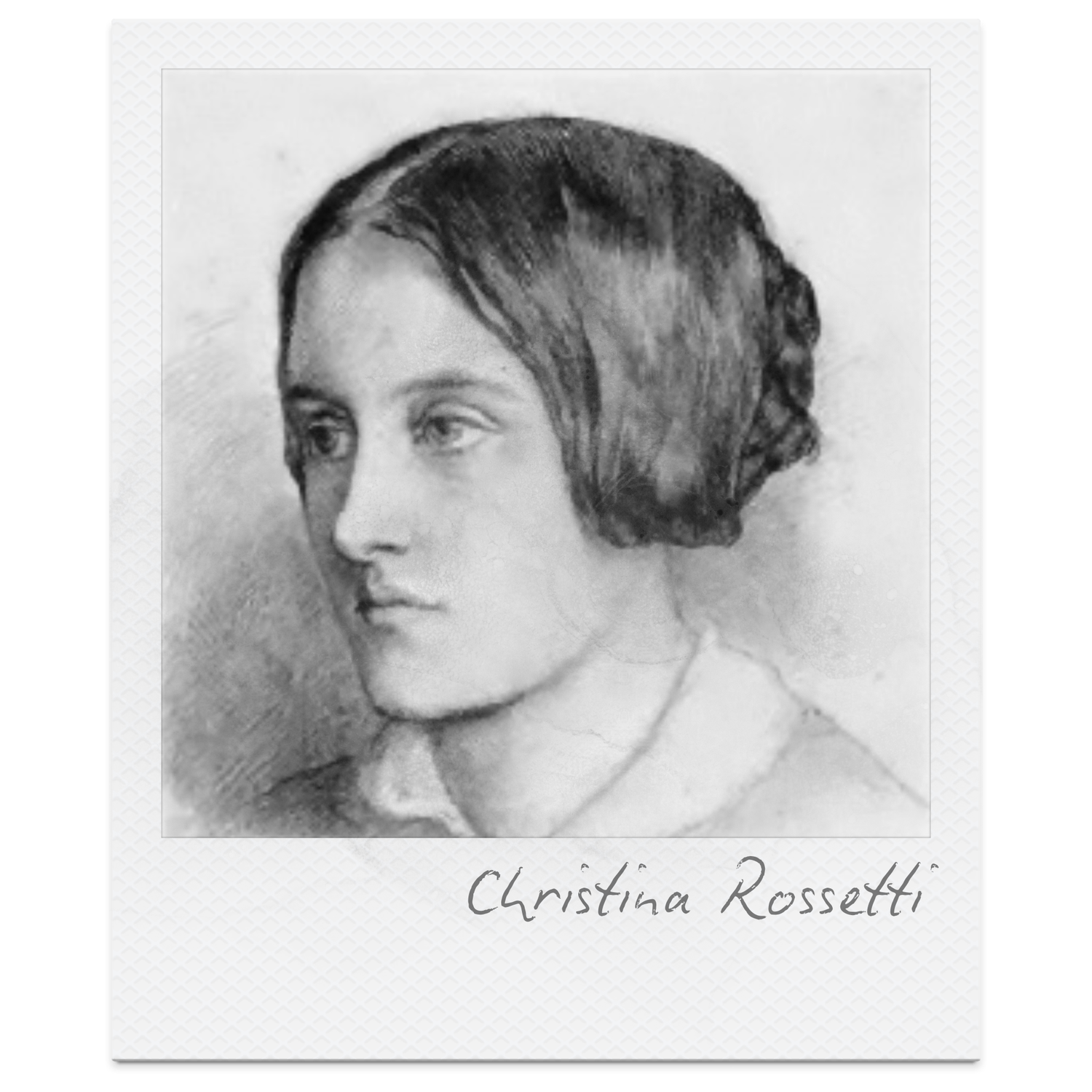
Christina Rossetti’s What Would I Give? reflects her deep engagement with spiritual struggle, emotional restraint, and the desire for moral and emotional renewal. Written within a Victorian context shaped by religious devotion and strict moral expectations, the poem explores what it means to feel cut off from both human connection and spiritual vitality. Rossetti’s Anglo-Catholic faith placed strong emphasis on repentance, self-examination, and inner purity, all of which are central to the speaker’s anguish.
The poem’s imagery of a “heart of stone” and a “black mark” suggests not only emotional numbness, but also a sense of moral or spiritual failure. In Victorian religious thought, the inability to feel—whether love, sorrow, or repentance—could be understood as a sign of spiritual deadness. The speaker’s longing for tears reflects a desire for cleansing and redemption, as tears were often associated with repentance and renewal in devotional writing.
At the same time, the poem can be connected to Rossetti’s own experiences of illness, withdrawal, and introspection, which shaped much of her work. Her poetry frequently explores states of emotional limitation and inner conflict, suggesting that the struggle to feel or express oneself is both psychological and spiritual. In this way, What Would I Give? becomes not just a religious meditation, but a deeply personal exploration of guilt, numbness, and the longing to be restored.
For a broader exploration of these ideas, see the Christina Rossetti Context post.
What Would I Give?: At a Glance
Form: Three tercets with a repeated interrogative opening
Mood: Desperate, introspective, and emotionally restrained
Central tension: The desire to feel (love, expression, sorrow) vs the inability to do so
Core themes: Emotional repression, spiritual guilt, purification, inner conflict
One-sentence meaning:
The poem presents a speaker trapped in emotional and spiritual numbness, longing for the ability to feel, express, and cleanse herself, yet unable to break free from her inner paralysis.
Summary of What Would I Give?
The poem opens with the speaker expressing a desperate longing for a “heart of flesh” to replace her current “heart of stone.” This contrast immediately establishes the central conflict: she feels emotionally frozen, unable to experience warmth or connection. The repetition of harsh descriptors—“hard,” “cold,” and “small”—intensifies this sense of emotional deprivation, suggesting that her condition is both deeply rooted and inescapable.
In the second stanza, the focus shifts from feeling to expression. The speaker longs for the ability to speak, but finds herself “fallen dumb” in her misery. This inability to articulate her inner state reinforces her isolation, as she becomes cut off not only from emotion but also from communication. Her address to “merry friends” further emphasises this divide, highlighting the contrast between her internal suffering and the outward ease of others.
The final stanza introduces the idea of purification and renewal, as the speaker longs for tears to “wash the black mark clean” and “thaw the frost of years.” Tears here symbolise both emotional release and spiritual cleansing. However, the fact that she cannot produce them underscores the depth of her paralysis. The poem ends without resolution, leaving the speaker trapped in a state of emotional and spiritual stagnation, defined by longing but unable to achieve transformation.
Title, Form, Structure, and Metre
Rossetti’s What Would I Give? uses repetition, compressed structure, and rhythmic control to mirror the speaker’s internal struggle. The poem’s form is deceptively simple, yet its tight structure and recurring patterns reinforce a sense of entrapment, frustration, and emotional blockage, reflecting the speaker’s inability to move beyond her condition.
Title
The title What Would I Give? immediately establishes a tone of desperation and longing. It suggests a hypothetical sacrifice, implying that the speaker is willing to give anything to change her current state. This interrogative form also introduces a sense of incompletion, as the question is never directly answered, reinforcing the idea of unfulfilled desire that runs throughout the poem.
Form and Structure
The poem is composed of three tercets, each structured around a repeated opening question: “What would I give.” This repetition creates a cyclical pattern, suggesting that the speaker is trapped in a loop of longing without resolution. Each stanza focuses on a different aspect of what the speaker lacks—feeling (heart), expression (words), and release (tears)—creating a clear progression from internal state to outward expression.
Despite this progression, the poem does not move toward resolution. Instead, each stanza ends with a reinforcing statement of limitation, returning the speaker to a position of inability and constraint. This structural pattern reflects the speaker’s psychological condition: movement is attempted, but ultimately denied.
Rhyme Scheme and Poetic Pattern
The poem follows a consistent rhyme pattern across each tercet, with the second and third lines typically rhyming, creating a sense of cohesion and closure within each stanza. This regularity contributes to the poem’s controlled, contained tone, mirroring the speaker’s emotional repression.
The repetition of sounds—particularly in phrases like “cold” / “all” and “come” / “dumb”—creates a subtle musicality, but this does not soften the poem. Instead, the predictable pattern reinforces the sense that the speaker is confined within her own internal structure, unable to break free.
Metre and Rhythmic Movement
The poem is largely written in iambic rhythms, giving it a natural, speech-like flow. For example:
What WOULD | I GIVE | for a HEART | of FLESH | to WARM | me THROUGH
This regular rhythm reflects the speaker’s attempt to articulate her thoughts in a controlled and measured way. However, the lines are often extended and slightly uneven, creating a sense of strain within the rhythm. This subtle disruption mirrors the speaker’s emotional imbalance, as her structured language struggles to contain her distress.
The repetition of key phrases, combined with the steady rhythm, creates a hypnotic effect, reinforcing the idea that the speaker is caught in a cycle of longing. Rather than building toward release, the rhythm returns again and again to the same point, echoing the poem’s central idea of stagnation and unresolved desire.
The Speaker of What Would I Give?
The speaker of What Would I Give? is a deeply introspective voice defined by emotional numbness, guilt, and a longing for renewal. She appears to be acutely aware of her own condition, recognising that she lacks the ability to feel, express, or release emotion. This self-awareness creates a tone of desperation and frustration, as she is not ignorant of her state, but powerless to change it.
At the beginning of the poem, the speaker presents herself as emotionally hardened, describing her “heart of stone” as “hard and cold and small.” This suggests not only a lack of feeling, but a sense of self-judgement, as she labels her own heart “the worst of all.” Her identity is therefore shaped by both emotional limitation and internal criticism, reinforcing the idea that her condition is deeply personal and isolating.
As the poem progresses, the speaker reveals that her struggle extends beyond feeling to expression and communication. Her inability to speak—“my spirit has fallen dumb”—suggests that her internal state cannot be externalised, cutting her off from others. The brief address to “merry friends” highlights this divide, as she positions herself outside their world of ease and connection.
In the final stanza, the speaker’s longing shifts toward purification and emotional release, as she desires tears to cleanse and restore her. This suggests a recognition that transformation is possible, but only if she can access the emotional response she currently lacks. Her identity becomes defined by this paradox: she is capable of desiring change, but incapable of achieving it.
Overall, the speaker is shaped by a tension between awareness and inability, caught in a state where she understands her own emotional and spiritual deficiency, yet remains unable to overcome it. This makes her voice both reflective and tragic, embodying the poem’s central concern with inner conflict and unresolved longing.
Stanza-by-Stanza Analysis of What Would I Give?
A close reading of What Would I Give? reveals how Rossetti structures the poem around a progression of longing without resolution, as the speaker moves through different forms of lack—feeling, expression, and emotional release. Each stanza deepens the sense of inner paralysis, showing that despite recognising what is missing, the speaker remains unable to change her condition. Through shifts in focus and intensifying imagery, the poem traces a cycle of desire, self-awareness, and continued limitation.
Stanza 1: Emotional Numbness and Self-Judgement
The opening stanza establishes the speaker’s central conflict: a desperate longing for emotional warmth set against her current state of coldness and incapacity. The repeated question “What would I give” immediately conveys urgency and desire, suggesting that the speaker is willing to sacrifice anything to feel again. The contrast between a “heart of flesh” and a “heart of stone” introduces a powerful symbolic opposition between life and lifelessness, feeling and numbness.
The phrase “to warm me through” implies that this lack of feeling is not superficial, but deeply embedded within the speaker’s entire being. In contrast, the description of her current heart as “ice-cold whatever I do” suggests that her condition is inescapable, unaffected by effort or intention. This reinforces a sense of entrapment, where change is not simply difficult, but impossible.
The final line intensifies this emotional state through repetition and self-criticism. The piling up of adjectives—“hard and cold and small”—creates a rhythm of condemnation, as the speaker judges her own heart as “the worst of all.” This not only highlights her emotional limitation, but also reveals a deep sense of guilt and self-awareness, suggesting that her suffering is compounded by how she perceives herself.
Overall, the stanza establishes a voice defined by longing, frustration, and self-judgement, introducing the poem’s central idea of being trapped within an emotional state that the speaker both recognises and cannot escape.
Stanza 2: Loss of Expression and Social Separation
In the second stanza, the speaker’s focus shifts from feeling to expression, revealing that her emotional paralysis extends into an inability to communicate. The repeated question “What would I give for words” mirrors the first stanza, reinforcing the cyclical nature of her longing while introducing a new form of lack. The conditional phrase “if only words would come” suggests that expression should be natural and spontaneous, yet for the speaker it is entirely inaccessible.
The line “my spirit has fallen dumb” intensifies this sense of blockage. The verb “fallen” implies decline or collapse, suggesting that her inability to speak is not just a temporary silence, but a deeper loss of vitality and agency. The use of “spirit” also connects this condition to her inner self, reinforcing that her struggle is both emotional and existential.
The address to “O, merry friends” introduces a moment of outward connection, but this only serves to emphasise her isolation. The adjective “merry” contrasts sharply with her misery, highlighting the divide between external joy and internal suffering. Her dismissal—“go your way”—suggests both resignation and exclusion, as she removes herself from social interaction. The final line, “I have never a word to say,” brings the stanza to a definitive close, reinforcing her silence as total and unchangeable.
Overall, this stanza deepens the poem’s portrayal of isolation, showing that the speaker is not only unable to feel, but also unable to express or connect, further trapping her within her own internal state.
Stanza 3: Desire for Cleansing and Emotional Release
In the final stanza, the speaker’s longing reaches its most intense and revealing form, shifting toward a desire for purification and transformation. The repeated opening—“What would I give for tears”—continues the poem’s pattern, but here the focus is on emotional release rather than feeling or expression. Crucially, the speaker specifies “not smiles but scalding tears,” rejecting superficial or socially acceptable emotion in favour of something deeper and more painful. The adjective “scalding” suggests both intensity and necessity, implying that only extreme emotional release can break through her numbness.
The imagery in this stanza becomes increasingly symbolic, centring on cleansing and thawing. The phrase “to wash the black mark clean” introduces the idea of moral or spiritual stain, suggesting that the speaker’s condition may be linked to guilt or inner corruption. This is reinforced by the repetition of “wash,” which emphasises the desire for renewal and restoration. Similarly, the metaphor “to thaw the frost of years” presents her emotional state as something frozen over time, implying that her numbness is both long-standing and deeply embedded.
The final line intensifies this idea of purification through the phrase “stain ingrain,” which suggests something permanent or deeply rooted. The desire “to make me clean again” implies that the speaker once possessed the emotional or spiritual capacity she now lacks, reinforcing a sense of loss and distance from a former self.
Unlike the previous stanzas, which focus on absence and limitation, this stanza gestures toward the possibility of change. However, the continued use of the hypothetical “What would I give” suggests that this transformation remains out of reach. The speaker can imagine renewal, but cannot achieve it, leaving the poem in a state of unresolved longing and emotional suspension.
Key Quotes from What Would I Give?
The following quotations capture the poem’s central concerns with emotional numbness, expression, and the desire for renewal, revealing how Rossetti uses language to explore inner conflict and spiritual struggle.
What would I give for a heart of flesh to warm me through
◆ Establishes the speaker’s central longing for emotional warmth and vitality
◆ The contrast with “stone” introduces the core symbolic opposition
◆ Suggests desire for transformation rather than acceptance
Instead of this heart of stone ice-cold whatever I do
◆ Reinforces emotional paralysis as persistent and inescapable
◆ “Whatever I do” highlights the futility of effort
◆ The imagery of coldness suggests lifelessness and isolation
Hard and cold and small, of all hearts the worst of all
◆ Repetition intensifies self-judgement and internal criticism
◆ “Small” implies emotional limitation and constriction
◆ The superlative phrase shows deep self-condemnation
What would I give for words, if only words would come
◆ Shifts focus from feeling to expression
◆ The conditional phrasing suggests language should be natural but is blocked
◆ Reinforces the theme of internal vs external disconnect
My spirit has fallen dumb
◆ Suggests a collapse of voice and agency
◆ “Fallen” implies decline rather than temporary silence
◆ Links emotional struggle to spiritual identity
O, merry friends, go your way
◆ Highlights contrast between external joy and internal suffering
◆ The direct address creates a moment of social distance
◆ Suggests withdrawal and exclusion from shared experience
What would I give for tears, not smiles but scalding tears
◆ Rejects superficial emotion in favour of genuine feeling
◆ “Scalding” conveys intensity and necessity of release
◆ Marks the poem’s shift toward purification
To wash the black mark clean, and to make me clean again
◆ Introduces imagery of guilt, stain, and moral corruption
◆ Repetition of “clean” emphasises desire for renewal
◆ Suggests the possibility of restoration, though it remains unrealised
Key Techniques in What Would I Give?
Rossetti uses a tightly controlled set of techniques to convey emotional paralysis, inner conflict, and the longing for renewal, with language and structure working together to reinforce the speaker’s sense of entrapment.
◆ Repetition – The recurring phrase “What would I give” structures each stanza, creating a cyclical pattern of longing that emphasises the speaker’s inability to move beyond desire into action
◆ Symbolism – The “heart of stone” represents emotional numbness and spiritual deadness, while the “heart of flesh” symbolises warmth, vitality, and the capacity to feel
◆ Contrast – Strong oppositions such as stone vs flesh, silence vs speech, and smiles vs tears highlight the gap between what the speaker is and what she longs to become
◆ Imagery of Cold and Heat – The imagery of “ice-cold” and “frost” conveys emotional stagnation, while “warm” and “scalding tears” suggest the possibility of transformation through intensity
◆ Religious and Cleansing Imagery – References to “black mark,” “stain,” and being made “clean again” evoke ideas of sin, repentance, and spiritual purification
◆ First-Person Voice – The use of a direct, confessional voice creates intimacy and allows readers to engage closely with the speaker’s internal struggle
◆ Tripartite Structure – Each stanza focuses on a different lack (feeling, expression, release), creating a progression that deepens the sense of psychological and spiritual limitation
◆ Sound and Rhythm – The steady, controlled rhythm mirrors the speaker’s restraint, while repetition and phrasing create a sense of contained intensity
Themes in What Would I Give?
Rossetti’s What Would I Give? explores a deeply internalised struggle, where the speaker is caught between awareness and inability, longing for transformation but unable to achieve it. The poem develops its themes through repetition, symbolic imagery, and a tightly controlled structure that reflects emotional and spiritual constraint.
Emotional Repression
The speaker is defined by an inability to feel, describing her heart as “stone” and “ice-cold.” This suggests not just emotional absence, but active repression, where feeling is blocked or inaccessible. The repeated longing for warmth and tears highlights that emotion still exists as a desire, but cannot be experienced, creating a painful divide between inner awareness and lived reality.
Spiritual Guilt
The imagery of a “black mark” and “stain ingrain” introduces a strong sense of moral or spiritual failure. The speaker’s condition is not presented as neutral, but as something she judges and condemns within herself. This reflects Victorian religious ideas of sin, conscience, and self-scrutiny, suggesting that her emotional numbness may be linked to a deeper sense of guilt.
Purification
The desire for “scalding tears” and to be made “clean again” reflects a longing for cleansing and renewal. Tears function as both emotional release and spiritual purification, symbolising the possibility of transformation. However, the speaker’s inability to cry means that this purification remains out of reach, reinforcing the theme of blocked redemption.
Inner Conflict
At the heart of the poem is a tension between desire and incapacity. The speaker knows exactly what she lacks—feeling, expression, and release—but cannot access any of them. This creates a sustained internal conflict, where self-awareness does not lead to change, but instead intensifies her frustration and isolation.
Isolation and Disconnection
The speaker’s inability to speak and her separation from “merry friends” suggest a broader theme of social and emotional isolation. She is cut off not only from her own feelings, but also from meaningful interaction with others, reinforcing her sense of detachment from both herself and the world around her.
Identity and Self-Perception
The poem explores how identity can become shaped by limitation. The speaker defines herself through what she lacks, describing her heart as “the worst of all.” This reflects a fractured sense of self, where identity is constructed through self-criticism and perceived failure, rather than stability or wholeness.
Time and Emotional Stagnation
The phrase “frost of years” suggests that the speaker’s condition has developed over time, becoming fixed and enduring. This introduces the idea of emotional stagnation, where change feels impossible because the state has been long established. Time, rather than healing, has reinforced her condition.
Together, these themes create a portrait of a speaker trapped within herself, where longing, guilt, and self-awareness intensify rather than resolve her emotional and spiritual struggle.
Alternative Interpretations of What Would I Give?
Rossetti’s What Would I Give? invites multiple interpretations, as the speaker’s struggle can be understood through emotional, spiritual, and philosophical lenses. The poem’s ambiguity allows readers to see her condition as both deeply personal and symbolically broader.
Feminist Interpretation: Emotional Constraint and Female Expression
From a feminist perspective, the poem can be read as a reflection of Victorian constraints on female emotion and voice. The speaker’s inability to feel or speak may symbolise the ways women were expected to suppress desire, anger, and individuality. Her “heart of stone” becomes not a natural state, but something shaped by social expectation. The longing for words and tears suggests a desire to reclaim emotional and expressive autonomy, challenging the limitations placed on women’s inner lives.
Psychological Interpretation: Depression and Emotional Numbness
The poem can also be understood as a portrayal of psychological struggle, particularly emotional numbness associated with depression. The speaker is not empty, but painfully aware of her inability to feel or respond. The phrases “fallen dumb” and “ice-cold whatever I do” suggest a loss of agency and emotional access, common in depressive states. The desire for tears reflects a longing to break through numbness, making the poem a powerful depiction of internal mental conflict.
Religious Interpretation: Sin, Repentance, and Spiritual Renewal
A religious reading situates the poem within Rossetti’s devotional framework, where the speaker’s condition reflects spiritual deadness or separation from grace. The imagery of stain and cleansing aligns with Christian ideas of sin and repentance, while the longing for tears suggests the desire for true contrition. In this interpretation, the speaker’s inability to feel becomes spiritually significant, as she cannot yet access the emotional state required for redemption.
Existential Interpretation: Identity and the Limits of Control
From an existential perspective, the poem explores the unsettling idea that individuals may be unable to change their own inner state, even when fully aware of it. The repeated question “What would I give” highlights the gap between desire and action, suggesting that control over one’s identity and emotions is limited. The speaker’s struggle becomes a reflection on the human condition, where self-awareness does not guarantee transformation, and longing remains unresolved.
Together, these interpretations show how What Would I Give? operates on multiple levels, capturing both a specific emotional experience and a broader reflection on identity, control, and the difficulty of change.
Teaching Ideas for What Would I Give?
What Would I Give? offers rich opportunities for exploring voice, symbolism, and internal conflict, making it ideal for close analysis, discussion, and structured writing practice.
1. Tracking Emotional Limitation
Ask students to track what the speaker lacks across each stanza: feeling, expression, and release.
Task:
Highlight key phrases in each stanza
Label each absence
Explain how it contributes to the speaker’s condition
Follow with:
Which absence is most significant?
Does the poem suggest one matters more than the others?
2. Symbolism and Imagery Exploration
Students analyse key symbols such as the “heart of stone,” “black mark,” and “frost of years.”
Task:
What does each image suggest?
Is it emotional, moral, or spiritual?
Which image is most powerful and why?
3. Tone and Voice Analysis
Focus on how Rossetti constructs the speaker’s voice.
Questions:
How would you describe the tone: controlled, desperate, self-critical?
How does repetition shape this tone?
Does the speaker blame herself, or her condition?
Extension:
Rewrite one stanza in a hopeful tone and compare the effect.
4. Reverse Analytical Paragraph Task (Exam Skills)
Give students the paragraph below:
Rossetti presents emotional repression as both painful and inescapable through the speaker’s use of contrasting imagery. The metaphor of a “heart of stone” suggests a complete lack of warmth and emotional responsiveness, reinforcing the idea that the speaker is unable to feel. This is intensified by the phrase “ice-cold whatever I do,” which implies that her condition cannot be changed through effort, highlighting a sense of entrapment. Furthermore, the repeated question “What would I give” emphasises her awareness of what she lacks, while also showing that this awareness does not lead to transformation. As a result, Rossetti presents emotional repression as a conscious but immovable state.
Student tasks:
Write the question this paragraph is answering
Mark the paragraph using a mark scheme (e.g. content, analysis, terminology)
Improve the paragraph by:
Adding a more precise word-level analysis
Strengthening the conceptual argument
Embedding an additional quotation
This builds exam awareness, critical judgement, and writing precision.
If students want to practise full essay responses, direct them to the Rossetti Essay Questions post.
5. Interpretation Debate
Divide the class into groups:
Psychological
Religious
Feminist
Existential
Each group must argue:
What does the speaker’s condition represent?
Which interpretation is most convincing?
6. Creative Reflection Task
Students write a short piece beginning with:
“What would I give…”
They should:
Use repetition
Focus on one central lack
Build toward a final image
Go Deeper into What Would I Give?
Rossetti repeatedly returns to themes of emotional limitation, spiritual struggle, and the desire for renewal, and What Would I Give? sits at the heart of this pattern. Comparing it with other poems reveals how she explores the tension between awareness and transformation, often presenting speakers who long for change but remain constrained.
◆ A Better Resurrection – Both poems explore spiritual emptiness and the longing for renewal, with speakers who feel inwardly “dead.” However, while A Better Resurrection moves toward divine restoration, What Would I Give? remains unresolved, emphasising the speaker’s inability to achieve change.
◆ Echo – In Echo, the speaker longs for emotional and spiritual return through dreams and memory, suggesting that connection can still be imagined. In contrast, What Would I Give? presents a more internalised struggle, where the barrier lies within the self, making renewal feel psychologically rather than physically unreachable.
◆ From the Antique – Both poems express a sense of detachment and dissatisfaction with existence, but while From the Antique adopts a more philosophical weariness, What Would I Give? is more urgent and self-critical, focusing on personal failure and emotional incapacity.
◆ Shut Out – This poem similarly explores exclusion and the inability to access something once possessed. In Shut Out, the speaker is physically barred from a space, whereas in What Would I Give?, the barrier is internal, suggesting that the most powerful forms of exclusion are often self-contained and psychological.
◆ Memory – Both poems engage with the persistence of past emotional states. However, while Memory suggests that feeling can endure over time, What Would I Give? presents the opposite: a state where emotion has been lost or frozen, reinforcing the theme of emotional stagnation.
◆ At Home – Both poems explore detachment and isolation, but from different perspectives. At Home presents exclusion from the outside world after death, while What Would I Give? presents exclusion from the self. Together, they suggest that disconnection can occur both externally and internally, deepening Rossetti’s exploration of identity and belonging.
Through these comparisons, What Would I Give? emerges as one of Rossetti’s most concentrated explorations of inner paralysis, where the desire for transformation is clear, but the ability to achieve it remains just out of reach.
Final Thoughts
What Would I Give? offers a stark and intimate exploration of emotional repression, spiritual guilt, and the longing for renewal, capturing the experience of being trapped within a state that is both deeply felt and fundamentally unchangeable. Through repetition, symbolism, and a tightly controlled structure, Rossetti presents a speaker who understands exactly what she lacks, yet remains unable to recover it.
What makes the poem particularly powerful is its focus on internal conflict rather than external circumstance. The struggle is not imposed from the outside, but arises from within, suggesting that the most difficult barriers to overcome are often those rooted in self-perception, guilt, and emotional limitation. The speaker’s longing for warmth, language, and tears becomes a reflection of a deeper desire to be restored to a fuller, more connected sense of self.
Ultimately, the poem leaves readers with a sense of unresolved tension. There is no transformation, only the persistent awareness of what is missing. In this way, Rossetti highlights the fragility of emotional and spiritual life, showing how easily connection, expression, and identity can become blocked, diminished, or lost.
For more poetry analysis, explore the Christina Rossetti Poetry Hub and the wider Literature Library.
Choose Your Next Text