Notes from the Inkpot
Writing, teaching, creating - one ink-stained idea at a time.


A Different History by Sujata Bhatt: Summary, Themes & Analysis
Sujata Bhatt’s A Different History explores language as power, examining how it can be both respected and used for control. Through contrast, repetition, and rhetorical questions, the poem highlights the tension between cultural identity and the lasting effects of colonial influence. This analysis breaks down key themes, methods, and structural shifts, helping students understand how meaning is created. Ideal for IGCSE Literature, it supports clear, method-focused responses and strong exam preparation.
Song: Love Armed by Aphra Behn: Summary, Themes & Analysis
Aphra Behn’s Song: Love Armed explores love as power, presenting it as a force shaped by emotional imbalance, vulnerability, and control. Through the extended metaphor of Cupid as a tyrannical ruler, alongside vivid violent imagery and structural contrast, the poem reveals how love is constructed through unequal contributions—where one lover provides desire and feeling, while the other exerts dominance and cruelty. This analysis examines how Behn uses language, structure, and voice to create meaning, offering a clear breakdown of key themes, techniques, and effects. Designed for IGCSE Literature, it supports students in developing method-focused analysis and building strong, conceptual responses for exam success.
The April Witch by Ray Bradbury: Summary, Themes, Symbolism & Analysis
Ray Bradbury’s The April Witch is a lyrical piece of speculative fiction that explores longing, identity, and the desire for connection through a magical yet emotionally grounded premise. The story follows Cecy, a young girl who can inhabit other living beings, as she seeks to experience love by entering another person’s body, revealing both the beauty and the limitations of her extraordinary ability. At its heart, the story examines illusion versus reality, the fragility of belonging, and the emotional cost of distance, showing that borrowed experiences cannot replace genuine connection. Through rich imagery and a dreamlike tone, Bradbury creates a haunting reflection on what it truly means to be present, loved, and understood.
What Would I Give? by Christina Rossetti: Meaning, Themes, Symbolism & Analysis
Christina Rossetti’s What Would I Give? presents a powerful exploration of emotional repression, spiritual guilt, and the longing for renewal, capturing a speaker trapped in a state of coldness, silence, and inner paralysis. Through the repeated question “What would I give,” the poem reveals a deep awareness of what is missing—feeling, expression, and release—while simultaneously emphasising the speaker’s inability to access any of them. As the poem progresses, Rossetti develops a striking pattern of contrast between warmth and cold, speech and silence, cleansing and stain, reinforcing the speaker’s sense of entrapment. The desire for “scalding tears” suggests that transformation is possible, yet remains out of reach, leaving the speaker suspended between longing and limitation. In this way, the poem becomes a haunting reflection on the difficulty of change, where awareness intensifies suffering rather than resolving it.
At Home by Christina Rossetti: Summary, Themes, Symbolism & Analysis
Christina Rossetti’s At Home presents a haunting meditation on death, memory, and emotional detachment, exploring what it means to be present yet entirely excluded. Through the perspective of a speaker who returns after death to observe her former life, the poem reveals the unsettling reality that the world continues unchanged. Rossetti contrasts the vitality and connection of the living with the speaker’s growing awareness of her own absence, creating a quiet but devastating sense of separation. As the poem unfolds, the speaker realises she has not only died, but been erased from memory and belonging. The living focus on “to-day” and “to-morrow,” while she becomes something entirely of the past—“yesterday.” Through imagery, structure, and perspective, Rossetti suggests that identity depends on recognition, participation, and shared experience, all of which fade with time. The result is a powerful reflection on the fragility of human connection and the unsettling possibility of being forgotten
No, Thank You, John by Christina Rossetti: Summary, Themes, Symbolism & Analysis
Christina Rossetti’s No, Thank You, John is a confident and sharply controlled exploration of rejection, emotional honesty, and personal autonomy. Through a direct, conversational voice, the speaker firmly refuses a persistent suitor, challenging the expectation that love must be returned or softened through politeness. The poem redefines rejection as a form of clarity rather than cruelty, exposing the imbalance between romantic persistence and the right to refuse. This analysis of No, Thank You, John explores themes, structure, tone, and key techniques, alongside alternative interpretations and teaching ideas. With close reference to language and form, it reveals how Rossetti constructs a speaker who is both measured and resolute, offering a powerful examination of boundaries, gender expectations, and emotional integrity.

Twice by Christina Rossetti: Summary, Themes, Symbolism & Analysis
Christina Rossetti’s Twice explores the emotional journey of a speaker who offers her heart first to a human lover and then to God, revealing the contrast between human rejection and divine understanding. Through powerful symbolism and structural repetition, Rossetti examines themes of unrequited love, judgement, and emotional vulnerability, showing how easily personal worth can be shaped—and damaged—by external evaluation. As the poem progresses, the speaker transforms her experience of rejection into an opportunity for spiritual redemption, turning away from flawed human judgement toward a more meaningful and enduring form of acceptance. This analysis explores how Rossetti uses imagery, tone, and form to chart this shift, making Twice a compelling study of identity, faith, and the search for lasting fulfilment.
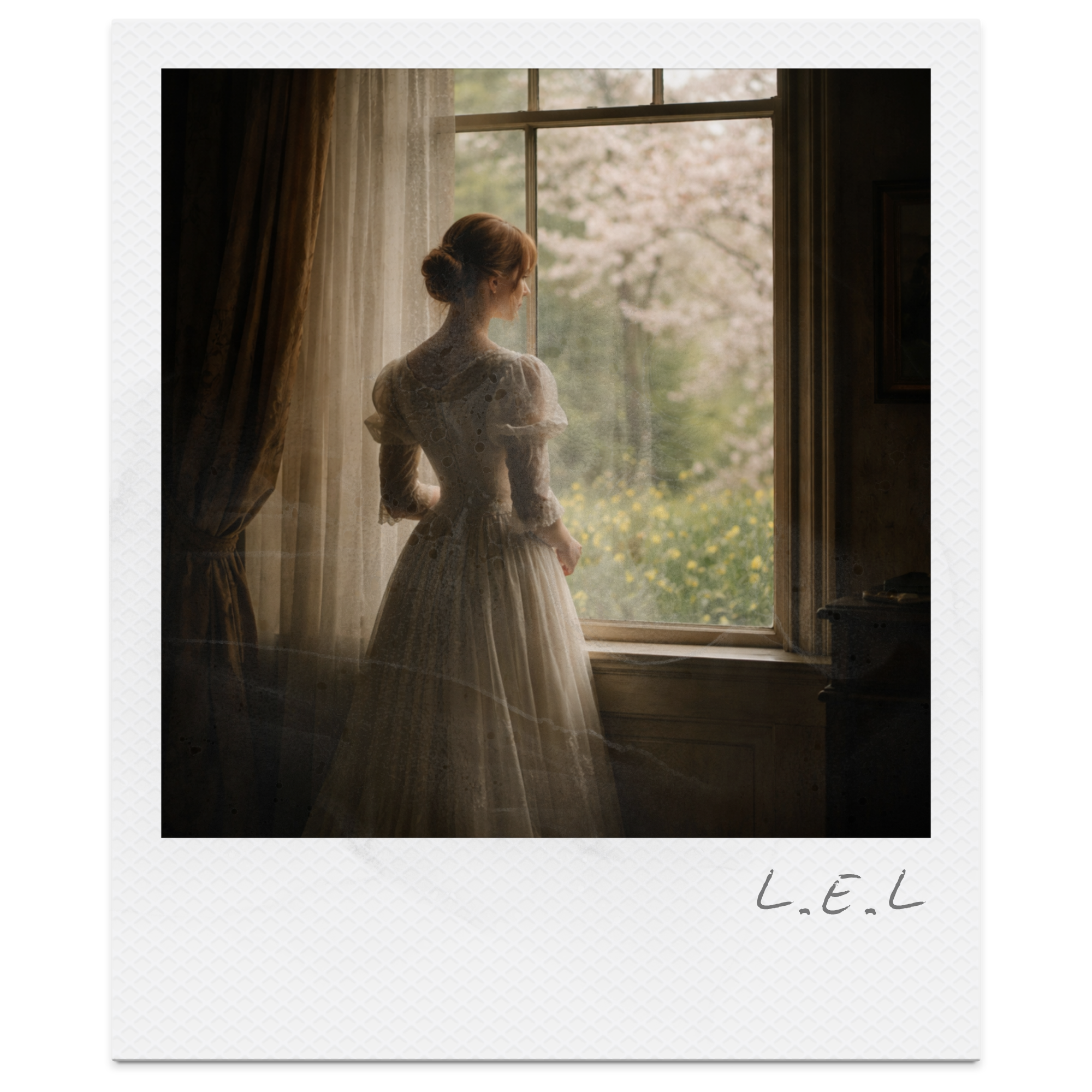
L.E.L. by Christina Rossetti: Summary, Themes, Symbolism & Analysis
Christina Rossetti’s L.E.L. explores unfulfilled love, emotional isolation, and the tension between public performance and private suffering. Through its repeated refrain and vivid spring imagery, the poem contrasts a lively, outward persona with a deeply lonely inner life, revealing how easily pain can remain hidden beneath social appearances. This analysis examines Rossetti’s use of structure, symbolism, and religious imagery to present longing as both a personal and spiritual experience. It considers how the poem moves from quiet despair toward deferred hope, suggesting that love denied in the present may find fulfilment beyond earthly life.

A Helpmeet for Him by Christina Rossetti: Summary, Themes, Symbolism & Analysis
Christina Rossetti’s A Helpmeet for Him explores gender roles, hidden strength, and Victorian ideals of womanhood, presenting a seemingly traditional view of female identity while subtly questioning its limitations. Through repetition, paradox, and controlled structure, the poem suggests that submission may conceal a deeper form of influence. This analysis examines the poem’s themes, symbolism, and structure, as well as its exploration of power, dependency, and identity. Ideal for students and teachers, it offers a clear summary alongside detailed interpretation to support deeper understanding of Rossetti’s work.
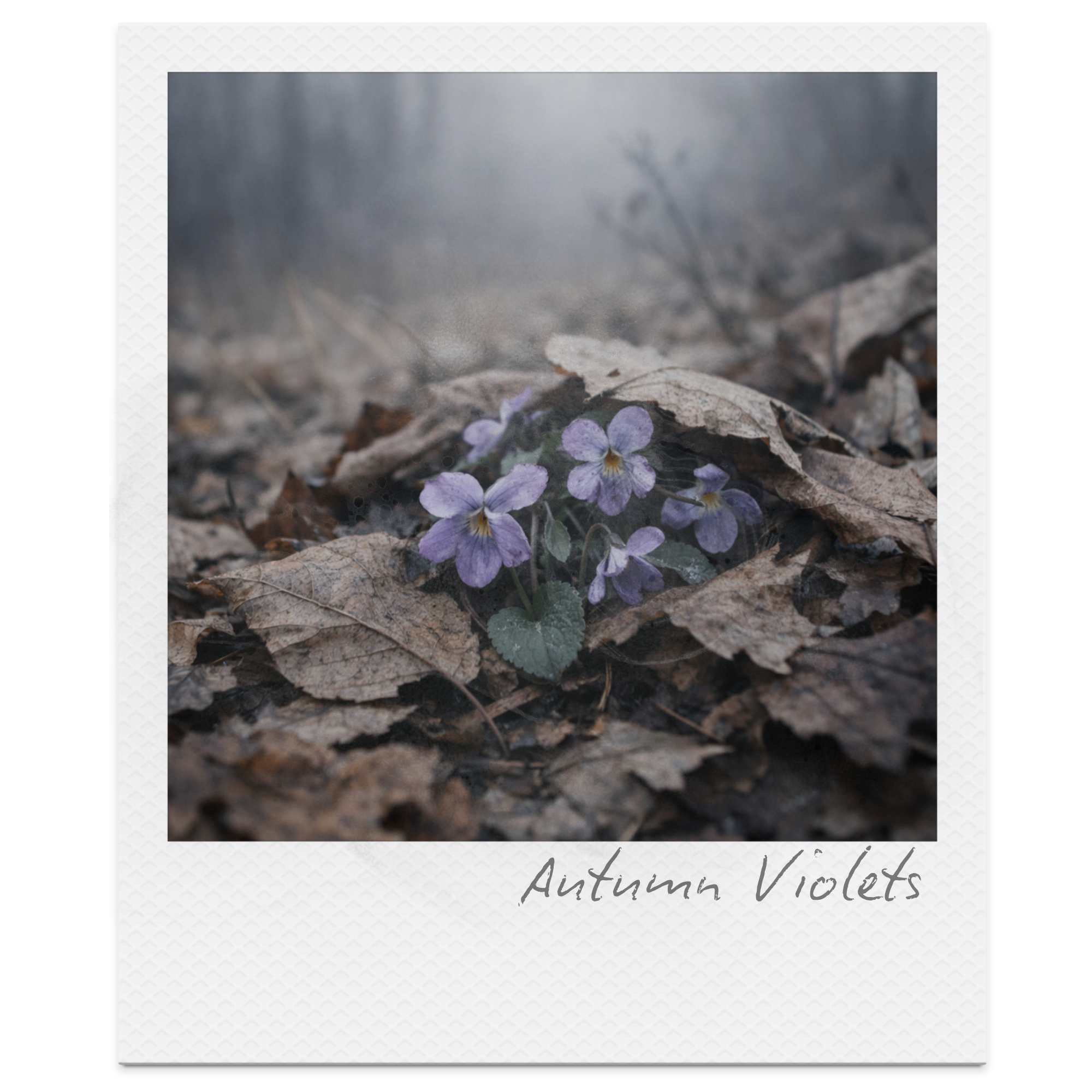
Autumn Violets Christina Rossetti Analysis: Themes, Symbolism, Structure & Key Quotes
Christina Rossetti’s Autumn Violets is a reflective sonnet that explores how love is shaped by time, age, and emotional limitation. Through the delicate image of violets blooming out of season, Rossetti contrasts youthful, idealised love with a quieter, more restrained form of love that emerges later in life. The poem suggests that, like the natural world, emotional experiences follow a pattern, and when they occur outside their “proper” moment, they must be understood differently. In this analysis, we explore Rossetti’s use of seasonal symbolism, structure, and language to examine the relationship between love and timing. With detailed breakdowns of key lines, themes, and techniques, this guide offers a clear and insightful reading of Autumn Violets, revealing how the poem ultimately presents acceptance—not fulfilment—as the defining quality of later love.