Notes from the Inkpot
Writing, teaching, creating - one ink-stained idea at a time.


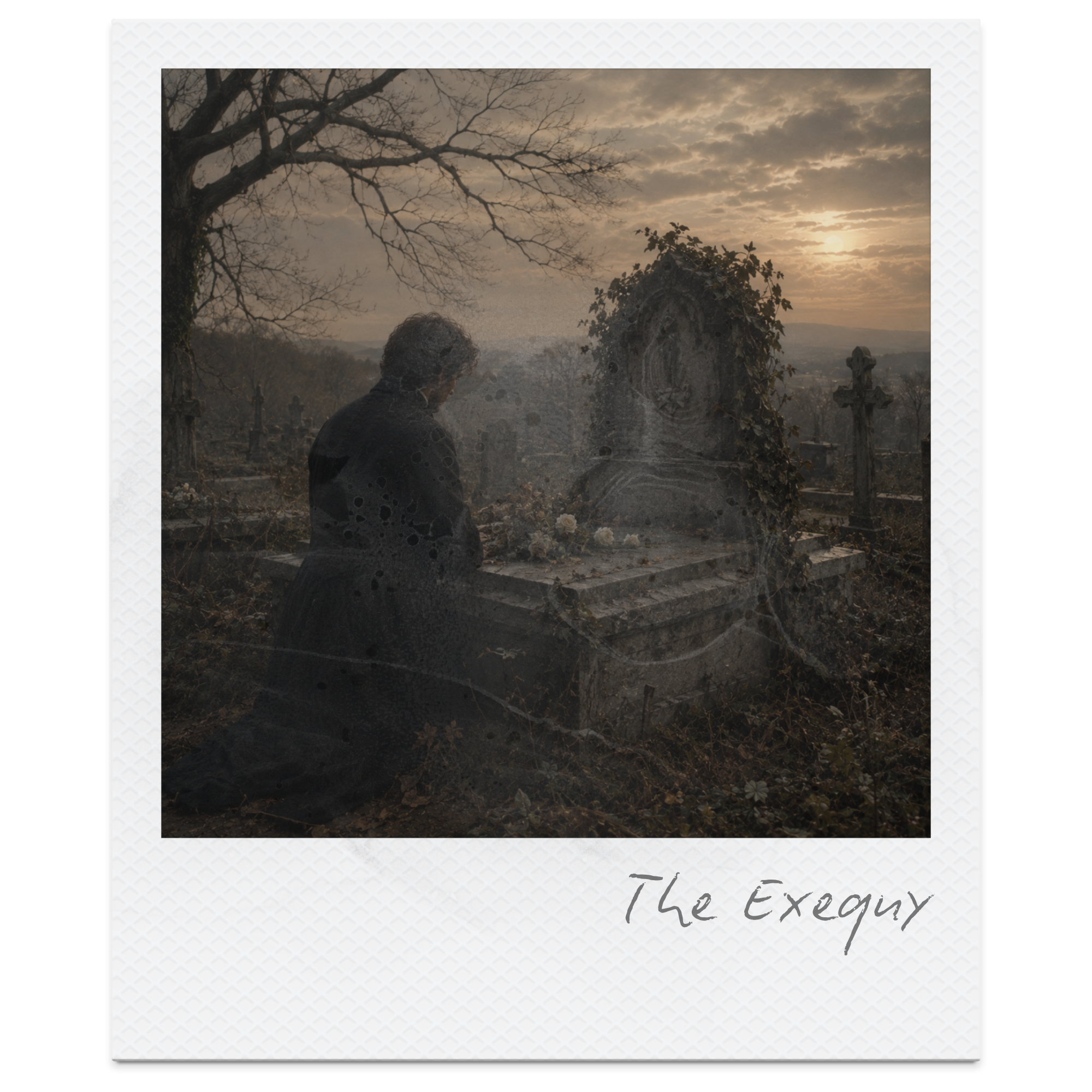
The Exequy by Henry King: Love, Loss, and the Hope of Reunion
The Exequy by Henry King is a powerful seventeenth-century elegy that explores grief, love, mortality, and the hope of reunion after death. Written following the loss of King's wife, the poem combines deeply personal mourning with Christian beliefs about resurrection and eternal life. Through rich symbolism, metaphysical conceits, celestial imagery, and reflections on memory and devotion, King transforms bereavement into a moving meditation on enduring love and spiritual consolation. This analysis explores the poem's themes, structure, imagery, symbolism, and emotional impact for students studying Songs of Ourselves Volume 2.

Upon a Wasp Chilled with Cold by Edward Taylor: Analysis of Nature, Faith and Divine Design
Edward Taylor's Upon a Wasp Chilled with Cold is a richly symbolic meditation on nature, faith, and divine design. Beginning with the detailed observation of a wasp recovering from the cold, the poem gradually develops into a reflection on God's presence within creation, exploring how even the smallest creatures can reveal profound spiritual truths. Through personification, extended metaphor, religious symbolism, and vivid natural imagery, Taylor transforms an ordinary encounter into an act of worship. This detailed analysis explores the poem's themes, symbolism, structure, key quotations, literary techniques, alternative interpretations, and anthology comparisons. Examining ideas such as creation as revelation, gratitude, spiritual growth, and observation as a pathway to understanding, the article reveals how Taylor uses a tiny insect to explore humanity's relationship with the divine and the hidden wisdom embedded within the natural world.

To My Dear and Loving Husband by Anne Bradstreet: Analysis of Love, Devotion and Spiritual Unity
Explore To My Dear and Loving Husband by Anne Bradstreet through this detailed AS Level analysis of love, spiritual unity, mortality, and emotional devotion. This in-depth guide examines Bradstreet’s use of hyperbole, religious symbolism, structure, and imagery to present marital love as emotionally fulfilling and spiritually transcendent. Includes line-by-line analysis, key quotes, techniques, alternative interpretations, anthology comparisons, exam-ready insights, and teaching ideas for CIE Literature in English (9695).

Memory by Christina Rossetti: Summary, Themes, Symbolism & Analysis
Christina Rossetti’s Memory explores the tension between emotional attachment and deliberate self-denial, presenting a speaker who consciously rejects a past love while continuing to feel its lasting impact. Through controlled language and reflective tone, the poem reveals how memory cannot be fully erased, but instead becomes internalised and preserved, shaping the speaker’s identity and emotional life over time. Divided into two distinct parts, the poem moves from decisive renunciation to quiet reflection, highlighting the contrast between outward control and inward persistence. While the speaker suppresses her feelings in the present, she ultimately finds meaning through spiritual hope, suggesting that what is denied in life may be restored beyond it.

Twice by Christina Rossetti: Summary, Themes, Symbolism & Analysis
Christina Rossetti’s Twice explores the emotional journey of a speaker who offers her heart first to a human lover and then to God, revealing the contrast between human rejection and divine understanding. Through powerful symbolism and structural repetition, Rossetti examines themes of unrequited love, judgement, and emotional vulnerability, showing how easily personal worth can be shaped—and damaged—by external evaluation. As the poem progresses, the speaker transforms her experience of rejection into an opportunity for spiritual redemption, turning away from flawed human judgement toward a more meaningful and enduring form of acceptance. This analysis explores how Rossetti uses imagery, tone, and form to chart this shift, making Twice a compelling study of identity, faith, and the search for lasting fulfilment.

Our Mothers, Lovely Women Pitiful by Christina Rossetti: Summary, Themes, Symbolism & Analysis
Christina Rossetti’s Our Mothers, Lovely Women Pitiful explores themes of memory, faith, and moral inheritance, presenting past generations as guiding figures whose lives continue to shape the present. Through its reflective tone and collective voice, the poem emphasises the importance of learning from experience and enduring with patience and belief. This analysis examines how Rossetti uses structure, language, and symbolism to balance reverence with uncertainty. As the poem shifts from shared instruction to personal doubt, it raises deeper questions about spiritual continuity, responsibility, and whether the past can truly offer reassurance in the present.
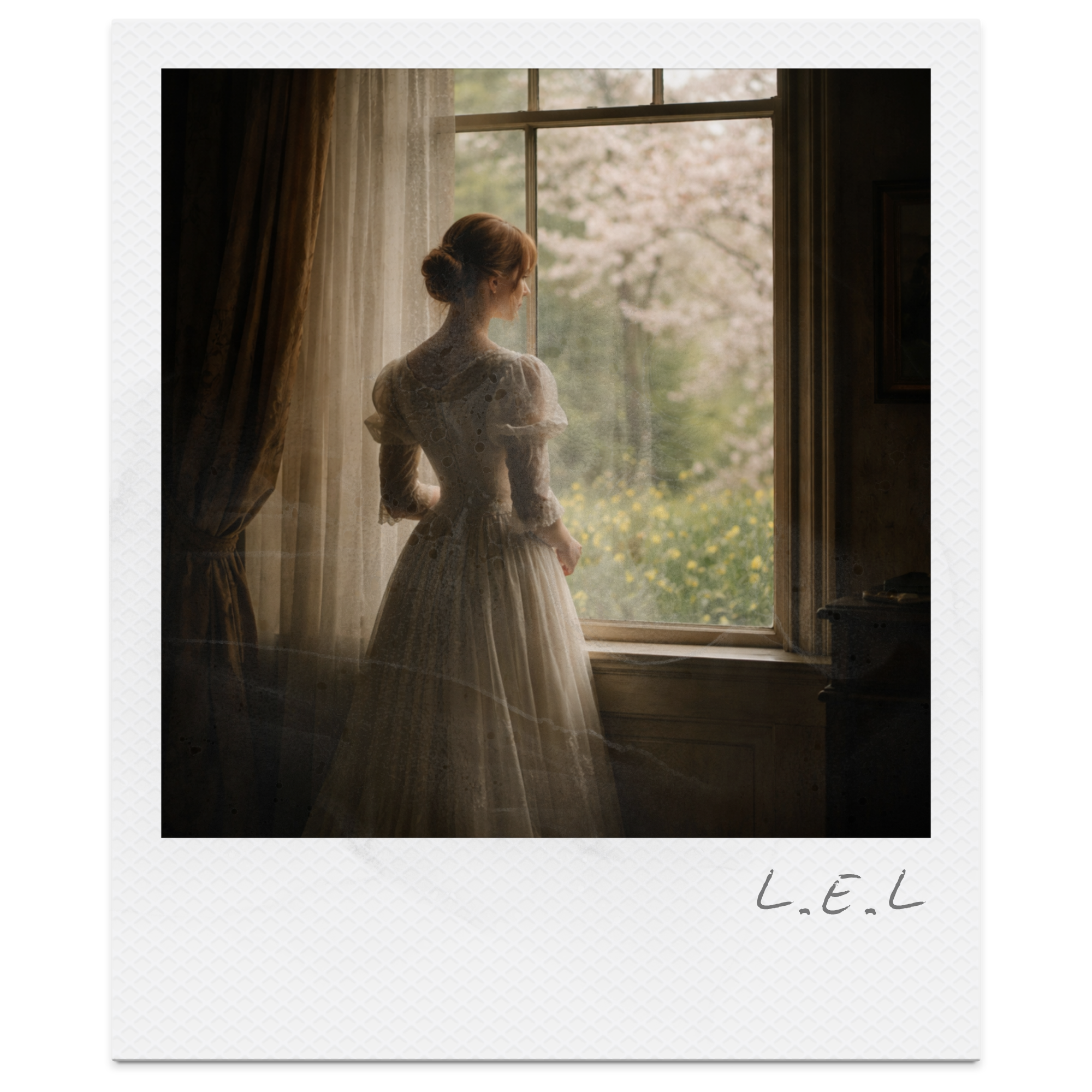
L.E.L. by Christina Rossetti: Summary, Themes, Symbolism & Analysis
Christina Rossetti’s L.E.L. explores unfulfilled love, emotional isolation, and the tension between public performance and private suffering. Through its repeated refrain and vivid spring imagery, the poem contrasts a lively, outward persona with a deeply lonely inner life, revealing how easily pain can remain hidden beneath social appearances. This analysis examines Rossetti’s use of structure, symbolism, and religious imagery to present longing as both a personal and spiritual experience. It considers how the poem moves from quiet despair toward deferred hope, suggesting that love denied in the present may find fulfilment beyond earthly life.

A Helpmeet for Him by Christina Rossetti: Summary, Themes, Symbolism & Analysis
Christina Rossetti’s A Helpmeet for Him explores gender roles, hidden strength, and Victorian ideals of womanhood, presenting a seemingly traditional view of female identity while subtly questioning its limitations. Through repetition, paradox, and controlled structure, the poem suggests that submission may conceal a deeper form of influence. This analysis examines the poem’s themes, symbolism, and structure, as well as its exploration of power, dependency, and identity. Ideal for students and teachers, it offers a clear summary alongside detailed interpretation to support deeper understanding of Rossetti’s work.
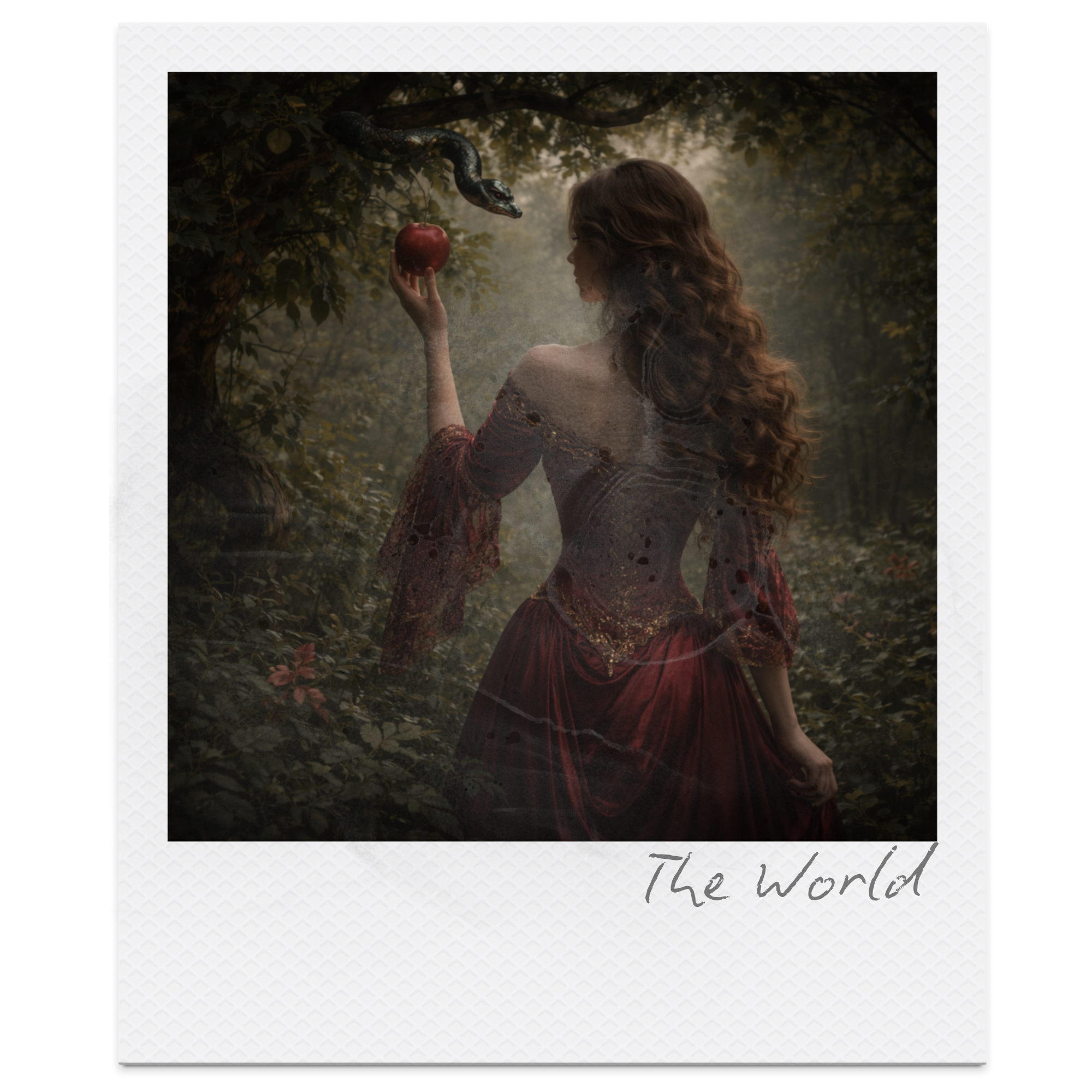
The World by Christina Rossetti: Summary, Themes, Symbolism & Analysis
Christina Rossetti’s The World is a powerful sonnet exploring temptation, deception, and spiritual corruption. Through the striking image of a beautiful woman who transforms into something monstrous, Rossetti exposes the danger of trusting outward appearances. The poem contrasts seductive daytime beauty with terrifying night-time revelation, suggesting that worldly pleasures often conceal deeper moral consequences. This analysis explores Rossetti’s use of religious imagery, symbolism, and dramatic contrast to reveal the gap between appearance and truth. By examining the poem’s structure, themes, and key lines, readers can better understand how The World functions as a warning about the seductive power of worldly desire and the importance of moral choice.
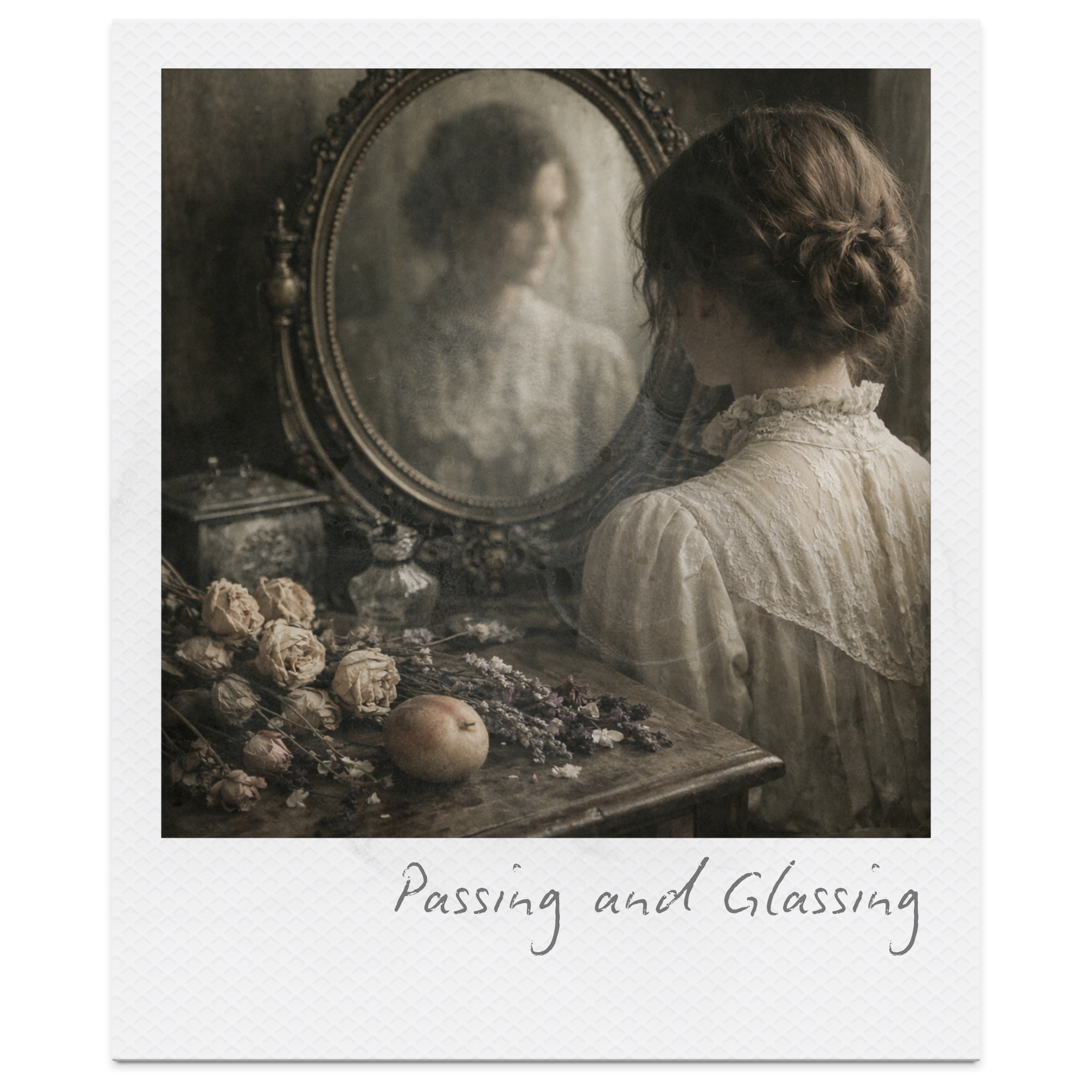
Passing and Glassing by Christina Rossetti: Summary, Themes, Symbolism & Analysis
Christina Rossetti’s Passing and Glassing is a reflective poem exploring aging, transience, memory, and the development of wisdom through time. Using symbolic imagery of fading flowers, fallen fruit, and preserved scents, Rossetti suggests that the natural world functions as a mirror reflecting human life. What begins as a meditation on the fading of beauty gradually expands into a deeper reflection on how experience shapes understanding. This analysis explores the poem’s imagery, symbolism, structure, and philosophical ideas, showing how Rossetti moves from personal reflection on aging toward a broader meditation on human experience. Through close reading of the poem’s language and imagery, we can see how Passing and Glassing transforms the passing of time into a source of perspective and insight.
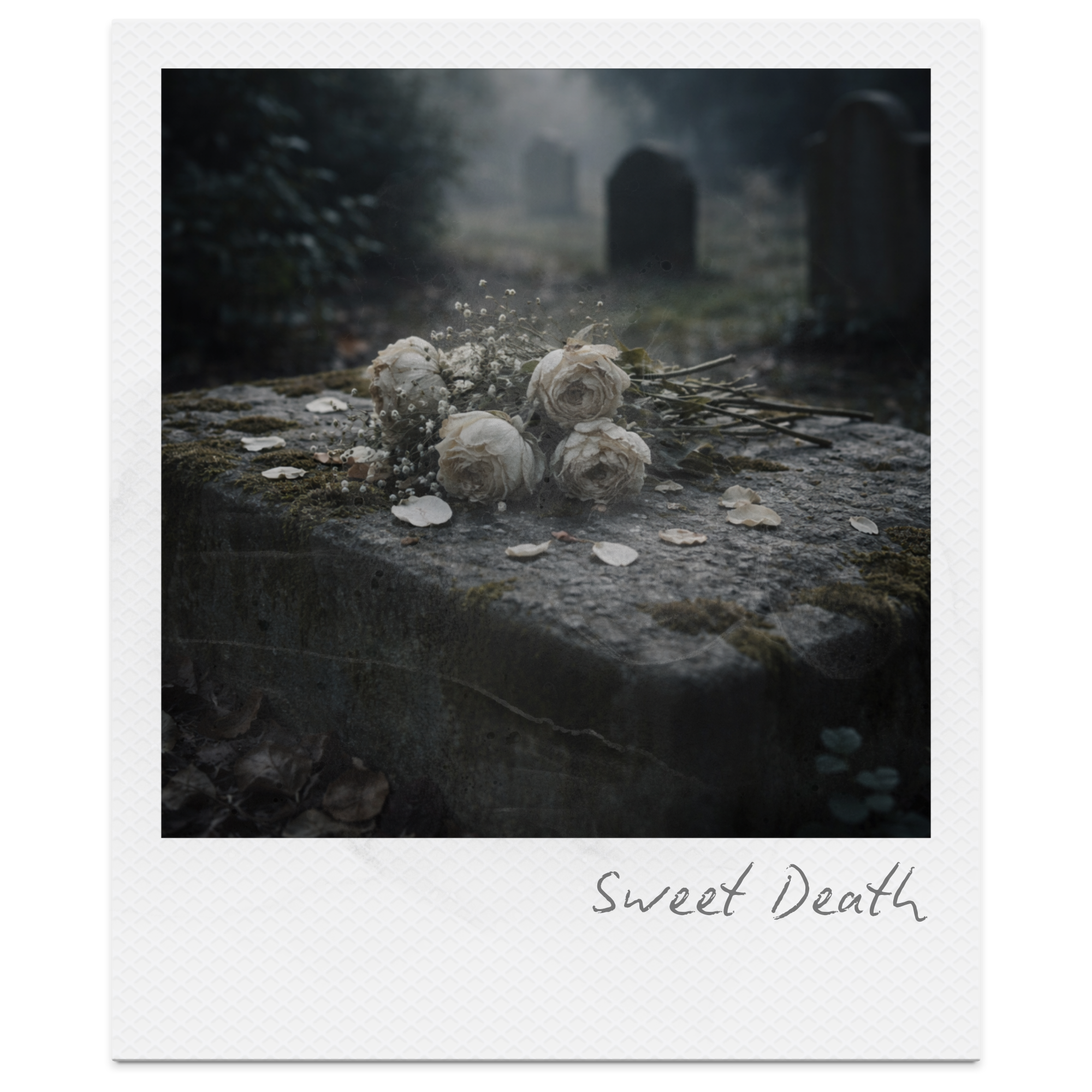
Sweet Death by Christina Rossetti: Summary, Themes, Symbolism & Analysis
Christina Rossetti’s Sweet Death is a reflective poem that explores mortality, the passing of youth and beauty, and the promise of spiritual rest. Through vivid imagery drawn from nature, Rossetti observes how blossoms fall, colours fade, and life gradually returns to the earth. These natural processes become a metaphor for human life, suggesting that death is not simply an ending but part of a larger cycle of transformation and renewal. As the poem develops, Rossetti moves beyond the natural world to consider a deeper spiritual perspective. The fading of earthly beauty is contrasted with the enduring presence of God, saints, and divine rest, implying that true permanence lies beyond human life. In this way, Sweet Death encourages readers to view mortality not with fear, but with a sense of acceptance, presenting death as a transition toward lasting peace rather than a final loss.
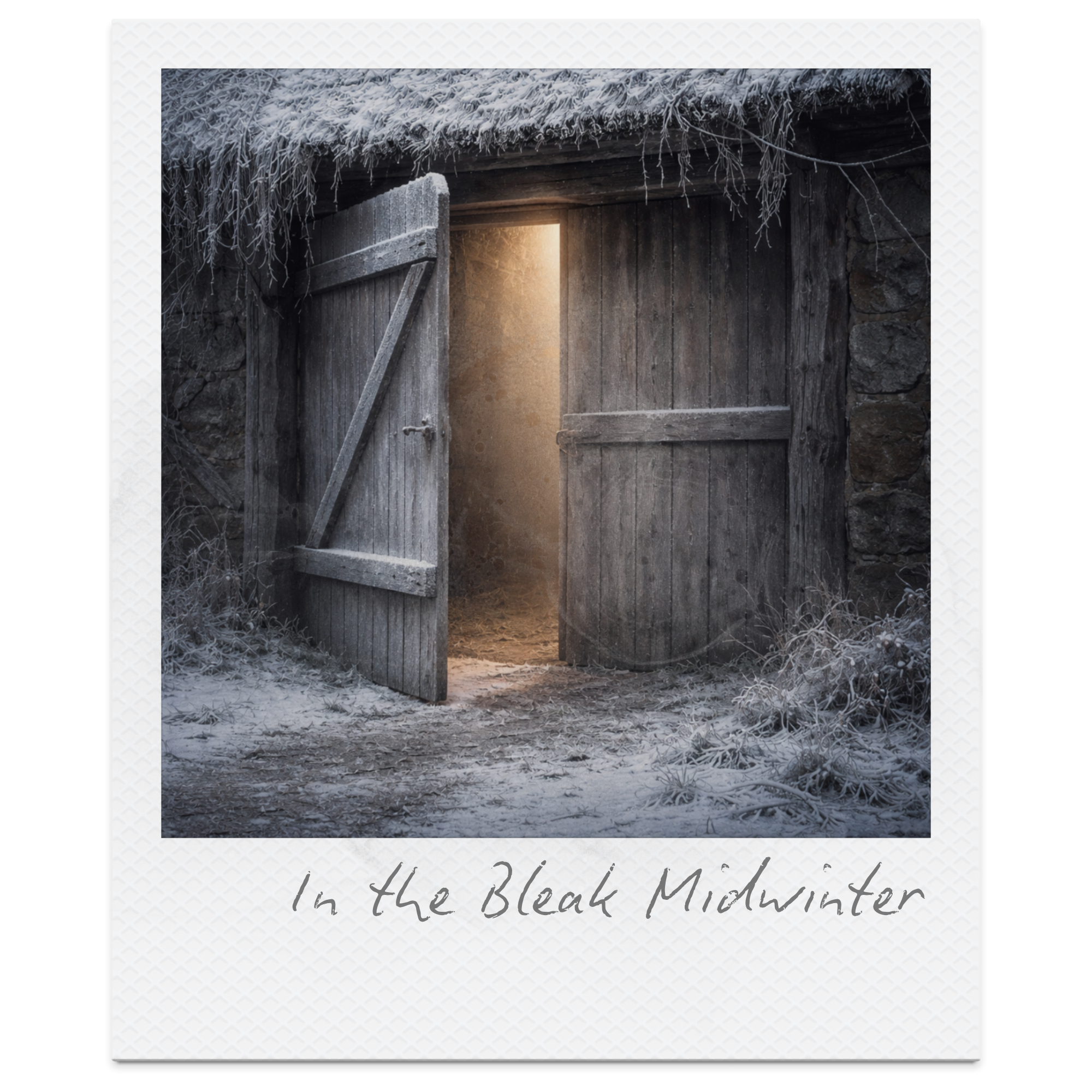
In the Bleak Midwinter by Christina Rossetti: Summary, Themes, Symbolism & Analysis
Christina Rossetti’s In the Bleak Midwinter is a devotional lyric that reflects on the Nativity through the stark imagery of a frozen winter landscape. The poem contrasts the vast power of God with the humility of Christ’s birth in a simple stable, using quiet, hymn-like language to explore themes of faith, humility, and divine incarnation. As the poem progresses, Rossetti shifts from describing the sacred scene to asking a deeply personal question: what can an ordinary person offer to the divine? The poem ultimately suggests that material gifts are less important than sincere spiritual devotion, concluding that the most meaningful offering is the gift of the heart.

A Birthday by Christina Rossetti: Summary, Themes, Symbolism & Analysis
Christina Rossetti’s A Birthday celebrates the arrival of love through rich imagery, musical language, and powerful symbolism. In this detailed analysis, the poem is explored through its themes of romantic fulfilment, emotional rebirth, abundance, and devotion, showing how Rossetti transforms a moment of love into a joyful declaration that life itself has begun anew. This guide examines the poem’s structure, imagery, key quotations, techniques, and themes, alongside alternative interpretations and classroom teaching ideas. Ideal for GCSE, IGCSE, and A Level literature study, the analysis helps readers understand how Rossetti uses poetic form and symbolism to present love as a moment of profound emotional transformation.

Confluents by Christina Rossetti: Summary, Themes, Symbolism & Analysis
Christina Rossetti’s Confluents explores spiritual longing, devotion, and the desire for union through a series of natural comparisons. Rivers flowing toward the sea, roses opening to sunlight, and dew rising into the air all reflect the speaker’s belief that the soul instinctively seeks connection with something greater than itself. This analysis examines the poem’s imagery, symbolism, structure, and key quotations, showing how Rossetti uses natural processes to represent emotional and spiritual yearning. It also explores the poem’s themes of faith, distance, and hope, offering interpretations and teaching ideas suitable for GCSE, A Level, and secondary English literature study.
As Froth on the Face of the Deep by Christina Rossetti: Summary, Themes, Symbolism & Analysis
Christina Rossetti’s As Froth on the Face of the Deep is a reflective poem that explores the fragility and brevity of human life. Through the striking metaphor of foam appearing briefly on the surface of the ocean, the poem presents existence as something temporary and delicate when compared with the vast forces of nature. This analysis examines the poem’s imagery, symbolism, structure, and themes, exploring how Rossetti uses simple natural comparisons to reflect on mortality, impermanence, and spiritual perspective. The poem invites readers to consider the fleeting nature of human existence and the wider philosophical questions that arise from recognising life’s limited span.
Who Shall Deliver Me? Poem Analysis: Themes, Symbolism, Structure & Meaning
Christina Rossetti’s Who Shall Deliver Me? explores the experience of inner conflict, self-division, and spiritual struggle. In this intense devotional lyric, the speaker presents the self as both burden and adversary, describing the exhausting task of living with one’s own weaknesses and moral failures. Through imagery of weight, confinement, and betrayal, Rossetti reveals how the greatest obstacles to peace may arise from within the self. This analysis explores the poem’s themes, symbolism, structure, and key techniques, with detailed stanza-by-stanza commentary and multiple interpretations. It examines how Rossetti presents the divided self, the demands of moral discipline, and the possibility of redemption through divine intervention.
A Better Resurrection by Christina Rossetti: Summary, Themes, Symbolism & Analysis
Christina Rossetti’s A Better Resurrection is a powerful Victorian poem exploring spiritual exhaustion, faith, redemption, and inner renewal. Through striking imagery of faded leaves, frozen landscapes, and broken vessels, Rossetti presents a speaker who feels emotionally depleted yet continues to hope for transformation. The poem gradually moves from despair toward the possibility of spiritual rebirth and renewal. This analysis explores the poem’s themes, symbolism, structure, and key techniques, including its hymn-like refrain and extended metaphors. With stanza-by-stanza commentary, multiple interpretations, and teaching ideas, this guide helps readers examine how Rossetti presents the journey from spiritual emptiness to hopeful transformation.

Up-Hill by Christina Rossetti: Summary, Meaning, Themes & Analysis
Christina Rossetti’s “Up-Hill” is a deceptively simple poem that explores life as a difficult journey toward spiritual rest. Structured as a dialogue between a questioning traveller and a reassuring guide, the poem addresses universal concerns about perseverance, faith, uncertainty, and the promise of belonging at the end of life’s struggles. Through its clear symbolism and steady rhythm, Rossetti transforms an ordinary travel scene into a powerful Christian allegory about endurance and salvation. This guide offers a detailed summary, meaning, themes, and analysis of Up-Hill, exploring Rossetti’s use of dialogue, metaphor, rhyme, and symbolism. It also examines how the poem reflects Victorian religious ideas about faith, perseverance, and eternal rest, while providing classroom-ready insights for students studying Rossetti’s poetry.
The Thread of Life by Christina Rossetti: Summary, Meaning & Analysis
Christina Rossetti’s The Thread of Life is a reflective sonnet sequence exploring identity, solitude, and spiritual purpose. Across three interconnected sonnets, Rossetti traces the speaker’s journey from a sense of emotional distance and inner isolation to a deeper understanding of the self as something both limiting and meaningful. Through imagery of separation, self-possession, and Christian redemption, the poem gradually transforms the idea of the self from a prison into a spiritual offering. This guide provides a clear summary, stanza-by-stanza analysis, key quotes, themes, and teaching ideas to help readers understand how Rossetti uses language, structure, and biblical allusion to develop her meditation on human identity. Whether you are studying Rossetti’s poetry, teaching the poem in the classroom, or exploring Victorian devotional literature, this analysis examines how The Thread of Life moves from psychological introspection toward spiritual resolution.