Sweet Death by Christina Rossetti: Summary, Themes, Symbolism & Analysis
Christina Rossetti’s Sweet Death explores the relationship between mortality, spiritual acceptance, and the transient beauty of earthly life. Through images of fading blossoms, graves, and the natural cycle of growth and decay, Rossetti reflects on how death is woven into the very fabric of existence. Rather than presenting death as purely tragic, the poem suggests that it may possess a deeper spiritual purpose and quiet inevitability.
At the centre of the poem is the contrast between earthly beauty and eternal spiritual truth. Flowers, youth, and physical beauty all fade with time, yet Rossetti frames this process as part of a larger divine order. By linking the natural cycle of life and decay with Christian ideas of salvation and heavenly reward, the poem ultimately presents death not as a loss but as a transition toward something more enduring and sacred.
In this analysis, we will explore the poem’s imagery, symbolism, structure, and philosophical ideas, examining how Rossetti transforms the natural imagery of fading blossoms into a meditation on faith, mortality, and spiritual fulfilment. You can explore more of Rossetti’s poetry in our Christina Rossetti Poetry Hub, or browse further poetry studies in the Literature Library.

Context of Sweet Death
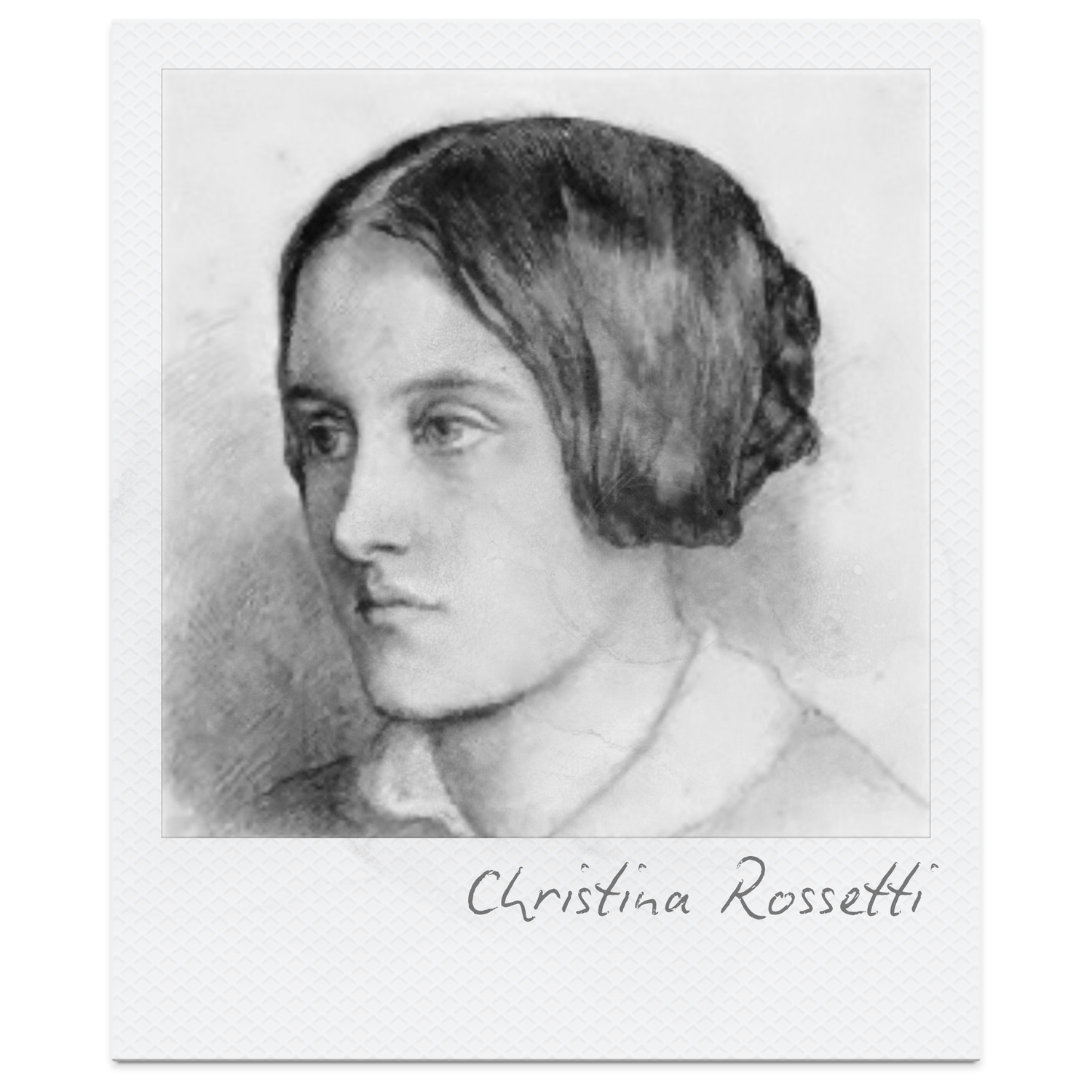
Christina Rossetti’s Sweet Death reflects many of the concerns that appear throughout her devotional poetry, particularly the relationship between earthly life, mortality, and spiritual fulfilment. Rossetti often explored how the temporary beauty of the physical world contrasts with the permanence of divine truth. In this poem, images of fading flowers, graves, and the passing of youth become symbols of the inevitable cycle of life and death, reminding the reader that earthly existence is fragile and short-lived.
The poem also reflects the strong influence of Victorian Christian belief on Rossetti’s work. As a deeply religious poet associated with the Anglican High Church tradition, Rossetti frequently presented death not as a tragic ending but as a transition toward eternal life with God. In Sweet Death, this perspective is visible in the poem’s final stanza, where the speaker accepts the fading of youth and beauty while turning toward the promise of saints, angels, and divine rest.
Rossetti also draws on imagery commonly associated with Victorian mourning culture, particularly the symbolism of flowers placed on graves. In the poem, blossoms fall and nourish the earth from which they came, suggesting that death is part of a natural process of renewal rather than simple loss. Through this imagery, Rossetti connects the cycles of nature with spiritual ideas about resurrection and eternal life.
For a broader discussion of Rossetti’s life, religious beliefs, and literary influences, see our Christina Rossetti context post, which explores how Victorian faith, culture, and personal experience shaped many of her most important poems.
Sweet Death: At a Glance
Form: Devotional lyric poem with regular stanza structure and reflective imagery
Mood: Reflective, contemplative, and spiritually accepting
Central tension: The contrast between the fleeting beauty of earthly life and the promise of lasting spiritual fulfilment beyond death
Core themes: Mortality, the passing of beauty and youth, spiritual acceptance of death, the cycle of life and renewal, faith in divine eternity
One-sentence meaning:
Rossetti’s poem suggests that while youth, beauty, and earthly life inevitably fade, death may represent not loss but a transition toward spiritual fulfilment and eternal rest with God.
Quick Summary of Sweet Death
The poem opens with the speaker observing how flowers placed upon graves eventually wither and fall. As the speaker walks through the churchyard, they notice that the blossoms lose their petals and fragrance over time. These natural images highlight the fragile beauty of life, suggesting that even the most delicate and vibrant forms of existence cannot escape the passage of time.
The second stanza develops this idea further by describing how flowers that fall from the graves return to the earth from which they originally grew. Their brief life is followed by a form of renewal, as their decay nourishes the soil. Rossetti presents death not as destruction but as part of a natural cycle of growth, fading, and regeneration, suggesting that death may possess its own quiet form of sweetness.
In the final stanza, the poem moves from natural imagery toward a more explicitly spiritual reflection. The fading of youth and beauty becomes another example of life’s transience. Rather than mourning this loss, the speaker accepts it as part of God’s design, suggesting that spiritual fulfilment and divine rest offer something greater than earthly beauty. The poem ultimately concludes that the promise of eternal life and divine peace makes the passing of earthly things easier to accept.
Title, Form, Structure, and Metre
Rossetti’s formal choices in Sweet Death reinforce the poem’s quiet meditation on mortality, spiritual reflection, and the passing of earthly beauty. Through balanced stanza structure and controlled rhythm, the poem unfolds gradually, allowing the speaker’s observations of nature to develop into a broader contemplation of death, faith, and eternal life.
Title
The title Sweet Death immediately introduces the poem’s central paradox. Death is typically associated with loss and sorrow, yet Rossetti describes it as “sweet,” suggesting a perspective shaped by religious acceptance and spiritual hope. The title prepares the reader for a poem that does not present death as purely tragic, but instead explores how death may hold a deeper spiritual meaning within a Christian worldview.
Form and Structure
The poem is organised into three eight-line stanzas, often referred to as octaves. This balanced stanza structure gives the poem a sense of calm order and progression. Each stanza develops a stage in the poem’s meditation: the first reflects on flowers fading upon graves, the second considers the natural cycle of decay and renewal, and the third moves toward a religious acceptance of mortality and divine rest.
This structural progression mirrors the speaker’s shift in perspective. The poem begins with careful observation of the physical world, focusing on images of flowers, graves, and passing time. As the poem develops, these natural images become symbolic reflections on the fate of human life, youth, and beauty. By the final stanza, the poem moves beyond the natural world entirely, turning toward the promise of spiritual fulfilment and eternal life with God.
Rhyme Scheme and Poetic Pattern
Rossetti uses a consistent rhyme scheme that reinforces the poem’s sense of balance and reflection. Each octave follows a pattern that echoes across the poem, creating a steady musical rhythm that supports its contemplative tone. The repetition of rhyme sounds across the stanzas helps to unify the poem’s imagery of flowers, graves, and fading beauty, emphasising the idea that life, decay, and renewal are part of a continuous cycle.
The repeated rhyme patterns also slow the pace of the poem, encouraging the reader to dwell on the images Rossetti presents. This measured structure contributes to the poem’s atmosphere of quiet meditation, reflecting the speaker’s thoughtful movement from observing nature to contemplating spiritual truths.
Metre and Rhythmic Movement
Much of the poem is written in a rhythm that loosely resembles iambic pentameter, a metre built from five iambs—metrical feet consisting of an unstressed syllable followed by a stressed syllable. Lines written in this pattern typically contain ten syllables, creating the steady rising rhythm characteristic of much English poetry.
For example, the line:
The SWEET | est BLOSS | oms DIE
demonstrates the rising rhythm typical of iambic movement, though Rossetti does not strictly maintain this pattern in every line. Instead, she allows the rhythm to vary slightly across the poem, producing a more natural and reflective flow.
This flexibility in metre contributes to the poem’s gentle, contemplative pace. Rather than enforcing a rigid rhythmic structure, Rossetti uses a loosely controlled pattern that allows the language to feel thoughtful and meditative, echoing the poem’s gradual movement from earthly observation toward spiritual reflection.
Speaker of Sweet Death
The speaker of Sweet Death appears as a reflective observer contemplating the relationship between nature, mortality, and spiritual truth. Rather than presenting a dramatic or emotional narrative voice, the speaker adopts a calm and thoughtful tone, describing the scene of a churchyard and the fading flowers placed upon graves. This observational perspective allows the poem to begin with quiet reflection on the natural world, grounding its philosophical ideas in everyday imagery.
At first, the speaker focuses on the physical details of the setting. The act of walking to church and crossing the churchyard suggests a moment of private contemplation, as the speaker notices how blossoms fall from graves and how their fragrance fades. These observations create a sense of gentle melancholy, emphasising the temporary nature of beauty and life.
As the poem develops, however, the speaker’s voice becomes more explicitly philosophical and devotional. The reflections on flowers gradually expand into a meditation on the fate of youth, beauty, and human life itself. By the final stanza, the speaker turns directly toward God, acknowledging divine authority and expressing acceptance of life’s inevitable end. This shift reveals the speaker not only as an observer of nature but also as a believer who interprets mortality through religious faith and spiritual hope.
Through this evolving perspective, Rossetti presents a speaker who moves from observation to spiritual understanding, transforming simple images of fading flowers into a broader reflection on the meaning of life and the promise of eternal rest.
Stanza-by-Stanza Analysis of Sweet Death
A close reading of Sweet Death reveals how Rossetti develops her meditation on mortality, spiritual faith, and the fleeting nature of earthly beauty. The poem moves gradually from observation of the natural world toward a deeper reflection on human life and divine truth. Each stanza expands the speaker’s understanding of death, beginning with the fading of flowers, then considering the cycle of life and decay, and finally arriving at a spiritual acceptance of mortality.
Stanza 1: The Transience of Beauty and Life
The opening stanza introduces the poem’s central reflection on the fragility of beauty and the inevitability of death. The line “The sweetest blossoms die” establishes the poem’s core metaphor, linking flowers with the fleeting nature of life. Blossoms often symbolise youth, beauty, and vitality, yet Rossetti immediately reminds the reader that even the most delicate and vibrant forms of life must eventually fade.
The speaker situates this reflection within a quiet moment of daily religious routine, describing how they walk “day by day / Unto the church to praise and pray.” This setting grounds the poem within a Christian devotional context, suggesting that the speaker’s meditation on death arises from a space of prayer and contemplation. The repeated journey to church also emphasises the rhythm of ordinary life, contrasting with the awareness that life itself is temporary.
As the speaker crosses the “green churchyard thoughtfully,” the poem focuses on the physical details of the scene. Flowers placed upon graves begin to lose their petals, shedding their “fresh leaves in showers.” This image captures the gradual process of decay, showing how beauty fades gently rather than suddenly. The image of falling petals suggests both loss and quiet natural transformation, reinforcing the idea that death is part of an ongoing cycle.
Through this progression, Rossetti transforms simple natural imagery into a meditation on the contrast between temporary earthly existence and lasting spiritual fulfilment.
Stanza 2: Death as Renewal within the Natural Cycle
The second stanza develops the poem’s meditation on mortality and transformation, extending the floral imagery introduced earlier. The opening line, “The youngest blossoms die,” intensifies the sense of fragility by emphasising that even new and youthful life cannot escape death. This idea reinforces Rossetti’s reflection on the inevitability of mortality, suggesting that death does not wait for age or decline but remains a universal condition of existence.
Rossetti then shifts attention to what happens after the blossoms fall. The flowers “fall and nourish the rich earth / From which they lately had their birth,” presenting death not simply as loss but as part of a natural cycle of renewal and regeneration. The fallen blossoms return to the soil that originally sustained them, creating a sense of continuity between life and death. This image suggests that decay may serve a purpose, allowing new life to grow from what has passed away.
The line “Sweet life, but sweeter death that passeth by” introduces one of the poem’s most striking paradoxes. While life is described as “sweet,” the speaker suggests that death may be “sweeter” still. This surprising idea reflects Rossetti’s broader spiritual perspective, implying that death may offer a form of peace or release beyond the struggles of earthly existence. The phrase “as though it had not been” further emphasises the quiet, almost effortless passage of life into death.
The stanza concludes by returning to the imagery of colour and scent. As the flowers decay, their bright colours disappear and their fragrance fades, until “all colors turn to green.” The landscape becomes unified beneath the enduring presence of grass, which symbolises continuity and lasting growth. In this way, Rossetti presents death not as a final ending but as a transformation within the natural order, where individual beauty fades but the broader cycle of life continues.
Stanza 3: Spiritual Acceptance of Death
The final stanza expands the poem’s meditation on mortality by applying the earlier imagery of fading blossoms to human life itself. The line “And youth and beauty die” directly parallels the earlier references to dying flowers, reinforcing the poem’s central idea that human beauty and vitality are as temporary as the natural world. By placing this statement at the beginning of the stanza, Rossetti emphasises that the same cycle observed in nature also governs human existence.
However, the tone of the stanza shifts noticeably from observation to religious acceptance and affirmation. The speaker addresses God directly, declaring “So be it, O my God, Thou God of truth.” This moment signals a movement from reflection to faith, suggesting that the inevitability of death should be accepted as part of divine order and truth. Rather than lamenting the passing of youth and beauty, the speaker places greater value on the spiritual community of “Saints and Angels,” which represents the promise of eternal life beyond the physical world.
Rossetti then deepens this devotional perspective by describing God as “our Rest and Ease.” This phrase suggests that death is not merely the end of life but a transition into peace, comfort, and spiritual fulfilment. The poem therefore reinterprets mortality not as loss but as a movement toward something more lasting and meaningful than earthly beauty.
Key Quotes from Sweet Death
Rossetti’s poem uses natural imagery, religious reflection, and philosophical questioning to explore the relationship between mortality, beauty, and spiritual fulfilment. The following quotations highlight key moments where the poem’s ideas about life, death, and faith become most clearly expressed.
“The sweetest blossoms die”
◆ This opening line establishes the poem’s central metaphor, linking flowers with youth, beauty, and the fragility of life.
◆ The image suggests that even the most delicate and vibrant forms of existence must eventually fade.
◆ By beginning with this observation, Rossetti frames the poem as a meditation on the inevitability of death within the natural world.
“Unto the church to praise and pray”
◆ This line situates the poem within a religious and devotional setting, grounding the speaker’s reflections in Christian faith.
◆ The routine of going “day by day” suggests quiet contemplation and spiritual discipline.
◆ The church setting prepares the reader for the poem’s later shift toward explicit theological reflection.
“Crossing the green churchyard thoughtfully”
◆ The churchyard setting symbolises the meeting point between life, death, and spiritual remembrance.
◆ The adverb “thoughtfully” emphasises the speaker’s reflective state of mind.
◆ This moment of quiet observation allows natural imagery to develop into philosophical meditation.
“Shed their fresh leaves in showers”
◆ The falling petals create a vivid image of gradual decay and fading beauty.
◆ The word “showers” suggests a gentle, continuous process rather than sudden loss.
◆ This image reinforces the poem’s theme that death occurs as part of nature’s ongoing cycle.
“The youngest blossoms die”
◆ This line intensifies the earlier image by emphasising that even new and youthful life is fragile.
◆ The phrase suggests that mortality is universal and does not depend on age or maturity.
◆ Rossetti reinforces the idea that death remains an unavoidable part of existence.
“Sweet life, but sweeter death”
◆ This striking paradox introduces the poem’s central philosophical claim.
◆ While life is described as “sweet,” death is presented as even more desirable.
◆ The line reflects Rossetti’s Christian belief that death may lead to greater spiritual fulfilment.
“All colors turn to green”
◆ This image symbolises the erasure of individual beauty within the wider natural cycle.
◆ Bright colours fade until the landscape becomes unified under the enduring green of grass.
◆ The line suggests that individual life may pass away while nature itself continues.
“And youth and beauty die”
◆ This line extends the poem’s natural imagery to human life.
◆ Youth and beauty are presented as temporary qualities that inevitably fade.
◆ The statement reinforces the poem’s reflection on the fleeting nature of earthly existence.
“Thou, O Lord, our Rest and Ease”
◆ The speaker directly addresses God, marking the poem’s transition to explicit religious affirmation.
◆ The phrase suggests that true peace and fulfilment come from spiritual union with God rather than earthly life.
◆ Death is therefore framed as a movement toward divine comfort and rest.
“Why should we shrink from our full harvest?”
◆ This rhetorical question introduces the poem’s final reflection on death.
◆ The metaphor of harvest suggests the natural completion of life’s cycle.
◆ Rossetti implies that fearing death may mean refusing the full spiritual reward promised by faith.
Key Techniques in Sweet Death
Rossetti uses a range of poetic and rhetorical techniques to develop the poem’s meditation on mortality, nature, and spiritual fulfilment. Through vivid imagery, repetition, and biblical reference, the poem gradually transforms observations of the natural world into a reflection on faith, death, and the promise of eternal life.
◆ Imagery – Rossetti uses vivid natural imagery to illustrate the fleeting nature of life. Descriptions of flowers shedding petals, fading colours, and disappearing fragrance allow the reader to visualise the gradual process of decay. These sensory details transform the churchyard scene into a symbolic reflection on the transience of beauty and the inevitability of death.
◆ Anaphora – The repeated use of the conjunction “And” at the beginning of several lines creates a rhythmic progression that mirrors the speaker’s reflective observations. This repetition helps the poem move gently from one idea to the next, reinforcing the sense of quiet contemplation and gradual philosophical development.
◆ Personification – Rossetti occasionally gives abstract qualities or natural elements human-like behaviour. For example, colours are described as turning and hues as vanishing, while fragrance appears to “fly.” These descriptions animate the natural world, emphasising that life and decay form part of an active and continuous cycle.
◆ Symbolism – The flowers that appear throughout the poem symbolise youth, beauty, and the fragility of human life. Their falling petals and fading colours represent the passing of time and the inevitability of mortality. Through this symbolism, Rossetti connects the cycle of nature to broader reflections on human existence and spiritual destiny.
◆ Rhetorical Question – The poem concludes with a rhetorical question that challenges the reader’s perception of death: “Why should we shrink from our full harvest?” Rather than providing a direct answer, the question encourages reflection, suggesting that death should not be feared if it leads toward spiritual fulfilment and divine reward.
◆ Biblical Allusion – Rossetti references the biblical story of Ruth through the image of “glean[ing] with Ruth.” In the Book of Ruth, gleaning refers to gathering leftover grain after the harvest. By invoking this image, Rossetti contrasts the idea of settling for small remnants of earthly life with embracing the full spiritual harvest promised by faith.
◆ Paradox – The phrase “Sweet life, but sweeter death” introduces a striking paradox that challenges conventional attitudes toward mortality. By describing death as “sweeter” than life, Rossetti reframes death as a potential source of peace, rest, and spiritual fulfilment, rather than merely an end to existence.
◆ Extended Metaphor – Rossetti develops a sustained comparison between flowers and human life. Blossoms symbolise youth and beauty, while their fading reflects the inevitability of mortality. As the poem progresses, this metaphor expands from the natural world to include human experience, culminating in the statement that “youth and beauty die.”
◆ Parallel Structure – Each stanza begins with a similar statement: “The sweetest blossoms die,” “The youngest blossoms die,” and “And youth and beauty die.” This structural repetition gradually broadens the poem’s focus, moving from flowers, to nature’s cycle, and finally to human life itself, reinforcing the universality of mortality.
◆ Contrast – Rossetti repeatedly contrasts earthly beauty with spiritual permanence. Images of fading colour and vanishing fragrance are set against references to saints, angels, and divine rest, emphasising the poem’s argument that while earthly life is temporary, spiritual fulfilment is enduring.
◆ Religious Diction – Words and phrases such as “praise,” “pray,” “God of truth,” and “Saints and Angels” establish the poem’s devotional tone. This religious language frames the poem as a spiritual meditation on mortality and faith, guiding the reader toward the conclusion that death may lead to eternal peace.
Key Themes in Sweet Death
Rossetti’s Sweet Death explores profound questions about mortality, beauty, faith, and spiritual fulfilment. Through natural imagery and religious reflection, the poem moves from observing the fading of flowers to a broader meditation on human life and the promise of eternal rest.
Mortality
A central theme of the poem is the inevitability of death as a universal condition of existence. Rossetti begins with the observation that even “the sweetest blossoms die,” using the natural world to illustrate the certainty of mortality. This idea gradually expands from flowers to human life itself, culminating in the statement that “youth and beauty die.” The poem therefore presents death not as an exception but as an unavoidable part of the human experience.
The Passing of Beauty and Youth
Closely connected to mortality is the theme of the fleeting nature of beauty and youth. The blossoms that appear throughout the poem symbolise freshness, vitality, and aesthetic beauty, yet they inevitably fade. Rossetti uses this imagery to suggest that physical beauty and youthful vitality cannot endure. By extending the metaphor from flowers to human life, the poem emphasises that earthly beauty is temporary and subject to decay.
Spiritual Acceptance of Death
Rather than presenting death as purely tragic, the poem ultimately encourages spiritual acceptance of mortality. In the final stanza, the speaker addresses God directly, acknowledging divine truth and accepting the passing of youth and beauty. This shift in tone transforms the poem from a meditation on loss into a statement of faith and acceptance, suggesting that death should not be feared when it forms part of God’s design.
The Cycle of Life and Renewal
Rossetti also explores the idea that death participates in a natural cycle of renewal and transformation. When the blossoms fall, they nourish the earth from which they originally grew. This image highlights the interconnectedness of life and death, suggesting that decay may serve a purpose within the broader natural order. Through this imagery, Rossetti portrays death as part of an ongoing process of growth, change, and regeneration.
Faith in Divine Eternity
The poem ultimately contrasts the temporary nature of earthly life with the promise of eternal spiritual fulfilment. References to saints, angels, and divine rest suggest that true permanence lies not in physical beauty but in spiritual union with God. By the poem’s conclusion, Rossetti suggests that death represents a transition toward this eternal reality, making it possible to view mortality not as loss but as a movement toward lasting peace and divine truth.
The Limits of Earthly Existence
Another important theme is the recognition that human life is limited in both time and experience. The fading blossoms and disappearing colours emphasise how quickly earthly pleasures and achievements pass away. Rossetti contrasts this temporary existence with the stability of spiritual life, suggesting that human fulfilment ultimately lies beyond the physical world.
Through these themes, Sweet Death presents mortality not simply as an ending but as part of a larger spiritual journey, encouraging the reader to view the passing of life through the lens of faith, acceptance, and eternal hope.
Alternative Interpretations of Sweet Death
Like many of Christina Rossetti’s poems, Sweet Death supports multiple interpretations depending on the critical lens applied. While the poem initially appears to present a calm meditation on mortality, different approaches highlight deeper questions about faith, nature, identity, and the meaning of death. These interpretations encourage readers to consider how Rossetti’s imagery and religious language shape the poem’s philosophical implications.
Religious Interpretation: Death as Spiritual Fulfilment
A religious reading interprets the poem as an expression of Rossetti’s deeply held Christian faith. Throughout the poem, the fading of flowers and the passing of youth are framed not as tragedies but as part of a divine order. The final stanza reinforces this perspective through direct references to God, saints, and angels, suggesting that earthly life is temporary while spiritual life is eternal. From this viewpoint, death represents a transition toward divine rest and eternal peace, rather than an ending.
Existential Interpretation: Meaning Within Human Mortality
From an existential perspective, the poem can be understood as a meditation on the limitations of human life. The repeated emphasis on blossoms, youth, and beauty fading highlights the inevitability of mortality. Instead of resisting this truth, the poem invites reflection on how recognising the temporary nature of life may deepen our understanding of existence. In this interpretation, the poem encourages acceptance of mortality as an essential part of the human condition.
Ecocritical Interpretation: The Natural Cycle of Life and Renewal
An ecocritical reading focuses on the poem’s imagery of flowers, earth, and seasonal change. The blossoms that fall eventually nourish the soil, suggesting that death participates in a broader ecological cycle. Through this natural imagery, Rossetti presents life and death as interconnected processes rather than opposites. From this perspective, death becomes part of an ongoing cycle of decay, renewal, and transformation within the natural world.
Feminist Interpretation: Beyond the Value of Youth and Beauty
A feminist interpretation considers the poem’s treatment of youth and beauty, qualities that Victorian society often associated with women’s social value. By emphasising that both youth and beauty inevitably fade, Rossetti challenges the idea that identity should be defined by physical appearance. Instead, the poem suggests that spiritual truth and moral character possess a greater and more lasting significance.
Psychological Interpretation: Acceptance and Emotional Resolution
From a psychological lens, the poem can be interpreted as tracing a movement toward emotional acceptance. The speaker begins by observing death in nature and gradually develops a philosophical understanding of its role in human life. By the final stanza, death is no longer presented as something to fear but as part of a larger spiritual framework. This progression reflects a shift from anxiety about mortality to a state of calm acceptance.
Teaching Ideas for Sweet Death
Christina Rossetti’s Sweet Death provides rich opportunities for exploring imagery, symbolism, faith, and poetic structure. The poem’s reflective tone and clear natural imagery make it particularly effective for practising close reading, discussion, and analytical writing in literature classrooms.
1. Analytical Paragraph Evaluation
A useful activity is to ask students to evaluate and improve an analytical paragraph about the poem. This helps students understand what strong literary analysis looks like and practise developing deeper interpretations.
Begin by giving students the following paragraph:
Christina Rossetti’s Sweet Death presents death as a peaceful and natural part of life. The poem uses imagery of flowers to show how beauty fades over time. When the speaker observes that “the sweetest blossoms die,” the image suggests that youth and beauty cannot last forever. Rossetti also contrasts life and death by suggesting that death may be “sweeter” than life itself. Through these ideas, the poem encourages readers to accept death as a natural and even comforting process.
Students then complete three stages:
◆ Question Writing – Students write possible essay questions that this paragraph could answer. This helps them see how analytical writing connects to larger thematic questions. They can compare their ideas with the questions provided in your Sweet Death essay questions guide.
◆ Evaluating the Paragraph – Students discuss what the paragraph does well and what could be improved. They might consider whether the explanation of imagery is detailed enough or whether the argument could be developed further.
◆ Improvement Task – Students rewrite the paragraph to strengthen it by adding more detailed quotation analysis, clearer interpretation, and deeper explanation of Rossetti’s imagery and symbolism.
This activity encourages students to move beyond summary and develop more thoughtful literary analysis. If you are looking for essay questions based on this poem and other poems by Rossetti, then check out out Rossetti Poetry Questions Post.
2. Symbolism Mapping
Ask students to create a symbolism map of the poem. They identify key images such as flowers, grass, colour, fragrance, and harvest and discuss what each might represent.
Students can explore questions such as:
◆ What do the blossoms symbolise about youth and beauty?
◆ How does the image of flowers returning to the earth reflect the cycle of life and death?
◆ Why might Rossetti compare death to a harvest?
This task helps students see how Rossetti uses the natural world to reflect deeper philosophical and spiritual ideas.
3. Structural Progression Discussion
Students examine how the poem’s structure develops its central idea.
Each stanza begins with a similar statement:
“The sweetest blossoms die”
“The youngest blossoms die”
“And youth and beauty die”
Students discuss how the poem gradually expands its focus:
From flowers in nature
To cycles within the natural world
To human life and spiritual meaning
This activity helps students recognise how Rossetti carefully builds her argument through repetition and structural progression.
4. Context and Belief Discussion
Students explore how Rossetti’s religious beliefs may shape the poem’s message.
Discussion prompts might include:
◆ How does the poem present death differently from many modern perspectives?
◆ Why might the speaker describe death as “sweeter” than life?
◆ How do references to God, saints, and angels influence the tone of the poem?
This activity encourages students to consider how historical and cultural context can shape literary meaning.
Go Deeper into Sweet Death
Christina Rossetti frequently returned to questions of mortality, spiritual endurance, and the fleeting nature of earthly beauty throughout her poetry. Reading Sweet Death alongside other Rossetti poems reveals how she repeatedly explores the tension between human transience and spiritual permanence. The following poems offer particularly useful comparisons for understanding Rossetti’s broader treatment of death, faith, and the passing of time.
◆ Remember – This sonnet also reflects on death and memory, though its emotional focus differs from Sweet Death. While Sweet Death presents mortality as a peaceful and even desirable transition, Remember considers the emotional consequences of death for those left behind. Both poems ultimately emphasise selfless love and acceptance, suggesting that personal attachment must coexist with the reality of mortality.
◆ A Better Resurrection – This poem explores spiritual exhaustion and the longing for renewal, themes closely related to the devotional perspective found in Sweet Death. Whereas Sweet Death frames death as a gentle movement toward divine rest, A Better Resurrection focuses on the speaker’s struggle for spiritual transformation and the hope for inner renewal through faith.
◆ Up-Hill – Rossetti’s Up-Hill presents life as a difficult spiritual journey that ultimately leads to rest at the end of the road. Like Sweet Death, the poem reassures readers that earthly struggle is temporary and that lasting peace lies beyond mortal life. Both poems express the Christian idea that suffering and mortality are part of a larger spiritual path.
◆ Dream Land – In Dream Land, Rossetti imagines a peaceful and distant realm associated with rest, sleep, and emotional withdrawal. While the poem does not directly describe death, its dreamlike landscape echoes the calm acceptance of mortality found in Sweet Death. Both poems create a sense of quiet stillness that reflects Rossetti’s fascination with rest as a spiritual or emotional state.
◆ An Apple-Gathering – This poem also reflects on youth, beauty, and the consequences of human choices. Like Sweet Death, it uses imagery from the natural world to explore how time changes and transforms human experience. However, An Apple-Gathering focuses more on regret and lost innocence, whereas Sweet Death presents the passing of life as part of a meaningful and divinely ordered cycle.
Final Thoughts
Christina Rossetti’s Sweet Death offers a reflective meditation on mortality, faith, and the passing of earthly beauty. Through images of fading blossoms, changing colours, and the quiet stillness of the churchyard, the poem gradually expands its focus from the natural world to the broader human experience. What begins as an observation of nature becomes a philosophical reflection on the inevitability of death and the limits of earthly life.
Rather than presenting death as something frightening, Rossetti reframes it as part of a divinely ordered cycle of life, decay, and renewal. The poem ultimately suggests that youth, beauty, and earthly existence are temporary, while spiritual truth and eternal rest endure beyond them. In doing so, Sweet Death reflects Rossetti’s wider poetic concern with faith, mortality, and the search for lasting meaning beyond the material world.
For more analysis of Rossetti’s poetry, explore the Christina Rossetti Hub and the wider Literature Library, where you can find detailed guides to Rossetti’s poems along with other classic works of poetry and prose.
Choose Your Next Text