Notes from the Inkpot
Writing, teaching, creating - one ink-stained idea at a time.


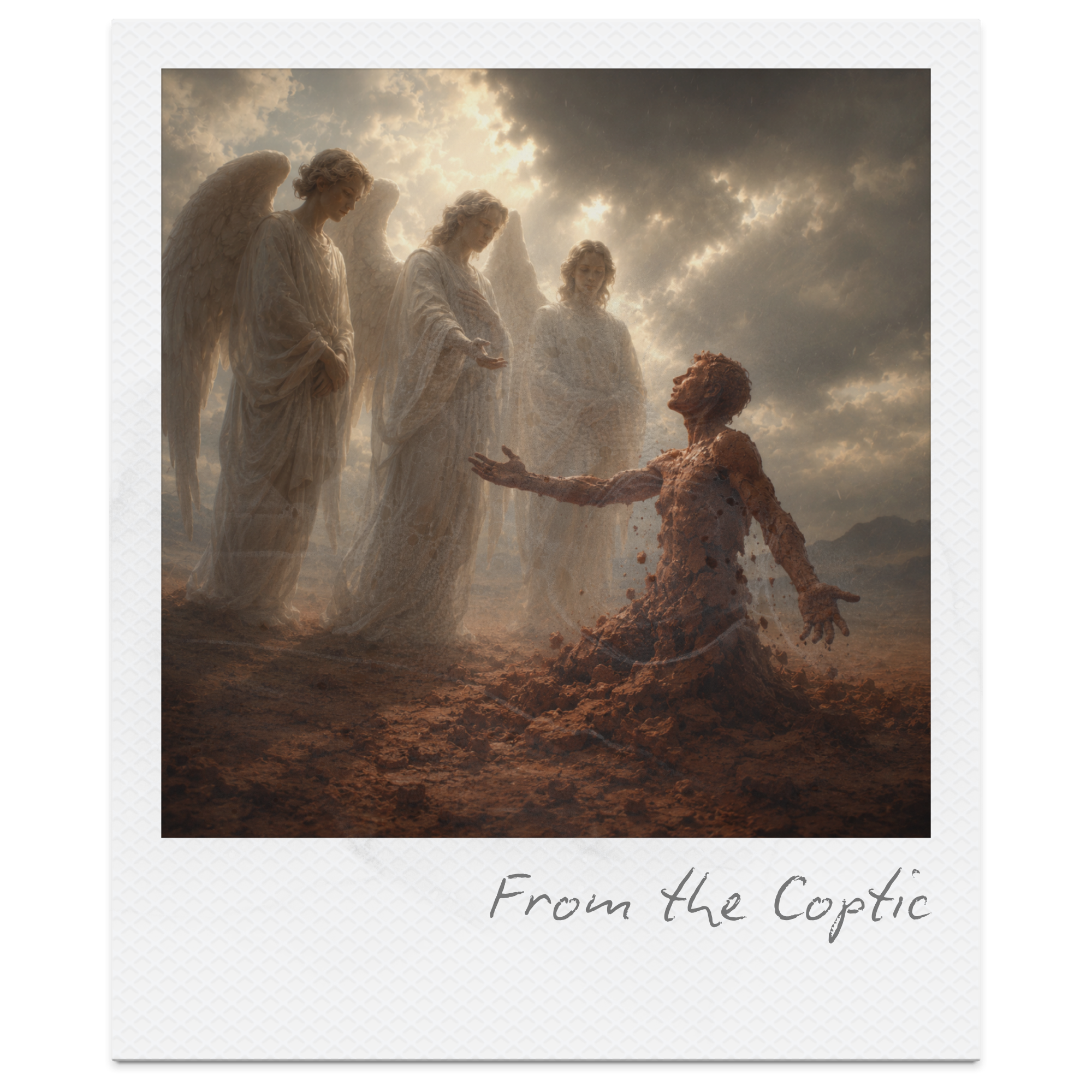
From the Coptic by Stevie Smith: Analysis of Mortality, Choice and the Human Condition
Stevie Smith's From the Coptic is a thought-provoking poem exploring mortality, free will, human existence, and the search for meaning. Framed as a creation myth, the poem imagines a reluctant heap of clay being invited to become human, only agreeing after learning that life has an ending. Through symbolism, dialogue, irony, and paradox, Smith challenges readers to reconsider the relationship between death and the value of existence. This analysis explores the poem's themes, structure, voice, symbolism, literary techniques, and key quotations while examining how Smith presents mortality not as a limitation of life, but as one of the qualities that gives life purpose and significance. Ideal for students studying CIE AS & A Level Literature (9695) Songs of Ourselves Volume 2.

Upon a Wasp Chilled with Cold by Edward Taylor: Analysis of Nature, Faith and Divine Design
Edward Taylor's Upon a Wasp Chilled with Cold is a richly symbolic meditation on nature, faith, and divine design. Beginning with the detailed observation of a wasp recovering from the cold, the poem gradually develops into a reflection on God's presence within creation, exploring how even the smallest creatures can reveal profound spiritual truths. Through personification, extended metaphor, religious symbolism, and vivid natural imagery, Taylor transforms an ordinary encounter into an act of worship. This detailed analysis explores the poem's themes, symbolism, structure, key quotations, literary techniques, alternative interpretations, and anthology comparisons. Examining ideas such as creation as revelation, gratitude, spiritual growth, and observation as a pathway to understanding, the article reveals how Taylor uses a tiny insect to explore humanity's relationship with the divine and the hidden wisdom embedded within the natural world.
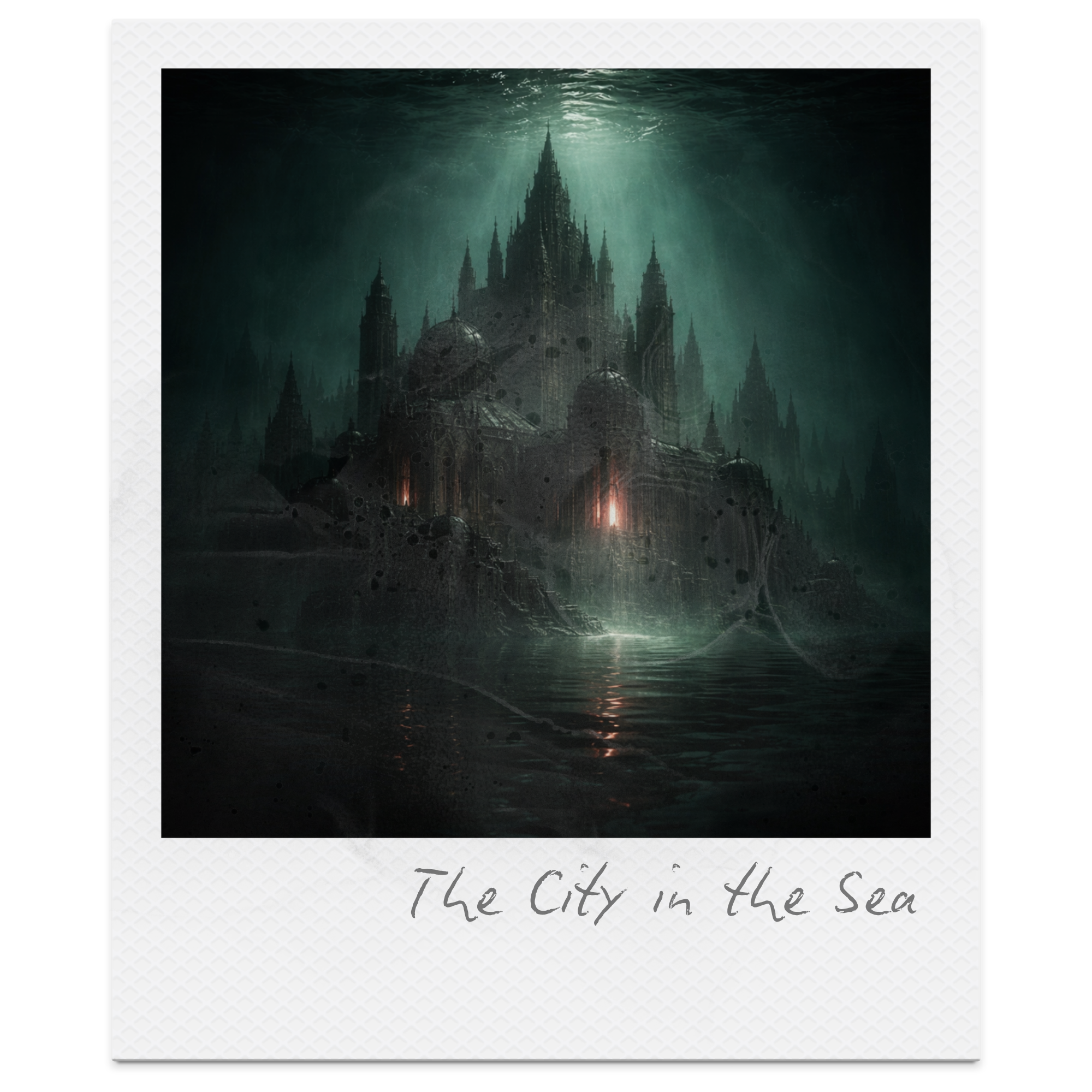
The City in the Sea by Edgar Allan Poe: Summary, Themes, Meaning & Analysis
The City in the Sea by Edgar Allan Poe is a haunting gothic poem that explores death, decay, illusion, and the collapse of civilisation through a strikingly visual and symbolic landscape. Set within a strange, submerged city ruled by Death itself, the poem presents a world suspended in time, where grandeur remains but life has vanished. Through its rich imagery and hypnotic rhythm, Poe constructs an atmosphere of stillness, inversion, and inevitability, where natural order has broken down and reality feels increasingly unstable. As the poem progresses, this eerie stillness begins to fracture, revealing the city’s apparent permanence as an illusion. The final descent transforms the poem into a meditation on time, inevitability, and human insignificance, suggesting that even the most magnificent structures are ultimately consumed by forces beyond control. With its blend of gothic imagery, symbolic depth, and structural precision, The City in the Sea offers a powerful exploration of a world where death is not an end, but a controlling and eternal presence.
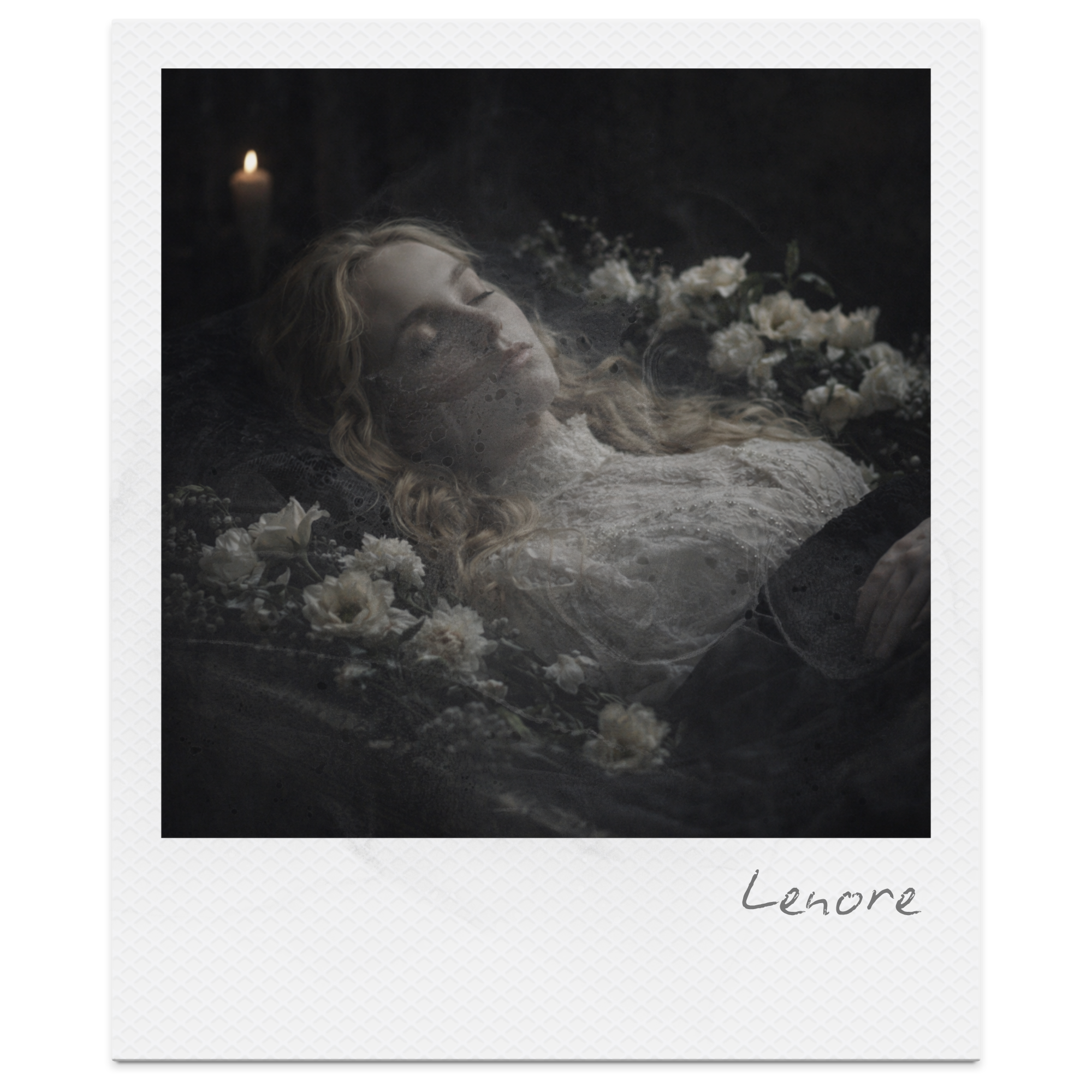
Lenore by Edgar Allan Poe: Summary, Themes, Meaning, Death & Defiance Analysis
Lenore by Edgar Allan Poe is a powerful exploration of death, mourning, and the rejection of false grief, offering a striking contrast to more traditional elegies. Rather than presenting sorrow as the only response to loss, Poe introduces a speaker who challenges ritual mourning and social expectation, exposing the hypocrisy of those who claim to grieve while having wronged the dead in life. Through its dramatic structure and shifting voices, the poem becomes both a lament and a moral confrontation, questioning what it truly means to honour the dead. At the same time, Lenore redefines death as a form of spiritual transcendence, where loss is transformed into elevation. The speaker’s refusal to mourn suggests a deeper tension between grief and denial, leaving readers to question whether his response represents devotion or emotional resistance. Rich in religious imagery, symbolism, and sound, the poem invites multiple interpretations while maintaining a powerful focus on love, loss, and the afterlife, making it an ideal text for both classroom analysis and deeper literary study.
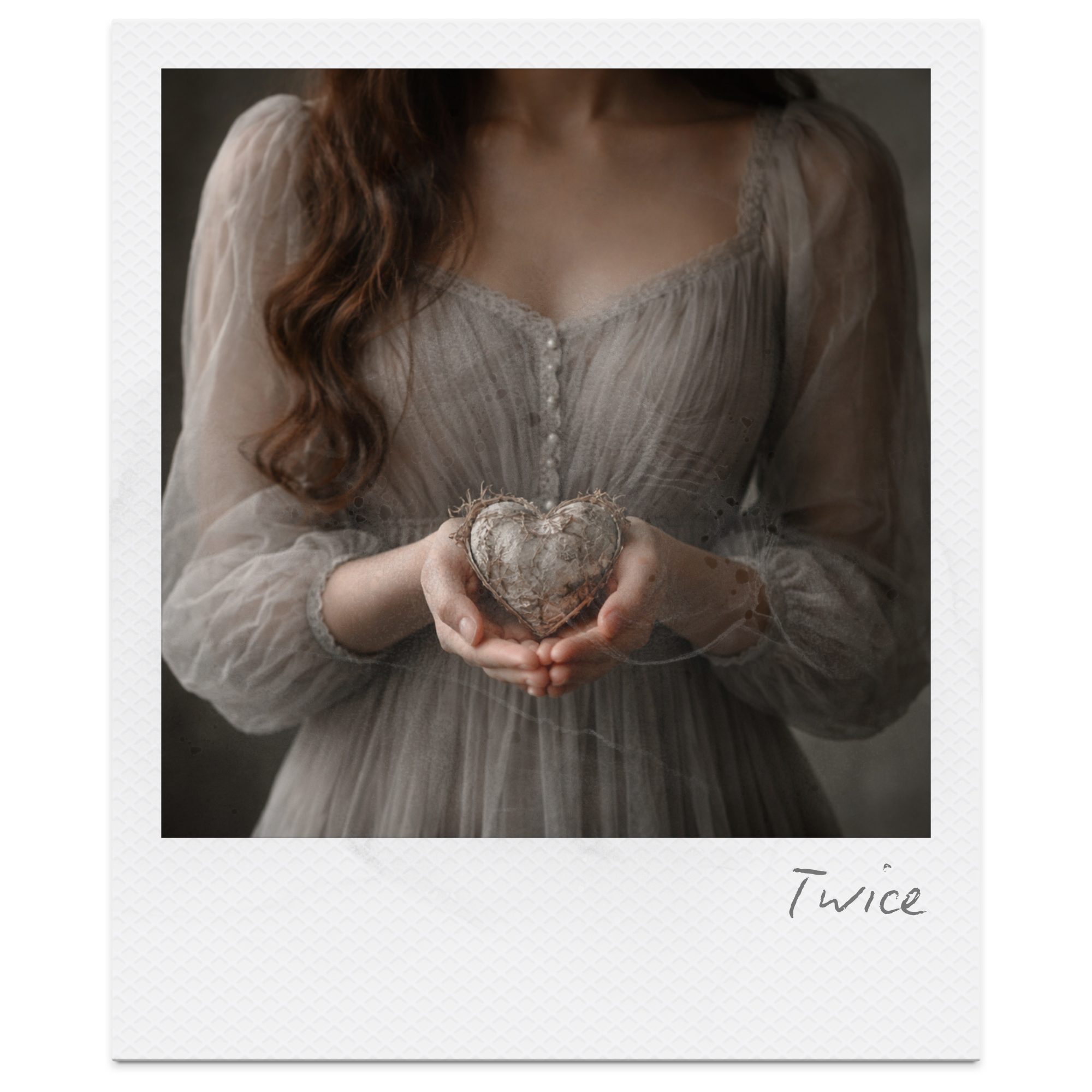
Twice by Christina Rossetti: Summary, Themes, Symbolism & Analysis
Christina Rossetti’s Twice explores the emotional journey of a speaker who offers her heart first to a human lover and then to God, revealing the contrast between human rejection and divine understanding. Through powerful symbolism and structural repetition, Rossetti examines themes of unrequited love, judgement, and emotional vulnerability, showing how easily personal worth can be shaped—and damaged—by external evaluation. As the poem progresses, the speaker transforms her experience of rejection into an opportunity for spiritual redemption, turning away from flawed human judgement toward a more meaningful and enduring form of acceptance. This analysis explores how Rossetti uses imagery, tone, and form to chart this shift, making Twice a compelling study of identity, faith, and the search for lasting fulfilment.
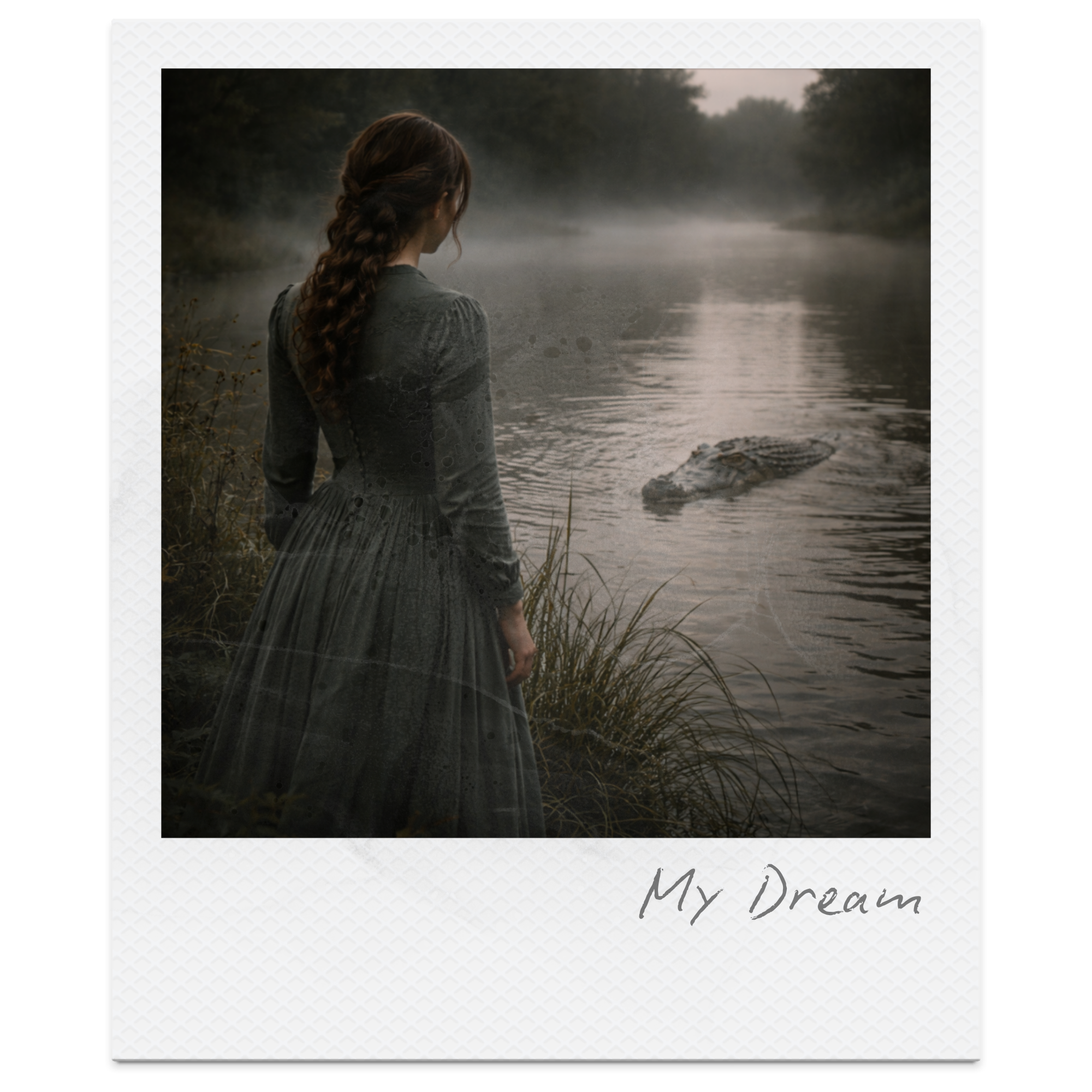
My Dream by Christina Rossetti: Summary, Themes, Symbolism & Analysis
Christina Rossetti’s My Dream presents a dark and symbolic vision of power, corruption, and collapse. Through the rise of a monstrous crocodile who gains dominance through violence and excess, the poem explores how authority built on destruction is ultimately unstable and self-defeating. This analysis examines Rossetti’s use of allegory, imagery, and dream narrative to reveal deeper concerns about human nature, control, and moral consequence. With its ambiguous ending and unsettling symbolism, My Dream invites readers to question how power operates—and what remains when it inevitably fails.

A Helpmeet for Him by Christina Rossetti: Summary, Themes, Symbolism & Analysis
Christina Rossetti’s A Helpmeet for Him explores gender roles, hidden strength, and Victorian ideals of womanhood, presenting a seemingly traditional view of female identity while subtly questioning its limitations. Through repetition, paradox, and controlled structure, the poem suggests that submission may conceal a deeper form of influence. This analysis examines the poem’s themes, symbolism, and structure, as well as its exploration of power, dependency, and identity. Ideal for students and teachers, it offers a clear summary alongside detailed interpretation to support deeper understanding of Rossetti’s work.
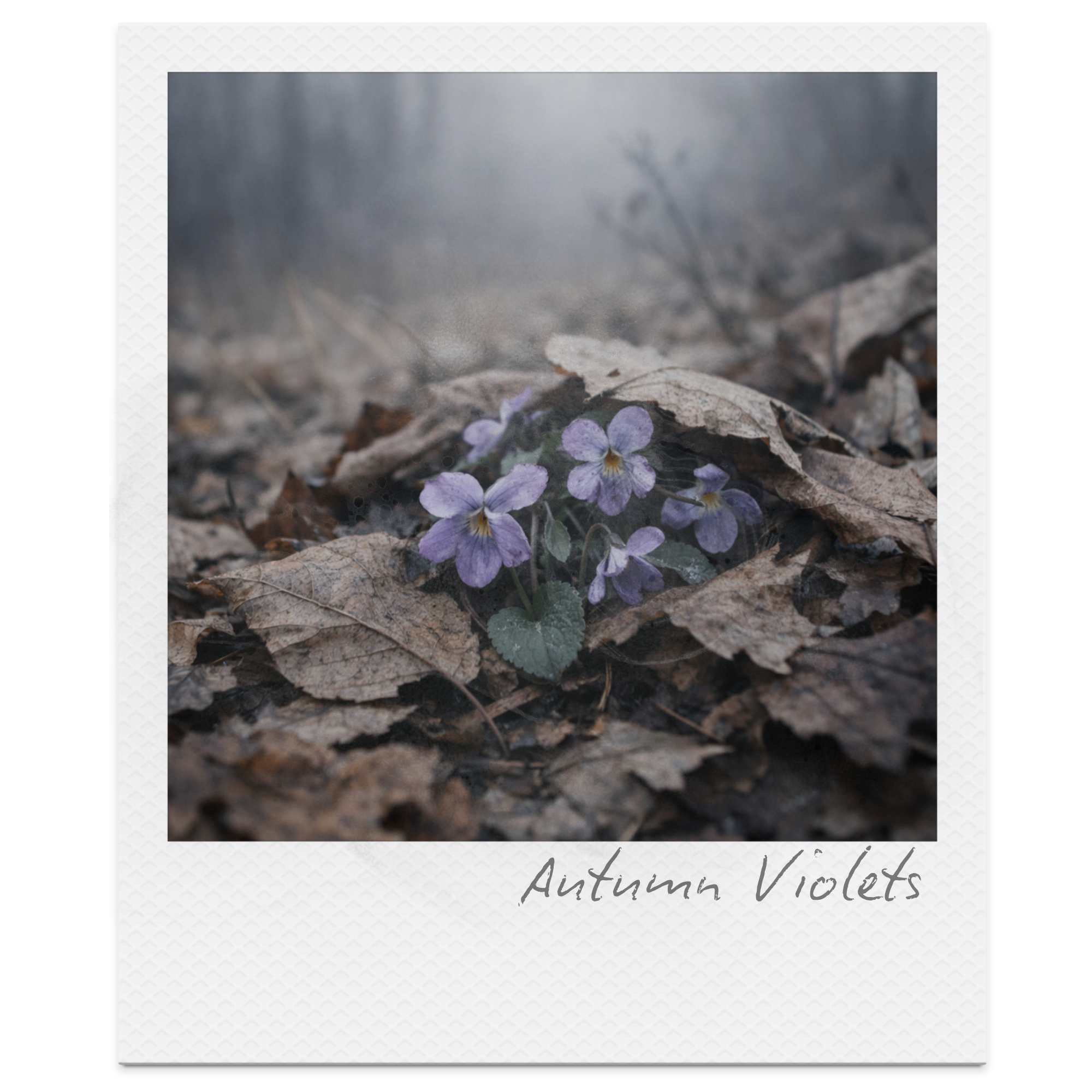
Autumn Violets Christina Rossetti Analysis: Themes, Symbolism, Structure & Key Quotes
Christina Rossetti’s Autumn Violets is a reflective sonnet that explores how love is shaped by time, age, and emotional limitation. Through the delicate image of violets blooming out of season, Rossetti contrasts youthful, idealised love with a quieter, more restrained form of love that emerges later in life. The poem suggests that, like the natural world, emotional experiences follow a pattern, and when they occur outside their “proper” moment, they must be understood differently. In this analysis, we explore Rossetti’s use of seasonal symbolism, structure, and language to examine the relationship between love and timing. With detailed breakdowns of key lines, themes, and techniques, this guide offers a clear and insightful reading of Autumn Violets, revealing how the poem ultimately presents acceptance—not fulfilment—as the defining quality of later love.
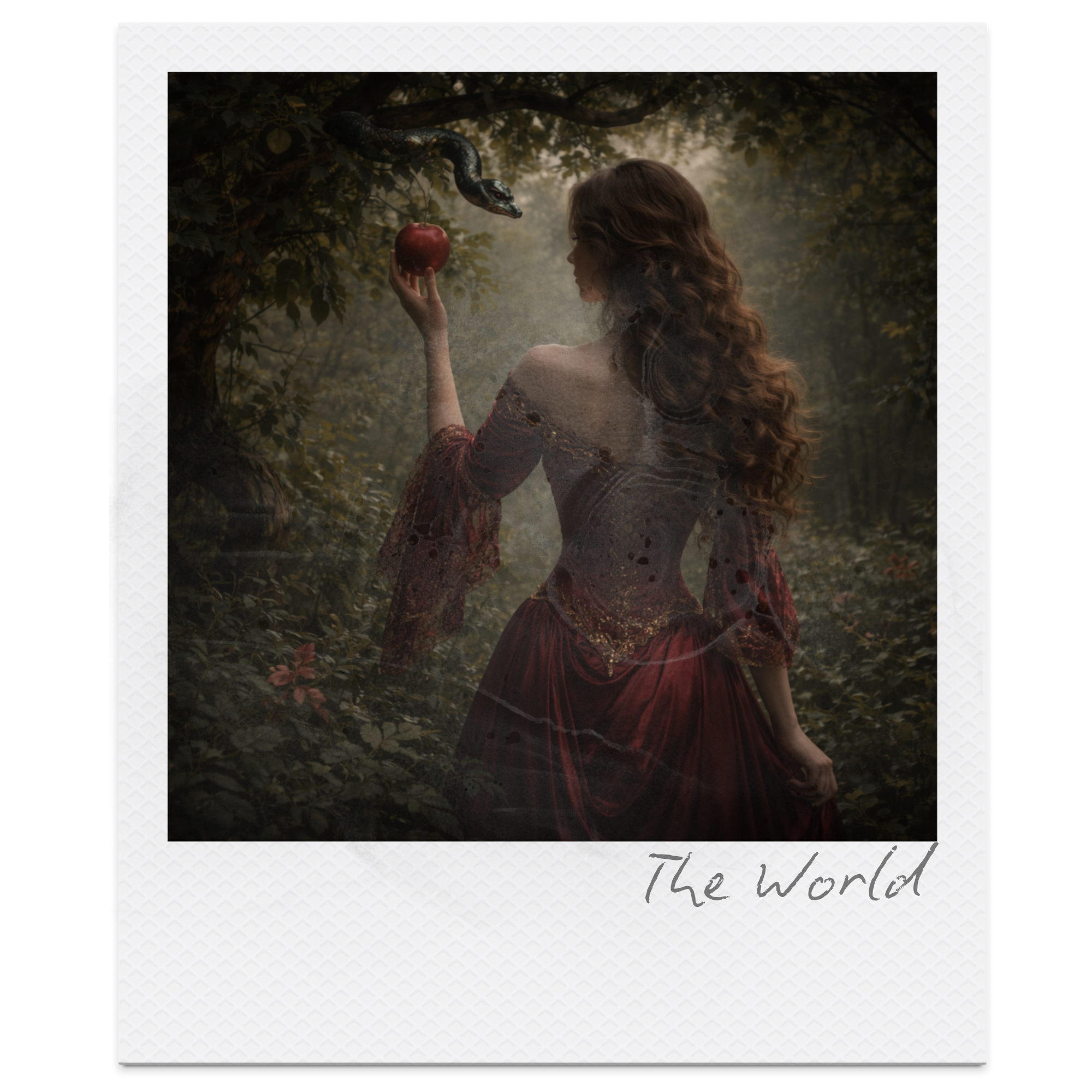
The World by Christina Rossetti: Summary, Themes, Symbolism & Analysis
Christina Rossetti’s The World is a powerful sonnet exploring temptation, deception, and spiritual corruption. Through the striking image of a beautiful woman who transforms into something monstrous, Rossetti exposes the danger of trusting outward appearances. The poem contrasts seductive daytime beauty with terrifying night-time revelation, suggesting that worldly pleasures often conceal deeper moral consequences. This analysis explores Rossetti’s use of religious imagery, symbolism, and dramatic contrast to reveal the gap between appearance and truth. By examining the poem’s structure, themes, and key lines, readers can better understand how The World functions as a warning about the seductive power of worldly desire and the importance of moral choice.
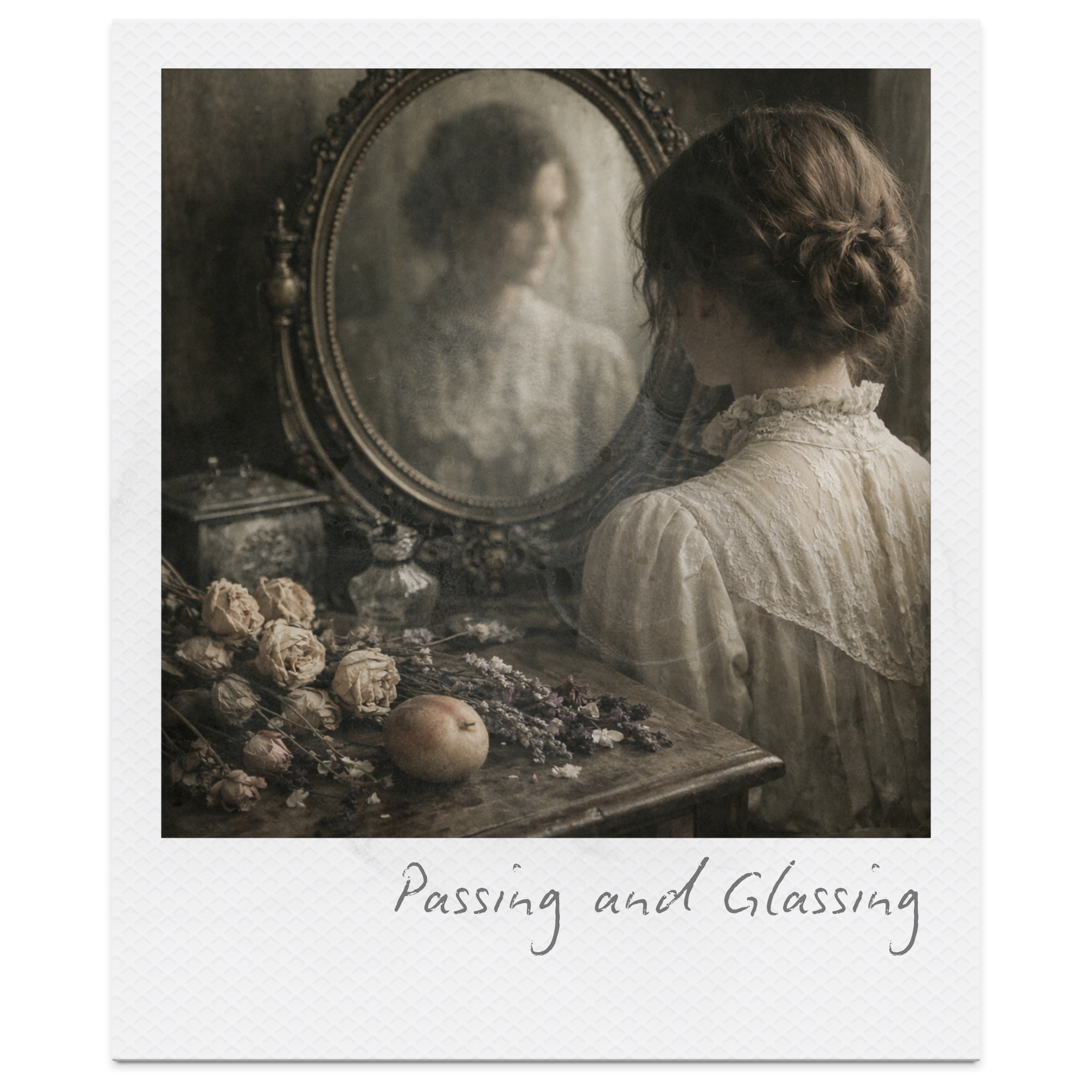
Passing and Glassing by Christina Rossetti: Summary, Themes, Symbolism & Analysis
Christina Rossetti’s Passing and Glassing is a reflective poem exploring aging, transience, memory, and the development of wisdom through time. Using symbolic imagery of fading flowers, fallen fruit, and preserved scents, Rossetti suggests that the natural world functions as a mirror reflecting human life. What begins as a meditation on the fading of beauty gradually expands into a deeper reflection on how experience shapes understanding. This analysis explores the poem’s imagery, symbolism, structure, and philosophical ideas, showing how Rossetti moves from personal reflection on aging toward a broader meditation on human experience. Through close reading of the poem’s language and imagery, we can see how Passing and Glassing transforms the passing of time into a source of perspective and insight.
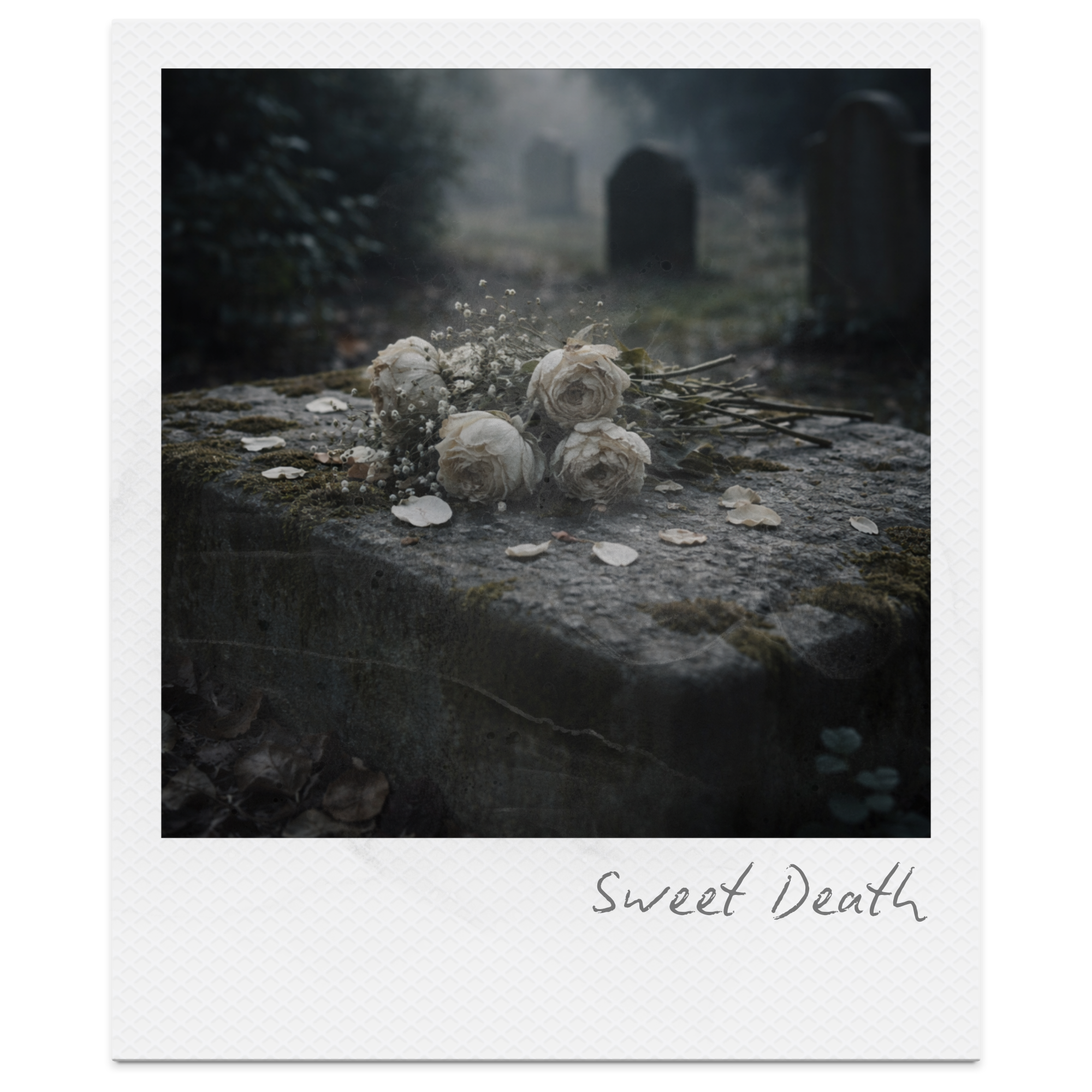
Sweet Death by Christina Rossetti: Summary, Themes, Symbolism & Analysis
Christina Rossetti’s Sweet Death is a reflective poem that explores mortality, the passing of youth and beauty, and the promise of spiritual rest. Through vivid imagery drawn from nature, Rossetti observes how blossoms fall, colours fade, and life gradually returns to the earth. These natural processes become a metaphor for human life, suggesting that death is not simply an ending but part of a larger cycle of transformation and renewal. As the poem develops, Rossetti moves beyond the natural world to consider a deeper spiritual perspective. The fading of earthly beauty is contrasted with the enduring presence of God, saints, and divine rest, implying that true permanence lies beyond human life. In this way, Sweet Death encourages readers to view mortality not with fear, but with a sense of acceptance, presenting death as a transition toward lasting peace rather than a final loss.
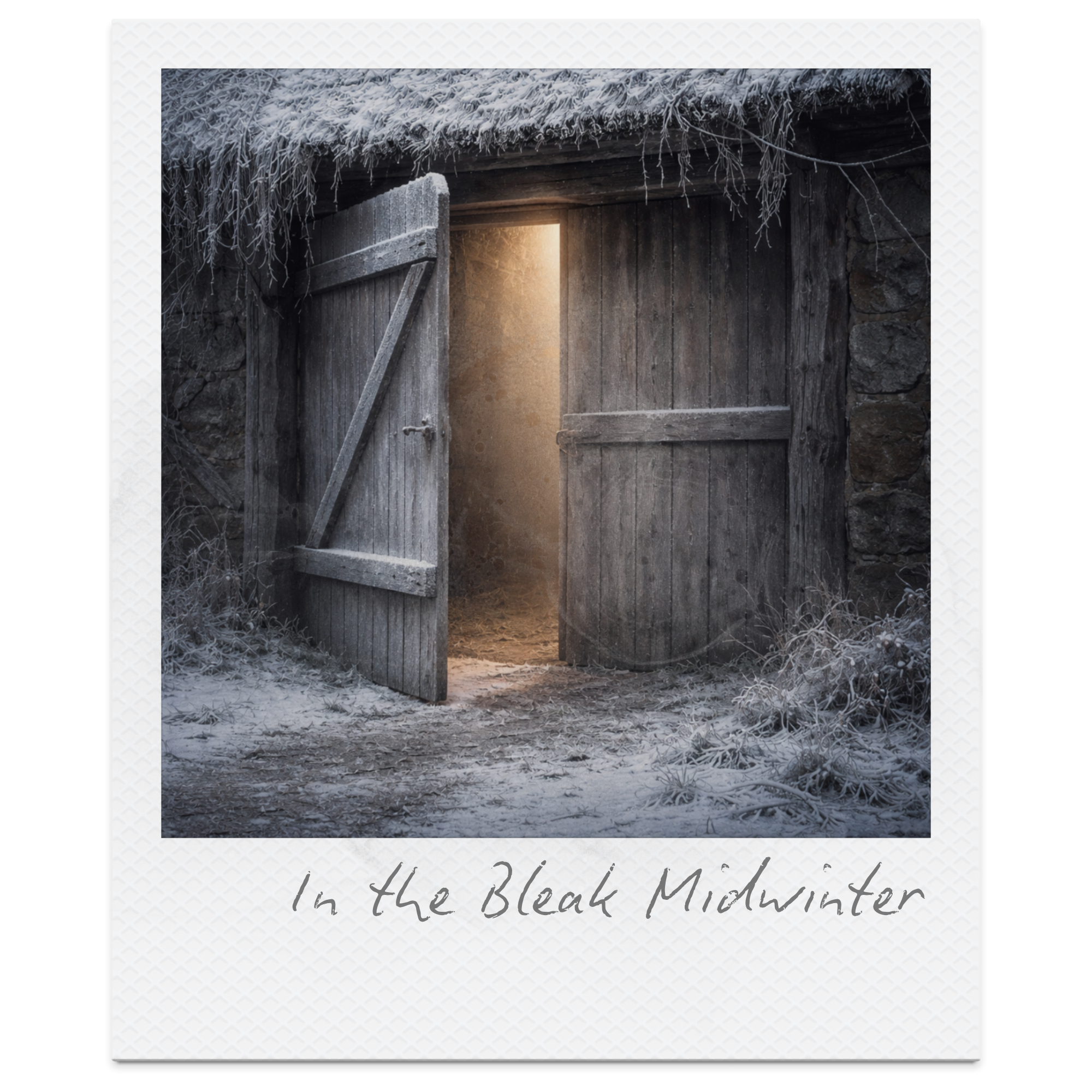
In the Bleak Midwinter by Christina Rossetti: Summary, Themes, Symbolism & Analysis
Christina Rossetti’s In the Bleak Midwinter is a devotional lyric that reflects on the Nativity through the stark imagery of a frozen winter landscape. The poem contrasts the vast power of God with the humility of Christ’s birth in a simple stable, using quiet, hymn-like language to explore themes of faith, humility, and divine incarnation. As the poem progresses, Rossetti shifts from describing the sacred scene to asking a deeply personal question: what can an ordinary person offer to the divine? The poem ultimately suggests that material gifts are less important than sincere spiritual devotion, concluding that the most meaningful offering is the gift of the heart.

Babylon the Great by Christina Rossetti: Summary, Themes, Symbolism & Analysis
Christina Rossetti’s Babylon the Great is a powerful sonnet that draws on imagery from the Book of Revelation to explore themes of temptation, spiritual corruption, and divine judgement. Through vivid symbolism and prophetic warnings, the poem presents Babylon as a seductive yet destructive figure whose outward splendour conceals profound moral decay. This detailed analysis explores the poem’s structure, imagery, symbolism, key quotations, and themes, alongside alternative interpretations and classroom teaching ideas. This guide helps readers understand how Rossetti transforms biblical imagery into a striking poetic warning about the dangers of fascination and moral deception.