Notes from the Inkpot
Writing, teaching, creating - one ink-stained idea at a time.


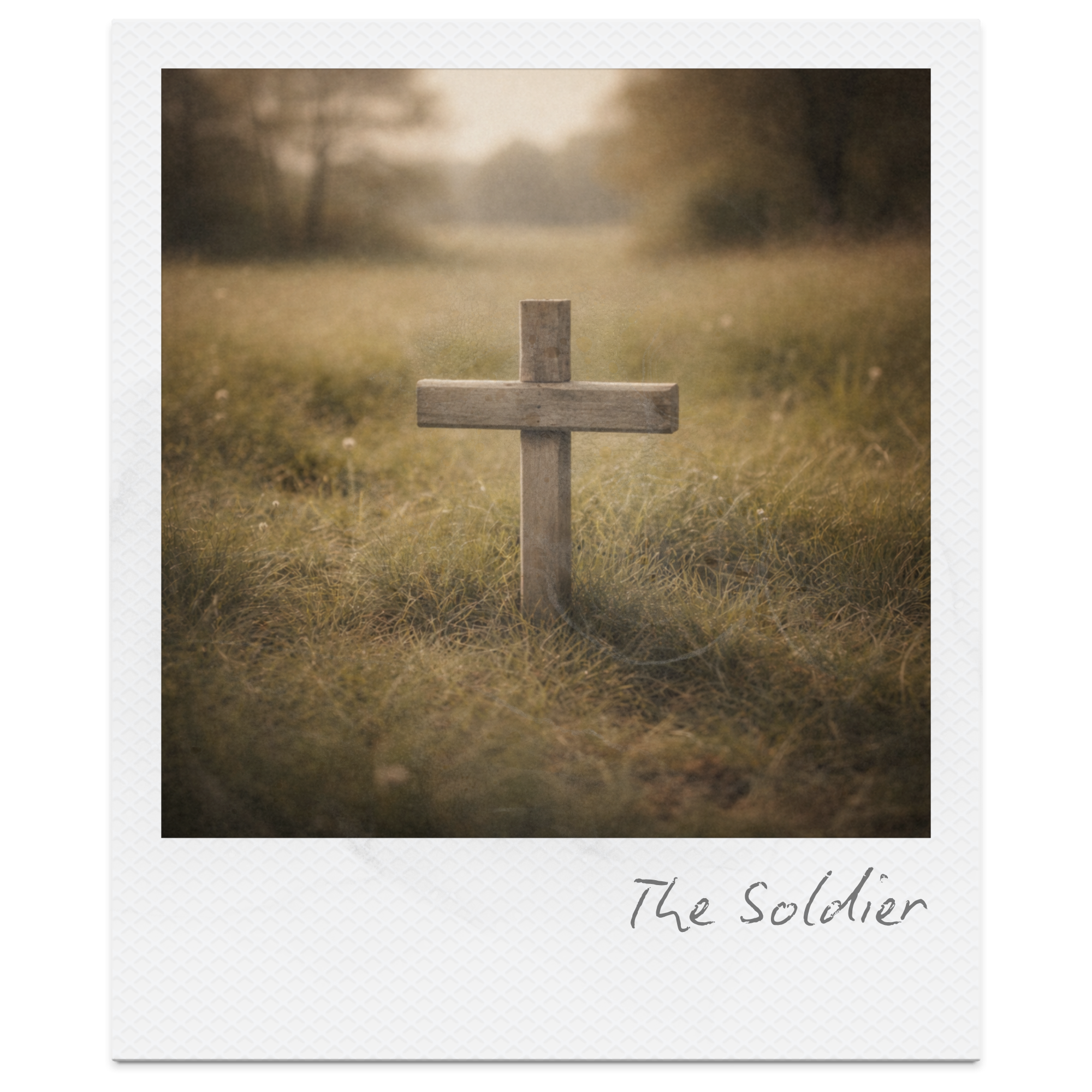
The Soldier by Rupert Brooke: Summary, Themes & Analysis
Explore Rupert Brooke's The Soldier with this comprehensive poetry analysis, examining its themes of patriotism, national identity, sacrifice and spiritual immortality. Discover how Brooke uses sonnet form, pastoral imagery, symbolism and religious language to transform the possibility of death in war into a vision of enduring belonging. Uncover the poem's historical context, key quotations, literary techniques and alternative interpretations, including its idealisation of England and romanticisation of military sacrifice. Explore detailed stanza-by-stanza analysis and thought-provoking teaching ideas to deepen your understanding of this iconic First World War poem. Perfect for students, teachers and literature enthusiasts, this guide also includes comparative poetry suggestions and downloadable classroom resources.
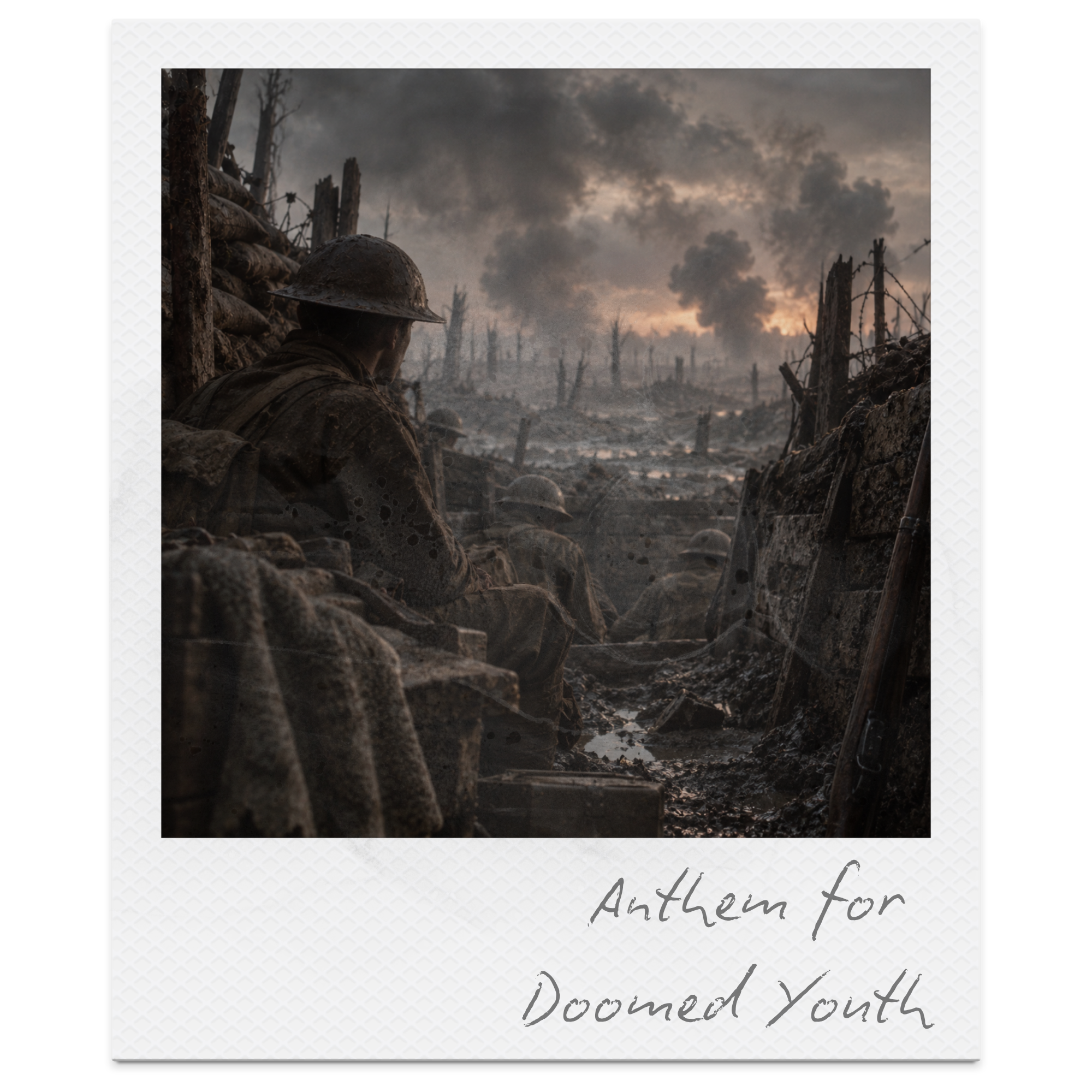
Anthem for Doomed Youth by Wilfred Owen: Summary, Themes & Analysis
Explore Anthem for Doomed Youth by Wilfred Owen with detailed analysis of its meaning, themes, form, structure, metre, symbolism, imagery and poetic techniques. Discover how Owen contrasts the brutal sounds of the battlefield with funeral rituals, private grief and remembrance to expose the human cost of the First World War.
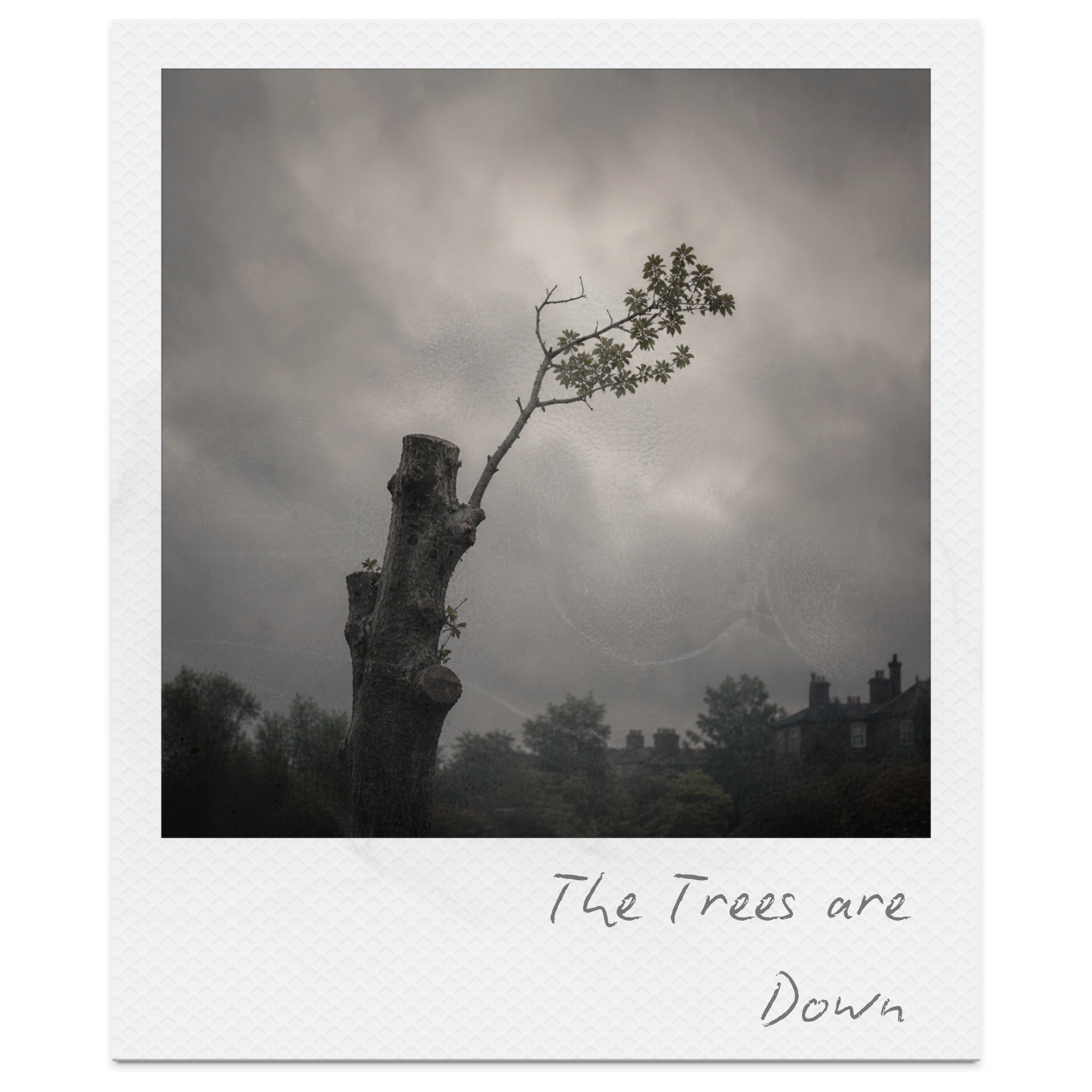
The Trees Are Down by Charlotte Mew: Summary, Themes & Analysis
The Trees Are Down by Charlotte Mew explores loss, destruction of nature, and emotional connection to place, transforming the cutting of trees into a powerful reflection on identity and memory. Through harsh sound imagery, contrast, and a shifting personal voice, Mew presents the act as more than physical labour, revealing it as a deeply unsettling and morally charged event. As the poem develops, the speaker moves from observation to personal reflection and protest, showing how the loss of the trees disrupts both the natural world and her own sense of self. The final image of an “angel crying” elevates this response into a form of spiritual warning, leaving the reader with a lasting sense that what has been destroyed cannot be restored, and that such loss carries profound emotional and ethical consequences.

For Heidi With Blue Hair by Fleur Adcock: Summary, Themes & Analysis
Fleur Adcock’s For Heidi With Blue Hair explores individuality, authority, and conformity through a seemingly minor conflict that reveals deeper tensions between self-expression and institutional control. Through a conversational voice, irony, and narrative progression, the poem presents the school’s response as rigid and inconsistent, exposing how rules are interpreted to enforce conformity rather than fairness. The detailed imagery of Heidi’s hair emphasises deliberate self-expression, while the use of dialogue allows competing perspectives to emerge. As the poem develops, a subtle shift introduces emotional depth, as the reference to the mother’s death “shimmer[s] behind the arguments,” suggesting that the conflict is shaped by unspoken grief as well as institutional pressure. The resolution, marked by an act of solidarity, reframes the situation as one where authority is quietly undermined rather than directly confronted. This movement from surface conflict to deeper meaning reveals how identity, emotion, and power interact, giving the poem its lasting impact.
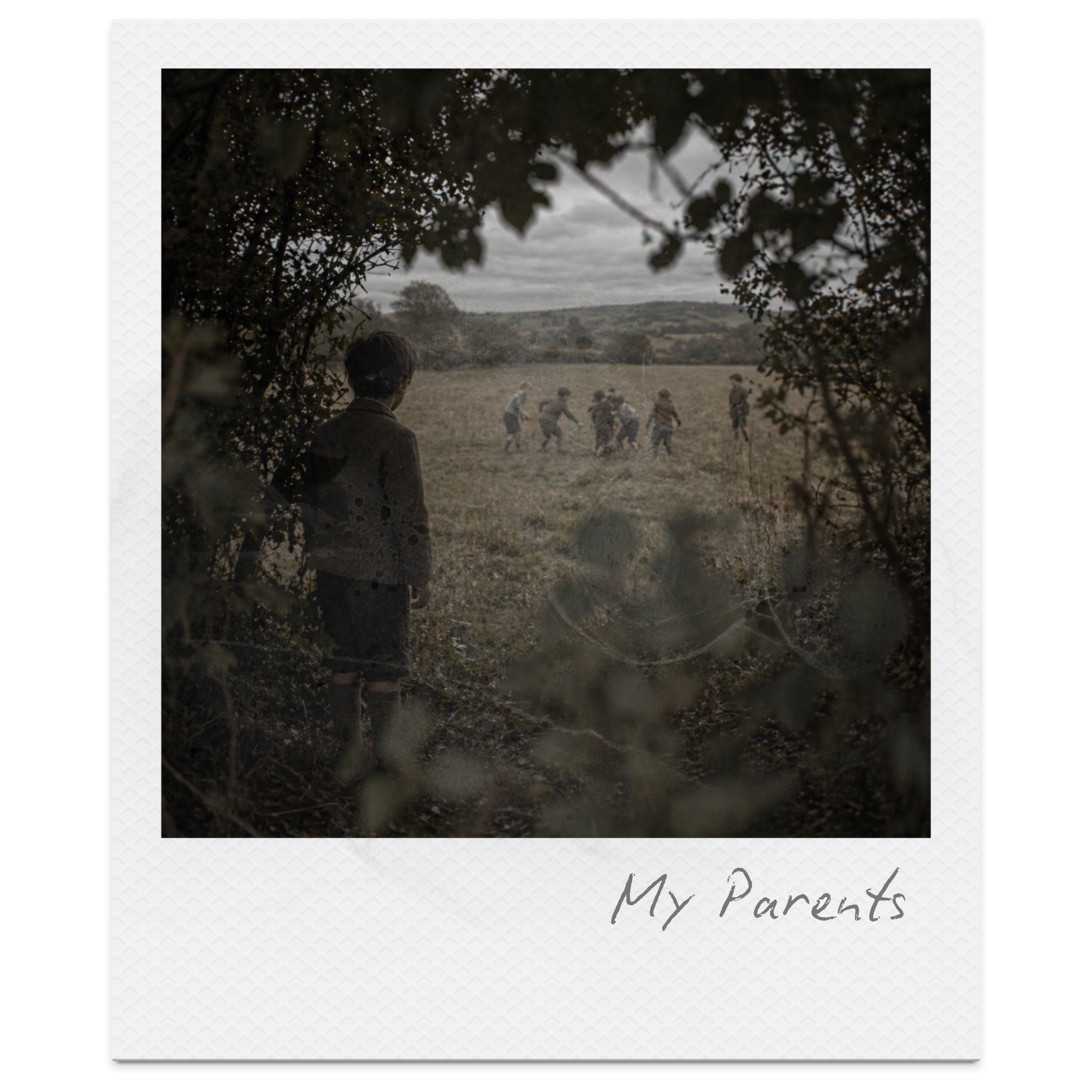
My Parents by Stephen Spender: Summary, Themes & Analysis
Stephen Spender’s My Parents explores childhood fear, class division, and social conditioning through a speaker who is both protected and isolated, shaped by the boundaries imposed on him. Through simile, animalistic imagery, and a reflective narrative voice, the poem presents the “rough” children as threatening and unpredictable, revealing how perception is constructed through upbringing rather than objective reality. The speaker’s fear is intensified by both physical imagery and social humiliation, particularly in moments where language becomes a form of attack. As the poem develops, a shift toward self-awareness and regret reframes the speaker’s experience, revealing that his fear was shaped as much by parental influence as by direct interaction. The final lines introduce a sense of missed empathy, suggesting that the speaker now recognises the limitations of his earlier perspective. This movement from fear to reflection transforms the poem into a powerful exploration of how memory, class division, and upbringing shape both experience and understanding.
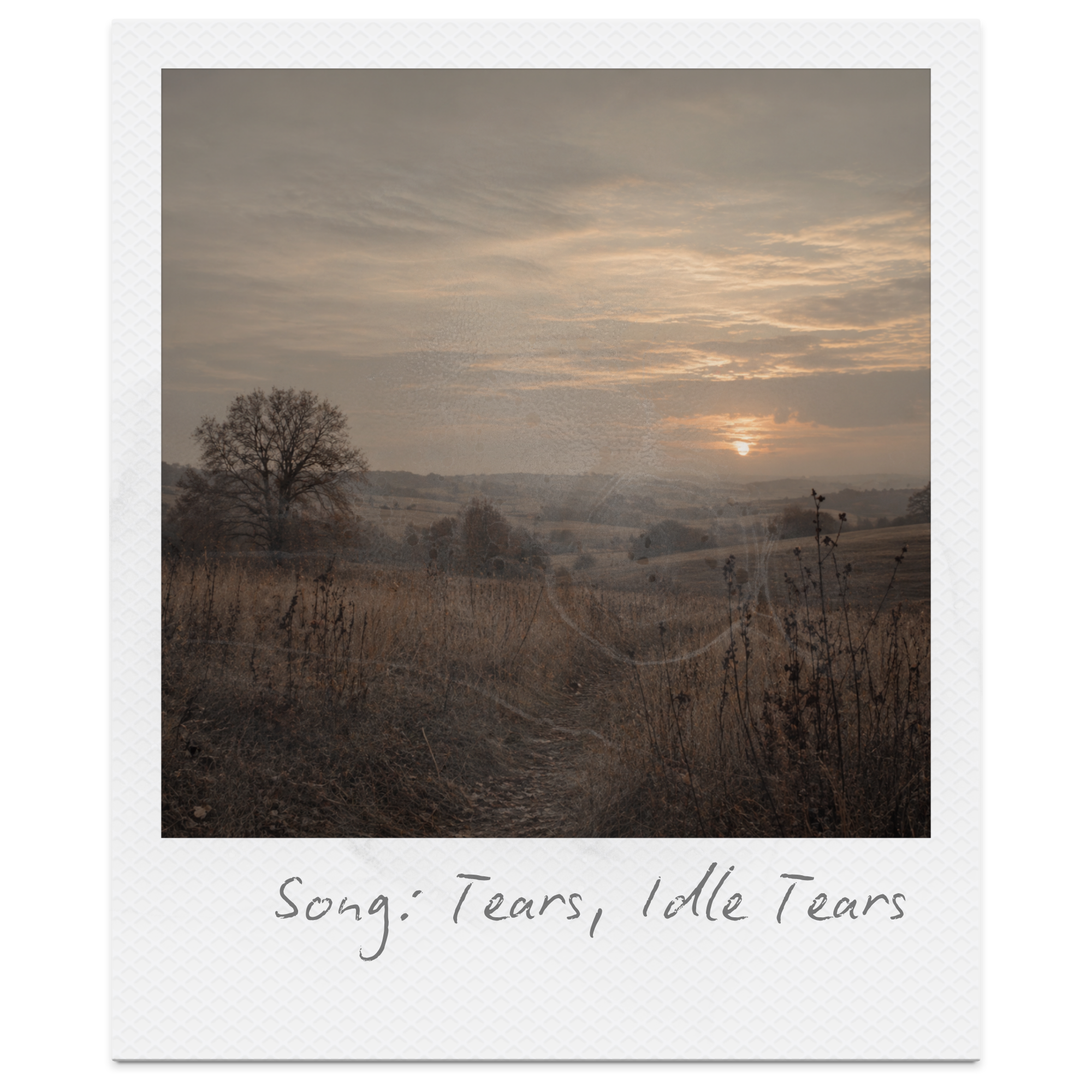
Tears, Idle Tears by Alfred, Lord Tennyson: Summary, Themes & Analysis
Alfred, Lord Tennyson’s Tears, Idle Tears explores memory, loss, and emotional longing, capturing the powerful and often inexplicable nature of nostalgia. Through repetition, extended similes, and shifting imagery, the poem presents a speaker overwhelmed by emotion triggered not by a specific event, but by reflection on “the days that are no more.” Tennyson shows how memory can make the past feel vividly present while simultaneously reinforcing its irretrievable loss. As the poem develops, contrasting images of life and death, arrival and departure, and joy and sorrow deepen this emotional tension. The recurring refrain anchors the poem’s cyclical structure, while the final paradox, “O Death in Life,” reveals the central idea: that living with memory creates a constant awareness of absence. Rather than resolving this tension, Tennyson leaves the reader in a state of reflection, suggesting that the experience of memory is not something to be explained, but something to be felt.
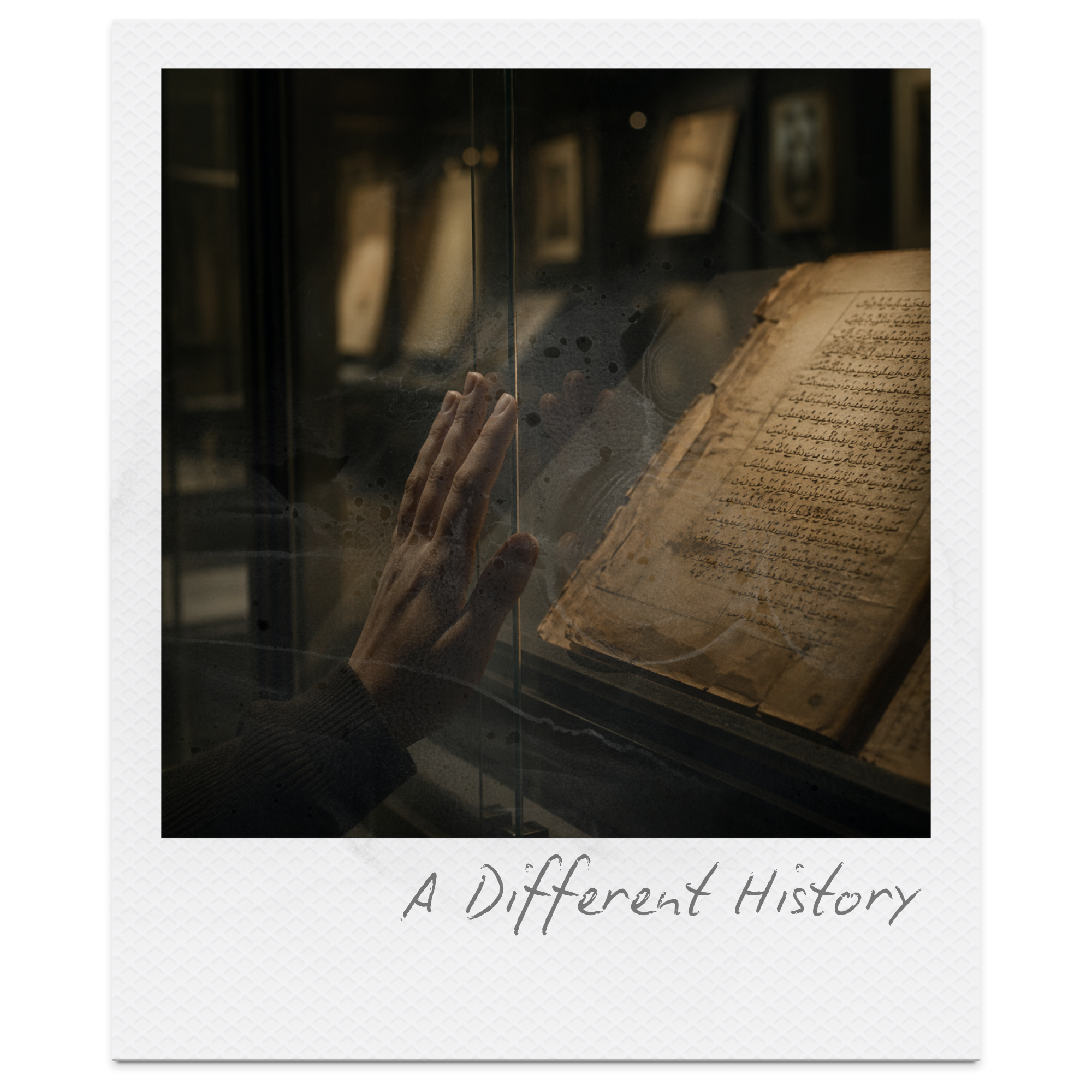
A Different History by Sujata Bhatt: Summary, Themes & Analysis
Sujata Bhatt’s A Different History explores language as power, examining how it can be both respected and used for control. Through contrast, repetition, and rhetorical questions, the poem highlights the tension between cultural identity and the lasting effects of colonial influence. This analysis breaks down key themes, methods, and structural shifts, helping students understand how meaning is created. Ideal for IGCSE Literature, it supports clear, method-focused responses and strong exam preparation.

Song: Love Armed by Aphra Behn: Summary, Themes & Analysis
Aphra Behn’s Song: Love Armed explores love as power, presenting it as a force shaped by emotional imbalance, vulnerability, and control. Through the extended metaphor of Cupid as a tyrannical ruler, alongside vivid violent imagery and structural contrast, the poem reveals how love is constructed through unequal contributions—where one lover provides desire and feeling, while the other exerts dominance and cruelty. This analysis examines how Behn uses language, structure, and voice to create meaning, offering a clear breakdown of key themes, techniques, and effects. Designed for IGCSE Literature, it supports students in developing method-focused analysis and building strong, conceptual responses for exam success.

Carpet-Weavers, Morocco by Carol Rumens: Summary, Themes & Analysis
Carpet-Weavers, Morocco by Carol Rumens explores the tension between beauty and labour, presenting children at work through vivid imagery and controlled structure. The poem moves from admiration of their skill to a more reflective awareness of constraint, showing how something culturally valuable is created through repetitive, limited experience. Through metaphor, contrast, and shifts in perspective, Rumens highlights the gap between the luxury of the finished carpet and the lives of those who produce it. This makes the poem a powerful exploration of identity, inequality, and artistic creation, ideal for IGCSE Literature analysis.
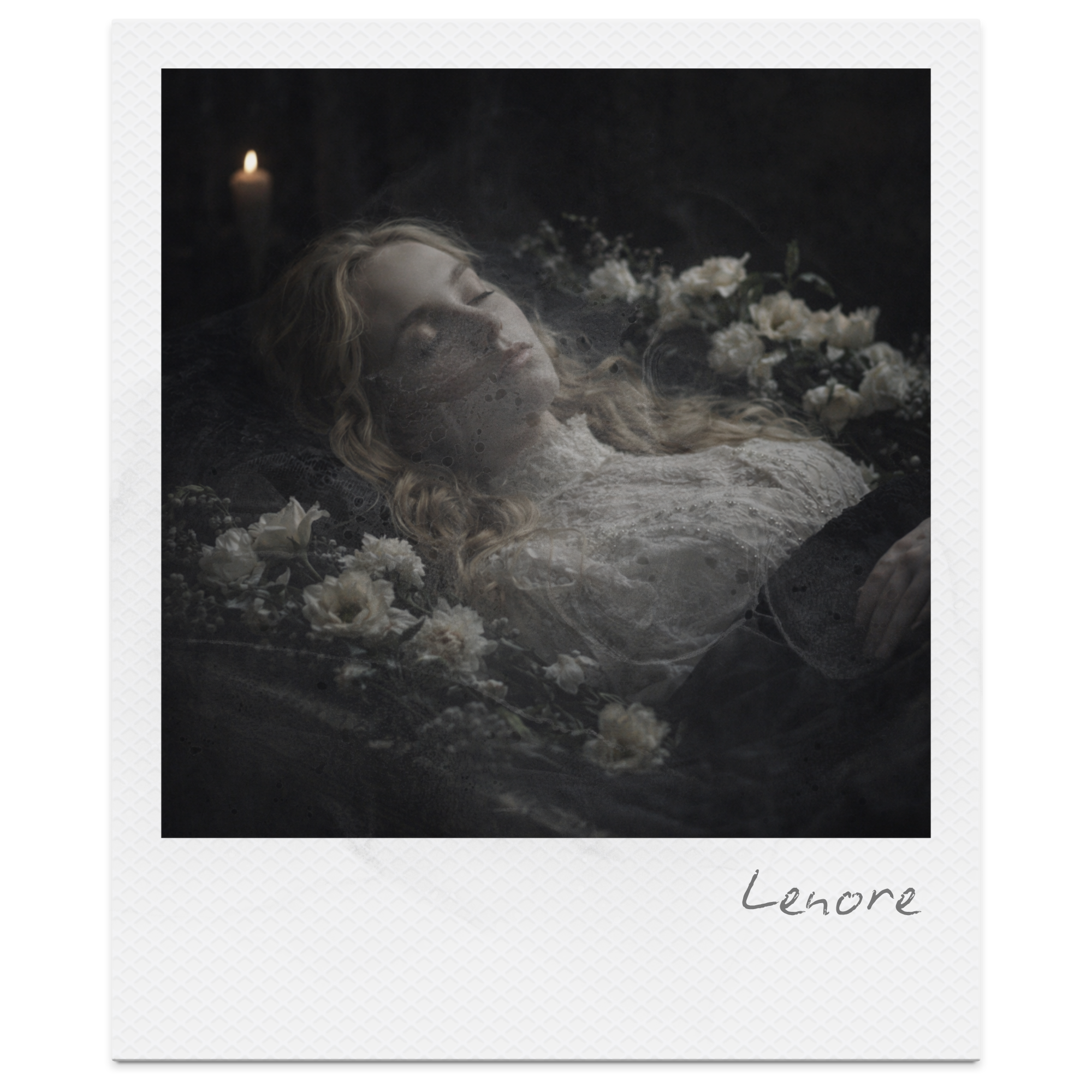
Lenore by Edgar Allan Poe: Summary, Themes, Meaning, Death & Defiance Analysis
Lenore by Edgar Allan Poe is a powerful exploration of death, mourning, and the rejection of false grief, offering a striking contrast to more traditional elegies. Rather than presenting sorrow as the only response to loss, Poe introduces a speaker who challenges ritual mourning and social expectation, exposing the hypocrisy of those who claim to grieve while having wronged the dead in life. Through its dramatic structure and shifting voices, the poem becomes both a lament and a moral confrontation, questioning what it truly means to honour the dead. At the same time, Lenore redefines death as a form of spiritual transcendence, where loss is transformed into elevation. The speaker’s refusal to mourn suggests a deeper tension between grief and denial, leaving readers to question whether his response represents devotion or emotional resistance. Rich in religious imagery, symbolism, and sound, the poem invites multiple interpretations while maintaining a powerful focus on love, loss, and the afterlife, making it an ideal text for both classroom analysis and deeper literary study.
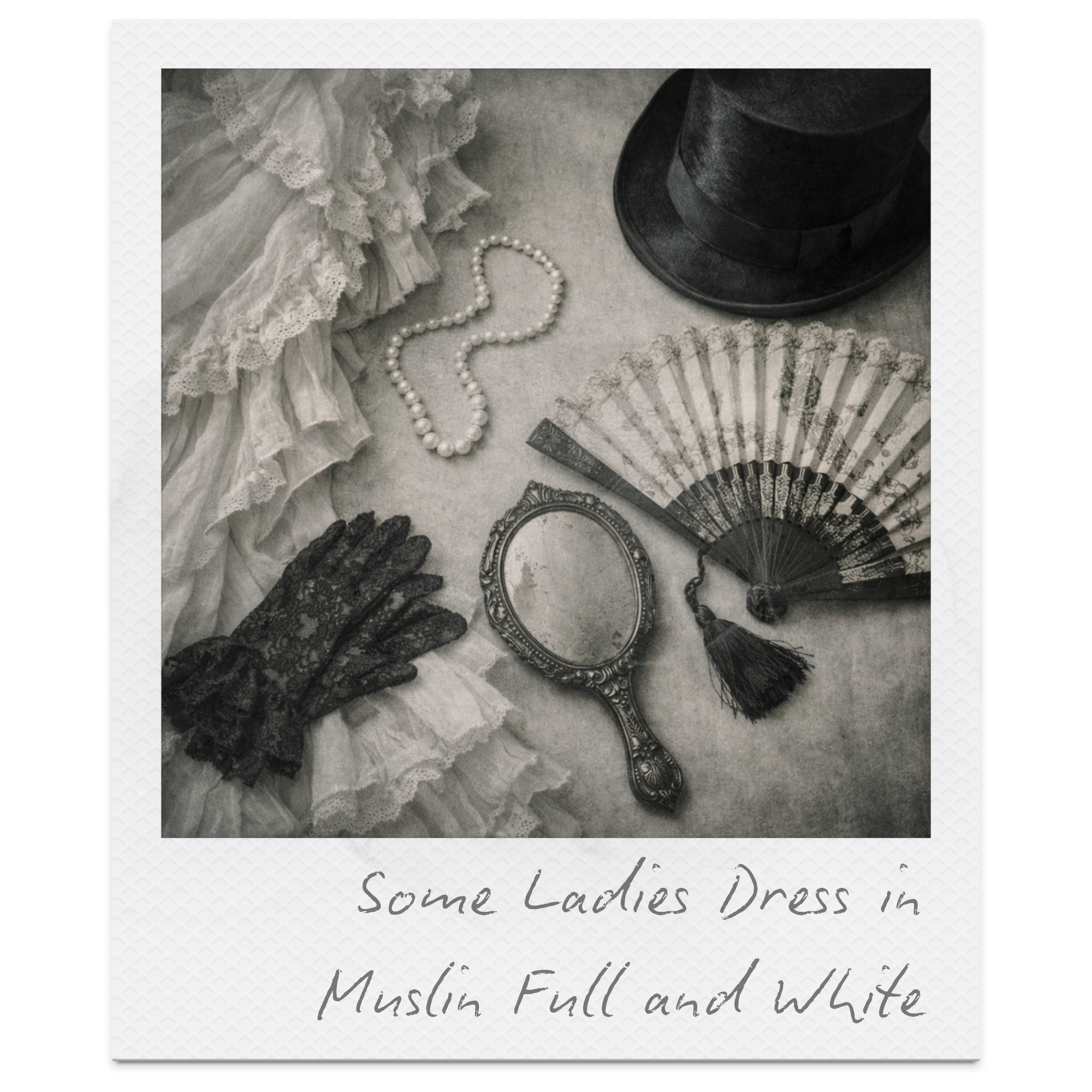
Some Ladies Dress in Muslin Full and White by Christina Rossetti: Summary, Themes, Satire & Analysis
Christina Rossetti’s Some Ladies Dress in Muslin Full and White offers a sharp and often darkly humorous critique of Victorian society, exposing its obsession with appearance, fashion, and social display. Through a series of vivid, exaggerated images, Rossetti presents a world in which identity is constructed through outward presentation, revealing the tension between surface image and inner worth. What begins as light satire quickly develops into a more unsettling exploration of judgement, as the speaker moves from observation to open disdain. This analysis explores how Rossetti uses the sonnet form, imagery, and satirical tone to critique both the individuals she describes and the society that produces them. By examining the poem’s structure, language, and shifting perspective, we uncover how Rossetti not only mocks vanity and social performance, but also questions the morality of judging others based on appearance alone.

Our Mothers, Lovely Women Pitiful by Christina Rossetti: Summary, Themes, Symbolism & Analysis
Christina Rossetti’s Our Mothers, Lovely Women Pitiful explores themes of memory, faith, and moral inheritance, presenting past generations as guiding figures whose lives continue to shape the present. Through its reflective tone and collective voice, the poem emphasises the importance of learning from experience and enduring with patience and belief. This analysis examines how Rossetti uses structure, language, and symbolism to balance reverence with uncertainty. As the poem shifts from shared instruction to personal doubt, it raises deeper questions about spiritual continuity, responsibility, and whether the past can truly offer reassurance in the present.
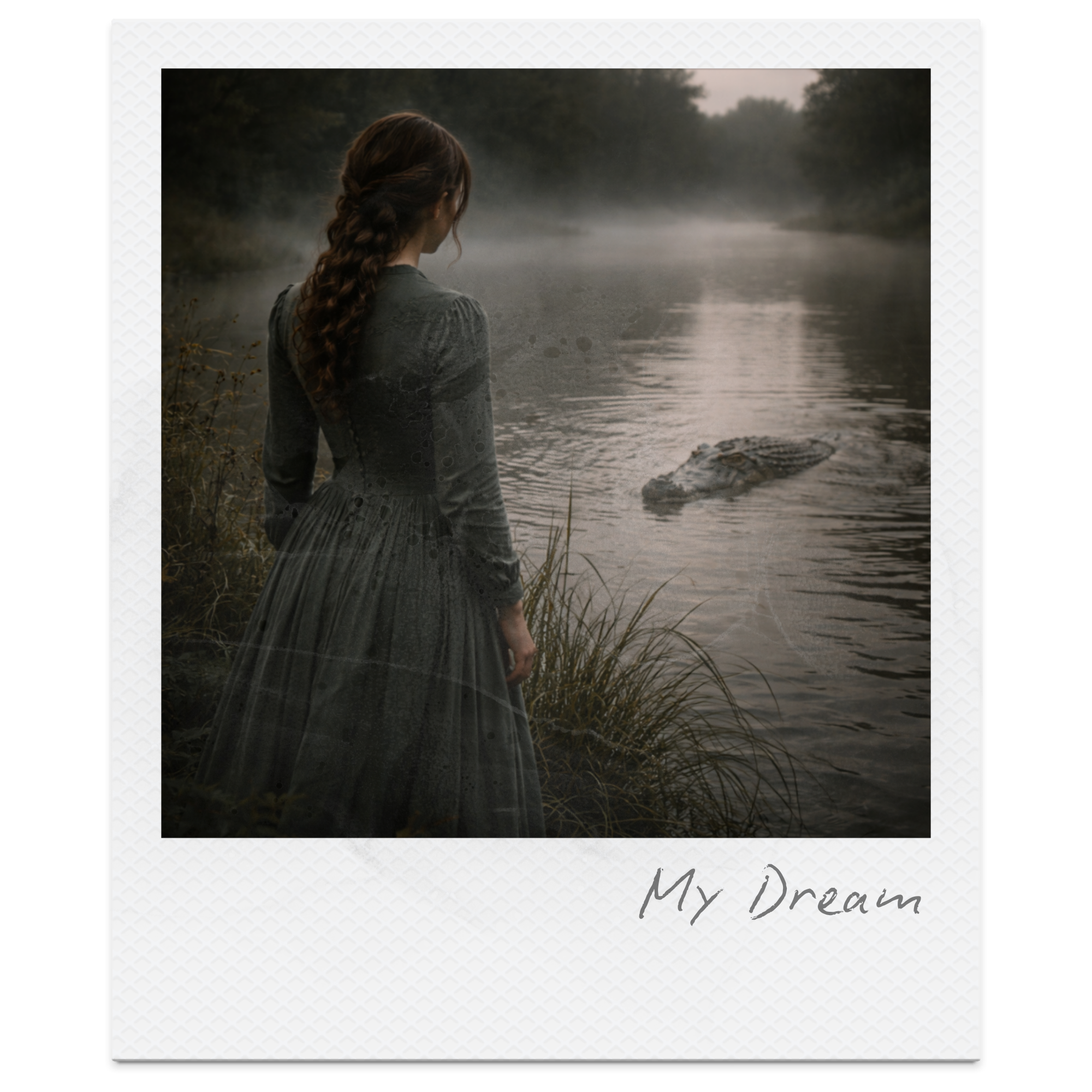
My Dream by Christina Rossetti: Summary, Themes, Symbolism & Analysis
Christina Rossetti’s My Dream presents a dark and symbolic vision of power, corruption, and collapse. Through the rise of a monstrous crocodile who gains dominance through violence and excess, the poem explores how authority built on destruction is ultimately unstable and self-defeating. This analysis examines Rossetti’s use of allegory, imagery, and dream narrative to reveal deeper concerns about human nature, control, and moral consequence. With its ambiguous ending and unsettling symbolism, My Dream invites readers to question how power operates—and what remains when it inevitably fails.
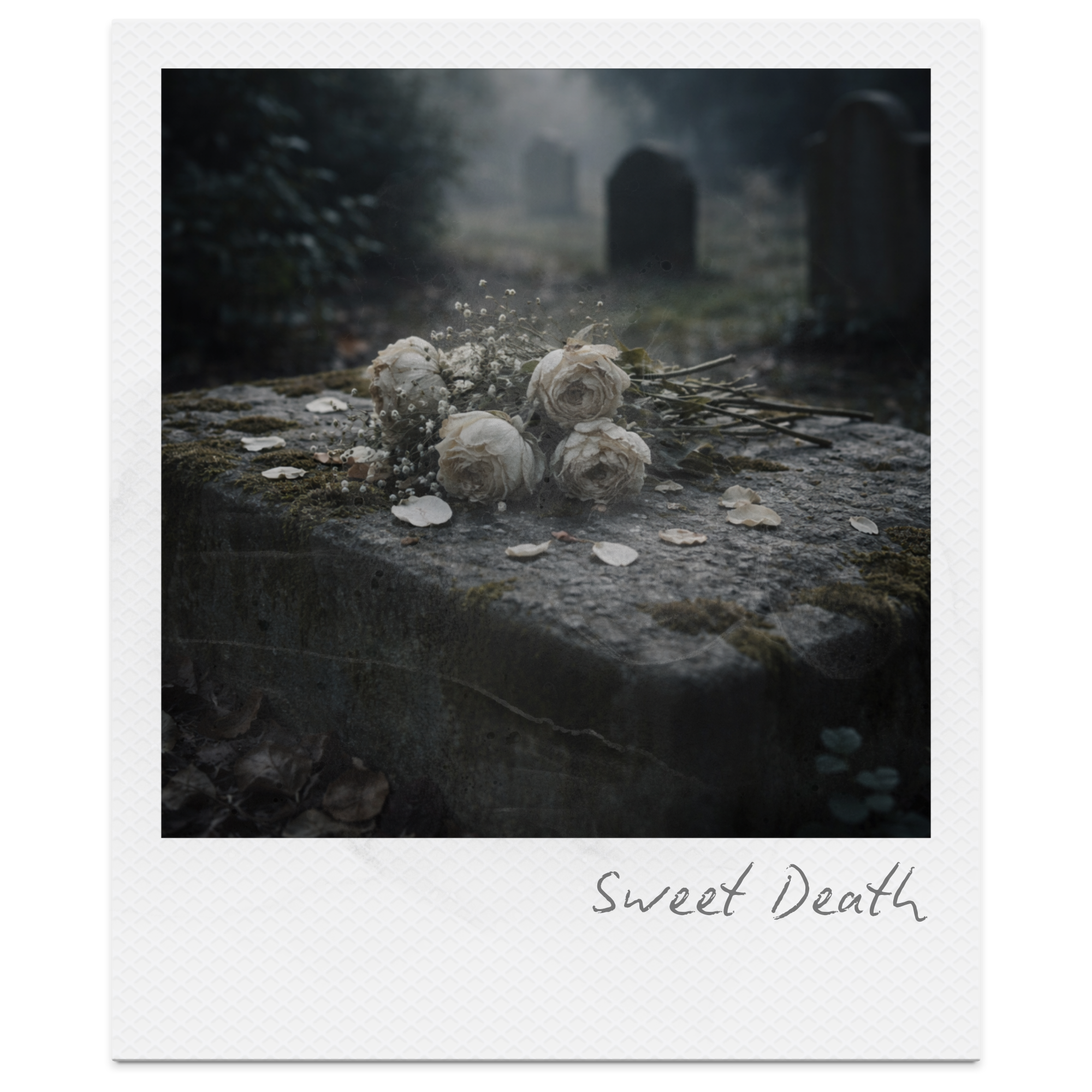
Sweet Death by Christina Rossetti: Summary, Themes, Symbolism & Analysis
Christina Rossetti’s Sweet Death is a reflective poem that explores mortality, the passing of youth and beauty, and the promise of spiritual rest. Through vivid imagery drawn from nature, Rossetti observes how blossoms fall, colours fade, and life gradually returns to the earth. These natural processes become a metaphor for human life, suggesting that death is not simply an ending but part of a larger cycle of transformation and renewal. As the poem develops, Rossetti moves beyond the natural world to consider a deeper spiritual perspective. The fading of earthly beauty is contrasted with the enduring presence of God, saints, and divine rest, implying that true permanence lies beyond human life. In this way, Sweet Death encourages readers to view mortality not with fear, but with a sense of acceptance, presenting death as a transition toward lasting peace rather than a final loss.
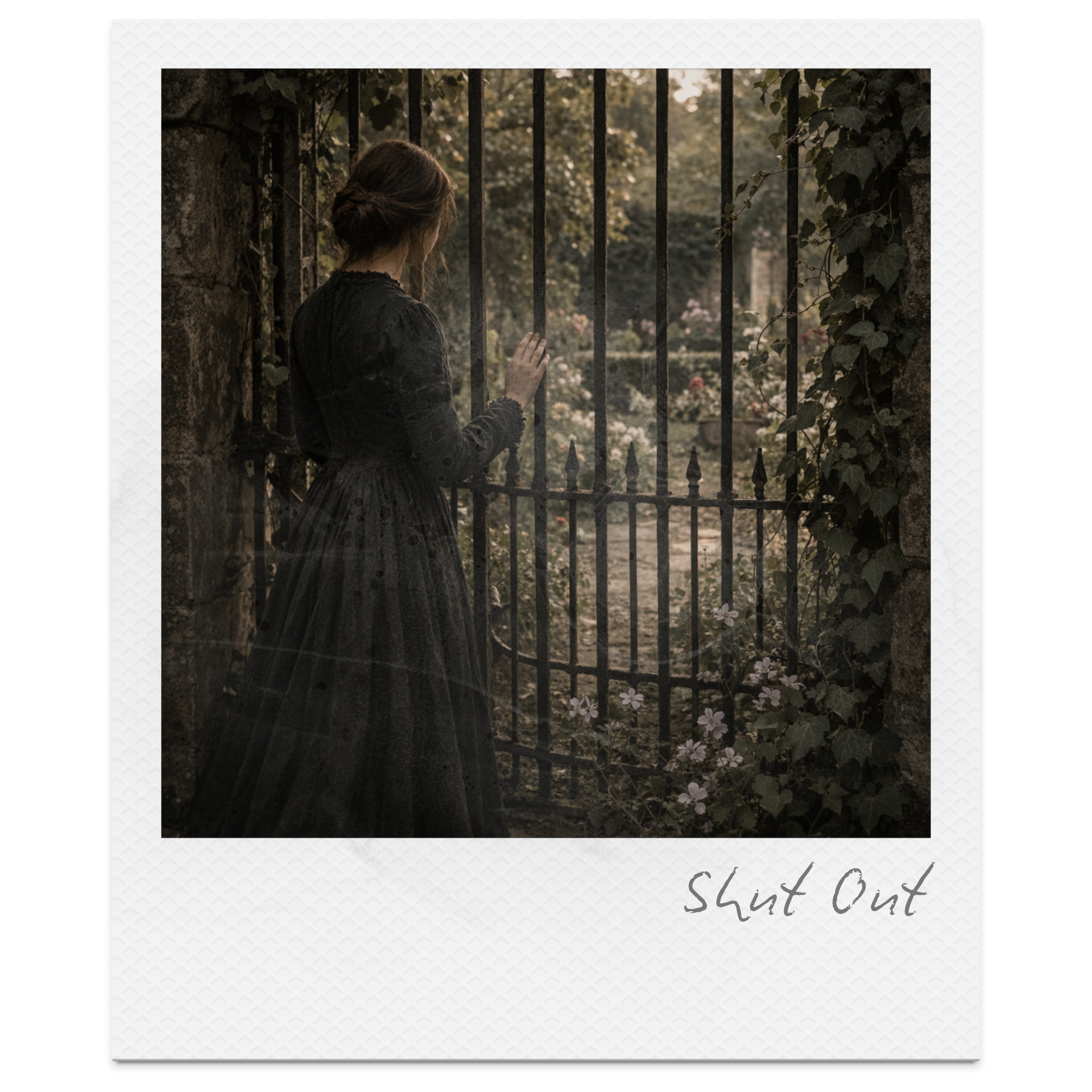
Shut Out by Christina Rossetti: Summary, Themes, Symbolism & Analysis
Shut Out explores the painful experience of being separated from something that once brought joy and belonging. The speaker stands outside a garden that was once their own, looking through iron bars at a place filled with flowers, birds, and life. As the poem unfolds, the speaker’s attempts to regain even the smallest connection to this lost space are denied, and the barrier between the speaker and the garden becomes permanent. Through the powerful symbolism of the closed garden, Rossetti reflects on themes of exclusion, loss of innocence, spiritual exile, and longing for the past. Even when new beauty appears nearby, it cannot replace what has been lost, revealing how memory can make the present world feel diminished in comparison to a cherished past.

I Loved You First: But Afterwards Your Love by Christina Rossetti: Summary, Themes, Symbolism & Analysis
I Loved You First: But Afterwards Your Love explores the complex balance between two lovers as the speaker reflects on who loved first and whose devotion might be greater. What begins as a quiet claim of emotional precedence quickly becomes a deeper meditation on mutual love, emotional reciprocity, and the difficulty of measuring affection between two people. As the sonnet unfolds, the speaker gradually abandons the language of comparison and calculation. Instead, the poem moves toward a philosophical conclusion: genuine love dissolves the boundaries between individuals, replacing ideas of “mine” and “thine” with a shared emotional identity in which both lovers participate equally.
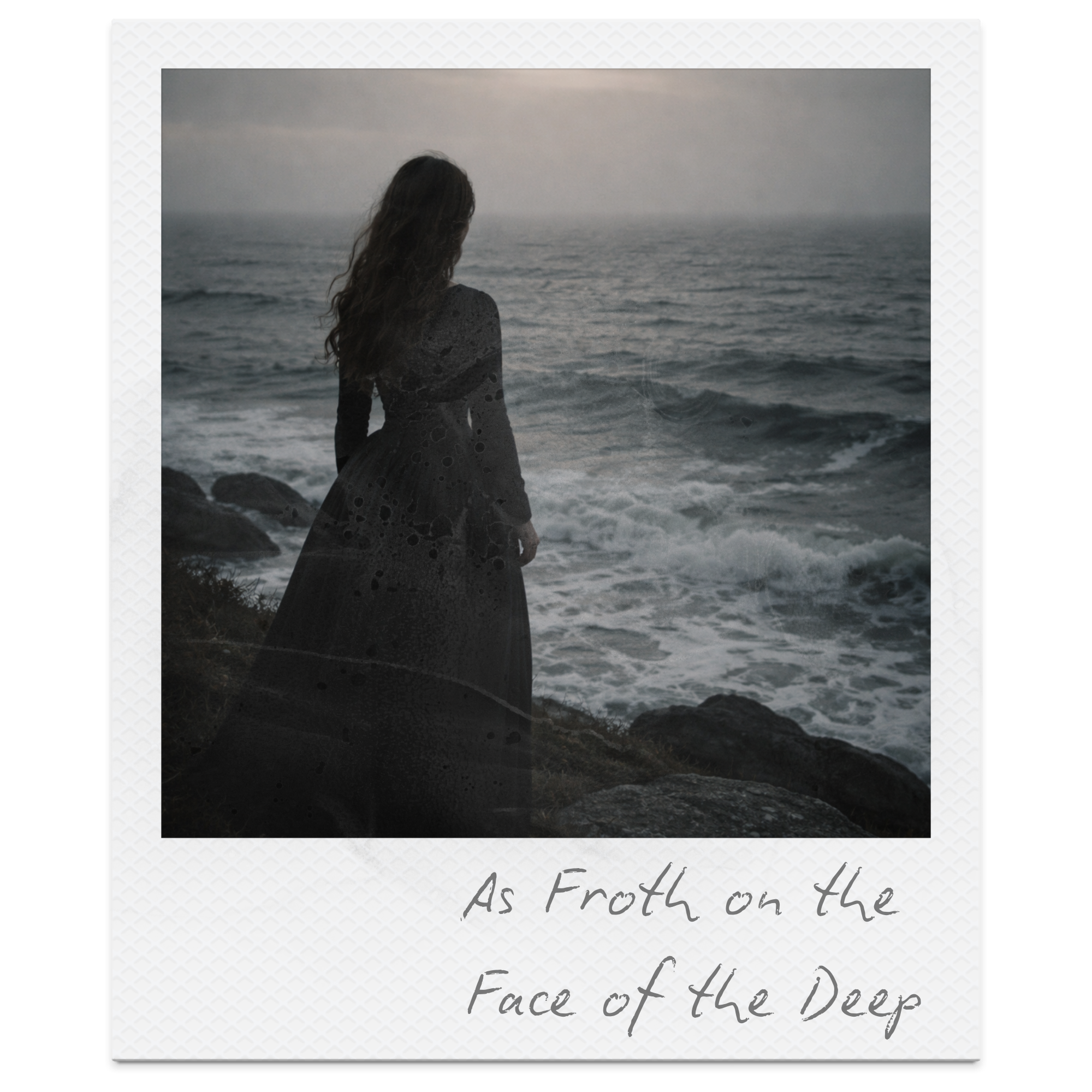
As Froth on the Face of the Deep by Christina Rossetti: Summary, Themes, Symbolism & Analysis
Christina Rossetti’s As Froth on the Face of the Deep is a reflective poem that explores the fragility and brevity of human life. Through the striking metaphor of foam appearing briefly on the surface of the ocean, the poem presents existence as something temporary and delicate when compared with the vast forces of nature. This analysis examines the poem’s imagery, symbolism, structure, and themes, exploring how Rossetti uses simple natural comparisons to reflect on mortality, impermanence, and spiritual perspective. The poem invites readers to consider the fleeting nature of human existence and the wider philosophical questions that arise from recognising life’s limited span.
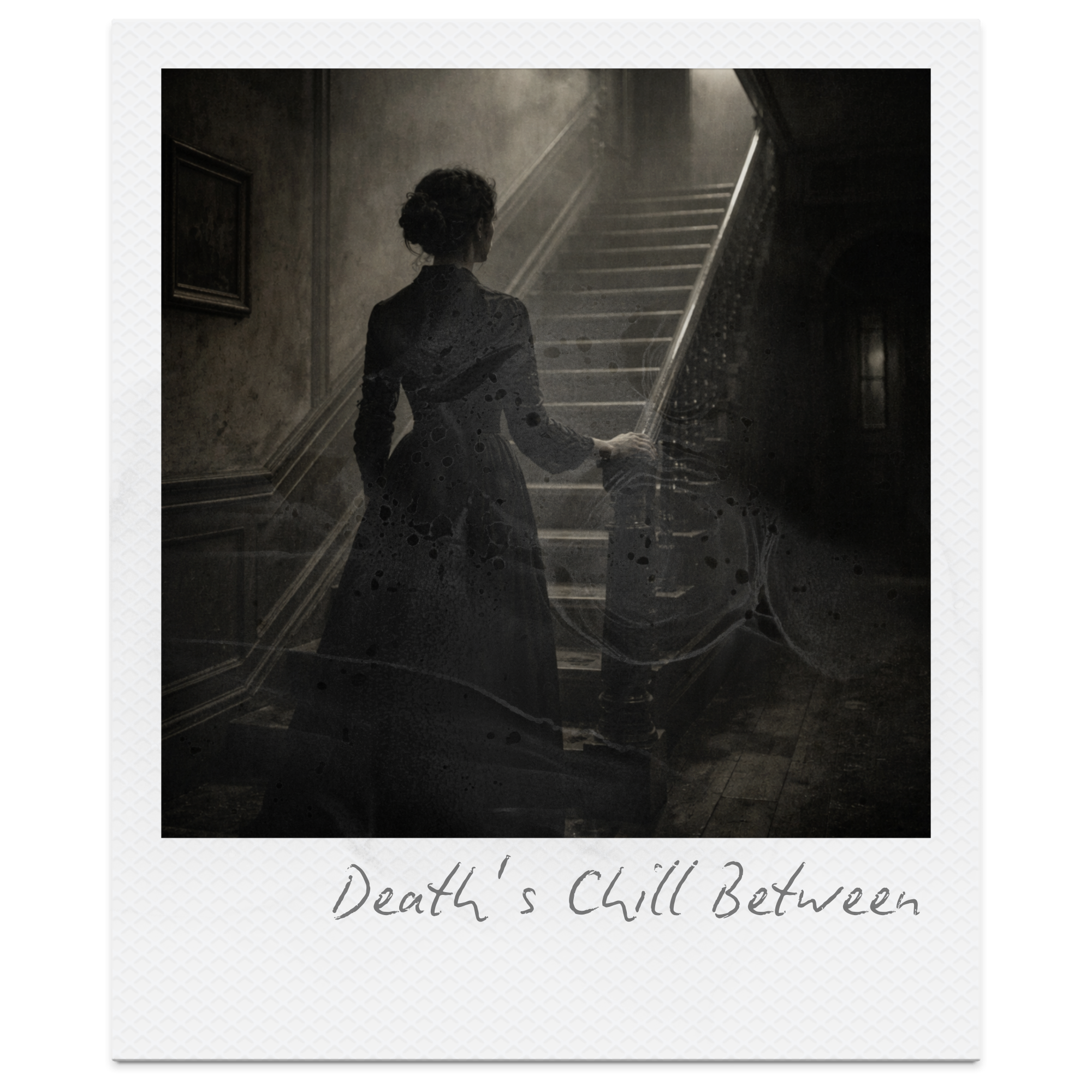
Death’s Chill Between by Christina Rossetti: Summary, Themes, Symbolism & Analysis
Christina Rossetti’s “Death’s Chill Between” explores the psychological complexity of grief, tracing a speaker’s journey from emotional restraint to imagined reunion and painful recognition of loss. Through vivid imagery, shifting tone, and carefully structured sestets, the poem examines how mourning can blur the boundary between memory, illusion, and reality. This analysis explores the poem’s themes, symbolism, structure, metre, and key techniques, alongside a stanza-by-stanza breakdown and classroom teaching ideas. The guide also situates the poem within Rossetti’s wider work, helping readers explore connections across her poetry and the Victorian context of mourning.
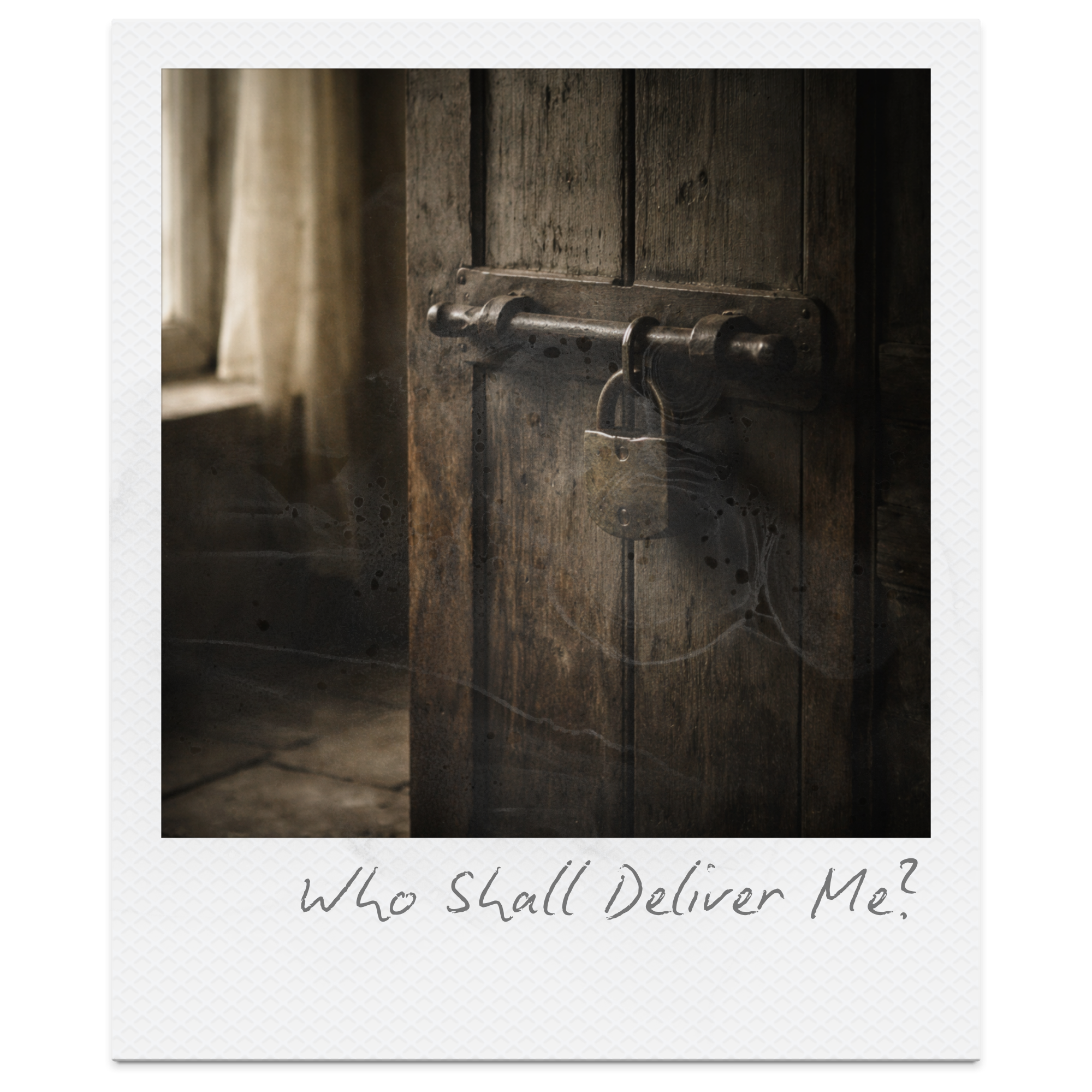
Who Shall Deliver Me? Poem Analysis: Themes, Symbolism, Structure & Meaning
Christina Rossetti’s Who Shall Deliver Me? explores the experience of inner conflict, self-division, and spiritual struggle. In this intense devotional lyric, the speaker presents the self as both burden and adversary, describing the exhausting task of living with one’s own weaknesses and moral failures. Through imagery of weight, confinement, and betrayal, Rossetti reveals how the greatest obstacles to peace may arise from within the self. This analysis explores the poem’s themes, symbolism, structure, and key techniques, with detailed stanza-by-stanza commentary and multiple interpretations. It examines how Rossetti presents the divided self, the demands of moral discipline, and the possibility of redemption through divine intervention.

A Better Resurrection by Christina Rossetti: Summary, Themes, Symbolism & Analysis
Christina Rossetti’s A Better Resurrection is a powerful Victorian poem exploring spiritual exhaustion, faith, redemption, and inner renewal. Through striking imagery of faded leaves, frozen landscapes, and broken vessels, Rossetti presents a speaker who feels emotionally depleted yet continues to hope for transformation. The poem gradually moves from despair toward the possibility of spiritual rebirth and renewal. This analysis explores the poem’s themes, symbolism, structure, and key techniques, including its hymn-like refrain and extended metaphors. With stanza-by-stanza commentary, multiple interpretations, and teaching ideas, this guide helps readers examine how Rossetti presents the journey from spiritual emptiness to hopeful transformation.