Notes from the Inkpot
Writing, teaching, creating - one ink-stained idea at a time.


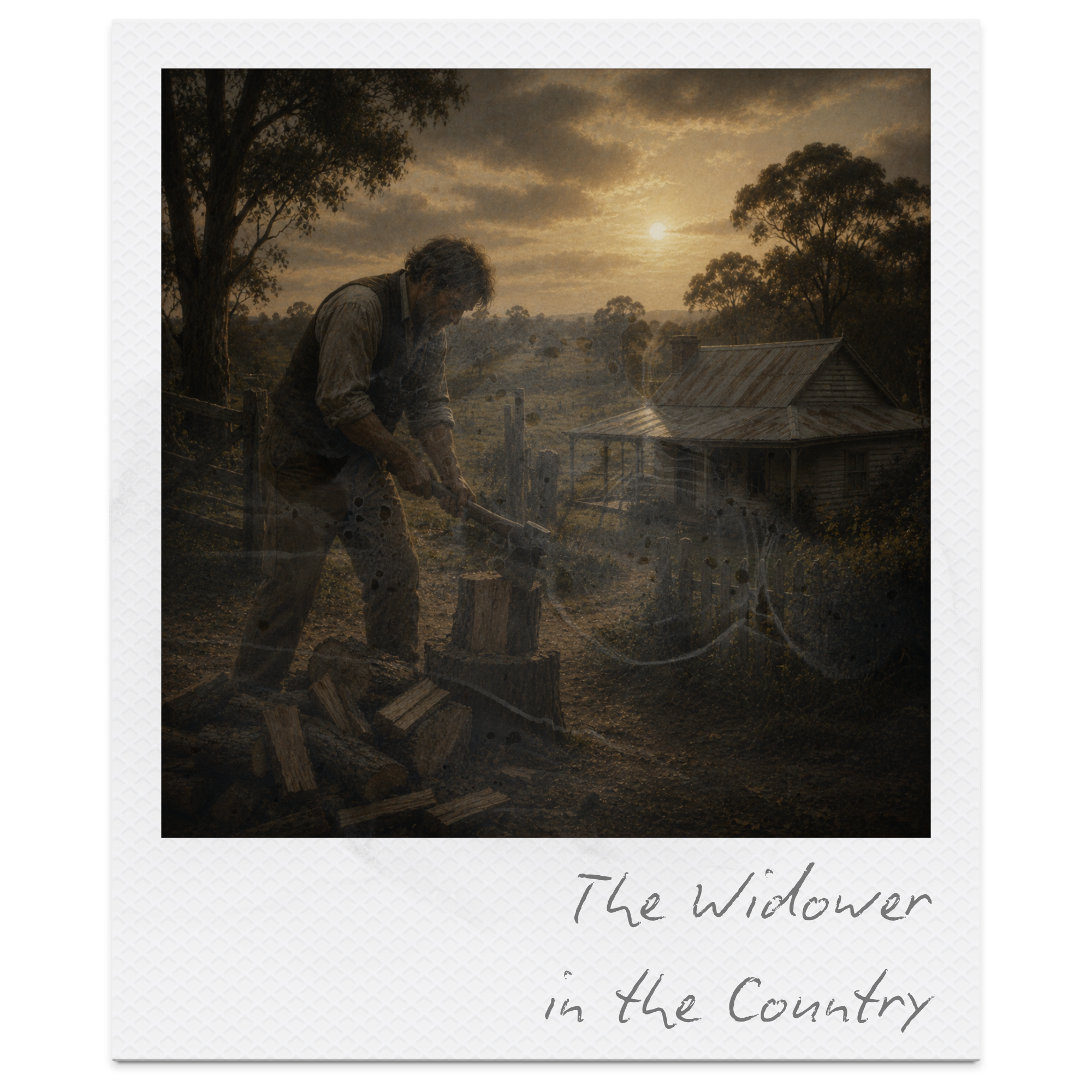
The Widower in the Country by Les Murray: Summary, Themes & Analysis
The Widower in the Country by Les Murray is a poignant exploration of grief, loneliness, memory, and the quiet routines that sustain life after loss. Through understated narration, vivid Australian rural imagery, and powerful symbolism, Murray reveals how bereavement quietly transforms everyday existence without ever needing dramatic expressions of emotion. This analysis explores the poem's summary, themes, stanza-by-stanza analysis, key quotations, literary techniques, and form and structure, showing how Murray uses ordinary moments to create an enduring meditation on resilience, isolation, time, and the lasting presence of absence.
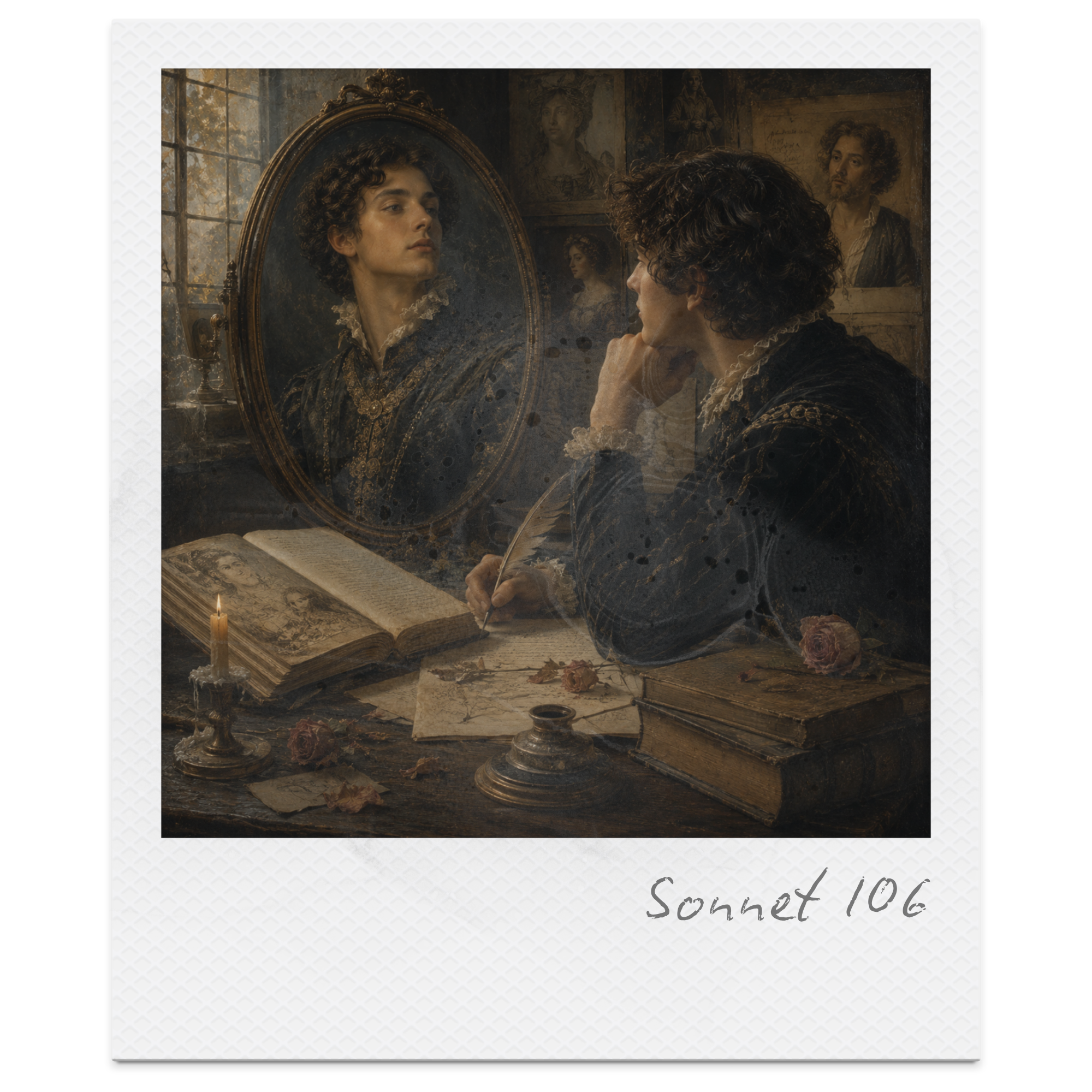
Sonnet 106 by William Shakespeare: Summary, Themes & Analysis of “When in the chronicle of wasted time”
William Shakespeare's Sonnet 106 is a reflective exploration of beauty, time, history, and the power of poetry. Through its elegant sonnet form, historical imagery, and thought-provoking conclusion, Shakespeare considers whether language can ever fully capture extraordinary human beauty or whether some experiences will always remain beyond words. This analysis explores the poem's summary, themes, language, structure, key quotations, and literary techniques, showing how Shakespeare transforms a traditional love sonnet into a profound meditation on artistic expression and the enduring relationship between the past and the present.
Amoretti, Sonnet 86 by Edmund Spenser: Analysis of Time, Absence and Emotional Longing
Explore Amoretti, Sonnet 86 by Edmund Spenser with this detailed analysis of love, longing, absence, and the perception of time. Discover how Spenser uses sonnet form, imagery, repetition, and contrast to present the emotional effects of separation and the way powerful feelings can distort human experience. This guide examines the poem's themes, symbolism, structure, key quotations, literary techniques, alternative interpretations, and anthology comparisons, making it ideal for students and teachers studying Cambridge International AS & A Level Literature in English (9695) Songs of Ourselves: Volume 2.

The White House by Claude McKay: Analysis of Racism, Exclusion and Resistance
Claude McKay's The White House is a powerful sonnet that explores racism, exclusion, dignity, and resistance. Through the symbolic image of a closed door, McKay examines the emotional and psychological impact of prejudice while celebrating the courage required to maintain self-respect in the face of discrimination. The poem's tension between anger and restraint transforms a personal experience of rejection into a wider reflection on power, identity, and moral integrity. This analysis explores the poem's symbolism, sonnet form, key quotes, themes, line-by-line analysis, alternative interpretations, anthology comparisons, and exam-focused insights. Ideal for students and teachers studying Cambridge International AS & A Level Literature in English (9695), it provides detailed commentary on how McKay presents exclusion, resilience, and the determination to resist hatred without surrendering one's humanity.

The Poplar-Field by William Cowper: Time, Mortality and Loss
William Cowper's The Poplar-Field explores mortality, time, memory, and the impermanence of human happiness through the destruction of a beloved grove of trees. What begins as a lament for a changed landscape gradually develops into a philosophical reflection on the fragility of both life and the pleasures that give it meaning. Through vivid natural imagery, symbolism, and an elegiac tone, Cowper transforms a local act of loss into a universal meditation on change, reminding readers that neither landscapes nor human lives can escape the passage of time.

In Praise of Creation by Elizabeth Jennings: Analysis of Nature, Instinct and the Order of Creation
Elizabeth Jennings' In Praise of Creation is a contemplative exploration of nature, instinct, order, and humanity's place within the wider world. Through vivid images of birds, stars, the moon, and a tiger responding to the rhythms of desire and renewal, Jennings presents creation as a system governed by recurring patterns and interconnected cycles. Yet beneath its celebration of the natural world lies a deeper philosophical question: what can human beings learn from a creation that appears so instinctively certain of its purpose? This detailed analysis explores the poem's themes of nature and instinct, order and design, creation and renewal, desire, consciousness, and wonder. Through stanza-by-stanza commentary, key quotations, symbolism, literary techniques, alternative interpretations, anthology comparisons, and exam-focused insights, the article examines how Jennings transforms careful observation into a meditation on meaning, curiosity, and the enduring mysteries of existence.
The Bargain by Sir Philip Sidney: Analysis of Love, Exchange and Emotional Equality
Explore The Bargain by Sir Philip Sidney through detailed analysis of love, emotional reciprocity, identity, and psychological vulnerability. This in-depth guide examines the poem’s structure, symbolism, exchange imagery, emotional tensions, and layered presentation of intimacy, revealing how Sidney transforms a seemingly balanced love lyric into a more complex exploration of dependence and shared suffering. Perfect for CIE AS Level Literature in English (9695), this analysis includes line-by-line commentary, key quotes and techniques, alternative interpretations, anthology comparisons, exam-ready insights, and teaching ideas designed to support advanced literary discussion and revision.

Last Sonnet by John Keats: Themes, Meaning and Analysis
Explore Last Sonnet by John Keats — widely known by its opening line, “Bright star, would I were stedfast as thou art” — through detailed analysis of love, mortality, permanence, and emotional vulnerability. This in-depth guide examines the poem’s imagery, symbolism, structure, sound, and shifting emotional tensions, while exploring how Keats contrasts eternal constancy with fragile human intimacy. Perfect for CIE AS Level Literature in English (9695), this analysis also includes close line-by-line commentary, key quotes and techniques, alternative interpretations, anthology comparisons, exam-ready insights, and teaching ideas designed to support advanced literary discussion and revision.

Because I Liked You Better by A. E. Housman: Summary, Themes, Meaning & Analysis
A. E. Housman’s Because I Liked You Better explores unspoken love, emotional restraint, and self-sacrifice, presenting a speaker who chooses to suppress personal desire in order to preserve dignity and honour. Through controlled language, regular structure, and understated imagery, the poem reveals the tension between inner feeling and outward behaviour, where love is not expressed but deliberately denied. This analysis examines how Housman uses understatement, symbolism, and structural progression to create meaning and impact, showing how the speaker’s identity becomes defined by keeping a promise rather than pursuing emotional fulfilment. Designed for IGCSE World Literature (0408), this guide supports precise, method-focused analysis of how writers shape meaning through restraint and control.
Meeting at Night by Robert Browning: Summary, Themes, Meaning & Analysis
Robert Browning’s Meeting at Night explores romantic desire, anticipation, and secrecy, presenting a speaker driven across a dark landscape to reach a moment of intimate connection. Through vivid sensory imagery, rhythmic variation, and a carefully structured progression from distance to closeness, the poem transforms a physical journey into a powerful expression of emotional urgency. This analysis examines how Browning uses language, form, and sound to create meaning and impact, showing how each stage of the journey intensifies the speaker’s focus and desire. With a clear emphasis on method → purpose → effect, this guide supports IGCSE World Literature (0408) students in developing precise, high-level analytical responses.

A Quoi Bon Dire by Charlotte Mew: Summary, Themes & Analysis
Charlotte Mew’s À Quoi Bon Dire explores enduring love, memory, and the tension between public perception and private truth, presenting a speaker who refuses to accept the finality of loss. Through parallel structure, structural contrast, and subtle shifts in voice, the poem reveals how emotional connection can persist beyond physical absence, challenging conventional ideas of death and separation. This analysis examines how Mew uses language, form, and temporal ambiguity to create meaning and impact, showing how the speaker’s quiet certainty resists social assumptions. With a focus on method → purpose → effect, this guide supports IGCSE World Literature (0408) students in developing strong, analytical responses.
Time’s Fool by Ruth Pitter: Summary, Themes & Analysis
Ruth Pitter’s Time’s Fool reflects on how time reshapes our understanding of the past, transforming experiences that once seemed ordinary or insignificant into sources of deep emotional value. Through nostalgic imagery, paradox, and a reflective tone, the poem explores the contrast between material poverty and inner richness, revealing how memory redefines what truly matters. As the speaker revisits a life of simple comforts and natural surroundings, the poem shifts from a sense of loss to quiet acceptance, suggesting that fulfilment lies not in possessions but in experience, connection, and perspective. In doing so, Pitter presents a nuanced view of time—not just as a force of change, but as something that gives meaning to what has been left behind.

The Trees by Philip Larkin: Summary, Themes & Analysis
Philip Larkin’s The Trees explores the tension between renewal and mortality, using the natural cycle of spring to question whether fresh beginnings are ever truly possible. Through juxtaposition, controlled structure, and subtle tonal shifts, the poem presents the trees as symbols of apparent rebirth while revealing the underlying reality of ageing and continuity, challenging the reader’s assumptions about nature and time. As the poem develops, Larkin moves from quiet observation to a more unsettled recognition that the trees’ “yearly trick of looking new” conceals an ongoing process of change and decline. The repeated call to “begin afresh” feels both hopeful and fragile, leaving the reader with an unresolved tension between appearance and reality and reinforcing the idea that renewal may be more complex—and less reassuring—than it first appears.
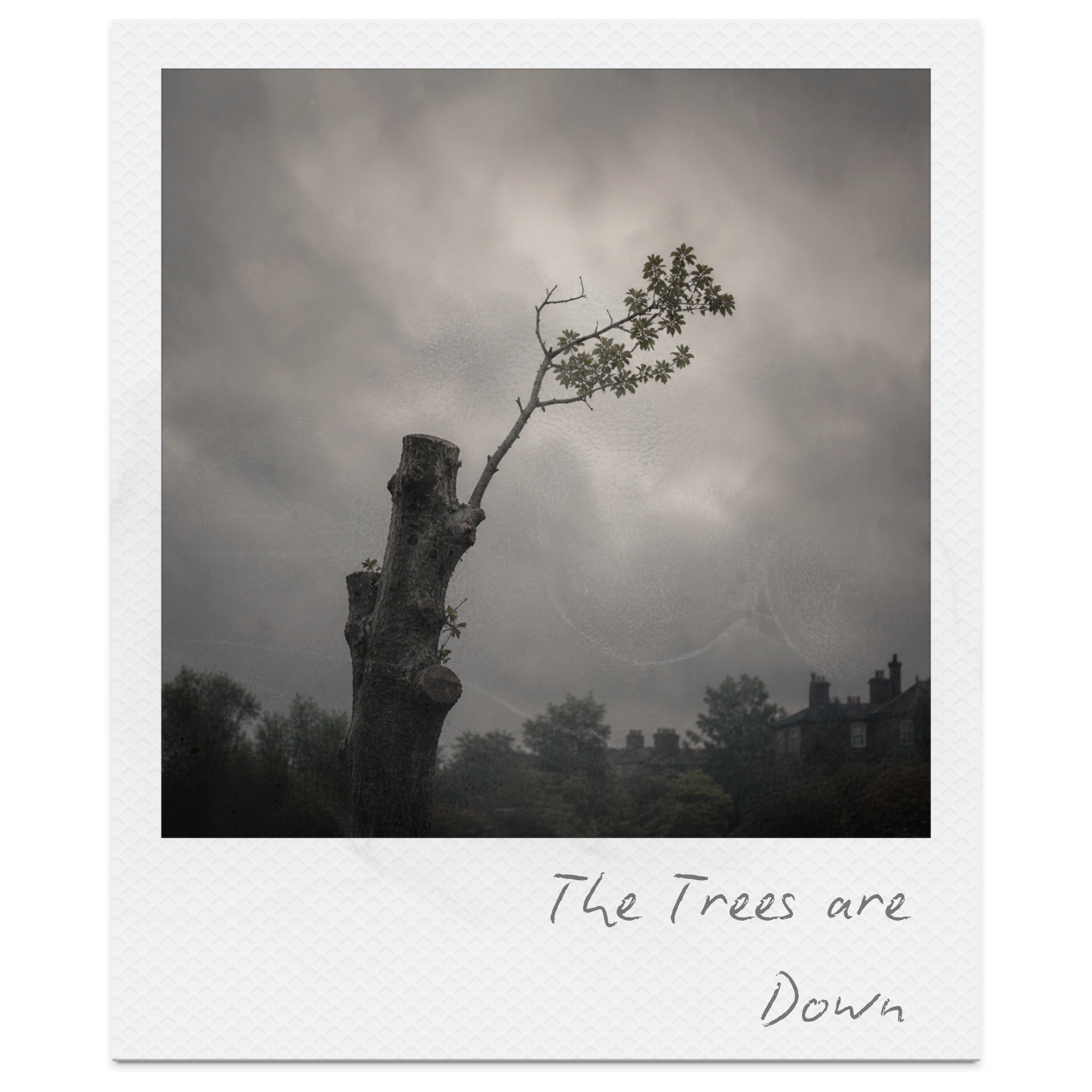
The Trees Are Down by Charlotte Mew: Summary, Themes & Analysis
The Trees Are Down by Charlotte Mew explores loss, destruction of nature, and emotional connection to place, transforming the cutting of trees into a powerful reflection on identity and memory. Through harsh sound imagery, contrast, and a shifting personal voice, Mew presents the act as more than physical labour, revealing it as a deeply unsettling and morally charged event. As the poem develops, the speaker moves from observation to personal reflection and protest, showing how the loss of the trees disrupts both the natural world and her own sense of self. The final image of an “angel crying” elevates this response into a form of spiritual warning, leaving the reader with a lasting sense that what has been destroyed cannot be restored, and that such loss carries profound emotional and ethical consequences.
Tears, Idle Tears by Alfred, Lord Tennyson: Summary, Themes & Analysis
Alfred, Lord Tennyson’s Tears, Idle Tears explores memory, loss, and emotional longing, capturing the powerful and often inexplicable nature of nostalgia. Through repetition, extended similes, and shifting imagery, the poem presents a speaker overwhelmed by emotion triggered not by a specific event, but by reflection on “the days that are no more.” Tennyson shows how memory can make the past feel vividly present while simultaneously reinforcing its irretrievable loss. As the poem develops, contrasting images of life and death, arrival and departure, and joy and sorrow deepen this emotional tension. The recurring refrain anchors the poem’s cyclical structure, while the final paradox, “O Death in Life,” reveals the central idea: that living with memory creates a constant awareness of absence. Rather than resolving this tension, Tennyson leaves the reader in a state of reflection, suggesting that the experience of memory is not something to be explained, but something to be felt.
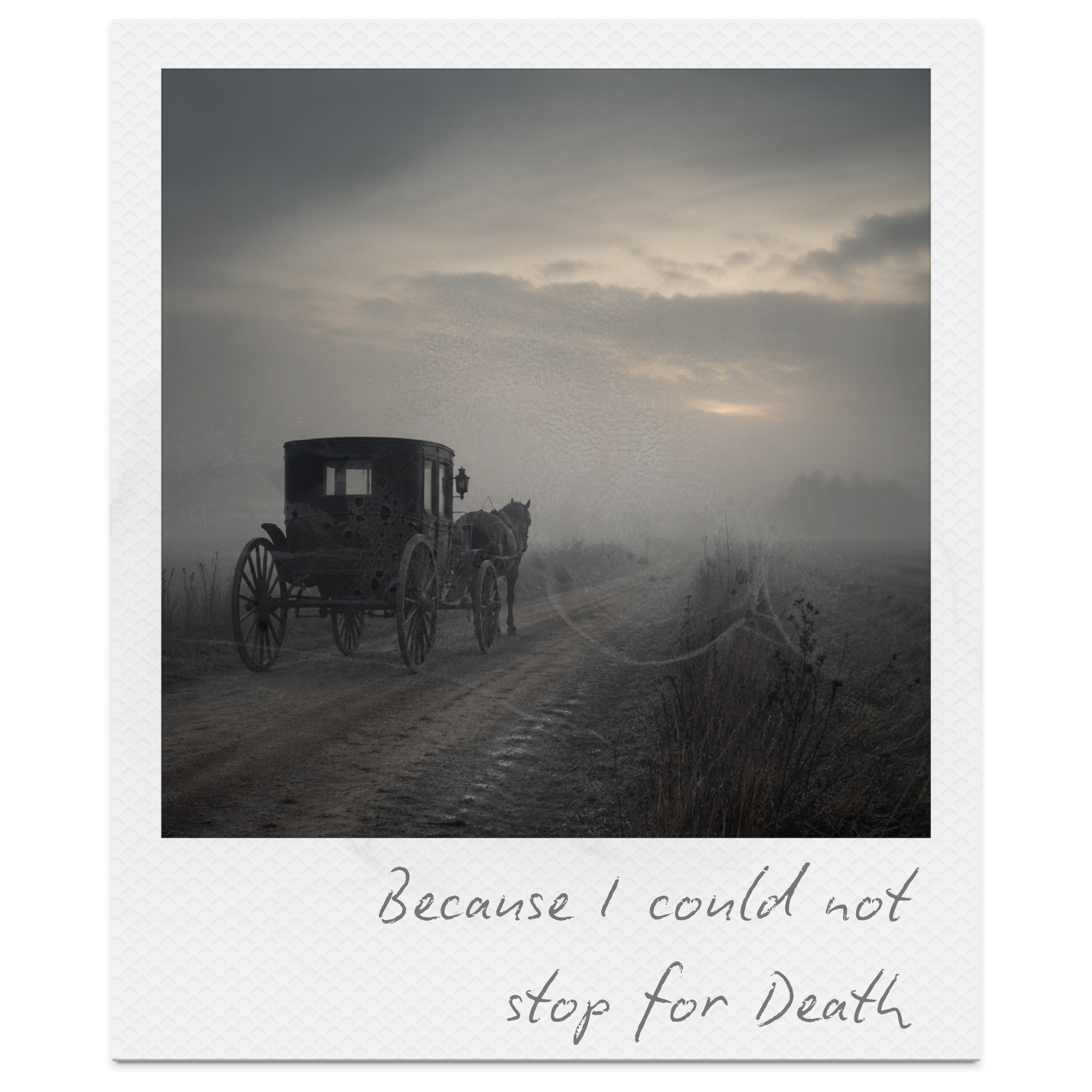
Because I could not stop for Death by Emily Dickinson: Summary, Themes & Analysis
Emily Dickinson’s Because I could not stop for Death presents death as a calm, deliberate journey, using personification and symbolism to transform a typically feared concept into something controlled and almost reassuring. Through the image of a carriage ride, the poem moves steadily through the stages of life, suggesting that death is not a sudden end but a process leading toward eternity. However, beneath this calm surface lies a deeper sense of uncertainty, as shifts in perspective and imagery reveal the limits of human understanding. The progression from familiar scenes to the final realisation of eternity highlights how time and control break down beyond life, leaving the reader with a quiet but unsettling reflection on what lies beyond death.

Childhood by Frances Cornford: Summary, Themes & Analysis
Frances Cornford’s Childhood explores innocence, perception, and the sudden recognition of human vulnerability, as a child’s confident assumptions about adulthood are quietly dismantled. Through contrast, imagery, and a reflective first-person voice, the poem captures the moment when a child realises that ageing is not chosen or controlled, but something inevitable and unsettling. By structuring the poem around a shift from belief to observation, Cornford reveals that both youth and old age are defined by helplessness, creating a balanced but uncomfortable insight into the human condition. This transformation is made particularly powerful through the symbolic image of the unstrung beads, which represents the collapse of order and control, leaving a lasting impression on both the speaker and the reader.

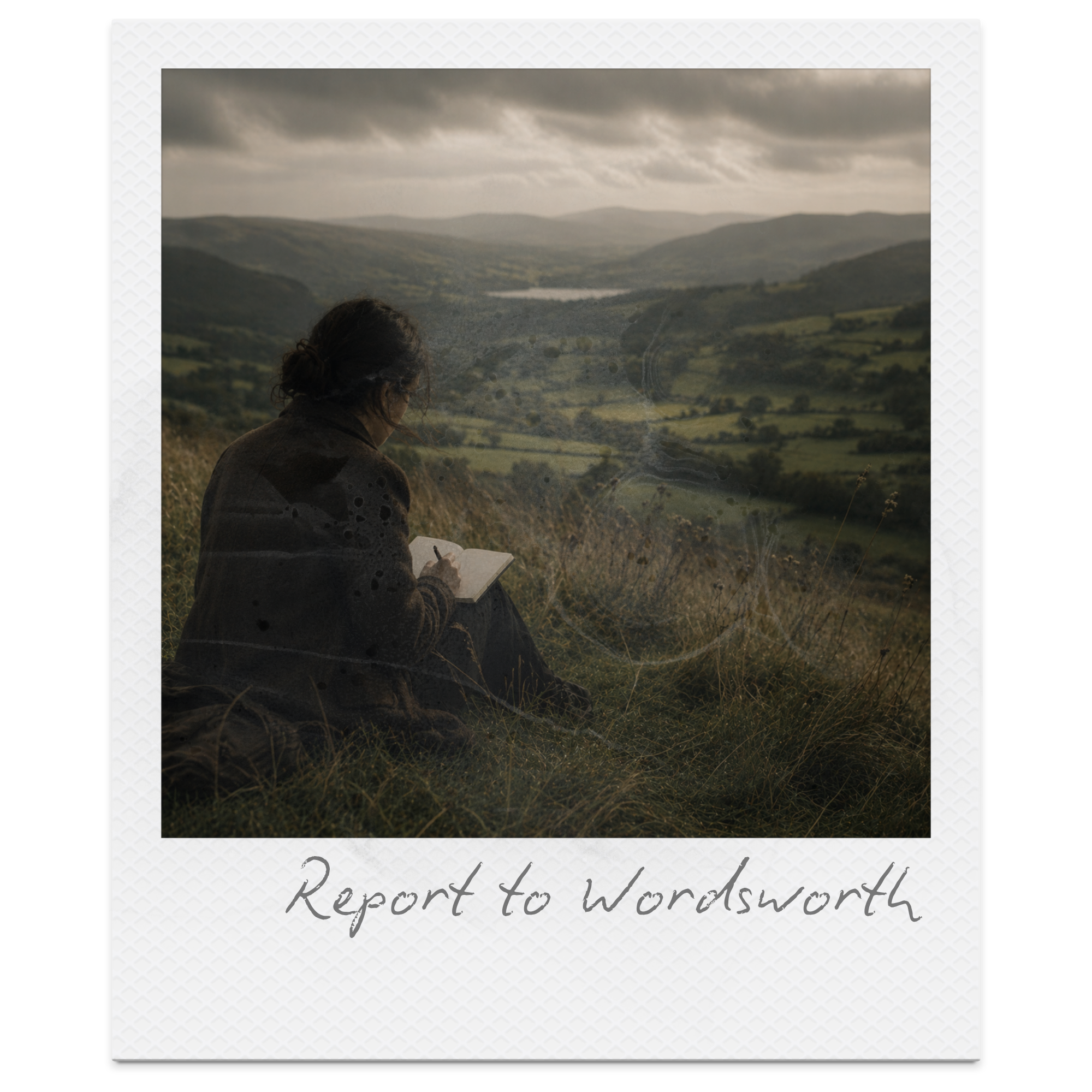
Report to Wordsworth by Boey Kim Cheng: Summary, Themes & Analysis
Report to Wordsworth by Boey Kim Cheng explores the devastating impact of human activity on the natural world, using vivid imagery, mythological allusion, and a disrupted sonnet form to contrast Romantic ideals with modern environmental decline. Through its urgent tone and escalating imagery, the poem presents nature as weakened, silenced, and in need of restoration. This analysis examines how Cheng uses language, structure, and voice to create meaning, focusing on environmental destruction, the failure of poetry and spirituality, and the loss of harmony between humanity and nature. Designed for IGCSE Literature (0475), it supports students in developing clear, method-focused responses.
Know Then Thyself – An Essay on Man by Alexander Pope: Summary, Themes & Analysis
This analysis of Know Then Thyself, an extract from An Essay on Man by Alexander Pope, explores how Pope presents humanity as a contradictory “middle state,” caught between reason and weakness, knowledge and ignorance, and power and limitation. Through antithesis, paradox, and tightly structured heroic couplets, the poem reveals the instability at the heart of human identity. Designed for IGCSE Literature (0475), this guide breaks down language, structure, and key methods to show how meaning is created, helping students move from basic understanding to confident, analytical responses.