In Praise of Creation by Elizabeth Jennings: Analysis of Nature, Instinct and the Order of Creation
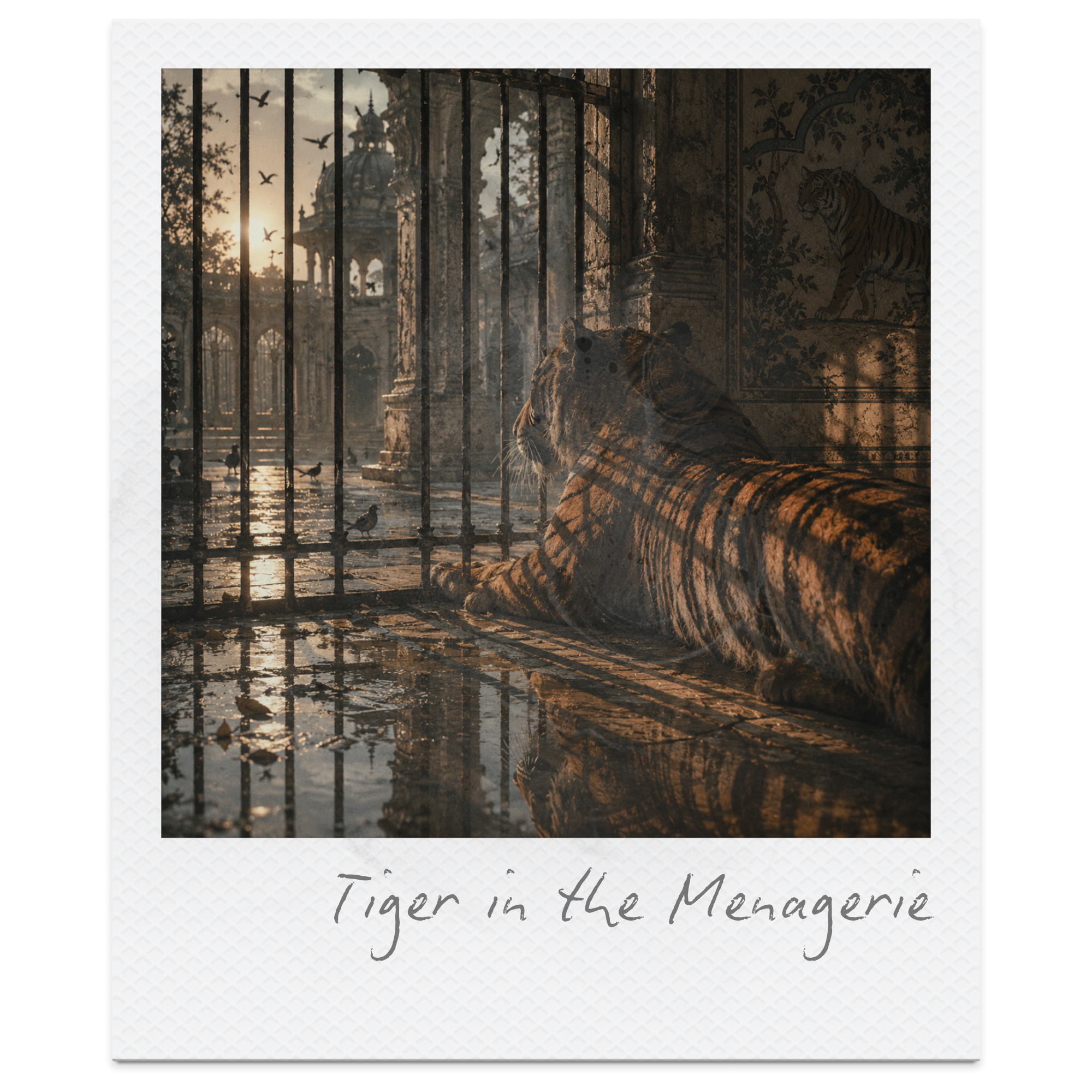
In Praise of Creation is a contemplative exploration of nature, instinct, and the hidden order that governs the living world. Through precise observations of birds, celestial bodies, and a tiger awaiting the rhythms of desire and reproduction, Elizabeth Jennings presents creation as a system shaped by pattern, purpose, and renewal. Yet the poem is not simply a celebration of nature. By concluding with "Man with his mind ajar," Jennings introduces a subtle contrast between the instinctive certainty of the natural world and humanity's capacity for reflection, wonder, and uncertainty. Rich in symbolism, cyclical imagery, and philosophical reflection, the poem examines the relationship between instinct and consciousness while suggesting that the deepest truths of existence may be revealed through attentive observation. For more poetry analysis, explore the Songs of Ourselves Volume 2 Hub and the wider Literature Library.
Context and Literary Background of In Praise of Creation
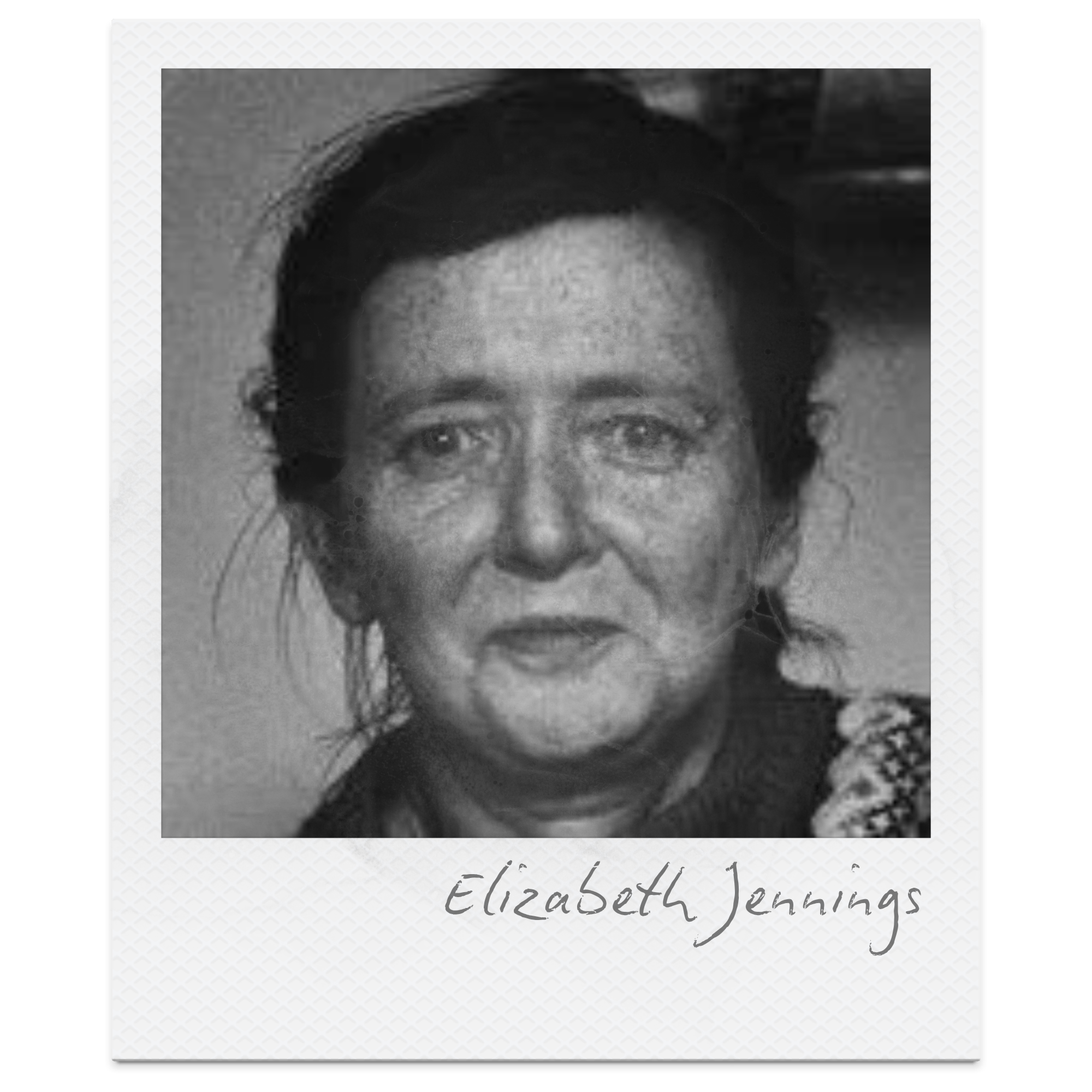
Elizabeth Jennings (1926–2001) was a British poet associated with The Movement, a group of mid-twentieth-century writers known for their clarity, precision, and focus on carefully observed experience. Unlike some contemporary poets who favoured experimental forms or obscure symbolism, Jennings often explored profound philosophical and spiritual questions through accessible language and vivid imagery.
Much of Jennings' poetry reflects her interest in religion, contemplation, and the search for meaning within everyday life. As a Roman Catholic, she frequently examined the relationship between the physical world and deeper spiritual truths. However, her poems rarely preach or offer simple answers. Instead, they invite readers to reflect upon the mysteries and patterns that shape existence.
In Praise of Creation reflects these concerns through its close attention to the natural world. Rather than presenting nature as chaotic or random, the poem emphasises order, rhythm, and interconnectedness. Birds migrate, seasons change, celestial bodies move through predictable cycles, and animals respond to instinctive drives that ensure the continuation of life. Jennings presents these processes with a sense of wonder, suggesting that creation operates according to patterns larger than individual experience.
The poem also engages with a long literary tradition of nature poetry. Writers from the Romantic period onwards often looked to nature as a source of truth, wisdom, or spiritual insight. However, Jennings differs from many Romantic poets because she focuses less on personal emotion and more on observation. The poem's repeated emphasis on creatures simply being what they are reflects a fascination with the certainty and purpose found within the natural world.
Understanding this context helps explain the significance of the poem's final image of "Man with his mind ajar." While animals and natural phenomena appear to follow instinctive patterns, human beings possess the ability to reflect, question, and seek meaning. The poem therefore becomes not only a celebration of creation but also a meditation on humanity's unique position within it.
In Praise of Creation: At a Glance
◆ Form – A six-stanza lyric poem that combines close observation of nature with philosophical reflection.
◆ Tone and emotional movement – Wonder-filled, contemplative, reverent, and reflective; the poem moves from observation towards deeper meditation on humanity's place within creation.
◆ Central tensions – Instinct versus consciousness, order versus freedom, nature versus humanity, certainty versus questioning.
◆ Core concerns – Creation, natural order, desire, reproduction, cyclical renewal, observation, and humanity's relationship with the wider world.
◆ Dominant imagery – Birds, stars, the moon, the tiger, blood, seasons, darkness, scent, and cyclical natural processes.
◆ Stylistic features – Symbolism, repetition, cyclical imagery, personification, natural imagery, philosophical reflection, and subtle shifts in perspective.
◆ Key themes – Nature and instinct, order and design, creation and renewal, desire, the relationship between humanity and nature, consciousness, and wonder.
◆ One-sentence interpretation – Jennings presents the natural world as a system governed by instinctive order and recurring cycles, while suggesting that humanity's unique role lies in recognising, questioning, and contemplating these patterns.
Quick Summary of In Praise of Creation
The poem begins by focusing on individual elements of the natural world, including a bird, a star, and a tiger. Jennings suggests that these living and celestial forms simply and confidently express their essential nature. She then explores the patterns and rhythms that govern creation, observing how birds, seasons, and animals follow instinctive cycles that sustain life and maintain order within the natural world.
As the poem develops, attention shifts to the tiger waiting for the arrival of the tigress, highlighting the role of desire, reproduction, and renewal within creation. The natural world continues to move through predictable cycles until calm eventually returns. In the final stanza, Jennings introduces humanity through the image of "Man with his mind ajar," suggesting that while nature follows instinctive certainty, human beings occupy a unique position as observers capable of wonder, reflection, and contemplation.
Title, Form, Structure and Metre in In Praise of Creation
Jennings' formal choices are closely connected to the poem's exploration of order, instinct, and the interconnected patterns that govern the natural world. While the poem appears carefully structured and controlled, subtle irregularities prevent it from feeling mechanical. This balance between pattern and variation mirrors the poem's wider vision of creation itself: a world governed by underlying laws yet filled with individual diversity.
Title: A Celebration of the Natural World
The title, In Praise of Creation, immediately establishes the poem as a work of admiration and contemplation.
The phrase "In Praise of" recalls traditions of devotional poetry, hymns, and odes, suggesting that the poem will celebrate something worthy of reverence. However, Jennings does not focus on a single creature, object, or landscape. Instead, the title directs attention towards creation itself — the entirety of the natural world and the systems that sustain it.
The title also encourages readers to approach the poem with a sense of wonder. Rather than questioning or criticising creation, the speaker seeks to understand and appreciate the patterns, rhythms, and relationships that give the world its coherence.
Form: A Reflective Lyric Poem
The poem takes the form of a lyric meditation, combining close observation with philosophical reflection.
Each stanza develops the speaker's contemplation of the natural world, moving from individual examples such as the bird, star, and tiger towards broader reflections on cycles of life, reproduction, and humanity's place within creation.
The lyric form allows Jennings to blend description and interpretation, creating a poem that feels both observational and reflective. The speaker is not simply describing nature but actively searching for meaning within it.
Structure: From Observation to Understanding
The poem follows a clear structural progression.
The opening stanzas focus on individual examples drawn from nature. The bird, star, and tiger are presented as creatures that instinctively embody what they are. Jennings then broadens her focus to examine larger natural patterns, including mating cycles, seasonal change, and reproduction.
The central tiger sequence acts as a turning point. Here, instinct becomes particularly significant as the tiger waits for the arrival of the tigress, highlighting the powerful forces that sustain life and renewal.
The final stanza introduces a shift in perspective. After observing the certainty of nature, attention turns to "Man with his mind ajar." This ending broadens the poem beyond the natural world and raises questions about humanity's relationship with creation. The movement from observation towards reflection gives the poem its philosophical depth.
Cyclical Structure and Natural Renewal
One of the poem's most important structural features is its emphasis on cycles.
Birds mate, seasons turn, desire emerges and subsides, and life continually renews itself. Repetition of words such as "turning, turning" reinforces this cyclical movement.
Rather than presenting time as linear, Jennings portrays existence as a series of recurring patterns. This cyclical structure reflects the poem's belief that order is embedded within creation itself.
Rhyme Scheme: Order with Variation
The poem broadly follows an ABAB rhyme scheme throughout.
This regular pattern contributes to the poem's atmosphere of stability and harmony. The recurring rhymes create a sense of predictability that mirrors the natural order being described.
However, Jennings frequently employs half-rhymes and imperfect rhyme pairings. Examples include "only" and "thinly," "rests" and "casts," and "here" and "ajar."
These slight disruptions are significant. They prevent the poem from feeling overly rigid and reflect the idea that nature combines order with individuality. Creation is governed by patterns, but those patterns allow for variation and difference.
Metre: Natural Rhythm Rather Than Mechanical Regularity
Although the poem appears formally controlled, it does not follow a strict metrical pattern.
Many lines contain either three or four strong stresses, but Jennings avoids the predictable regularity associated with highly structured traditional verse. Instead, the rhythm often follows the natural emphasis of speech.
For example, the opening line, "That one bird, one star," places strong stress upon "one," immediately emphasising individuality and uniqueness. Similarly, "The one flash of the tiger's eye" continues this pattern, drawing attention to the singular nature of each element within creation.
This flexible rhythm allows important ideas to emerge naturally rather than being constrained by an artificial metrical scheme.
Sound and Emphasis
Jennings uses sound patterns to reinforce meaning throughout the poem.
The repetition of "one" in the opening stanza creates emphasis and establishes the poem's fascination with individual existence. Elsewhere, phrases such as "turning, turning" and "blood beats beyond reason" create rhythmic momentum that echoes the cyclical processes being described.
The poem's sound patterns often imitate the movements they describe, helping readers feel the pulse of creation rather than simply observe it.
Order and Freedom
Perhaps the most significant aspect of the poem's form is the way it balances structure with flexibility.
The regular stanzas and recurring rhyme pattern suggest order, while the looser metre and occasional imperfect rhymes introduce variation. This formal balance reflects the poem's central vision of creation itself: a world governed by recurring patterns, yet filled with individuality, spontaneity, and life.
In this way, Jennings' formal choices do more than organise the poem. They embody its central belief that harmony emerges not from rigid uniformity but from the coexistence of order and diversity within the natural world.
Voice, Perspective and Emotional Conflict in In Praise of Creation
Jennings presents a speaker who observes the natural world with attentiveness and wonder while continually searching for deeper meaning within what they see. Although the poem appears calm and descriptive, its voice explores important tensions between instinct and consciousness, certainty and questioning, and the relationship between humanity and the wider natural order. Through a perspective that moves from observation to reflection, Jennings invites readers to consider what distinguishes human beings from the rest of creation.
The Speaker as Observer
The speaker occupies the role of a careful observer rather than an active participant.
From the opening references to "one bird, one star" and "the tiger's eye," attention is directed towards individual details within the natural world. The speaker's voice remains restrained and contemplative, allowing natural phenomena to take centre stage. This observational perspective creates an atmosphere of wonder and encourages readers to notice patterns that might otherwise be overlooked.
Importantly, the speaker does not attempt to dominate or control creation. Instead, they watch, interpret, and reflect upon what they see.
Nature as a Voice of Authority
Throughout the poem, nature itself appears to possess a form of authority.
The bird, star, and tiger "testify" simply through existing. The verb suggests evidence, witness, and truth, implying that creation communicates something important without requiring explanation. Rather than speaking directly, nature expresses itself through instinctive behaviour and recurring cycles.
As a result, the speaker positions the natural world as something that can be learned from rather than mastered.
The Perspective of Wonder and Reverence
The poem's tone is characterised by quiet wonder.
Jennings avoids dramatic emotional outbursts or overt religious declarations. Instead, admiration emerges through careful observation and precise imagery. The speaker appears continually impressed by the order and coherence underlying creation.
This sense of reverence encourages readers to see ordinary natural processes as remarkable rather than commonplace.
The Tension Between Instinct and Consciousness
One of the poem's most significant tensions emerges through the contrast between instinctive creatures and reflective human beings.
Birds follow seasonal rhythms.
The tiger responds to desire.
The natural world operates according to patterns that appear certain and unquestioned.
Humanity, however, occupies a different position. The final image of "Man with his mind ajar" suggests openness, curiosity, uncertainty, and reflection. Unlike the animals, humans do not simply participate in creation; they contemplate it.
This distinction creates an important emotional tension within the poem. Human consciousness provides insight and wonder, but it also introduces questioning and uncertainty.
Humanity as Observer Rather Than Master
The poem's final perspective is strikingly humble.
Although humanity appears at the conclusion, the speaker does not present human beings as superior to the rest of creation. Instead, people are depicted as observers standing before something larger than themselves.
The image of a mind standing "ajar" suggests receptiveness rather than certainty. Jennings, therefore, presents understanding as an ongoing process rather than a completed achievement.
A Voice That Remains Open
Perhaps the most important feature of the poem's voice is its openness.
The speaker never claims to possess complete answers about creation, instinct, or humanity's role within the natural world. Instead, the poem ends with a gesture towards continued contemplation.
This openness allows the poem to retain its sense of mystery. Rather than resolving its questions, Jennings invites readers to continue observing, reflecting, and finding meaning within the patterns of creation for themselves.
Stanza-by-Stanza Analysis of In Praise of Creation
Jennings develops her exploration of creation, instinct, and human consciousness through a carefully structured sequence of images. Each stanza introduces a different aspect of the natural world, gradually expanding from individual examples towards broader reflections on desire, renewal, cyclical order, and humanity's place within creation. Through recurring patterns of imagery and subtle shifts in perspective, the poem moves from observation to philosophical contemplation.
Stanza 1: Individuality, Certainty and the Language of Creation
The opening stanza immediately establishes the poem's fascination with individuality, order, and the self-evident nature of creation. Rather than beginning with broad philosophical statements, Jennings focuses on three distinct images: "one bird," "one star," and "the tiger's eye." The repetition of "one" is significant because it emphasises uniqueness and singularity. Each element exists as a distinct part of creation, yet each is also representative of a larger natural order.
The selection of images is carefully balanced. The bird represents living nature, the star introduces a cosmic dimension, and the tiger's eye suggests instinct, power, and animal vitality. By moving between earth and sky, Jennings creates the impression that the principles she is exploring operate across the entirety of creation rather than within one isolated environment.
The verb "assert" is particularly important. The bird, star, and tiger do not need to explain or justify themselves; they simply exist in a way that expresses their essential nature. The word suggests confidence and certainty, implying that these elements possess an instinctive understanding of their place within the world. Unlike human beings, they do not appear troubled by questions of identity or purpose.
This idea develops through the legal and religious connotations of "testify." The word evokes witness statements, evidence, and declarations of truth. Jennings personifies the natural world, suggesting that creation itself provides evidence of an underlying order. The bird, star, and tiger become silent witnesses to a larger pattern that governs existence.
The phrase "Without ceremony testify" further reinforces this idea. The absence of ceremony suggests simplicity, authenticity, and effortlessness. Nature does not require ritual, explanation, or intellectual interpretation in order to reveal truth. It simply exists according to its own nature. This creates an implicit contrast with humanity, whose search for meaning often involves reflection, philosophy, and questioning.
Structurally, the stanza functions as a kind of thesis for the poem. The opening images establish a world in which living creatures and natural phenomena instinctively embody what they are meant to be. Jennings therefore introduces one of the poem's central questions: what can human beings learn from a creation that appears to possess such certainty about itself?
Stanza 2: Natural Order and the Rhythms of Life
The second stanza develops the idea introduced in the opening lines by moving from individual examples towards broader patterns within creation. Having established that nature can "testify" to truth, Jennings now reveals what that testimony concerns: "order" and "rule." These nouns are significant because they suggest structure, consistency, and underlying design. The natural world is presented not as random or chaotic but as governed by recurring patterns that sustain life.
The repetition of "How" creates a catalogue of examples, giving the stanza an almost instructional quality. The speaker appears to be gathering evidence for the existence of a larger order, encouraging readers to observe the natural world as carefully as they do.
Jennings first focuses on reproduction: "How the birds mate at one time only." The adverb "only" emphasises precision and restraint. Birds do not act randomly but follow instinctive rhythms linked to seasonal cycles. This image reinforces the poem's fascination with natural law, suggesting that life continues because creatures participate in patterns larger than themselves.
The next image expands the scale from individual creatures to the wider landscape: "How the sky is, for a certain time, full / Of birds." The phrase "for a certain time" is particularly important because it introduces the idea of temporality and cyclical renewal. The sky is not permanently filled with birds; instead, nature operates through recurring periods of abundance and absence. Jennings therefore presents change not as disorder but as part of a larger pattern.
The image also evokes migration and seasonal movement. The birds appear collectively rather than individually, creating a contrast with the singular bird of the opening stanza. This shift from the individual to the collective suggests that creation functions on multiple levels simultaneously, with unique creatures participating in wider systems and cycles.
The stanza concludes with the striking image of "the moon sometimes cut thinly." The verb "cut" personifies the moon and emphasises its changing phases. Rather than appearing static, the moon becomes part of the same cyclical processes that govern birds and seasons. The adverb "sometimes" further reinforces the poem's emphasis on recurring change. The moon waxes and wanes, just as birds migrate and seasons shift.
Importantly, the moon introduces a celestial dimension to the poem's exploration of order. Jennings suggests that the same principles operate across both earthly and cosmic realms. Whether considering animals, seasons, or heavenly bodies, creation appears governed by rhythms that are reliable yet constantly changing.
By the end of the stanza, the poem has expanded beyond individual examples to reveal a world shaped by cycles, instinct, and recurring patterns. Jennings presents these rhythms as evidence of a deeper coherence within creation, preparing readers for the tiger imagery that follows and the poem's later exploration of desire, renewal, and consciousness.
Stanza 3: Instinct, Desire and the Power of the Body
The third stanza introduces the poem's most complex and symbolically rich image: the tiger. While the bird and moon illustrate natural cycles from a distance, the tiger allows Jennings to explore the relationship between instinct, desire, and individual experience. The stanza marks a shift from observation towards the powerful biological forces that drive creation and renewal.
The opening phrase, "the tiger trapped in the cage of his skin," immediately presents a striking paradox. Tigers are traditionally associated with freedom, strength, and predatory power, yet this tiger is described as "trapped." The metaphor of the "cage" suggests confinement and limitation, implying that even the most powerful creatures remain bound by their physical nature. Jennings therefore presents instinct not simply as freedom but as a force that both defines and restricts existence.
At the same time, the image highlights the inseparability of body and identity. The tiger cannot escape his skin because his instincts, desires, and physical existence are fundamental to who he is. This introduces a subtle tension that runs throughout the poem: creation operates through natural laws, but those laws also impose boundaries upon living creatures.
The description of the tiger as "Watchful over creation" elevates him beyond an ordinary animal. The capitalisation is absent, yet the phrase carries almost religious or mythic associations. The tiger appears momentarily like a guardian or witness, surveying the world around him. This image echoes the poem's wider concern with observation and awareness, positioning the tiger as a symbolic figure through whom the workings of creation become visible.
However, Jennings quickly reminds readers that the tiger remains governed by instinct. He "rests / For the blood to pound, the drums to begin." The auditory imagery of "blood" and "drums" creates a sense of anticipation and rising energy. The heartbeat becomes rhythmic and primal, suggesting the awakening of desire and the biological impulses that drive reproduction.
The metaphor of "drums" is particularly effective because it evokes ceremony, ritual, and inevitability. Unlike human decision-making, the tiger's response appears instinctive and deeply embedded within the rhythms of nature. The sound imagery therefore reinforces the poem's portrayal of creation as governed by recurring patterns that operate beneath conscious thought.
The stanza concludes with "Till the tigress's shadow casts", leaving the sentence deliberately unfinished and creating a moment of suspense. The appearance of the tigress introduces the possibility of connection, reproduction, and renewal, but Jennings delays the fulfilment of that expectation until the following stanza. Structurally, this enjambed ending mirrors the tiger's own state of waiting and anticipation.
By the end of the stanza, the tiger has become far more than a single animal. He symbolises the powerful instincts that sustain life itself, illustrating how desire functions as an essential part of creation's ongoing cycles of renewal and continuation.
Stanza 4: Desire, Renewal and the Cycles of Creation
The fourth stanza develops the anticipation established in the previous lines and presents desire as one of the fundamental forces sustaining creation. Jennings moves beyond the individual tiger and tigress to explore the larger processes of renewal, reproduction, and natural continuity that govern the living world.
The stanza begins with the arrival of the tigress through a sequence of sensory impressions: "A darkness over him, a passion, a scent." The list structure creates a feeling of immediacy and inevitability. The "darkness" may initially suggest danger or uncertainty, but it quickly becomes associated with attraction and desire. Rather than threatening the tiger, the tigress's presence awakens powerful instinctive responses. Jennings deliberately moves from the visual to the emotional and then to the sensory, reflecting how attraction operates on multiple levels simultaneously.
The nouns "passion" and "scent" are particularly significant because they emphasise instinct rather than conscious choice. The tiger responds not through reasoned thought but through biological drives embedded within creation itself. This reinforces one of the poem's central ideas: life continues because living creatures participate in natural rhythms that transcend individual control.
The focus then widens dramatically through the phrase "The world goes turning, turning." The repetition creates a circular rhythm that mirrors the movement being described. The world appears engaged in perpetual motion, suggesting continuity, renewal, and the endless recurrence of natural cycles. Structurally, the repeated word slows the line while simultaneously creating momentum, allowing readers to feel the turning movement of creation.
This cyclical imagery develops further when "the season / Sieves earth to its one sure element." The verb "sieves" is particularly striking. A sieve separates and refines, removing what is unnecessary in order to reveal something essential. Jennings therefore presents the changing seasons as a force that strips existence back to fundamental truths. The phrase "one sure element" suggests certainty, stability, and permanence beneath the apparent changes of the natural world.
The exact nature of this "one sure element" remains deliberately ambiguous. It may refer to reproduction, instinct, renewal, desire, or even life itself. This ambiguity is important because it allows the image to operate on multiple levels simultaneously, reinforcing the poem's philosophical depth.
The stanza concludes with "the blood beats beyond reason." This is one of the poem's most revealing statements. The alliteration of "blood beats beyond" creates a strong rhythmic pulse that mimics the heartbeat itself, while the phrase "beyond reason" establishes a clear distinction between instinct and intellect.
Rather than presenting this as something negative, Jennings suggests that certain aspects of existence cannot be fully understood through rational thought alone. The continuation of life depends upon forces that operate beneath conscious understanding. Desire becomes not merely a personal emotion but an essential mechanism within creation's larger design.
By the end of the stanza, the tiger's experience has become symbolic of a universal process. Individual desire merges with seasonal change, biological renewal, and the ongoing movement of creation itself, demonstrating how personal instinct participates in patterns far larger than the individual.
Stanza 5: Fulfilment, Stillness and Human Consciousness
The final stanza marks a significant shift in tone. After the intensity of instinct, desire, and cyclical movement that dominates the previous stanzas, Jennings introduces a sense of calm and completion. The rhythms of creation continue, but the urgency associated with reproduction and renewal gives way to stillness, reflection, and contemplation.
The opening phrase, "Then quiet," immediately signals this transition. The adverb "Then" suggests a natural progression within the cycle, while the abrupt simplicity of "quiet" contrasts sharply with the pounding blood and energetic movement of the previous stanza. Jennings presents silence not as an absence but as a necessary counterpart to activity. Just as creation involves desire and renewal, it also involves periods of rest and fulfilment.
The image of "birds folding their wings" reinforces this atmosphere of completion. Earlier in the poem, birds symbolised seasonal rhythms and instinctive order. Here, the act of folding their wings suggests rest, security, and the conclusion of movement. The image conveys a sense of harmony, as though the birds have fulfilled their role within the natural cycle and can now return to stillness.
Jennings then turns to the celestial imagery that has recurred throughout the poem: "The new moon waiting for years to be stared at here." The moon remains a symbol of cyclical renewal, continually moving through phases of disappearance and return. However, the verb "waiting" personifies the moon and introduces an intriguing relationship between nature and observation. The moon exists independently of humanity, yet it also seems to anticipate being noticed and contemplated.
The phrase "for years" expands the poem's timescale dramatically. Earlier stanzas focused on seasonal rhythms and immediate biological drives, but here Jennings gestures towards a much longer perspective. The moon becomes a symbol of continuity and endurance, existing across generations and inviting repeated acts of wonder.
The line "The season sinks to satisfied things" further develops the idea of fulfilment. The verb "sinks" is gentle and unhurried, suggesting a natural settling rather than a dramatic ending. Meanwhile, the adjective "satisfied" implies completion, contentment, and the successful fulfilment of instinctive purposes. Creation appears momentarily balanced and at peace.
The poem's final line, "Man with his mind ajar," introduces its most important shift in perspective. Throughout the poem, birds, stars, moons, and tigers have been presented as instinctively participating in the order of creation. Human beings, however, are defined not by instinct but by consciousness.
The metaphor "mind ajar" is particularly rich. A door that is ajar is neither fully open nor fully closed. The image therefore suggests curiosity, receptiveness, and intellectual openness. Unlike the animals, who simply enact their roles within creation, humanity stands apart as an observer capable of questioning, reflecting, and seeking meaning.
Importantly, Jennings does not present this as superiority. The final image is characterised by humility rather than mastery. Humanity's role is not to control creation but to remain open to its mysteries. The poem therefore ends not with certainty but with wonder, suggesting that the greatest human response to the natural world may be attentive contemplation rather than explanation.
By concluding with "Man with his mind ajar," Jennings transforms the poem from a celebration of natural order into a meditation on consciousness itself. The natural world follows its cycles instinctively, while humanity occupies a unique position as the creature capable of recognising, appreciating, and reflecting upon the beauty and complexity of creation.
Key Quotes and Literary Methods in In Praise of Creation
Jennings uses carefully chosen images, recurring symbols, and subtle shifts in perspective to explore nature, instinct, creation, and humanity's place within the wider world. These quotations are particularly useful because they reveal how the poem develops its central ideas about order, renewal, desire, and consciousness.
“That one bird, one star”
◆ Method or literary feature: Repetition, symbolism, minimalist imagery
◆ Interpretation and implied meaning: The repetition of "one" emphasises individuality and uniqueness. Each element of creation possesses its own identity while simultaneously belonging to a larger system.
◆ Why the poet uses it: Jennings establishes her fascination with both the particular and the universal, encouraging readers to observe individual examples of creation closely.
◆ Emotional/intellectual effect: Creates a sense of wonder and attentiveness.
◆ Broader conceptual significance: Introduces themes of identity, creation, and the interconnectedness of the natural world.
“Purely assert what they are”
◆ Method or literary feature: Personification, declarative language
◆ Interpretation and implied meaning: The bird, star, and tiger instinctively embody their essential nature without uncertainty or self-doubt.
◆ Why the poet uses it: Jennings contrasts the certainty of nature with humanity's tendency towards questioning and self-reflection.
◆ Emotional/intellectual effect: Creates admiration for the simplicity and confidence of the natural world.
◆ Broader conceptual significance: Explores identity, instinct, and the relationship between being and understanding.
Key Techniques in In Praise of Creation
Jennings creates meaning through a careful balance of symbolism, sound patterns, cyclical imagery, and subtle philosophical reflection. Although the language often appears simple, the poem's techniques work together to present creation as a world governed by instinctive order while simultaneously inviting deeper questions about humanity's relationship with nature. Rather than simply describing the natural world, Jennings uses literary methods to explore how meaning can be discovered through observation.
Symbolism
Symbolism lies at the heart of the poem.
The bird, star, moon, and tiger operate as more than individual images. They become symbols of wider natural processes, including instinct, continuity, renewal, and creation itself. The tiger in particular develops into a symbol of both power and limitation, embodying the tension between freedom and biological necessity through the image of being "trapped in the cage of his skin."
These symbols allow Jennings to move from observation towards philosophical reflection without abandoning the concrete details of the natural world.
Cyclical Imagery
The poem repeatedly emphasises cycles of movement, reproduction, and renewal.
Birds mate according to seasonal rhythms, the moon moves through changing phases, desire emerges and subsides, and the world continues "turning, turning." These recurring patterns reinforce the idea that creation operates through repetition and continuity rather than randomness.
The cyclical imagery also gives the poem its meditative quality, encouraging readers to view individual moments as part of larger natural processes.
Repetition
Jennings uses repetition to emphasise both individuality and continuity.
The repeated use of "one" in the opening stanza draws attention to the uniqueness of each element within creation, while the repeated verb "testify" reinforces the idea that nature reveals deeper truths through its existence.
Later, the repetition of "turning, turning" mimics the ongoing movement of the world itself, creating a rhythm that reflects the cyclical processes being described.
Alliteration
Alliteration frequently reinforces both sound and meaning.
The opening phrase "That one bird, one star" creates emphasis through repeated consonant sounds, helping to foreground the poem's focus on individual examples. Later, "blood beats beyond reason" uses repeated b sounds to imitate the pounding heartbeat associated with instinct and desire.
In the final stanza, softer alliteration appears in "season sinks to satisfied things" and "Man with his mind ajar." These gentler sounds contribute to the atmosphere of calm and fulfilment that characterises the poem's conclusion.
Sibilance
Jennings often employs sibilance to create a sense of softness and continuity.
The repeated s sounds in phrases such as "season sinks to satisfied things" produce a whispering effect that mirrors the gradual settling of the natural world after the intensity of desire and renewal.
This technique contributes to the poem's reflective and contemplative tone.
Personification
Natural elements are frequently given human characteristics.
The bird, star, and tiger "assert" and "testify," while the moon appears to be "waiting" to be observed. These examples of personification make the natural world feel communicative and meaningful rather than passive or indifferent.
By attributing human qualities to nature, Jennings encourages readers to engage with creation as something capable of expressing truth.
Paradox
The poem repeatedly relies upon paradox to deepen its exploration of instinct and identity.
The tiger is simultaneously powerful and confined, presented as "trapped in the cage of his skin." He appears both free and imprisoned, emphasising the idea that natural instincts provide purpose while also imposing limits.
This paradox prevents the poem from becoming a simplistic celebration of nature and introduces greater complexity into its portrayal of creation.
Enjambment
Jennings frequently carries ideas across line breaks through enjambment.
This creates a flowing movement that mirrors the natural processes described throughout the poem. Rather than stopping abruptly at the end of each line, thoughts unfold gradually, reflecting the continuity of seasons, migration, desire, and renewal.
The technique also contributes to the poem's conversational and reflective quality.
Contrast Between Instinct and Consciousness
One of the poem's most important structural techniques is its use of contrast.
For most of the poem, animals and natural phenomena are presented as instinctively participating in creation. The final image of "Man with his mind ajar" introduces a striking alternative perspective based on reflection and self-awareness.
This contrast creates the poem's central tension, raising questions about whether humanity's capacity for thought separates us from nature or allows us to appreciate it more deeply.
Imagery of Observation and Witness
Throughout the poem, Jennings repeatedly returns to images of seeing and awareness.
The tiger's eye, the watchful tiger, the moon waiting to be stared at, and the final image of the open mind all contribute to a pattern of observation. The poem suggests that understanding creation begins with careful attention.
This recurring imagery transforms observation into both a physical and philosophical act.
Ambiguity
Despite its celebration of order, the poem resists simple conclusions.
Jennings never explicitly explains what the natural world is ultimately testifying to. References to order, rule, and creation could be interpreted religiously, philosophically, or simply as observations about natural processes.
This ambiguity allows multiple interpretations to coexist and contributes to the poem's lasting richness and complexity.
Symbolism in In Praise of Creation
Symbolism is central to Jennings' exploration of nature, instinct, order, and human consciousness. Rather than presenting abstract philosophical ideas directly, she embodies them through recurring images drawn from the natural world. The bird, star, tiger, moon, blood, and changing seasons all carry meanings that extend beyond their literal presence, allowing the poem to move between observation and reflection.
The Bird: Instinct and Natural Order
The bird symbolises instinctive participation in creation.
Birds appear repeatedly throughout the poem, first as individual examples of existence and later as part of larger seasonal cycles. Their migration and mating patterns suggest a world governed by natural rhythms rather than conscious decision-making.
Because birds simply fulfil their role within creation, they become symbols of harmony between identity and purpose.
The Star: Permanence and Cosmic Order
The star introduces a celestial dimension to the poem.
Unlike the bird, which belongs to the immediate natural world, the star evokes vastness, continuity, and permanence. It suggests that the principles governing creation extend beyond individual creatures and operate across the universe itself.
The star therefore becomes a symbol of enduring order and the interconnectedness of all creation.
The Tiger: Instinct, Desire and the Physical Self
The tiger is the poem's richest and most complex symbol.
On one level, he represents strength, vitality, and the power of the natural world. However, the image of the tiger "trapped in the cage of his skin" introduces a deeper symbolic meaning. He becomes a symbol of the living body itself, bound by instinct, desire, and biological necessity.
The tiger's waiting for the tigress also transforms him into a symbol of reproductive energy and renewal. Through him, Jennings explores how desire functions as a force that sustains creation.
The Tigress: Attraction and Renewal
The tigress appears only briefly, yet her symbolic significance is substantial.
Her arrival triggers movement, desire, and fulfilment. She symbolises attraction, reproduction, and the continuation of life. Importantly, she is first encountered through "a darkness,""a passion," and "a scent," emphasising instinctive responses rather than conscious thought.
As a result, the tigress becomes a symbol of the forces that drive renewal throughout the natural world.
Blood: Life, Instinct and Primal Energy
The recurring references to blood symbolise life itself.
The pounding blood reflects instinct, desire, and biological vitality. Unlike the reflective consciousness associated with humanity at the poem's conclusion, blood operates beneath conscious thought.
Its rhythmic movement connects individual creatures to larger natural processes and reinforces the poem's emphasis on forces that exist "beyond reason."
The Moon: Cycles, Change and Endurance
The moon functions as a symbol of cyclical renewal.
Its changing phases reflect the recurring patterns that govern creation. The image of the moon being "cut thinly" emphasises transformation and continual change, while the "new moon" represents beginnings and renewal.
At the same time, the moon's repeated return suggests continuity and endurance despite constant change.
The Seasons: Cyclical Time and Renewal
The seasons symbolise the recurring patterns that structure existence.
They govern migration, mating, growth, and decline, demonstrating that creation operates through cycles rather than linear progress. The world's continual "turning" reinforces this idea, presenting time as repetitive and regenerative.
Through seasonal imagery, Jennings suggests that change itself forms part of a larger stability.
The World Turning: Continuity and Creation
The image of "The world goes turning, turning" symbolises the ongoing movement of life.
The repetition conveys permanence through motion. Creation continues not because it remains static but because it constantly renews itself.
This image therefore becomes a symbol of both continuity and transformation.
The Open Mind: Human Consciousness
The poem's final image of "Man with his mind ajar" is its most significant symbol.
A door that is ajar is neither fully open nor fully closed. The image therefore suggests curiosity, receptiveness, and a willingness to engage with mystery. Unlike the animals, which participate instinctively in creation, humanity possesses the ability to reflect upon it.
The open mind symbolises wonder, contemplation, and the search for meaning.
Creation Itself: Order, Mystery and Interconnection
Ultimately, creation functions as the poem's overarching symbol.
The bird, star, tiger, moon, and seasons all contribute to a vision of existence characterised by order, interconnectedness, and recurring renewal. Yet Jennings never fully explains the source of this order, leaving room for religious, philosophical, and existential interpretations.
As a result, creation becomes both a symbol of coherence and a reminder of the mysteries that remain beyond complete human understanding.
How Elizabeth Jennings Creates Meaning and Impact in In Praise of Creation
Jennings creates meaning through the careful interplay of natural imagery, symbolism, cyclical structure, and philosophical reflection. While the poem appears deceptively simple, its observations of birds, stars, seasons, and tigers gradually develop into a meditation on instinct, consciousness, and humanity's relationship with the wider world. Rather than explaining creation directly, Jennings allows patterns within nature to reveal deeper truths.
One of the poem's most significant methods is its use of observation as a pathway to understanding. The poem begins with highly specific images — "one bird, one star" and "the tiger's eye" — encouraging readers to focus on individual details. However, these images quickly become symbolic of wider principles. By moving from the particular to the universal, Jennings suggests that profound insights can emerge from careful attention to ordinary aspects of the natural world.
The recurring emphasis on order is also central to the poem's meaning. Natural phenomena repeatedly "testify" to patterns and rules that govern existence. Birds migrate and mate according to seasonal rhythms, the moon moves through predictable phases, and the tiger responds to instinctive drives that sustain life. Through these examples, Jennings presents creation as a system characterised by coherence and interconnectedness rather than randomness.
The poem's exploration of instinct deepens this idea. The tiger sequence demonstrates how desire operates as part of a larger natural process. Although the tiger appears powerful and independent, he is also "trapped in the cage of his skin," reminding readers that living creatures are shaped by biological necessities beyond conscious control. Jennings presents instinct not as something primitive or inferior but as an essential force that enables renewal and continuity.
Jennings further develops meaning through cyclical imagery. References to mating seasons, the changing moon, and the world "turning, turning" reinforce the idea that creation functions through recurring patterns. The repetition of these cycles creates a sense of permanence beneath continual change. Individual moments pass, yet the larger processes of life continue. This cyclical vision allows the poem to celebrate both transformation and stability simultaneously.
The poem's sound patterns also contribute significantly to its impact. The rhythmic pulse of "the blood beats beyond reason" echoes the instinctive forces being described, while the softer sibilance of "the season sinks to satisfied things" creates an atmosphere of fulfilment and calm. Jennings uses sound not merely for decoration but to reinforce emotional and thematic development.
Perhaps the poem's most important shift occurs in its final line. Throughout most of the poem, animals and natural phenomena instinctively participate in creation. The arrival of "Man with his mind ajar" introduces a new dimension: consciousness. Unlike the bird or tiger, humanity does not simply inhabit creation but reflects upon it. The metaphor of the open mind suggests curiosity, receptiveness, and intellectual humility. Rather than presenting human beings as masters of nature, Jennings depicts them as observers seeking to understand something larger than themselves.
Importantly, the poem remains deliberately open-ended. Jennings never explicitly explains what creation ultimately signifies or what lies behind the order she observes. The bird, star, moon, and tiger all appear to testify to a deeper truth, yet that truth is never fully defined. This ambiguity allows the poem to support religious, philosophical, and secular interpretations simultaneously.
Ultimately, Jennings creates meaning by transforming observation into contemplation. Through symbolism, cyclical patterns, sound, and imagery, she presents creation as a world governed by instinctive order while suggesting that humanity's greatest role may be to remain attentive, curious, and open to the mysteries that surround it.
Central Ideas and Themes in In Praise of Creation
Through its close observation of the natural world, In Praise of Creation explores the patterns, forces, and mysteries that shape existence. Jennings presents creation as a system governed by instinctive order and continual renewal, while also reflecting upon humanity's unique ability to observe, question, and seek meaning within it. The poem ultimately celebrates both the certainty of nature and the wonder inspired by contemplating it.
Nature and Instinct
One of the poem's most important themes is the relationship between nature and instinct.
Birds migrate and mate according to seasonal rhythms, the tiger responds to desire, and the moon moves through recurring phases. Throughout the poem, living creatures appear guided by innate drives rather than conscious decision-making. Jennings presents this instinctive behaviour as both natural and necessary, suggesting that life continues because creatures participate in patterns larger than themselves.
Importantly, instinct is never portrayed as primitive or inferior. Instead, it becomes a source of harmony, connecting individual creatures to the wider processes of creation.
Order and Design
The poem repeatedly emphasises the presence of order within the natural world.
Nature is said to "testify to order, to rule," suggesting that creation follows consistent patterns rather than operating through randomness or chaos. Seasonal cycles, migration, reproduction, and celestial movements all provide evidence of a larger structure underlying existence.
Whether interpreted religiously, philosophically, or scientifically, this order forms the foundation of the poem's vision of creation. Jennings encourages readers to recognise the coherence that links individual elements of the natural world together.
Creation and Renewal
The poem celebrates creation as a process of continual renewal.
Life is sustained through recurring cycles of growth, reproduction, movement, and return. Birds fill the sky for a season before departing, the moon disappears and reappears, and the tiger's desire contributes to the continuation of life itself.
The repeated image of the world "turning, turning" reinforces the idea that creation is never static. Instead, renewal becomes one of its defining characteristics, ensuring continuity despite constant change.
Desire
Jennings presents desire as a fundamental force within creation.
The tiger's anticipation of the tigress introduces the powerful biological drives that sustain life. Images of pounding blood, scent, passion, and instinct emphasise the physical nature of this attraction.
However, desire is not portrayed merely as an individual emotion. Instead, it becomes part of a larger natural process that enables reproduction and renewal. The tiger's experience therefore reflects a universal force operating throughout creation.
The Relationship Between Humanity and Nature
The poem continually explores the relationship between humanity and the natural world.
For most of the poem, attention remains focused on animals, seasons, and celestial bodies. Human beings do not appear until the final line, creating the impression that humanity forms only one part of a much larger creation.
At the same time, the ending suggests that humans possess a distinctive role. Unlike the tiger or bird, people do not simply participate in creation but actively reflect upon it. Jennings therefore presents humanity as both part of nature and uniquely capable of contemplating it.
Consciousness
The final image of "Man with his mind ajar" introduces the theme of consciousness.
Animals appear governed by instinctive certainty, while humans are characterised by awareness, curiosity, and reflection. The metaphor of the open mind suggests receptiveness to new ideas and a willingness to engage with mystery.
Importantly, consciousness is not presented as a source of superiority. Instead, it becomes a means of appreciating the complexity and beauty of creation. Human thought allows for wonder, interpretation, and the search for meaning.
Wonder
Perhaps the poem's most pervasive theme is wonder.
Throughout the poem, Jennings approaches creation with admiration and attentiveness. The bird, star, moon, tiger, and changing seasons are presented not as ordinary objects but as sources of fascination and insight.
This sense of wonder is closely connected to the poem's final image. A mind standing "ajar" remains open to discovery rather than closed by certainty. Jennings suggests that one of humanity's greatest gifts is the ability to respond to creation with curiosity, humility, and awe.
Ultimately, the poem proposes that understanding begins not with mastery but with attentive observation. Through wonder, human beings become capable of recognising the beauty, complexity, and interconnectedness of the world around them.
Alternative Interpretations of In Praise of Creation
Although In Praise of Creation initially appears to be a straightforward celebration of the natural world, Jennings leaves considerable room for interpretation. The poem's symbolism, ambiguity, and philosophical tone allow readers to approach it from religious, ecological, psychological, and even existential perspectives. Rather than offering a single message, Jennings invites readers to reflect upon what creation reveals about life, identity, and humanity's place within the world.
Religious Interpretation: Creation as Evidence of Divine Design
One of the most common interpretations views the poem as a reflection on God's creation.
The repeated suggestion that nature can "testify to order, to rule" implies that the natural world reveals evidence of an underlying design. Birds, seasons, the moon, and the tiger all participate in patterns that appear purposeful and interconnected.
Under this reading, the poem resembles a modern form of devotional poetry. The speaker finds spiritual meaning not through religious doctrine but through careful observation of creation itself. The final image of "Man with his mind ajar" suggests a person opening themselves to divine truth through contemplation of the natural world.
Ecological Interpretation: Humanity as Part of Nature
The poem can also be read as an ecological challenge to human-centred thinking.
For most of the poem, humanity is entirely absent. Birds, stars, tigers, and seasons occupy centre stage, while human beings appear only in the final line. This structure subtly undermines assumptions about human importance.
From this perspective, Jennings presents humanity as one element within a much larger ecosystem rather than the dominant force within creation. The poem encourages humility by reminding readers that natural cycles existed long before human observation and will continue long after individual lives have ended.
Psychological Interpretation: Instinct Versus Consciousness
A psychological reading focuses on the contrast between instinctive creatures and reflective human beings.
The birds and tiger appear guided by natural drives that provide certainty and purpose. Human beings, however, are characterised by consciousness and self-awareness. The image of "Man with his mind ajar" suggests openness but also uncertainty.
Under this interpretation, the poem explores a tension between instinct and intellect. Animals simply participate in existence, while humans continually seek meaning within it. Jennings may therefore be questioning whether consciousness is a gift, a burden, or both simultaneously.
Sexual Interpretation: Desire as a Creative Force
The tiger sequence supports a reading centred on sexual desire and reproduction.
The imagery of pounding blood, scent, passion, and the arrival of the tigress highlights attraction as a biological force that drives renewal and continuation. The tiger's anticipation reflects instinctive desires that exist beyond conscious control.
However, Jennings does not present desire as merely physical. Instead, it becomes part of the larger processes that sustain life itself. Under this interpretation, sexuality is portrayed as an essential component of creation rather than something separate from it.
Existential Interpretation: Finding Meaning Through Observation
An existential reading focuses less on religion and more on humanity's search for meaning.
The poem repeatedly presents a world that appears ordered and purposeful, yet Jennings never explicitly explains what this order signifies. The bird, star, moon, and tiger seem to point towards deeper truths, but those truths remain undefined.
From this perspective, the final image of the open mind becomes particularly significant. Meaning is not handed to humanity but must be sought through observation, reflection, and engagement with the world. The poem therefore becomes an exploration of how individuals respond to mystery rather than a declaration of certainty.
Romantic Interpretation: Nature as a Source of Wisdom
The poem can also be linked to the tradition of Romantic nature poetry.
Like writers such as Wordsworth, Jennings suggests that nature possesses insights capable of enriching human understanding. The natural world is presented as a source of truth, order, and wonder that stands in contrast to the complexity of human thought.
However, Jennings differs from many Romantic poets because she remains more restrained and observational. Rather than celebrating personal emotion, she focuses on the patterns and processes that reveal the interconnectedness of creation itself.
Ultimately, the poem's richness comes from its openness. Whether read as a meditation on faith, ecology, consciousness, desire, or humanity's search for meaning, In Praise of Creation encourages readers to remain, like the poem's final figure, with their minds thoughtfully ajar.
Compare With Other Songs of Ourselves Volume 2 Poems
Like many poems in the anthology, In Praise of Creation explores humanity's relationship with the wider world. However, Jennings approaches these concerns through careful observation of nature, instinct, and cyclical order, creating a poem that is both contemplative and philosophical. Her focus on creation as a source of meaning connects her to several other anthology poems, while her emphasis on instinct and natural law gives the poem a distinctive perspective.
◆ Lion Heart by Amanda Chong – Both poems explore the relationship between individual identity and larger forces that shape existence. While Chong examines national identity and historical development through the symbolism of the lion, Jennings focuses on natural cycles and instinctive order. Both poets suggest that understanding the present requires recognising connections to deeper origins.
◆ Heart and Mind by Edith Sitwell – Both poems explore the relationship between instinct and consciousness. Sitwell presents these forces as fundamentally divided, while Jennings presents instinct and awareness as complementary aspects of creation. Both poems ultimately encourage readers to reflect upon humanity's place within larger systems of existence.
◆ Upon a Wasp Chilled with Cold by Edward Taylor – Both poems use close observation of the natural world to explore broader philosophical and spiritual questions. Taylor focuses on a single creature to reveal ideas about divine power and human limitation, while Jennings expands her focus to encompass creation as a whole.
◆ The Poplar-Field by William Cowper – Both poets reflect upon natural processes and the passage of time. However, Cowper emphasises loss, change, and mortality, whereas Jennings focuses on renewal, continuity, and the enduring patterns that sustain life despite change.
◆ Afternoon with Irish Cows by Billy Collins – Both poems examine what humans can learn from animals. Collins uses humour and self-awareness to contrast human complexity with animal simplicity, while Jennings adopts a more contemplative tone, suggesting that instinctive creatures reveal important truths about creation and existence.
◆ Sleep by Kenneth Slessor – Both poems move beyond straightforward description and use symbolism to explore states of being that extend beyond ordinary human experience. While Slessor focuses on dreams, imagination, and altered consciousness, Jennings explores wonder, instinct, and humanity's search for meaning within creation.
◆ I Dream of You... by Christina Rossetti – Both poems contain a reflective, contemplative quality and explore experiences that reach beyond the material world. Rossetti turns inward towards memory and longing, whereas Jennings directs attention outward towards nature and creation as sources of insight and wonder.
Exam-Ready Insight for In Praise of Creation
Strong responses to In Praise of Creation move beyond describing the poem as a simple celebration of nature. While Jennings clearly admires the natural world, the poem is ultimately concerned with larger questions about instinct, consciousness, order, and humanity's place within creation. The strongest essays explore how Jennings uses natural imagery and symbolism to examine the relationship between the certainty of nature and humanity's capacity for reflection.
What Strong Responses Do
◆ Analyse how the bird, star, moon, and tiger function as symbols rather than simply examples of nature.
◆ Explore the significance of the repeated emphasis on order, rule, and cyclical patterns.
◆ Track how the poem develops from individual observations towards broader philosophical reflection.
◆ Examine the contrast between instinctive creatures and reflective human consciousness.
◆ Analyse the tiger as both a symbol of power and a creature constrained by biological necessity.
◆ Explore the significance of "the blood beats beyond reason" and what it suggests about instinct and desire.
◆ Discuss the role of repetition and cyclical imagery in reinforcing themes of renewal and continuity.
◆ Consider multiple interpretations, including religious, ecological, psychological, and existential readings.
◆ Analyse the importance of the final image of "Man with his mind ajar."
◆ Explore how Jennings presents observation itself as a pathway towards understanding.
Example of a Strong Thesis
Jennings uses symbolism, cyclical imagery, and natural observation to present creation as a world governed by instinctive order and continual renewal, while suggesting that humanity's unique role lies not in controlling nature but in remaining open to its mysteries and meanings.
Example of a Strong Analytical Paragraph
Throughout the poem, Jennings presents instinct as a powerful force that connects individual creatures to the wider processes of creation. The tiger is described as being "trapped in the cage of his skin," a metaphor that simultaneously emphasises strength and limitation. While the tiger appears powerful and self-contained, the image suggests that he remains bound by biological instincts beyond his conscious control. This idea develops further when Jennings writes that "the blood beats beyond reason." The verb "beats" creates a rhythmic pulse that mirrors the physical heartbeat, while the phrase "beyond reason" establishes a contrast between instinct and intellectual thought. Rather than presenting instinct as something primitive or inferior, Jennings suggests that it forms an essential part of creation's design. Through the tiger, the poem demonstrates how individual desire participates in larger patterns of renewal and continuity that sustain life itself.
Teaching Ideas for In Praise of Creation
In Praise of Creation offers excellent opportunities to explore nature poetry, symbolism, philosophical reflection, and the relationship between instinct and consciousness. Because the poem appears deceptively simple, it is particularly useful for helping students move beyond surface-level observations towards more sophisticated literary analysis.
Symbolism Mapping Activity
Ask students to track one symbol throughout the poem and explore how its meaning develops.
Possible symbols include:
◆ The bird
◆ The star
◆ The tiger
◆ The moon
◆ Blood
◆ The season
Students should identify where the symbol appears, what it represents literally, and how Jennings uses it to explore larger ideas about creation, instinct, and humanity.
The Meaning of “Man with His Mind Ajar”
The poem's final line is ideal for close analysis.
Ask students:
◆ Why does humanity appear only in the final line?
◆ What does the image of a mind being "ajar" suggest?
◆ Is Jennings celebrating human consciousness or questioning it?
This often leads to productive discussions about the differences between instinct and reflection.
Instinct Versus Consciousness Debate
The poem invites students to consider whether animals or humans possess a deeper connection to the natural world.
Possible statements include:
◆ "Animals understand creation better than humans."
◆ "Human consciousness separates people from nature."
◆ "The poem celebrates instinct more than reason."
Students should support their arguments with precise textual evidence.
Close Analysis of the Tiger
The tiger functions as the poem's most complex symbol.
Students can explore:
◆ Why the tiger is "trapped in the cage of his skin."
◆ The significance of desire and reproduction.
◆ How the tiger differs from the bird and the moon.
◆ Whether the tiger symbolises all living creatures.
This activity helps students move beyond literal interpretation and engage with symbolism.
Silent Debate
This poem works particularly well as a silent debate because many of its ideas remain deliberately open-ended.
Possible statements:
◆ "The poem is ultimately religious."
◆ "Nature reveals truths that humans cannot fully understand."
◆ "The final line is the most important line in the poem."
Students can challenge and build upon one another's interpretations using evidence from the text.
Comparing Nature Poets
Students compare Jennings' presentation of nature with another poet.
Useful comparisons include:
◆ The Poplar-Field by William Cowper
◆ Upon a Wasp Chilled with Cold by Edward Taylor
◆ Afternoon with Irish Cows by Billy Collins
Focus questions:
◆ What does each poet believe humans can learn from nature?
◆ Is nature presented as comforting, instructive, mysterious, or threatening?
Creative Writing Extension
Invite students to write their own short poem beginning with a single natural image.
Examples:
◆ One bird
◆ One tree
◆ One star
◆ One wave
Students should imitate Jennings' technique of moving from a specific observation towards a broader philosophical idea.
Unseen Poetry Preparation
In Praise of Creation is particularly useful preparation for unseen poetry because it requires students to interpret symbolism and implicit meaning.
Students can practise:
◆ Tracking recurring imagery.
◆ Identifying shifts in perspective.
◆ Exploring multiple interpretations.
◆ Moving from description to analysis.
These are all essential skills for high-level unseen poetry responses.
Go Deeper into In Praise of Creation
In Praise of Creation belongs to a rich literary tradition that explores nature, humanity's place within the world, and the search for meaning through observation. These texts offer particularly useful comparisons because they similarly examine the relationship between instinct, consciousness, order, and wonder.
◆ Tintern Abbey by William Wordsworth – Like Jennings, Wordsworth presents nature as a source of insight and understanding. Both poets suggest that careful observation of the natural world can reveal deeper truths, although Wordsworth focuses more heavily on personal memory and emotional experience.
◆ The Tyger by William Blake – Both poems use the image of a tiger to explore questions about creation and existence. However, Blake emphasises mystery, awe, and the terrifying power of creation, while Jennings focuses on instinct, renewal, and the natural rhythms that sustain life.
◆ Pied Beauty by Gerard Manley Hopkins – Both poems celebrate the natural world as evidence of a larger order. Hopkins praises the diversity and variety of creation, while Jennings emphasises the recurring patterns and cycles that connect all living things.
◆ The Windhover by Gerard Manley Hopkins – Like Jennings, Hopkins focuses on a single creature to explore broader spiritual and philosophical ideas. Both poets transform close observation into a meditation on meaning, wonder, and humanity's relationship with the world.
◆ Walden by Henry David Thoreau – Although a prose work, Walden shares Jennings' belief that attentiveness to nature can deepen human understanding. Both writers encourage readers to slow down, observe carefully, and remain open to the lessons offered by the natural world.
Final Thoughts
Elizabeth Jennings' In Praise of Creation is far more than a simple celebration of nature. Through its carefully observed imagery, symbolic patterns, and philosophical reflections, the poem explores the forces that sustain life and the rhythms that connect individual creatures to the wider world. Birds, stars, moons, and tigers become evidence of a creation governed by order, instinct, renewal, and continuity.
What makes the poem particularly compelling is its balance between certainty and mystery. Nature appears to follow patterns that are reliable and enduring, yet Jennings never fully explains what those patterns ultimately mean. Instead, she invites readers to observe, reflect, and remain open to possibilities. The poem's power lies not in providing answers but in encouraging contemplation.
The final image of "Man with his mind ajar" transforms the poem into a meditation on human consciousness itself. Unlike the creatures that instinctively participate in creation, humanity possesses the ability to recognise, question, and wonder at the world around it. Jennings suggests that this openness may be one of our defining qualities. Rather than standing apart from creation, we become part of it through our capacity for curiosity and reflection.
Whether read as a religious meditation, an ecological reflection, or a philosophical exploration of instinct and awareness, In Praise of Creation remains a thoughtful reminder that meaning often begins with attentive observation. The poem encourages readers to look more closely at the natural world and to recognise the beauty, mystery, and interconnectedness that surround them.
For more poetry analysis, explore the Songs of Ourselves Volume 2 Hub and the wider Literature Library, where you'll find detailed explorations of symbolism, themes, literary techniques, and anthology comparisons.
Choose Your Next Text