The Bargain by Sir Philip Sidney: Analysis of Love, Exchange and Emotional Equality
Sir Philip Sidney’s The Bargain explores love, emotional reciprocity, and the intimate merging of two identities through the extended metaphor of exchange and shared possession. Although the poem initially presents romantic love as balanced, harmonious, and mutually sustaining, Sidney gradually complicates this apparent equality through images of emotional wounding, shared suffering, and psychological dependence. Through its tightly controlled structure, patterned repetition, and paradoxical imagery of ownership and unity, the poem examines how love can simultaneously create emotional fulfilment, vulnerability, and loss of individual identity. For more AS Level poetry analysis, explore the Songs of Ourselves Volume 2 Hub and the Literature Library.
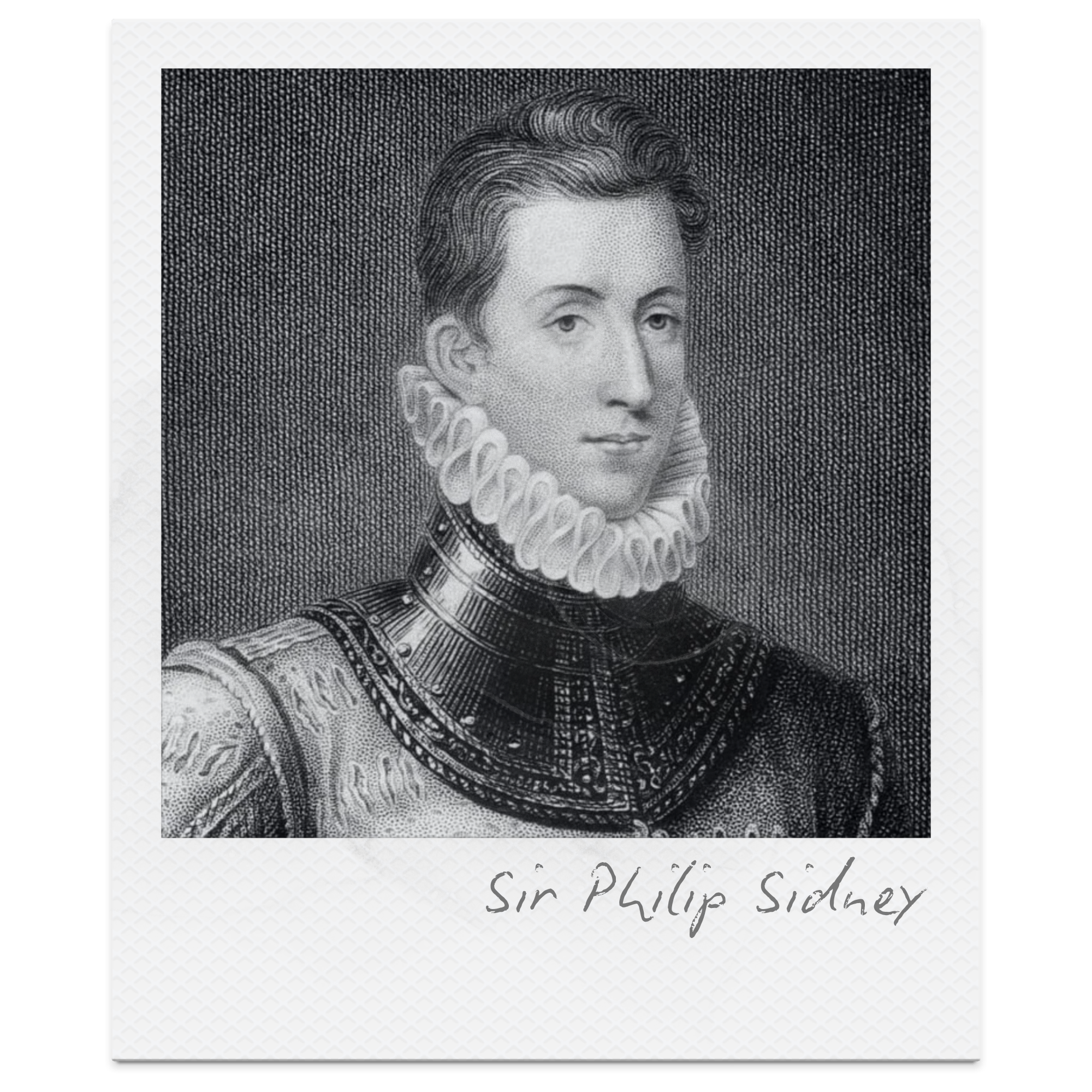
Context and Literary Background of The Bargain
Sir Philip Sidney was one of the most influential writers of the English Renaissance and is closely associated with the development of the Elizabethan sonnet tradition. Writing during a period shaped by court politics, ideals of noble behaviour, and highly stylised expressions of romantic devotion, Sidney often explored the tensions between love, desire, self-control, and emotional vulnerability. His poetry reflects both Renaissance intellectual culture and the influence of earlier European sonnet traditions, particularly the work of the Italian poet Petrarch.
The Bargain reflects many features of Renaissance love poetry, including idealised devotion, emotional intensity, and carefully balanced poetic structure. However, Sidney also complicates traditional romantic conventions through the poem’s unusual focus on exchange, ownership, and mutual emotional wounding. The repeated imagery of hearts being traded and shared transforms love into something simultaneously intimate and transactional.
The poem’s central metaphor of a “bargain” reflects wider Renaissance ideas surrounding reciprocity, loyalty, and emotional obligation within relationships. Yet Sidney also destabilises this apparent harmony. As the poem develops, the language of unity becomes increasingly entangled with images of injury, emotional dependence, and shared suffering:
“My heart was wounded with his wounded heart”
This creates tension beneath the poem’s apparently balanced surface, suggesting that emotional closeness may involve vulnerability and the partial surrender of individual identity.
Sidney’s tightly controlled structure and patterned repetition also reflect the intellectual elegance prized within Elizabethan court poetry. However, beneath this formal control lies emotional intensity and instability, allowing the poem to explore how love can blur the boundary between fulfilment and emotional pain.
The Bargain: At a Glance
◆ Form: English Renaissance lyric poem with strong sonnet-like qualities, built around symmetry, repetition, and balanced argument
◆ Tone and emotional movement: Initially assured and harmonious before becoming increasingly emotionally vulnerable and psychologically intertwined
◆ Central tensions: Love as unity vs loss of individual identity; emotional fulfilment vs emotional vulnerability; equality vs possession
◆ Core concerns: Romantic reciprocity, emotional dependence, shared suffering, intimacy, loyalty, and mutual devotion
◆ Dominant imagery: Hearts, wounds, exchange, ownership, unity, emotional merging
◆ Stylistic features: Repetition, paradox, extended metaphor, balanced syntax, circular structure, emotional symmetry, patterned phrasing
◆ Key themes: Love and devotion, emotional reciprocity, identity and selfhood, vulnerability, emotional dependence, intimacy and suffering
◆ One-sentence interpretation: Sidney presents romantic love as an apparently balanced and mutual exchange that ultimately blurs the boundaries between emotional fulfilment, vulnerability, and the surrender of individual identity.
Quick Summary of The Bargain
The poem begins with the speaker declaring that he and his “true-love” have exchanged hearts completely and willingly:
“My true-love hath my heart and I have his”
This exchange initially appears perfectly balanced and harmonious, with both lovers emotionally united through mutual devotion and shared possession. Sidney repeatedly emphasises ideas of equality, reciprocity, and emotional merging, presenting love as something that binds two individuals together into a single emotional existence.
As the poem develops, however, the imagery becomes increasingly focused on emotional vulnerability and shared suffering. Both lovers experience emotional “wounds”, and the repeated references to injury suggest that intimacy inevitably creates pain alongside fulfilment. By the ending, the poem returns circularly to its opening declaration, reinforcing the sense of emotional unity while also leaving unresolved tensions surrounding identity, dependence, and the emotional cost of complete romantic surrender.
Title, Form, Structure and Metre in The Bargain
Sidney’s formal choices are central to the poem’s meaning. The tightly controlled structure, balanced phrasing, and patterned repetition reinforce the poem’s focus on reciprocity, emotional symmetry, and the merging of two identities. At the same time, subtle shifts in imagery and rhythm complicate this apparent harmony, revealing tensions surrounding vulnerability, dependence, and emotional surrender beneath the poem’s carefully ordered surface.
Title
The title “The Bargain” immediately frames love through the language of exchange, transaction, and negotiated agreement. A “bargain” suggests fairness, equality, and mutual benefit, which initially reflects the speaker’s confident declaration that both lovers have exchanged hearts willingly and completely.
However, the title also introduces subtle emotional tension. Romantic love is reduced to the language of ownership and trade, suggesting that intimacy may involve forms of emotional possession or obligation rather than entirely selfless devotion. The transactional implications of the title therefore complicate the poem’s apparent harmony from the very beginning.
The title additionally reflects the poem’s fascination with balance and equivalence. Sidney repeatedly emphasises mutual exchange:
“My true-love hath my heart and I have his”
Yet the poem gradually questions whether emotional exchange can ever remain perfectly equal once both lovers become psychologically dependent upon one another.
Form
Although not a strict Shakespearean sonnet, The Bargain possesses many sonnet-like qualities, particularly in its focus on romantic devotion, emotional introspection, and carefully controlled structure. The poem reflects the influence of the Elizabethan lyric tradition, where balance, elegance, and rhetorical control were highly valued.
The poem’s form reinforces its central idea of emotional reciprocity. Sidney repeatedly constructs mirrored or parallel phrasing:
“His heart in me…”
“My heart in him…”
This structural symmetry creates the impression of emotional equality and mutual possession. The lovers appear perfectly interconnected, almost functioning as reflections of one another.
However, the repeated parallel structures also begin to blur the distinction between the two individuals. As the poem progresses, the balanced syntax increasingly suggests emotional merging and the weakening of separate identity.
Structure
The poem’s structure is highly circular, beginning and ending with the same line:
“My true-love hath my heart and I have his.”
This circular framing reinforces ideas of unity, permanence, and emotional completeness. Structurally, the poem appears to return neatly to its point of origin, creating the impression of stability and closure.
However, the emotional journey within the poem complicates this apparent resolution. The central section introduces increasingly painful imagery of emotional wounding:
“My heart was wounded with his wounded heart”
This shift creates tension beneath the poem’s symmetrical surface. What initially appears harmonious becomes emotionally more unstable and vulnerable as the lovers’ identities and suffering become intertwined.
The progression of the poem therefore moves from:
◆ exchange
◆ unity
◆ emotional merging
◆ shared suffering
◆ apparent reconciliation
Yet the return to the opening line may feel less secure by the ending because readers now recognise the emotional cost of such complete intimacy.
Rhyme Scheme
The poem follows a tightly controlled rhyme scheme:
ABAB CDCD EFEF GG
This pattern closely resembles the structure of a Shakespearean sonnet, reinforcing the poem’s sense of order, balance, and formal elegance.
The regular rhyme contributes to the impression of emotional harmony and reciprocity. Each rhyme pair feels carefully matched, mirroring the lovers’ exchange of hearts and emotional symmetry.
However, the predictability of the rhyme scheme may also suggest emotional enclosure or containment. The poem’s tightly ordered structure contrasts with the increasingly vulnerable imagery of wounds and emotional pain, creating subtle tension between formal control and emotional intensity.
The final rhyming couplet:
“Both equal hurt, in this change sought our bliss,
My true love hath my heart and I have his.”
creates a strong sense of closure through repetition and circular return. Yet the phrase “equal hurt” complicates the apparent happiness of the ending, suggesting that love’s fulfilment remains inseparable from vulnerability and emotional suffering.
Metre and Rhythm
The poem is primarily written in iambic pentameter, the dominant metre of Renaissance love poetry. The regular alternation between unstressed and stressed syllables creates rhythmic balance and control:
“My TRUE | love HATH | my HEART | and I | have HIS”
The smooth rhythm reinforces the poem’s emphasis on emotional reciprocity and harmony. The metre often feels measured and composed, reflecting the speaker’s confidence in the lovers’ mutual devotion.
However, Sidney occasionally disrupts this rhythmic smoothness through repetition and heavier stresses. For example:
“Both equal hurt”
places emphasis on emotional pain through clustered stresses, momentarily slowing the rhythm and drawing attention to the lovers’ shared suffering.
The repeated pronouns throughout the poem:
“my”
“his”
“me”
“him”
also create a constant rhythmic interplay between individuality and unity. The poem continually oscillates between separation and emotional merging, reinforcing the tension between personal identity and shared emotional existence.
Repetition and Symmetry
One of the poem’s most important structural features is its extensive use of repetition and symmetrical phrasing. Lines repeatedly mirror one another through balanced syntax and reversed structures:
“His heart in me…”
“My heart in him…”
This creates rhetorical elegance while also reinforcing the idea that both lovers exist in a state of emotional interdependence.
At the same time, the constant mirroring creates subtle instability. The lovers’ identities become increasingly difficult to separate, suggesting that complete emotional unity may involve the surrender of individual selfhood.
The repeated return to hearts, wounds, and shared feeling also creates a cyclical emotional structure, where love continually reproduces both intimacy and vulnerability simultaneously.
Voice, Perspective and Emotional Conflict in The Bargain
The voice of The Bargain initially appears calm, assured, and emotionally balanced. The speaker presents love as a perfectly mutual exchange built upon equality, reciprocity, and shared devotion. However, beneath the poem’s carefully controlled surface, Sidney gradually reveals tensions surrounding identity, emotional dependence, and the vulnerability created by complete intimacy. The poem’s emotional conflict emerges not through dramatic instability, but through subtle contradictions beneath its symmetrical language and formal harmony.
Speaker
The poem is spoken in the first person, creating an intimate and highly personal voice from the opening line:
“My true-love hath my heart and I have his”
The repeated use of “my”, “his”, “me”, and “him” reinforces the speaker’s intense emotional focus on reciprocity and shared identity. The speaker appears deeply emotionally invested in the relationship, presenting love as a complete merging of emotional existence.
At first, the voice feels confident and certain. The speaker repeatedly insists upon balance and equality within the relationship, suggesting emotional security and mutual devotion.
However, the constant repetition of possession and exchange also creates subtle unease. The speaker continually defines love through ownership and emotional interdependence, suggesting that intimacy may require the surrender of individual autonomy.
Perspective
The poem’s perspective is highly inward and emotionally focused. Sidney does not describe external settings, physical appearance, or wider social realities. Instead, the poem concentrates almost entirely on the emotional and psychological relationship between the two lovers.
This narrow perspective intensifies the sense of emotional enclosure within the poem. The lovers appear isolated within their shared emotional world, bound together through repeated images of exchanged hearts and mutual wounds.
The perspective also reinforces the poem’s fascination with emotional symmetry. The speaker continually attempts to present both lovers as perfectly equal:
“Both equal hurt”
Yet because the reader only hears one voice, the apparent equality remains slightly unstable. The beloved never speaks directly, meaning the poem’s idea of reciprocity depends entirely upon the speaker’s interpretation.
This creates subtle ambiguity beneath the speaker’s confidence. The relationship appears mutual, but the reader only experiences it through one emotionally invested perspective.
Emotional Conflict
Although the poem initially appears harmonious, emotional conflict gradually emerges through the imagery of wounding, shared suffering, and blurred identity.
The central paradox of the poem is that love simultaneously creates:
◆ emotional fulfilment
◆ emotional vulnerability
◆ intimacy
◆ psychological dependence
The repeated references to wounds become increasingly important:
“My heart was wounded with his wounded heart”
Love is no longer presented simply as joyful union, but as a form of shared emotional injury. The lovers become so emotionally interconnected that one person’s suffering immediately affects the other.
This creates tension beneath the poem’s carefully balanced structure. The emotional closeness the speaker desires also threatens individual separation and emotional independence.
The phrase:
“Both equal hurt”
is especially revealing because it transforms mutual love into mutual suffering. Emotional equality exists, but it comes through shared vulnerability rather than uncomplicated happiness.
Tone
The poem’s tone shifts subtly across its progression. It begins with confidence and certainty, presenting love as perfectly reciprocal and emotionally secure.
The phrase:
“There never was a bargain better driven”
even introduces slight playfulness and satisfaction, as though the speaker views the exchange as ideal and complete.
However, the tone gradually becomes more emotionally intense and psychologically entangled as the imagery of wounds and shared suffering develops. The repeated references to injury complicate the earlier harmony and introduce emotional fragility beneath the speaker’s apparent certainty.
By the ending, the return to the opening line creates a tone that feels both reassuring and unsettling. The circular structure restores formal balance, yet readers now understand that this emotional unity involves pain, vulnerability, and partial loss of selfhood.
Intimacy and Emotional Merging
One of the poem’s most significant emotional tensions lies in its presentation of intimacy as both beautiful and destabilising. The lovers do not simply care for one another — they psychologically inhabit each other:
“His heart in me…”
“My heart in him…”
This imagery creates extraordinary emotional closeness while simultaneously weakening the boundaries between separate identities.
The repeated merging of pronouns, emotions, and wounds suggests that complete intimacy may involve a form of emotional self-erasure. The lovers become increasingly difficult to separate from one another psychologically.
Sidney therefore presents love as deeply reciprocal and emotionally sustaining, while also hinting at the dangers of losing individuality within complete emotional dependence.
Control and Emotional Restraint
Despite the emotional vulnerability beneath the poem, the speaker’s voice remains formally controlled throughout. The balanced syntax, symmetrical phrasing, and carefully patterned structure create the impression of restraint and composure.
This contrast between emotional intensity and formal control is particularly important. The speaker never openly collapses into emotional chaos; instead, vulnerability emerges subtly beneath the poem’s elegance and rhetorical balance.
As a result, the poem’s emotional power comes not from dramatic instability, but from the tension between the speaker’s controlled expression and the deeper emotional dependence hidden within the language of harmony and reciprocity.
Line-by-Line Analysis of The Bargain
A close analysis of The Bargain reveals how carefully Sidney balances emotional harmony with subtle psychological tension. Although the poem initially appears calm, symmetrical, and mutually affectionate, its repeated imagery of exchange, possession, and wounding gradually complicates the lovers’ apparent equality. Through patterned repetition, mirrored syntax, and shifting emotional emphasis, Sidney explores how intimacy can blur the boundaries between devotion, dependence, fulfilment, and emotional vulnerability.
Lines 1–2: love as mutual exchange
“My true-love hath my heart and I have his,
By just exchange one for the other given:”
The poem opens with a confident declaration of mutual possession and emotional reciprocity. The balanced structure of:
“My true-love hath my heart and I have his”
immediately establishes symmetry and equality between the lovers. The mirrored phrasing creates the impression of perfect emotional balance, suggesting that both individuals willingly participate in the exchange.
The repeated references to “my” and “his” reinforce the poem’s fascination with ownership and emotional possession. Love is presented not simply as affection, but as a form of exchange in which each lover gives away part of themselves completely.
The phrase:
“By just exchange”
is especially significant because the adjective “just” implies fairness, equality, and mutual agreement. The relationship initially appears stable and harmonious, built upon reciprocity rather than imbalance or emotional domination.
However, the transactional language subtly complicates this intimacy. The lovers exchange hearts almost like objects or property, introducing tension between emotional sincerity and the language of possession and negotiation.
Lines 3–4: harmony and rhetorical certainty
“I hold his dear, and mine he cannot miss;
There never was a bargain better driven.”
Sidney continues to emphasise emotional equality through balanced syntax and mirrored emotional dependence. The phrase:
“I hold his dear”
suggests tenderness and emotional value, reinforcing the speaker’s devotion and affection.
At the same time, the line:
“mine he cannot miss”
implies that the speaker’s heart now exists so completely within the beloved that separation becomes impossible. This strengthens the sense of emotional merging established earlier in the poem.
The concluding statement:
“There never was a bargain better driven.”
introduces slightly playful and self-assured language. The phrase resembles commercial or legal vocabulary, continuing the poem’s extended metaphor of exchange and transaction.
However, the confident tone may also feel slightly performative or overly controlled. The speaker repeatedly insists upon the perfection of the exchange, which subtly raises questions about whether the relationship is truly as balanced and uncomplicated as he claims.
The superlative:
“never”
also intensifies the speaker’s certainty, creating a tone that borders on emotional overcompensation.
Lines 5–6: emotional merging and loss of separation
“His heart in me keeps me and him in one;
My heart in him his thoughts and senses guides:”
These lines deepen the poem’s presentation of emotional interdependence. The lovers are no longer merely exchanging hearts symbolically; they now psychologically inhabit one another.
The phrase:
“keeps me and him in one”
suggests the dissolution of individual identity through emotional intimacy. Love becomes a force that merges two separate selves into a single emotional existence.
At the same time, the line introduces subtle instability beneath the poem’s harmonious surface. The speaker increasingly defines identity through emotional dependence upon another person, raising questions about autonomy and selfhood.
The following line intensifies this merging further:
“My heart in him his thoughts and senses guides”
The speaker imagines exerting influence over the beloved’s inner consciousness itself. The heart becomes symbolic not simply of affection, but of emotional and psychological control.
This creates ambiguity within the poem’s idea of reciprocity. The relationship appears mutual, yet the language of guidance and possession introduces tensions surrounding influence, dependence, and emotional power.
Lines 7–8: possession, memory, and emotional attachment
“He loves my heart, for once it was his own;
I cherish his because in me it bides.”
Sidney continues the mirrored structure established earlier in the poem, reinforcing the sense of emotional symmetry and reciprocity. Both lovers value the other’s heart because it now exists within them emotionally and psychologically.
The phrase:
“once it was his own”
suggests that emotional identity becomes transferable through love. Hearts function almost as extensions of selfhood that can be exchanged, possessed, and internalised.
However, this imagery also complicates the idea of individuality. The lovers’ identities become increasingly intertwined, making emotional separation appear impossible.
The verb:
“cherish”
introduces warmth and tenderness, softening the transactional language present earlier in the poem. Meanwhile, the word:
“bides”
suggests permanence and continued emotional presence. The beloved’s heart does not simply pass temporarily through the speaker; it remains within him continuously.
Yet beneath this intimacy lies subtle emotional enclosure. The lovers become psychologically inseparable, reinforcing the tension between emotional fulfilment and the surrender of independent identity.
Lines 9–10: emotional wounding and vulnerability
“His heart his wound received from my sight;
My heart was wounded with his wounded heart;”
At this point, the imagery shifts dramatically from harmony and exchange toward emotional pain and vulnerability. The repeated references to “wound” introduce suffering into the previously balanced relationship.
The phrase:
“received from my sight”
suggests that love itself becomes the source of injury. The beloved is emotionally wounded simply through seeing the speaker, transforming attraction and intimacy into forms of emotional vulnerability.
The following line intensifies this suffering through mirrored pain:
“My heart was wounded with his wounded heart”
The repetition of “wounded” creates rhythmic heaviness and emotional intensity, while the recursive phrasing suggests endless emotional reflection between the two lovers.
The imagery implies that emotional intimacy inevitably produces shared suffering. Because the lovers are psychologically interconnected, one person’s emotional pain immediately affects the other.
This marks an important shift within the poem. Love no longer appears simply harmonious or fulfilling; it becomes inseparable from emotional vulnerability and psychological dependence.
Lines 11–12: shared suffering and emotional reciprocity
“For as from me on him his hurt did light,
So still, methought, in me his hurt did smart:”
Sidney continues to explore the cyclical nature of emotional pain within intimate relationships. The phrase:
“his hurt did light”
suggests emotional injury descending or settling upon the beloved almost physically.
At the same time, the speaker immediately internalises this suffering:
“in me his hurt did smart”
The lovers experience one another’s emotional pain directly, reinforcing the poem’s repeated blurring of emotional boundaries.
The verb:
“smart”
is especially important because it conveys ongoing pain rather than a single moment of injury. Love creates lingering emotional sensitivity and vulnerability.
The repeated references to mutual wounding also complicate the poem’s earlier imagery of fairness and balanced exchange. Reciprocity now exists not simply through affection, but through shared emotional suffering.
The reflective phrase:
“methought”
slightly softens the certainty of the earlier lines. The speaker now sounds more introspective and emotionally vulnerable, suggesting growing awareness of the emotional consequences of complete intimacy.
Lines 13–14: equality, suffering, and circular return
“Both equal hurt, in this change sought our bliss,
My true love hath my heart and I have his.”
The final couplet attempts to restore balance and harmony through the repeated emphasis on equality:
“Both equal hurt”
The phrase suggests that emotional suffering itself becomes mutual and reciprocal. The lovers share pain as completely as they share affection.
The word:
“bliss”
initially appears reassuring, implying that emotional fulfilment still exists despite the vulnerability introduced earlier in the poem. However, Sidney closely links happiness with emotional injury, creating tension between pleasure and suffering.
The phrase:
“in this change”
is also significant because it acknowledges transformation and instability beneath the poem’s symmetrical structure. Love changes both individuals psychologically and emotionally.
The final repetition of the opening line creates a circular ending that formally restores balance and symmetry. Structurally, the poem returns to emotional unity and mutual possession.
However, the repetition now carries greater complexity than it did initially. Readers understand that the lovers’ emotional exchange involves vulnerability, psychological merging, and shared suffering alongside intimacy and fulfilment.
As a result, the ending feels simultaneously harmonious and subtly unsettling, leaving unresolved tensions surrounding identity, dependence, and the emotional cost of complete romantic surrender.
Key Quotes and Literary Methods in The Bargain
Sidney’s The Bargain relies heavily on repetition, symmetry, and emotionally layered imagery to explore the tensions between love, reciprocity, identity, and emotional vulnerability. The poem’s apparently balanced surface gradually becomes more psychologically complex as imagery of exchange and unity develops into shared emotional suffering.
“My true-love hath my heart and I have his”
◆ Repetition and mirrored syntax immediately establish emotional reciprocity and balance
◆ The symmetrical phrasing reflects the lovers’ apparent equality and mutual devotion
◆ The repeated references to possession suggest emotional intimacy built upon exchange and shared identity
◆ Sidney uses the line’s circular balance to create harmony while also introducing subtle tensions surrounding ownership and emotional dependence
◆ The line’s repetition at the end of the poem gives it greater complexity, transforming apparent harmony into something more psychologically entangled
“By just exchange one for the other given”
◆ The language of exchange and transaction develops the poem’s central extended metaphor of love as a bargain
◆ The adjective “just” implies fairness, equality, and mutual agreement
◆ Sidney presents love as reciprocal rather than one-sided or possessive
◆ However, the transactional language also subtly reduces emotional intimacy to negotiation and ownership
◆ The line introduces tension between emotional sincerity and emotional possession
“There never was a bargain better driven”
◆ The confident tone creates rhetorical certainty and emotional assurance
◆ The commercial language reinforces the poem’s metaphor of romantic exchange
◆ Sidney uses slight playfulness to present the relationship as ideal and perfectly balanced
◆ The superlative “never” intensifies the speaker’s insistence upon harmony
◆ The line may also feel slightly performative, suggesting the speaker is attempting to convince himself of the relationship’s perfection
“His heart in me keeps me and him in one”
◆ The imagery of emotional merging suggests intimacy so complete that separate identities begin to dissolve
◆ Sidney presents love as psychologically unifying and emotionally transformative
◆ The phrase “in one” symbolises total emotional interconnection
◆ At the same time, the line raises questions about individuality and emotional dependence
◆ The lovers become increasingly difficult to separate psychologically, complicating the poem’s earlier balance
“My heart in him his thoughts and senses guides”
◆ The speaker imagines emotional influence extending into the beloved’s consciousness itself
◆ Heart imagery becomes symbolic not simply of affection, but of psychological presence and control
◆ Sidney suggests that love shapes thought, feeling, and perception
◆ The verb “guides” introduces subtle tension surrounding emotional power and influence
◆ The line complicates the poem’s idea of equality by suggesting emotional possession and psychological dependence
“He loves my heart, for once it was his own”
◆ The line reinforces the poem’s fascination with emotional ownership and exchanged identity
◆ Sidney presents the heart as transferable, almost functioning as emotional property
◆ The phrase “his own” suggests intimacy through shared possession and memory
◆ At the same time, the imagery destabilises fixed identity and emotional independence
◆ Love becomes both emotionally fulfilling and psychologically consuming
“My heart was wounded with his wounded heart”
◆ Repetition intensifies the emotional pain and vulnerability within the relationship
◆ The mirrored phrasing reinforces the lovers’ emotional interconnectedness
◆ Sidney transforms love from harmonious exchange into shared suffering
◆ The image suggests that emotional intimacy inevitably creates vulnerability and pain
◆ The recursive structure reflects how emotional injury continually passes between the lovers
“For as from me on him his hurt did light”
◆ The imagery of emotional injury descending upon the beloved creates physical and psychological intensity
◆ Sidney presents love as capable of wounding as well as fulfilling
◆ The phrase suggests that emotional closeness creates unavoidable vulnerability
◆ The line continues the cyclical pattern of reciprocal suffering established earlier in the poem
◆ Emotional pain becomes inseparable from intimacy itself
“in me his hurt did smart”
◆ The verb “smart” conveys lingering emotional pain rather than a temporary wound
◆ Sidney presents emotional suffering as something internally experienced and continuously felt
◆ The line reinforces the lovers’ inability to separate their emotional experiences
◆ Shared pain becomes symbolic of complete emotional interdependence
◆ The lingering rhythm of the line mirrors the persistence of emotional vulnerability
“Both equal hurt, in this change sought our bliss”
◆ The paradoxical connection between “hurt” and “bliss” captures the poem’s emotional complexity
◆ Sidney suggests that intimacy involves both fulfilment and suffering simultaneously
◆ The adjective “equal” attempts to restore the balance and reciprocity emphasised throughout the poem
◆ The word “change” acknowledges the emotional transformation caused by love
◆ The line leaves unresolved tensions surrounding identity, dependence, and the emotional cost of complete intimacy
Key Techniques in The Bargain
Sidney uses tightly controlled poetic techniques throughout The Bargain to create an impression of emotional harmony and reciprocity while subtly revealing tensions surrounding identity, vulnerability, and emotional dependence. The poem’s elegance and symmetry are central to its meaning, allowing Sidney to explore how intimacy can simultaneously create fulfilment and psychological instability.
Extended Metaphor
The poem is structured around an extended metaphor comparing romantic love to a bargain or negotiated exchange. From the opening lines, emotional intimacy is framed through the language of transaction, ownership, and reciprocity:
“By just exchange one for the other given”
This metaphor initially presents the relationship as fair, balanced, and mutually beneficial. However, Sidney gradually complicates the metaphor by revealing the emotional vulnerability and suffering that emerge from such complete exchange.
The metaphor therefore allows Sidney to explore tensions between:
◆ love and possession
◆ intimacy and ownership
◆ equality and dependence
◆ fulfilment and vulnerability
By presenting love through transactional language, Sidney subtly questions whether emotional relationships can ever remain entirely equal or uncomplicated.
Repetition
Repetition is one of the poem’s most important structural techniques. The recurring references to:
“my heart”
“his heart”
“wounded”
“hurt”
create rhythmic symmetry while reinforcing the lovers’ emotional interconnectedness.
The repeated opening and closing line:
“My true-love hath my heart and I have his”
creates a circular structure that reinforces unity and emotional enclosure. The repetition gives the poem formal balance, yet by the ending the line feels more emotionally complex because readers now understand the pain and vulnerability hidden beneath the relationship’s apparent harmony.
Sidney also uses repeated phrasing to blur the distinction between the two lovers psychologically. Their emotions, wounds, and identities increasingly mirror one another until separation becomes difficult.
Mirrored Syntax and Structural Symmetry
The poem repeatedly uses parallel phrasing and mirrored sentence structures:
“His heart in me…”
“My heart in him…”
This balanced syntax reflects the lovers’ apparent equality and emotional reciprocity. Structurally, the poem itself becomes symmetrical, mirroring the emotional exchange it describes.
However, the excessive symmetry also creates subtle instability. The lovers begin to resemble reflections rather than independent individuals, suggesting that complete emotional unity may involve the erosion of personal identity.
Sidney therefore transforms structural balance into something psychologically more complicated than simple harmony.
Paradox
Sidney repeatedly uses paradox to reveal the contradictions within romantic intimacy. The most significant example appears in the final couplet:
“Both equal hurt, in this change sought our bliss”
The juxtaposition of:
“hurt”
“bliss”
suggests that emotional fulfilment and emotional suffering cannot be separated completely within intimate relationships.
This paradox destabilises the poem’s earlier confidence and balance. Love becomes simultaneously:
◆ pleasurable and painful
◆ sustaining and destabilising
◆ unifying and destructive
The paradoxical language reflects the emotional contradictions at the centre of the poem itself.
Heart Symbolism
The repeated image of the heart functions as the poem’s central symbol. Traditionally associated with love and emotion, the heart here also becomes symbolic of:
◆ identity
◆ emotional ownership
◆ psychological presence
◆ vulnerability
◆ emotional sacrifice
The hearts are continually exchanged, possessed, wounded, and internalised, transforming them into symbols of emotional interdependence.
Sidney uses this recurring symbolism to suggest that love involves more than affection alone. The lovers psychologically inhabit one another through the exchange of hearts, blurring the boundaries between selfhood and emotional dependence.
Emotional Contrast
The poem repeatedly contrasts:
◆ harmony and suffering
◆ unity and vulnerability
◆ affection and pain
◆ equality and possession
These emotional contrasts create tension beneath the poem’s formally controlled surface. The speaker continually insists upon balance and reciprocity, yet the growing imagery of wounds and emotional injury complicates this certainty.
Sidney therefore presents love as emotionally layered rather than idealised. Intimacy creates fulfilment, but also exposes both lovers to emotional pain and psychological vulnerability.
Circular Structure
The poem’s circular return to its opening line creates structural closure while simultaneously complicating the poem’s emotional resolution.
At first glance, the repeated line appears reassuring and harmonious. However, after the imagery of wounds and shared suffering introduced in the middle of the poem, the final repetition carries greater emotional weight.
The circular structure suggests that the lovers remain emotionally trapped within the same cycle of intimacy, vulnerability, and mutual dependence. The poem therefore ends with apparent harmony while still leaving unresolved tensions beneath its balanced surface.
Semantic Field of Exchange and Ownership
Sidney repeatedly uses vocabulary associated with:
◆ exchange
◆ ownership
◆ possession
◆ value
◆ negotiation
Words such as:
“exchange”
“bargain”
“given”
“hold”
“own”
create a semantic field that frames love through the language of transaction and mutual possession.
This lexical pattern reinforces the poem’s fascination with reciprocity while also subtly unsettling traditional romantic ideals. Emotional intimacy becomes closely linked to possession and psychological ownership, suggesting that love may involve forms of emotional control alongside affection.
Tonal Instability Beneath Formal Control
Although the poem maintains formal balance and rhetorical elegance throughout, subtle tonal shifts gradually reveal emotional instability beneath the surface.
The opening tone feels assured and harmonious, particularly in the confident declaration:
“There never was a bargain better driven.”
However, the later imagery of wounds and emotional suffering introduces vulnerability and psychological tension into the poem.
This contrast between formal control and emotional fragility is central to the poem’s effect. Sidney never abandons structural balance, yet increasingly complicated imagery reveals how unstable and emotionally consuming complete intimacy can become.
Symbolism in The Bargain
Symbolism is central to The Bargain, allowing Sidney to move beyond a simple celebration of romantic devotion and instead explore the emotional complexities of intimacy, identity, and psychological dependence. The poem’s recurring symbols gradually transform love from an apparently harmonious exchange into something emotionally vulnerable, consuming, and psychologically entangled.
The Heart
The most important symbol in the poem is the repeated image of the heart. Traditionally associated with love, emotion, and sincerity, the heart here becomes symbolic of:
◆ emotional identity
◆ psychological selfhood
◆ intimacy and devotion
◆ emotional vulnerability
◆ possession and exchange
The lovers do not simply exchange affection — they exchange hearts entirely:
“My true-love hath my heart and I have his”
This symbolic exchange suggests total emotional surrender and reciprocity. Love becomes something that dissolves the boundaries between separate individuals.
However, the heart symbolism also becomes increasingly psychologically complex. The lovers begin to exist emotionally inside one another:
“His heart in me…”
“My heart in him…”
The heart therefore symbolises not simply romantic devotion, but emotional merging and the weakening of independent identity.
As the poem progresses, the hearts also become symbols of emotional vulnerability and suffering. Once exchanged, they can be wounded:
“My heart was wounded with his wounded heart”
The symbol evolves from emotional harmony into shared psychological pain, suggesting that intimacy inevitably exposes individuals to emotional injury.
The Bargain and Exchange
The poem’s central symbolic framework of exchange transforms love into something transactional and reciprocal. The “bargain” symbolises:
◆ emotional reciprocity
◆ equality within relationships
◆ mutual surrender
◆ emotional obligation
◆ psychological dependence
Initially, the exchange appears perfectly balanced and mutually beneficial:
“By just exchange one for the other given”
The adjective “just” reinforces ideas of fairness and emotional equality.
However, the symbolic language of bargaining also introduces subtle unease. Love becomes linked to ownership, possession, and negotiation rather than entirely selfless affection. The lovers almost trade parts of themselves like valuable property.
This symbolism complicates the poem’s idealised presentation of romantic unity. The exchange creates intimacy, but also emotional entanglement and dependence.
Wounds and Injury
The recurring imagery of wounds symbolises the emotional vulnerability created by intimacy and attachment. Love no longer appears entirely harmonious once the language shifts toward suffering:
“His heart his wound received from my sight”
The wounds symbolise the idea that emotional closeness inevitably creates the possibility of pain. The more emotionally connected the lovers become, the more capable they are of hurting one another.
Importantly, the wounds are reciprocal and shared:
“Both equal hurt”
This transforms suffering into another form of emotional unity. The lovers experience each other’s pain directly because their identities and emotions have become psychologically intertwined.
The wound imagery therefore symbolises:
◆ emotional dependence
◆ psychological vulnerability
◆ shared suffering
◆ the emotional risks of intimacy
Sidney suggests that love cannot exist without exposing individuals to emotional injury.
Unity and Merging
Throughout the poem, Sidney repeatedly symbolises love as a form of emotional and psychological merging. The lovers become:
“in one”
This symbolic unity initially appears romantic and fulfilling, reflecting Renaissance ideals of perfect emotional reciprocity.
However, the symbolism also becomes subtly unsettling. The more completely the lovers merge emotionally, the less separate identity they retain. Love begins to threaten individuality itself.
The poem therefore presents unity as both:
◆ emotionally beautiful
◆ psychologically consuming
The merging imagery symbolises the paradox at the centre of the poem: intimacy creates fulfilment while simultaneously destabilising personal independence.
Circular Return
The poem’s circular ending symbolises emotional enclosure and permanence. Returning to the opening line:
“My true-love hath my heart and I have his”
creates the impression that the lovers remain trapped within the same emotional cycle of reciprocity, dependence, vulnerability, and devotion.
Structurally, the circular return symbolises:
◆ permanence
◆ emotional continuity
◆ repeated emotional exchange
◆ unresolved emotional tension
Although the ending appears harmonious on the surface, readers now understand the emotional pain and vulnerability hidden beneath the repeated declaration.
The repeated line therefore becomes symbolic not simply of romantic unity, but of the ongoing emotional consequences of complete intimacy and psychological interdependence.
How Sidney Creates Meaning and Impact in The Bargain
Sidney creates meaning and emotional impact in The Bargain through the tension between apparent harmony and underlying emotional vulnerability. The poem’s carefully balanced structure, mirrored syntax, and repeated imagery of exchange initially present love as stable, reciprocal, and mutually sustaining. However, beneath this formal elegance, Sidney gradually introduces psychological complexity through imagery of emotional merging, possession, and shared suffering.
One of the poem’s most important effects comes from its repeated structural symmetry. Lines continually mirror one another:
“His heart in me…”
“My heart in him…”
This balanced phrasing creates the impression of emotional equality and reciprocity. The lovers appear perfectly interconnected, reinforcing the poem’s fascination with mutual devotion and shared identity.
However, Sidney also uses this symmetry to create subtle emotional instability. The more completely the lovers mirror one another, the more difficult it becomes to distinguish between separate identities. Emotional intimacy gradually transforms into psychological merging, suggesting that love may involve the partial loss of independent selfhood.
The poem’s extended metaphor of exchange is equally important in shaping meaning. Sidney repeatedly frames love through the language of:
“exchange”
“bargain”
“given”
This transactional imagery initially presents the relationship as fair and balanced, emphasising reciprocity rather than emotional inequality.
Yet the commercial language also subtly unsettles traditional romantic ideals. Love becomes associated with ownership, possession, and negotiation rather than entirely selfless devotion. The repeated references to hearts being exchanged and possessed create tension between emotional sincerity and psychological control.
Sidney also creates impact through the gradual tonal shift across the poem. The opening lines feel confident, assured, and rhetorically controlled:
“There never was a bargain better driven.”
The speaker appears emotionally certain about the relationship’s harmony and balance.
However, the imagery becomes increasingly emotionally vulnerable as the poem progresses. The repeated references to:
“wounds”
“hurt”
“smart”
introduce emotional pain into the previously harmonious relationship. Sidney suggests that intimacy inevitably creates vulnerability because emotional closeness allows individuals to wound one another deeply.
The recursive phrasing:
“My heart was wounded with his wounded heart”
is especially significant because it creates the impression of endless emotional reflection between the lovers. Their pain continually passes back and forth, reinforcing the poem’s fascination with emotional interdependence.
The poem’s sound and rhythm also contribute to its emotional effect. Sidney’s controlled iambic pentameter creates balance and smoothness, reinforcing the lovers’ apparent harmony and reciprocity. However, moments of heavier stress surrounding words such as:
“hurt”
“wounded”
“smart”
momentarily disrupt this rhythmic elegance, drawing attention to emotional pain beneath the poem’s controlled surface.
The circular structure further shapes interpretation. Returning to the opening line at the end of the poem creates formal closure and emotional symmetry. Yet after the imagery of shared suffering introduced in the middle of the poem, the repeated line no longer feels entirely secure or uncomplicated.
As a result, Sidney transforms what initially appears to be a straightforward Renaissance love poem into something psychologically more layered and emotionally ambiguous. The poem ultimately suggests that intimacy creates fulfilment precisely because it involves vulnerability, emotional dependence, and the possibility of shared suffering.
Central Ideas and Themes in The Bargain
Sidney’s The Bargain explores the emotional complexity of romantic intimacy through its tightly balanced structure, repeated imagery of exchange, and psychologically layered symbolism. Although the poem initially presents love as harmonious and mutually fulfilling, Sidney gradually reveals tensions surrounding identity, dependence, and emotional vulnerability beneath the relationship’s apparent equality.
Love and Devotion
At its core, the poem is a celebration of intense romantic devotion and emotional closeness. The speaker presents love as complete mutual surrender:
“My true-love hath my heart and I have his”
The repeated exchange of hearts symbolises absolute emotional commitment and loyalty. Sidney presents the lovers as entirely devoted to one another, emotionally united through shared affection and reciprocity.
However, the poem’s language of ownership and possession complicates this idealised devotion. Love is repeatedly framed through exchange, bargaining, and emotional possession, suggesting that intimacy may involve forms of emotional claim or dependency rather than entirely selfless affection.
Sidney therefore presents devotion as both emotionally fulfilling and psychologically consuming.
Emotional Reciprocity
The poem repeatedly emphasises reciprocity and emotional balance. Nearly every line mirrors or reflects another through repeated structures and symmetrical phrasing:
“His heart in me…”
“My heart in him…”
This structural balance reinforces the idea that both lovers experience affection, vulnerability, and emotional suffering equally.
The phrase:
“Both equal hurt”
is especially important because it suggests that emotional reciprocity extends beyond pleasure into shared pain and vulnerability.
At first, this equality appears reassuring and harmonious. However, the poem gradually raises questions about whether emotional exchange can ever remain perfectly balanced once both individuals become psychologically dependent upon one another.
The repeated insistence upon equality may therefore conceal underlying emotional instability and insecurity beneath the poem’s controlled surface.
Identity and Selfhood
One of the poem’s most significant themes is the tension between intimacy and individual identity. Through the exchange of hearts, the lovers begin to psychologically inhabit one another:
“keeps me and him in one”
Love becomes a force that dissolves the boundaries between separate selves.
Initially, this emotional merging appears romantic and idealised. Sidney presents complete unity as a form of fulfilment and emotional completeness.
However, the poem gradually complicates this merging. The lovers increasingly lose emotional separation and independent identity, becoming psychologically entangled through shared feeling and reciprocal suffering.
Sidney therefore explores whether complete intimacy strengthens identity or threatens to erase it altogether.
Vulnerability
As the poem develops, images of emotional wounding become increasingly important:
“My heart was wounded with his wounded heart”
The repeated references to injury suggest that intimacy inevitably exposes individuals to emotional pain.
Sidney presents vulnerability as inseparable from love itself. The more emotionally connected the lovers become, the more capable they are of harming one another psychologically.
Importantly, the wounds are mutual rather than one-sided. Both lovers experience pain equally, reinforcing the poem’s fascination with reciprocity and emotional symmetry.
The poem therefore suggests that emotional openness and devotion require the acceptance of vulnerability and possible suffering.
Emotional Dependence
The lovers in The Bargain become emotionally dependent upon one another to the point where their thoughts, feelings, and identities appear inseparable.
The line:
“My heart in him his thoughts and senses guides”
suggests emotional influence extending into the beloved’s consciousness itself.
This dependence initially appears emotionally intimate and sustaining. However, the poem gradually reveals the dangers of such complete psychological interconnection. The lovers cannot experience pain, emotion, or identity independently because each person’s emotional state directly affects the other.
Sidney therefore presents love as emotionally sustaining while also hinting at the instability and loss of autonomy created by complete emotional dependence.
Intimacy and Suffering
One of the poem’s central tensions lies in its presentation of intimacy as both emotionally beautiful and inherently painful.
The final couplet captures this contradiction clearly:
“Both equal hurt, in this change sought our bliss”
The juxtaposition of:
“hurt”
“bliss”
creates a powerful paradox. Emotional fulfilment and emotional suffering become inseparable within the relationship.
Sidney suggests that intimacy inevitably creates vulnerability because emotional closeness allows individuals to wound one another deeply. Yet the poem does not reject intimacy because of this pain. Instead, shared suffering itself becomes part of the lovers’ emotional unity.
The poem therefore presents romantic love as psychologically complex — capable of creating fulfilment, emotional merging, dependence, and suffering simultaneously.
Alternative Interpretations of The Bargain
One of the reasons The Bargain remains so intriguing is the tension between its apparently harmonious surface and the more psychologically complex ideas beneath it. Sidney’s balanced structure and repeated imagery of reciprocity initially present love as stable and mutually fulfilling, yet the poem repeatedly introduces emotional vulnerability, dependence, and blurred identity. As a result, the poem remains open to multiple interpretations.
Psychological Interpretation: intimacy and loss of selfhood
From a psychological perspective, the poem explores how complete emotional intimacy can destabilise individual identity. The lovers do not simply care for one another — they psychologically inhabit each other:
“His heart in me…”
“My heart in him…”
The repeated merging imagery suggests that emotional closeness gradually dissolves the boundaries between separate selves. The speaker increasingly defines identity through emotional dependence upon another person.
The phrase:
“keeps me and him in one”
is especially significant because it presents love as a force of psychological unification. However, this merging may also feel unsettling because individuality begins to disappear beneath the desire for emotional reciprocity.
The repeated references to wounds further complicate the relationship. Emotional intimacy creates not only fulfilment, but vulnerability and psychological exposure. The poem therefore suggests that deep attachment may involve partial emotional self-erasure.
Philosophical Interpretation: love as reciprocity and exchange
The poem can also be interpreted philosophically as an exploration of emotional reciprocity and balance within relationships.
The repeated language of:
“exchange”
“bargain”
“given”
frames love as a carefully balanced mutual agreement. Sidney repeatedly emphasises equality and fairness between the lovers, presenting emotional fulfilment as something created through reciprocal devotion and mutual surrender.
Structurally, the poem reinforces this interpretation through mirrored syntax and symmetrical phrasing:
“My true-love hath my heart and I have his”
The poem itself becomes formally balanced, reflecting the lovers’ emotional exchange.
However, Sidney also raises questions about whether perfect reciprocity can ever truly exist. Emotional dependence, shared wounds, and blurred identity gradually complicate the idea of stable emotional equality. The poem therefore explores both the beauty and instability of attempting to create perfect balance within human relationships.
Alternative Interpretation: love as possession and emotional control
Although the poem initially appears gentle and harmonious, the repeated language of ownership and possession allows for a darker interpretation of intimacy.
The lovers continually define one another through:
“my”
“his”
“own”
The heart becomes something exchanged, possessed, and psychologically internalised rather than simply loved.
The line:
“My heart in him his thoughts and senses guides”
is particularly significant because it suggests emotional influence extending into the beloved’s consciousness itself. Love becomes associated with emotional control and psychological possession rather than purely mutual affection.
The poem’s transactional imagery also reinforces this interpretation. The relationship is framed as a:
“bargain”
which subtly reduces emotional intimacy to negotiation and ownership.
From this perspective, the poem presents romantic love as psychologically consuming, where emotional closeness threatens autonomy and independent identity.
Existential Interpretation: intimacy as vulnerability and suffering
The poem can also be interpreted existentially as an exploration of the vulnerability created by emotional attachment.
As the poem progresses, the imagery shifts increasingly toward:
“wounds”
“hurt”
“smart”
suggesting that intimacy inevitably exposes individuals to suffering.
The repeated references to shared emotional injury imply that love creates psychological openness that makes pain unavoidable. Because the lovers become emotionally interconnected, one person’s suffering immediately affects the other:
“My heart was wounded with his wounded heart”
The final paradox:
“Both equal hurt, in this change sought our bliss”
captures this existential tension particularly clearly. Emotional fulfilment and emotional pain become inseparable.
Sidney therefore presents intimacy as both meaningful and dangerous. Human connection creates fulfilment precisely because it involves vulnerability, emotional exposure, and the possibility of suffering.
Religious or Spiritual Interpretation: unity through emotional sacrifice
A spiritual interpretation of the poem focuses on the repeated imagery of unity, surrender, and emotional self-sacrifice.
The lovers becoming:
“in one”
reflects Renaissance ideals of spiritual union and complete emotional devotion. Love becomes transformative, allowing two separate individuals to transcend isolation through emotional connection.
The repeated exchange of hearts may symbolise self-sacrifice and mutual emotional surrender. Each lover gives part of themselves completely to the other, creating spiritual as well as emotional intimacy.
However, the imagery of wounds also complicates this idealised union. Emotional sacrifice involves suffering and vulnerability alongside fulfilment. The poem therefore suggests that profound emotional unity requires surrendering aspects of the self completely.
Queer Interpretation: emotional merging and fluid identity
A queer reading of the poem focuses on the instability of fixed identity and the poem’s fascination with emotional merging and shared embodiment.
The repeated imagery of psychological union:
“keeps me and him in one”
destabilises clear boundaries between self and other. Identity within the poem becomes fluid, relational, and emotionally intertwined rather than entirely separate or fixed.
The lovers psychologically inhabit one another:
“His heart in me…”
“My heart in him…”
creating a form of emotional intimacy that transcends rigid separation between individuals.
Importantly, the poem focuses far more heavily on emotional and psychological merging than on physical description or conventional gendered courtship imagery. Love becomes an experience of shared consciousness, emotional reciprocity, and mutual embodiment.
From this perspective, the poem can be interpreted as exploring intimacy in ways that challenge stable ideas of individuality, emotional ownership, and fixed identity itself.
Compare With Other Songs of Ourselves Volume 2 Poems
The Bargain connects closely with several poems in Songs of Ourselves: Volume 2 through its exploration of love, emotional reciprocity, identity, vulnerability, and the tensions created by intimate relationships. Comparing Sidney’s tightly controlled Renaissance lyric with later poems in the anthology reveals how different writers present emotional attachment as both sustaining and psychologically complex.
◆ Last Sonnet by John Keats – Both poems explore intense emotional intimacy and the desire for complete emotional union. However, Keats presents love through sensual Romantic imagery and mortality, while Sidney focuses more heavily on reciprocity, exchange, and psychological merging.
◆ To My Dear and Loving Husband by Anne Bradstreet – Both poems celebrate mutual romantic devotion and emotional equality. Bradstreet’s poem presents love with greater spiritual certainty and emotional stability, whereas Sidney subtly complicates reciprocity through imagery of wounds, possession, and dependence.
◆ Amoretti, Sonnet 86 by Edmund Spenser – Both poems use sonnet traditions to explore romantic unity and devotion. Spenser idealises emotional harmony more consistently, while Sidney introduces psychological tension beneath the poem’s balanced surface.
◆ Heart and Mind by Edith Sitwell – Both poems explore emotional conflict and divided psychological states. Sitwell focuses on tension between emotion and reason, while Sidney examines the blurring of identity created through emotional intimacy.
◆ I Dream of You… by Christina Rossetti – Both poems explore emotional longing and psychological attachment. Rossetti’s poem is more melancholic and dreamlike, whereas Sidney initially presents love as balanced and reciprocal before gradually revealing emotional vulnerability beneath the harmony.
◆ Song by Alun Lewis – Both poems use lyrical intimacy and emotional tenderness to explore romantic attachment. However, Lewis’ poem feels quieter and more reflective, while Sidney emphasises structured reciprocity and emotional interdependence.
◆ Sleep by Kenneth Slessor – Both poems blur boundaries between emotional and psychological states. Slessor explores altered consciousness and emotional withdrawal, while Sidney presents emotional merging and shared suffering within intimate relationships.
◆ Late Wisdom by George Crabbe – Both poems reflect on emotional understanding and human relationships. Crabbe’s poem is more detached and reflective, whereas Sidney’s speaker remains emotionally immersed within the relationship itself.
◆ Homecoming by Lennie Peters – Both poems explore emotional connection and the desire for closeness. Peters focuses more on return, memory, and belonging, while Sidney centres mutual emotional possession and psychological intimacy.
◆ The White House by Claude McKay – Both poems involve tensions surrounding belonging and emotional access. McKay explores exclusion and racial barriers socially and politically, while Sidney examines emotional possession and intimacy on a personal psychological level.
Exam-Ready Insight
Strong AS Level responses to The Bargain move beyond describing the poem as simply a balanced love lyric and instead explore the tensions beneath its carefully controlled surface. Perceptive essays analyse how Sidney uses symmetry, repetition, exchange imagery, and emotional contradiction to present intimacy as both emotionally fulfilling and psychologically destabilising.
Strong responses typically:
◆ Explore how Sidney uses mirrored structure and balanced syntax to reinforce emotional reciprocity
◆ Analyse how the poem gradually shifts from harmony toward shared vulnerability and emotional dependence
◆ Examine the tension between love as equality and love as possession
◆ Track how the repeated imagery of hearts evolves from romantic symbolism into psychological merging
◆ Analyse the significance of the poem’s circular structure and repeated opening line
◆ Explore how the language of exchange, ownership, and bargaining complicates traditional romantic idealism
◆ Discuss how Sidney presents intimacy as both emotionally sustaining and psychologically consuming
◆ Analyse the significance of wounds, hurt, and shared suffering within the relationship
◆ Explore how the poem balances formal control with underlying emotional instability
◆ Use short, embedded quotations naturally to support interpretation
◆ Move beyond feature spotting into analysis of effect, purpose, and emotional complexity
The strongest responses often focus on the contradiction at the centre of the poem: the lovers achieve emotional unity precisely through vulnerability, dependence, and shared suffering. Essays that sustain this tension throughout their argument are likely to produce more sophisticated interpretations.
Example Thesis Statement
In The Bargain, Sidney presents romantic love as an apparently balanced and reciprocal exchange that gradually becomes psychologically consuming, using mirrored structure, transactional imagery, and shared emotional suffering to explore the tension between intimacy and the loss of individual identity.
Model Analytical Paragraph
Sidney presents emotional intimacy as both harmonious and psychologically destabilising through the poem’s repeated imagery of exchange and merging identity. The opening declaration:
“My true-love hath my heart and I have his”
immediately establishes symmetry and reciprocity through mirrored syntax and balanced phrasing. The repeated possessive pronouns create the impression of mutual devotion and emotional equality, reinforcing the lovers’ apparent harmony. However, Sidney gradually complicates this balance through increasingly intense imagery of psychological interdependence. The line:
“His heart in me keeps me and him in one”
suggests that intimacy dissolves the boundaries between separate identities, transforming love into emotional merging rather than simple affection. The phrase “in one” symbolises unity and closeness, yet also introduces subtle instability because the lovers begin to lose emotional independence. Sidney intensifies this vulnerability further through the recurring imagery of wounds:
“My heart was wounded with his wounded heart”
The repeated word “wounded” creates rhythmic heaviness and emotional intensity, suggesting that intimacy inevitably exposes both lovers to shared suffering. As a result, the poem ultimately presents love not as uncomplicated harmony, but as a psychologically consuming form of emotional reciprocity in which fulfilment and vulnerability become inseparable.
Teaching Ideas
The Bargain works particularly well for advanced literary discussion because its apparently simple celebration of romantic love conceals much deeper tensions surrounding identity, vulnerability, and emotional dependence. The poem encourages students to move beyond surface-level interpretations and instead explore how Sidney uses structure, symmetry, and symbolism to complicate ideas of intimacy and reciprocity.
1. Exploring Love as Reciprocity or Possession
This activity encourages students to debate whether the poem presents love as emotionally balanced or subtly controlling. Students should closely analyse the poem’s repeated imagery of exchange, ownership, and emotional merging.
◆ Does the poem present the relationship as genuinely equal?
◆ How does Sidney use the language of possession and exchange to complicate romantic devotion?
◆ At what point does intimacy begin to threaten individual identity?
2. Close Analysis Workshop: symmetry and emotional instability
Students explore how Sidney’s tightly controlled structure shapes interpretation throughout the poem. This activity works particularly well for developing detailed close-reading skills and analytical paragraph writing.
◆ How does Sidney use mirrored phrasing and repeated syntax throughout the poem?
◆ Why is the circular return to the opening line important?
◆ How does the imagery of wounds disrupt the poem’s apparent harmony?
3. Comparative Anthology Discussion: intimacy, vulnerability, and emotional conflict
This discussion encourages students to place The Bargain within the wider concerns of Songs of Ourselves: Volume 2. Students should compare both thematic ideas and literary methods rather than focusing only on surface similarities.
◆ Compare how Sidney and another poet present emotional intimacy.
◆ Which poems in the anthology suggest that love creates emotional fulfilment, and which suggest emotional vulnerability or instability?
◆ How do different poets explore the tension between emotional closeness and individual identity?
4. Building Strong Interpretations and Thesis Statements
This activity helps students move beyond feature spotting and toward more developed literary arguments. Students should focus on connecting theme, method, and interpretation throughout their responses.
◆ Write a thesis statement exploring how Sidney presents emotional reciprocity as both harmonious and psychologically consuming.
◆ Develop a thesis focusing on the significance of exchange imagery within the poem.
◆ Create a comparative thesis linking The Bargain with another poem exploring emotional vulnerability or romantic devotion.
5. Unseen Poetry Connections: Renaissance love poetry and emotional complexity
This activity prepares students for unseen poetry analysis by encouraging them to identify recurring features of Renaissance and love poetry while also recognising how poets complicate romantic conventions.
◆ How does Sidney combine formal balance with emotional instability?
◆ In what ways does the poem both idealise and question romantic intimacy?
◆ How does Sidney use structure and repetition to shape the reader’s emotional response?
Go Deeper in The Bargain
The Bargain connects strongly with a range of poetry and prose exploring romantic devotion, emotional dependence, identity, and the psychological tensions created by intimacy. These texts work particularly well for broader literary study beyond the Songs of Ourselves: Volume 2 anthology.
◆ Sonnet 116 by William Shakespeare – Both poems explore ideals of constancy and enduring love. However, Shakespeare presents love as spiritually stable and unwavering, while Sidney complicates emotional reciprocity through imagery of possession, merging identity, and shared suffering.
◆ A Valediction: Forbidding Mourning by John Donne – Both poems explore emotional unity between lovers and the idea that intimacy can transcend physical separation. Donne presents love as spiritually expansive and intellectually controlled, whereas Sidney focuses more heavily on emotional exchange and psychological interdependence.
◆ Porphyria’s Lover by Robert Browning – Both poems examine intimacy through imagery of possession and emotional control. Browning presents love in a far darker and more obsessive form, while Sidney subtly introduces psychological tension beneath the poem’s apparently balanced harmony.
◆ Remember by Christina Rossetti – Both poems explore emotional attachment and vulnerability within relationships. Rossetti’s poem focuses more heavily on separation, memory, and mortality, while Sidney concentrates on emotional reciprocity and shared identity.
◆ The Great Gatsby by The Great Gatsby by F. Scott Fitzgerald – Both texts explore emotionally consuming forms of love that blur the boundaries between devotion and psychological dependence. Gatsby’s obsessive idealisation mirrors Sidney’s fascination with emotional merging and the surrender of individual selfhood.
Final Thoughts
The Bargain remains a fascinating exploration of love, emotional reciprocity, and the psychological complexity of intimacy. Although the poem initially appears calm, balanced, and harmonious, Sidney gradually reveals how emotional closeness can blur the boundaries between fulfilment and vulnerability, unity and dependence, devotion and possession.
Through its tightly controlled structure, mirrored syntax, and recurring imagery of exchanged hearts and shared wounds, the poem presents romantic love as something both emotionally sustaining and psychologically consuming. Sidney suggests that intimacy creates a profound connection precisely because it involves emotional exposure, mutual vulnerability, and the surrender of complete independence.
The poem’s lasting power lies in this tension between formal balance and emotional instability. Beneath its elegant Renaissance symmetry, The Bargain explores how love can simultaneously create harmony, dependence, fulfilment, and pain, leaving readers with a relationship that feels both beautifully reciprocal and subtly unsettling.
For more poetry analysis and anthology comparisons, explore the Songs of Ourselves Volume 2 Hub and the Literature Library.
Choose Your Next Text